
GOQii

Blog

  • HOME
  • HEALTHY LIVING
  • FITNESS
  • HEALTHY RECIPES
  • USER STORIES
  • KARMA
  • BUY GOQii

Search Results for: protein

November 10, 2026 By GOQii 1 Comment

How to Improve Sleep Quality Naturally: 12 Science-Backed Tips for Better Sleep

sleep

Do you spend enough hours in bed but still wake up tired? Or feel exhausted at night and then lie awake? After a festive season of late dinners, card parties, early pujas and noisy nights, many of us are running on less sleep than we’d like, and it isn’t only festival weeks. In a 2025 LocalCircles survey of more than 43,000 people across India, up to 59% said they got less than six hours of uninterrupted sleep a night.

Sleep is often the first thing we give up when life gets busy, yet it matters as much as diet, exercise and managing stress. While you sleep, your body repairs tissue, supports your immune system, consolidates memory and restores energy. The American Academy of Sleep Medicine and the Sleep Research Society recommend that adults get at least seven hours of sleep a night, and say regularly sleeping six hours or less isn’t enough to sustain health and safety.

The good news is that simple, consistent habits often help. Here are 12 that are backed by evidence, plus an honest look at which “sleep foods” are worth it and when poor sleep needs a doctor.

At a glance

  • Keep the same sleep and wake times every day, including weekends. It’s the single most useful habit.
  • Get morning daylight and keep evenings dim.
  • Cut off caffeine by early afternoon. Even caffeine taken six hours before bed can shorten sleep.
  • Go easy on alcohol. It helps you drop off but disrupts sleep later in the night.
  • Keep your bedroom dark, quiet and cool, and finish dinner two to three hours before bed.
  • Exercise regularly, ideally earlier in the day.
  • Wind down for 30–60 minutes before bed, with fewer screens.
  • Keep naps short: 10–20 minutes, before mid-afternoon.
  • If you can’t sleep after about 20 minutes, get up and do something calm until you feel sleepy.
  • No single food is a sleep cure. A balanced diet and good timing matter more than kiwi or cherries.
  • See a doctor if poor sleep lasts more than three months, or if you snore loudly, gasp at night or are very sleepy in the day.

12 evidence-based ways to sleep better

1. Keep a consistent sleep schedule

Go to bed and wake up at about the same time every day, including weekends and holidays. Your body clock runs on a roughly 24-hour cycle, and regular timing keeps it in step, so you feel sleepy and alert at the right times. Sleeping until noon on Sunday to “catch up” shifts that clock and makes Sunday night and Monday morning harder. If you’ve had a run of late nights, return to your usual wake-up time and let an earlier bedtime follow naturally. Our guide to circadian rhythm and sleep explains the body clock in more detail.

2. Get daylight in the morning, and keep evenings dim

Light is the strongest signal to your body clock. Step outside or sit by a window for some time soon after waking, ideally with a morning walk. In the evening, switch to softer, warmer lighting and avoid bright overhead lights in the last hour before bed.

3. Build a wind-down routine

Give yourself 30–60 minutes to switch off before bed. Read a book, stretch gently, listen to calm music or write down tomorrow’s to-do list so it isn’t running through your head. Slow breathing can help too; try one of these breathing exercises for five to ten minutes. Some people find the scent of lavender relaxing, but the evidence for aromatherapy is mixed, so treat it as a pleasant extra rather than a fix.

4. Put screens away earlier

Phones, tablets and laptops keep your brain engaged with messages, news and endless scrolling, and their light may delay melatonin, the hormone that signals night-time. Try to stop using screens at least 30–60 minutes before bed, keep your phone out of reach and switch on night mode if you do use it. In India, though, phones aren’t the main reason people wake at night: in the LocalCircles survey, the most common reasons were waking to use the washroom, poor schedules, and noise and mosquitoes.

5. Make your bedroom dark, quiet and cool

  • Dark: use blackout curtains or an eye mask, and cover standby lights.
  • Quiet: try earplugs or a fan for steady background sound if traffic or neighbours are a problem.
  • Cool: most people sleep better in a slightly cool room. Use a fan or set the AC to a comfortable temperature rather than very cold.
  • Comfortable: a supportive mattress and pillow, and a mosquito net or repellent where needed.
  • For sleep only: where you can, keep work, TV and eating out of the bed, so your brain links it with sleep.

6. Cut off caffeine by early afternoon

Caffeine stays in your system for hours. In a study reported by the American Academy of Sleep Medicine, a large dose of caffeine taken six hours before bed cut sleep by more than an hour, even though participants didn’t notice. Remember that chai, coffee, green tea, colas, energy drinks and dark chocolate all contain caffeine. If you’re sensitive, stop by about 2 pm.

7. Go easy on alcohol and avoid nicotine

Alcohol can make you drowsy, but it disrupts sleep later in the night, causing lighter, more broken sleep and more trips to the washroom. Nicotine is a stimulant and can make it harder to fall asleep. If you drink, keep it moderate and finish a few hours before bed.

8. Time your meals and drinks

Finish dinner two to three hours before bed, and keep it lighter than lunch where you can. Large, rich or very spicy meals late at night can cause indigestion and acid reflux when you lie down. If waking to use the washroom is a problem, drink plenty earlier in the day and less in the last hour or two before bed. If it happens often, it’s worth mentioning to your doctor.

9. Move during the day

Regular physical activity is linked to better sleep. Aim for at least 150 minutes of moderate activity a week, such as brisk walking, cycling or dancing. Morning or afternoon exercise suits most people; if a vigorous evening workout leaves you wired, move it earlier. Our post on sleep and muscle recovery explains why sleep matters if you train.

10. Try a warm bath or shower 1–2 hours before bed

It sounds backwards, but warming up helps you cool down. A warm bath or shower draws heat to your hands and feet, and your core temperature then drops, which is a natural cue for sleep. A meta-analysis of 17 studies found that bathing in water at about 40–43°C one to two hours before bed helped people fall asleep around 10 minutes faster. A shower just before bed is too soon for the effect.

11. Keep naps short and early

A short nap can boost alertness, but a long or late one can make it harder to sleep at night. Aim for 10–20 minutes, before about 3 pm. Our guide to power naps explains how long is too long. If you’re struggling with insomnia, it’s usually better to skip naps altogether.

12. If you can’t sleep, get up

Lying in bed, watching the clock and worrying makes your brain link bed with being awake. If you haven’t fallen asleep after about 20 minutes, or you wake and can’t get back to sleep, get up and go to another dim room. Do something calm, such as reading or breathing exercises, without screens, and return to bed when you feel sleepy. This technique, called stimulus control, is one of the core parts of cognitive behavioural therapy for insomnia (more below).

Food and sleep: what the evidence really says

You’ll often see lists of “foods that help you sleep”. Some have small studies behind them, but none is a cure, and the amounts of sleep-related compounds they contain are usually small.

Food The claim What we know
Kiwi Helps you fall asleep faster One small Taiwanese study found people who ate two kiwis an hour before bed for four weeks reported better sleep. It had only 24 participants, no control group and was funded by a kiwi marketer, so the results are encouraging but far from proven.
Tart cherries Contain melatonin They contain a little melatonin, and a few small trials of tart cherry juice suggest a modest benefit. The evidence is limited.
Almonds, walnuts and seeds Contain magnesium and melatonin They’re nutritious, but the melatonin content is tiny. There’s no good evidence that eating them improves sleep in people who aren’t deficient in magnesium.
Warm milk Tryptophan makes you sleepy Milk contains tryptophan, but not in amounts that act like a sleeping pill. A warm, caffeine-free drink can still be a comforting part of a bedtime routine.
Bananas Prevent night cramps Bananas provide potassium and some magnesium, but there’s little evidence they prevent cramps or improve sleep.

What matters more:

  • Overall diet. A balanced diet with plenty of vegetables, fruit, whole grains, pulses and protein supports good health, including sleep.
  • A heavy meal late at night is more likely to disturb sleep than any single food is to improve it.
  • What you leave out. Cutting back on caffeine, alcohol and very rich or spicy food at night usually makes a bigger difference.
  • Steady blood sugar. Long gaps between meals followed by a large dinner can leave you hungry or uncomfortable at night.

The link runs both ways: short sleep tends to increase appetite and cravings the next day. Our post on sleep and weight gain explains more, and if you’re getting back on track after the festive season, see our post-Diwali reset.

A note on melatonin supplements: melatonin can help with specific problems such as jet lag or some circadian rhythm disorders, but it isn’t a general sleeping pill and it’s not right for everyone. Speak to your doctor before taking it, especially if you take other medicines, are pregnant or want to give it to a child.

When poor sleep needs a doctor

Everyone has the odd bad night, especially around festivals, travel or stressful times. Speak to a doctor if:

  • you’ve struggled to fall asleep or stay asleep at least three nights a week for three months or more, and it’s affecting your days
  • you feel very sleepy during the day, or nod off while reading, watching TV or driving
  • you snore loudly, or someone has noticed you stop breathing, gasp or choke in your sleep
  • you wake up with headaches, a dry mouth or still feel unrefreshed despite enough hours in bed
  • you have uncomfortable, restless legs in the evening that make it hard to settle
  • poor sleep comes with low mood, anxiety or worry that won’t switch off

Sleep apnoea is common, and often missed

In obstructive sleep apnoea, the airway repeatedly narrows or closes during sleep, causing pauses in breathing and broken sleep. A meta-analysis by AIIMS doctors estimated that about 11% of Indian adults have obstructive sleep apnoea, around 104 million people, with men more often affected than women. Many don’t know they have it. Untreated, it’s linked to high blood pressure, heart disease and daytime accidents, and it’s treatable, so loud snoring with daytime sleepiness is worth getting checked.

Insomnia has an effective, drug-free treatment

For chronic insomnia, the American College of Physicians recommends cognitive behavioural therapy for insomnia (CBT-I) as the first-line treatment, ahead of sleeping pills. CBT-I combines techniques such as stimulus control (tip 12), carefully planned sleep schedules, and changing unhelpful thoughts about sleep. It can be delivered one-to-one, in groups, online or through guided self-help. Ask your doctor about it, and avoid starting over-the-counter sleep aids or someone else’s sleeping pills on your own.

The bottom line

Better sleep rarely comes from one trick. It comes from steady habits: the same wake-up time every day, morning light, an earlier cut-off for caffeine, a lighter and earlier dinner, a calm wind-down and a bedroom that’s set up for sleep. Give changes two to three weeks to work, and don’t worry about the odd bad night. If poor sleep lasts for months, or you snore loudly and feel exhausted in the day, talk to a doctor. Effective help is available.

Pro Tip: Use the GOQii App to track your sleep alongside your steps, meals and caffeine for two weeks, and look for patterns, such as late dinners or afternoon chai, on your worst nights. Your GOQii Personalised Health Coach can help you build a realistic wind-down routine and stick to a regular sleep schedule.

Frequently asked questions

How many hours of sleep do adults need?

Adults should aim for at least seven hours a night, according to the American Academy of Sleep Medicine. Most people need seven to nine hours. Regularly sleeping six hours or less isn’t enough to sustain health and safety.

How can I fall asleep faster naturally?

Keep a regular sleep and wake time, get morning daylight, avoid caffeine after early afternoon, finish dinner two to three hours before bed, wind down without screens and keep your bedroom dark, quiet and cool. A warm bath or shower one to two hours before bed can also help you fall asleep a little faster.

Why do I wake up at night and can’t go back to sleep?

Common causes include needing the washroom, noise, stress, alcohol, caffeine, an irregular schedule and medical conditions such as sleep apnoea. If you can’t get back to sleep after about 20 minutes, get up and do something calm in dim light until you feel sleepy. See a doctor if it happens often.

Are daytime naps good or bad?

Short naps of 10 to 20 minutes taken before mid-afternoon can boost alertness without affecting night-time sleep. Long or late naps can make it harder to fall asleep at night. If you have insomnia, it’s usually best to avoid napping.

Do foods like kiwi, cherries or warm milk help you sleep?

Some small studies suggest kiwi and tart cherry juice may help a little, but the evidence is limited, and no food is a cure for poor sleep. Overall diet, meal timing and cutting back on caffeine and alcohol make a bigger difference.

Is it safe to take melatonin for sleep?

Melatonin can help with specific problems such as jet lag, but it isn’t a general sleeping pill and isn’t right for everyone. Speak to a doctor before taking it, especially if you take other medicines, are pregnant or want to give it to a child.

When should I see a doctor about sleep?

See a doctor if you’ve had trouble sleeping at least three nights a week for three months, feel very sleepy during the day, snore loudly or stop breathing in your sleep, or if poor sleep comes with low mood or anxiety. Cognitive behavioural therapy for insomnia is the recommended first treatment for chronic insomnia.

#BeTheForce

Disclaimer: The information provided in this blog is for general awareness and educational purposes only. It is not intended to replace professional medical advice, diagnosis, or treatment. Always consult a qualified healthcare provider for personalised medical guidance or concerns related to your health.
November 9, 2026 By GOQii Leave a Comment

Post-Diwali Reset: Getting Back on Track Without Crash Diets

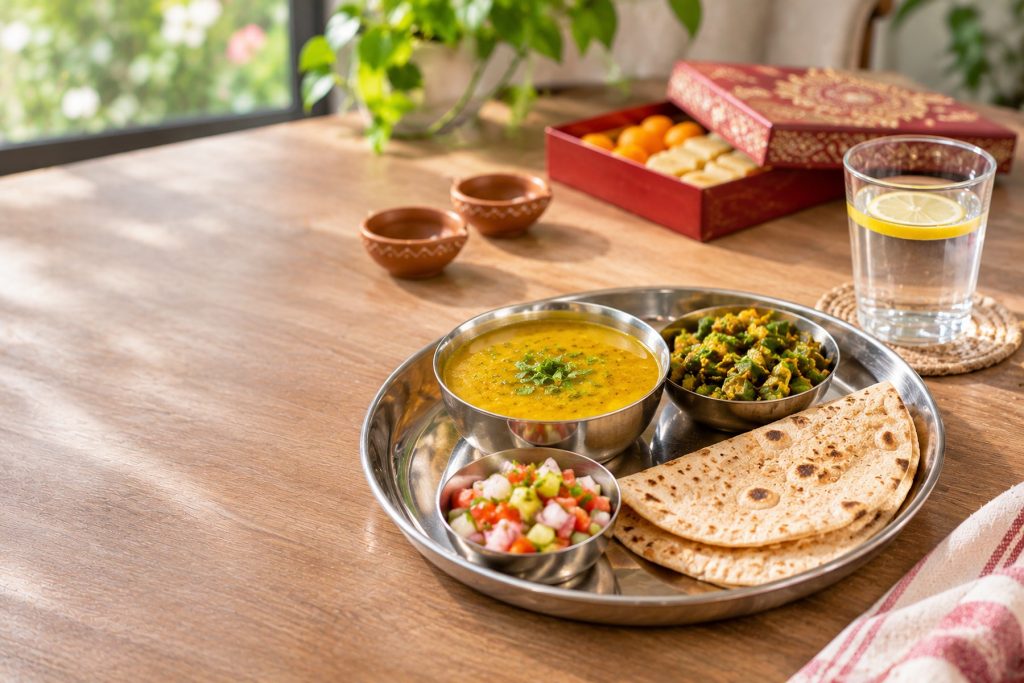
The diyas are packed away, the mithai boxes are half empty and the scale may say something you’d rather it didn’t. After a week of Dhanteras shopping, Diwali feasts and card parties, with Bhai Dooj still to come, it’s natural to want to undo it all fast. Social media is happy to help, with three-day juice cleanses, “detox” teas and skip-dinner challenges.
Here’s the reassuring part: a few days of festive eating doesn’t undo months of good habits, and much of the jump on the scale isn’t fat at all. What matters far more is what you do over the next few weeks. This guide explains why crash diets and detoxes aren’t the answer, and gives you a simple, realistic seven-day plan to get your eating, movement and sleep back on track.

At a glance

  • Don’t panic about the scale. A quick rise after a festival is largely water and stored carbohydrate from salty, rich food, and it settles within days once you eat normally.
  • Skip the detox. Your liver, kidneys and gut already clear waste. The British Dietetic Association calls detox diets “a marketing myth”.
  • The real risk is the slow creep. Research suggests festive-season weight gain is small but often never comes off, so steady habits matter more than a dramatic fix.
  • Go back to regular meals, with vegetables, a source of protein and whole grains at each one. Don’t skip meals to “make up” for Diwali.
  • Deal with the leftovers. Share, freeze or portion out mithai and namkeen rather than grazing on them all week.
  • Move a little, often. A short walk after meals helps blood sugar. On smoggy days, move your workout indoors.
  • Fix your sleep after late festive nights. Short sleep makes you hungrier the next day.
  • If you have diabetes, high blood pressure or heart disease, check your numbers this week and speak to your doctor if they’re higher than usual.

Why crash diets and detoxes aren’t the answer

The scale is exaggerating

If you weigh yourself the morning after Diwali, a gain of a kilo or more can feel alarming. Most of it isn’t fat. Gaining a kilo of body fat takes several thousand extra calories on top of what your body uses, far more than a few festive meals usually add. What you’re mostly seeing is:

  • water held by salt. Namkeen, chaat, pakoras and restaurant food are salty, and your body temporarily holds extra water to balance it.
  • stored carbohydrate. Sweets, puris and rice top up your glycogen stores, and glycogen is stored with water.
  • food that hasn’t moved through yet, especially after large, late meals.

That’s also why crash diets seem to “work” at first. The British Dietetic Association points out that the rapid weight loss from fasting is mainly water and glycogen rather than fat, and that it can leave you tired and short of nutrients. The water comes straight back when you eat normally.

The real issue is the slow creep

The weight that does stick is small, but it adds up. A US study published in the New England Journal of Medicine weighed adults through the year and found the average holiday-season gain was only about half a kilo. The catch: it wasn’t lost over the rest of the year, and people with overweight were more likely to gain more. In India, the festive season runs from Navratri through Diwali to weddings and New Year, so it’s worth paying attention to.

The good news is that small, consistent habits work. In a UK trial published in The BMJ, adults who weighed themselves regularly and had simple tips didn’t gain weight over Christmas, while the comparison group did.

“Detox” is a marketing idea, not a medical one

Your liver, kidneys, gut, lungs and skin clear waste products around the clock. No juice, tea, powder or cleanse has been shown to do this better. The British Dietetic Association describes detox diets as “a marketing myth rather than nutritional reality”, with benefits that are short-lived at best. Some detox teas contain laxatives or diuretics, which simply flush out water and can upset your stomach and fluid balance.

Why strict rules often don’t last

Skipping meals or living on juice for a few days is hard to keep up, and it tends to end with a return to old habits. It can also leave you low on protein, fibre and energy just as work and routines restart. A plan you can follow for weeks beats one you can manage for three days.

A note of caution: if you notice a pattern of eating a lot, then feeling guilty and severely restricting, or if food and weight are causing you real distress, it’s worth talking to your doctor. You don’t have to manage that on your own.

Your 7-day post-Diwali reset

This isn’t a diet. It’s a week of getting back to your normal routine, with a few small upgrades. You don’t need special foods, and you shouldn’t feel hungry.

Days 1–2: back to regular meals

  • Eat breakfast, lunch and dinner at roughly your usual times. Skipping meals to “compensate” usually makes you hungrier later and more likely to snack on leftovers.
  • Start the day with protein and fibre, such as besan or moong dal chilla, poha with peanuts and vegetables, vegetable upma, eggs, or curd with fruit and seeds.
  • Drink water through the day. It won’t flush out toxins, but thirst is easy to mistake for hunger, and after salty food you’ll probably want more.
  • Go easy on salt. Home-cooked dal, sabzi and roti, with less pickle, papad and namkeen, will help your body let go of the extra water quickly.

Days 3–5: build a better plate

The ICMR-NIN Dietary Guidelines for Indians advise getting no more than 45% of calories from cereals and millets, filling the rest with pulses, vegetables, fruit, nuts and milk, and cutting back on salt, sugar and ultra-processed foods. In practice, at lunch and dinner:

  • fill half your plate with vegetables or salad: sabzi, kachumber, palak, lauki, beans or a bowl of soup
  • add a protein food: dal, rajma, chana, paneer, tofu, curd, eggs, fish or chicken
  • keep grains to about a quarter of the plate, choosing whole wheat roti, brown or hand-pounded rice, or millets such as jowar, bajra and ragi
  • use a little less oil, and cook more by steaming, roasting or tadka rather than deep-frying

Protein and fibre keep you full for longer, which makes it easier to say no to the third piece of kaju katli without feeling deprived.

Days 6–7: plan the week ahead

  • Shop for a normal week: vegetables, fruit, pulses, curd and whole grains.
  • Plan two or three easy dinners so you’re not relying on takeaway or leftover snacks when you’re tired.
  • Keep healthier snacks handy: fruit, roasted chana, makhana, nuts, buttermilk or sprouts chaat.

What to do with leftover mithai and namkeen

The real post-Diwali challenge is often the boxes on the dining table. You don’t need to throw them away or eat them all this week.

  • Share them with neighbours, office colleagues, house help, security staff or a local shelter.
  • Freeze what you can. Many milk-free sweets, such as besan ladoo, and dry fruit barfis freeze well. Milk-based sweets don’t keep long, so share those first.
  • Portion, don’t graze. Put one piece on a plate and put the box away, rather than eating from it as you walk past.
  • Have sweets after a meal, not on an empty stomach as a snack, and enjoy them slowly.
  • Store namkeen out of sight and serve a small katori rather than eating from the packet. If you’re making snacks again, try our baked and air-fried namkeen recipes.

A word on alcohol and sugary drinks

If the festive week included card parties and gatherings, give your body a break from alcohol for a few days. Alcohol adds calories, disturbs sleep and often leads to late-night snacking. Swap sweetened drinks and colas for water, nimbu pani without sugar, buttermilk or plain tea.

Movement, sleep and routine

Move a little, often

You can’t out-exercise a week of festive eating, and you don’t need to. The aim is to get back to regular activity, not to punish yourself with a two-hour gym session.

  • Walk after meals. A meta-analysis in Sports Medicine found that even 2–5 minutes of light walking after eating helped steady blood sugar compared with sitting, with the biggest effect within 60–90 minutes of the meal. A 10–15 minute stroll after dinner is a good habit to start this week.
  • Work back up to your usual routine. The WHO recommends adults get at least 150 minutes of moderate activity a week, such as brisk walking, cycling or dancing, plus muscle-strengthening on two or more days. If you’ve had a lazy fortnight, start with shorter sessions and build up over a week or two.
  • Add some strength work. Squats, lunges, push-ups against a wall and resistance bands help maintain muscle, which matters for blood sugar and metabolism as we age.
  • Break up long sitting, especially as you return to work. Stand up and move every 30–60 minutes.

If the air is bad: in much of north India, the days after Diwali often bring the worst smog of the year. Check the AQI before heading out, skip outdoor runs and walks on poor-air days and exercise indoors instead, with yoga, a home workout, skipping or walking in a mall or indoor track. Our guide to air pollution and your health has more on protecting your lungs and heart.

Get your sleep back on track

Late nights, early pujas and noisy celebrations can leave you short of sleep, and that affects your eating. In a small Mayo Clinic study, healthy adults who slept about 80 minutes less a night for eight nights ate around 550 extra calories a day, without burning any more.

  • Aim for seven or more hours a night, and go to bed and wake up at about the same time each day, including weekends.
  • Have dinner two to three hours before bed and keep it lighter than a festive meal.
  • Cut back on caffeine after mid-afternoon, including the many cups of chai that come with festive visits.
  • Dim screens for the last half hour before bed.

Be kind to yourself

Festivals are meant to be enjoyed. Guilt about what you ate tends to make people either give up or swing to extremes. Think of this week as getting back to your routine, not as a punishment. One good meal, one walk and one early night are a perfectly good start.

If you have diabetes, high blood pressure or heart disease

A week of sweets, fried snacks, late meals and missed walks can push your numbers up, sometimes without any obvious symptoms. This week is a good time to check in.

  • Diabetes: if you monitor at home, check your blood sugar more often for a few days, including after meals. Keep taking your medicines as prescribed. Don’t skip or double doses to make up for what you ate. Contact your doctor if readings stay higher than your target, or if you notice extreme thirst, passing urine often, blurred vision or unusual tiredness. If you take insulin or medicines that can cause low blood sugar, be careful about suddenly cutting meals.
  • High blood pressure: salty festive food can raise blood pressure in some people. If you have a home monitor, take a few readings this week at the same time of day. Speak to your doctor if they’re consistently above the target you’ve been given.
  • Heart disease: keep taking your medicines, ease back into activity gradually and avoid exercising outdoors in heavy smog. Get urgent help for chest pain, breathlessness or pain spreading to the arm, jaw or back.

If you’re due a routine check-up, such as HbA1c, a lipid profile or a blood pressure review, this is a good month to book it. Our Dhanteras health guide lists the main tests and where to get them.

And if you were planning a strict diet or fasting for weight loss, check with your doctor first. It’s especially important if you take medicines for diabetes or blood pressure, or if you’re pregnant, older or have kidney disease.

The bottom line

You don’t need to undo Diwali. You need to get back to normal. Most of the quick gain on the scale is water and will settle within days. The habits that actually protect your health are unglamorous ones: regular meals built around vegetables, protein and whole grains; less salt and sugar; a walk after meals; and enough sleep. Keep them going through the rest of the festive and wedding season, and the occasional celebration won’t matter much. For tips you can use at the next festival, see our guide to a healthy Diwali.

Pro Tip: Use the GOQii App to log your meals, steps, water and sleep for the next seven days. Seeing the week in one place makes it easier to spot what’s working. Your GOQii Personalised Health Coach can help you build a realistic post-festival plan that fits your routine, without crash diets.

Frequently asked questions

How can I lose weight after Diwali?

Go back to regular meals with plenty of vegetables, a source of protein and smaller portions of whole grains, cut back on salt, sugar and fried snacks, walk daily and get enough sleep. Much of the quick gain is water and will settle within a few days. Aim for steady habits rather than fast loss.

Do post-Diwali detox drinks or juice cleanses work?

No. Your liver, kidneys and gut already remove waste, and no juice, tea or cleanse has been shown to do it better. Weight lost on a cleanse is mostly water and comes back when you eat normally. Some detox teas contain laxatives that can upset your stomach.

Why has my weight gone up so much after the festival?

A quick rise is mostly water held by salty food, extra stored carbohydrate and food still being digested, rather than fat. Gaining a kilo of fat takes several thousand extra calories. The scale usually settles within a few days of normal eating.

Should I skip meals or fast to make up for overeating?

It’s better not to. Skipping meals often leads to more snacking later and can leave you low on energy and nutrients. If you have diabetes or take medicines for blood sugar or blood pressure, check with your doctor before fasting.

What should I do with leftover Diwali sweets?

Share them with neighbours, colleagues or a local shelter, freeze those that freeze well, and keep the boxes out of sight. Have a single piece after a meal rather than grazing through the day.

How much exercise do I need after Diwali?

There’s no need to overdo it. Return to your usual routine and build up to the WHO’s recommendation of at least 150 minutes of moderate activity a week, plus strength exercises on two days. A short walk after meals also helps steady blood sugar.

Is it safe to exercise outdoors after Diwali?

Not on days when air quality is poor. Check the AQI before going out, and on smoggy days exercise indoors with yoga, a home workout or walking indoors. This is especially important for people with asthma, COPD or heart disease.

#BeTheForce

Disclaimer: The information provided in this blog is for general awareness and educational purposes only. It is not intended to replace professional medical advice, diagnosis, or treatment. Always consult a qualified healthcare provider for personalised medical guidance or concerns related to your health.

November 5, 2026 By GOQii Leave a Comment

Jaggery vs Sugar: Is Gur Really Healthier?

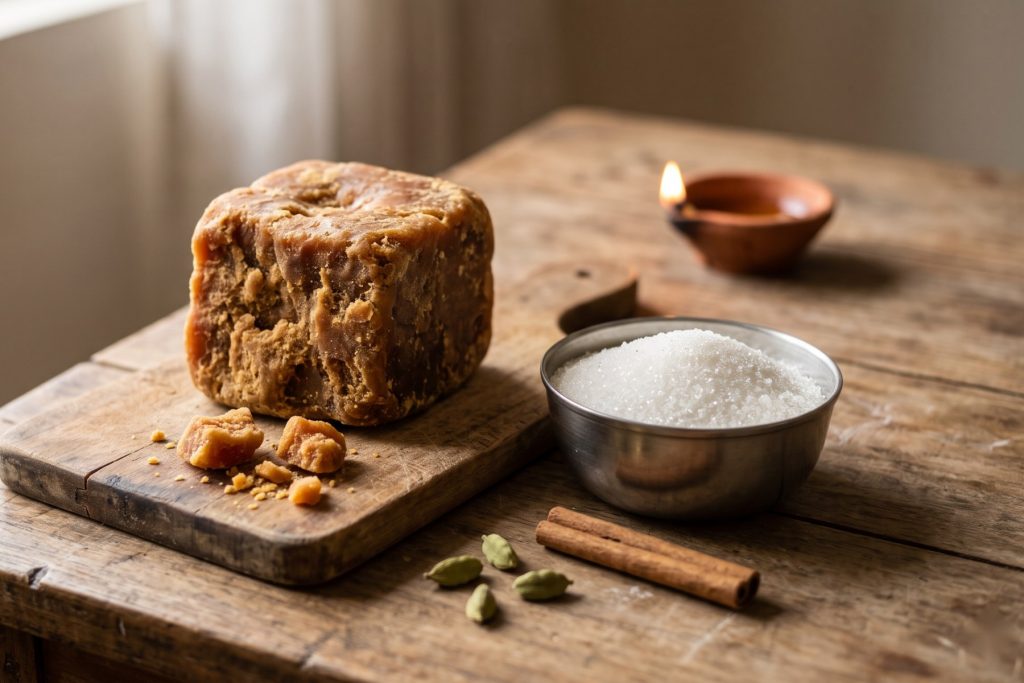
Swapping white sugar for gur is one of the most common “healthy” changes people make before Diwali. Gur feels traditional, less processed and somehow kinder to the body. But your body handles jaggery much the way it handles sugar: it is mostly sucrose, it carries almost the same calories, and it raises blood glucose.

That doesn’t mean you need to give up your favourite gur chikki or til laddoo. It means treating jaggery as what it is, a sweet treat, and enjoying it in amounts that suit your health.

At a glance

  • Is jaggery healthier than sugar? Only slightly. It keeps traces of minerals that refining removes, but the amounts in a normal serving are too small to matter much.
  • Calories: about 375 kcal per 100 g for jaggery and close to 400 kcal for white sugar.
  • Blood sugar: both raise blood glucose. Jaggery is not a safe swap for people with diabetes.
  • How much is OK: WHO advises keeping free sugars, jaggery and honey included, below 10% of daily energy and ideally below 5%.
  • Best approach this Diwali: use less of any sweetener, choose smaller portions, and add flavour with nuts, cardamom, cinnamon and fruit.

Key takeaways

  • Jaggery is roughly 65–85% sucrose, the same sugar that makes up white sugar.
  • It contains some iron, potassium and magnesium, but you would need to eat a very large amount of jaggery to get a useful dose.
  • Studies disagree on jaggery’s glycaemic index, but none show that it protects blood sugar. Count it the same way you count sugar.
  • Honey, coconut sugar, panela and date syrup are also free sugars under WHO’s definition.
  • The healthiest change is to use less sweetener overall, not to switch from one sweetener to another.

What is jaggery?

Jaggery (gur) is made by boiling sugarcane juice, or palm sap, until it thickens and sets. Unlike white sugar, it isn’t spun in a centrifuge to remove the molasses, which is why it’s called a non-centrifugal sugar. It goes by different names around the world: panela in Latin America, rapadura in Brazil and kokuto in Japan. India produces nearly 70% of the world’s jaggery.

Keeping the molasses gives jaggery its colour, its caramel flavour and its small amount of minerals. It is still a sugar.

Jaggery vs sugar: the nutrition, side by side

Per 100 g Jaggery White sugar
Sucrose 65–85 g about 99.5 g
Glucose and fructose 10–15 g trace
Energy about 375 kcal about 390–400 kcal
Iron about 11 mg (varies widely) trace
Calcium 40–100 mg under 5 mg
Magnesium 70–90 mg trace

Jaggery figures are from a review of jaggery products, as reported by The Week; refined sugar figures are from a 2021 review in the Journal of Food Science and Technology. Mineral levels vary a lot with the cane, the soil and how the jaggery is made. Some of the iron can come from the iron pans it is boiled in.

Do the minerals make a difference?

Not at the amounts people actually eat. A 10 g piece of jaggery, roughly a heaped teaspoon, gives you about 37 kcal and around 1 mg of iron. That’s a small fraction of what most adults need each day. To get 10 mg of iron from jaggery you would need about 90 g, which is more than 300 kcal of sugar.

Iron, calcium and magnesium are far better sourced from dals, green leafy vegetables, millets such as ragi, nuts, seeds and dairy. These come with protein and fibre, not just sugar.

Does jaggery raise blood sugar less than sugar?

No. Jaggery is mostly sucrose, so your body breaks it down into glucose and fructose just as it does white sugar. Both raise blood glucose.

Studies of jaggery’s glycaemic index (GI), which measures how quickly a food raises blood sugar, don’t agree. One review puts jaggery’s GI at about 84, which is higher than the usual figure of about 65 for table sugar. A 2022 Sri Lankan study in people with type 2 diabetes compared coconut jaggery with cane sugar. It found no significant difference in how much either raised blood glucose, and the authors concluded that coconut jaggery is not a healthy substitute for sugar. The results depend on the type of jaggery, how it is made and how it’s eaten. None of the studies show that jaggery is gentle on blood sugar.

If you have diabetes or prediabetes, count jaggery exactly as you would count sugar. Our guide to the glycaemic index explains how to build meals that keep blood sugar steadier. If you’re unsure where you stand, read about the early signs of diabetes and ask your doctor about a fasting glucose or HbA1c test.

What about honey, coconut sugar and dates?

WHO’s definition of free sugars includes honey and syrups as well as table sugar. That means most “natural” sweeteners count towards the same daily limit.

Sweetener What it is Counts as free sugar? Worth knowing
Jaggery (gur) / panela Unrefined cane sugar Yes Traces of minerals; same calories as sugar
Palm or coconut jaggery Set palm or coconut sap Yes Often marketed as low-GI; the evidence is mixed
Brown sugar White sugar with molasses added back Yes Nutritionally close to white sugar
Honey Sugars made by bees Yes Not suitable for babies under 1 year
Date syrup Concentrated dates Yes Most of the fibre in whole dates is lost
Whole dates Intact fruit No (when eaten whole) Fibre slows absorption, but dates are still sugar-dense
Stevia, monk fruit Non-nutritive sweeteners No Almost no calories; best used sparingly

Whole dates are a better choice than syrup because they keep their fibre, but they are still high in sugar. Our post on whether to eat dates covers how many to have. For calorie-free options, see our guides to stevia and artificial sweeteners.

How much sugar or jaggery is OK?

WHO recommends keeping free sugars below 10% of your daily energy, and ideally below 5%. In India, the ICMR-NIN Dietary Guidelines for Indians (2024) also call for keeping sugar below 5% of daily calories.

For an adult eating about 2,000 kcal a day, this works out to:

  • Under 10%: up to 50 g of free sugars a day.
  • Ideally under 5%: about 25 g a day, or roughly six level teaspoons.

That total includes the sugar, jaggery or honey in your tea, sweets, biscuits, sauces and drinks, not just what you add at the table. Two pieces of a jaggery-based sweet can use up most of a day’s allowance.

Smarter sweets this Diwali

You don’t have to skip festive sweets. A few simple changes help:

  1. Cut the sweetener by a quarter to a third. Most traditional recipes still taste good with less, especially when you add cardamom, cinnamon, saffron or nutmeg.
  2. Make smaller pieces. A laddoo half the size has half the sugar, and you still get to enjoy it.
  3. Add protein and fibre. Nuts, seeds, roasted chana, oats and millets slow digestion and keep you fuller for longer.
  4. Use fruit for sweetness. Mashed banana, grated apple or a few chopped whole dates can replace part of the sweetener in many recipes.
  5. Put sweets on the table, not on the run. Eat them slowly, with a meal, rather than picking at them all day.
  6. Balance the rest of the day. On a day with sweets, cut back on sweetened tea, soft drinks and packaged snacks.

Looking for ideas? Try our dates roll with seeds, our healthier Indian sweets and our baked and air-fried Diwali namkeen. If you love gur in winter, masala gur is best enjoyed in small pieces.

Pro Tip: Not sure how much sugar you eat in a day? Log your meals, sweets and drinks on the GOQii App for a week. The total often surprises people. A GOQii Personalised Health Coach can then help you plan a festive season that still includes your favourite sweets.

Frequently asked questions

Is jaggery better than sugar for weight loss?

No. Jaggery has almost the same calories as sugar, about 375 kcal per 100 g compared with roughly 390–400 kcal. What matters for weight is how much sweetener you eat in total, not which one you choose.

Can people with diabetes eat jaggery?

Jaggery raises blood sugar just as sugar does, so it is not a diabetes-friendly swap. If you have diabetes, count jaggery as sugar and agree on any sweet foods with your doctor or dietitian.

Does jaggery help with iron deficiency or anaemia?

Not in a useful way. A 10 g piece gives around 1 mg of iron, and getting meaningful amounts would mean eating a lot of sugar. If you think you may be low in iron, see a doctor for a blood test. Iron-rich foods such as dals, leafy greens and millets are a better everyday source.

Is jaggery good for digestion?

Eating a small piece of gur after meals is a long-standing tradition in many Indian homes, but there is little good-quality research showing it aids digestion. Fibre from whole grains, pulses, vegetables and fruit has much stronger evidence.

Is honey healthier than jaggery?

Neither is a health food. Both count as free sugars under WHO guidance, and both raise blood sugar. Choose whichever you enjoy, and use less of it.

How much jaggery can I eat in a day?

WHO advises keeping all free sugars, jaggery included, below 10% of daily energy and ideally below 5%. For most adults, 5% is about 25 g a day from every source combined, including tea, sweets and drinks.

#BeTheForce

Disclaimer: This article is for general information only and is not a substitute for medical advice. If you have diabetes, prediabetes or another health condition, talk to your doctor or a registered dietitian before changing your diet.

November 3, 2026 By Vandana Juneja Leave a Comment

Maintaining a Healthy Lifestyle During Diwali: Balancing Tradition and Well-Being

Diwali is about light, family and togetherness, and food is at the heart of it. There’s the box of kaju katli from a neighbour, chakli and chivda with every cup of chai, the late-night card parties and the big family dinner. Nobody wants to spend the festival counting calories, and you shouldn’t have to.


The aim isn’t perfection. It’s balance: enjoying the traditions you love while keeping a few simple habits that stop one festive week turning into a month of feeling sluggish. Here’s how, before, during and after the celebrations, whether you’re celebrating in Mumbai, Leicester or New Jersey.

At a glance

  • Aim for moderation, not perfection. A few sweets won’t undo your health; weeks of excess might.
  • Don’t arrive at parties hungry. A balanced meal or snack beforehand makes overeating less likely.
  • Eat mindfully. Slowing down and paying attention to food has been shown to reduce how much people eat.
  • Make smarter swaps: baked or roasted namkeen, and sweets with less sugar and more nuts.
  • Keep moving: even a few minutes of walking after a meal can help blunt the rise in blood sugar.
  • Protect sleep, manage stress and go easy on alcohol. There’s no safe level of drinking.
  • Take extra care if you have diabetes, high blood pressure, or heart or lung disease.

Why the festive weeks add up

Diwali isn’t one meal. It’s often two or three weeks of gifting, visiting and celebrating, starting with Dhanteras shopping and ending with Bhai Dooj, and the habits add up:

  • Sweets: most mithai is rich in sugar and ghee. The WHO advises keeping free sugars below 10% of daily energy, and ideally below about 25 g (6 teaspoons) a day. Two or three pieces of mithai can use that up.
  • Fried snacks: namkeen, samosas and pakoras are energy-dense and often fried in oil that’s been reused many times.
  • Salt: namkeen, papad and pickles push salt intake up, which matters for blood pressure.
  • Late nights and alcohol: card parties and celebrations cut into sleep, and drinking adds calories while lowering your guard around food.
  • Smoke: firecrackers and winter smog can worsen asthma and other lung and heart conditions.

Weight gained over a festival doesn’t always come off. In research on Christmas, a festival with similar eating habits, adults typically gained 0.4–1 kg a year, with much of it put on during the festive season and not fully lost afterwards. Small, steady habits make the difference.

Before the celebrations

  1. Set realistic goals. “No sweets at all this Diwali” rarely lasts past the first box of barfi. Goals like “one sweet a day, savoured”, “a 20-minute walk every morning” or “no second helpings at dinner” are easier to keep. If you’re trying to lose weight, aiming to maintain your weight through the festival is a perfectly good goal.
  2. Don’t arrive starving. Going to a party hungry makes it much harder to stop at a few snacks. Have a balanced meal or a filling snack with protein and fibre beforehand, such as a bowl of dal, curd with fruit, a handful of nuts or roasted chana.
  3. Plan, and keep an eye on the scale. Look at the week ahead and decide which events matter most to you. Keep everyday meals simple and light on the other days. In a UK study over Christmas, adults who weighed themselves regularly and learnt how much activity it takes to burn off festive foods avoided weight gain, while the comparison group put weight on. A quick weigh-in twice a week, or logging your meals, is a gentle reality check, not a punishment.
  4. Know what’s in your favourite foods. You don’t need to count every calorie, but it helps to know that fried and syrup-soaked sweets such as gulab jamun and jalebi, and deep-fried namkeen, are among the most energy-dense festive foods. That makes them the ones to enjoy in smaller amounts.

At the table

  1. Eat mindfully. Sit down to eat rather than grazing from the plate on the table. Eat slowly, put food on a plate rather than eating from the box, and actually taste your favourite sweet instead of finishing it while chatting. A 2026 review of 46 studies found that mindfulness and mindful eating reduced how much people ate, although they didn’t change how hungry people felt.
  2. Use the plate, not the platter. At a buffet or family dinner, fill half your plate with vegetables, salad and dal first, then add the rich dishes. Pick the two or three festive foods you really love and skip the ones you’re eating out of habit.
  3. Choose smarter sweets and snacks. You don’t have to give up mithai, but you can:
  • make sweets with dates, nuts and seeds instead of sugar syrup, like our dates roll with seeds, remembering that dates are still high in natural sugar
  • swap deep-fried namkeen for baked and air-fried namkeen, such as methi mathri, namak pare and roasted poha chivda
  • try the lighter festive ideas in our trending healthy recipes
  • choose smaller pieces, and share a sweet rather than having a whole one
  • give dry fruit, fruit baskets or homemade snacks as gifts, instead of another box of mithai
  1. Drink water, not just chai. Keep water within reach, and go easy on sweetened drinks and sherbets.

Beyond the food

  1. Keep moving. Cleaning and decorating the house counts! So do dancing at a family party, a morning walk before the day gets busy, and a short stroll after big meals. A 2022 analysis of seven studies found that even 2–5 minutes of light walking after eating helped blood sugar rise and fall more gently than sitting. On high-pollution days, move your workout indoors; see our guide to air pollution and your health.
  2. Protect your sleep. Late nights make you hungrier the next day and more likely to reach for sugary snacks. Try to keep a regular wake-up time, and catch up with an early night after a late celebration.
  3. Manage the stress. Cleaning, shopping, cooking, hosting and family expectations can make the festival exhausting. Share the jobs, keep plans simple and take a few minutes for slow breathing or quiet time. Saying no to one more event is allowed.
  4. Be honest about alcohol. If you drink, have less. The WHO is clear that there’s no safe level of alcohol for health, and no drink is a “healthy option”, including red wine. Alternate alcoholic drinks with water, avoid sugary mixers, eat before you drink, and never drink and drive.
  5. Lean on your people. Tell family or friends what you’re aiming for. Walk together after dinner, cook a lighter dish to share, and reward yourselves with an outing or a new book rather than another sweet.

If you have a health condition

Festivals are for everyone, but a few conditions need some extra planning.

  • Diabetes: keep to your usual meal times and medicines, and don’t skip meals to “save up” for sweets, which can cause low blood sugar if you take insulin or certain tablets. Count sweets as part of your carbohydrates for that meal, choose a small piece, and check your sugar more often during the festival. Sugar-free sweets can still be high in fat and calories.
  • High blood pressure or heart disease: watch the salt in namkeen, pickles and papad, keep taking your medicines on time, and avoid heavy meals late at night. Seek urgent help for chest pain or breathlessness, and know the signs of a stroke.
  • Asthma or COPD: firecracker smoke and winter smog can trigger attacks. Stay indoors when the air is smoky, keep your reliever inhaler with you, and follow your action plan.
  • Pregnancy: avoid alcohol completely, and choose freshly made sweets and dairy from trusted sources.

If you’re unsure how festive eating fits your treatment, check with your doctor or dietitian before the celebrations begin.

After Diwali: think long term

  1. Get straight back to normal. Had a few too many laddoos? That’s fine. One day doesn’t define your health; what you do over the following weeks matters far more. Go back to your usual meals and routine the next day. There’s no need for a crash diet, “detox” or skipping meals, which often backfire.
  2. Pass on the leftovers. Share leftover sweets with neighbours, staff or a local shelter rather than finishing them over the next fortnight. Freeze some if you can.
  3. Keep the good habits going. If you started walking after dinner or swapped fried namkeen for roasted snacks, keep it up. The healthiest festivals are the ones that leave you with a habit worth keeping.

The bottom line

A healthy Diwali isn’t about saying no to the sweets your family has made for generations. It’s about choosing the ones you love, eating them slowly, keeping meals around them simple, staying active, sleeping enough and going easy on alcohol. Do that, and you can enjoy every diya, every visit and every bite, and still feel good when the lights come down.

Pro Tip: Use the GOQii App to log your meals, steps and sleep through the festive weeks; seeing the pattern helps you balance a heavy day with a lighter one. Your GOQii Personalised Health Coach can help you set realistic festive goals and get back on track afterwards.

Frequently asked questions

How can I eat healthily during Diwali?

Aim for moderation rather than perfection. Eat a balanced meal before parties, choose the festive foods you love most, eat them slowly, fill half your plate with vegetables and dal, and choose baked or roasted snacks where you can.

How many sweets can I eat during Diwali?

There’s no fixed number, but the WHO advises keeping free sugars ideally below about 25 g, or 6 teaspoons, a day. Many pieces of mithai contain a large share of that, so one small sweet a day, enjoyed slowly, is a sensible approach.

What are healthy alternatives to Diwali sweets?

Try sweets made with dates, nuts and seeds, roasted makhana, fruit-based desserts or smaller portions of traditional mithai. Remember that sweets made with dates or jaggery still contain a lot of sugar.

How can I avoid weight gain during Diwali?

Keep everyday meals light and simple, stay active, weigh yourself once or twice a week, limit fried snacks and sugary drinks, and get back to your normal routine right after the festival.

Can people with diabetes eat sweets during Diwali?

Most people with diabetes can have a small sweet occasionally as part of a meal, counted within their carbohydrate allowance. Don’t skip meals or medicines, check your blood sugar more often, and ask your doctor or dietitian for advice.

Is red wine a healthy choice during celebrations?

No. The WHO says there is no safe level of alcohol for health, and red wine isn’t a healthy option. If you drink, drink less, alternate with water and never drink and drive.

How do I get back on track after Diwali?

Return to your usual meals and routine the very next day, drink plenty of water, move every day and get enough sleep. There’s no need for detox diets or skipping meals.

#BeTheForce

Disclaimer: The information provided in this blog is for general awareness and educational purposes only. It is not intended to replace professional medical advice, diagnosis, or treatment. Always consult a qualified healthcare provider for personalised medical guidance or concerns related to your health.

  • « Previous Page
  • 1
  • …
  • 5
  • 6
  • 7
  • 8
  • 9
  • …
  • 152
  • Next Page »

Search

Recent Posts

  • PCOS: diet, exercise and the myths to stop believing
  • Cholesterol numbers explained: LDL, HDL and triglycerides
  • International Men’s Day 2026: why men’s health is everyone’s business
  • World COPD Day 2026: Short of Breath? Think COPD – Why Early Diagnosis Matters
  • National Epilepsy Day 2026: Seizure First Aid – What to Do (and Not Do) When Someone Has a Seizure

Stay Updated

Archives

  • November 2026 (20)
  • October 2026 (23)
  • September 2026 (5)
  • August 2026 (8)
  • July 2026 (24)
  • June 2026 (22)
  • May 2026 (20)
  • April 2026 (24)
  • March 2026 (18)
  • February 2026 (14)
  • January 2026 (14)
  • December 2025 (19)
  • November 2025 (14)
  • October 2025 (17)
  • September 2025 (6)
  • August 2025 (5)
  • July 2025 (9)
  • June 2025 (18)
  • May 2025 (16)
  • April 2025 (22)
  • March 2025 (25)
  • February 2025 (21)
  • January 2025 (25)
  • December 2024 (21)
  • November 2024 (21)
  • October 2024 (15)
  • September 2024 (22)
  • August 2024 (27)
  • July 2024 (14)
  • June 2024 (23)
  • May 2024 (26)
  • April 2024 (27)
  • March 2024 (27)
  • February 2024 (23)
  • January 2024 (21)
  • December 2023 (14)
  • November 2023 (10)
  • October 2023 (18)
  • September 2023 (20)
  • August 2023 (16)
  • July 2023 (16)
  • June 2023 (21)
  • May 2023 (20)
  • April 2023 (19)
  • March 2023 (23)
  • February 2023 (19)
  • January 2023 (15)
  • December 2022 (11)
  • November 2022 (15)
  • October 2022 (15)
  • September 2022 (12)
  • August 2022 (9)
  • July 2022 (17)
  • June 2022 (11)
  • May 2022 (10)
  • April 2022 (6)
  • March 2022 (6)
  • February 2022 (13)
  • January 2022 (11)
  • December 2021 (7)
  • November 2021 (3)
  • October 2021 (6)
  • September 2021 (3)
  • August 2021 (8)
  • July 2021 (7)
  • June 2021 (15)
  • May 2021 (16)
  • April 2021 (10)
  • March 2021 (7)
  • February 2021 (4)
  • January 2021 (4)
  • December 2020 (3)
  • November 2020 (4)
  • October 2020 (10)
  • September 2020 (3)
  • August 2020 (3)
  • July 2020 (2)
  • June 2020 (4)
  • May 2020 (10)
  • April 2020 (12)
  • March 2020 (10)
  • February 2020 (4)
  • January 2020 (4)
  • December 2019 (3)
  • November 2019 (7)
  • October 2019 (5)
  • September 2019 (4)
  • August 2019 (9)
  • July 2019 (9)
  • June 2019 (11)
  • May 2019 (4)
  • April 2019 (8)
  • March 2019 (8)
  • February 2019 (9)
  • January 2019 (8)
  • December 2018 (9)
  • November 2018 (3)
  • October 2018 (3)
  • September 2018 (5)
  • August 2018 (10)
  • July 2018 (6)
  • June 2018 (13)
  • May 2018 (8)
  • April 2018 (17)
  • March 2018 (9)
  • February 2018 (8)
  • January 2018 (15)
  • December 2017 (12)
  • November 2017 (19)
  • October 2017 (13)
  • September 2017 (15)
  • August 2017 (4)
  • July 2017 (8)
  • June 2017 (7)
  • May 2017 (6)
  • April 2017 (8)
  • March 2017 (6)
  • February 2017 (7)
  • January 2017 (9)
  • December 2016 (10)
  • November 2016 (7)
  • October 2016 (7)
  • September 2016 (7)
  • August 2016 (11)
  • July 2016 (9)
  • June 2016 (9)
  • May 2016 (12)
  • April 2016 (17)
  • March 2016 (17)
  • February 2016 (8)
  • January 2016 (6)
  • December 2015 (2)
  • November 2015 (9)
  • October 2015 (7)
  • September 2015 (9)
  • August 2015 (11)
  • July 2015 (9)
  • June 2015 (11)
  • May 2015 (9)
  • April 2015 (13)
  • March 2015 (8)
  • February 2015 (5)
  • January 2015 (12)
  • December 2014 (14)
  • November 2014 (11)
  • October 2014 (6)
  • September 2014 (13)
  • August 2014 (12)
  • July 2014 (6)
  • June 2014 (2)
  • May 2014 (7)
  • April 2014 (4)

From Burnout to Balance: How Dr. Ranjit Reclaimed His Health

Dr Ranjit Bhatt has spent years tending to others. A practising doctor in Odisha, his days were packed with patients, surgeries, and emergencies. From the outside, it looked like a life lived in service. But on the inside, something wasn’t right. “I had no … [Read More...]

From Shimla’s Slopes to Chandigarh’s Sidewalks: Surinder Kaur Bhalla’s Journey from Chaos to Control

Some journeys start with a plan. Others begin with a stumble literally. Surinder Bhalla, a government professional, born and raised in the scenic hill town of Shimla, had always lived a life of movement. “In Shimla, you walked everywhere,” she reflects. “Walking was never an exercise. It was just life.” But after shifting to Chandigarh, […]

“I’ve Challenged Myself to Live 100 Years” – The Story of Chandubhai Savani’s Second Chance at Life

At 67, most people start slowing down. Not Chandubhai Savani. A resident of Surat, Chandubhai, thought life was on track. “My life was going well till I had my bypass surgery,” he says. That surgery, back in 2021, was a wake-up call.  Medication was routine, but exercise wasn’t. His diet? What he calls ‘normal.’ “I […]

Ananda Mukherjee Health Story

From Terminal Illness To Complete Wellness! Ananda Mukherjee Health Story

As we observe World Cancer Day under the powerful theme ‘United by Unique’ (2025-2027)**, we are reminded that every individual’s journey with cancer is distinct, yet united by shared resilience, hope, and the collective fight against this disease. This theme places people at the centre of care and their stories at the heart of the […]

  • HOME
  • HEALTHY LIVING
  • FITNESS
  • HEALTHY RECIPES
  • USER STORIES
  • KARMA
  • BUY GOQii

Copyright ©2016 GOQii

