GOQii

Blog

  • HOME
  • HEALTHY LIVING
  • FITNESS
  • HEALTHY RECIPES
  • USER STORIES
  • KARMA
  • BUY GOQii

Archives for September 2026

September 30, 2026 By GOQii Leave a Comment

Best Foods to Support Liver Health & Reduce Fatty Liver Risk

Your liver is one of the most hardworking organs in your body, performing over 500 essential functions, from detoxifying harmful substances to aiding digestion and metabolism. But with today’s lifestyle—highly processed diets, excessive alcohol, and sedentary habits—the liver often bears the brunt, leading to issues like fatty liver disease.

The good news? Your diet plays a huge role in keeping your liver healthy! By making the right food choices, you can protect your liver, reduce fat accumulation, and support overall detoxification. Here’s a guide to the best foods that will help you maintain a healthy liver and reduce fatty liver risk naturally.

1. Leafy Greens 🥬

Spinach, kale, and collard greens are powerhouses of antioxidants and chlorophyll, which help flush toxins from the liver. They also contain nitrate compounds that can improve liver function and prevent fat accumulation.

💡 How to Add: Toss greens into salads, blend them into smoothies, or sauté them with garlic for a nutritious side dish.

2. Cruciferous Vegetables 🥦

Broccoli, cauliflower, Brussels sprouts, and cabbage are loaded with sulphur compounds, which enhance liver detoxification and reduce inflammation. These veggies also boost glutathione levels, an antioxidant critical for liver health.

💡 How to Add: Lightly steam them or stir-fry with olive oil for a delicious and liver-friendly meal.

3. Fatty Fish 🐟

Salmon, sardines, and mackerel are rich in omega-3 fatty acids, which help reduce liver inflammation and prevent excess fat buildup. Omega-3s also support overall heart health, reducing the risk of metabolic issues that impact liver function.

💡 How to Add: Grill or bake fatty fish with lemon and herbs for a tasty, nutritious meal.

4. Turmeric 🫚

This golden spice contains curcumin, a powerful anti-inflammatory and antioxidant compound that supports liver detoxification and improves bile production.

💡 How to Add: Mix turmeric into warm milk, sprinkle it over roasted vegetables, or add it to soups and curries.

5. Nuts & Seeds 🌰

Almonds, walnuts, chia seeds, and flaxseeds are packed with healthy fats, vitamin E, and antioxidants, all of which protect liver cells and reduce fat accumulation.

💡 How to Add: Snack on a handful of nuts or sprinkle seeds over yoghurt, oatmeal, or smoothies.

6. Green Tea 🍵

Rich in catechins and polyphenols, green tea helps reduce oxidative stress on the liver and supports fat metabolism. Studies suggest that regular green tea consumption can help prevent liver disease.

💡 How to Add: Enjoy 1-2 cups daily for the best benefits, but avoid excessive intake, as too much can strain the liver.

7. Garlic 🧄

Garlic contains allicin, a compound that activates liver detox enzymes and helps flush out toxins. It also has anti-inflammatory properties that support liver function.

💡 How to Add: Add minced garlic to stir-fries, soups, or roasted veggies.

8. Berries 🍓

Blueberries, strawberries, and raspberries are loaded with anthocyanins, which help protect the liver from damage and reduce fat buildup.

💡 How to Add: Toss berries into your breakfast bowls, smoothies, or eat them fresh as a snack.

9. Oats & Whole Grains 🌾

High in fibre and complex carbohydrates, oats and whole grains help regulate blood sugar levels, reducing the risk of non-alcoholic fatty liver disease (NAFLD).

💡 How to Add: Have oat porridge, whole grain bread, or quinoa-based meals for a fibre boost.

10. Beetroot Juice 🥤

Beetroot is high in nitrates and antioxidants, which help reduce liver inflammation and support natural detox processes.

💡 How to Add: Drink fresh beetroot juice or add it to salads for extra nutrition.

Foods to Avoid for Liver Health

❌ Processed foods – High in unhealthy fats and preservatives that stress the liver.
❌ Excessive alcohol – A major cause of liver damage and fatty liver disease.
❌ Refined sugars – Can contribute to insulin resistance and liver fat accumulation.
❌ Fried foods – High in trans fats that promote inflammation and liver dysfunction.

Your liver works tirelessly to keep you healthy—so why not return the favour? Making small dietary changes can go a long way in improving liver function, preventing fatty liver disease, and boosting overall well-being.

💡 Start incorporating these liver-friendly foods into your diet today!

💬 Have you tried any of these foods for liver health? Share your thoughts in the comments!

#BeTheForce

Disclaimer: The information provided in this blog is for general awareness and educational purposes only. It is not intended to replace professional medical advice, diagnosis, or treatment. Always consult a qualified healthcare provider for personalised medical guidance or concerns related to your health.

September 29, 2026 By Gitanjali Bahl 5 Comments

Choose the right activity to stay fit

fitness-trainingThe Big Question

Who doesn’t want to look good, feel energetic, and stay fit? Recently, there has been a massive shift in awareness, with more people obsessed with losing weight and staying active.

But true fitness is not an overnight transformation, and randomly forcing yourself to exercise can often backfire. Exercising regularly is one of the healthiest choices you can make—lowering your risk of heart disease, diabetes, stroke, and high blood pressure, while easing depression and boosting self-esteem.

The problem? Many people think fitness requires spending long, boring hours in a gym. It doesn’t. Whether you view physical activity as a structured program or simply a lifestyle choice, the secret to long-term success lies in choosing the right activity for your unique body and schedule.

Quick Answer: How do you choose the right exercise?

The right exercise aligns with your purpose, age, weight, and medical background. Rather than forcing yourself into a gym, focus on mild-to-moderate activities that fit your daily routine and interest you—whether that’s brisk walking, yoga, home stretches, or playing a sport.

Why Making the “Right” Choice Matters

Making a random choice of exercise can actually become a deterrent to getting fit, and in some cases, it can cause genuine harm.

Consider these two common instances of choosing the wrong exercise:

  • The Overweight Runner: A person who is on the extreme heavy side should ideally not opt for running right away. Running requires expending more energy and places undue pressure on the joints, which can quickly lead to joint damage and injuries.
  • The Osteoporotic Weightlifter: Imagine a man over 50 with osteoporosis going to the gym to lift heavy weights. While it is commendable that he is trying to stay active, lifting heavy weights despite compromised bone density is just straining his joints and risking severe injury.

The Power of Moderate Activity (Don’t Overdo It)

You do not have to sweat buckets or run a marathon to reap the benefits of exercise. Research shows that mild to moderate activity is enough to change your life for the better.

But what exactly does “moderate activity” mean?

  • The Talk Test: You are breathing a little heavier than normal, but you are not out of breath. For example, you should be able to chat with your walking partner, but you would not easily be able to sing a song.
  • The Temperature Test: Your body feels warmer as you move, but you are not overheated or excessively sweaty.

7 Essential Factors for Choosing Your Exercise

Before jumping into a new routine, evaluate your personal parameters. The factors that are essential for choosing the right exercise include:

  1. Purpose of exercise: (Are you trying to lose weight, build strength, or improve mental health?)
  2. Age: (Different life stages require different mobility and impact levels.)
  3. Weight: (High-impact vs. low-impact needs.)
  4. Interest: (If you don’t enjoy it, you won’t stick with it.)
  5. Medical conditions: (Pre-existing joint issues, heart conditions, bone density, etc.)
  6. Daily Routine: (How much realistic time you can spare.)
  7. Nutritional Intake: (Are you fueling your body enough for the activity you are choosing?)

You Don’t Need a Gym: Ways to Stay Active

If you are not ready to commit to a structured exercise program, think about physical activity as a lifestyle choice. Look at your daily routine and sneak in small activities.

There are plenty of exercises that can be done at home, in the office, or outdoors:

  • Going for a simple or brisk walk
  • Yoga
  • Simple strength and stretch exercises (push-ups, planks, abdomen exercises at home)
  • Aerobics
  • Cycling and Hiking
  • Playing a sport such as Badminton, Tennis, etc.
  • Playing actively with your kids
  • Dancing the night away
  • Martial Arts
  • Running (if appropriate for your fitness level)

Once you understand your purpose and physical parameters, choosing the right exercise becomes automatic.

Pro Tip: Always prefer getting professional advice before starting any new exercise regime. Use the GOQii App to track your daily steps, sleep, and habits, and speak to a GOQii Coach by subscribing for Personalised Health Coaching to find the perfect fitness routine for your unique body type.

Frequently Asked Questions (FAQs)

  1. Do I need to join a gym to stay fit?

No. You don’t have to spend long hours in a gym to reap the benefits of exercise. Walking, doing household chores, doing home workouts, or playing a sport are all highly effective ways to stay active.

  1. How do I know if I am exercising at a “moderate” level?

Use the talk test. During moderate activity, you should be breathing heavier than normal but still able to hold a conversation. If you can sing, you need to work harder; if you can’t speak, you are working too hard.

  1. Why shouldn’t someone who is heavily overweight start with running?

Running is a high-impact exercise that places significant stress on the knees and ankles. For individuals carrying excess weight, this puts undue pressure on the joints and increases the risk of severe injuries. Low-impact activities like brisk walking or swimming are much safer starting points.

  1. What are the mental benefits of regular exercise?

Beyond physical fitness, exercise is incredibly good for your mind, mood, and memory. It has been proven to ease depression, relieve stress and anxiety, enhance self-esteem, and improve your overall outlook on life.

  1. How do I choose the right activity if I have a medical condition?

You should always factor in your medical history (like osteoporosis or heart conditions) when choosing an activity. It is highly recommended to consult a healthcare professional or a GOQii Health Coach before beginning a new fitness program to ensure it is safe for you.

#BeTheForce

September 28, 2026 By Gitanjali Bahl 2 Comments

Prevent Workplace Injuries: Simple Tips to Stay Pain-Free at Work

Prevent Workplace Injuries: Simple Tips to Stay Pain-Free at WorkThe Big Question – Spending long hours at your desk? You’re not alone.
Many office workers accept neck aches, lower back stiffness, and wrist pain as simply the cost of doing business. We sit in unsupportive chairs, hunch over laptops, and remain entirely static for hours on end while managing emails and deadlines.

But your desk job shouldn’t hurt.

The human body is designed for movement, not for holding a rigid, forward-leaning posture for eight hours a day. The good news is that preventing workplace discomfort doesn’t require a complete career change. With a few simple ergonomic adjustments and deliberate movement breaks, you can protect your physical well-being and stay injury-free.

Quick Answer: How can you prevent injuries at your desk?

Adjust your workstation so your screen is at eye level and your spine is supported, take movement breaks every 30-45 minutes, use hands-free devices to protect your neck, and stay hydrated to keep your muscles and joints resilient.

Why Does Desk Work Cause So Much Pain?

Static posture is surprisingly hard on the body. When you sit in one position for prolonged periods especially a poor one certain muscles become overstretched and weak, while others become tight and overworked.

If your monitor is too low, the weight of your head places immense strain on your neck and upper back. If your chair doesn’t support your lumbar spine, your lower back bears the brunt of your upper body’s weight. Over time, these micro-stresses compound, leading to tension headaches, repetitive strain injuries (RSIs) in the wrists, and chronic back pain.

Fortunately, small, proactive changes can drastically reduce this load.

4 Ways to Avoid Injuries at Work

  1. Adjust Your Workstation for Better Posture

Your physical setup dictates your posture. Make the environment work for you, rather than twisting yourself to fit the environment.

  • Screen Position: Your laptop or desktop screen should be at eye level to prevent slouching. If needed, use a stand or place your laptop on a sturdy stack of books.
  • Chair Support: Your seat should align with the natural curve of your spine. If your chair lacks built-in support, consider adding a lumbar cushion or rolled-up towel.
  • Arm & Shoulder Alignment: Arms should be fully supported and parallel to the desk. If your elbows sit higher or lower than your desk, it forces your shoulders to shrug and your wrists to bend unnaturally.
  • Foot Positioning: Keep your feet flat on the floor or on a footrest to maintain alignment and reduce pressure on your lower back.
  1. Give Your Body Regular Movement Breaks

Even with perfect posture, staying perfectly still for hours is detrimental. You need to introduce movement back into your day.

  • Set a Reminder: Every 30-45 minutes, stand up, stretch, or take a short walk.
  • Move Around: Walk to get water, use the printer, or take a quick lap around the office or your home.
  • Stretch Your Muscles: Simple neck rolls, wrist rotations, and seated back stretches help release built-up tension and improve circulation.
  1. Reduce Strain on Your Neck & Wrists

Repetitive movements and awkward angles are the primary drivers of office injuries.

  • Use a Hands-Free Device: If you take a lot of calls, a Bluetooth headset or speakerphone will stop you from cradling your phone between your ear and shoulder—a major cause of neck spasms.
  • Keyboard & Mouse Placement: Your keyboard and mouse should be within easy reach so you aren’t constantly overreaching or extending your arms.
  • Hand & Wrist Maintenance: Roll your wrists 10 times in each direction and stretch your fingers wide every few hours to prevent stiffness.
  1. Manage Workplace Fatigue

Physical pain is often exacerbated by general fatigue and stress.

  • Stay Hydrated: Dehydrated muscles and joints are less elastic and more prone to injury. Keep a water bottle at your desk and sip regularly.
  • Improve Air & Lighting: Ensure your workspace has good ventilation and natural light to reduce overall fatigue and eye strain, which often leads to leaning closer to the screen.
  • Manage Stress: We tend to tense our shoulders and clench our jaws under stress. Take deep breaths, do a quick desk meditation, or listen to calming music to keep your muscles relaxed.

Bonus: The 5-Minute Pain Relief Protocol

If you start feeling aches and pains halfway through the day, try this quick intervention to relieve discomfort before it worsens:

  • Minute 1: Step away from the workstation to break the static posture.
  • Minute 2: Stretch the opposing muscles (e.g., if you’ve been hunched forward, stretch your chest open and pull your shoulders back).
  • Minute 3: Apply an ice pack to any acute areas of inflammation, like a sore wrist.
  • Minute 4: Readjust your chair and lumbar support so you aren’t sinking into bad habits.
  • Minute 5: Drink a glass of water and take several slow, deep breaths.

Ergonomics is Also an Employer Issue

There is a broader point here for organizations. Corporate wellness cannot just rely on employees remembering to sit up straight. Workplaces must actively design safe environments:

  • Are employees provided with highly adjustable chairs and monitor stands?
  • Is there a culture that accepts walking meetings or standing up during video calls?
  • Are teams encouraged to take micro-breaks without being penalized for appearing “away”?

Preventing injuries is a shared responsibility between the employee’s habits and the employer’s infrastructure.

Your workstation setup and daily habits dictate how your body feels at 5:00 PM. By making small ergonomic adjustments and refusing to remain static all day, you can protect yourself from chronic discomfort. Work shouldn’t be a pain in the neck—literally.

Pro Tip: Your work habits can influence much more than productivity. Use the GOQii App to track your daily steps, hydration, and sleep. A GOQii Personalised Health Coach can help you build practical stretching routines and stress management habits that fit seamlessly into your working day.

Frequently Asked Questions (FAQs)

  1. What is the correct height for my computer monitor?

The top third of your computer screen should be at or slightly below eye level. You should be able to view the center of the screen without tilting your head down or up.

  1. Is a standing desk better for preventing injuries?

Standing desks are great for breaking up static sitting, but standing all day can cause its own issues (like foot and lower back pain). The best approach is to alternate between sitting and standing throughout the day.

  1. What should I do if my wrists hurt while typing?

Ensure your wrists are in a neutral, straight position—not bent up or down. Use a wrist rest only for resting between typing, not while actively typing. If pain persists, consult a healthcare provider.

  1. How often should I take a break from my desk?

Ergonomic experts generally recommend taking a micro-break (standing up, stretching, or looking away) every 30 to 45 minutes to prevent muscle fatigue and stiffness.

  1. Can stress really cause physical pain at work?

Yes. Psychological stress often manifests physically as muscle tension, particularly in the neck, shoulders, and jaw. Managing workplace stress can directly reduce your physical aches and pains.

#BeTheForce

Disclaimer: This article is intended for educational and informational purposes only and should not replace professional medical advice. Persistent fatigue, severe musculoskeletal pain, numbness, or tingling should be discussed with an appropriate healthcare professional or physical therapist.

September 26, 2026 By Urvi Gohil 1 Comment

Healthy Eating: Oats Sprouts and Vegetable Uttapam

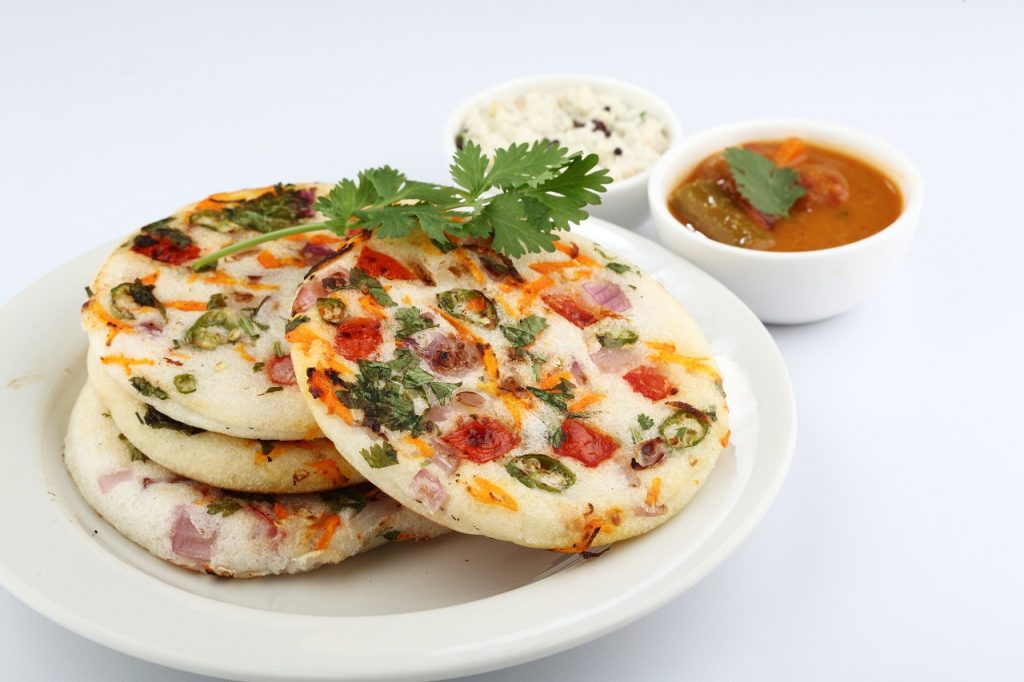
Oats Sprouts and Vegetable UttapamDo you love your traditional uttapam? Well, you’re about to love this healthy twist we’ve added to it more! Quick, easy to prepare and nutritious, the Oats Sprouts and Vegetable Uttapam is a mouthwatering recipe just as it is healthy. As it is made with oats, it provides better satiety too. Let’s get started! 
Ingredients:

  • Rolled Oats – 1 cup
  • Curd – 1 cup
  • Ginger chili paste – 1 tbsp
  • Parboiled sprouts – ½ cup
  • Grated carrot – ½ cup
  • Grated beetroot – ½ cup
  • Finely chopped onion – ½ cup
  • Finely chopped tomatoes – ½ cup
  • Finely chopped coriander – ½ cup
  • Salt
  • Turmeric – 1 tsp
  • Red chilli powder – 1 tsp
  • Lemon juice – 1 tsp
  • Salt as per taste
  • Oil – 1 tbsp

Method:

  1. Heat a pan and roast the oats for 3-5 minutes and grind them into powder.
  2. In a mixing bowl, add oats powder, curd, salt & ginger chilli paste. Mix this well & add some water to make dosa batter consistency. Put it to rest for 20 minutes.
  3. For the topping, in a different bowl add parboiled sprouts, onion, tomato, carrot, beetroot, coriander and lemon juice. Add the spices too and give it a gentle mix.
  4. The oats batter will be thick after 20 minutes, so add some water again to gain dosa batter consistency.
  5. Heat a dosa pan and grease with some oil. Take a spoon full of oats batter & spread it to make a mini uttapam. After it is slightly cooked take a spoon full of sprouts & veggies stuffing to put over the uttapam. Cover the pan with a lid & allow it to cook.
  6. After it turns golden brown on the base, flip it over for the stuffing to cook well too.
  7. Time to serve it hot with coconut chutney.

Highlights of the Oats Sprouts and Vegetable Uttapam

  • This single dish gives benefits equal to that of a whole balanced meal.
  • Improved fiber, nutrients and protein content from the traditional rice based uttapam.
  • A colorful blend of veggies giving us the necessary antioxidants and improving heart health.

We hope you try and enjoy this Oats Sprouts and Vegetable Uttapam recipe! Do leave your thoughts in the comments below. For more healthy recipes, check out Healthy Reads or ask a GOQii Coach by subscribing for Personalised Health Coaching here.

#BeTheForce

  • 1
  • 2
  • Next Page »

Search

Recent Posts

  • How to Reverse Fatty Liver with Diet & Exercise
  • How Stress Triggers Unhealthy Eating Habits & How to Stop It
  • The Link Between Sleep & Weight Gain
  • Understanding the Silent Killer: Hypertension Explained
  • World Mental Health Day: Simple Daily Habits to Protect Your Peace of Mind

Stay Updated

Archives

  • October 2026 (9)
  • September 2026 (5)
  • August 2026 (8)
  • July 2026 (25)
  • June 2026 (22)
  • May 2026 (20)
  • April 2026 (24)
  • March 2026 (18)
  • February 2026 (14)
  • January 2026 (14)
  • December 2025 (19)
  • November 2025 (15)
  • October 2025 (20)
  • September 2025 (6)
  • August 2025 (5)
  • July 2025 (9)
  • June 2025 (18)
  • May 2025 (16)
  • April 2025 (22)
  • March 2025 (25)
  • February 2025 (21)
  • January 2025 (25)
  • December 2024 (22)
  • November 2024 (22)
  • October 2024 (16)
  • September 2024 (22)
  • August 2024 (27)
  • July 2024 (15)
  • June 2024 (23)
  • May 2024 (26)
  • April 2024 (27)
  • March 2024 (27)
  • February 2024 (23)
  • January 2024 (21)
  • December 2023 (14)
  • November 2023 (10)
  • October 2023 (18)
  • September 2023 (20)
  • August 2023 (16)
  • July 2023 (16)
  • June 2023 (21)
  • May 2023 (20)
  • April 2023 (19)
  • March 2023 (23)
  • February 2023 (19)
  • January 2023 (15)
  • December 2022 (11)
  • November 2022 (15)
  • October 2022 (15)
  • September 2022 (12)
  • August 2022 (9)
  • July 2022 (17)
  • June 2022 (11)
  • May 2022 (10)
  • April 2022 (6)
  • March 2022 (6)
  • February 2022 (13)
  • January 2022 (11)
  • December 2021 (7)
  • November 2021 (3)
  • October 2021 (6)
  • September 2021 (3)
  • August 2021 (8)
  • July 2021 (7)
  • June 2021 (15)
  • May 2021 (16)
  • April 2021 (10)
  • March 2021 (7)
  • February 2021 (4)
  • January 2021 (4)
  • December 2020 (3)
  • November 2020 (4)
  • October 2020 (10)
  • September 2020 (3)
  • August 2020 (3)
  • July 2020 (2)
  • June 2020 (4)
  • May 2020 (10)
  • April 2020 (12)
  • March 2020 (10)
  • February 2020 (4)
  • January 2020 (4)
  • December 2019 (3)
  • November 2019 (7)
  • October 2019 (5)
  • September 2019 (4)
  • August 2019 (9)
  • July 2019 (9)
  • June 2019 (11)
  • May 2019 (4)
  • April 2019 (8)
  • March 2019 (8)
  • February 2019 (9)
  • January 2019 (8)
  • December 2018 (9)
  • November 2018 (3)
  • October 2018 (3)
  • September 2018 (5)
  • August 2018 (10)
  • July 2018 (6)
  • June 2018 (13)
  • May 2018 (8)
  • April 2018 (17)
  • March 2018 (9)
  • February 2018 (8)
  • January 2018 (15)
  • December 2017 (12)
  • November 2017 (19)
  • October 2017 (13)
  • September 2017 (15)
  • August 2017 (4)
  • July 2017 (8)
  • June 2017 (7)
  • May 2017 (6)
  • April 2017 (8)
  • March 2017 (6)
  • February 2017 (7)
  • January 2017 (9)
  • December 2016 (10)
  • November 2016 (7)
  • October 2016 (7)
  • September 2016 (7)
  • August 2016 (11)
  • July 2016 (9)
  • June 2016 (9)
  • May 2016 (12)
  • April 2016 (17)
  • March 2016 (17)
  • February 2016 (8)
  • January 2016 (6)
  • December 2015 (2)
  • November 2015 (9)
  • October 2015 (7)
  • September 2015 (9)
  • August 2015 (11)
  • July 2015 (9)
  • June 2015 (11)
  • May 2015 (9)
  • April 2015 (13)
  • March 2015 (8)
  • February 2015 (5)
  • January 2015 (12)
  • December 2014 (14)
  • November 2014 (11)
  • October 2014 (6)
  • September 2014 (13)
  • August 2014 (12)
  • July 2014 (6)
  • June 2014 (2)
  • May 2014 (7)
  • April 2014 (4)

From Burnout to Balance: How Dr. Ranjit Reclaimed His Health

Dr Ranjit Bhatt has spent years tending to others. A practising doctor in Odisha, his days were packed with patients, surgeries, and emergencies. From the outside, it looked like a life lived in service. But on the inside, something wasn’t right. “I had no … [Read More...]

From Shimla’s Slopes to Chandigarh’s Sidewalks: Surinder Kaur Bhalla’s Journey from Chaos to Control

Some journeys start with a plan. Others begin with a stumble literally. Surinder Bhalla, a government professional, born and raised in the scenic hill town of Shimla, had always lived a life of movement. “In Shimla, you walked everywhere,” she reflects. “Walking was never an exercise. It was just life.” But after shifting to Chandigarh, […]

“I’ve Challenged Myself to Live 100 Years” – The Story of Chandubhai Savani’s Second Chance at Life

At 67, most people start slowing down. Not Chandubhai Savani. A resident of Surat, Chandubhai, thought life was on track. “My life was going well till I had my bypass surgery,” he says. That surgery, back in 2021, was a wake-up call.  Medication was routine, but exercise wasn’t. His diet? What he calls ‘normal.’ “I […]

Ananda Mukherjee Health Story

From Terminal Illness To Complete Wellness! Ananda Mukherjee Health Story

As we observe World Cancer Day under the powerful theme ‘United by Unique’ (2025-2027)**, we are reminded that every individual’s journey with cancer is distinct, yet united by shared resilience, hope, and the collective fight against this disease. This theme places people at the centre of care and their stories at the heart of the […]

  • HOME
  • HEALTHY LIVING
  • FITNESS
  • HEALTHY RECIPES
  • USER STORIES
  • KARMA
  • BUY GOQii

Copyright ©2016 GOQii