GOQii

Blog

  • HOME
  • HEALTHY LIVING
  • FITNESS
  • HEALTHY RECIPES
  • USER STORIES
  • KARMA
  • BUY GOQii

Archives for November 2026

November 21, 2026 By GOQii Leave a Comment

PCOS: diet, exercise and the myths to stop believing

Irregular periods. Acne that doesn’t settle. Hair growing where you don’t want it, or thinning where you do. Weight that seems harder to shift than it should be. For many women, these are the first signs of PCOS, one of the most common hormonal conditions there is. The WHO estimates it affects 10 to 13% of women of reproductive age, and up to 70% of them don’t know they have it.

PCOS also attracts a lot of confusing and sometimes harmful advice: cut out all carbs, go gluten-free, you’ll never get pregnant, you only have it if you’re overweight. Most of this isn’t backed by evidence.

This guide covers what the latest international guideline actually recommends on diet and exercise, the health checks that matter, and the myths you can safely let go of.

At a glance

  • New name: In May 2026, PCOS was officially renamed polyendocrine metabolic ovarian syndrome (PMOS), to reflect that it’s a whole-body hormonal and metabolic condition, not a problem of ovarian cysts. Both names will be used for a while.
  • It’s common: It affects about 1 in 10 women of reproductive age, and most don’t know they have it.
  • There’s no single “PCOS diet”. The international guideline finds no evidence that any one diet works better than another. Balanced, mostly unprocessed meals you can stick to matter more.
  • Movement helps, whatever your weight. Aim for 150 to 300 minutes of moderate activity a week, plus muscle-strengthening on two days.
  • Weight loss isn’t the whole story. For people carrying extra weight, losing 5 to 10% can help regulate periods, but healthy habits help even without weight loss.
  • Check the long-term risks. PCOS raises the risk of type 2 diabetes, heart disease, sleep apnoea, anxiety and depression, so regular checks matter.
  • Many myths don’t hold up. Women of any size can have PCOS, you don’t need cysts to be diagnosed, and most women with PCOS can get pregnant.

What is PCOS (now PMOS)?

Polycystic ovary syndrome is a long-term hormonal condition. It often involves higher levels of androgens (hormones such as testosterone), irregular or absent ovulation, and insulin resistance, where the body needs more insulin to keep blood sugar in check.

In May 2026, after 14 years of work and input from more than 14,000 patients and health professionals, an international consortium announced in The Lancet that the condition is being renamed polyendocrine metabolic ovarian syndrome (PMOS). The old name suggested the problem was ovarian cysts, but there’s actually no increase in abnormal cysts. The new name is being phased in over three years, so you’ll see both terms. This article uses PCOS because it’s still the name most people know.

Common signs

According to the WHO, symptoms can include:

  • irregular, absent, heavy or painful periods
  • difficulty getting pregnant
  • excess hair on the face or body
  • thinning hair on the scalp
  • acne or oily skin

Many women also notice weight gain, particularly around the waist, and changes in mood. Some develop darker, velvety patches of skin on the neck, armpits or groin (acanthosis nigricans), which is a sign of insulin resistance. Symptoms vary a lot from person to person.

How it’s diagnosed

Adults are usually diagnosed when they have at least two of these three features, after other causes have been ruled out: signs of high androgens (on blood tests or as excess hair, acne or hair loss), irregular or absent periods, and polycystic-looking ovaries on an ultrasound scan or a raised anti-Müllerian hormone (AMH) level. In teenagers, the 2023 international guideline advises against using ultrasound or AMH within eight years of the first period, because irregular cycles and many follicles are normal during puberty. Your doctor will also check for conditions that can look similar, such as thyroid problems or a raised prolactin level.

Why lifestyle matters

There’s no cure, but PCOS can be managed well. The WHO notes that healthy eating and regular physical activity benefit all women with PCOS, even when they don’t lead to weight loss. Lifestyle changes can improve insulin resistance, periods, mood and long-term heart and metabolic health, and they work alongside any medicines your doctor recommends. To learn more about the symptoms, read our guide to the symptoms of PCOS.

Diet for PCOS: what actually helps

Search online and you’ll find keto plans, gluten-free plans, dairy-free plans and “PCOS detox” programmes. The 2023 international guideline, which reviewed the evidence, found no evidence to support any one type of diet over another. As Jean Hailes for Women’s Health puts it, there’s no single diet that suits every woman with PCOS. What matters most is a balanced pattern you can keep up.

Build balanced meals

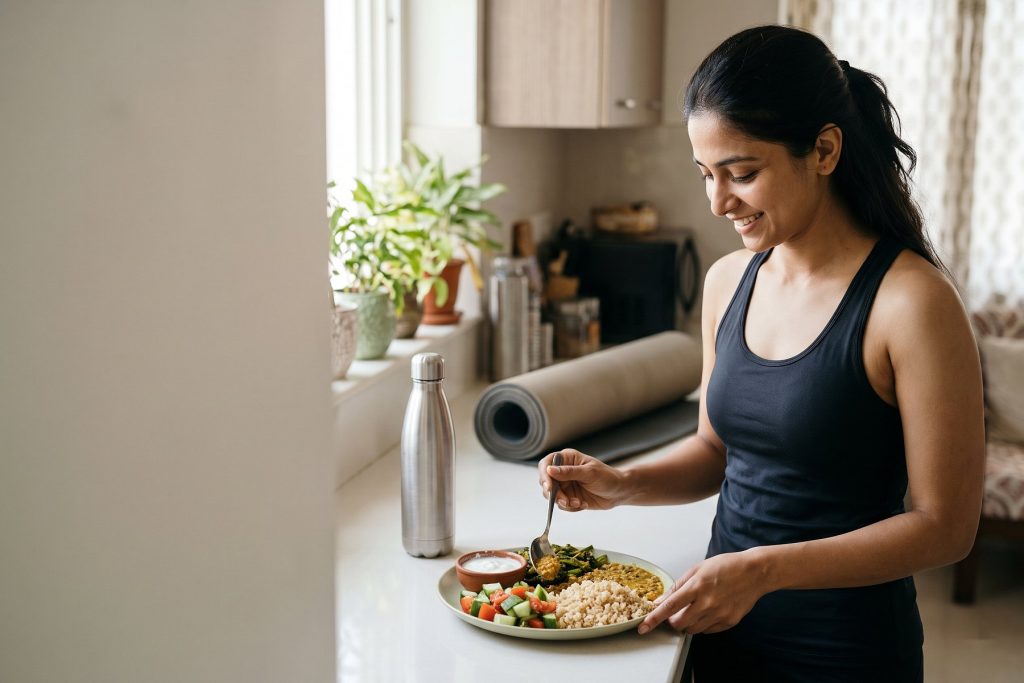
  • Fill half your plate with vegetables and add fruit through the day. Their fibre helps keep blood sugar steadier.
  • Choose whole grains and fibre-rich carbs such as millets (jowar, bajra, ragi), brown rice, whole-wheat roti, oats, dals, rajma and chana, rather than maida, white bread and large portions of white rice.
  • Include protein at each meal, such as dal, paneer, curd, eggs, fish, chicken, tofu or sprouts. It helps you feel full for longer.
  • Pick healthy fats like nuts, seeds and small amounts of cooking oil, and limit deep-fried foods, vanaspati and bakery snacks.
  • Cut back on sugary drinks and sweets. Packaged juices, sweetened chai and coffee, colas and mithai add a lot of sugar quickly.
  • Eat at regular times. Long gaps followed by large meals can make energy and cravings harder to manage.

If weight loss is one of your goals

Not everyone with PCOS needs to lose weight. If you’re carrying extra weight, losing 5 to 10% of your body weight can help regulate periods for some women, and it can improve insulin resistance. That’s 3.5 to 7 kg for someone who weighs 70 kg. The guideline suggests a tailored calorie deficit rather than extreme diets, and Jean Hailes notes that weight can be harder to lose with PCOS, so be patient with yourself. Crash diets and long fasts often backfire and are hard to sustain.

The guideline also notes that many women with PCOS face weight stigma, and that eating disorders and disordered eating should be considered regardless of weight. If food feels like a constant battle, or you’re restricting, bingeing or feeling guilty after eating, talk to your doctor. Support is available.

What about supplements?

Inositol is popular, but the guideline found it has limited clinical benefits for ovulation, excess hair or weight. It may be considered based on personal preference, but discuss it with your doctor first, especially if you’re trying to conceive or take other medicines. Be wary of products that promise to “cure” or “reverse” PCOS.

Exercise for PCOS: how much and what kind

Regular activity improves insulin sensitivity, mood, sleep and heart health, and it helps whether or not your weight changes. The 2023 international guideline recommends that adults aim for:

  • 150 to 300 minutes a week of moderate activity, such as brisk walking, cycling, swimming or dancing, or 75 to 150 minutes of vigorous activity, such as running, skipping or a fast-paced class
  • muscle-strengthening on two non-consecutive days a week, such as bodyweight exercises, resistance bands, weights or yoga that works your muscles

If that sounds like a lot, remember that every bit counts. Short sessions of 10 minutes or more add up, and some activity is always better than none.

Make it stick

  • Start where you are. If you’re inactive now, a 10-minute walk after meals is a good first step. Building up gradually reduces injuries and helps the habit last.
  • Mix it up. Combine cardio with strength work. Strength training builds muscle, which uses more glucose and helps with insulin resistance.
  • Sit less. Short walking breaks during long desk or screen sessions help, even if you exercise regularly.
  • Choose what you enjoy. There’s no single best type of exercise for PCOS. The one you’ll do most weeks is the right one.
  • Track your progress beyond the scale. Notice energy, sleep, mood, cycle regularity and how your clothes fit.

Because PCOS raises the risk of type 2 diabetes, our World Diabetes Day guide to early action is also worth a read: the same habits that lower diabetes risk help with PCOS.

Beyond diet and exercise: sleep, stress and health checks

Look after your sleep and mood

Poor sleep makes cravings, energy and blood sugar harder to manage, and PCOS is linked to a higher risk of sleep apnoea. Aim for a regular bedtime and wake time, and tell your doctor if you snore loudly, stop breathing during sleep or feel exhausted during the day.

PCOS is also linked to anxiety, depression and poor body image. The international guideline recommends that doctors screen all adults with PCOS for depression and anxiety. If you’re struggling, say so. Talking therapies, support groups and practical stress-reduction such as breathing exercises can all help.

Health checks that matter

According to the WHO, PCOS increases the long-term risk of type 2 diabetes, high blood pressure, high cholesterol, heart disease, fatty liver disease, sleep apnoea, diabetes in pregnancy and, with long gaps between periods, thickening of the womb lining (endometrial hyperplasia) and endometrial cancer. Ask your doctor about:

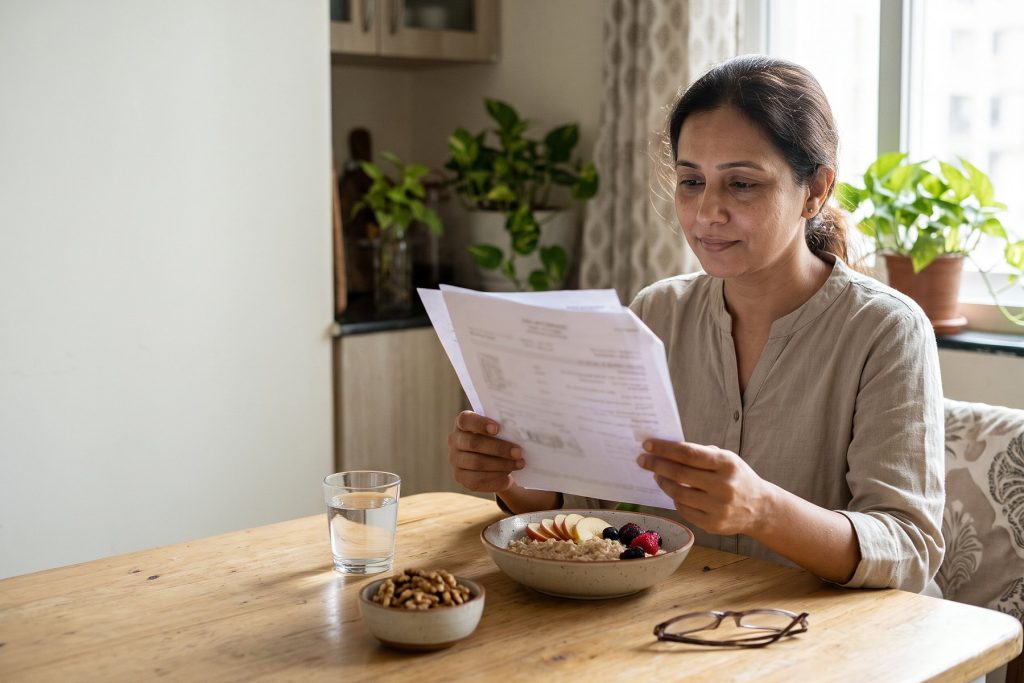
  • Blood sugar: The guideline recommends checking it at diagnosis in all adults and teenagers with PCOS, with the oral glucose tolerance test (OGTT) the most accurate option, then rechecking every one to three years depending on your other risk factors. If you’re planning a pregnancy or are pregnant, ask about early glucose testing, because diabetes in pregnancy is more common with PCOS.
  • Blood pressure, cholesterol and weight or waist size at regular check-ups.
  • Mood: screening for depression and anxiety.
  • Your periods: if you go three months or more without a period, or have bleeding between periods, see your doctor. They’ll rule out pregnancy and may suggest treatment to protect the womb lining.

Treatments your doctor may suggest

Lifestyle changes are the foundation, but medicines can help with specific symptoms. The WHO notes that combined oral contraceptive pills can regulate cycles and may reduce acne and unwanted hair. The pill isn’t suitable for everyone, for example women who have migraine with aura or high blood pressure, or who smoke and are over 35, so your doctor will check first. The guideline says metformin should be considered for adults with a BMI of 25 or more. For women trying to conceive, letrozole is now the first-choice tablet to help ovulation, and other fertility treatments are available if needed. Your doctor will tailor treatment to your symptoms and goals.

When to see a doctor

See a doctor or gynaecologist if you have irregular or missed periods, excess hair growth, persistent acne, scalp hair thinning, or you’ve been trying to get pregnant for 12 months without success (or six months if you’re over 35).

PCOS myths vs facts

Myth: PCOS means you have cysts on your ovaries. Fact: Despite the name, cysts aren’t required for a diagnosis, and there’s no increase in abnormal cysts. What an ultrasound may show are many small, immature follicles. That misunderstanding is one reason the condition is being renamed PMOS.

Myth: Only women who are overweight get PCOS. Fact: PCOS affects women of all sizes. Doctors at AIIMS Delhi have noted that girls with normal or low weight can have it too, sometimes called “lean PCOS”. Women who aren’t overweight can still have insulin resistance and a higher risk of diabetes and heart disease than women without PCOS, so the same health checks apply.

Myth: If you have PCOS, you can’t get pregnant. Fact: PCOS is a common cause of fertility problems, but it doesn’t mean infertility. Many women with PCOS conceive naturally, and Jean Hailes stresses that those who take longer are not infertile. Most can be helped with lifestyle changes and treatments such as tablets that help ovulation.

Myth: There’s a special PCOS diet, and you must cut out gluten, dairy or all carbs. Fact: The international guideline found no evidence that any one diet is better than another. Unless you have coeliac disease or a diagnosed intolerance, there’s no need to cut out whole food groups. Focus on the quality and balance of your meals.

Myth: Supplements or a detox can cure PCOS. Fact: There’s no cure for PCOS. Even inositol, one of the most studied supplements, has only limited benefits. Products that promise a cure or quick reversal are selling false hope.

Myth: If your periods are regular on the pill, the PCOS has gone. Fact: The pill can regulate bleeding and ease acne and hair growth, but it treats symptoms rather than the underlying condition. Healthy habits and regular health checks still matter.

Myth: PCOS is only about periods and fertility. Fact: PCOS is a lifelong hormonal and metabolic condition. It affects blood sugar, heart health, sleep and mental health, which is why the new name, PMOS, highlights its metabolic side.

Pro Tip

Track more than your weight. Note your cycle dates, energy, sleep, mood, skin and activity for a few months, and take that record to your doctor. It makes patterns easier to spot and appointments more useful. The GOQii App helps you log your steps, sleep, food and weight in one place. A GOQii Personalised Health Coach can help you build a balanced eating and activity routine that suits your life, without crash diets or guilt.

Frequently asked questions

What is the best diet for PCOS?

There’s no single best diet. The 2023 international PCOS guideline found no evidence that any one type of diet works better than another. A balanced pattern with plenty of vegetables, whole grains, pulses, protein and healthy fats, and less sugar and refined food, is a good base. Choose an approach you can stick to.

Why was PCOS renamed PMOS?

In May 2026, an international consortium announced in The Lancet that polycystic ovary syndrome is being renamed polyendocrine metabolic ovarian syndrome (PMOS). The old name suggested the problem was ovarian cysts, but the condition is a lifelong hormonal and metabolic disorder affecting many body systems. The new name is being phased in over three years.

How much exercise should I do if I have PCOS?

The international guideline recommends 150 to 300 minutes of moderate activity, or 75 to 150 minutes of vigorous activity, each week, plus muscle-strengthening on two non-consecutive days. Any activity helps, and it benefits PCOS even without weight loss.

Can you have PCOS if you’re not overweight?

Yes. PCOS affects women of all sizes. Women with a normal or low weight, sometimes described as having lean PCOS, can still have insulin resistance and a higher risk of type 2 diabetes and heart disease, so they need the same health checks.

Can I get pregnant if I have PCOS?

Yes, most women with PCOS can get pregnant. Some conceive without any help, and for those who take longer, lifestyle changes and fertility treatments are often effective. See a doctor if you’ve been trying for 12 months, or six months if you’re over 35.

Does losing weight help PCOS?

For people carrying extra weight, losing 5 to 10% of body weight can help regulate periods and improve insulin resistance. But healthy eating and exercise help even when weight doesn’t change, and crash diets are best avoided.

Can PCOS be cured?

There’s no cure, but PCOS can be managed well. Lifestyle changes, medicines such as the combined pill or metformin, and regular checks for diabetes, heart health and mood can control symptoms and lower long-term risks.

#BeTheForce

Disclaimer: The information provided in this blog is for general awareness and educational purposes only. It is not intended to replace professional medical advice, diagnosis, or treatment. Always consult a qualified healthcare provider for personalised medical guidance or concerns related to your health.
November 20, 2026 By GOQii Leave a Comment

Cholesterol numbers explained: LDL, HDL and triglycerides

You’ve had your blood test, and the report shows a list of numbers: total cholesterol, LDL, HDL, triglycerides, perhaps VLDL and a few ratios. Some are marked in bold or flagged red. But what do they actually mean, and which ones matter most?

High cholesterol usually causes no symptoms, so a lipid profile is often the only way to know where you stand. It’s also very common. In India’s largest metabolic health survey, the ICMR-INDIAB study, 81.2% of adults had at least one abnormal cholesterol value, most often low HDL.

This guide explains each number on your report, the ranges doctors use, why your personal target depends on your overall heart risk, and what you can do to improve your results.

At a glance

  • LDL (“bad” cholesterol) is the main number to watch. It builds up in artery walls. For most healthy adults, under 100 mg/dL (2.6 mmol/L) is the aim, and people at higher risk need it lower.
  • HDL (“good” cholesterol) helps carry cholesterol away from the arteries. Under 40 mg/dL in men or 50 mg/dL in women is considered low.
  • Triglycerides are fats from food and excess calories. Under 150 mg/dL (1.7 mmol/L) is healthy. Sugar, refined carbs and alcohol push them up.
  • Non-HDL cholesterol (total minus HDL) captures all the harmful cholesterol and is especially useful if your triglycerides are high.
  • Your target is personal. Diabetes, high blood pressure, smoking, kidney disease or a past heart attack mean your doctor may aim for much lower LDL.
  • You usually don’t need to fast for a cholesterol test, and Lp(a), an inherited risk factor, is worth checking once in your life.
  • Food, activity, weight, alcohol and not smoking all move your numbers. Some people also need medicines such as statins.

What is cholesterol, and what does a lipid profile measure?

Cholesterol is a waxy, fat-like substance found in all the cells in your body. You need it to make hormones, vitamin D and the substances that help you digest food. Your liver makes most of what you need, and the rest comes from food.

Cholesterol can’t travel through the blood on its own, so it’s carried in particles called lipoproteins. The type of lipoprotein makes the difference between cholesterol that harms your arteries and cholesterol that helps clear it.

A standard lipid profile (also called a lipid panel or cholesterol test) usually reports:

  • Total cholesterol: all the cholesterol in your blood
  • LDL cholesterol: low-density lipoprotein, the “bad” kind
  • HDL cholesterol: high-density lipoprotein, the “good” kind
  • Triglycerides: a different type of fat in the blood
  • VLDL cholesterol: very-low-density lipoprotein, usually estimated from your triglycerides
  • Non-HDL cholesterol and ratios: sometimes calculated for you, such as total/HDL or LDL/HDL

Results in India and the US are usually in mg/dL. The UK, Europe and Australia use mmol/L. This guide gives both.

Your cholesterol numbers explained

LDL cholesterol: the one that matters most

LDL carries cholesterol to your tissues. When there’s too much, it seeps into artery walls and helps form plaque, which narrows arteries and can trigger a heart attack or stroke. That’s why LDL is the main target in cholesterol guidelines. In general, the lower your LDL and the longer it stays low, the lower your risk. If your LDL is unexpectedly high, your doctor may also check your thyroid, kidney and liver function and blood sugar, because problems with these can raise cholesterol.

HDL cholesterol: helpful, but not a free pass

HDL picks up extra cholesterol and carries it back to the liver to be removed. Low HDL is linked to higher heart risk, and it’s very common in India: in the ICMR-INDIAB study, 66.9% of adults had low HDL. But a good HDL doesn’t cancel out a high LDL, so don’t rely on it alone. Very high HDL doesn’t add extra protection, and medicines that raise HDL haven’t been shown to prevent heart attacks, which is why doctors focus on lowering LDL.

Triglycerides: shaped by sugar, refined carbs and alcohol

Triglycerides store unused energy from food. They rise when you regularly eat more calories than you burn, especially from sugar and refined carbohydrates, and with alcohol, excess weight, prediabetes, type 2 diabetes and an underactive thyroid, according to the Mayo Clinic. High triglycerides often come with low HDL, a pattern seen across India. Very high levels can also inflame the pancreas (acute pancreatitis), a risk that rises sharply above about 1,000 mg/dL (11.3 mmol/L), so a result of 500 mg/dL (5.6 mmol/L) or more needs prompt medical attention.

Total cholesterol, non-HDL and VLDL

Total cholesterol adds everything together, so on its own it can mislead: a high HDL can push it up. Non-HDL cholesterol is total cholesterol minus HDL. It counts every type of cholesterol that can clog arteries, and India’s Cardiological Society recommends it as the focus for people with high triglycerides. VLDL is usually estimated from your triglycerides and tends to move with them.

General ranges for adults

These are general ranges for adults, based on MedlinePlus and the Mayo Clinic. Your doctor may set different targets based on your overall risk.

Measure Desirable Borderline or of concern
LDL cholesterol Under 100 mg/dL (2.6 mmol/L) Higher; lower targets apply if you’re at high risk
HDL cholesterol 60 mg/dL (1.6 mmol/L) or higher is linked with lower risk Under 40 mg/dL (1.0 mmol/L) in men or 50 mg/dL (1.3 mmol/L) in women is low
Triglycerides Under 150 mg/dL (1.7 mmol/L) 150 to 199 borderline; 200 to 499 high; 500 or more very high
Non-HDL cholesterol Under 130 mg/dL (3.4 mmol/L) Higher; lower targets apply if you’re at high risk
Total cholesterol Under 200 mg/dL (5.2 mmol/L) Higher, but interpret alongside LDL and HDL

Why your target depends on your overall risk

There’s no single “normal” LDL for everyone. The higher your overall chance of a heart attack or stroke, the lower your doctor will want your LDL to be. In 2024 the Cardiological Society of India issued India’s first national lipid guidelines, which recommend:

Who LDL target Non-HDL target
General population and people at low risk Under 100 mg/dL (2.6 mmol/L) Under 130 mg/dL (3.4 mmol/L)
People at high risk, such as those with diabetes or high blood pressure Under 70 mg/dL (1.8 mmol/L) Under 100 mg/dL (2.6 mmol/L)

People who have already had a heart attack or stroke, or who have several risk factors, are usually given even lower targets by their cardiologist. Your doctor will look at your age, sex, blood pressure, blood sugar, smoking, kidney health, waist size and family history together, not just your cholesterol. If you have diabetes or high blood pressure, our guides to the World Diabetes Day early-action checklist and hypertension and heart health explain how they add to your risk.

Do you need to fast?

Usually not. The Cardiological Society of India recommends non-fasting lipid tests for checking risk and treatment. Your doctor may still ask you to fast if your triglycerides were high last time, so follow the instructions you’re given. If a non-fasting test shows triglycerides above about 400 mg/dL (4.5 mmol/L), a fasting repeat is usually advised, because the standard LDL calculation becomes unreliable at that level.

How often should you get tested?

The Indian guidelines suggest a first test at 18, or earlier if close relatives had heart disease young or very high cholesterol. After that, MedlinePlus suggests every five years for younger adults, every one to two years for men aged 45 to 65 and women aged 55 to 65, and every year over 65. You’ll need more frequent tests if your results are high or you’re on treatment.

Lp(a): the inherited number worth checking once

Lipoprotein(a), or Lp(a), is an LDL-like particle whose level is mostly set by your genes. It raises heart and stroke risk even when other numbers look fine, and lifestyle changes barely shift it. The 2025 European cholesterol guidelines recommend measuring Lp(a) at least once in every adult’s lifetime, with levels above 50 mg/dL (105 nmol/L) treated as raising risk. The Lipid Association of India has also recommended including Lp(a) in initial screening. A high result doesn’t mean you’ll have a heart attack, but it may mean your doctor aims for a lower LDL.

When high cholesterol runs in the family

Familial hypercholesterolaemia (FH) is an inherited condition that causes very high LDL from birth. It affects about 1 in 250 people, and many don’t know they have it. Ask your doctor about it if your LDL is 190 mg/dL (4.9 mmol/L) or higher, or if a parent, brother or sister had a heart attack or stroke at a young age (before 55 in men or 65 in women). If you’re diagnosed, your close relatives should be tested too.

How to improve your cholesterol numbers

Lifestyle changes can make a real difference, especially to triglycerides and LDL. These steps are drawn from Mayo Clinic advice on improving cholesterol.

Eat for your arteries

  • Cut back on saturated fat. It’s found in fatty red meat, full-fat dairy, butter, ghee, coconut oil and palm oil, and raises LDL. Cook with small amounts of oils such as mustard, groundnut, rice bran or olive oil instead.
  • Avoid trans fats. Watch for “partially hydrogenated oil” on labels, and limit vanaspati and deep-fried snacks, which often contain them.
  • Add soluble fibre. Oats, beans, rajma, chana, dals, apples and pears help reduce how much cholesterol your body absorbs.
  • Cut down on sugar and refined carbs. Sweets, sugary drinks, white bread and large portions of white rice or maida can push triglycerides up.
  • Include healthy fats. Fatty fish, walnuts and flaxseeds provide omega-3 fats. They don’t lower LDL much. High-dose prescription omega-3 can lower very high triglycerides, but take it only on medical advice.

For food ideas, see our guides to foods that help lower cholesterol and good cholesterol foods.

Change how you live day to day

  • Move regularly. Work up to at least 30 minutes of brisk walking five days a week. Exercise can lift HDL and lower triglycerides.
  • Lose a little weight if you need to. Even small amounts of extra weight can raise cholesterol, and losing some, especially from around the waist, helps.
  • Stop smoking. Quitting raises HDL, and within a year your heart disease risk is about half that of someone who still smokes. In India, the National Tobacco Quitline (1800-112-356) is free.
  • Keep alcohol low. Alcohol is a common cause of high triglycerides. Don’t start drinking for your heart, and stop completely if your triglycerides are very high.

When medicines are needed

Lifestyle changes aren’t always enough, particularly if your LDL is very high, you have FH, diabetes or high Lp(a), or you’ve had a heart attack or stroke. Your doctor may suggest a statin, which is the most widely used and well-studied cholesterol medicine, or other medicines that work alongside it. If you’re prescribed one, take it as directed and don’t stop without speaking to your doctor. Healthy habits still matter, and may mean you need a lower dose. Most people take statins without problems. If you get muscle aches or other side effects, tell your doctor rather than stopping, as a different dose or medicine often helps. Statins aren’t used in pregnancy, so mention it if you’re pregnant or planning to be.

Be wary of supplements that promise to “fix” cholesterol. The 2025 European guidelines found no reason to use dietary supplements or vitamins to lower LDL.

Pro Tip

Don’t judge your report by the red flags alone. Keep copies of your lipid profiles so you and your doctor can see the trend over time, and ask what your personal LDL target is. The GOQii App lets you log your test results alongside your steps, sleep, weight and food, so you can see how your habits line up with your numbers. A GOQii Personalised Health Coach can help you build a heart-friendly eating and activity plan that fits your routine and stick with it until your next test.

Frequently asked questions

What is a normal cholesterol level?

For most healthy adults, total cholesterol under 200 mg/dL (5.2 mmol/L), LDL under 100 mg/dL (2.6 mmol/L), HDL of at least 40 mg/dL in men or 50 mg/dL in women, and triglycerides under 150 mg/dL (1.7 mmol/L) are considered desirable. People at higher risk of heart disease need lower LDL targets.

What is the difference between LDL and HDL?

LDL carries cholesterol to the body’s tissues, and too much of it builds up in artery walls, so it’s called “bad” cholesterol. HDL carries extra cholesterol back to the liver to be removed, so it’s called “good” cholesterol. LDL is the main number doctors aim to lower.

What is a good LDL level for someone with diabetes?

India’s Cardiological Society recommends an LDL under 70 mg/dL (1.8 mmol/L) for people at high risk, including those with diabetes or high blood pressure. Your doctor may set a lower target if you have other risk factors or have had a heart attack or stroke.

What causes high triglycerides?

Common causes include regularly eating more calories than you burn, especially from sugar and refined carbohydrates, drinking alcohol, excess weight, prediabetes or type 2 diabetes, an underactive thyroid and some medicines. Some people also inherit a tendency to high triglycerides.

Do I need to fast before a cholesterol test?

Usually not. India’s Cardiological Society recommends non-fasting lipid tests for most people. Your doctor may still ask you to fast, for example if your triglycerides were high before, so follow the instructions you’re given.

How can I lower my cholesterol naturally?

Cut back on saturated and trans fats, eat more soluble fibre from oats, beans and dals, limit sugar, refined carbs and alcohol, move for at least 30 minutes on most days, lose excess weight and stop smoking. Some people will still need medicine such as a statin.

What is Lp(a) and should I get it tested?

Lp(a) is a type of LDL particle whose level is mostly inherited. A high level raises the risk of heart attack and stroke. European guidelines recommend measuring it at least once in every adult’s lifetime, and the Lipid Association of India recommends including it in initial screening.

#BeTheForce

Disclaimer: The information provided in this blog is for general awareness and educational purposes only. It is not intended to replace professional medical advice, diagnosis, or treatment. Always consult a qualified healthcare provider for personalised medical guidance or concerns related to your health.

November 19, 2026 By GOQii Leave a Comment

International Men’s Day 2026: why men’s health is everyone’s business

In many families, the person who notices the cough that won’t go away, books the check-up and reminds everyone to take their tablets is rarely a man. Men are more likely to wait, to push through and to say “it’s nothing”. That habit has a cost. Around the world, men live about five years less than women, a gap that has barely changed since 1950, and much of it comes from conditions that can be prevented, caught early or treated.
International Men’s Day falls on Thursday 19 November. The global theme for 2026 is “The Future Is Everyone”, and it fits men’s health well. When a man has a heart attack at 50, struggles silently with depression or finds prostate cancer late, it affects his partner, children, parents, colleagues and friends too. So men’s health isn’t just men’s business. It’s everyone’s.

This guide looks at three areas where small steps make a real difference: heart health, prostate health and mental health. It also covers what the people around men can do to help.

At a glance

  • The theme: International Men’s Day 2026 (19 November) is built around “The Future Is Everyone”. Men’s health affects families, workplaces and communities, not just men.
  • The gap: Men worldwide live about five years less than women, and tend to engage less with health services.
  • Heart: Men tend to develop heart disease about seven years earlier than women. Knowing your blood pressure, blood sugar and cholesterol is the first step.
  • Prostate: Prostate cancer is the second most common cancer in men. Early on it often causes no symptoms, so talk to your doctor about testing from around 50, or 45 if a close relative has had it.
  • Mind: In India, nearly three in four people who die by suicide are men. Depression in men can show up as anger, irritability or drinking more, not just sadness.
  • Everyone’s role: Asking “how are you, really?”, booking a check-up together and making it normal for men to talk about health can all help.

What is International Men’s Day 2026 about?

International Men’s Day was first marked in Trinidad and Tobago on 19 November 1999 and is now observed in many countries. One of its six pillars is to focus on men’s health and wellbeing: social, emotional, physical and spiritual.

The 2026 theme, “The Future Is Everyone”, was announced by the day’s global organisers as an invitation for everyone to recognise and support men and boys. In health terms, that means seeing men’s wellbeing as a shared responsibility, not something men are expected to sort out alone.

Why men’s health needs attention

Women live longer, but men carry a heavier burden of many of the illnesses that kill people early. An analysis of the Global Burden of Disease Study published in The Lancet Public Health in 2024 found that health loss was higher in men for 13 of the 20 leading causes of disease burden, including COVID-19, road injuries, heart disease, lung conditions, liver disease and chronic kidney disease. Men also tend to engage less with health services, something national men’s health policies in several countries now try to address.

Many of these problems share the same roots: tobacco, alcohol, inactivity, poor sleep, stress and putting off check-ups. That’s the good news. They’re habits and choices that can change, at any age.

1. Heart health: start earlier than you think

Heart disease is often thought of as a problem for older men, but the risk starts building much earlier. A US study that followed more than 5,000 adults from their 20s for over 30 years found that men reached the same level of heart disease risk about seven years earlier than women, and the difference was already visible by around age 35.

High blood pressure is one of the biggest drivers, and it usually causes no symptoms. The WHO estimates that 1.4 billion people had high blood pressure in 2024, and only just over one in five had it under control. Many don’t know they have it.

What helps

  • Know your numbers. Get your blood pressure, blood sugar and cholesterol checked, and measure your waist. In India, the government’s screening drive offers blood pressure and diabetes checks for adults aged 30 and over. Our guide to hypertension and heart health explains why blood pressure matters so much.
  • Stop tobacco in any form. That includes cigarettes, bidis and chewing tobacco. In India, the National Tobacco Quitline (1800-112-356) offers free support.
  • Move most days. The WHO recommends at least 150 minutes of moderate activity a week, such as brisk walking, plus muscle-strengthening twice a week.
  • Keep alcohol low. Less is better for your heart, blood pressure and liver.
  • Protect your sleep and manage stress. Both affect blood pressure and the choices you make the next day.

Know the warning signs of a heart attack

According to the American Heart Association, warning signs include:

  • pressure, squeezing, fullness or pain in the centre of the chest, which may come and go
  • discomfort in one or both arms, the back, neck, jaw or stomach
  • shortness of breath, with or without chest discomfort
  • a cold sweat, nausea or light-headedness

Don’t wait to see if it passes, and don’t drive yourself. Call 112 or 108 for an ambulance straight away. For more on symptoms that need a doctor, read Your Heart and You: signs of heart disease to watch out for.

2. Prostate health: don’t wait for symptoms

The prostate is a small gland below the bladder that helps make semen. Prostate cancer is the second most common cancer in men worldwide, with nearly 1.47 million new cases in 2022, including about 38,000 in India. The risk rises with age, and it’s higher if your father or brother has had prostate cancer.

The tricky part is that early prostate cancer often causes no symptoms at all. And when men do notice urinary changes, they’re more often caused by a non-cancerous enlarged prostate (benign prostatic hyperplasia), which is very common as men get older. Either way, it’s worth getting checked.

See a doctor if you notice

  • needing to pee more often, especially at night
  • a weak or slow flow, straining, or feeling you haven’t fully emptied your bladder
  • a sudden, urgent need to pee
  • blood in your urine or semen
  • pain in your lower back, hips or bones, or weight loss you can’t explain

These symptoms don’t mean you have cancer, but they shouldn’t be ignored. Our article on the warning signs of prostate cancer goes into more detail.

Should you have a PSA test?

The PSA blood test can help find prostate cancer early, but it isn’t perfect. It can be raised for reasons other than cancer, it can miss some cancers, and it can find slow-growing cancers that would never have caused harm, leading to worry and treatment that wasn’t needed. That’s why it’s a decision to make with your doctor.

The American Cancer Society suggests men at average risk start this conversation at 50, and Black men or men with a father, brother or son diagnosed with prostate cancer at 45. Men with inherited gene changes such as BRCA2 should ask their doctor about starting earlier. Guidelines differ between countries, so ask what’s right for you.

3. Mental health: strong men talk too

Many men grow up learning to keep their feelings to themselves. That silence can be dangerous. The WHO estimates there were 727,000 suicides worldwide in 2021, and in many countries most are men. In India, men accounted for 73.5% of the 1.7 lakh suicides recorded in 2024, according to National Crime Records Bureau data.

Depression can look different in men

Depression isn’t always obvious sadness. According to the Mayo Clinic, signs that may be more common in men include:

  • irritability or anger that feels out of control
  • withdrawing from family and friends, or more conflict at home
  • escaping into work, sport or screens
  • drinking more or using drugs
  • risky behaviour, such as reckless driving
  • headaches, stomach problems or pain with no clear cause

Men may also not recognise these as depression, play down how much they’re struggling, or worry that asking for help looks weak or could affect their job.

What helps

  • Talk to someone you trust. A friend, partner, family member or colleague. You don’t need the perfect words. “I’ve not been myself lately” is enough to start.
  • Look after the basics. Regular activity, daylight, sleep and meals all support mood. Our breathing exercises for anxiety can help in the moment.
  • Go easy on alcohol. It can make low mood, anxiety and sleep worse.
  • Get professional help. Depression and anxiety are common and treatable. Speak to your doctor or a counsellor. In India, Tele-MANAS offers free, confidential support 24 hours a day on 14416 or 1-800-891-4416.

If you or someone you know is in immediate danger or thinking about suicide, call 112 or go to the nearest emergency department.

Why men’s health is everyone’s business

Men don’t make health decisions in a vacuum. Partners, children, friends, employers and doctors all shape whether a man gets checked, keeps going with treatment or asks for help. Here’s how each of us can play a part.

  • Partners and family: Ask “how are you, really?” and give space for an honest answer. Book check-ups together, or turn a parent’s birthday into a reminder for their annual tests.
  • Friends: Check in on the friend who’s gone quiet. A walk, a game or a cup of tea often makes it easier to talk than sitting face to face.
  • Workplaces: Make health checks and mental health support easy to use and free from stigma. Leaders who talk openly about their own health give others permission to do the same.
  • Men themselves: Treat your health like anything else you care about. Know your numbers, notice changes and act on them early. Asking for help is a strength, not a weakness. For one man’s story of turning things around, read From Burnout to Balance: how Dr Ranjit reclaimed his health.

Health checks to talk to your doctor about

How often you need each check depends on your age, results and risk factors, so use this as a starting point for a conversation with your doctor.

Check Why it matters When to start
Blood pressure High blood pressure usually has no symptoms but raises the risk of heart attack and stroke Adulthood; India’s national screening covers everyone from 30
Blood sugar (fasting glucose or HbA1c) Finds prediabetes and type 2 diabetes early From 30, or earlier if overweight or diabetes runs in the family
Cholesterol (lipid profile) High cholesterol has no symptoms and raises heart disease risk Ask your doctor, especially if you smoke, have high blood pressure or a family history of heart disease
Waist and weight Fat around the middle is linked to heart disease and diabetes Any age
Prostate (PSA discussion) Prostate cancer is often silent early on Around 50, or 45 if Black or a close relative has had it
Mood and sleep Depression, anxiety and poor sleep affect long-term health Any age, whenever something feels off

The World Diabetes Day guide to early action explains how to check your diabetes risk, and our article on the early signs of diabetes covers the symptoms to watch for.

Pro Tip

Pick one action for International Men’s Day and do it this week: book a health check, take a 20-minute walk with a friend, or call someone you haven’t heard from in a while. To keep going after the day itself, the GOQii App helps you track your steps, sleep, weight and blood pressure in one place. A GOQii Personalised Health Coach can help you set realistic goals, build habits that stick and stay on track with your numbers.

Frequently asked questions

When is International Men’s Day 2026 and what is the theme?

International Men’s Day is on Thursday 19 November 2026. The global theme is “The Future Is Everyone”, an invitation for everyone to recognise and support the health and wellbeing of men and boys.

What are the biggest health risks for men?

Heart disease, high blood pressure, diabetes, lung disease, liver disease, some cancers, road injuries and suicide are among the leading causes of illness and early death in men. Many are linked to tobacco, alcohol, inactivity, stress and delaying check-ups.

At what age should men start getting their heart health checked?

It’s worth knowing your blood pressure from early adulthood. In India, adults aged 30 and over are offered screening for high blood pressure and diabetes. Ask your doctor about cholesterol tests, especially if you smoke or heart disease runs in your family.

What are the early signs of prostate problems?

Early prostate cancer often causes no symptoms. Peeing more often, especially at night, a weak flow, urgency or feeling you haven’t emptied your bladder are more often caused by a non-cancerous enlarged prostate, but should still be checked by a doctor.

Should every man have a PSA test?

Not automatically. The PSA test can find prostate cancer early but can also give false alarms and find cancers that would never cause harm. The American Cancer Society suggests discussing it with your doctor from 50, or 45 if you’re Black or a close relative has had prostate cancer.

What are the signs of depression in men?

As well as low mood, men with depression may show irritability or anger, withdraw from people, drink more, work excessively, take risks or have unexplained aches and pains. Depression is common and treatable. In India, Tele-MANAS offers free support on 14416.

How can I support the men in my life with their health?

Ask how they’re really doing and listen without judging. Suggest a check-up, offer to go together, and do healthy things side by side, such as walking. Making it normal to talk about health is one of the most useful things you can do.

#BeTheForce

Disclaimer: The information provided in this blog is for general awareness and educational purposes only. It is not intended to replace professional medical advice, diagnosis, or treatment. Always consult a qualified healthcare provider for personalised medical guidance or concerns related to your health.

November 18, 2026 By GOQii Leave a Comment

World COPD Day 2026: Short of Breath? Think COPD – Why Early Diagnosis Matters

Getting breathless on the stairs. A cough that never quite goes away, especially in winter. Feeling tired sooner than your friends on a walk. It’s easy to put these down to age, smog or being unfit. But for millions of people, they’re the early signs of chronic obstructive pulmonary disease, or COPD, and many go years without a diagnosis.

World COPD Day falls on Wednesday 18 November 2026. The Global Initiative for Chronic Obstructive Lung Disease (GOLD) has chosen the theme “Early Diagnosis and Management for a Better Life”, highlighting that COPD is common, preventable and treatable, but is often diagnosed late or misdiagnosed. It builds on last year’s call to action, “Short of breath, think COPD”.

The numbers are large. The WHO lists COPD as the third leading cause of death worldwide, with 3.4 million deaths in 2023, and nearly 90% of COPD deaths in people under 70 happen in low- and middle-income countries. In India, a 2025 national study that tested the lungs of more than 31,000 adults aged 45 and over found that about 1 in 7 (14.4%) had airflow obstruction of the kind seen in COPD. Many go undiagnosed: in a 2025 community study in Haryana, fewer than half of adults whose COPD was confirmed by a breathing test knew they had it. And many people with COPD in India have never smoked: cooking smoke, outdoor air pollution and past tuberculosis all play a part.

This guide explains what COPD is, why it’s so common in India, which symptoms mean you should get checked, the simple breathing test that diagnoses it, and how early treatment helps people live better.

At a glance

  • COPD is a long-term lung condition that narrows the airways and damages the lungs, making it harder to breathe out. It can’t be cured, but it can be treated, and starting early helps.
  • It’s not just a smoker’s disease. In India, smoke from cooking with wood, dung or coal, air pollution, workplace dust and past lung infections such as TB are major causes, especially in women.
  • Get checked if you have breathlessness that’s gradually getting worse, a cough or phlegm for months, or frequent “chest infections” in winter, particularly if you’re over 40 and have smoked or been exposed to smoke or dust.
  • Spirometry, a simple blowing test, confirms the diagnosis.
  • Quitting smoking is the single most important step, at any age.
  • Treatment works: the right inhalers used the right way, pulmonary rehabilitation, staying active, and flu and pneumonia vaccines.
  • Get urgent help for severe breathlessness, blue lips, confusion, chest pain or breathlessness that doesn’t settle with your usual inhaler.

What is COPD, and why is it so common in India?

COPD is an umbrella term for long-term lung damage that blocks airflow out of the lungs. It includes chronic bronchitis, where the airways are inflamed and produce extra mucus, and emphysema, where the tiny air sacs are damaged. The damage builds up slowly over years, and it can’t be fully reversed, which is why catching it early matters.

The main causes

In high-income countries, smoking causes most COPD. In low- and middle-income countries like India, the WHO notes that tobacco accounts for only 30–40% of cases, and other exposures matter just as much:

  • Tobacco smoke: cigarettes, bidis and hookah, and second-hand smoke. Vaping is not a safe alternative.
  • Household air pollution: cooking or heating with wood, dung, crop waste, coal or kerosene. Pulmonologists see COPD in women who have cooked over firewood stoves for years, many of whom have never smoked.
  • Outdoor air pollution: long-term exposure to traffic fumes, smog and dust in cities. Our guide to air pollution and your health explains how to reduce your exposure.
  • Workplace dust and fumes: construction, mining, textiles, farming, factories and other jobs with regular exposure to dust, chemicals or smoke.
  • Early-life factors: being born early or small, frequent chest infections or asthma in childhood, which can mean the lungs never reach their full capacity.
  • Past lung infections: including tuberculosis, which can leave lasting lung damage.
  • Genes: a rare inherited condition called alpha-1 antitrypsin deficiency. Doctors may test for it, especially if COPD appears before the age of 45.

GOLD’s message this year is that COPD can begin early in life and isn’t caused only by tobacco, so anyone with ongoing breathing symptoms deserves to be checked.

When breathlessness needs a check

COPD usually creeps up slowly. Many people unconsciously adjust, walking more slowly, taking the lift or avoiding stairs, and don’t realise how much their breathing has changed. The WHO lists the main symptoms as breathlessness, a chronic cough (sometimes with phlegm) and tiredness.

See a doctor if you have

  • breathlessness that’s slowly getting worse, especially on exertion, such as climbing stairs, walking uphill or carrying shopping
  • a cough that lasts for months, or keeps coming back, particularly in the mornings
  • regular phlegm or mucus, often called a “smoker’s cough” but common in non-smokers too
  • wheezing or a tight chest
  • frequent chest infections, or a winter cold that always “goes to the chest” and takes weeks to clear
  • getting tired more easily or doing less than you used to because of your breathing

This is especially important if you’re over 40, and you smoke or used to smoke, have cooked over a wood or coal fire, work around dust or fumes, live in a polluted city or have had TB. Pulmonologists suggest that people at high risk, including smokers, passive smokers and women exposed to cooking smoke, should be screened for COPD from age 45. International guidelines don’t recommend routine spirometry for people with no symptoms; testing is aimed at people with symptoms and risk factors, so tell your doctor about any breathlessness, cough or phlegm.

Breathlessness can have other causes too, including asthma, heart disease, anaemia, being overweight, thyroid problems and anxiety. That’s exactly why it deserves a proper check rather than a guess.

When to get urgent help

People with COPD can have flare-ups, when symptoms suddenly get worse, often triggered by a chest infection or polluted air. The American College of Emergency Physicians advises going to the emergency department, or calling 112 or 108 in India, if there is:

  • trouble breathing or speaking
  • chest pain or a racing heartbeat
  • blue or grey lips or fingernails
  • confusion, slurred speech or dizziness
  • unusual sleepiness or difficulty waking
  • fever, or prescribed treatment that isn’t helping and symptoms that are getting worse

Chest pain and sudden breathlessness can also be signs of a heart attack. Don’t wait to see if it settles.

Getting tested: the simple breathing test

COPD is suspected from your symptoms and history, and the WHO notes that it’s confirmed with spirometry, a quick, painless breathing test. GOLD’s 2026 campaign calls for better access to spirometry precisely because so many people are diagnosed late or misdiagnosed without it.

What happens during spirometry

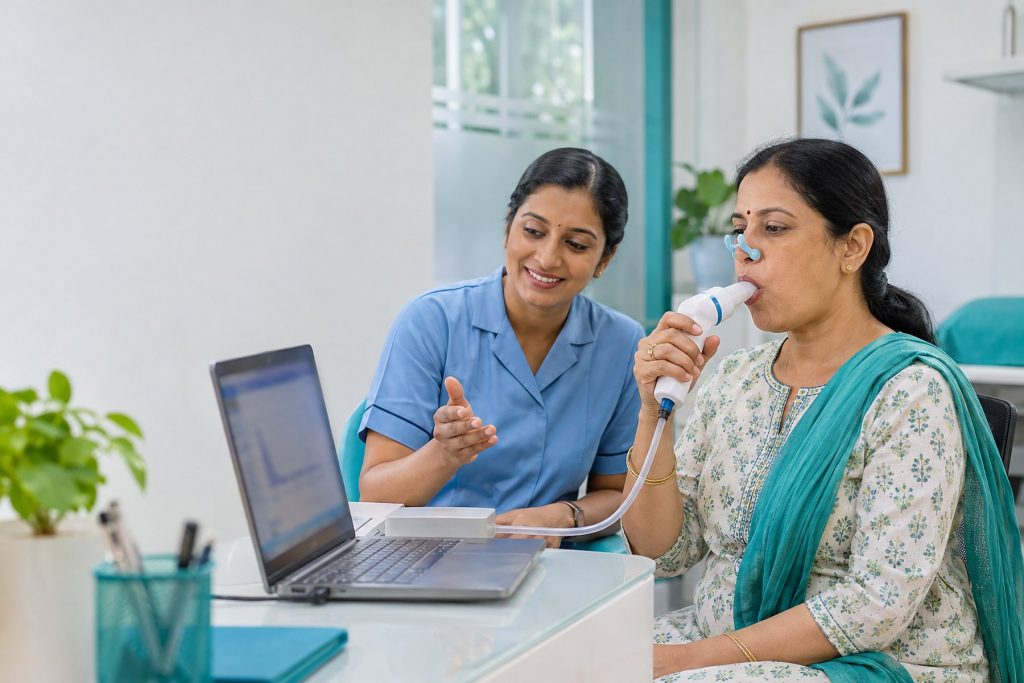
You take a deep breath in, seal your lips around a mouthpiece and blow out as hard and fast as you can until your lungs feel empty, usually two or three times. The machine measures:

  • FEV1: how much air you can blow out in the first second
  • FVC: the total amount of air you can blow out

If the proportion blown out in the first second (the FEV1/FVC ratio) is low, your airways are narrowed. You may then be given a reliever inhaler and asked to repeat the test after about 15–30 minutes. COPD is confirmed when the FEV1/FVC ratio stays below 0.7 even after the inhaler. If the narrowing clears completely, asthma is more likely, although some people with COPD also improve partly with an inhaler, so your doctor will look at the whole picture.

Before the test: your clinic will tell you which inhalers to skip beforehand. It also helps to avoid smoking, alcohol, a heavy meal and vigorous exercise for a few hours before.

Your doctor may also suggest a chest X-ray, blood tests or a pulse oximeter reading, and sometimes a CT scan, to rule out other causes and check for complications.

COPD, asthma or something else?

COPD Asthma
Usual onset Usually after 40 Often in childhood or young adulthood, but can start at any age
Pattern Slowly gets worse over years Comes and goes; often worse at night, with exercise or triggers
Main causes Smoking, cooking smoke, pollution, dust Allergies, family history, triggers such as dust, pollen, cold air
On spirometry Narrowing doesn’t fully reverse with an inhaler Narrowing often improves a lot with an inhaler

Some people have features of both. Getting the right diagnosis matters, because the treatments differ.

Living well with COPD: why early treatment matters

COPD can’t be cured, but GOLD stresses that earlier treatment can slow its progression, ease symptoms and prevent future flare-ups. The earlier you start, the more lung function you protect.

1. Stop smoking, and avoid smoke

Quitting smoking is the most important thing you can do at any stage, and the WHO lists it as the most important step for people with COPD. It’s never too late. Ask your doctor about nicotine replacement or other medicines that help. In India, the National Tobacco Quitline (1800-112-356) offers free support. Avoid second-hand smoke, and don’t switch to vaping.

2. Use the right inhalers, the right way

Inhalers are the mainstay of COPD treatment. Long-acting inhalers taken every day keep the airways open, and a short-acting reliever helps when you’re breathless. Some people, mainly those with frequent flare-ups, also need an inhaled steroid, which your doctor will decide based on your history and blood tests. Inhaler technique matters as much as the medicine: ask your doctor, pharmacist or educator to check yours, and consider a spacer if you find a puffer hard to use. Don’t stop your inhalers when you feel better.

3. Ask about pulmonary rehabilitation

Pulmonary rehabilitation is a supervised programme of exercise, breathing techniques and education, usually lasting at least a few weeks. A Cochrane review of 65 trials found it improved quality of life, walking distance, breathlessness and fatigue compared with usual care. Ask your pulmonologist whether a programme is available near you.

4. Stay active

Breathlessness makes many people avoid activity, but that weakens muscles and makes breathing harder over time. Regular walking, gentle strength exercises and breathing techniques such as pursed-lip breathing help. Start slowly and build up, ideally with advice from your doctor or physiotherapist.

5. Protect yourself from infections

Chest infections are a common trigger for flare-ups. The WHO recommends yearly flu, pneumonia and up-to-date COVID-19 vaccines for people with COPD. Our World Pneumonia Day guide explains the vaccines in more detail. Ask your doctor about RSV and whooping cough (Tdap) vaccines too, which international COPD guidelines also recommend for many adults with COPD. Wash your hands often and avoid close contact with people who have colds.

6. Cut your exposure to polluted air

  • Switch to LPG or electric cooking if you can, and keep the kitchen well ventilated.
  • Check the AQI, stay indoors on high-pollution days and wear a well-fitting N95 mask if you must go out.
  • Avoid incense, mosquito coils and other indoor smoke.
  • At work, use protective masks and ventilation where there’s dust or fumes.

7. Have a flare-up action plan

Work with your doctor on a written plan that says what to do if your symptoms get worse, which medicines to take, and when to seek urgent care. Look after your overall health too: eat well, keep a healthy weight, sleep well and get support for anxiety or low mood, which are common with long-term breathlessness.

8. Oxygen, if your doctor prescribes it

Some people with advanced COPD whose blood oxygen stays low need long-term oxygen therapy. Alongside stopping smoking, it’s one of the few treatments shown to help people with COPD live longer. It’s prescribed after blood oxygen tests. Don’t use oxygen at home without medical advice, and never smoke or use an open flame near it.

The bottom line

Breathlessness isn’t just part of getting older, and a cough that lasts for months isn’t something to live with. If you’re over 40 and you smoke or used to smoke, have cooked over a wood or coal fire, work around dust or live with polluted air, ask your doctor about a spirometry test. This year’s World COPD Day theme, “Early Diagnosis and Management for a Better Life”, sums it up: COPD is common, preventable and treatable, and the earlier it’s found, the more you can do to protect your lungs and keep doing the things you enjoy.

Pro Tip: Use the GOQii App to track your daily steps and activity, and notice if your walks are getting shorter or slower over time; that’s worth mentioning to your doctor. If you smoke, your GOQii Personalised Health Coach can support you to quit and build a gentle, regular activity routine that helps your breathing.

Frequently asked questions

What is the theme of World COPD Day 2026?

The theme for World COPD Day on 18 November 2026, set by the Global Initiative for Chronic Obstructive Lung Disease (GOLD), is “Early Diagnosis and Management for a Better Life”. It highlights that COPD is often diagnosed late and that earlier treatment can slow its progression.

What are the early signs of COPD?

The early signs are breathlessness that slowly gets worse, especially on exertion, a cough that lasts for months or keeps coming back, regular phlegm, wheezing and frequent chest infections. Many people put these down to age or being unfit.

Can non-smokers get COPD?

Yes. In India, smoke from cooking with wood, dung or coal, outdoor air pollution, workplace dust and past lung infections such as tuberculosis are major causes. Many women with COPD have never smoked.

How is COPD diagnosed?

COPD is diagnosed with spirometry, a simple breathing test in which you blow hard into a mouthpiece. It measures how much air you can breathe out and how quickly. Your doctor may also order a chest X-ray or other tests to rule out other causes.

What is the difference between COPD and asthma?

Asthma often starts earlier in life and symptoms come and go, while COPD usually develops after 40 and slowly gets worse. On spirometry, airway narrowing in asthma often improves a lot with an inhaler, but in COPD it doesn’t fully reverse.

Can COPD be cured?

COPD can’t be cured, but it can be treated. Stopping smoking, using the right inhalers correctly, pulmonary rehabilitation, staying active and getting flu and pneumonia vaccines can ease symptoms, slow progression and reduce flare-ups.

When should someone with COPD go to hospital?

Go to the emergency department or call 112 or 108 for trouble breathing or speaking, chest pain, a racing heart, blue or grey lips or fingernails, confusion, unusual sleepiness, or symptoms that keep getting worse despite treatment.

#BeTheForce

Disclaimer: The information provided in this blog is for general awareness and educational purposes only. It is not intended to replace professional medical advice, diagnosis, or treatment. Always consult a qualified healthcare provider for personalised medical guidance or concerns related to your health.

  • 1
  • 2
  • 3
  • …
  • 5
  • Next Page »

Search

Recent Posts

  • PCOS: diet, exercise and the myths to stop believing
  • Cholesterol numbers explained: LDL, HDL and triglycerides
  • International Men’s Day 2026: why men’s health is everyone’s business
  • World COPD Day 2026: Short of Breath? Think COPD – Why Early Diagnosis Matters
  • National Epilepsy Day 2026: Seizure First Aid – What to Do (and Not Do) When Someone Has a Seizure

Stay Updated

Archives

  • November 2026 (20)
  • October 2026 (23)
  • September 2026 (5)
  • August 2026 (8)
  • July 2026 (24)
  • June 2026 (22)
  • May 2026 (20)
  • April 2026 (24)
  • March 2026 (18)
  • February 2026 (14)
  • January 2026 (14)
  • December 2025 (19)
  • November 2025 (14)
  • October 2025 (17)
  • September 2025 (6)
  • August 2025 (5)
  • July 2025 (9)
  • June 2025 (18)
  • May 2025 (16)
  • April 2025 (22)
  • March 2025 (25)
  • February 2025 (21)
  • January 2025 (25)
  • December 2024 (21)
  • November 2024 (21)
  • October 2024 (15)
  • September 2024 (22)
  • August 2024 (27)
  • July 2024 (14)
  • June 2024 (23)
  • May 2024 (26)
  • April 2024 (27)
  • March 2024 (27)
  • February 2024 (23)
  • January 2024 (21)
  • December 2023 (14)
  • November 2023 (10)
  • October 2023 (18)
  • September 2023 (20)
  • August 2023 (16)
  • July 2023 (16)
  • June 2023 (21)
  • May 2023 (20)
  • April 2023 (19)
  • March 2023 (23)
  • February 2023 (19)
  • January 2023 (15)
  • December 2022 (11)
  • November 2022 (15)
  • October 2022 (15)
  • September 2022 (12)
  • August 2022 (9)
  • July 2022 (17)
  • June 2022 (11)
  • May 2022 (10)
  • April 2022 (6)
  • March 2022 (6)
  • February 2022 (13)
  • January 2022 (11)
  • December 2021 (7)
  • November 2021 (3)
  • October 2021 (6)
  • September 2021 (3)
  • August 2021 (8)
  • July 2021 (7)
  • June 2021 (15)
  • May 2021 (16)
  • April 2021 (10)
  • March 2021 (7)
  • February 2021 (4)
  • January 2021 (4)
  • December 2020 (3)
  • November 2020 (4)
  • October 2020 (10)
  • September 2020 (3)
  • August 2020 (3)
  • July 2020 (2)
  • June 2020 (4)
  • May 2020 (10)
  • April 2020 (12)
  • March 2020 (10)
  • February 2020 (4)
  • January 2020 (4)
  • December 2019 (3)
  • November 2019 (7)
  • October 2019 (5)
  • September 2019 (4)
  • August 2019 (9)
  • July 2019 (9)
  • June 2019 (11)
  • May 2019 (4)
  • April 2019 (8)
  • March 2019 (8)
  • February 2019 (9)
  • January 2019 (8)
  • December 2018 (9)
  • November 2018 (3)
  • October 2018 (3)
  • September 2018 (5)
  • August 2018 (10)
  • July 2018 (6)
  • June 2018 (13)
  • May 2018 (8)
  • April 2018 (17)
  • March 2018 (9)
  • February 2018 (8)
  • January 2018 (15)
  • December 2017 (12)
  • November 2017 (19)
  • October 2017 (13)
  • September 2017 (15)
  • August 2017 (4)
  • July 2017 (8)
  • June 2017 (7)
  • May 2017 (6)
  • April 2017 (8)
  • March 2017 (6)
  • February 2017 (7)
  • January 2017 (9)
  • December 2016 (10)
  • November 2016 (7)
  • October 2016 (7)
  • September 2016 (7)
  • August 2016 (11)
  • July 2016 (9)
  • June 2016 (9)
  • May 2016 (12)
  • April 2016 (17)
  • March 2016 (17)
  • February 2016 (8)
  • January 2016 (6)
  • December 2015 (2)
  • November 2015 (9)
  • October 2015 (7)
  • September 2015 (9)
  • August 2015 (11)
  • July 2015 (9)
  • June 2015 (11)
  • May 2015 (9)
  • April 2015 (13)
  • March 2015 (8)
  • February 2015 (5)
  • January 2015 (12)
  • December 2014 (14)
  • November 2014 (11)
  • October 2014 (6)
  • September 2014 (13)
  • August 2014 (12)
  • July 2014 (6)
  • June 2014 (2)
  • May 2014 (7)
  • April 2014 (4)

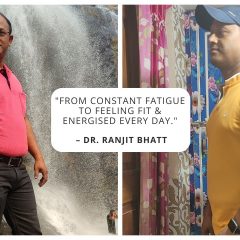
From Burnout to Balance: How Dr. Ranjit Reclaimed His Health

Dr Ranjit Bhatt has spent years tending to others. A practising doctor in Odisha, his days were packed with patients, surgeries, and emergencies. From the outside, it looked like a life lived in service. But on the inside, something wasn’t right. “I had no … [Read More...]

From Shimla’s Slopes to Chandigarh’s Sidewalks: Surinder Kaur Bhalla’s Journey from Chaos to Control

Some journeys start with a plan. Others begin with a stumble literally. Surinder Bhalla, a government professional, born and raised in the scenic hill town of Shimla, had always lived a life of movement. “In Shimla, you walked everywhere,” she reflects. “Walking was never an exercise. It was just life.” But after shifting to Chandigarh, […]

“I’ve Challenged Myself to Live 100 Years” – The Story of Chandubhai Savani’s Second Chance at Life

At 67, most people start slowing down. Not Chandubhai Savani. A resident of Surat, Chandubhai, thought life was on track. “My life was going well till I had my bypass surgery,” he says. That surgery, back in 2021, was a wake-up call.  Medication was routine, but exercise wasn’t. His diet? What he calls ‘normal.’ “I […]

Ananda Mukherjee Health Story

From Terminal Illness To Complete Wellness! Ananda Mukherjee Health Story

As we observe World Cancer Day under the powerful theme ‘United by Unique’ (2025-2027)**, we are reminded that every individual’s journey with cancer is distinct, yet united by shared resilience, hope, and the collective fight against this disease. This theme places people at the centre of care and their stories at the heart of the […]

  • HOME
  • HEALTHY LIVING
  • FITNESS
  • HEALTHY RECIPES
  • USER STORIES
  • KARMA
  • BUY GOQii

Copyright ©2016 GOQii