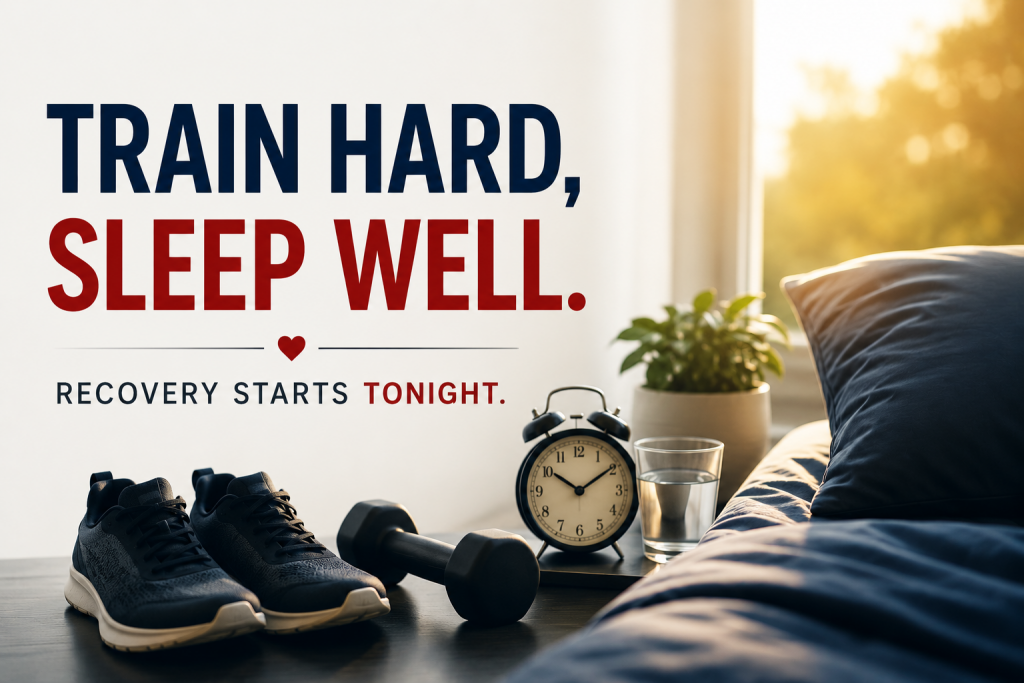
 The Big Question: Why is skimping on a good night’s rest the absolute fastest way to destroy your strength, fitness, and weight-loss progress?
When working to improve fitness, build lean muscle, or manage weight, the vast majority of people focus entirely on two metrics: workout intensity and strict nutrition. However, the foundational pillar that dictates the success of those efforts is sleep. While target resistance training and cardiovascular movement provide the necessary stress stimulus for physical improvement, actual physiological adaptation, cellular repair, and tissue rebuilding occur while you rest. Consistently missing your sleep windows shifts your body into a chronic catabolic state, making recovery highly difficult and undermining your hard work in the gym.
When it comes to building a vibrant, high-performing body, mainstream fitness culture teaches us that success rests on a simple, two-part formula: training hard and eating well. Both elements are undeniably critical. Yet, a silent epidemic of under-recovery persists because people routinely neglect the third, equally important pillar of health: high-quality sleep.
In today’s fast-paced world, many individuals treat sleep as an optional luxury. They willingly sacrifice their rest windows to squeeze in early morning high-intensity workouts, finish late-night professional commitments, keep up with social activities, or indulge in endless screen time.
However, poor sleep quality will quietly stall your physical progress, no matter how heavy you lift or how cleanly you eat. The biological reality is straightforward: exercise challenges the body, but sleep is where the body adapts and grows.
The Biological Reality: Why Sleep Matters for Recovery
Sleep is far more than a period of cellular inactivity. While your mind rests, your brain signals your endocrine and immune networks to perform intense, essential maintenance that supports your long-term physical longevity.
-
Accelerated Muscle Tissue Repair
Intense physical activity creates localized inflammation, metabolic waste accumulation, and microscopic structural tears in your skeletal muscle fibers. Deep sleep is the primary physiological window during which your body accelerates protein synthesis, utilizing circulating amino acids to patch these micro-tears. This recovery process thickens muscle fibers, preserves lean mass, and prepares your connective tissues for future workouts.
-
Neurological Energy Restoration
Physical movement and cognitive focus rapidly deplete your body’s cellular energy reserves and central nervous system glycogen. Sleep allows your brain to execute a vital metabolic cleanup, restoring neural pathways and clearing away waste products. This ensures that you wake up with the raw physical power and mental stamina required to perform at your peak.
-
Precision Hormonal Balancing
Your endocrine system is deeply bound to your natural circadian rhythm. Essential hormones that dictate your rate of muscle recovery, metabolic speed, tissue repair, and appetite regulation—such as testosterone, human growth hormone (HGH), leptin, and ghrelin are directly modulated by the quantity and depth of your sleep cycles.
-
Immune System Maintenance
A resilient immune system requires the restorative downtime of slow-wave sleep to synthesize protective cytokines and white blood cells. Experiencing chronic sleep deficits lowers your baseline immunity, making your tissues highly vulnerable to systemic inflammation, frequent colds, and persistent joint soreness.
-
Enhanced Cognitive Focus and Reaction Time
Sleep is the primary vehicle for memory consolidation, motor-skill learning, and executive decision-making. Whether you are navigating a high-stakes professional presentation or executing a complex, heavy compound lift on the gym floor, mental sharpness, spatial awareness, and fast reaction times are non-negotiable for avoiding injury.
Can Better Sleep Directly Support Muscle Growth?
A very common question among active individuals is whether sleep directly influences muscle hypertrophy. The answer is a definitive yes but not because spending time in bed magically builds muscle mass overnight.
Muscle hypertrophy is a multi-step biological journey. It begins with progressive training stress loading the frame, which must then be paired with a precise intake of macronutrients. However, these steps are only the preparation. The actual transition into muscle growth requires a dedicated sleep window. Once your brain enters deep, slow-wave sleep states, it activates a natural surge of growth hormones, maximizing muscle protein synthesis and repairing the tissue micro-tears.
Clinical research demonstrates that chronic sleep restriction suppresses muscle protein synthesis pathways and spikes catabolic stress hormones. You can execute the perfect training program and log pristine nutritional macros, but if you are chronically sleep-deprived, you are forcing your body to work in a muscle-wasting environment.
The Compounding Costs of Chronic Sleep Deficits
Missing a few hours of rest on an occasional busy night will not derail your long-term fitness goals. However, allowing chronic sleep restriction to become a lifestyle habit triggers a series of destructive physical consequences:
- Stagnant Exercise Performance: You will experience a noticeable drop in raw muscular strength, lower cardiovascular endurance, poor spatial coordination, and a total lack of workout motivation.
- Delayed Recovery Windows: Your muscles and joints will remain sore and tender for several days, indicating that your body is struggling to repair tissue damage between scheduled sessions. This makes recognizing the why recovery matters: signs you’re training too hard guidelines an absolute necessity.
- Hormonal Hunger Shifts: Sleep deprivation directly disrupts your satiety hormones, blunting leptin (which signals fullness) and spiking ghrelin (which signals hunger). This hormonal imbalance triggers intense, unmanageable cravings for highly processed, calorie-dense foods, which directly complicates long-term weight management.
- Elevated Systemic Stress: Chronic exhaustion places your body into a perpetual “fight-or-flight” state, causing baseline cortisol to hover at abnormal levels. Understanding how cortisol and chronic stress: what your body is trying to tell you works is vital if you want to protect your metabolism from burning out.
Determining Your Optimal Sleep Window
Most physically active adults require between 7 to 9 hours of high-quality sleep per night to fully counter the cellular stress of daily life and intense training.
Individual recovery needs naturally vary based on your age, baseline health status, and daily exercise volume. If you are engaging in heavy weight training, running long distances, or managing an intense professional schedule, you will experience the greatest health benefits by targeting the upper end of that 9-hour range.
Remember, the ultimate goal is not just spending generic time lying down in bed; it is securing uninterrupted, high-quality sleep cycles.
The Science of the 20-Minute Power Nap
When an unpredictable schedule disrupts your nighttime rest, a strategic daytime power nap can serve as an exceptional recovery tool.
To maximize alertness and lower mental fatigue without disrupting your evening schedule, keep your nap strictly between 20 to 30 minutes. Waking up within this window prevents you from entering the deeper stages of slow-wave sleep. If you cross into deep sleep during the day, you will experience severe sleep inertia, leaving you feeling incredibly groggy, weak, and disoriented upon waking.
5 Practical Habits for Superior Sleep Architecture
To help your central nervous system transition smoothly into deep, slow-wave rest, optimize your evening routine with these five science-backed habits:
- Lock In a Consistent Sleep Schedule: Go to bed and wake up at the exact same time every day, including weekends. This consistency anchors your internal circadian clock, optimizing natural hormone release windows.
- Set a Hard Digital Curfew: The blue light emitted from smartphones, tablets, and laptops mimics sunlight, tricking your brain into suppressing melatonin production. Turn off all non-essential screens at least one hour before bedtime.
- Decompress with an Evening Relaxation Routine: Signal your body that it is safe to unwind by dedicating the final hour of your evening to gentle reading, warm showers, or light mobility work. Utilizing the benefits of mindfulness for better sleep can help calm an overactive nervous system.
- Transform Your Bedroom into a Sleep Chamber: Keep your sleeping environment exceptionally cool, dark, and quiet. Use blackout curtains or eye masks to eliminate disruptive light pollution, as your physical environment dictates sleep depth far more than most people realize.
- Manage Your Late-Day Caffeine Timing: Caffeine is a powerful stimulant with a long half-life that blocks your brain’s natural sleep-pressure receptors. To protect your sleep architecture, cut off all coffee, tea, and pre-workout drinks at least 6 to 8 hours before bed.
Core Sleep Disruptors to Eliminate Immediately
- Late-Night Alcohol Consumption: While a drink may help you fall asleep initially, alcohol fragments your sleep architecture, elevates your resting heart rate, and drastically reduces your time spent in REM and deep slow-wave sleep stages.
- Heavy, Calorie-Dense Dinners: Eating large meals close to bedtime forces your digestive system to work overtime. This elevates your core body temperature and causes nighttime indigestion, leading to a highly restless night.
- Vigorous Late-Night Workouts: Performing high-intensity interval training or heavy lifting within 2 hours of bedtime floods your bloodstream with adrenaline and raises systemic core heat, making it incredibly difficult for your body to wind down.
- Bringing Professional Work into Bed: Using your mattress as a home office degrades the psychological association between your bed and rest. Keep your work and sleep spaces completely separate.
The Sleep Optimization Checklist
| The Recovery Pillar | High-Performance Strategy | Physiological Outcome |
| Nutritional Support | Prioritize protein to assist protein and muscle recovery | Supplies bone marrow and muscles with repair blocks. |
| Hydration Discipline | Balance evening fluids to optimize hydration and exercise performance | Clears metabolic waste without disrupting sleep cycles. |
| Restorative Movement | Integrate low-impact healthy ageing through movement | Lowers daily cortisol and relieves joint stiffness. |
Sleep is never time lost; it is a fundamental investment in your longevity and physical performance. Whether your personal goal is building lean muscle, maximizing athletic endurance, managing weight, or supporting a lifetime of vibrant health, quality sleep provides the biological foundation that makes all of your other healthy habits work more effectively.
Training hard provides the physical challenge, but recovery is where progress actually happens. Before searching for the next exotic supplement or trend, take a serious look at your sleep habits. Your physical transformation starts long before you ever step foot inside the gym.
Pro Tip: Managing your exercise and recovery balance requires consistent habit tracking. Use the GOQii App to log your daily physical movement, record your nutritional data, and maintain a clear log of your sleep habits. You can seamlessly share this comprehensive data overview with your GOQii Personalised Health Coach to identify hidden lifestyle triggers, eliminate patterns of under-recovery, and create a highly sustainable routine tailored perfectly to your metabolic goals!
Frequently Asked Questions (FAQs)
- Can a chronic lack of sleep directly stall my muscle growth progress?
Yes, absolutely. Sleep is the primary physiological window during which your endocrine system releases essential anabolic hormones like human growth hormone and testosterone to repair tissue damage. Consistently missing your sleep windows elevates the catabolic hormone cortisol, which actively accelerates muscle tissue breakdown and suppresses protein synthesis, halting long-term muscle gains.
- How much sleep do active adults genuinely need every night?
While sleep needs are highly individualized, the clear clinical recommendation for physically active adults is to secure between 7 to 9 hours of sleep per night. Individuals who participate in regular intense training routines or carry high daily stress loads recover most efficiently when they target the upper end of that range.
- Are short daytime naps beneficial for muscle recovery?
Yes. If you have experienced an unavoidable deficit in your nighttime rest, a brief daytime nap of 20 to 30 minutes is excellent for lowering central nervous system fatigue, sharpening mental concentration, and reducing daytime cortisol. However, naps should serve as a helpful complement to, rather than a permanent replacement for, a consistent nighttime sleep schedule.
- Is getting high-quality sleep more important than working out?
They are interdependent components of a functional fitness equation. Exercise acts as the necessary physical stimulus that challenges your muscles and bones, while sleep serves as the mandatory recovery window during which your body executes cellular repair and growth. Exercising heavily on a chronically sleep-deprived body is counterproductive and heavily increases your risk of injury.
- Can sleeping longer immediately improve my workout performance?
Consistently prioritizing adequate, high-quality sleep directly maximizes your daily cellular energy stores, sharpens mental concentration, stabilizes mood, speeds up tissue healing, and restores neuromuscular coordination. This comprehensive physiological reset directly results in greater power output, endurance, and safety during your workouts.
#BeTheForce
Disclaimer: This article is intended for educational and informational purposes only. It is not intended to replace professional medical advice, clinical diagnosis, or treatment. Always consult a qualified healthcare provider or sports medicine physician before starting an intense exercise regimen or making drastic changes to your therapeutic lifestyle routines.




Leave a Reply