GOQii

Blog

  • HOME
  • HEALTHY LIVING
  • FITNESS
  • HEALTHY RECIPES
  • USER STORIES
  • KARMA
  • BUY GOQii

April 13, 2026 By Priyanka Mangla 10 Comments

6 Tricks To Help You Make Exercise A Habit

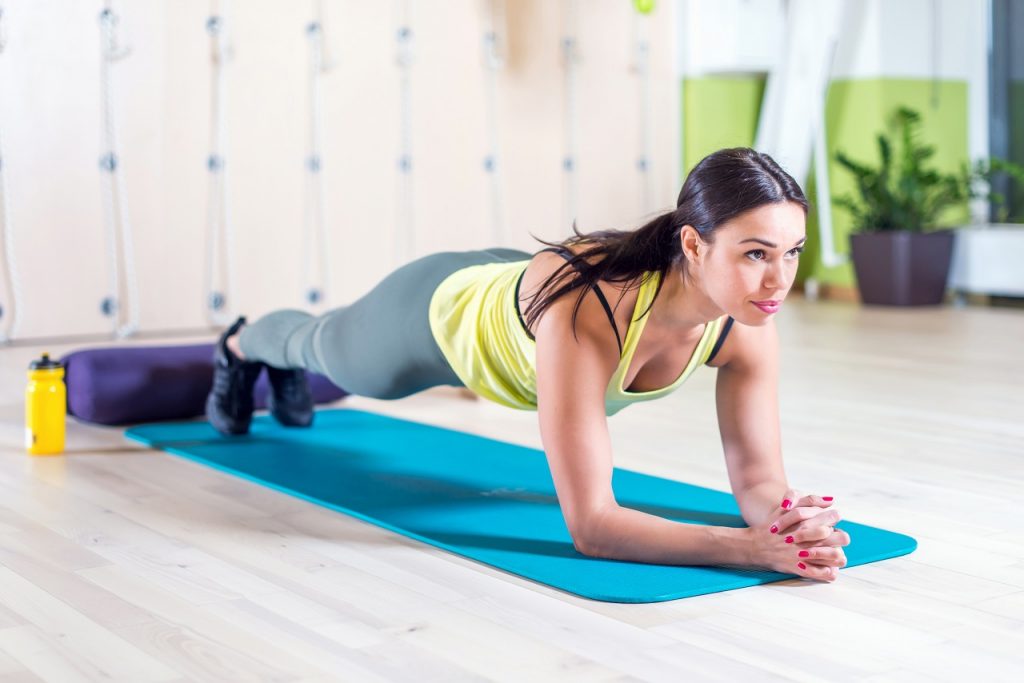
exercise a habitMore often than not, when you’ve begun a new exercise routine to get in shape, your intentions don’t always match your actions. You begin to realize there’s a big gap between having an intention of achieving something and actually doing the work to fulfil that intention.

There’s no need to beat yourself up about it. There’s always a way to bridge that gap! Let’s look at a few practical tricks that can help you finally make exercise a lifelong habit.

How to Make Exercise a Habit 

  1. Set a Goal and Send a Reminder to Yourself:
    I wanted to exercise because I always wanted to stay fit like a soldier this was my goal. I set a reminder on my phone for 5 AM labelled, “Stay fit like a soldier.” This served as my morning alarm as well. Setting a goal where you actively remind yourself every day will never let you sleep without ensuring that you got your movement in.
  2. Challenge a Friend:
    The day you plan to start exercising, challenge a friend. I texted my friend, “Hey, in the next 30 days, I am going to increase my stamina from a 6/10 to a 10/10.” Believe me, having an accountability partner means they will never let you forget that you need to exercise daily!
  3. Use the 21/90 Rule:
    This rule says that it takes 21 days to create a habit, and it takes 90 days to create a lifestyle. Commit to not skipping a day for 21 straight days. In these 3 weeks, exercise will become your habit. Once you are able to do it, you will naturally continue doing it for another 90 days.
  4. Reward Yourself With 1 Rest Day:
    Keep 1 day as your “rest day.” This is incredibly important for your muscle recovery, and having a scheduled break gives you something to look forward to after a week of hard work.
  5. Make It Pleasurable:
    The music of your choice will do the magic! Create a playlist that pumps you up so you will love your exercise without getting bored. This is actually something I do and enjoy a lot. Maintaining your self-motivation is much easier when the journey is actually fun.
  6. Take Baby Steps:Last, but certainly the most useful trick: When I started exercising, I had full “josh” (enthusiasm). I forgot to count the sets and reps and just exercised with lots of energy. I had in mind that the more I do, the sooner I will get the results.

    But the reverse happened. I had no energy for Day 2. This served as a vital lesson doing too much in the beginning leads to burnout, which inevitably leads to quitting the habit. The key is to start with light-intensity beginner workouts for just 15-30 minutes. Our only aim right now is to be regular.

    “One workout at a time. One day at a time. One meal at a time.” – Chalene Johnson

    Now that you’re aware of these simple tricks, let’s aim at making exercise a habit! Enjoy your exercise to enjoy the glow of good health.

Frequently Asked Questions (FAQs)

  1. How long does it actually take to make exercise a habit?
    A popular framework is the 21/90 rule. It suggests that it takes 21 days of consistent effort to form a new habit, and 90 days to integrate that habit into a permanent lifestyle change.
  2. Why do I keep quitting my workout routine after the first few days?
    Most people quit because they start with too much intensity. Pushing yourself too hard on day one often leads to severe muscle soreness and burnout by day two. The secret to consistency is taking baby steps start with 15 to 30 minutes of light exercise and slowly build your stamina.
  3. Are rest days necessary when trying to build a daily fitness habit?
    Absolutely. Taking at least one rest day a week is crucial for muscle recovery and preventing physical and mental burnout. A rest day allows your body to repair itself, making you stronger for your next workout.

If this article helped you, let us know your thoughts in the comments below. You can read more articles on motivation and fitness here. If you want to be consistent or begin working out, get the right guidance from an expert through a live, interactive, fun-fueled session on GOQii PRO. Book a class now through the GOQii App.  

#BeTheForce!

Disclaimer: The information provided in this article is for educational and general informational purposes only. Always consult with a physician or a certified fitness professional before starting any new exercise routine, especially if you have pre-existing health conditions or injuries.

March 26, 2026 By Mohammed Tufail Qureshi Leave a Comment

The Role of Glutamine: Why This Amino Acid is Crucial for Muscle Recovery

body buildingMany of us exercise regularly in the gym, but we are often unaware of the complex biological processes associated with our workouts and our bodies. Glutamine is one such vital element, and despite its massive impact on our fitness, many of us are completely unaware of its role.

Glutamine is one of the 20 amino acids used by the body to make protein. It can be found abundantly in muscle tissue, blood plasma, and in nearly every animal product you consume. Natural dietary sources include animal-derived proteins such as meats, dairy products, and eggs.

While your body can produce enough glutamine to meet its basic needs under normal circumstances, that changes the moment you step into the gym.

Why Your Body Demands More Glutamine

Glutamine is critically important to a wide range of bodily processes. However, during intense workouts, your body’s need for glutamine significantly exceeds its capability to produce it.

This deficit doesn’t just happen during exercise. During conditions of severe physical stress such as illness, burns, surgery, or prolonged fasting the body’s requirement for glutamine is so high that it simply cannot be met by its slow natural rate of synthesis. Because we use it faster than we produce it under pressure, it becomes highly necessary to consume dietary or supplemental sources of glutamine to bridge the gap.

The Core Benefits of Glutamine

When your body is under tremendous physical pressure, glutamine steps in to protect and repair your system in several powerful ways:

  • Increases Growth Hormone: Glutamine naturally increases the amount of circulating plasma growth hormone in your body. An increased amount of this hormone helps you stay leaner and stronger.
  • Protects the Immune System: A lack of glutamine (or glutamine depletion after a heavy workout) can lead to an extreme drop in your immune system’s function, making the body highly vulnerable to infections.
  • Speeds Up Muscle Recovery: Glutamine is incredibly helpful for reducing delayed onset muscle soreness and ensuring faster muscle recovery post-workout.
  • Strong Anti-Catabolic Action: It powerfully reduces the muscle breakdown caused by workout-related stress. Interestingly, for years, high levels of glutamine have been used in hospitals for patients involved in high-trauma accidents to prevent severe muscle loss.

The GOQii Pro-Tip: The same medical theory of trauma recovery applies to your exercise routine! If you properly supplement glutamine, your body will not need to break down its own hard-earned muscle tissue to pull glutamine out of it.

Recommended Dosage and Timing

To get the most out of your supplementation, timing is everything. Here is a standard protocol:

  • On Workout Days (10 grams total): Consume 5 grams directly after your exercise session, and another 5 grams right before bed.
  • On Rest Days (5 grams total): Consume 5 grams right before bed to support overnight recovery.

Elevate your workout game with the power of glutamine! Whether you are aiming for faster muscle recovery or a stronger immune system, understanding the role of this essential amino acid is key. For further information or personalised guidance, reach out to our certified experts by subscribing to GOQii’s Personalised Health Coaching here.

#BeTheForce

Frequently Asked Questions (FAQs)

1. What is the primary role of glutamine in the body?
Glutamine is a crucial amino acid used to build protein. Its primary role is to support the immune system, maintain intestinal health, and facilitate rapid muscle repair. While the body produces it naturally, heavy physical stress (like intense workouts or illness) depletes glutamine faster than the body can synthesise it.

2. Can I get enough glutamine from my regular diet?
Yes, if you are living a sedentary lifestyle. Glutamine is naturally found in animal-derived proteins such as eggs, dairy, and meats. However, if you are engaging in heavy resistance training or recovering from physical trauma, dietary sources alone may not provide enough to prevent muscle breakdown, making supplementation necessary.

3. Does glutamine prevent muscle loss?
Yes. Glutamine is a highly effective “anti-catabolic” agent. When your body is under physical stress, it naturally wants to break down muscle tissue to access stored amino acids. By supplementing with glutamine, you provide the body with free amino acids, saving your muscle tissue from being broken down.

Disclaimer: GOQii is committed to providing accurate, up-to-date, and comprehensive health information. This article is intended for informational purposes only and should not be used as a substitute for professional medical advice, diagnosis, or treatment. Always consult a qualified healthcare professional or nutritionist before starting any new dietary supplement. Individual results may vary.

February 19, 2026 By GOQii 4 Comments

Top 10 Weird Excuses We Make To Skip A Workout

excuses to skip a workoutPulling someone out of bed for a workout can really be a task! In the field of health and fitness, we have come across people giving some very fickle excuses that are just not valid. We are writing this article not to help you make those excuses, but to convey the fact that these excuses are invalid. We need to get stronger and workout harder!

Top 10 Excuses We Make To Skip A Workout 

  1. I Just Ate A Meal: We agree there should be a good 2 hour gap between your meal and workout but does this qualify as a reason to not workout? If you have just eaten your lunch, schedule your workout towards late noon or evening. But, include it in your “to-do” list. Do not skip it.
  2. I am not going to wear my “brand new” shoes for a run: If you aren’t wearing them, then why did you buy them? To walk the ramp or just look at it and feel good? Unless you are heading for some mud run or splash in a mucky puddle, they are going to remain the same. Shoes are meant to get dirty. It is very important you wear the new shoes and run as you need to break into them as well.
  3. I Can’t Afford a Gym: One doesn’t need to go to the gym to be fit. The roads are your playground and your coach is your motivator. Running, trekking, walking and stair climbing are some accessible and free ways to get fit. In fact, you can even tune in to GOQii Play sessions or subscribe for GOQii Pro classes for one-on-one coaching from fitness experts. The sessions are pretty affordable too and you can do it from the comfort of your home!
  4. I Don’t Have the Time: This one is probably the most common excuse. A workout does not need to last for an hour. 15-20 minutes is also good enough. If that too sounds like a lot to spare for your health, then you should definitely be working out because such a thought itself is an indicator of stress. Set your priorities right! Break into some HIIT‘s (High Intensity Interval Training).
  5. I Feel Sick: Now this sounds like a genuine one. A viral fever, dizziness or any condition that requires extra care are excused. But, days when you suffer from a mild headache, feel heavy, PMS or just not feel a 100%, a little exercise will actually help. Your body needs to get rid of the toxins.
  6. I’m Too Tired: Next time, tell yourself, “10-15 minutes of a quick workout and I shall head home for a nap”. As a result of this you shall end up taking a nap with more satisfaction and contentment.
  7. Blame My Crazy Travel Schedule: This is the time when Tabata, body-weight exercises, living-room workouts and other HIIT’s will make more sense to you. Most hotels already have the facility of an in-house gym. Avail that. Or else, take a brisk walk and explore your new surroundings. One more tip that comes handy is to book your room above the 3rd floor, so that you get a chance to climb the stairs.
  8. I Worked Out Yesterday: One bite of pizza doesn’t harm you. Similarly, one day of activity is not going to help the goals you have set for yourself. We need to be consistent for at least 21 days till it becomes a habit (rest days included). It’s a lifestyle change. The old saying, ‘Tomorrow never comes’ still holds true.
  9. My Buddy Did Not Turn Up: OK! This is serious! You need some serious motivation. Go solo, that’s alright. More often than not, we are so dependent on our friends for any outdoor activities and this holds true for workouts as well. You can’t always wait for company to workout.  You are your own individual and cannot allow someone else to impact your fitness goals.
  10. Bad Day at Work/Home: This calls for some “me” time then. Trust me, a workout will definitely make you feel better. It will refill your confidence, relieve your stress and elevate your mood. Whenever you feel like ‘it wasn’t your day’, get your favorite workout into the picture and work off that tension.

Remember that the only person standing in your way is ‘YOU’. Go ahead and take a step towards a healthier lifestyle. Your body will thank you for it! Did we miss out on anything? What are the most common excuses you have heard? Share them with us in the comments below!

Find more articles on getting fit and living a healthier lifestyle here. To never skip a workout and stay motivated at all times, join a live and interactive GOQii PRO class conducted by a certified expert. Book a class now from the GOQii App.

#BeTheForce

Disclaimer: The information provided in this blog is for general awareness and educational purposes only. It is not intended to replace professional medical advice, diagnosis, or treatment. Always consult a qualified healthcare provider for personalised medical guidance or concerns related to your health. Images shown are for representation purposes only and may not depict the exact recommendations or outcomes.

January 7, 2026 By GOQii Leave a Comment

Muscle: Your Body’s Most Powerful Tool for Longevity and Healthy Ageing

Usually, when we talk about muscles, it is with a mindset akin to how we think about biceps or abdominals. However, let me share with you a reality that most people do not realise: muscles are among the most potent factors in ensuring healthy ageing and longevity.

Recently discovered research shows that your muscles work in an organ-like system. Think of your muscles not just with a focus on developing them for aesthetic qualities, but also with a thought to developing them because you want to live a longer life.

Why Muscle Matters More Than You Think

  • Metabolic powerhouse: Muscle tissue is a major glucose burner and a site of insulin sensitivity. Increased muscle mass promotes resistance to both diabetes and metabolic syndrome.
  • Hormonal regulator: It affects hormones such as IGF-1 and Testosterone, which are relevant in repair and recovery.
  • Immune System Support: Muscles secrete myokines, which are signalling proteins that have anti-inflammatory and immune system-supporting effects.
  • Balance and movement: Strong muscles help to prevent falling, which can aid in maintaining a degree of independence in old age.

“Muscle is not just strength; it’s healthspan insurance.”

Sarcopenia Begins Around Age 30: Here’s Why

Sarcopenia is a progressive loss of strength and muscle mass with increasing age. The sneaky thing is it starts way before most people think it does often as early as age 30.

After your early 30s, your muscle mass will decay at a rate of 3–8% each decade, accelerating after you reach 60 years of age. So, when you reach your 70s and 80s, you may have lost a staggering 30–50% of your muscular peak.

Why does this happen?

  1. Sedentary lifestyles: A reduction in activity informs your muscles that they are not required.
  2. Hormonal Changes: Testosterone, estrogen, and growth hormones decrease with each passing year, affecting the body’s capacity to produce muscular tissue.
  3. Protein intake declines: Not many people consume adequate good-quality protein, especially senior citizens.
  4. Inflammation and insulin resistance: Chronic low-grade inflammation, a consequence of ageing, can affect the repair and regeneration of muscle.

The effects go beyond reduced strength. They include lower metabolism, increased fat storage, high chances of falling, and reduced resistance to diseases.

Muscle Mass Is a Better Predictor of Life Span Than BMI

You have likely seen BMI charts which classify you into underweight, normal, overweight, or obese categories depending on your height and weight. However, BMI remains notoriously blind to one important factor: it fails to separate muscular mass from fatty mass.

Two people with equal BMI can have vastly different health statuses based on this factor. Studies have found that higher muscle mass and strength are better predictors of life span than BMI. Those with higher levels of lean mass have better survival rates and fewer disabilities later in life.

It’s not how much you weigh, it’s what your weight is made of.

The Micro-Workouts That Restore Strength After 50

The good news is muscles can be rebuilt and made stronger at all ages. Even if you are over 50, you can reverse muscle loss. Long workout sessions aren’t required; the intensity of your effort matters more.

Here are micro-workouts that work:

  1. Daily Strength Circuit (10 minutes)

Perform this activity 3–5 times a week.

  • Bodyweight squats x 12
  • Push-ups (on knees if necessary) x 10
  • Glute bridges x 15
  • Plank hold 30–45 seconds
  • Standing calf raise x 15
  • Rest for 60 seconds. Repeat if you have more time.
  1. Grip Strength Enhancers

Grip strength is an excellent predictor of longevity.

  • Farmer’s carries: Hold two weights in each hand, walk for 30–60 seconds.
  • Tennis ball squeezes: Perform 3 sets of 15 squeezes.
  1. Functional Strength with Resistance Bands

Bands are gentle on joints and very effective.

  • Banded rows: 3 sets of 12
  • Banded leg lifts: 3 sets of 15 on each side
  • Banded Chest Press: 3 sets of 10
  • Move slowly and control your strokes.
  1. Interval Walks

Pacing is not all; intensity variation matters too.

  • Warm-up 5 minutes
  • Alternate 1 minute brisk walk with 1 minute comfortable walk for 12–15 minutes
  • Cool down 3–5 minutes

Nutrition & REST: You Can’t Ignore This

Exercise is only half the equation. The other half is nutrition and recovery.

  • Protein: Having protein in each meal is important. The goal is to consume at least 20–30g of good-quality protein per meal to promote muscle protein synthesis. Foods such as eggs, milk, legumes, fish, poultry, tofu, and lentils will work wonders.
  • Sleep: Growth and repair occur in sleep. Disrupted sleep affects hormones that regulate appetite and muscle formation.

The New Longevity Organ Isn’t a Myth

Muscles don’t exist simply for strength and aesthetics. They are a major hub for your metabolism, immune system, and life energy. Preserving and developing your muscles is the most important thing you can do to promote healthy ageing.

Losing muscle doesn’t have to be an inevitability. With proper habits and support structures in place, you can keep your strength and independence well into your senior years.

Age is real, but your ageing physiology? Negotiable. With your muscles at the core of your approach to living a long life, you will write your own playbook when it comes to ageing.

We hope this article helps you. For further information or guidance, reach out to our certified experts by subscribing to GOQii’s Personalised Health Coaching here.

#BeTheForce

Disclaimer: The information provided in this blog is for general awareness and educational purposes only. It is not intended to replace professional medical advice, diagnosis, or treatment. Always consult a qualified healthcare provider for personalised medical guidance or concerns related to your health. Images shown are for representation purposes only and may not depict the exact recommendations or outcomes.

  • 1
  • 2
  • 3
  • …
  • 43
  • Next Page »

Search

Recent Posts

  • Everything You Need to Know About Malaria
  • 3 Super Simple Ways to Overcome Anxiety Induced Procrastination
  • The GOQii India Fit Report 2026: Why Living Longer Isn’t Enough Anymore
  • Earth Day 2026: How Healing Yourself Heals the Planet
  • The New Annual Health Check: Tests That Actually Matter After 35

Stay Updated

Archives

  • April 2026 (20)
  • March 2026 (18)
  • February 2026 (14)
  • January 2026 (14)
  • December 2025 (19)
  • November 2025 (15)
  • October 2025 (20)
  • September 2025 (6)
  • August 2025 (6)
  • July 2025 (12)
  • June 2025 (18)
  • May 2025 (16)
  • April 2025 (22)
  • March 2025 (28)
  • February 2025 (21)
  • January 2025 (25)
  • December 2024 (22)
  • November 2024 (23)
  • October 2024 (21)
  • September 2024 (23)
  • August 2024 (30)
  • July 2024 (21)
  • June 2024 (25)
  • May 2024 (29)
  • April 2024 (27)
  • March 2024 (27)
  • February 2024 (24)
  • January 2024 (21)
  • December 2023 (14)
  • November 2023 (10)
  • October 2023 (19)
  • September 2023 (22)
  • August 2023 (18)
  • July 2023 (22)
  • June 2023 (23)
  • May 2023 (24)
  • April 2023 (19)
  • March 2023 (23)
  • February 2023 (19)
  • January 2023 (15)
  • December 2022 (11)
  • November 2022 (15)
  • October 2022 (15)
  • September 2022 (12)
  • August 2022 (10)
  • July 2022 (17)
  • June 2022 (11)
  • May 2022 (10)
  • April 2022 (6)
  • March 2022 (6)
  • February 2022 (13)
  • January 2022 (11)
  • December 2021 (7)
  • November 2021 (3)
  • October 2021 (6)
  • September 2021 (3)
  • August 2021 (8)
  • July 2021 (7)
  • June 2021 (15)
  • May 2021 (16)
  • April 2021 (10)
  • March 2021 (7)
  • February 2021 (4)
  • January 2021 (4)
  • December 2020 (3)
  • November 2020 (4)
  • October 2020 (10)
  • September 2020 (3)
  • August 2020 (3)
  • July 2020 (2)
  • June 2020 (4)
  • May 2020 (10)
  • April 2020 (12)
  • March 2020 (10)
  • February 2020 (4)
  • January 2020 (4)
  • December 2019 (3)
  • November 2019 (7)
  • October 2019 (5)
  • September 2019 (4)
  • August 2019 (9)
  • July 2019 (9)
  • June 2019 (11)
  • May 2019 (4)
  • April 2019 (8)
  • March 2019 (8)
  • February 2019 (9)
  • January 2019 (8)
  • December 2018 (9)
  • November 2018 (3)
  • October 2018 (3)
  • September 2018 (5)
  • August 2018 (10)
  • July 2018 (6)
  • June 2018 (13)
  • May 2018 (8)
  • April 2018 (18)
  • March 2018 (9)
  • February 2018 (8)
  • January 2018 (15)
  • December 2017 (12)
  • November 2017 (19)
  • October 2017 (13)
  • September 2017 (15)
  • August 2017 (4)
  • July 2017 (8)
  • June 2017 (7)
  • May 2017 (6)
  • April 2017 (8)
  • March 2017 (6)
  • February 2017 (7)
  • January 2017 (9)
  • December 2016 (10)
  • November 2016 (7)
  • October 2016 (7)
  • September 2016 (7)
  • August 2016 (11)
  • July 2016 (9)
  • June 2016 (9)
  • May 2016 (12)
  • April 2016 (17)
  • March 2016 (17)
  • February 2016 (8)
  • January 2016 (6)
  • December 2015 (2)
  • November 2015 (9)
  • October 2015 (7)
  • September 2015 (9)
  • August 2015 (11)
  • July 2015 (9)
  • June 2015 (11)
  • May 2015 (9)
  • April 2015 (13)
  • March 2015 (8)
  • February 2015 (5)
  • January 2015 (12)
  • December 2014 (14)
  • November 2014 (11)
  • October 2014 (6)
  • September 2014 (13)
  • August 2014 (12)
  • July 2014 (6)
  • June 2014 (2)
  • May 2014 (7)
  • April 2014 (4)

From “Laddu Nawin” to Fit and Fierce: How a 25-Year-Old Insurance Advisor Shed 20 Kilos and Gained His Life Back

When 25-year-old Nawin Yadav from Hyderabad walked into his office every morning, he carried more than just his files and policy papers. He had the weight of fatigue, sluggish energy, and an ever-growing belly that was becoming the butt of jokes. “People … [Read More...]

“I’ve Challenged Myself to Live 100 Years” – The Story of Chandubhai Savani’s Second Chance at Life

At 67, most people start slowing down. Not Chandubhai Savani. A resident of Surat, Chandubhai, thought life was on track. “My life was going well till I had my bypass surgery,” he says. That surgery, back in 2021, was a wake-up call.  Medication was routine, but exercise wasn’t. His diet? What he calls ‘normal.’ “I […]

From Shimla’s Slopes to Chandigarh’s Sidewalks: Surinder Kaur Bhalla’s Journey from Chaos to Control

Some journeys start with a plan. Others begin with a stumble literally. Surinder Bhalla, a government professional, born and raised in the scenic hill town of Shimla, had always lived a life of movement. “In Shimla, you walked everywhere,” she reflects. “Walking was never an exercise. It was just life.” But after shifting to Chandigarh, […]

Ananda Mukherjee Health Story

From Terminal Illness To Complete Wellness! Ananda Mukherjee Health Story

As we observe World Cancer Day under the powerful theme ‘United by Unique’ (2025-2027)**, we are reminded that every individual’s journey with cancer is distinct, yet united by shared resilience, hope, and the collective fight against this disease. This theme places people at the centre of care and their stories at the heart of the […]

  • HOME
  • HEALTHY LIVING
  • FITNESS
  • HEALTHY RECIPES
  • USER STORIES
  • KARMA
  • BUY GOQii

Copyright ©2016 GOQii