GOQii

Blog

  • HOME
  • HEALTHY LIVING
  • FITNESS
  • HEALTHY RECIPES
  • USER STORIES
  • KARMA
  • BUY GOQii

Search Results for: protein

June 1, 2015 By Vrushali Athavle 1 Comment

Protein is not just about quantity. It’s also about quality

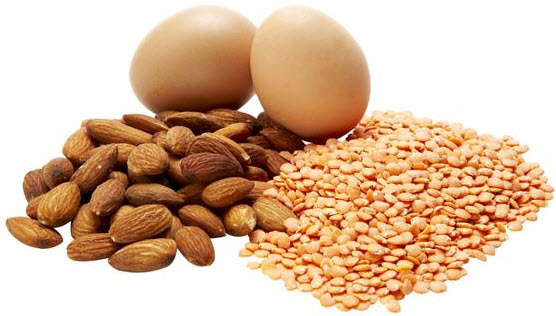
protien-rich-foods
Every weight loss or weight gain programme talks about PROTEINS. They are the building blocks for growth and repair of muscle tissues of tendons, organs and skin. Proteins are made out of smaller molecules called amino acids which are linked together like beads on a string.

Some of these amino acids can be produced by the body and are called non essential amino acids, while some cannot be produced by the body and we need to get them from our foods. These are called the essential amino acids.

The protein requirement of each individual varies based on their intensity of workouts, medical conditions, height and ideal body weight.  Before, we jump into the calculation of protein requirement, let’s first check out how to select the best protein out of the 3 major sources of proteins namely 1) Animal sources (chicken, fish, eggs, milk & milk products), 2) Plant sources (legumes, nuts, seeds and cereals) and 3) various Supplementary protein powders available in the market as protein shakes. This blog basically has two sections.

1) Protein Selection and 2) Protein Calculation

Section 1: Protein selection

Two things we need to consider while selecting your proteins source:

  1. Complete or incomplete proteins:

* Animal proteins are considered complete proteins as they contain all essential amino

acids required by our body.

*Plants sources are classified as incomplete proteins as they contain only few essential

amino acids.

* Supplementary powders have most of the essential amino acids.

  1. Bioavailability of proteins.

      Bio-availability represents the percentage of how much our bodies can make use of certain  protein sources. Animal proteins have better bioavailability than plant proteins. Supplementary proteins have highest % of bioavailability. It is important to note here that at a go our body can absorb only 15 to 20 gms of protein.

Section 2: Protein Calculation:

Calculate your protein intake by this formula:

  • Person with sedentary lifestyle, Protein intake= Ideal body weight in kgs (multiply by) 0.8 gm
  • Person with moderate workout, Protein intake= Ideal body weight in kgs (multiply by) 1 gm
  • Person with moderate to intense workouts, Protein intake= Ideal body weight in kgs (multiply by) 1.5 gm

Note:  Consult your trainer/nutritionist/doctor while calculating this protein amount as your medical conditions and intensity of workouts also need to be considered.

To consume this amount of protein, we would want to divide this intake of protein into 5-6 meals over the course of the day.

Managing this protein intake is a bit difficult for vegetarians. Even for individual who consume non-veg and take up heavy workouts, just the thought of eating six chicken breasts a day or eight egg whites in each meal can seem like a daunting task. An alternative to this is to ingest 1 or 2 scoops of protein powders in the form of a protein shake.

Conclusion:  Protein is not just about quantity. It’s also about quality. Protein intake needs to be wisely planned. Good sources of protein include high quality proteins like egg, chicken, fish, skimmed milk and soy. Red meat, egg yolk and high fat milk products are rich in saturated fats and hence should be avoided. Whole pulses, sprouts and daals(lentils)  should be consumed in combination with a cereal to make the amino acid profile complete. For eg: Roti with Daal/Rice with Rajma/Khichadi.

If required protein powders can be included. Natural source of protein is the best but, due to day to day constraints of making and eating them, you may need to add the protein supplement into your diet. Getting all your protein from powders is not the best idea, as it could potentially restrict your intake of vitamins and minerals from other foods. Selection of protein powder will be discussed in my next blog. Stay tuned!

January 16, 2015 By Aqsa Shaikh 3 Comments

Protein importance for muscles strength

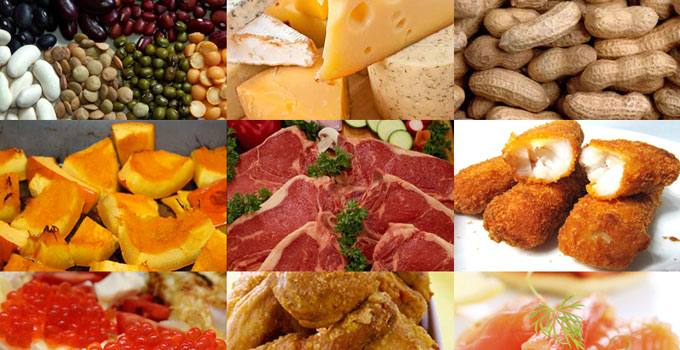
protein-foods

Sometimes we wonder how to build up protein, one very important thing that crops up in every human’s mind in terms of muscle development is “weight training” which is in a way correct, weight training is very important to build those muscles but diet is equally important. Wight training — creates microscopic tears in your muscles.

The nutrients you eat determine how well your muscles repair these tears and, in turn, how much strength you gain. Apart from eating healthful food, you must get enough sleep and eat frequent meals for the greatest muscular strength. Do you know that your fitness is 70% of your diet and 30% of your workouts?

For an example you have your vehicle, a car but you don’t have its key… Will you be able to drive the car? Absolutely not… Similarly, here the weight training is the car, and the key is your diet, a perfect amount of protein is very necessary for your muscle development. The most important nutrient in muscle repair, which allows your muscles to become stronger, is protein.

The Amount of protein for a sedentary person would be Approx 0.5 to 0.8 Grams, and for a active person who do rigorous activities, he needs at least 1.5 to 1 gram of protein for 1Kg. Protein is a macro nutrient necessary for the proper growth and function of the human body.. Any excess protein is turned into energy by the body. A deficiency in protein leads to muscle atrophy, and impaired functioning of the human body in general.

Ideal sources for building strength are complete protein sources, rather than incomplete proteins, states the National Strength and Conditioning Association. Complete proteins contain each of the nine essential amino acids. Sources include milk, yogurt, eggs, cheese, soy products, poultry, fish and meat. For the best benefit to your strength, consume a source of complete protein within 30 minutes of finishing your workout

Some of the good protein options are:-

1-Turkey and chicken breast

2-Fish ( tuna, salmon, halibut )

3-Cheese ( Non-fat mozzarella )

4-Lean beef ( Low fat )

5-Tofu

6-Beans ( Mature soy  beans )

7-Eggs ( Egg whites specially )

8-Yougurt, milk and soy milk

9-Nuts and seeds (Pumpkin and watermelon seeds, peanuts and almond )

So the next time you are going to prepare for your muscle build up, try to keep these things in mind. And keeping these things on track doesn’t mean that you avoid the other nutrients. They are equally important.

August 14, 2026 By Rashmi Deshpande Leave a Comment

Foods to Manage Blood Sugar Naturally: A Complete Guide to Better Blood Sugar Control

The Big Question – Can the foods you eat every day help improve your blood sugar levels naturally?

If you’ve been diagnosed with prediabetes or Type 2 diabetes—or you’re simply trying to prevent blood sugar spikes you’ve probably wondered whether changing your diet can really make a difference.

The answer is yes.

While food alone isn’t a cure for diabetes, the right dietary choices, combined with regular physical activity, quality sleep, stress management and medical guidance when needed, can significantly improve blood sugar control and support long-term metabolic health.

The good news? You don’t need a restrictive diet or expensive superfoods. Simple, everyday ingredients can help your body manage blood sugar more effectively.

Quick Answer – Which foods help manage blood sugar naturally?

Foods rich in dietary fibre, lean protein, healthy fats and complex carbohydrates help slow digestion and reduce rapid blood sugar spikes. Leafy green vegetables, whole grains, legumes, nuts, seeds, healthy fats and low-glycaemic fruits can all support better blood sugar management when eaten as part of a balanced lifestyle.

Why Blood Sugar Management Matters

Every time you eat, carbohydrates are broken down into glucose, which enters your bloodstream.

Insulin a hormone produced by the pancreas helps move this glucose into your cells where it is used for energy.

In people with insulin resistance or diabetes, this process becomes less efficient, causing glucose to remain in the bloodstream for longer.

Over time, consistently high blood sugar can increase the risk of:

  • Heart disease
  • Kidney disease
  • Vision problems
  • Nerve damage
  • Poor wound healing

Managing blood sugar isn’t just about avoiding sugar it’s about building meals that keep glucose levels steady throughout the day.

8 Foods That Help Manage Blood Sugar Naturally

  1. Leafy Green Vegetables

Spinach, fenugreek (methi), amaranth, kale and other leafy greens are packed with vitamins, minerals, antioxidants and fibre while being naturally low in digestible carbohydrates.

These vegetables also provide vitamin C and antioxidants such as lutein and zeaxanthin, which support eye health particularly important for people living with diabetes.

Easy ways to include them:

  • Vegetable sabzi
  • Soups
  • Salads
  • Stuffed rotis
  • Smoothies
  • Chutneys
  1. Whole Grains and Millets

Refined grains digest quickly and can cause larger blood sugar spikes.

Instead, choose fibre-rich whole grains such as:

  • Oats
  • Brown rice
  • Quinoa
  • Jowar
  • Bajra
  • Ragi
  • Barley

These release glucose more gradually, helping maintain steady energy levels.

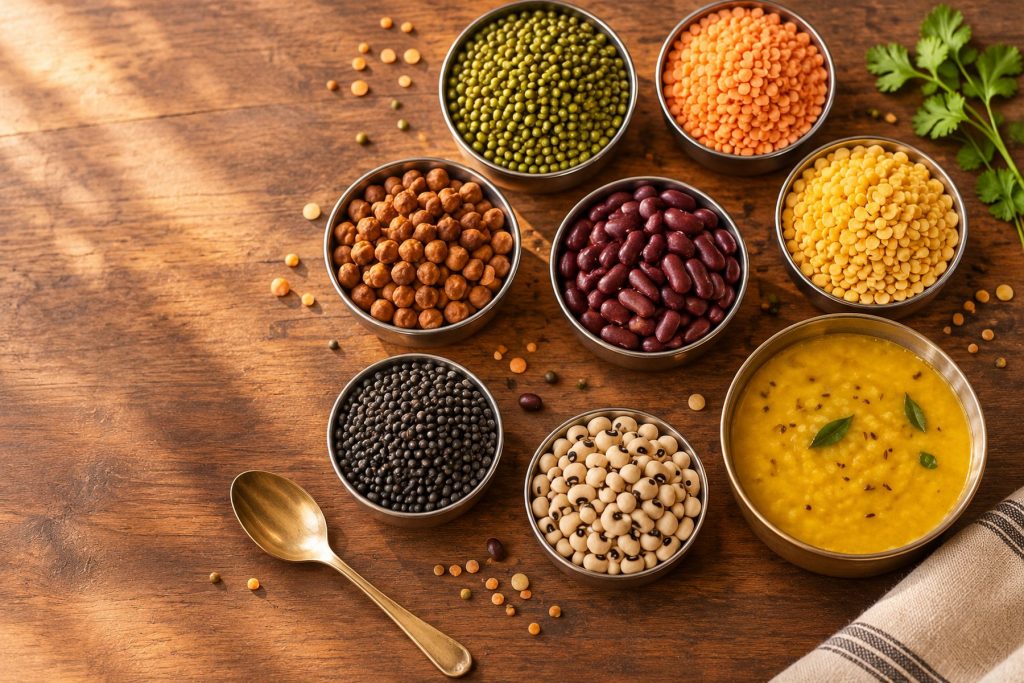
  1. Legumes and Pulses

Beans, lentils, chickpeas and rajma are rich in plant protein and fibre.

They digest slowly, improve satiety and support better blood sugar control.

Aim to include legumes several times each week.

  1. Nuts

Nuts provide healthy fats, protein and fibre that slow digestion and help reduce post-meal glucose spikes.

Choose unsalted varieties such as:

  • Almonds
  • Walnuts
  • Pistachios
  • Pecans
  • Hazelnuts

A small handful makes an excellent snack.

  1. Seeds

Seeds are nutritional powerhouses rich in omega-3 fats, fibre and plant protein.

Include:

  • Flaxseeds
  • Chia seeds
  • Pumpkin seeds
  • Sunflower seeds
  • Sesame seeds

They can be sprinkled over oats, yoghurt, salads or smoothies.

  1. Lean Protein

Protein helps keep you fuller for longer while slowing carbohydrate absorption.

Good choices include:

  • Eggs
  • Fish
  • Chicken
  • Paneer
  • Greek yoghurt
  • Tofu
  • Lentils

Try including a protein source in every meal.

  1. Healthy Fats

Healthy fats improve satiety and help slow digestion.

Choose:

  • Avocados
  • Olive oil
  • Groundnuts
  • Walnuts
  • Seeds

Remember that healthy fats are still calorie-dense, so portion control matters.

  1. Low-Glycaemic Fruits

Fruit can absolutely be part of a diabetes-friendly diet.

Choose whole fruits such as:

  • Apples
  • Pears
  • Berries
  • Guava
  • Oranges

Avoid fruit juices, which remove fibre and cause faster blood sugar rises.

Foods to Limit

No food needs to be completely banned, but these are best enjoyed occasionally:

  • Sugary drinks
  • Packaged fruit juices
  • Sweets
  • Cakes and pastries
  • White bread
  • Refined flour products
  • Sugary breakfast cereals
  • Highly processed snacks
  • Deep-fried foods

Small, consistent changes often produce better long-term results than extreme restrictions.

Smart Eating Habits That Help

It’s not only what you eat but how you eat.

Build a Balanced Plate

Aim for:

  • Half your plate: Non-starchy vegetables
  • One-quarter: Lean protein
  • One-quarter: Whole grains or complex carbohydrates

Eat Slowly

Eating slowly gives your body time to recognise fullness, helping prevent overeating.

Don’t Skip Meals

Skipping meals can lead to larger blood sugar fluctuations later in the day.

Regular, balanced meals are generally more effective than long periods without food.

Watch Portion Sizes

Even healthy carbohydrates can raise blood sugar when consumed in excessive amounts.

Moderation remains important.

Lifestyle Habits That Support Blood Sugar Control

Nutrition is only one part of the equation.

Other habits matter just as much.

Stay Active

A 20–30 minute walk after meals helps muscles use glucose more efficiently.

Strength training also improves insulin sensitivity over time.

Sleep Well

Poor sleep affects hormones that regulate blood sugar and appetite.

Aim for 7–9 hours of quality sleep each night.

Manage Stress

Chronic stress raises cortisol, which can increase blood glucose levels.

Meditation, breathing exercises, yoga and regular physical activity can all help.

Stay Hydrated

Water supports healthy circulation and helps your body function optimally.

Choose water over sugary beverages whenever possible.

What If Your Blood Sugar Drops Too Low?

People taking insulin or certain diabetes medications may occasionally experience hypoglycaemia (low blood sugar).

Common symptoms include:

  • Sweating
  • Shaking
  • Hunger
  • Dizziness
  • Confusion

If this happens, follow your healthcare provider’s advice. A commonly recommended approach is the 15-15 rule:

  • Consume approximately 15 grams of fast-acting carbohydrate (such as glucose tablets, fruit juice or regular soft drink).
  • Recheck your blood sugar after 15 minutes.
  • Repeat if necessary.

Always discuss recurring episodes of low blood sugar with your doctor.

Managing blood sugar isn’t about following a perfect diet—it’s about building sustainable habits that support your metabolism every day.

Focus on fibre-rich vegetables, whole grains, lean proteins, healthy fats and regular physical activity.

Small changes, practised consistently, can make a meaningful difference to your long-term health.

Pro Tip – Understanding how your meals affect your blood sugar is the first step towards better metabolic health. Use the GOQii App to track your meals, activity, hydration and sleep. A GOQii Personalised Health Coach can help you build a nutrition plan tailored to your health goals, lifestyle and medical needs.

Frequently Asked Questions (FAQs)

  1. Which foods help lower blood sugar naturally?

Leafy vegetables, legumes, whole grains, nuts, seeds, lean proteins and healthy fats can support better blood sugar management as part of a balanced diet.

  1. Can people with diabetes eat fruit?

Yes. Whole fruits such as apples, berries, guava and oranges provide fibre, vitamins and antioxidants. Portion control is important, and fruit juices should generally be limited.

  1. Are carbohydrates bad for diabetes?

No. The type and quantity of carbohydrates matter more than eliminating them completely. Choosing fibre-rich whole grains over refined carbohydrates helps support steadier blood sugar levels.

  1. Is walking after meals beneficial?

Yes. Even a short walk after eating can help your muscles use glucose more efficiently and reduce post-meal blood sugar spikes.

  1. Can lifestyle changes help prevent Type 2 diabetes?

For many people with prediabetes, healthy eating, regular physical activity, weight management and quality sleep can significantly reduce the risk of developing Type 2 diabetes.

#BeTheForce 

Disclaimer: This article is intended for educational purposes only and should not replace professional medical advice. Dietary needs vary from person to person. If you have diabetes, prediabetes or any other medical condition, consult your physician or a qualified healthcare professional before making significant dietary or lifestyle changes. Continue taking prescribed medications unless advised otherwise by your healthcare provider.

August 8, 2026 By Urvi Gohil Leave a Comment

Healthy Eating: Comforting Chilli Bean Soup Recipe for the Monsoon

Healthy Eating: Chilli Bean Soup

The Big Question – Looking for a warm, comforting meal that’s both nourishing and satisfying during the rainy season?

Monsoon weather often brings chilly evenings, seasonal fatigue, sore throats, and cravings for comfort food. Unfortunately, many comfort foods are high in refined carbohydrates, unhealthy fats, and excess sodium, leaving you feeling sluggish rather than energized.

The good news? Comfort food can be healthy too.

This hearty Chilli Bean Soup combines protein-rich kidney beans with colourful vegetables, warming spices, and a flavourful broth to create a wholesome meal that keeps you full, supports immunity, and makes rainy days even more enjoyable.

Quick Answer: Why is Chilli Bean Soup an ideal monsoon meal?

Chilli Bean Soup is packed with plant protein, dietary fibre, vitamins, minerals, and antioxidants. Kidney beans provide long-lasting energy, colourful vegetables deliver essential nutrients, while garlic, ginger, and black pepper add natural warmth and flavour. Together, they create a comforting, nutrient-dense meal that’s perfect for cool, rainy days.

Why You’ll Love This Recipe

  • High in plant protein
  • Rich in dietary fibre
  • Naturally filling
  • Great for meal prep
  • Supports digestive health
  • Perfect for rainy evenings
  • Vegetarian and family-friendly

Recipe Snapshot

  • Prep Time: 15 minutes
  • Cook Time: 20 minutes
  • Total Time: 35 minutes
  • Serves: 4
  • Difficulty: Easy

Ingredients

Base

  • 1 cup boiled kidney beans (rajma)
  • 1 medium onion, finely chopped
  • 1 medium tomato, finely chopped
  • ½ cup carrot, chopped
  • ½ cup mixed bell peppers (red, yellow, and green), finely chopped
  • 2 tbsp French beans, chopped

Flavour Builders

  • 1 tbsp ginger-garlic paste
  • 1 green chilli, finely chopped
  • ½ tsp freshly ground black pepper
  • 1 tsp chilli sauce (optional)
  • 1 tsp tomato puree or ketchup
  • Salt to taste

Liquid

  • 2 cups vegetable stock (preferred) or water

Garnish

  • Fresh coriander
  • Freshly cracked pepper
  • Lemon wedge (optional)

Method

  1. Build the Flavour Base: Heat one teaspoon of oil in a deep saucepan. Add the ginger-garlic paste and sauté until fragrant. Add onions and green chilli and cook until the onions become soft and translucent.
  2. Cook the Vegetables: Add tomatoes, carrots, French beans, and bell peppers. Cover and cook for 5–7 minutes until the vegetables begin to soften while still retaining a slight bite.
  3. Add the Protein: Mix in the boiled kidney beans and stir gently to coat them with the vegetable mixture.
  4. Season: Add the black pepper, salt, chilli sauce (optional), and tomato puree. Mix thoroughly.
  5. Simmer: Pour in the vegetable stock. Bring everything to a gentle boil before reducing the heat. Simmer for 8–10 minutes so the flavours combine beautifully.
  6. Finish & Serve: Finish with fresh coriander and a squeeze of lemon juice if desired. Serve immediately while hot.

Why This Soup Is So Nutritious

Ingredient Health Benefit
Kidney Beans Rich in plant protein and fibre that support satiety and steady energy release.
Bell Peppers Excellent source of vitamin C to support immune function.
Carrots Provide beta-carotene, which supports eye health and immunity.
Garlic & Ginger   Naturally rich in compounds known for their anti-inflammatory and antimicrobial properties.
Black Pepper Adds warmth and contains piperine, which may improve nutrient absorption.
Coriander Fresh herbs provide antioxidants while enhancing flavour naturally.

Ways to Make It Even Healthier

Want to customise your soup? Try these simple additions:

  • Stir in spinach during the final two minutes of cooking.
  • Add cooked quinoa for extra fibre and protein.
  • Mix in tofu cubes for a higher-protein vegetarian meal.
  • Use homemade vegetable stock to reduce sodium.
  • Finish with freshly squeezed lemon juice instead of extra salt.

Meal Prep Tips

This soup is ideal for busy weekdays:

  • Refrigerate for up to 3 days in an airtight container.
  • Freeze individual portions for up to 3 months.
  • Reheat gently over low heat, adding a splash of water if required. (The flavours become even richer the following day!)

Monsoon Food Safety Tip

The rainy season increases the risk of food contamination. Always:

  • Wash vegetables thoroughly under running water.
  • Store cooked food promptly in the refrigerator.
  • Avoid leaving soup at room temperature for extended periods.
  • Reheat leftovers until piping hot before serving.

Serving Suggestions

Pair your Chilli Bean Soup with:

  • Whole-grain toast or garlic whole-wheat bread
  • Mixed green salad
  • Roasted seeds
  • Baked sweet potato wedges
  • For a complete meal, add a side of Greek yoghurt or paneer salad.

Healthy comfort food doesn’t have to be bland. This Chilli Bean Soup delivers warmth, flavour, and nutrition in every spoonful. Packed with fibre-rich vegetables and protein-rich kidney beans, it’s a simple recipe that satisfies cravings while supporting your health goals throughout the monsoon season.

Whether you’re looking for a light dinner, a wholesome lunch, or a meal-prep favourite, this soup deserves a place in your kitchen.

Pro Tip: Eating well becomes much easier when your meals are tailored to your lifestyle and health goals. Use the GOQii App to log your meals, monitor your daily nutrition, and connect with a GOQii Personalised Health Coach for customised meal plans, healthy recipes, and expert guidance that fits your unique needs.

Frequently Asked Questions (FAQs)

  1. Is Chilli Bean Soup good for weight management?

Yes. Kidney beans are naturally rich in protein and dietary fibre, helping you stay fuller for longer and reducing unnecessary snacking.

  1. Can I use canned kidney beans?

Absolutely. Rinse canned kidney beans thoroughly under running water to remove excess sodium before adding them to the soup.

  1. Is this soup suitable for meal prep?

Yes. It stores well in the refrigerator for up to three days and freezes beautifully, making it an excellent make-ahead meal.

  1. Can I make this soup vegan?

Yes. Simply use vegetable stock and tomato puree instead of ketchup if preferred. The recipe is naturally vegan when prepared with plant-based ingredients.

  1. Can I increase the protein content?

Certainly. Add tofu, cooked lentils, quinoa, or edamame to make the soup even more protein-rich.

#BeTheForce 

Disclaimer: This recipe is intended for educational and informational purposes only. Individual nutritional requirements vary based on age, activity level, and health conditions. If you have a medical condition requiring a specialised diet, consult your healthcare provider or a registered dietitian before making significant dietary changes.

  • « Previous Page
  • 1
  • …
  • 3
  • 4
  • 5
  • 6
  • 7
  • …
  • 148
  • Next Page »

Search

Recent Posts

  • Foods to Manage Blood Sugar Naturally: A Complete Guide to Better Blood Sugar Control
  • The Lazy Person’s Guide to Staying Healthy: 5 Micro-Habits That Take Less Than 2 Minutes
  • Healthy Eating: Comforting Chilli Bean Soup Recipe for the Monsoon
  • The Truth About the ‘Beer Belly’: What Alcohol Really Does to Your Metabolism
  • Benefits of Meditation: How One Daily Habit Can Transform Your Mental Wellbeing

Stay Updated

Archives

  • August 2026 (7)
  • July 2026 (25)
  • June 2026 (22)
  • May 2026 (20)
  • April 2026 (24)
  • March 2026 (18)
  • February 2026 (14)
  • January 2026 (14)
  • December 2025 (19)
  • November 2025 (15)
  • October 2025 (20)
  • September 2025 (6)
  • August 2025 (6)
  • July 2025 (9)
  • June 2025 (18)
  • May 2025 (16)
  • April 2025 (22)
  • March 2025 (26)
  • February 2025 (21)
  • January 2025 (25)
  • December 2024 (22)
  • November 2024 (22)
  • October 2024 (20)
  • September 2024 (22)
  • August 2024 (28)
  • July 2024 (15)
  • June 2024 (23)
  • May 2024 (26)
  • April 2024 (27)
  • March 2024 (27)
  • February 2024 (23)
  • January 2024 (21)
  • December 2023 (14)
  • November 2023 (10)
  • October 2023 (19)
  • September 2023 (21)
  • August 2023 (16)
  • July 2023 (16)
  • June 2023 (21)
  • May 2023 (20)
  • April 2023 (19)
  • March 2023 (23)
  • February 2023 (19)
  • January 2023 (15)
  • December 2022 (11)
  • November 2022 (15)
  • October 2022 (15)
  • September 2022 (12)
  • August 2022 (9)
  • July 2022 (17)
  • June 2022 (11)
  • May 2022 (10)
  • April 2022 (6)
  • March 2022 (6)
  • February 2022 (13)
  • January 2022 (11)
  • December 2021 (7)
  • November 2021 (3)
  • October 2021 (6)
  • September 2021 (3)
  • August 2021 (8)
  • July 2021 (7)
  • June 2021 (15)
  • May 2021 (16)
  • April 2021 (10)
  • March 2021 (7)
  • February 2021 (4)
  • January 2021 (4)
  • December 2020 (3)
  • November 2020 (4)
  • October 2020 (10)
  • September 2020 (3)
  • August 2020 (3)
  • July 2020 (2)
  • June 2020 (4)
  • May 2020 (10)
  • April 2020 (12)
  • March 2020 (10)
  • February 2020 (4)
  • January 2020 (4)
  • December 2019 (3)
  • November 2019 (7)
  • October 2019 (5)
  • September 2019 (4)
  • August 2019 (9)
  • July 2019 (9)
  • June 2019 (11)
  • May 2019 (4)
  • April 2019 (8)
  • March 2019 (8)
  • February 2019 (9)
  • January 2019 (8)
  • December 2018 (9)
  • November 2018 (3)
  • October 2018 (3)
  • September 2018 (5)
  • August 2018 (10)
  • July 2018 (6)
  • June 2018 (13)
  • May 2018 (8)
  • April 2018 (18)
  • March 2018 (9)
  • February 2018 (8)
  • January 2018 (15)
  • December 2017 (12)
  • November 2017 (19)
  • October 2017 (13)
  • September 2017 (15)
  • August 2017 (4)
  • July 2017 (8)
  • June 2017 (7)
  • May 2017 (6)
  • April 2017 (8)
  • March 2017 (6)
  • February 2017 (7)
  • January 2017 (9)
  • December 2016 (10)
  • November 2016 (7)
  • October 2016 (7)
  • September 2016 (7)
  • August 2016 (11)
  • July 2016 (9)
  • June 2016 (9)
  • May 2016 (12)
  • April 2016 (17)
  • March 2016 (17)
  • February 2016 (8)
  • January 2016 (6)
  • December 2015 (2)
  • November 2015 (9)
  • October 2015 (7)
  • September 2015 (9)
  • August 2015 (11)
  • July 2015 (9)
  • June 2015 (11)
  • May 2015 (9)
  • April 2015 (13)
  • March 2015 (8)
  • February 2015 (5)
  • January 2015 (12)
  • December 2014 (14)
  • November 2014 (11)
  • October 2014 (6)
  • September 2014 (13)
  • August 2014 (12)
  • July 2014 (6)
  • June 2014 (2)
  • May 2014 (7)
  • April 2014 (4)

From Burnout to Balance: How Dr. Ranjit Reclaimed His Health

Dr Ranjit Bhatt has spent years tending to others. A practising doctor in Odisha, his days were packed with patients, surgeries, and emergencies. From the outside, it looked like a life lived in service. But on the inside, something wasn’t right. “I had no … [Read More...]

From Shimla’s Slopes to Chandigarh’s Sidewalks: Surinder Kaur Bhalla’s Journey from Chaos to Control

Some journeys start with a plan. Others begin with a stumble literally. Surinder Bhalla, a government professional, born and raised in the scenic hill town of Shimla, had always lived a life of movement. “In Shimla, you walked everywhere,” she reflects. “Walking was never an exercise. It was just life.” But after shifting to Chandigarh, […]

“I’ve Challenged Myself to Live 100 Years” – The Story of Chandubhai Savani’s Second Chance at Life

At 67, most people start slowing down. Not Chandubhai Savani. A resident of Surat, Chandubhai, thought life was on track. “My life was going well till I had my bypass surgery,” he says. That surgery, back in 2021, was a wake-up call.  Medication was routine, but exercise wasn’t. His diet? What he calls ‘normal.’ “I […]

Ananda Mukherjee Health Story

From Terminal Illness To Complete Wellness! Ananda Mukherjee Health Story

As we observe World Cancer Day under the powerful theme ‘United by Unique’ (2025-2027)**, we are reminded that every individual’s journey with cancer is distinct, yet united by shared resilience, hope, and the collective fight against this disease. This theme places people at the centre of care and their stories at the heart of the […]

  • HOME
  • HEALTHY LIVING
  • FITNESS
  • HEALTHY RECIPES
  • USER STORIES
  • KARMA
  • BUY GOQii

Copyright ©2016 GOQii