GOQii

Blog

  • HOME
  • HEALTHY LIVING
  • FITNESS
  • HEALTHY RECIPES
  • USER STORIES
  • KARMA
  • BUY GOQii

November 27, 2024 By Saba Mirza Leave a Comment

Effective Home Remedies For Sinus Congestion

sinus congestion If you’ve suffered from sinus congestion at any point in your life, you’re well aware of how painful an experience it can be. Let’s deep dive into what it exactly is as well as learn some home remedies for sinus congestion.

What is Sinus Congestion?

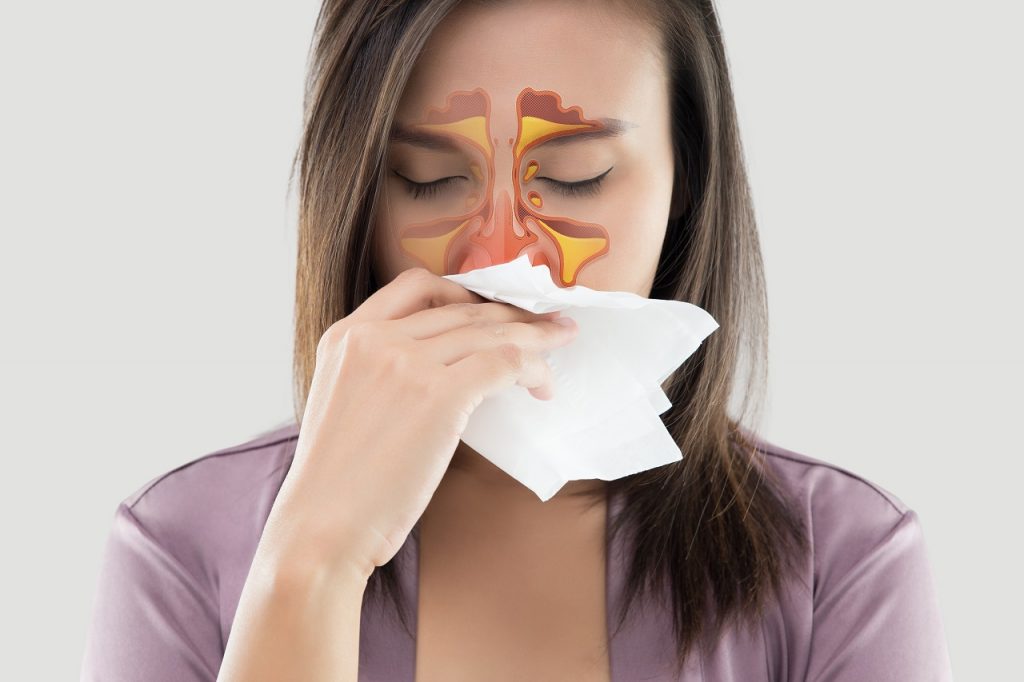
Sinus congestion is a condition in which the cavities around your nasal passage get inflamed and congested. Symptoms appear in the form of a stuffy nose, pain around the nose, cheeks, jaw or forehead. One may even experience swollen or watery eyes and a sore throat. There’s a surge in sinus congestion cases during winters primarily due to the dry, cold weather accompanied by an increase in pollutants and allergens in the environment. If there are no obstructive pathologies for the sinus blockage like polyps or deviated nasal septum, then a few home remedies for sinus congestion can help us soothe the inflamed nasal passage and reduce the intensity of the symptoms.

Effective Home Remedies You Should Try

1. Maintain Humidity: Dryness in cold weather is amplified when you are using a room heater. Dry air makes the mucus thick. This clogs sinus cavities and causes pain and pressure on the surrounding tissues. Using a humidifier while running a room heater and keeping yourself hydrated can help in reducing the viscosity of the mucus, making it easy to drain it out and open the cavities up.

2. Drink Warm Fluids: Warming your body with hot soups, curries and teas is an ancient measure, followed traditionally and ritually for ages! This is found to be quite effective in alleviating the symptoms of sinus congestion. Here are a few simple remedies which can be easily prepared at home:

  • Ginger-Turmeric Tea: Boil one-quarter teaspoon of dry ginger and turmeric in one cup of water and have that tea by adding lemon and pepper. It is very effective in soothing the sore respiratory mucosa and boosting immunity levels.
  • Immunity Booster: Take 2 black peppers, 2 cloves, 2 cardamoms, a small piece of cinnamon, small piece of ginger, Tulsi leaves, 2 garlic cloves and ½ teaspoon of ajwain. Boil it till the water becomes half in quantity, strain it and then have it hot with honey (preferably organic). Have this immunity booster drink two to three times a day. It will help you fight off various bacterial and viral infections.
  • Whole Leaves Green Tea: Being rich in antioxidants and polyphenols, green tea is found to be one of the most effective immunity booster and detox drink!

3. Warm Compresses: Apply warm compresses by covering your face with a clean, warm and wet cloth which will moisten the nasal passages, thin out the mucus plug and help in easing its drain, thus opening the cavities up!

4. Steam Inhalation: Steam inhalation is found to be quite effective in moistening the air passages and reducing the congestion by loosening the mucus. Use a bowl of hot water, add a few drops of an essential oil like menthol, eucalyptus or lemon juice and cover yourself with a thick towel to trap the steam inside!

5. Nasal Irrigation: Nasal irrigation simply means flushing out the nasal pathway with a saline solution. It helps remove allergens, irritants and excess mucus! You can use a nasal irrigation system like a Neti Pot, squeeze bottle or bulb syringes filled with saline solution, which you can get at a medical store. You can also make a saline solution at home by mixing 3 teaspoons of salt and 1 teaspoon of baking soda. Use sea salt or pickling salt and not iodized salt or table salt which is added with additives. Store it in airtight container!

  • How to Do Saline Irrigation: Put the above mixture into a clean Neti Pot or bulb syringe and stand near a sink. Place the spout in the top nostril and pour or gently spray a liberal amount of solution into one nostril, while tilting the head at 45 degrees, so that it flows through the nasal cavity and out of the other nostril! Blow your nose to get rid of any remaining water. Repeat the process on the other nostril.

6. Eliminate the Causative Factors: Factors which can aggravate the symptoms are allergens like smoke, dust particles, perfumes, hair spray, cleaning products and anything which releases fumes! Try to keep the air around you clean from all these irritants!

While these home remedies for sinus congestion are effective, they only tackle the symptoms. If the issue persists, you should consult your doctor. For more home remedies, you can check out Healthy Reads or ask a GOQii Coach by subscribing for Personalised Health Coaching here.

#BeTheForce 
September 12, 2024 By Pradnya Shinde Leave a Comment

Dealing with Menopausal Hot Flushes and Night Sweats

“A sharp sensation of heat suddenly rises to my head. I go red in my face, but after a few minutes, its gone”.

“I begin to perspire. My clothes and hair start to get drenched as though I’ve just run few kms. Suddenly, after a while, it vanishes. Then, I’m not sure when this will occur again.

The above are statements made to me by women who experienced hot flashes for a long time. It is ANNOYING and EMBARRASSING.

This is a typical problem that women face during menopause. In order to escape this awkward circumstance, a lot of women even have a tendency to quit their jobs. Let us understand this issue a little more better.

Understanding Hot Flushes

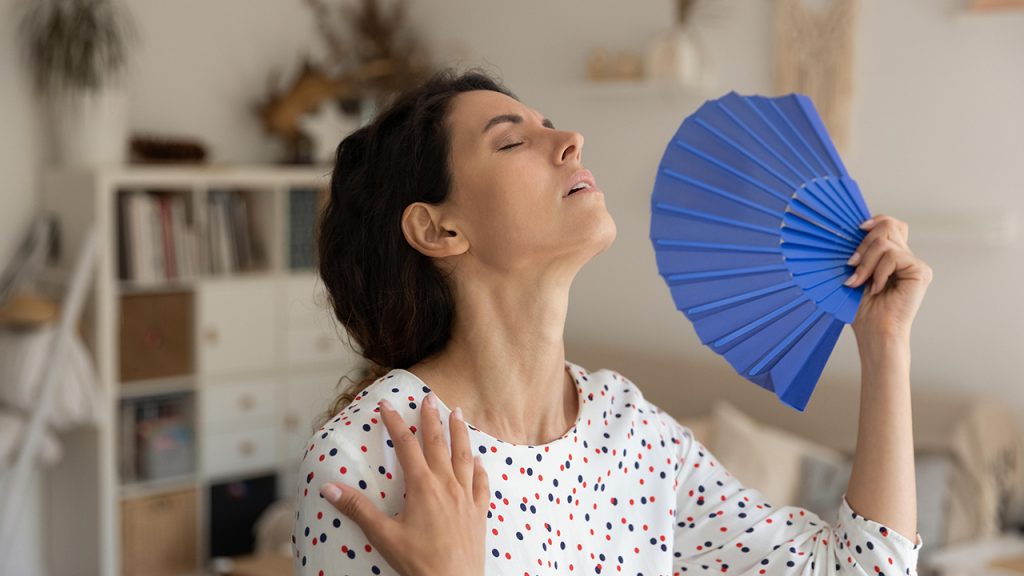
A hot flush, commonly experienced as a sudden and intense sensation of heat affecting the upper body, primarily impacts the face, neck, chest, back, and arms. This phenomenon is characterized by visible redness and can lead to heavy perspiration. In some cases, the sensation may extend throughout the entire body.

The duration of a hot flush can vary significantly, lasting from a few seconds to as long as ten minutes. The frequency of these episodes also varies widely among individuals, occurring several times within an hour, a few times daily, or even just once weekly.

Hot flushes that occur during the night are referred to as night sweats. These can significantly disrupt sleep and are often troublesome. Typically beginning at the onset of menopause, hot flushes may persist for a decade or longer, affecting each individual differently.

Understanding Hot Flushes: Causes, Triggers, and Management

What Causes a Hot Flush?
Hot flushes commonly occur during perimenopause, a phase marked by the onset of irregular menstrual cycles. This period is characterized by significant fluctuations in estrogen levels, which disrupt the brain’s temperature regulation system. As a result, the body attempts to cool down through sweating.

What Triggers a Hot Flush?
Several factors can trigger hot flushes, including dietary and environmental influences, as well as lifestyle habits. Common triggers include:

  • Spicy foods
  • Caffeine
  • Smoking
  • Alcohol consumption
  • Wearing tight clothing
  • Obesity
  • Stress
  • Exposure to warm environments or consuming warm or icy foods

Managing Hot Flushes:

It is essential to consult a healthcare provider annually for reproductive health issues. During these consultations, doctors can offer guidance on managing symptoms of perimenopause, including hot flushes. Treatment options may include hormonal therapies, which help stabilize hormone levels, or non-hormonal strategies, which can alleviate symptoms without using hormone replacement therapies.

Lifestyle Adjustments to Manage Hot Flushes Effectively

To reduce the frequency and intensity of hot flushes, consider making several key lifestyle changes:

Avoid Triggers: Steer clear of known triggers like spicy foods, caffeine, and tobacco. Opt for decaffeinated coffee, limit alcohol intake to one drink at a time, and control smoking habits to minimize occurrences.

Increase Omega-3 Intake: Omega-3 fatty acids, known for their anti-inflammatory properties, may help alleviate hot flushes. Sources include fatty fish like salmon, tuna, and mackerel, as well as vegan options such as flax seeds, chia seeds, and hemp seeds.

Incorporate Plant-Based Estrogens: Consuming foods rich in isoflavones and phytoestrogens, such as soy, tofu, chickpeas, and lentils, may help manage symptoms by mimicking estrogen.

Try Seed Cycling: This technique involves consuming specific seeds at different times of the month to balance hormone levels. For the first 14 days, eat two tablespoons of pumpkin and flax seeds, followed by two tablespoons of sesame and sunflower seeds for the next 15 days. These seeds also offer healthy fats, fiber, and nutrients.

Opt for Natural Fabrics: Wear comfortable undergarments and clothing made from natural fibers like cotton, linen, and bamboo, which are breathable. Dress in layers to easily adjust to temperature changes, and consider light, loose-fitting clothing for additional comfort.

Manage Body Temperature: Start your day with a cold shower to decrease the likelihood of hot flushes. Carry a portable or neck fan when outdoors. For night sweats, use breathable cotton bedding, cooling blankets, or cooling pillows, and keep your sleeping environment cool with air conditioning or fans.

Maintain a Healthy Weight: Address obesity by adhering to a nutritious diet and regular exercise routine. Aim for 30 minutes of mild exercise daily to help manage weight and reduce hot flush occurrences.

Practice Stress-Relief Techniques: Engage in relaxation practices such as yoga, mindfulness, and meditation. Simple deep breathing exercises can also be effective—inhale slowly through the nose, hold your hand on your belly to feel it rise, and exhale slowly through the mouth.

Consider Cognitive Behavioral Therapy (CBT): CBT can be beneficial for reducing anxiety related to hot flushes. It helps in identifying and reforming anxiety-triggering thoughts. Discuss the possibility of CBT with your therapist for tailored advice.

Implementing these strategies can significantly improve your management of hot flushes, enhancing comfort and overall quality of life.

Embracing Menopause with Confidence
Now that you have a better understanding of how to manage and mitigate hot flushes and night sweats, it’s important to remember that menopause is a natural phase of life, not a disease. With the right strategies and care, you can continue to lead a fulfilling and normal life.

We hope this article provides valuable insights for managing menopausal hot flushes and night sweats, helping you maintain a comfortable and balanced life. If you found this information useful, share your thoughts in the comments below. For personalised guidance and support, connect with our certified experts by subscribing to GOQii’s Personalised Health Coaching here.

#BeTheForce
Disclaimer: The information provided in this blog is for general awareness and educational purposes only. It is not intended to replace professional medical advice, diagnosis, or treatment. Always consult a qualified healthcare provider for personalised medical guidance or concerns related to your health.

August 11, 2024 By Farzana Chauhan 1 Comment

6 Health Benefits of Chia Seeds

966-chia-seeds-for-fitness

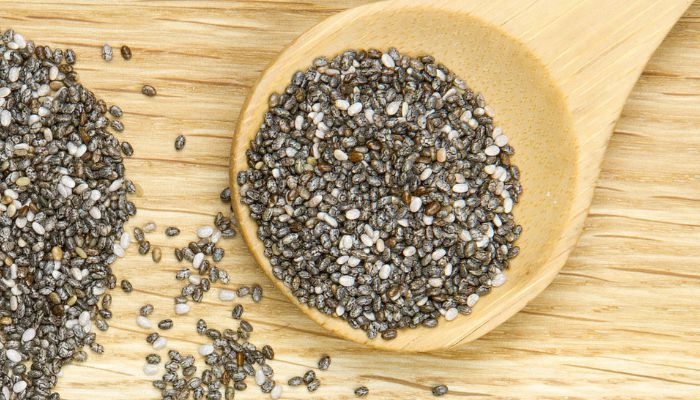
Chia seeds, derived from Salvia Hispanica, a desert plant native to Mexico, are tiny edible seeds that are rich in fiber, omega-3 fatty acids, protein, calcium, carbohydrates, minerals and antioxidants. These small black and white seeds are especially beneficial for heart patients, individuals suffering from arthritis and those with Type 2 diabetes.

However, it is important to consume these seeds in the right manner. When consumed with milk, water or other liquids these seeds make you feel satiated and help in curbing food craving that in turn helps in maintaining weight. Rich in several micronutrients, Chia seeds also serve as a energy booster and offer numerous health benefits. As Dr. Mehmet Oz from the Oprah show puts it, “They just may be one of the healthiest things around.”

Let’s explore the detailed health benefits of these nutritious seeds:

  1. Lower the risk of heart disease

Chia seeds are considered good for your heart as they help in lowering the bad cholesterol. As per a study published in the British Journal of Nutrition, Chia seeds help in reducing triglycerides and LDL cholesterol levels and increasing HDL, the good cholesterol. These are thus good for your heart health. The study further revealed that alpha linolenic acid, better known as ALA, present in these seeds prevents high triglyceride levels thereby lowering central obesity.

  1. Reduce Inflammation

Chia seeds are one of the richest sources of omega-3 fatty acids. These are particularly rich in alpha linolenic acid. The presence of these fatty acids helps in reducing inflammation. It is especially good for people suffering from arthritis as high levels of Omega-3 fatty acids in these seeds helps in lubricating various joints and keeping them supple. Omega-3 fatty acids are also converted into prostaglandins that help in relieving pain. These are a good source of fiber too which again is known for reducing inflammation.

  1. Stabilize the blood sugar level

Studies reveal that Chia seeds play an important role in regulating your insulin levels. These seeds lower the rate at which carbohydrates are digested and absorbed in the body. The soluble fiber present in Chia seeds helps stabilize blood glucose level. As per a study conducted by Dr.Vladamir Vuksan from St. Michael’s Hospital in Toronto, the blood of diabetic patients who consumed Chia seeds regularly for three months was thinner and thus less prone to clotting. It also helped in controlling high blood pressure.

  1. Regulate Bowel Movement

These healthy seeds are rich in fiber that helps in regulating the bowel function efficiently. So next time you experience indigestion or poor bowel movement you know what to have. Merely two tablespoons of Chia seeds contain 10 grams of fiber which is one third of the daily recommended fiber intake.

  1. Control Aging

Antioxidants help in controlling aging and Chia seeds are rich in these. Consuming these regularly thus helps in keeping you healthy and controls aging.

      6. Reduce weight

The consumption of Chia seeds can help in reducing weight especially when these seeds are consumed with water or other liquid as the fiber present in these seeds absorbs water and expands inside the stomach making you feel full. This helps in controlling appetite. Chia is also rich in proteins that again help in reducing hunger.

However, though helpful in reducing weight, the consumption of Chia seeds alone may not have as much impact. Your total calorie intake during a day as well as your overall lifestyle determines your weight.

How to consume Chia seeds?

Chia seeds have a mild nutty flavour and are almost tasteless. You need not necessarily have to ground these seeds as these can be digested whole. Chia seeds can be enjoyed as toppings on different dishes such as cereals, vegetables, rice, puddings and baked deserts. You may even add these to smoothies, yogurt, shakes and soups, mix these with peanut butter or sprout them. However, it is best to have Chia seeds mixed in a glass of plain water, coconut water or cranberry juice.

Chia seeds have emerged as a super food over the last few years. Talking about these seeds, Dr. Andrew Thomas Weil said, “You will begin to see Chia being added to more and more commercial products, such as prepared baby foods, nutrition bars, and baked goods.”

Having talked of all the positives of Chia Seeds, it is important to understand if there is any downside to Chia?  Researcher Catherine Ulbricht, PharmD, cautions that if you have food allergies (especially to Sesame and Mustard seeds) or are on high BP medications or blood thinners you should ask your doctor before adding Chia to your diet.

We hope this article inspires you to incorporate chia seeds into your diet for better health. If you found this information valuable, share your thoughts in the comments below. For more health tips and personalised guidance, consider subscribing to GOQii’s Personalised Health Coaching here.

#BeTheForce

Disclaimer: The information provided in this blog is for general awareness and educational purposes only. It is not intended to replace professional medical advice, diagnosis, or treatment. Always consult a qualified healthcare provider for personalised medical guidance or concerns related to your health.

August 7, 2024 By Urvi Gohil Leave a Comment

Improve Sleep and Sleep Quality with these Lifestyle Changes

Improve sleep and sleep qualityWhile sleep requirements vary slightly from person to person, most healthy adults need between 7-9 hours of sleep per night to function at best. It has been estimated that more than half of the working population in India have experienced some or the other form of sleep deprivation or alteration during their lifetime.

Globally, the prevalence of insomnia ranges from 10-15%.

Sleep deprivation reduces your cognitive processes like thinking, learning, attention, concentration, etc. Chronic sleep deprivation increases the risk of heart disease, high blood pressure, diabetes, irregular heartbeat, etc. Over time, lack of sleep can contribute to symptoms of depression and kills your sex drive. And yes, lack of optimum sleep can make you gain weight.

How to Improve Sleep and Sleep Quality

1. Stay away from gadgets
Using electronic devices before bedtime can be physiologically and psychologically stimulating in ways that can adversely affect your sleep. The more electronic devices a person uses in the evening, the harder it is to fall asleep or stay asleep. Using TV, tablets, smartphones, laptops or other electronic devices before bed delays your body’s internal clock, suppresses the release of sleep-inducing hormones & makes it difficult to fall asleep. Along, with increase in alertness at the time you should sleep, it, in turn, delays the onset of REM (Rapid Eye Movement) sleep and compromises energy levels the next morning. Over time, these effects can add up to a significant chronic deficiency in sleep.

2. Take a Lukewarm Bath Before Bed
Taking a bath or shower before bedtime is a well-known sleep remedy. This is because a warm bath can help us relax. Our body temperature tends to drop after a warm bath, which can induce better sleep. Research suggests that the best time for taking a shower is 1-2 hours before going to bed. The duration of the bath does not need to be longer than 10 min. This will improve blood circulation and stimulate “temperature circadian rhythm” helping you fall asleep, improving sleep and sleep quality.

3. Perform Deep Breathing Before Sleep
Breathing strongly influences physiology and thought processes including moods. By simply focusing your attention on your breathing and without doing anything to change it, you can move in the direction of relaxation. The 4-7-8 breathing exercise also called “the relaxing breath” promotes better sleep. Here are the steps:

  1. Exhale completely through your mouth, making a whoosh sound.
  2. Close your mouth and inhale quietly through your nose to a mental count of four.
  3. Hold your breath for a count of seven.
  4. Exhale completely through your mouth making a whoosh sound to a count of eight.
  5. This is one breath. Repeat 20 times.

4. Sleep Inducing Foods
There are certain foods which can help induce better sleep.

  • A glass of warm milk is a perfect beverage to induce sound sleep. Milk contains tryptophan, an amino acid that converts into serotonin. Serotonin is known to have soothing effects in the brain and helps you sleep well. Adding a pinch of nutmeg, cardamom and some crushed almonds will improve taste and sleep.
  • Chamomile tea: Refreshing, revitalizing and fragrant chamomile tea has soothing effects on nerves and helps induce sleep.
  • Almonds could help you support sound sleep. Almonds also contain tryptophan and magnesium which are helpful in keeping your heart rhythm steady.
  • Avoid tea, coffee, alcohol and other stimulating foods after dusk.

5. Eat Your Dinner Early
When you eat late, you are unable to sleep because of improper digestion. An early dinner is good for digestion, helps in reaching your satiety value earlier and the body is able to utilize the food better and induce sleep. Eating late at night leaves the body on a high alert state which interferes with the circadian rhythm. Minimum 2-3 hours of gap between Dinner and sleep is good.

We hope these tips help you improve sleep and sleep quality! Do leave your thoughts in the comments below.

For more on sleep, check out Healthy Reads or get these tips directly from your GOQii Coach, by subscribing for Personalised Health Coaching here.

#BeTheForce

Disclaimer: The information provided in this blog is for general awareness and educational purposes only. It is not intended to replace professional medical advice, diagnosis, or treatment. Always consult a qualified healthcare provider for personalised medical guidance or concerns related to your health.

  • « Previous Page
  • 1
  • …
  • 3
  • 4
  • 5
  • 6
  • 7
  • …
  • 16
  • Next Page »

Search

Recent Posts

  • The GOQii India Fit Report 2026: Unmasking the Gender Health Divide
  • International Dance Day: Why Dancing is the Ultimate Workout for Your Body and Mind
  • Summer Health Hazards You Need To Be Aware Of (And How to Prevent Them)
  • Sitting Too Much? Here’s How It’s Shortening Your Life
  • Everything You Need to Know About Malaria

Stay Updated

Archives

  • April 2026 (24)
  • March 2026 (18)
  • February 2026 (14)
  • January 2026 (14)
  • December 2025 (19)
  • November 2025 (15)
  • October 2025 (20)
  • September 2025 (6)
  • August 2025 (6)
  • July 2025 (12)
  • June 2025 (18)
  • May 2025 (16)
  • April 2025 (22)
  • March 2025 (28)
  • February 2025 (21)
  • January 2025 (25)
  • December 2024 (22)
  • November 2024 (23)
  • October 2024 (21)
  • September 2024 (23)
  • August 2024 (30)
  • July 2024 (21)
  • June 2024 (25)
  • May 2024 (28)
  • April 2024 (27)
  • March 2024 (27)
  • February 2024 (24)
  • January 2024 (21)
  • December 2023 (14)
  • November 2023 (10)
  • October 2023 (19)
  • September 2023 (22)
  • August 2023 (18)
  • July 2023 (22)
  • June 2023 (23)
  • May 2023 (24)
  • April 2023 (19)
  • March 2023 (23)
  • February 2023 (19)
  • January 2023 (15)
  • December 2022 (11)
  • November 2022 (15)
  • October 2022 (15)
  • September 2022 (12)
  • August 2022 (10)
  • July 2022 (17)
  • June 2022 (11)
  • May 2022 (10)
  • April 2022 (6)
  • March 2022 (6)
  • February 2022 (13)
  • January 2022 (11)
  • December 2021 (7)
  • November 2021 (3)
  • October 2021 (6)
  • September 2021 (3)
  • August 2021 (8)
  • July 2021 (7)
  • June 2021 (15)
  • May 2021 (16)
  • April 2021 (10)
  • March 2021 (7)
  • February 2021 (4)
  • January 2021 (4)
  • December 2020 (3)
  • November 2020 (4)
  • October 2020 (10)
  • September 2020 (3)
  • August 2020 (3)
  • July 2020 (2)
  • June 2020 (4)
  • May 2020 (10)
  • April 2020 (12)
  • March 2020 (10)
  • February 2020 (4)
  • January 2020 (4)
  • December 2019 (3)
  • November 2019 (7)
  • October 2019 (5)
  • September 2019 (4)
  • August 2019 (9)
  • July 2019 (9)
  • June 2019 (11)
  • May 2019 (4)
  • April 2019 (8)
  • March 2019 (8)
  • February 2019 (9)
  • January 2019 (8)
  • December 2018 (9)
  • November 2018 (3)
  • October 2018 (3)
  • September 2018 (5)
  • August 2018 (10)
  • July 2018 (6)
  • June 2018 (13)
  • May 2018 (8)
  • April 2018 (18)
  • March 2018 (9)
  • February 2018 (8)
  • January 2018 (15)
  • December 2017 (12)
  • November 2017 (19)
  • October 2017 (13)
  • September 2017 (15)
  • August 2017 (4)
  • July 2017 (8)
  • June 2017 (7)
  • May 2017 (6)
  • April 2017 (8)
  • March 2017 (6)
  • February 2017 (7)
  • January 2017 (9)
  • December 2016 (10)
  • November 2016 (7)
  • October 2016 (7)
  • September 2016 (7)
  • August 2016 (11)
  • July 2016 (9)
  • June 2016 (9)
  • May 2016 (12)
  • April 2016 (17)
  • March 2016 (17)
  • February 2016 (8)
  • January 2016 (6)
  • December 2015 (2)
  • November 2015 (9)
  • October 2015 (7)
  • September 2015 (9)
  • August 2015 (11)
  • July 2015 (9)
  • June 2015 (11)
  • May 2015 (9)
  • April 2015 (13)
  • March 2015 (8)
  • February 2015 (5)
  • January 2015 (12)
  • December 2014 (14)
  • November 2014 (11)
  • October 2014 (6)
  • September 2014 (13)
  • August 2014 (12)
  • July 2014 (6)
  • June 2014 (2)
  • May 2014 (7)
  • April 2014 (4)

From “Laddu Nawin” to Fit and Fierce: How a 25-Year-Old Insurance Advisor Shed 20 Kilos and Gained His Life Back

When 25-year-old Nawin Yadav from Hyderabad walked into his office every morning, he carried more than just his files and policy papers. He had the weight of fatigue, sluggish energy, and an ever-growing belly that was becoming the butt of jokes. “People … [Read More...]

“I’ve Challenged Myself to Live 100 Years” – The Story of Chandubhai Savani’s Second Chance at Life

At 67, most people start slowing down. Not Chandubhai Savani. A resident of Surat, Chandubhai, thought life was on track. “My life was going well till I had my bypass surgery,” he says. That surgery, back in 2021, was a wake-up call.  Medication was routine, but exercise wasn’t. His diet? What he calls ‘normal.’ “I […]

From Shimla’s Slopes to Chandigarh’s Sidewalks: Surinder Kaur Bhalla’s Journey from Chaos to Control

Some journeys start with a plan. Others begin with a stumble literally. Surinder Bhalla, a government professional, born and raised in the scenic hill town of Shimla, had always lived a life of movement. “In Shimla, you walked everywhere,” she reflects. “Walking was never an exercise. It was just life.” But after shifting to Chandigarh, […]

Ananda Mukherjee Health Story

From Terminal Illness To Complete Wellness! Ananda Mukherjee Health Story

As we observe World Cancer Day under the powerful theme ‘United by Unique’ (2025-2027)**, we are reminded that every individual’s journey with cancer is distinct, yet united by shared resilience, hope, and the collective fight against this disease. This theme places people at the centre of care and their stories at the heart of the […]

  • HOME
  • HEALTHY LIVING
  • FITNESS
  • HEALTHY RECIPES
  • USER STORIES
  • KARMA
  • BUY GOQii

Copyright ©2016 GOQii