GOQii

Blog

  • HOME
  • HEALTHY LIVING
  • FITNESS
  • HEALTHY RECIPES
  • USER STORIES
  • KARMA
  • BUY GOQii

Search Results for: immunity

April 11, 2026 By GOQii Leave a Comment

World Parkinson’s Day 2026: Bridging the Care Gap & Supporting Caregivers

Every year on April 11th, the world pauses to recognise Parkinson’s disease.
But for millions of individuals and families, this is not a one-day reality.
It is a daily negotiation with movement, independence, and uncertainty.

As we mark World Parkinson’s Day 2026, the global theme “Bridge the Care Gap” highlights a deeper truth:

👉 The challenge is not just awareness.
👉 It is access, continuity, and support for both patients and caregivers.

Understanding the Condition: More Than Just Tremors

Parkinson’s is often reduced to a single image shaking hands.

In reality, it is far more complex.

It is a progressive neurodegenerative condition caused by the loss of dopamine-producing cells in the brain, particularly in the substantia nigra. Dopamine plays a critical role in regulating movement, coordination, and balance.

As levels decline, control over the body gradually weakens.

Core motor symptoms include:

  • Tremors: Involuntary shaking, often starting in the hands at rest
  • Bradykinesia: Slowness of movement that affects everyday tasks
  • Muscle rigidity: Stiffness that restricts motion and causes discomfort
  • Postural instability: Impaired balance, increasing fall risk

Early non-motor symptoms may include:

  • Sleep disturbances
  • Loss of smell
  • Chronic constipation
  • Anxiety or mood changes

These symptoms often appear years before diagnosis making early awareness critical.

Bridging the Gap: From Awareness to Action

Despite advances in treatment, a significant gap remains:

  • delayed diagnosis
  • limited access to therapy
  • inconsistent long-term care

Bridging this gap requires moving beyond episodic care to continuous, holistic support.

What this looks like in practice:

  • Movement as therapy: Regular, targeted exercise helps maintain mobility and improves how the brain utilises dopamine.
  • Nutritional consistency: Anti-inflammatory, balanced nutrition supports neurological and metabolic health.
  • Mental and emotional support: Living with Parkinson’s impacts identity, confidence, and independence not just physical function.

The Overlooked Reality: Caregiver Health

One of the most under-discussed aspects of Parkinson’s care is the caregiver.

Behind every patient is someone:

  • managing routines
  • navigating appointments
  • absorbing emotional stress

Over time, this leads to:

  • fatigue
  • burnout
  • neglected personal health

And yet, caregiver health is rarely prioritised.

To truly bridge the care gap, this must change.

Preventive Health for Caregivers: Why It Matters

Caregiving is not sustainable without resilience.

Maintaining personal health is not optional it is essential.

Key areas include:

  • Sleep: Chronic sleep deprivation accelerates physical and mental fatigue
  • Stress management: Ongoing stress impacts immunity and energy levels
  • Physical activity: Movement improves both mental clarity and stamina

This is where structured support becomes valuable.

Using a preventive health ecosystem like GOQii allows caregivers to:

  • track daily habits
  • monitor sleep and activity
  • receive guidance from a personalised health coach

Not as an add-on but as a way to protect their own baseline health while caring for someone else.

How You Can Make a Difference This World Parkinson’s Day

You don’t need to be a clinician to contribute meaningfully.

  • Recognise early signs in ageing family members
  • Start conversations using the red tulip symbol
  • Practice patience in public spaces
  • Support caregivers, not just patients

Small actions create real impact.

Frequently Asked Questions (FAQs)

  1. What is the main goal of World Parkinson’s Day?

To raise awareness, improve access to care, accelerate research, and highlight the need for better support systems for both patients and caregivers.

  1. Why is the red tulip the symbol?

It was developed by a Dutch horticulturist living with Parkinson’s and later adopted globally as a symbol of awareness and resilience.

  1. Who is most at risk?

Age is the primary factor (typically 60+), with men slightly more affected. Genetics play a role in a minority of cases.

  1. Why is caregiver health critical?

Without physical and emotional resilience, caregivers cannot sustain long-term support making preventive health essential for effective care.

Parkinson’s care is not just about managing symptoms.

It is about sustaining quality of life for both the individual and the person standing beside them.

Bridging the care gap begins when we recognise both.

#BeTheForce

Disclaimer: This article is intended for general awareness and educational purposes only and should not be considered medical advice. Parkinson’s disease is a complex neurological condition that requires individualised diagnosis and treatment by qualified healthcare professionals. Always consult a neurologist or licensed medical practitioner for medical concerns or treatment decisions. GOQii provides preventive health and lifestyle coaching support and does not offer clinical diagnosis or treatment for Parkinson’s disease.

April 8, 2026 By Kusum Soni Leave a Comment

Do Grains Cause a Leaky Gut? Unpacking the Science and Solutions

leaky gutIf you are suffering from chronic diarrhea, constipation, gas, or bloating coupled with a poor immune system, your issue might be more than just something to do with “what you ate last night.” There is a fair chance that you might be experiencing something known as a leaky gut.



What is a Leaky Gut?

A Leaky Gut, as the phrase suggests, literally means that the gut or intestine is “leaking.”

Technically speaking, the permeability of the intestinal mucosa increases. As a result, a protein called Zonulin is released, and consequently, bacteria, toxins, digestive metabolites, and bacterial toxins leak through the intestinal wall and into the bloodstream.

This increases the toxic build-up in the body, which can manifest across various systems, including the skin, colon, hormones, lungs, liver, lymph, and kidneys. Symptoms often present as bloating, diarrhea, and constipation. This can also trigger an autoimmune response, potentially linking to conditions like rheumatoid arthritis, lupus, Celiac disease, migraines, a weak immune system, and hormonal imbalances.

While the exact cause of a leaky gut is heavily debated, potential triggers include a poor diet, chronic stress, toxin overload, and imbalances in the gut microbiome (dysbiosis).

The Role of Grains: Essential Nutrients or Hidden Hazards?

General dietary guidelines advise us to eat adequate amounts of whole grain products daily, promoting them as the fiber-rich foundation of a healthy diet.

Grains are undeniably the main source of our energy for daily activities and brain function. They supply us with Vitamin B Complex and vital minerals like Zinc, Chromium, Iron, Calcium, Magnesium, and Manganese that power numerous biochemical reactions in our bodies.

However, the question remains: Are all grains necessary, or can they sometimes be harmful?

Alongside their nutrients, grains and legumes also contain certain anti-nutritional compounds. For some individuals, these chemicals can trigger inflammation and negatively affect gut health.

What are the Anti-Nutritional Compounds in Grains? 

  1. Gluten

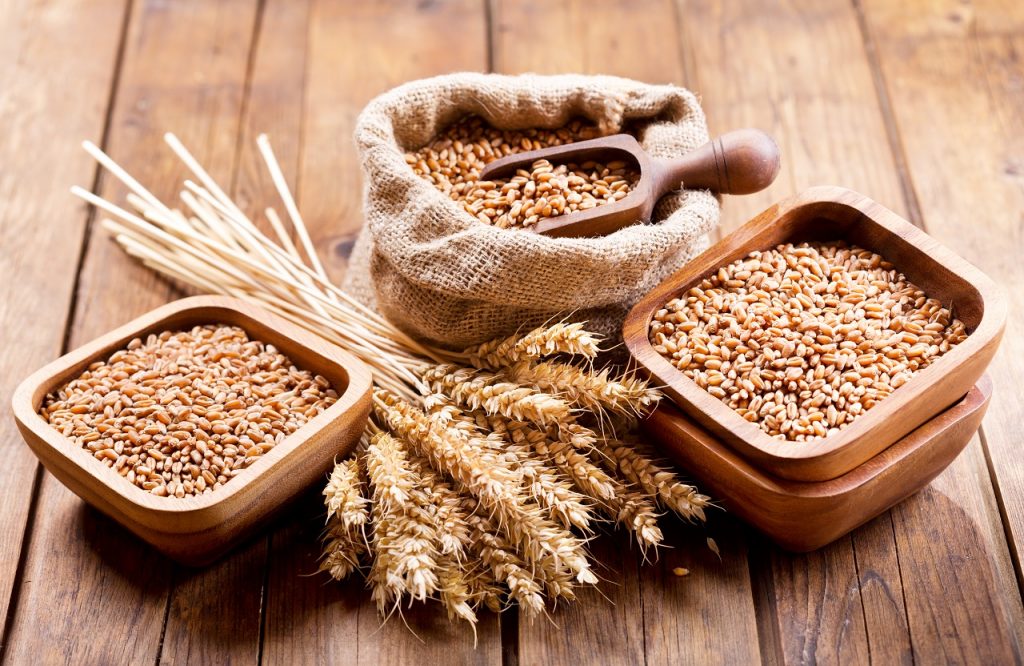
Gluten is the main structural protein complex found in grains like wheat, rye, and barley. It is incredibly widespread in modern diets due to the heavy intake of processed and refined flour products like bread, cakes, pastries, sauces, ready meals, and breakfast cereals.

  • The Impact: For a person with gluten sensitivity, ingesting gluten significantly increases intestinal permeability immediately after consumption.
  • The Science: Studies demonstrate that daily consumption of wheat products can contribute to chronic inflammation. Gliadin (a component of gluten) can release Zonulin and wheat germ agglutinin, which actively increase intestinal permeability and trigger the immune system.
  1. Lectins

Grains contain different types of lectins, but not all are harmful. The problematic ones are Agglutinins and Prolamins.

  • Agglutinins: These act as a natural insecticide to protect crops. To get a higher crop yield, some grains are genetically modified (GM) to produce more of these natural insecticides, which in turn can make the grain highly inflammatory for human digestion.
  • Prolamins: These are tough to digest. Most grains contain a Prolamin similar in structure to gluten (e.g., Orzenin in rice, Avenin in oats, or Gliadins in wheat).
  1. Phytates and Phytic Acid

Found in the seeds of grains, Phytates and Phytic Acid inhibit the digestion and absorption of crucial minerals specifically zinc, iron, and calcium by binding to them in the gut.

  • The Impact: A small amount of Phytates usually does not cause a problem if you are getting adequate nutrients elsewhere. However, if grains form the vast majority of your staple diet, mineral deficiencies can result, directly impacting your immune system.

5 Ways to Manage a Leaky Gut

If you suspect your gut needs healing, here are actionable, science-backed steps you can take to support your intestinal health:

  1. Choose Naturally Gluten-Free Grains: Opt for grains like bajra, rice, maize, and certified gluten-free oats. However, always read nutritional labels! Many commercial “gluten-free” products are packed with food additives, preservatives, and added sugar, which can further damage the gut lining.
  2. Prepare Your Grains Properly: Go for non-GMO and heirloom varieties of seeds. To make them easier to digest, soak your grains overnight in water mixed with a little lemon juice or apple cider vinegar. Sprouting and slow-cooking also activate Phytase, an enzyme that naturally breaks down harmful Phytates.
  3. Chew Your Food Thoroughly: Digestion begins in the mouth. Do not rush through your meals. Chew slowly and thoroughly so that smaller food particles can be easily digested and absorbed by the intestines.
  4. Adopt an Anti-Inflammatory Diet: Fill your plate with colourful fresh fruit, vegetables, seeds, soaked nuts, plant proteins (like beans and lentils), and oily fish. Simultaneously, cut out refined sugar, processed foods, red meat, and alcohol.
  5. Replenish with Fermented Foods: Introduce natural probiotics to rebuild your gut microbiome. Try incorporating curd, traditional fermented pickles, sauerkraut, kefir, or kombucha into your daily routine.

A Note on Nightshades and Autoimmunity: Vegetables from the nightshade family (Solanaceae)—such as tomatoes, peppers, eggplant (brinjal), and potatoes—are high in lectins that can irritate the gut lining, and these lectins do not break down during cooking. Those dealing with severe autoimmune diseases may want to experiment with avoiding these vegetables.

If grains are your primary staple food, they may be obstructing your digestion and contributing to gut permeability. For those with confirmed autoimmune diseases or severe gluten sensitivity, it is often wise to completely exclude grains, pseudo-grains, legumes, and nightshades temporarily. Once the intestinal gaps heal and symptoms disappear, you may be able to reintroduce these foods occasionally.

(Note: Medically, “Leaky Gut Syndrome” is often considered a hypothetical or unrecognized condition by some mainstream medical bodies, though intestinal permeability is a recognized scientifically studied phenomenon. Always consult a healthcare professional for chronic digestive issues.)

We hope this article helps you! Do leave your thoughts and questions in the comments below! For further guidance on elimination diets and gut health, speak to a certified expert by subscribing to GOQii’s Personalised Health Coaching here.

#BeTheForce 

Disclaimer: The information provided in this article is for educational and informational purposes only and is not intended as medical advice, diagnosis, or treatment. Medically, “Leaky Gut Syndrome” is often considered a hypothetical condition by some mainstream medical bodies, though increased intestinal permeability is a recognized scientific phenomenon. Always consult with a qualified healthcare professional, gastroenterologist, or registered dietitian before making any significant changes to your diet especially eliminating entire food groups like grains or nightshades or if you are experiencing chronic digestive or autoimmune symptoms.

April 4, 2026 By Neha Sharma Leave a Comment

Healthy Recipes For Kids: Healthy Twist On Pizza & Rolls

healthy recipes for kids“In all this world, there is nothing so beautiful as a happy child.” – L. Frank Baum

We can define happiness in many terms, but for a child, a healthy child is the happiest one. Healthy eating is vital for the overall growth and development of a child. Albeit, it is not a one-off process; it is a habit that has to be developed from early childhood.

Proper nutrition protects children from chronic diseases, builds strong immunity, and keeps them happy and active in the long run. The core aspects of healthy eating for children are not entirely different from adults both need the right nutrients in the right quantities.

1. Healthy Veggie Pizza 

Say goodbye to “blank calories” and hello to a colorful, nutrient-dense pizza that kids will actually love to eat.

What You Will Need:

For the Dough: 

  • Wheat flour: 150 gm
  • Boiled & mashed Spinach: 50 gm
  • Boiled & mashed beetroot: 50 gm
  • Oil: 2 tsp
  • Salt: ½ tsp

For the Dressing & Toppings :

  • Hung curd: 50 gm
  • Tomato sauce: 50 gm
  • Mixed herbs: 1 tsp
  • Grated carrot: 50 gm
  • Chopped capsicum: 50 gm
  • Boiled chopped corns: 50 gm
  • Cottage cheese (Paneer): 100 gm (finely chopped) 

Method of Preparation

  1. Prepare the Dough: Create two separate doughs one using the mashed spinach and the other using the beetroot. Roll them out into two slightly big and thick chapattis.
  2. Pre-cook: These colorful chapattis can be baked or partially cooked on a tawa like a normal roti.
  3. Add the Base: Spread one layer of fresh hung curd and one layer of tomato sauce evenly over the bases.
  4. Decorate: Spread all the veggies and paneer one by one. Do this in a fun, interesting pattern that appeals to kids!
  5. Season: Sprinkle mixed herbs, salt, and a little bit of cheese on top.
  6. Cook: Bake this chapati pizza in an oven or cook it covered in a kadai for 4-5 minutes until the cheese melts.
  7. Serve: Enjoy hot with an extra side of hung curd dip or tomato sauce!

2. Tangy Protein Rolls 

A fantastic way to curb evening hunger pangs while sneaking in a powerful dose of protein and hidden veggies.

What You Will Need:

For the Wrap (Chilla):

  • Overnight soaked Moong Dal: 100 gm
  • Rice Flour: 2 tsp

For the Filling:

  • Boiled potatoes: 2 (medium)
  • Boiled & mashed peas: 50 gm
  • Cottage cheese (Paneer): 100 gm
  • Grated carrot: 100 gm
  • Chopped capsicum (mixed colors): 100 gm
  • Finely chopped onion: 50 gm
  • Chopped cashews and raisins: 1 tsp
  • Grated fresh coconut: 1-2 tsp

For the Tempering & Flavor:

  • Cumin seeds: ½ tsp
  • Mustard seeds: ½ tsp
  • Curry leaves: 6-7 leaves
  • Sesame seeds: 1 tsp
  • Dry mango powder (Amchur): ½ tsp
  • Tomato sauce: 2-3 tsp
  • Salt: ½ tsp
  • Oil: 2-3 tsp

Method of preparation:

  1. Prepare the Batter: Grind the soaked moong dal into a coarse paste. Add the rice flour, mix well, and set the batter aside for 5-10 minutes.
  2. Temper the Spices: In a pan, heat the oil. Add cumin seeds, mustard seeds, curry leaves, and chopped onion. Sauté until the onions turn slightly pink.
  3. Cook the Filling: Add all the chopped veggies one by one. Mix in the dry mango powder, salt, grated coconut, sesame seeds, and chopped nuts. Sauté everything together for 2-3 minutes.
  4. Shape the Filling: Once slightly cooled, roll the veggie mixture into cylindrical, hotdog-like shapes.
  5. Make the Wrap: Pour a ladle of the moong dal batter onto a hot tawa to make a thin chilla (crepe).
  6. Assemble: Place one veggie “hotdog” in the center of the cooked chilla, apply some tomato sauce, roll it up tightly, and serve!

Health Benefits: Why These Recipes are a Win-Win

  • 100% Safe & Homemade: You control the ingredients, ensuring absolute safety and hygiene for your kids.
  • Nutrient-Dense vs. Empty Calories: Regular commercial pizza is often junk food loaded with empty calories. This version is super healthy, utilizing wheat flour, spinach, and beetroot to provide essential vitamins and minerals.
  • Smart Swaps: Using hung curd blended with a little tomato sauce is a fantastic, gut-friendly alternative to heavy, processed mayonnaise or cheese spreads.
  • High in Protein & Bone Support: Moong dal is an excellent source of plant-based protein. Sesame seeds are fantastic for supporting growing bone health.
  • Kid-Approved Aesthetics: These recipes satisfy the emotional aspect of eating for kids. The natural food coloring from the beetroot and spinach makes them look vibrant, exciting, and exactly like the “outside food” they crave!

We hope you enjoy these Healthy Recipes For Kids. Do try them out, upload your pics on social media or the GOQii Arena and tag us! For more healthy recipes, check out Healthy Reads.  

To get more personalized advice on recipes, nutrition, and diet tips for your child’s development, subscribe to GOQii Personalised Health Coaching here. 

#BeTheForce

Disclaimer: The information and recipes provided in this blog are for general educational and informational purposes only and are not intended as professional medical or clinical nutritional advice. Every child’s nutritional needs, growth patterns, and tolerances are unique. Always consult with your pediatrician or a qualified healthcare professional before making significant changes to your child’s diet, especially if they have known food allergies, sensitivities, or pre-existing health conditions.

March 20, 2026 By GOQii Leave a Comment

Beyond the Screen: How Your Digital Habits Are Impacting Your Longevity

Social media and happiness are more connected than we realise. The way you use your phone daily can influence your stress levels, sleep quality and long-term health.

On March 20th, the International Day of Happiness, the global theme “Social Media and Happiness” shifts the spotlight to something we interact with every day: our screens.

At GOQii, we believe longevity is not just about lifespan it’s about healthspan. And your digital behaviour plays a bigger role in that than most people realise.

What Are Digital Habits?

Digital habits refer to how individuals interact with smartphones, social media and digital platforms on a daily basis. These behaviours influence mental wellbeing, stress levels, sleep patterns and overall long-term health outcomes.

In simple terms, your scrolling patterns are health behaviours.

The Science: How Social Media Affects Your Brain and Body

Your brain responds to digital stimuli through hormonal signals. Depending on how you use social media, this can either support or disrupt your internal balance.

The Negative Loop: Doom Scrolling and Stress

Constant exposure to negative content, comparison and information overload triggers:

  • Increased cortisol (stress hormone)
  • Activation of the fight-or-flight response
  • Disrupted sleep cycles
  • Mental fatigue and anxiety

Over time, chronic exposure to this state contributes to:

  • systemic inflammation
  • insulin resistance
  • accelerated biological ageing

Studies have linked excessive social media use with higher stress levels and poorer sleep quality both key factors that influence long-term health outcomes.

The Positive Loop: Connection and Wellbeing

When used intentionally, digital platforms can stimulate:

  • Oxytocin (connection hormone)
  • Serotonin (mood stabiliser)

These contribute to:

  • improved emotional resilience
  • stronger immunity
  • better mental wellbeing

The impact of social media is not inherently negative it depends on how it is used.

The Longevity Link: Why Digital Habits Matter

Longevity is driven by daily behaviours.

Your digital habits directly influence:

  • how well you sleep
  • how stressed your body remains
  • how active or sedentary you are
  • how connected or isolated you feel

These are not surface-level effects. They are core drivers of healthspan.

Poor digital hygiene does not create immediate illness but over time, it compounds into measurable health risks.

3 Practical Ways to Build Healthier Digital Habits

  1. Set Boundaries: The 20-Minute Rule

Treat social media like a controlled input, not passive consumption.

  • Limit usage to intentional 15–20 minute sessions
  • Avoid scrolling before bedtime
  • Maintain a 60-minute digital cut-off before sleep

This protects sleep, one of the most critical pillars of recovery and longevity.

  1. Replace Passive Scrolling with Real Connection

Engagement is not connection.

Instead of passive actions:

  • send a voice note
  • make a phone call
  • engage in real conversations

Human connection remains one of the strongest predictors of long-term health and happiness.

  1. Curate Your Digital Environment

Your feed is your mental ecosystem.

Evaluate your content:

  • Does it trigger stress or comparison?
  • Does it inspire action or growth?

Remove what drains you. Follow what supports:

  • physical activity
  • learning
  • positive behaviour change

At GOQii, we call this “Bloom Scrolling” building a digital environment that supports growth.

Happiness, Behaviour and Healthspan

Insights from global wellbeing research consistently highlight three drivers of long-term happiness:

  • meaningful relationships
  • purpose
  • balance

Your digital habits influence all three.

What you consume daily shapes your mental state. Your mental state influences your physiology. And over time, that physiology determines your health outcomes.

Final Thought: Awareness Drives Longevity

You don’t need to eliminate social media.

You need to use it with intent.

Because longevity is not built through extreme actions. It is built through consistent daily behaviours including the ones that happen on your screen.

Today, use your device to:

  • schedule movement
  • connect with someone
  • learn something useful

Not just scroll.

Be intentional with your habits. Be aware of your inputs. Be the force of positivity online and offline.

Frequently Asked Questions

How do digital habits affect health?

Digital habits influence stress levels, sleep quality and mental wellbeing, all of which impact long-term health and longevity.

Does social media increase stress?

Excessive or negative content consumption can increase cortisol levels, leading to chronic stress and reduced recovery.

Can reducing screen time improve sleep?

Yes. Limiting screen exposure before bed supports melatonin production and improves sleep quality.

What is the best way to use social media for wellbeing?

Use social media intentionally focus on meaningful interaction, limit passive scrolling and curate positive, growth-oriented content.

#BeTheForce

  • « Previous Page
  • 1
  • …
  • 13
  • 14
  • 15
  • 16
  • 17
  • …
  • 72
  • Next Page »

Search

Recent Posts

  • Foods to Manage Blood Sugar Naturally: A Complete Guide to Better Blood Sugar Control
  • The Lazy Person’s Guide to Staying Healthy: 5 Micro-Habits That Take Less Than 2 Minutes
  • Healthy Eating: Comforting Chilli Bean Soup Recipe for the Monsoon
  • The Truth About the ‘Beer Belly’: What Alcohol Really Does to Your Metabolism
  • Benefits of Meditation: How One Daily Habit Can Transform Your Mental Wellbeing

Stay Updated

Archives

  • August 2026 (7)
  • July 2026 (25)
  • June 2026 (22)
  • May 2026 (20)
  • April 2026 (24)
  • March 2026 (18)
  • February 2026 (14)
  • January 2026 (14)
  • December 2025 (19)
  • November 2025 (15)
  • October 2025 (20)
  • September 2025 (6)
  • August 2025 (6)
  • July 2025 (9)
  • June 2025 (18)
  • May 2025 (16)
  • April 2025 (22)
  • March 2025 (26)
  • February 2025 (21)
  • January 2025 (25)
  • December 2024 (22)
  • November 2024 (22)
  • October 2024 (20)
  • September 2024 (22)
  • August 2024 (28)
  • July 2024 (15)
  • June 2024 (23)
  • May 2024 (26)
  • April 2024 (27)
  • March 2024 (27)
  • February 2024 (23)
  • January 2024 (21)
  • December 2023 (14)
  • November 2023 (10)
  • October 2023 (19)
  • September 2023 (21)
  • August 2023 (16)
  • July 2023 (16)
  • June 2023 (21)
  • May 2023 (20)
  • April 2023 (19)
  • March 2023 (23)
  • February 2023 (19)
  • January 2023 (15)
  • December 2022 (11)
  • November 2022 (15)
  • October 2022 (15)
  • September 2022 (12)
  • August 2022 (9)
  • July 2022 (17)
  • June 2022 (11)
  • May 2022 (10)
  • April 2022 (6)
  • March 2022 (6)
  • February 2022 (13)
  • January 2022 (11)
  • December 2021 (7)
  • November 2021 (3)
  • October 2021 (6)
  • September 2021 (3)
  • August 2021 (8)
  • July 2021 (7)
  • June 2021 (15)
  • May 2021 (16)
  • April 2021 (10)
  • March 2021 (7)
  • February 2021 (4)
  • January 2021 (4)
  • December 2020 (3)
  • November 2020 (4)
  • October 2020 (10)
  • September 2020 (3)
  • August 2020 (3)
  • July 2020 (2)
  • June 2020 (4)
  • May 2020 (10)
  • April 2020 (12)
  • March 2020 (10)
  • February 2020 (4)
  • January 2020 (4)
  • December 2019 (3)
  • November 2019 (7)
  • October 2019 (5)
  • September 2019 (4)
  • August 2019 (9)
  • July 2019 (9)
  • June 2019 (11)
  • May 2019 (4)
  • April 2019 (8)
  • March 2019 (8)
  • February 2019 (9)
  • January 2019 (8)
  • December 2018 (9)
  • November 2018 (3)
  • October 2018 (3)
  • September 2018 (5)
  • August 2018 (10)
  • July 2018 (6)
  • June 2018 (13)
  • May 2018 (8)
  • April 2018 (18)
  • March 2018 (9)
  • February 2018 (8)
  • January 2018 (15)
  • December 2017 (12)
  • November 2017 (19)
  • October 2017 (13)
  • September 2017 (15)
  • August 2017 (4)
  • July 2017 (8)
  • June 2017 (7)
  • May 2017 (6)
  • April 2017 (8)
  • March 2017 (6)
  • February 2017 (7)
  • January 2017 (9)
  • December 2016 (10)
  • November 2016 (7)
  • October 2016 (7)
  • September 2016 (7)
  • August 2016 (11)
  • July 2016 (9)
  • June 2016 (9)
  • May 2016 (12)
  • April 2016 (17)
  • March 2016 (17)
  • February 2016 (8)
  • January 2016 (6)
  • December 2015 (2)
  • November 2015 (9)
  • October 2015 (7)
  • September 2015 (9)
  • August 2015 (11)
  • July 2015 (9)
  • June 2015 (11)
  • May 2015 (9)
  • April 2015 (13)
  • March 2015 (8)
  • February 2015 (5)
  • January 2015 (12)
  • December 2014 (14)
  • November 2014 (11)
  • October 2014 (6)
  • September 2014 (13)
  • August 2014 (12)
  • July 2014 (6)
  • June 2014 (2)
  • May 2014 (7)
  • April 2014 (4)

From Burnout to Balance: How Dr. Ranjit Reclaimed His Health

Dr Ranjit Bhatt has spent years tending to others. A practising doctor in Odisha, his days were packed with patients, surgeries, and emergencies. From the outside, it looked like a life lived in service. But on the inside, something wasn’t right. “I had no … [Read More...]

From Shimla’s Slopes to Chandigarh’s Sidewalks: Surinder Kaur Bhalla’s Journey from Chaos to Control

Some journeys start with a plan. Others begin with a stumble literally. Surinder Bhalla, a government professional, born and raised in the scenic hill town of Shimla, had always lived a life of movement. “In Shimla, you walked everywhere,” she reflects. “Walking was never an exercise. It was just life.” But after shifting to Chandigarh, […]

“I’ve Challenged Myself to Live 100 Years” – The Story of Chandubhai Savani’s Second Chance at Life

At 67, most people start slowing down. Not Chandubhai Savani. A resident of Surat, Chandubhai, thought life was on track. “My life was going well till I had my bypass surgery,” he says. That surgery, back in 2021, was a wake-up call.  Medication was routine, but exercise wasn’t. His diet? What he calls ‘normal.’ “I […]

Ananda Mukherjee Health Story

From Terminal Illness To Complete Wellness! Ananda Mukherjee Health Story

As we observe World Cancer Day under the powerful theme ‘United by Unique’ (2025-2027)**, we are reminded that every individual’s journey with cancer is distinct, yet united by shared resilience, hope, and the collective fight against this disease. This theme places people at the centre of care and their stories at the heart of the […]

  • HOME
  • HEALTHY LIVING
  • FITNESS
  • HEALTHY RECIPES
  • USER STORIES
  • KARMA
  • BUY GOQii

Copyright ©2016 GOQii