 If you are a kid, summer is the most awaited season of the year because it spells the beginning of long vacations. But as an adult, the scorching summer heat brings a completely different set of worries.
Between commuting to work and managing daily chores, the extreme heat puts you at risk for dehydration, heat exhaustion, and sun damage. However, surviving the summer does not mean you have to stay locked indoors all day.
By understanding how the heat impacts your system and making a few strategic lifestyle adjustments, you can stay cool, energized, and healthy all season long.
What Happens to Your Body During Summer?
Your body works overtime in the heat to maintain its core temperature. When the mercury rises, you might experience:
- Dehydration: Sweating depletes your body of water and essential electrolytes, which can cause headaches, confusion, dry eyes, heart palpitations, and disrupted sleep.
- Low Blood Pressure: Heat causes your blood vessels to dilate (expand). Your heart has to work much harder to pump blood throughout the body, which can leave you feeling dizzy or lightheaded.
- Muscle Cramps & Lethargy: Because your body is utilizing so much energy just to keep your core temperature down, you may feel unusually exhausted or experience muscle spasms.
- Skin Irritation: Trapped sweat under the skin can lead to heat rashes, prickly heat, and severe itchiness.
- Nausea & Heatstroke: Prolonged exposure to extreme heat can overwhelm your body’s cooling system, putting dangerous pressure on your cardiovascular system and leading to heat exhaustion.
Fortunately, these issues can be easily avoided by adopting a few simple, daily habits.
4 Lifestyle Tweaks to Stay Cool
-
Upgrade Your Hydration Strategy
Drinking water is the absolute key to summer health, but plain water is not always enough.
- Drink at least 2 to 3 liters of fluid a day. Keep a bottle handy and ensure you are drinking water the right way by sipping slowly rather than gulping.
- Replenish lost electrolytes naturally by opting for fresh fruit juices, sugarcane juice, buttermilk, or coconut water.
- Pro-Tip: Make your own natural ORS (Oral Rehydration Solution) drink by adding a pinch of salt, a piece of jaggery, basil seeds, and a squeeze of lemon to your water bottle.
-
Dress for the Weather
Choosing the right clothes will significantly help your body regulate its temperature.
- Stick to light, breathable fabrics like pure cotton, khadi, or linen, which absorb sweat and allow air to circulate.
- Opt for light colors that reflect the sun’s rays, and avoid dark colors that absorb and trap heat.
- Avoid synthetic fabrics like silk, nylon, or polyester, which trap heat against your skin and increase the risk of fungal infections.
-
Adjust Your Face and Skincare Routine
The sun’s harmful UV rays can cause severe tanning, premature aging, and pigmentation if proper care isn’t taken.
- Avoid direct sun exposure between 10:00 AM and 4:00 PM, as this is when UV radiation is at its strongest.
- If you must step out, apply a broad-spectrum sunscreen and wear physical protection like a wide-brimmed hat or sunglasses to maintain healthy, glowing skin.
- The best time to venture outdoors is early in the morning or late in the evening. Safe sun exposure during these times is actually essential for Vitamin D synthesis, bone strength, and mood regulation!
-
Be Gentle With Your Hair
Your scalp sweats heavily during the summer, leaving your hair frizzy and dry. While washing your hair every single day might feel refreshing, it actually strips the natural oils from your scalp, resulting in dryness, dandruff, and unwanted hair fall. Wash your hair every alternate day with a mild shampoo, and try massaging your scalp with cooling oils to increase blood flow to the roots.
Foods That Help You Beat the Heat
Your diet plays a massive role in your internal body temperature. Load up on these natural coolants:
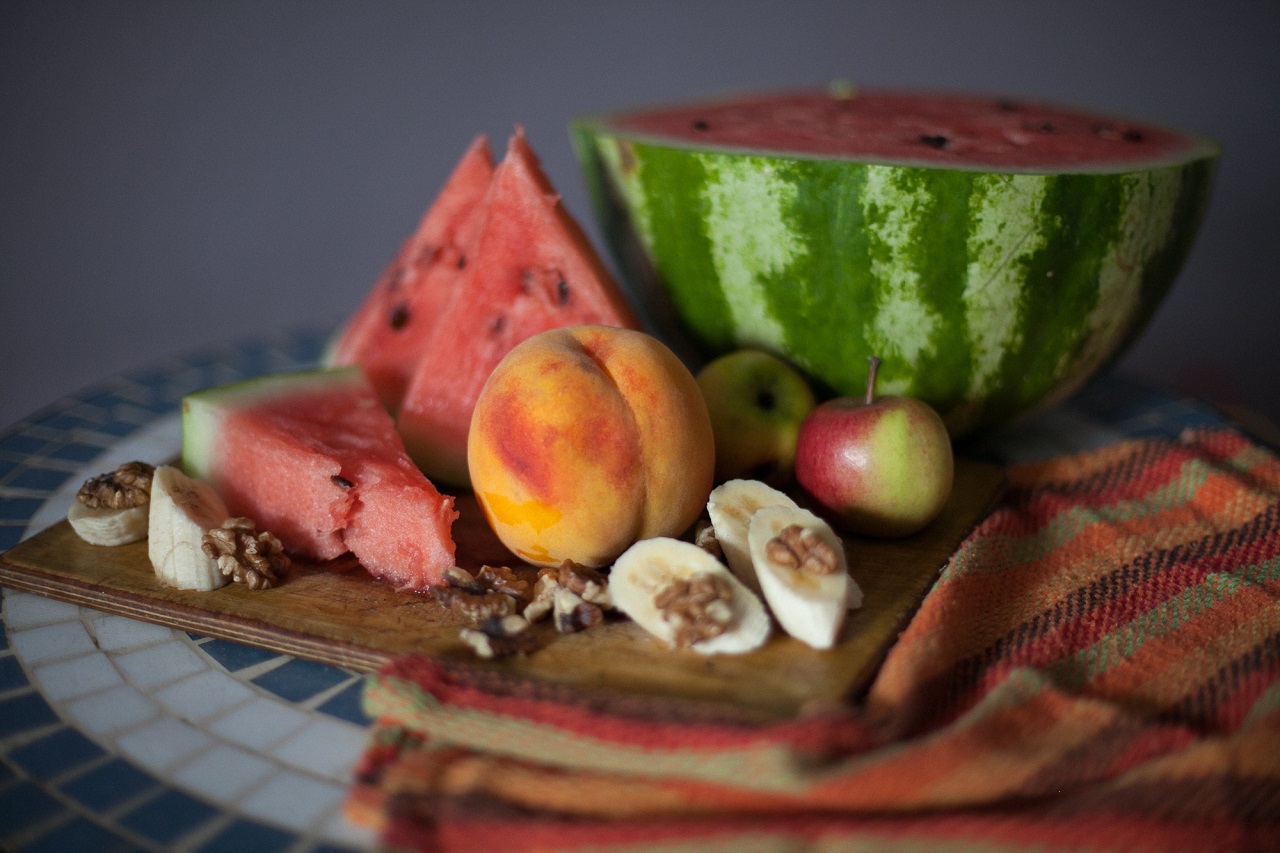
- Watermelon: Containing over 90% water and rich in Vitamins A and C, it keeps you hydrated and protects your cardiovascular system.
- Cucumber: Made up of 95% water, cucumbers act as a natural body coolant while delivering essential minerals like potassium and magnesium.
- Onion: You may have heard the old myth about carrying an onion in your pocket to prevent heatstroke. While keeping it in your pocket won’t do much, eating raw onions definitely helps! Onions contain quercetin, an antioxidant that helps soothe heat rashes and regulates body temperature.
- Coconut Water: The ultimate summer drink! It is loaded with essential minerals like potassium, calcium, manganese, and magnesium, making it the perfect natural way to stay hydrated and replenish lost electrolytes.
- Basil Seeds (Sabja): These tiny seeds have a powerful cooling effect on the digestive tract and boast excellent anti-inflammatory properties.
- Yoghurt & Curd: A strong gut equals strong immunity. Consuming 2-3 servings of yogurt, lassi, or buttermilk cools the stomach and provides healthy probiotics.
- Barley Water: A glass of barley water with a drop of lemon is an excellent summer coolant and provides a great amount of dietary fiber.
Foods to Avoid During Summer
The scorching heat drastically slows down your digestive system. Give your gut a break by limiting:
- Heavy Spices: Spices like nutmeg, excessive chilies, ginger, pepper, and cinnamon are “thermogenic” (heat-generating) and can cause stomach upset in the summer.
- Junk and Deep-Fried Foods: Heavy, oily foods are difficult to digest and increase the risk of indigestion and lethargy.
- High-Fat Dairy: Limit heavy cheeses or excessive ghee, which can slow digestion and trigger acne breakouts in sweaty weather.
- Dehydrating Beverages: Limit excessive tea, coffee, and aerated soft drinks. Caffeine acts as a diuretic, which flushes essential water out of your body when you need it most.
Surviving the summer heat is all about working with your body, not against it. By switching to breathable fabrics, prioritizing electrolyte-rich hydration, and choosing water-dense, cooling foods, you can sail through the season feeling fresh and energetic.
Incorporate these changes and you’re all geared to beat the heat this Summer! Get more summer tips here or speak to a GOQii Coach by subscribing for Personalised Health Coaching here.
Frequently Asked Questions (FAQs)
- Why do I feel so tired during the summer?
Lethargy during summer is very common. Your body uses a massive amount of energy trying to regulate its internal core temperature by sweating and dilating blood vessels. Combined with mild dehydration, this energy drain makes you feel sluggish. - Is it bad to drink ice-cold water when coming in from the heat?
Yes. Chugging ice-cold water when your body temperature is highly elevated can shock your system, cause a sudden sore throat, and disrupt your digestion by constricting blood vessels in the stomach. It is always better to drink cool or room-temperature water. - Does eating raw onion actually prevent heatstroke?
While carrying an onion in your pocket is a myth, consuming raw onions in salads or meals is highly beneficial in summer. Onions contain quercetin, which acts as a natural antihistamine, and they help cool the body internally while protecting against heat-induced ailments.
#BeTheForce
Disclaimer: This article is intended for educational and informational purposes only and should not be considered a substitute for professional medical advice. If you experience symptoms of severe heat exhaustion or heatstroke such as a lack of sweating, confusion, vomiting, or a rapid pulse seek emergency medical attention immediately.





Good article.
Also, your body demands more fluids….so going in for chhachh( buttermilk), lassi, coconut water, sattu, beer etc, and adding citrus and seasonal fruits is a great idea!
Thanks, Great ideas, Summer is ahead so stay hydrated.
thanks
ayurvedic treatment in dubai