GOQii

Blog

  • HOME
  • HEALTHY LIVING
  • FITNESS
  • HEALTHY RECIPES
  • USER STORIES
  • KARMA
  • BUY GOQii

Search Results for: immunity

July 25, 2026 By Prachi Aggarwal 2 Comments

Immunity-Boosting Kadhas: Why Natural Defense Matters During the Monsoon

Immunity Boosting KadhasThe Big Question: Why do we suddenly fall prey to sniffles, coughs, and digestive sluggishness the moment the rainy season arrives?

Perhaps you’re eating well and exercising, but the sudden drop in temperature and rise in humidity leave you feeling lethargic. While the monsoon brings much-needed relief from the summer heat, another important factor is at work: the rapid multiplication of seasonal bacteria and viruses.

Your immune system is your body’s internal defense force. As we move through the monsoon season, environmental changes begin to challenge how our bodies function. Understanding these seasonal shifts and adapting your diet accordingly can help you stay healthier, stronger, and more resilient against common illnesses.

Why Your First Line of Defense Matters

Your immune system works like an intricate shield. When it is strong, your body can effectively fight off pathogens, regulate energy, and respond appropriately to environmental stressors. As the monsoon alters our surroundings, you may notice:

  • Increased susceptibility to colds and flu
  • Sluggish digestion and bloating
  • Slower recovery from minor illnesses
  • Lethargy and lower energy levels
  • Throat irritation

These changes are a normal response to seasonal transitions, but natural, healthy dietary additions can help you adapt and maintain strong metabolic health.

Four Powerful Kadhas That Support Immune Health

Natural immunity-boosting herbs are easily available right in your kitchen, convenient to incorporate into your daily routine, and highly effective. Here are four herbal decoctions (kadhas) to rely on:

  1. Tulsi & Black Pepper Kadha

Unlike standard teas, this potent mix provides immediate warmth to combat sudden temperature drops.

Ingredients:

  • Water – 2 cups
  • Crushed black pepper – 1 tsp
  • Finely chopped ginger – 1 tsp
  • Desi ghee – ½ tsp
  • Cloves – 2 pc
  • Few tulsi leaves

Method:

  1. Heat the ghee in a saucepan. Add cloves, black pepper, ginger, and tulsi leaves.
  2. Once the crackling of the spices stops, add water.
  3. For the next 15-20 minutes, cook the mixture on a medium flame and stir it occasionally.
  4. Have the kadha while it is hot.

Benefits: This immunity-boosting kadha improves the energy levels in the body. Tulsi and pepper are used to treat the common cold and flu. It also helps reduce the inflammation of the chest and helps to expel mucus.

  1. Turmeric and Cinnamon Kadha

For soothing a scratchy throat, this antioxidant-rich blend acts as an internal healer.

Ingredients:

  • Black cardamom (badi elaichi) – 2 pc (you may use green elaichi if you don’t have black elaichi)
  • Kacchi haldi (raw turmeric) – 1 inch
  • Cloves – 2 pc
  • Kali Mirch (black pepper) – according to taste
  • Tulsi – few leaves
  • Cinnamon – 1 inch
  • Ginger – ½ inch
  • Small piece of jaggery (optional)

Method:

  1. Peel the turmeric and ginger and crush them.
  2. Bring the water to a boil and add all the spices.
  3. Let it boil for 20-30 minutes till you get a nice yellow-coloured and aromatic drink.
  4. Jaggery can be added for a sweet taste.

Benefits: This kadha is packed with antioxidants and anti-inflammatory properties, thus, it helps in relieving a sore throat and cold.

  1. Triphala Kadha

When discussing immunity, gut health is often overlooked, yet it plays a central role in your body’s defense.

Ingredients:

  • Triphala powder – ½ tsp
  • Lemon – few drops
  • Honey – ½ tsp
  • Water – 1 cup

Method:

  1. In a pan, add 1 cup of water and triphala powder.
  2. Bring it to a boil and simmer for 5 minutes.
  3. Let it cool down for a few minutes and add a few drops of lemon and honey to it.

Benefits: The antioxidative properties of three fruits i.e., haritaki, bibhitaki, and amla are present in this kadha, and the presence of vitamins like Vitamin A and Vitamin C are helpful for boosting immunity and resetting digestion.

  1. Minty Herbal Kadha

This acts as an internal purifier when you’ve been exposed to the monsoon elements.

Ingredients:

  • Fresh neem leaves – 5-6
  • Mint leaves – ½ bunch
  • Methi leaves – 4-5
  • Fresh turmeric – 2 inch
  • Cumin powder – ½ tsp
  • Jaggery powder – ¼ tsp
  • Water – 1 cup

Method:

  1. Pour water into a pan. Then add the neem leaves, mint leaves, methi leaves, raw turmeric, and cumin powder to it and keep it on medium flame.
  2. Let it cook for about 10 minutes, till some liquid vaporizes and the concentrate is formed.
  3. Turn off the cooktop and allow the decoction to cool down a bit.
  4. Strain the brew, blend jaggery powder, and consume it warm.

Benefits: Neem is renowned for its antimicrobial traits and also purifies the blood. The herbs present in this kadha are good for immunity as they guard against a host of bacteria and other viral ailments.

When Should You Seek Medical Advice?

While catching a mild cold is a normal part of the monsoon season, some symptoms deserve professional evaluation. Speak with your healthcare provider if you experience:

  • Persistent high fever
  • A severe cough that lasts longer than a week
  • Unexplained body aches and extreme fatigue
  • Difficulty breathing
  • Digestive distress that doesn’t subside

Your doctor can determine whether blood testing or other medical treatments are appropriate.

Seasonal changes are a natural part of life not a guarantee that your body will fall ill. The habits that kept you healthy in the summer need to evolve as the weather changes. By prioritising warm fluids, nourishing your body with natural herbs, and protecting your digestion, you can support a strong immune system and maintain your energy and resilience throughout the monsoon.

Pro Tip: The monsoon is the perfect time to become more intentional about your internal health. Use the GOQii App to monitor your hydration, physical activity, nutrition, and recovery. Your GOQii Personalised Health Coach can help you build a sustainable lifestyle plan that supports seasonal immunity through personalised guidance on nutrition, exercise, and stress management.

Frequently Asked Questions (FAQs)

  1. When is the best time to consume a kadha?
    The most effective time to drink a kadha is usually on an empty stomach in the morning or early evening. This allows your body to absorb the active compounds and antioxidants without interference from heavy meals.
  2. Can I drink kadha every day during the monsoon?
    Yes, but moderation is key. Drinking one cup daily supports overall immune health. However, overconsuming heat-generating spices like black pepper and ginger can sometimes cause acidity, so stick to balanced portions.
  3. Are these kadhas safe for children?
    Yes, but they should be modified. Children’s digestive systems are more sensitive, so dilute the kadha with extra warm water and add a natural sweetener like jaggery or honey to make the spice levels milder.
  4. Why is gut health connected to monsoon immunity?
    A significant portion of your immune system resides in your gut. Sluggish digestion during the humid monsoon months can lower your body’s defenses, which is why remedies like the Triphala Kadha are crucial for maintaining both metabolic and immune health.

#BeTheForce 

Disclaimer: This article is intended for educational purposes only and should not replace professional medical advice, diagnosis, or treatment. Dietary reactions and immune responses vary from person to person. If you have persistent symptoms, allergies to specific herbs, or concerns about your health, consult a qualified healthcare professional for personalised evaluation and guidance.
June 23, 2026 By GOQii Leave a Comment

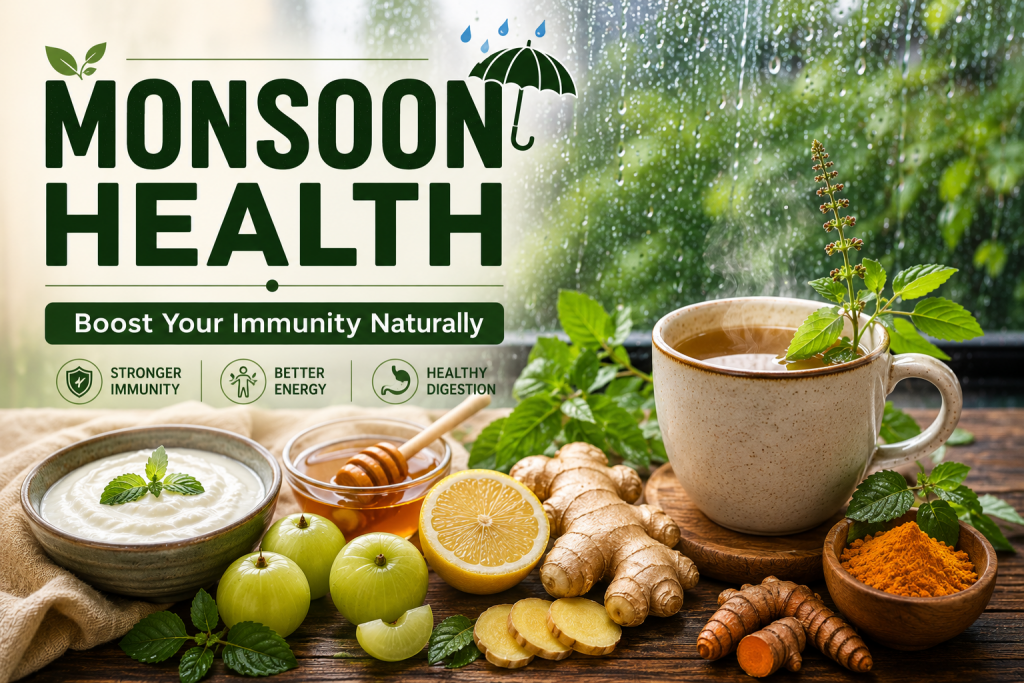
Monsoon Health Tips: How to Boost Your Immunity During Seasonal Changes

The Big Question: Why do so many people fall sick during the initial, patchy onset of the monsoon, when the weather transitions between dry heat and sudden showers?

The onset of the rainy season is one of the most volatile windows for human health. As regions transition from intense summer heat to humid, scattered showers, our bodies are subjected to rapid temperature and humidity swings. This damp, shifting climate creates a thriving environment for airborne and foodborne pathogens to multiply. If your immune system is caught off guard by these sudden seasonal changes, you become highly vulnerable to seasonal flu, respiratory infections, and sudden digestive distress.

Preparing your body for this erratic seasonal shift requires a proactive approach to your daily lifestyle. By making conscious, nutrition-focused adjustments to your plate right now, you can strengthen your cellular defenses and protect your health during this unpredictable monsoon transition.

Why Do We Fall Sick During Seasonal Weather Shifts?

The weeks overlapping the pre-monsoon and early monsoon phases bring rapid fluctuations in temperature and humidity. These environmental shifts force our bodies to work overtime to regulate internal temperature, which can subtly lower our baseline immune response.

At the same time:

  • Accelerated Food Spoilage: Rising humidity causes food to spoil much faster, encouraging swift bacterial growth on exposed meals.
  • Respiratory Irritation: Dusty transition winds, pollen, and sudden humidity changes can irritate the respiratory tract, making it easier for viruses to take hold.
  • Early Water Contamination: Initial rains often wash contaminants into local water systems long before the heavy, continuous downpours arrive, spiking the risk of waterborne illnesses.
  • Gastrointestinal Sensitivity: Digestion naturally slows down and becomes more sensitive as ambient heat shifts into heavy humidity.

Supporting your immune system during this seasonal change doesn’t require expensive supplements—it starts with your everyday habits.

10 Simple Ways to Strengthen Your Immunity Naturally

  1. Stay Well Hydrated

With the sticky humidity making you sweat constantly, your body loses fluids rapidly even if the day feels slightly cooler than peak summer. Aim for 8–10 glasses of clean, filtered water each day to support vital metabolic and detoxification functions. If you are traveling or out during sudden showers, strictly choose filtered, boiled, or packaged drinking water to keep waterborne pathogens at bay.

  1. Include Protein in Every Meal

Your immune system relies on protein to build antibodies and repair body tissues. A protein-deficient diet severely compromises your body’s ability to mount a timely defense against seasonal infections. Ensure every meal contains a clean protein source, such as:

  • Organic eggs or lean chicken
  • Paneer, organic soy, or tofu
  • Sprouts and mixed pulses
  • Lentils, dals, chickpeas, and beans
  1. Add Gut-Friendly Foods

Your gut microbiome houses roughly 70% of your body’s immune cells. Keeping your digestive system functioning well is critical right now, as fluctuating seasonal weather can easily cause indigestion.

Include fermented foods rich in probiotics like fresh curd, unsweetened yogurt, or homemade buttermilk. These foods contain beneficial bacteria that strengthen your intestinal barrier, improve nutrient absorption, and directly help your body fight off early seasonal stomach bugs.

  1. Drink Warm Herbal Beverages

Instead of choosing sugary soft drinks or iced beverages to beat the humidity, opt for warm herbal infusions. A simple cup of ginger and tulsi (Holy Basil) tea introduces natural compounds that help soothe throat irritations caused by seasonal dust storms. If desired, you can add a small amount of raw honey after the tea has cooled slightly for its natural antibacterial properties.

  1. Make Spices Your Everyday Allies

Traditional Indian kitchens already contain several ingredients that serve as potent, natural medicine to keep your digestive and respiratory systems firing efficiently through seasonal shifts. Intentionally include spices such as:

  • Turmeric: Packed with curcumin, which helps regulate immune responses.
  • Ginger & Black Pepper: Stimulates digestive enzymes and clears excess mucus.
  • Cinnamon, Cloves, & Fenugreek: Deliver robust antimicrobial and anti-inflammatory properties.
  1. Eat Plenty of Seasonal Fruits

Fresh fruits provide vitamins, minerals, fiber, and antioxidants that support overall health. Prioritize whole options like amla (Indian gooseberry), guava, apples, pomegranates, oranges, and pears. Amla and citrus fruits are exceptionally rich in Vitamin C, which supports white blood cell production and significantly enhances your body’s ability to absorb iron from plant-based meals. Always choose whole fruits instead of packaged fruit juices.

  1. Cook Vegetables Thoroughly

As humidity and sporadic rains increase, dust, mud, and micro-pests easily cling to raw leaves. Green leafy vegetables like spinach and cabbage are incredible sources of vitamins, but during this seasonal transition, they require careful preparation. Wash vegetables thoroughly and cook them well before eating. Steamed, sautéed, or lightly cooked vegetables are a much safer choice right now than raw salads.

  1. Get Enough Vitamin D

Overcast or hazy skies during seasonal shifts often mean less consistent sunlight, which can cause personal Vitamin D levels to drop. Vitamin D is a crucial micronutrient that modulates your frontline immune responses. Whenever possible, spend a few minutes outdoors during clear daylight hours, and include Vitamin D-rich foods in your meals like egg yolks, mushrooms, fortified dairy products, and fatty fish.

  1. Choose Healthy Fats

Incorporate a steady supply of monounsaturated (MUFAs) and polyunsaturated (PUFAs) healthy fats into your daily diet. These fats are essential for building strong, flexible cell membranes that can resist pathogen entry while lowering systemic inflammation. Include foods like:

  • Almonds and walnuts
  • Flaxseeds and chia seeds
  • Pumpkin and sesame seeds
  • Fatty fish and avocados
  1. Prioritise Sleep and Regular Activity

Nutrition is only one part of a strong immune system; your immune cells require a balanced approach to your wider lifestyle to handle changing weather:

  • Quality Sleep: Aim for 7–8 hours of uninterrupted sleep each night to allow your body to generate fresh T-cells and release protective cytokines.
  • Regular Physical Activity: Engaging in regular, moderate indoor workouts boosts blood circulation, helping your immune cells patrol your body more efficiently.
  • Stress Management: High mental stress floods your bloodstream with cortisol, which suppresses immune function over time. Dedicate a few minutes daily to yoga, meditation, or deep breathing.

Foods and Habits to Avoid

During this patchy monsoon transition, it’s equally important to be mindful of what you avoid to prevent overwhelming your natural defenses.

Limit Sugary Foods and Drinks

Consuming refined sugar triggers a temporary but severe drop in the ability of your white blood cells to actively engulf and destroy harmful bacteria. Excess sugar also adds empty calories and may displace more nutritious foods from your diet. Satisfy your sweet cravings with fresh fruit or naturally sweet foods in moderation.

Avoid Street Food

Open food stalls are highly susceptible to dust from high winds, flies, and changing temperatures, creating a perfect breeding ground for bacteria during partial rainy weather. To avoid acute gastroenteritis and indigestion, choose freshly prepared, home-cooked meals whenever possible.

Skip Pre-Cut Fruits

Pre-cut fruits or unpasteurized raw juices from street vendors can become rapidly contaminated if left exposed to humid air for long periods. Exposed fruit slices quickly attract airborne germs, which can lead to sudden food poisoning. Wash fresh fruits thoroughly and cut them yourself just before eating.

The Seasonal Transition Immunity Matrix

The Immune Pillars The Weather Transition Disruptor The Scientific Lifestyle Solution
Microbiome Integrity Heavy humidity encourages food spoilage and indigestion. Probiotic Defense: Prioritize fresh curd and yogurt to strengthen your gut barrier.
Cellular Activation Erratic, dusty winds and dampness irritate the respiratory lining. Herbal Infusions: Drink Tulsi and ginger tea with honey to soothe mucous membranes.
Vascular Health Dehydration from sticky, changing weather strains circulation. Potable Hydration: Maintain a strict 8-10 glasses of clean, filtered water daily.

Beyond Nutrition: Build Everyday Immunity

Good immunity isn’t built overnight through quick-fix supplements. It develops through consistent, healthy daily choices:

✔ Stay hydrated with clean water

✔ Eat balanced, protein-rich meals

✔ Sleep 7–8 hours nightly

✔ Stay physically active indoors

✔ Manage stress intentionally

✔ Maintain good hand hygiene

Small daily choices make the biggest difference when navigating patchy seasonal transitions.

Seasonal changes are unavoidable, but frequent illness doesn’t have to be. By eating nutritious meals, staying hydrated, practicing good food hygiene, and maintaining healthy lifestyle habits, you can help your body adapt to changing weather and reduce your risk of seasonal infections. This monsoon transition, think of immunity not as a quick fix, but as something you build every day—one healthy choice at a time.

Pro Tip: Preparing for seasonal changes is easier when you track your daily habits. Use the GOQii App to monitor your water intake, meals, activity levels, sleep, and stress patterns. You can seamlessly share this health data with your GOQii Personalised Health Coach to receive a customized seasonal transition plan, immune-boosting recipes, and lifestyle guidance tailored perfectly to your goals!

Frequently Asked Questions (FAQs)

  1. Why do people tend to fall sick during the initial monsoon transition?

Changes in temperature and rising humidity can affect the way our body regulates its internal temperature, which can temporarily lower the baseline immune response. Additionally, early humidity accelerates food spoilage, dusty transition winds carry respiratory irritants, and micro-pathogens thrive in damp conditions, making infections common during this patchy weather shift.

  1. Which foods help support immunity during seasonal shifts?

A macro and micronutrient-balanced diet is highly effective. Include clean plant or animal proteins (like eggs, sprouts, and pulses) to build antibodies, probiotic foods (like fresh curd and yogurt) to support your gut defense, fiber-rich whole fruits (like amla and guava) for Vitamin C, healthy fats (like nuts and seeds), and anti-inflammatory spices like turmeric and ginger.

  1. Is it safe to eat salads during this seasonal change?

If you choose to eat raw vegetables, you must wash them exceptionally thoroughly under running water. However, during periods of high humidity and dusty winds, microorganisms can easily cling to the intricate folds of raw leaves. For optimal digestive safety, many health professionals prefer lightly cooked, blanched, or sautéed vegetables over raw salads during this season.

  1. Can Vitamin C prevent colds during the rains?

Vitamin C supports normal immune function and helps optimize white blood cell activity, but it does not act as an impenetrable shield that guarantees you will avoid catching a cold. Consuming Vitamin C helps shorten the duration and lessen the severity of seasonal flu symptoms, but a balanced diet, quality sleep, and consistent hygiene remain the most effective approach.

#BeTheForce

Disclaimer: This article is intended for educational and informational purposes only. It is not intended to replace professional medical advice, clinical diagnosis, or personalized healthcare treatment. Always consult your primary care physician or a qualified healthcare provider before making major alterations to your diet or lifestyle, especially if you have an underlying gastrointestinal condition or chronic metabolic disorder.

April 21, 2025 By Arooshi Garg Leave a Comment

Improve your immunity with yoga

Interesting facts about yogaOur immune system is constantly working behind the scenes to protect us from illness and infection. But sometimes, it needs a little help. The good news? Yoga can offer that support. Practised regularly, specific yoga poses not only strengthen the body but also stimulate the physiological systems closely linked to immunity—such as the digestive, circulatory, endocrine, and nervous systems.



Let’s explore how yoga can enhance your immunity and the simple poses you can start with today.

How Yoga supports immunity?

  • Stimulates key systems: Yoga activates the digestive, circulatory, endocrine, and nervous systems—each crucial for immune function.
  • Improves detoxification and oxygenation: It boosts lymphatic circulation, helping your body remove toxins more efficiently.
  • Balances body chemistry: Through stimulation of glands like the thymus and thyroid.
  • Reduces stress and fatigue: Chronic stress compromises immunity—yoga counters this by calming the mind and body.
  • Supports digestion: Better digestion leads to improved nutrient absorption and toxin elimination.
  1. Legs Up The Wall (Viparita Karani)

legs-up-the-wall-pose-viparita-karani

This gentle inversion helps drain lymphatic fluid, refresh tired legs, and ease tension in the lower back.

How to do it:

  • Sit side-on to a wall and swing your legs up as you lie back.
  • Adjust your hips closer to the wall for comfort.
  • Rest your arms by your side or on your belly.
  • Stay for 5–10 minutes, breathing slowly and deeply.

Benefits:

  • Reduces swelling and fatigue
  • Aids circulation and relaxation
  • Calms the nervous system

Avoid if you have: Glaucoma, hernia, hypertension, or serious cardiac issues.

  1. Cobra Pose (Bhujangasana)

Bhujangasana-2

A gentle backbend that stimulates the thymus gland—boosting T-cell production and improving immune response.

How to do it:

  • Lie on your stomach, hands beneath your shoulders.
  • Press into your palms as you lift your chest, engaging your core.
  • Keep your elbows close and neck neutral.
  • Hold for a few breaths, then release.

Benefits:

  • Strengthens the back and spine
  • Improves breathing capacity

Boosts circulation and energy

Precautions: Common postural errors during this asana include overarching the neck and lower back. One recommendation is to keep the gaze directed down at the floor and focus on bringing movement into the area between the shoulder blades (the thoracic area, or middle back).

  1. Fish Pose (Matsyasana)

Fishpose-3

This heart-opening posture supports lung health and stimulates the immune-regulating thymus gland.

How to do it:

  • Lie on your back and prop yourself up on your elbows.
  • Gently arch your back and allow the crown of your head to rest lightly on the mat.
  • Breathe deeply and hold for 30 seconds to a minute.

Benefits:

  • Enhances respiratory health
  • Releases chest and sinus congestion

Improves digestion and spinal mobility

  1. Downward Dog Asana (Urdhav Mukha Svanasana)

Adho Mukha Svanasana-4 - Copy

This classic pose energises the body, stretches key muscles, and improves blood flow—especially to the head and sinuses.

How to do it:

  • Start on all fours.
  • Tuck your toes and lift your hips, forming an inverted “V”.
  • Keep your spine long, arms strong, and heels reaching towards the floor.

Benefits:

  • Strengthens the whole body
  • Drains sinuses and boosts immunity
  • Calms the mind and relieves fatigue
  1. Bridge Pose (Setu Bandhasana)

setu -5

This restorative backbend opens the chest, massages the spine, and relieves stress and tension.

How to do it:

  • Lie on your back, knees bent, feet hip-width apart.
  • Press your feet into the floor and lift your hips.
  • Clasp your hands under your back and roll onto your shoulders.
  • Hold for 30 seconds to 1 minute.

Benefits:

  • Stimulates the lungs and thyroid gland
  • Relieves anxiety and fatigue
  • Encourages spinal flexibility

Yoga is more than physical movement—it’s a tool for resilience. Regular practice can support immunity not only by enhancing the body’s natural defences but also by calming the mind and easing stress, both of which are critical for immune health.

That said, if you have an existing medical condition, are recovering from illness, or are new to yoga, please consult your doctor before beginning any new exercise routine—especially if you’re unsure whether certain poses are safe for you.

Start small. Choose one or two poses that resonate with you and practise them daily. Over time, you’ll feel stronger, calmer, and better equipped to handle whatever life throws your way.

#BeTheForce

Disclaimer: The information provided in this blog is for general awareness and educational purposes only. It is not intended to replace professional medical advice, diagnosis, or treatment. Always consult a qualified healthcare provider for personalised medical guidance or concerns related to your health.

January 17, 2025 By Subuhi Sami 3 Comments

Eat These Berries To Boost Your Immunity & Improve Your Health

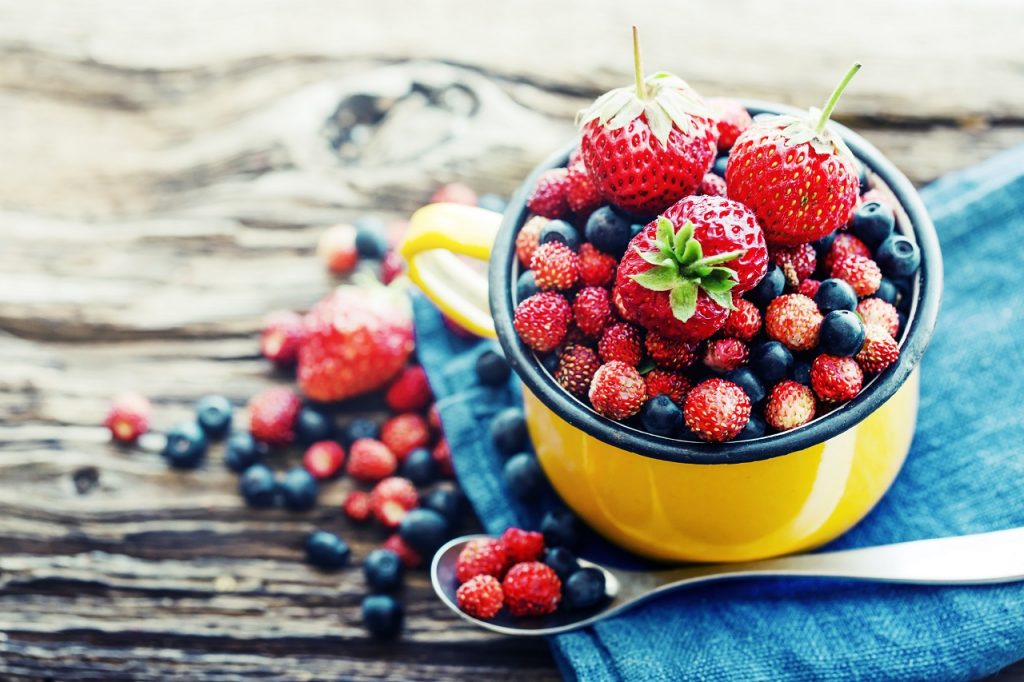
berries to boost immunityBefore diving into which berries can enhance your immunity, let’s first understand what immunity entails. Immunity is a complex biological system that enables the body to recognize and accept what belongs to it while identifying and rejecting foreign or harmful substances. Various cells, along with the lymphatic system, play a crucial role in maintaining the immune defense. Certain white blood cells, like phagocytes and lymphocytes, help the body remember invaders and destroy them effectively.

How Does the Immune System Work?

When foreign substances (antigens) enter the body, the immune system identifies them and works to eliminate them. B lymphocytes are activated to produce antibodies, while phagocytes perform phagocytosis, engulfing and neutralizing harmful substances. These antibodies remain in the body, providing immunity against repeat attacks from the same germ. For instance, if someone has recovered from chickenpox, they are unlikely to contract it again due to the immune system’s memory.

How Do Berries Boost Immunity? 

Berries are known to have immune-boosting properties primarily due to their rich polyphenol content. Polyphenols are plant-based antioxidants responsible for the vibrant colors of berries such as blueberries, blackberries, strawberries, cranberries, elderberries, raspberries, and gooseberries. These antioxidants play a role in preventing cell damage, reducing inflammation, and enhancing immune response. This not only boosts immunity but also aids in the prevention of inflammatory conditions like cancer.

Top Berries to Boost Immunity

Here are some berries readily available in India that can help improve immunity:

  • Elderberry: Elderberries are packed with antioxidants and vitamins that reduce inflammation and stress, two major factors behind a weak immune system. Regular consumption can also protect against cardiovascular disorders.
  • Blueberry: Known as an immunity-boosting superfood, blueberries are rich in flavonoids, which limit cell damage and enhance immune function. They also contain vitamin C, vitamin A, and potassium, all vital for a strong immune system.
  • Strawberry: Strawberries are high in antioxidants and vitamin C, helping to combat flu and colds. Their ability to fight free radicals strengthens the immune system. They are also beneficial for heart health due to their low LDL content.
  • Blackberry: Blackberries are a good source of vitamin A, which supports the immune system, maintains healthy skin, teeth, and bones, and promotes eye health.
  • Cranberries: Cranberries are rich in vitamins C, K, and A, with strong antioxidant properties. They support cardiovascular health, reduce inflammation, and even promote oral health by preventing bacterial damage to teeth. Additionally, their high fiber content helps lower blood pressure and cholesterol.

Other notable mentions include:

  • Mulberries, which act as blood cleansers.
  • Grapes, known for promoting healthy skin.
  • Gooseberries (Amla), a heart-healthy fruit packed with vitamin C.

Make it a habit to include a variety of berries in your diet to strengthen your immunity and reduce the risk of diseases.

We hope this article helps you choose berries to boost your immunity and improve your health! Share your thoughts in the comments below.

You can browse through more articles on nutrition here. Additionally, you can also get this information directly from a GOQii Coach by subscribing for Personalised Health Coaching here.

#BeTheForce 

  • 1
  • 2
  • 3
  • …
  • 72
  • Next Page »

Search

Recent Posts

  • Foods to Manage Blood Sugar Naturally: A Complete Guide to Better Blood Sugar Control
  • The Lazy Person’s Guide to Staying Healthy: 5 Micro-Habits That Take Less Than 2 Minutes
  • Healthy Eating: Comforting Chilli Bean Soup Recipe for the Monsoon
  • The Truth About the ‘Beer Belly’: What Alcohol Really Does to Your Metabolism
  • Benefits of Meditation: How One Daily Habit Can Transform Your Mental Wellbeing

Stay Updated

Archives

  • August 2026 (7)
  • July 2026 (25)
  • June 2026 (22)
  • May 2026 (20)
  • April 2026 (24)
  • March 2026 (18)
  • February 2026 (14)
  • January 2026 (14)
  • December 2025 (19)
  • November 2025 (15)
  • October 2025 (20)
  • September 2025 (6)
  • August 2025 (6)
  • July 2025 (9)
  • June 2025 (18)
  • May 2025 (16)
  • April 2025 (22)
  • March 2025 (26)
  • February 2025 (21)
  • January 2025 (25)
  • December 2024 (22)
  • November 2024 (22)
  • October 2024 (20)
  • September 2024 (22)
  • August 2024 (28)
  • July 2024 (15)
  • June 2024 (23)
  • May 2024 (26)
  • April 2024 (27)
  • March 2024 (27)
  • February 2024 (23)
  • January 2024 (21)
  • December 2023 (14)
  • November 2023 (10)
  • October 2023 (19)
  • September 2023 (21)
  • August 2023 (16)
  • July 2023 (16)
  • June 2023 (21)
  • May 2023 (20)
  • April 2023 (19)
  • March 2023 (23)
  • February 2023 (19)
  • January 2023 (15)
  • December 2022 (11)
  • November 2022 (15)
  • October 2022 (15)
  • September 2022 (12)
  • August 2022 (9)
  • July 2022 (17)
  • June 2022 (11)
  • May 2022 (10)
  • April 2022 (6)
  • March 2022 (6)
  • February 2022 (13)
  • January 2022 (11)
  • December 2021 (7)
  • November 2021 (3)
  • October 2021 (6)
  • September 2021 (3)
  • August 2021 (8)
  • July 2021 (7)
  • June 2021 (15)
  • May 2021 (16)
  • April 2021 (10)
  • March 2021 (7)
  • February 2021 (4)
  • January 2021 (4)
  • December 2020 (3)
  • November 2020 (4)
  • October 2020 (10)
  • September 2020 (3)
  • August 2020 (3)
  • July 2020 (2)
  • June 2020 (4)
  • May 2020 (10)
  • April 2020 (12)
  • March 2020 (10)
  • February 2020 (4)
  • January 2020 (4)
  • December 2019 (3)
  • November 2019 (7)
  • October 2019 (5)
  • September 2019 (4)
  • August 2019 (9)
  • July 2019 (9)
  • June 2019 (11)
  • May 2019 (4)
  • April 2019 (8)
  • March 2019 (8)
  • February 2019 (9)
  • January 2019 (8)
  • December 2018 (9)
  • November 2018 (3)
  • October 2018 (3)
  • September 2018 (5)
  • August 2018 (10)
  • July 2018 (6)
  • June 2018 (13)
  • May 2018 (8)
  • April 2018 (18)
  • March 2018 (9)
  • February 2018 (8)
  • January 2018 (15)
  • December 2017 (12)
  • November 2017 (19)
  • October 2017 (13)
  • September 2017 (15)
  • August 2017 (4)
  • July 2017 (8)
  • June 2017 (7)
  • May 2017 (6)
  • April 2017 (8)
  • March 2017 (6)
  • February 2017 (7)
  • January 2017 (9)
  • December 2016 (10)
  • November 2016 (7)
  • October 2016 (7)
  • September 2016 (7)
  • August 2016 (11)
  • July 2016 (9)
  • June 2016 (9)
  • May 2016 (12)
  • April 2016 (17)
  • March 2016 (17)
  • February 2016 (8)
  • January 2016 (6)
  • December 2015 (2)
  • November 2015 (9)
  • October 2015 (7)
  • September 2015 (9)
  • August 2015 (11)
  • July 2015 (9)
  • June 2015 (11)
  • May 2015 (9)
  • April 2015 (13)
  • March 2015 (8)
  • February 2015 (5)
  • January 2015 (12)
  • December 2014 (14)
  • November 2014 (11)
  • October 2014 (6)
  • September 2014 (13)
  • August 2014 (12)
  • July 2014 (6)
  • June 2014 (2)
  • May 2014 (7)
  • April 2014 (4)

From Burnout to Balance: How Dr. Ranjit Reclaimed His Health

Dr Ranjit Bhatt has spent years tending to others. A practising doctor in Odisha, his days were packed with patients, surgeries, and emergencies. From the outside, it looked like a life lived in service. But on the inside, something wasn’t right. “I had no … [Read More...]

From Shimla’s Slopes to Chandigarh’s Sidewalks: Surinder Kaur Bhalla’s Journey from Chaos to Control

Some journeys start with a plan. Others begin with a stumble literally. Surinder Bhalla, a government professional, born and raised in the scenic hill town of Shimla, had always lived a life of movement. “In Shimla, you walked everywhere,” she reflects. “Walking was never an exercise. It was just life.” But after shifting to Chandigarh, […]

“I’ve Challenged Myself to Live 100 Years” – The Story of Chandubhai Savani’s Second Chance at Life

At 67, most people start slowing down. Not Chandubhai Savani. A resident of Surat, Chandubhai, thought life was on track. “My life was going well till I had my bypass surgery,” he says. That surgery, back in 2021, was a wake-up call.  Medication was routine, but exercise wasn’t. His diet? What he calls ‘normal.’ “I […]

Ananda Mukherjee Health Story

From Terminal Illness To Complete Wellness! Ananda Mukherjee Health Story

As we observe World Cancer Day under the powerful theme ‘United by Unique’ (2025-2027)**, we are reminded that every individual’s journey with cancer is distinct, yet united by shared resilience, hope, and the collective fight against this disease. This theme places people at the centre of care and their stories at the heart of the […]

  • HOME
  • HEALTHY LIVING
  • FITNESS
  • HEALTHY RECIPES
  • USER STORIES
  • KARMA
  • BUY GOQii

Copyright ©2016 GOQii