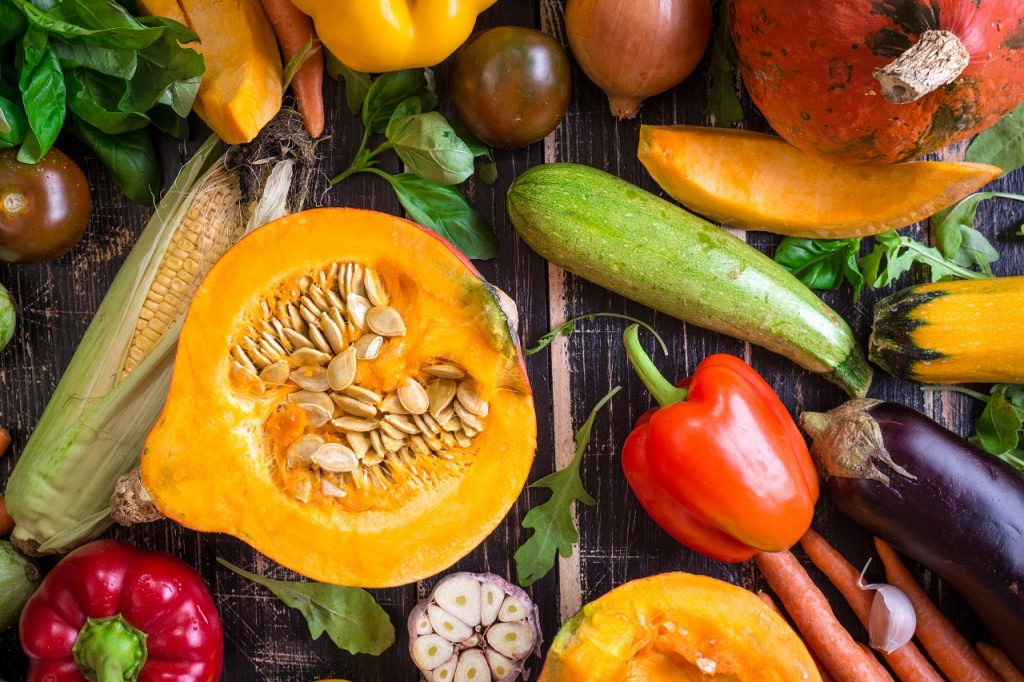
 When the temperatures rise and the summer heat sets in, there is a simple, natural way to help your body regulate its temperature and stay nourished: your diet!
Eating seasonal vegetables is one of the best ways to ensure your body gets peak nutritional value. Seasonal produce is naturally loaded with essential micronutrients and high water content. Incorporating these into your daily meals not only helps you stay hydrated but also strengthens your immunity and keeps you feeling light and energetic throughout the day.
Let’s step into the kitchen and try these two delicious, healthy recipes using seasonal vegetables that are easily available in the market right now!
1. Creamy Spiced Pumpkin Soup
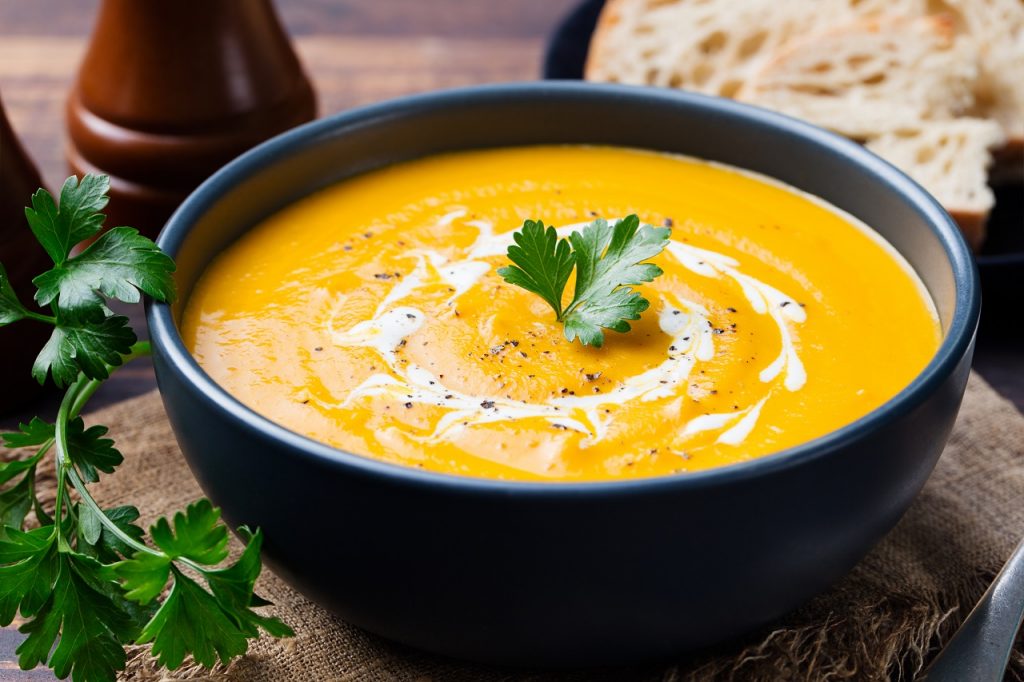 Pumpkin is a fantastic seasonal vegetable packed with Vitamin A, which is crucial for eye health and immunity. This spiced soup is comforting, deeply nourishing, and incredibly easy to make.
Ingredients:
- Olive oil: 2 tbsp
- Onion: 1 (finely chopped)
- Leek: 1 (white part only, finely sliced)
- Garlic: 1 clove (crushed)
- Ground coriander: ½ tsp
- Ground cumin: 1 tsp
- Freshly grated nutmeg: ½ tsp
- Peeled pumpkin: 1 kg (diced)
- Potato: 1 kg (peeled and diced)
- Vegetable liquid stock: 1 Liter
- Thin cream: ½ cup / 125ml (Healthy Swap: Use coconut milk or unsweetened Greek yogurt!)
Method:
- Heat the olive oil in a large saucepan over low heat. Add the chopped onion and leek, cooking for 2-3 minutes until softened but not colored.
- Stir in the crushed garlic, ground coriander, and ground cumin. Cook while stirring for about 30 seconds until fragrant.
- Add the diced pumpkin, diced potato, and vegetable stock to the pot. Bring the mixture to a gentle boil.
- Reduce the heat to low, cover the saucepan, and let it simmer for 30 minutes until the vegetables are completely tender.
- Allow the soup to cool slightly, then carefully blend it in batches until smooth and creamy.
- Return the blended soup to the pan, stir through the cream (or your healthy alternative), and reheat gently without boiling.
- Season with salt and pepper to taste, and add a little more freshly grated nutmeg if desired.
2. Roasted Brinjal Baba Ganoush
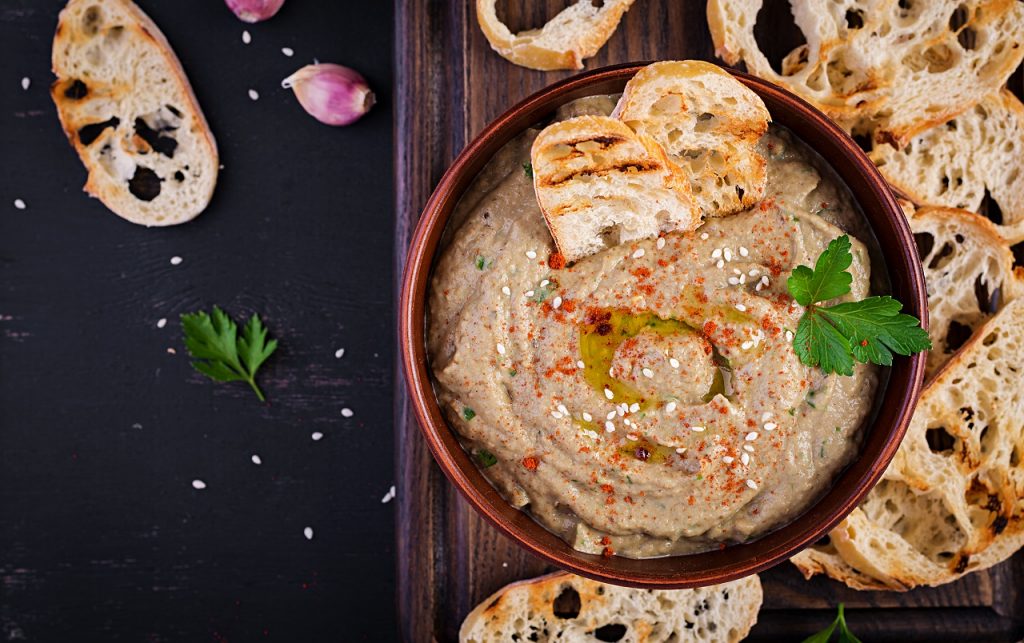 Brinjal (eggplant) is incredibly rich in fiber and antioxidants. Baba Ganoush is a classic Middle Eastern dip that transforms the humble brinjal into a smoky, creamy, and highly nutritious snack—perfect for a warm afternoon.
Ingredients:
- Brinjal (Eggplant): 2 large
- Garlic: 2-3 cloves
- Tahini paste: 3-4 tsp (sesame seed paste)
- Lemon juice: 1 tsp
- Yogurt: 2 tsp
- Olive oil: 4-5 tsp
- Salt: To taste
- Garnish: Finely chopped parsley, red chili flakes, and olives
Method:
- Roast the whole brinjals directly over an open gas flame, turning them occasionally, until the skin is completely charred and the inside is soft and tender.
- Allow them to cool slightly, then carefully peel off and discard the charred skin. Mash the roasted inner pulp.
- Transfer the mashed pulp to a mixer or food processor. Add the garlic cloves, tahini paste, lemon juice, yogurt, salt, and half of the olive oil.
- Pulse until you reach a smooth, creamy consistency.
- Transfer the dip to a serving bowl. Drizzle with the remaining olive oil and garnish with finely chopped parsley, red chili flakes, and olives.
Serving Suggestion: Enjoy your Baba Ganoush with toasted multigrain bread, whole-wheat pita, or fresh vegetable sticks (like carrots and cucumbers). You can also top it with finely chopped onions and tomatoes for extra crunch!
We hope you enjoy these recipes with seasonal vegetables. Cooking with seasonal vegetables is a wonderful way to reconnect with your food and nourish your body from the inside out.
Do try them out, upload your pics on social media or the GOQii Arena and tag us! Find more healthy recipes here.
Need more advice on healthy recipes, balanced nutrition, and diet tips? Subscribe to GOQii’s Personalised Health Coaching in the GOQii App to get expert, one-on-one guidance.
Frequently Asked Questions (FAQs)
- Why is it important to eat seasonal vegetables?
Eating seasonal vegetables ensures you are consuming produce at its peak nutritional value and flavor. Because they are harvested at the right time and do not travel long distances or sit in cold storage for months, they retain a higher concentration of essential vitamins, minerals, and antioxidants. Plus, they are usually more affordable!
- Can I make the Pumpkin Soup ahead of time and freeze it?
Absolutely! Pumpkin soup is excellent for meal prep. You can store it in an airtight container in the refrigerator for up to 4 days. If you want to freeze it, let the soup cool completely before storing it in freezer-safe containers for up to 3 months. (Pro-tip: If you are freezing it, wait to add the cream until you reheat it!).
- What can I use if I don’t have tahini for the Baba Ganoush?
Tahini (which is simply a paste made from toasted sesame seeds and olive oil) gives Baba Ganoush its signature nutty flavor. If you don’t have a jar on hand, you can make a quick substitute by blending toasted sesame seeds with a little olive oil. If you don’t have sesame seeds, you can just leave it out! The dip will still taste wonderfully smoky and garlicky.
Eat Healthy and #BeTheForce
Disclaimer: This article is intended for educational and informational purposes only. If you have specific dietary restrictions, allergies, or medical conditions, please consult with your doctor or a qualified nutritionist before making significant changes to your diet.healthy recipes





Leave a Reply