GOQii

Blog

  • HOME
  • HEALTHY LIVING
  • FITNESS
  • HEALTHY RECIPES
  • USER STORIES
  • KARMA
  • BUY GOQii

Search Results for: immunity

May 9, 2026 By Madhu Soni Leave a Comment

Recipes With Seasonal Vegetables

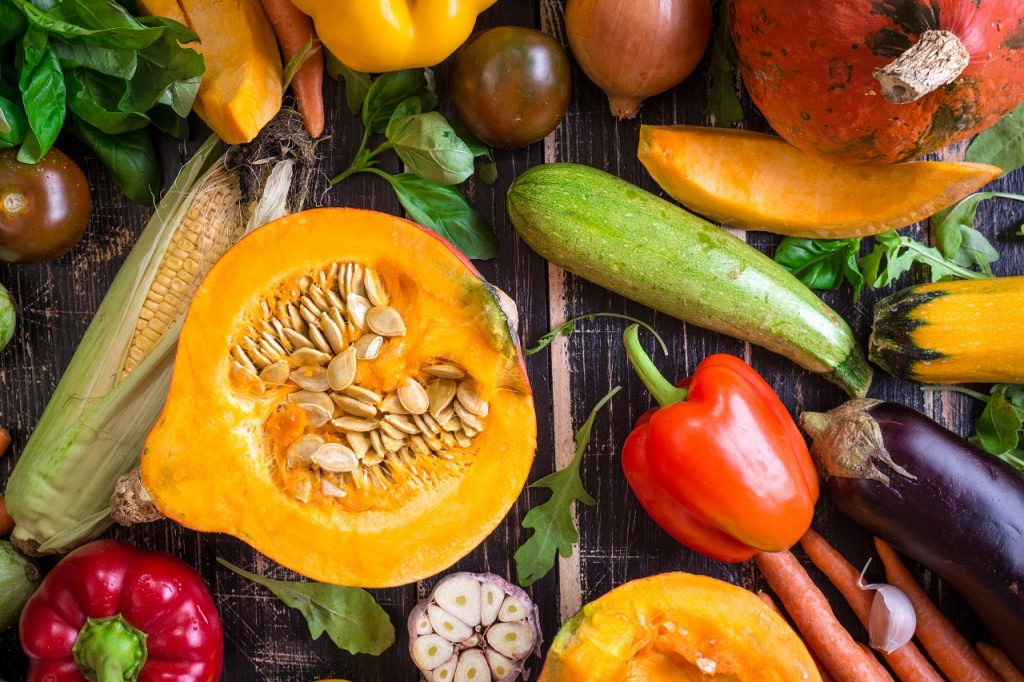
recipes with seasonal vegetablesWhen the temperatures rise and the summer heat sets in, there is a simple, natural way to help your body regulate its temperature and stay nourished: your diet!

Eating seasonal vegetables is one of the best ways to ensure your body gets peak nutritional value. Seasonal produce is naturally loaded with essential micronutrients and high water content. Incorporating these into your daily meals not only helps you stay hydrated but also strengthens your immunity and keeps you feeling light and energetic throughout the day.

Let’s step into the kitchen and try these two delicious, healthy recipes using seasonal vegetables that are easily available in the market right now!

1. Creamy Spiced Pumpkin Soup

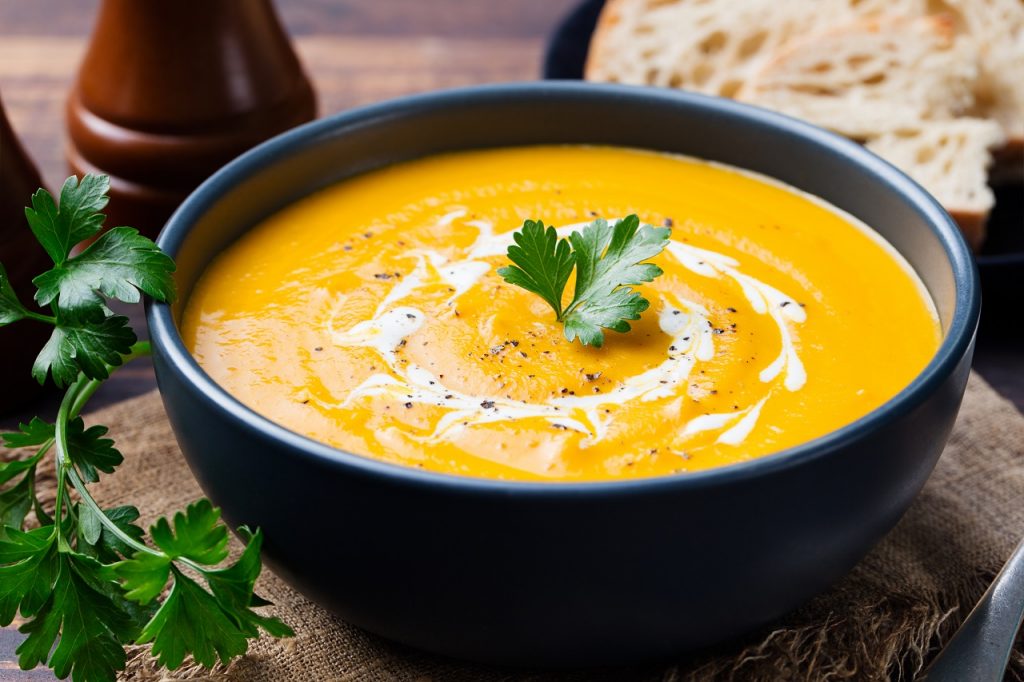
pumpkin soupPumpkin is a fantastic seasonal vegetable packed with Vitamin A, which is crucial for eye health and immunity. This spiced soup is comforting, deeply nourishing, and incredibly easy to make.
Ingredients:

  • Olive oil: 2 tbsp
  • Onion: 1 (finely chopped)
  • Leek: 1 (white part only, finely sliced)
  • Garlic: 1 clove (crushed)
  • Ground coriander: ½ tsp
  • Ground cumin: 1 tsp
  • Freshly grated nutmeg: ½ tsp
  • Peeled pumpkin: 1 kg (diced)
  • Potato: 1 kg (peeled and diced)
  • Vegetable liquid stock: 1 Liter
  • Thin cream: ½ cup / 125ml (Healthy Swap: Use coconut milk or unsweetened Greek yogurt!)

Method:

  1. Heat the olive oil in a large saucepan over low heat. Add the chopped onion and leek, cooking for 2-3 minutes until softened but not colored.
  2. Stir in the crushed garlic, ground coriander, and ground cumin. Cook while stirring for about 30 seconds until fragrant.
  3. Add the diced pumpkin, diced potato, and vegetable stock to the pot. Bring the mixture to a gentle boil.
  4. Reduce the heat to low, cover the saucepan, and let it simmer for 30 minutes until the vegetables are completely tender.
  5. Allow the soup to cool slightly, then carefully blend it in batches until smooth and creamy.
  6. Return the blended soup to the pan, stir through the cream (or your healthy alternative), and reheat gently without boiling.
  7. Season with salt and pepper to taste, and add a little more freshly grated nutmeg if desired.

2. Roasted Brinjal Baba Ganoush

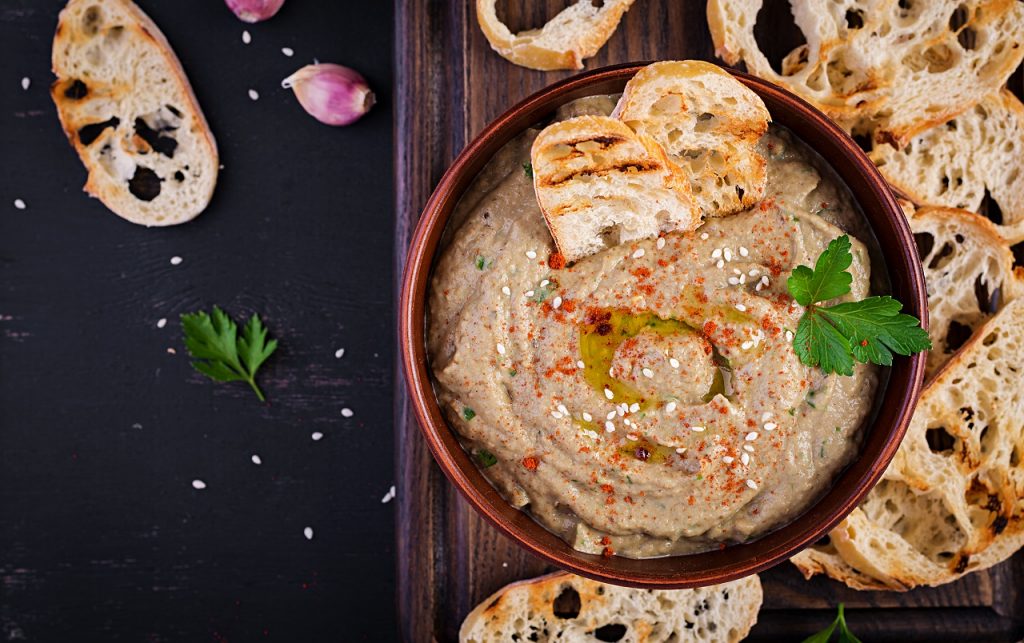
baba ganoushBrinjal (eggplant) is incredibly rich in fiber and antioxidants. Baba Ganoush is a classic Middle Eastern dip that transforms the humble brinjal into a smoky, creamy, and highly nutritious snack—perfect for a warm afternoon.



Ingredients:

  • Brinjal (Eggplant): 2 large
  • Garlic: 2-3 cloves
  • Tahini paste: 3-4 tsp (sesame seed paste)
  • Lemon juice: 1 tsp
  • Yogurt: 2 tsp
  • Olive oil: 4-5 tsp
  • Salt: To taste
  • Garnish: Finely chopped parsley, red chili flakes, and olives

Method:

  1. Roast the whole brinjals directly over an open gas flame, turning them occasionally, until the skin is completely charred and the inside is soft and tender.
  2. Allow them to cool slightly, then carefully peel off and discard the charred skin. Mash the roasted inner pulp.
  3. Transfer the mashed pulp to a mixer or food processor. Add the garlic cloves, tahini paste, lemon juice, yogurt, salt, and half of the olive oil.
  4. Pulse until you reach a smooth, creamy consistency.
  5. Transfer the dip to a serving bowl. Drizzle with the remaining olive oil and garnish with finely chopped parsley, red chili flakes, and olives.

Serving Suggestion: Enjoy your Baba Ganoush with toasted multigrain bread, whole-wheat pita, or fresh vegetable sticks (like carrots and cucumbers). You can also top it with finely chopped onions and tomatoes for extra crunch!

We hope you enjoy these recipes with seasonal vegetables. Cooking with seasonal vegetables is a wonderful way to reconnect with your food and nourish your body from the inside out.

Do try them out, upload your pics on social media or the GOQii Arena and tag us! Find more healthy recipes here. 

Need more advice on healthy recipes, balanced nutrition, and diet tips? Subscribe to GOQii’s Personalised Health Coaching in the GOQii App to get expert, one-on-one guidance.

Frequently Asked Questions (FAQs)

  1. Why is it important to eat seasonal vegetables?

Eating seasonal vegetables ensures you are consuming produce at its peak nutritional value and flavor. Because they are harvested at the right time and do not travel long distances or sit in cold storage for months, they retain a higher concentration of essential vitamins, minerals, and antioxidants. Plus, they are usually more affordable!

  1. Can I make the Pumpkin Soup ahead of time and freeze it?

Absolutely! Pumpkin soup is excellent for meal prep. You can store it in an airtight container in the refrigerator for up to 4 days. If you want to freeze it, let the soup cool completely before storing it in freezer-safe containers for up to 3 months. (Pro-tip: If you are freezing it, wait to add the cream until you reheat it!).

  1. What can I use if I don’t have tahini for the Baba Ganoush?

Tahini (which is simply a paste made from toasted sesame seeds and olive oil) gives Baba Ganoush its signature nutty flavor. If you don’t have a jar on hand, you can make a quick substitute by blending toasted sesame seeds with a little olive oil. If you don’t have sesame seeds, you can just leave it out! The dip will still taste wonderfully smoky and garlicky.

Eat Healthy and #BeTheForce 

Disclaimer: This article is intended for educational and informational purposes only. If you have specific dietary restrictions, allergies, or medical conditions, please consult with your doctor or a qualified nutritionist before making significant changes to your diet.healthy recipes

May 7, 2026 By Tabassum Parveen 4 Comments

Beat the Heat With Simple Lifestyle Changes!

lifestyle changes for summerIf you are a kid, summer is the most awaited season of the year because it spells the beginning of long vacations. But as an adult, the scorching summer heat brings a completely different set of worries.

Between commuting to work and managing daily chores, the extreme heat puts you at risk for dehydration, heat exhaustion, and sun damage. However, surviving the summer does not mean you have to stay locked indoors all day.

By understanding how the heat impacts your system and making a few strategic lifestyle adjustments, you can stay cool, energized, and healthy all season long.

What Happens to Your Body During Summer?

Your body works overtime in the heat to maintain its core temperature. When the mercury rises, you might experience:

  • Dehydration: Sweating depletes your body of water and essential electrolytes, which can cause headaches, confusion, dry eyes, heart palpitations, and disrupted sleep.
  • Low Blood Pressure: Heat causes your blood vessels to dilate (expand). Your heart has to work much harder to pump blood throughout the body, which can leave you feeling dizzy or lightheaded.
  • Muscle Cramps & Lethargy: Because your body is utilizing so much energy just to keep your core temperature down, you may feel unusually exhausted or experience muscle spasms.
  • Skin Irritation: Trapped sweat under the skin can lead to heat rashes, prickly heat, and severe itchiness.
  • Nausea & Heatstroke: Prolonged exposure to extreme heat can overwhelm your body’s cooling system, putting dangerous pressure on your cardiovascular system and leading to heat exhaustion.

Fortunately, these issues can be easily avoided by adopting a few simple, daily habits.

4 Lifestyle Tweaks to Stay Cool

  1. Upgrade Your Hydration Strategy

Drinking water is the absolute key to summer health, but plain water is not always enough.

  • Drink at least 2 to 3 liters of fluid a day. Keep a bottle handy and ensure you are drinking water the right way by sipping slowly rather than gulping.
  • Replenish lost electrolytes naturally by opting for fresh fruit juices, sugarcane juice, buttermilk, or coconut water.
  • Pro-Tip: Make your own natural ORS (Oral Rehydration Solution) drink by adding a pinch of salt, a piece of jaggery, basil seeds, and a squeeze of lemon to your water bottle.
  1. Dress for the Weather

Choosing the right clothes will significantly help your body regulate its temperature.

  • Stick to light, breathable fabrics like pure cotton, khadi, or linen, which absorb sweat and allow air to circulate.
  • Opt for light colors that reflect the sun’s rays, and avoid dark colors that absorb and trap heat.
  • Avoid synthetic fabrics like silk, nylon, or polyester, which trap heat against your skin and increase the risk of fungal infections.
  1. Adjust Your Face and Skincare Routine

The sun’s harmful UV rays can cause severe tanning, premature aging, and pigmentation if proper care isn’t taken.

  • Avoid direct sun exposure between 10:00 AM and 4:00 PM, as this is when UV radiation is at its strongest.
  • If you must step out, apply a broad-spectrum sunscreen and wear physical protection like a wide-brimmed hat or sunglasses to maintain healthy, glowing skin.
  • The best time to venture outdoors is early in the morning or late in the evening. Safe sun exposure during these times is actually essential for Vitamin D synthesis, bone strength, and mood regulation!
  1. Be Gentle With Your Hair

Your scalp sweats heavily during the summer, leaving your hair frizzy and dry. While washing your hair every single day might feel refreshing, it actually strips the natural oils from your scalp, resulting in dryness, dandruff, and unwanted hair fall. Wash your hair every alternate day with a mild shampoo, and try massaging your scalp with cooling oils to increase blood flow to the roots.

Foods That Help You Beat the Heat

Your diet plays a massive role in your internal body temperature. Load up on these natural coolants:

  • Watermelon: Containing over 90% water and rich in Vitamins A and C, it keeps you hydrated and protects your cardiovascular system.
  • Cucumber: Made up of 95% water, cucumbers act as a natural body coolant while delivering essential minerals like potassium and magnesium.
  • Onion: You may have heard the old myth about carrying an onion in your pocket to prevent heatstroke. While keeping it in your pocket won’t do much, eating raw onions definitely helps! Onions contain quercetin, an antioxidant that helps soothe heat rashes and regulates body temperature.
  • Coconut Water: The ultimate summer drink! It is loaded with essential minerals like potassium, calcium, manganese, and magnesium, making it the perfect natural way to stay hydrated and replenish lost electrolytes.
  • Basil Seeds (Sabja): These tiny seeds have a powerful cooling effect on the digestive tract and boast excellent anti-inflammatory properties.
  • Yoghurt & Curd: A strong gut equals strong immunity. Consuming 2-3 servings of yogurt, lassi, or buttermilk cools the stomach and provides healthy probiotics.
  • Barley Water: A glass of barley water with a drop of lemon is an excellent summer coolant and provides a great amount of dietary fiber.

Foods to Avoid During Summer

The scorching heat drastically slows down your digestive system. Give your gut a break by limiting:

  • Heavy Spices: Spices like nutmeg, excessive chilies, ginger, pepper, and cinnamon are “thermogenic” (heat-generating) and can cause stomach upset in the summer.
  • Junk and Deep-Fried Foods: Heavy, oily foods are difficult to digest and increase the risk of indigestion and lethargy.
  • High-Fat Dairy: Limit heavy cheeses or excessive ghee, which can slow digestion and trigger acne breakouts in sweaty weather.
  • Dehydrating Beverages: Limit excessive tea, coffee, and aerated soft drinks. Caffeine acts as a diuretic, which flushes essential water out of your body when you need it most.

Surviving the summer heat is all about working with your body, not against it. By switching to breathable fabrics, prioritizing electrolyte-rich hydration, and choosing water-dense, cooling foods, you can sail through the season feeling fresh and energetic.

Incorporate these changes and you’re all geared to beat the heat this Summer! Get more summer tips here or speak to a GOQii Coach by subscribing for Personalised Health Coaching here.

Frequently Asked Questions (FAQs)

  1. Why do I feel so tired during the summer?
    Lethargy during summer is very common. Your body uses a massive amount of energy trying to regulate its internal core temperature by sweating and dilating blood vessels. Combined with mild dehydration, this energy drain makes you feel sluggish.
  2. Is it bad to drink ice-cold water when coming in from the heat?
    Yes. Chugging ice-cold water when your body temperature is highly elevated can shock your system, cause a sudden sore throat, and disrupt your digestion by constricting blood vessels in the stomach. It is always better to drink cool or room-temperature water.
  3. Does eating raw onion actually prevent heatstroke?
    While carrying an onion in your pocket is a myth, consuming raw onions in salads or meals is highly beneficial in summer. Onions contain quercetin, which acts as a natural antihistamine, and they help cool the body internally while protecting against heat-induced ailments.

#BeTheForce

Disclaimer: This article is intended for educational and informational purposes only and should not be considered a substitute for professional medical advice. If you experience symptoms of severe heat exhaustion or heatstroke such as a lack of sweating, confusion, vomiting, or a rapid pulse seek emergency medical attention immediately.

April 21, 2026 By GOQii Leave a Comment

The New Annual Health Check: Tests That Actually Matter After 35

Most people wait for symptoms before they take their health seriously. The problem is after 35, many of the biggest risks develop silently, long before symptoms appear.

For many, an annual health check still means cholesterol, fasting sugar, and perhaps an ECG. That may have been sufficient years ago, but it no longer reflects how modern health risks develop.

You may feel completely normal and still be developing insulin resistance, fatty liver, or gradual muscle loss. Preventive healthcare has evolved and your annual check-up needs to evolve with it. Understanding how daily habits influence long-term health is equally important, especially when it comes to building consistency in exercise and lifestyle routines.

Studies show that a large number of adults with early metabolic risk remain undiagnosed for years because routine tests fail to capture these silent changes.

Who Should Prioritise These Tests?

These tests are especially important if you:

  • Have a sedentary lifestyle
  • Have a family history of diabetes or heart disease
  • Carry excess abdominal fat
  • Experience fatigue despite “normal” reports

If any of these apply to you, your standard check-up may not be enough.

  1. Body Composition, Not Just BMI

BMI only tells you your weight relative to height. It does not distinguish between fat and muscle, which means it often misses underlying risk.

Body composition analysis provides a clearer assessment by measuring:

  • Body fat percentage
  • Visceral fat
  • Muscle mass

A normal BMI with high visceral fat is often where risk is missed.

Visceral fat—especially around the abdomen is strongly linked to heart disease and diabetes. It is also closely associated with chronic inflammation, which often develops silently and accelerates disease risk.

Assess annually where possible, especially if you are making lifestyle changes.

  1. Cardiorespiratory Fitness and VO₂ Max

VO₂ max reflects how efficiently your body uses oxygen during physical activity. It is one of the strongest predictors of long-term health and survival.

Higher fitness levels are associated with:

  • Lower cardiovascular risk
  • Better metabolic health
  • Reduced risk of early mortality

Fitness level often predicts health outcomes more accurately than weight alone.

While lab testing offers precision, many fitness trackers provide reasonable estimates. Clinical treadmill tests can also be used.

Track this every 1–2 years to monitor improvement or decline.

  1. Liver Health and Fatty Liver Screening

Fatty liver disease is rising rapidly, even among individuals who do not consume alcohol.

A basic liver function test may indicate elevated enzymes, but an abdominal ultrasound provides a clearer assessment of fat accumulation.

Fatty liver is often the first visible sign of deeper metabolic dysfunction. In many cases, this overlaps with early inflammatory changes that go unnoticed for years.

It is strongly linked to:

  • Insulin resistance
  • Central obesity
  • Elevated triglycerides

If you fall into these categories, consider screening annually or as advised by your doctor.

  1. Vitamin D, B12 and Ferritin

Micronutrient deficiencies are common and often overlooked, yet they can significantly impact overall health.

Key markers include:

  • Vitamin D – supports bone health and immunity
  • Vitamin B12 – essential for nerve function and energy
  • Ferritin – reflects iron stores and can explain fatigue

These do not need to be tested every year for everyone, but checking at least once after 35, especially if you have symptoms or dietary restrictions is sensible.

  1. HbA1c, Not Just Fasting Sugar

Fasting blood sugar provides a snapshot of your glucose levels at a single point in time.

HbA1c reflects your average blood sugar over the past three months, making it a more reliable indicator of early metabolic changes.

As a general guideline:

  • Below 5.7% → normal
  • 5.7%–6.4% → prediabetes
  • Above 6.5% → diabetes

If you are over 35 especially with a sedentary lifestyle or family history testing annually is advisable. Managing blood sugar effectively also depends on consistent lifestyle habits, not just test results.

Track Trends, Not Just Reports

A single abnormal value does not define your health. What matters more is the direction over time.

Ask yourself:

  • Is your HbA1c slowly rising each year?
  • Is visceral fat increasing?
  • Is your fitness declining?

These patterns often appear long before disease is diagnosed.

Preventive health is about early correction, not late intervention. Long-term consistency is often influenced by environment, routines, and even social health and behavioural patterns.

Save your reports. Compare annually. Adjust early.

The most dangerous health changes are the ones you don’t feel.

After 35, the goal is no longer to react to disease it is to detect risk early and stay ahead of it.

Preventive health works best when data is combined with daily guidance, habit tracking, and personalised support through a connected health ecosystem.

Because the earlier you see it,
the easier it is to change it.

Frequently Asked Questions (FAQs)

  1. What tests should you do annually after 35?

After 35, annual health checks should go beyond basic tests and include body composition, HbA1c, liver health screening, and key metabolic markers. These tests help detect early risk factors that may not show symptoms.

  1. Is BMI enough to assess health risk?

No. BMI does not differentiate between fat and muscle. A person can have a normal BMI but still carry high visceral fat, which increases the risk of heart disease and diabetes. Body composition is a more accurate indicator.

  1. Why is HbA1c better than fasting sugar?

Fasting sugar reflects glucose levels at a single point in time, while HbA1c shows average blood sugar over the past three months. This makes it more reliable for identifying early metabolic changes.

  1. How often should you check for fatty liver?

If you have risk factors such as central obesity, high triglycerides, or insulin resistance, screening for fatty liver annually or as advised by a doctor is recommended.

  1. What is VO₂ max and why is it important?

VO₂ max measures how efficiently your body uses oxygen during exercise. It is a strong predictor of cardiovascular health and long-term survival, often more indicative than weight alone.

  1. Do all these tests need to be done every year?

Not necessarily. Some tests like HbA1c and body composition may be tracked annually, while others like vitamin levels can be checked periodically based on symptoms and risk factors.

#BeTheForce

Disclaimer: This article is intended for general informational and educational purposes only and should not be considered medical advice. The tests mentioned may not be necessary for everyone and should be undertaken based on individual health needs and medical history. Always consult a qualified healthcare professional before making decisions about medical tests, diagnosis, or treatment. GOQii provides preventive health guidance and lifestyle coaching and does not offer clinical diagnosis or medical treatment.

April 15, 2026 By Sunita Arora Leave a Comment

Top 10 Foods For Diabetics: What to Eat to Manage Blood Sugar

Foods For DiabeticsYour food choices matter a lot when you are managing diabetes. While it is difficult to find single foods that completely prevent diabetes complications like heart disease, kidney issues, or sudden sugar spikes, there are powerful, nutrient-dense foods that can help you reduce your overall carbohydrate intake and keep your blood sugar in check.

Let’s take a look at the top 10 dietary additions that can make a massive difference in your daily diabetes management.

Top 10 Foods For Diabetics 

  1. Cinnamon
    This fragrant golden spice helps in controlling sugar, cholesterol, and triglyceride levels in Type 2 Diabetes. It adds a natural, warm flavour to food and can easily be sprinkled on tea, coffee, oatmeal, and smoothies. Studies have shown that just ¼ teaspoon of cinnamon daily can improve fasting blood sugar and boost insulin sensitivity.
  2. Extra Virgin Olive OilExtra-virgin olive oil contains antioxidants called polyphenols which are extremely beneficial for heart health. Olive oil is one of the best sources of MUFA (Monounsaturated Fatty Acids) when it comes to managing diabetes. Several studies have shown that MUFAs help keep blood sugar in check by lowering insulin resistance. It also keeps you full, minimizes spikes, and aids in the absorption of vital nutrients. A healthy daily intake is about 1-2 tsp (5ml-10 ml).
  3. Nuts
    Nuts are the ultimate snacking food for managing diabetes because they are delicious, satisfying, and highly nutritious. Nuts like walnuts, almonds, cashews, and pistachios are a boon because they are low in digestible carbohydrates but high in protein and healthy fats. This unique macronutrient profile helps stabilize blood sugar and reduce LDL (bad) cholesterol. Aim for a small handful (approx. 20-30 gm) daily, but be sure to avoid heavily salted or roasted-in-oil varieties.
  4. Beans
    Beans are complex carbohydrates loaded with fiber and rich in protein, which gives you a prolonged feeling of satiety. They are inexpensive, easily available, and incredibly versatile. Having beans in your diet regularly can control blood sugar and lower blood pressure. You can add approximately one bowl (25-30 gm raw) daily to your salads, soups, or vegetable curries to help regulate your levels.
  5. Quinoa
    Quinoa is considered a complete protein because it contains all nine essential amino acids needed to build muscle, and it is rich in minerals such as iron and magnesium. This protein-rich whole grain is a fantastic substitute for white rice. Because it is rich in fiber, it digests slowly, preventing sudden blood sugar spikes. Taking 20-30 gm of quinoa daily whether in a salad or mixed with vegetables is highly effective for both sugar control and weight loss.
  6. Fenugreek Seeds
    Fenugreek seeds are widely known for their effectiveness in traditional diabetes management. They are incredibly rich in soluble fiber, which lowers blood sugar levels by slowing down the digestion and absorption of carbohydrates. Studies suggest a daily dose of about 10 gm of fenugreek seeds, soaked overnight in water, helps significantly in controlling Type 2 Diabetes.
  7. Oatmeal
    Oatmeal is one of the best breakfast foods as it easily fits into any healthy meal plan. Oats have a low glycemic index and are packed with fiber, doing a miraculous job of regulating blood sugar while providing steady energy. Steel-cut or rolled oats (approx. 20-30 gm daily) made with low-fat milk or cooked with vegetables are the best choice, as they are the least processed.
  8. Garlic
    Garlic is a potent herb that helps reduce inflammation, blood sugar, and LDL cholesterol in people living with Type 2 Diabetes. It is also known to reduce blood pressure and boost overall immunity. You can crush 1-2 cloves of raw garlic and consume them with water early in the morning, or simply use them generously in your daily cooking.
  9. Turmeric
    Turmeric is a powerful spice with numerous health benefits. It contains an active compound called curcumin, which lowers inflammation, reduces blood sugar, and specifically benefits kidney and heart health in diabetics. As a staple in Indian cuisine, it is easy to include. Adding ¼ to ½ tsp in warm water or milk can boost immunity and help regulate your levels.
  10. Chia seeds
    Chia seeds are a powerhouse of nutrients and an absolutely wonderful food for managing diabetes. They are exceptionally high in viscous fiber, which lowers blood sugar and helps maintain a healthy weight by keeping you full for hours. They also decrease blood pressure and systemic inflammation. Try adding 10 gm of soaked chia seeds daily to your smoothies, shakes, or a bowl of fresh curd.

Frequently Asked Questions (FAQs)

1. Can I eat all 10 of these foods every day?
While all these foods are excellent for managing diabetes, portion control is key. You don’t need to eat all 10 every single day. Instead, focus on incorporating a variety of them into a balanced weekly diet plan to get a wide range of nutrients without exceeding your daily caloric limits.

2. Are oats good for diabetes, and does the type of oat matter?
Yes, oats are great for diabetes, but the type matters significantly. Steel-cut oats and rolled oats are complex carbohydrates that digest slowly. Avoid highly processed, sugary instant oatmeal packets, as these will cause rapid spikes in your blood sugar.

3. Should I consult a doctor before adding supplements like fenugreek or cinnamon?
Absolutely. If you are already on diabetes medication or insulin, adding potent natural remedies like fenugreek or high doses of cinnamon can sometimes cause your blood sugar to drop too low (hypoglycemia). Always consult your doctor or health coach before making concentrated dietary changes.

We hope incorporating these 10 foods helps you make a wonderful and positive shift toward a healthier life. (Note: Always consult with your doctor, nutritionist, or dietitian before drastically altering your diet.)

For more articles on managing your health, check out our Healthy Reads on Diabetes.

Managing diabetes is easier when you don’t have to do it alone. For the right guidance and daily motivation from certified experts, subscribe to GOQii’s Personalised Health Coaching here.

#BeTheForce 

Disclaimer: The information provided in this article is for educational and general informational purposes only. It is not intended to serve as professional medical advice, diagnosis, or treatment. Always consult with your physician or a certified GOQii health professional before making any drastic changes to your diet, especially if you are on diabetes medication.

  • « Previous Page
  • 1
  • …
  • 12
  • 13
  • 14
  • 15
  • 16
  • …
  • 72
  • Next Page »

Search

Recent Posts

  • Foods to Manage Blood Sugar Naturally: A Complete Guide to Better Blood Sugar Control
  • The Lazy Person’s Guide to Staying Healthy: 5 Micro-Habits That Take Less Than 2 Minutes
  • Healthy Eating: Comforting Chilli Bean Soup Recipe for the Monsoon
  • The Truth About the ‘Beer Belly’: What Alcohol Really Does to Your Metabolism
  • Benefits of Meditation: How One Daily Habit Can Transform Your Mental Wellbeing

Stay Updated

Archives

  • August 2026 (7)
  • July 2026 (25)
  • June 2026 (22)
  • May 2026 (20)
  • April 2026 (24)
  • March 2026 (18)
  • February 2026 (14)
  • January 2026 (14)
  • December 2025 (19)
  • November 2025 (15)
  • October 2025 (20)
  • September 2025 (6)
  • August 2025 (6)
  • July 2025 (9)
  • June 2025 (18)
  • May 2025 (16)
  • April 2025 (22)
  • March 2025 (26)
  • February 2025 (21)
  • January 2025 (25)
  • December 2024 (22)
  • November 2024 (22)
  • October 2024 (20)
  • September 2024 (22)
  • August 2024 (28)
  • July 2024 (15)
  • June 2024 (23)
  • May 2024 (26)
  • April 2024 (27)
  • March 2024 (27)
  • February 2024 (23)
  • January 2024 (21)
  • December 2023 (14)
  • November 2023 (10)
  • October 2023 (19)
  • September 2023 (21)
  • August 2023 (16)
  • July 2023 (16)
  • June 2023 (21)
  • May 2023 (20)
  • April 2023 (19)
  • March 2023 (23)
  • February 2023 (19)
  • January 2023 (15)
  • December 2022 (11)
  • November 2022 (15)
  • October 2022 (15)
  • September 2022 (12)
  • August 2022 (9)
  • July 2022 (17)
  • June 2022 (11)
  • May 2022 (10)
  • April 2022 (6)
  • March 2022 (6)
  • February 2022 (13)
  • January 2022 (11)
  • December 2021 (7)
  • November 2021 (3)
  • October 2021 (6)
  • September 2021 (3)
  • August 2021 (8)
  • July 2021 (7)
  • June 2021 (15)
  • May 2021 (16)
  • April 2021 (10)
  • March 2021 (7)
  • February 2021 (4)
  • January 2021 (4)
  • December 2020 (3)
  • November 2020 (4)
  • October 2020 (10)
  • September 2020 (3)
  • August 2020 (3)
  • July 2020 (2)
  • June 2020 (4)
  • May 2020 (10)
  • April 2020 (12)
  • March 2020 (10)
  • February 2020 (4)
  • January 2020 (4)
  • December 2019 (3)
  • November 2019 (7)
  • October 2019 (5)
  • September 2019 (4)
  • August 2019 (9)
  • July 2019 (9)
  • June 2019 (11)
  • May 2019 (4)
  • April 2019 (8)
  • March 2019 (8)
  • February 2019 (9)
  • January 2019 (8)
  • December 2018 (9)
  • November 2018 (3)
  • October 2018 (3)
  • September 2018 (5)
  • August 2018 (10)
  • July 2018 (6)
  • June 2018 (13)
  • May 2018 (8)
  • April 2018 (18)
  • March 2018 (9)
  • February 2018 (8)
  • January 2018 (15)
  • December 2017 (12)
  • November 2017 (19)
  • October 2017 (13)
  • September 2017 (15)
  • August 2017 (4)
  • July 2017 (8)
  • June 2017 (7)
  • May 2017 (6)
  • April 2017 (8)
  • March 2017 (6)
  • February 2017 (7)
  • January 2017 (9)
  • December 2016 (10)
  • November 2016 (7)
  • October 2016 (7)
  • September 2016 (7)
  • August 2016 (11)
  • July 2016 (9)
  • June 2016 (9)
  • May 2016 (12)
  • April 2016 (17)
  • March 2016 (17)
  • February 2016 (8)
  • January 2016 (6)
  • December 2015 (2)
  • November 2015 (9)
  • October 2015 (7)
  • September 2015 (9)
  • August 2015 (11)
  • July 2015 (9)
  • June 2015 (11)
  • May 2015 (9)
  • April 2015 (13)
  • March 2015 (8)
  • February 2015 (5)
  • January 2015 (12)
  • December 2014 (14)
  • November 2014 (11)
  • October 2014 (6)
  • September 2014 (13)
  • August 2014 (12)
  • July 2014 (6)
  • June 2014 (2)
  • May 2014 (7)
  • April 2014 (4)

From Burnout to Balance: How Dr. Ranjit Reclaimed His Health

Dr Ranjit Bhatt has spent years tending to others. A practising doctor in Odisha, his days were packed with patients, surgeries, and emergencies. From the outside, it looked like a life lived in service. But on the inside, something wasn’t right. “I had no … [Read More...]

From Shimla’s Slopes to Chandigarh’s Sidewalks: Surinder Kaur Bhalla’s Journey from Chaos to Control

Some journeys start with a plan. Others begin with a stumble literally. Surinder Bhalla, a government professional, born and raised in the scenic hill town of Shimla, had always lived a life of movement. “In Shimla, you walked everywhere,” she reflects. “Walking was never an exercise. It was just life.” But after shifting to Chandigarh, […]

“I’ve Challenged Myself to Live 100 Years” – The Story of Chandubhai Savani’s Second Chance at Life

At 67, most people start slowing down. Not Chandubhai Savani. A resident of Surat, Chandubhai, thought life was on track. “My life was going well till I had my bypass surgery,” he says. That surgery, back in 2021, was a wake-up call.  Medication was routine, but exercise wasn’t. His diet? What he calls ‘normal.’ “I […]

Ananda Mukherjee Health Story

From Terminal Illness To Complete Wellness! Ananda Mukherjee Health Story

As we observe World Cancer Day under the powerful theme ‘United by Unique’ (2025-2027)**, we are reminded that every individual’s journey with cancer is distinct, yet united by shared resilience, hope, and the collective fight against this disease. This theme places people at the centre of care and their stories at the heart of the […]

  • HOME
  • HEALTHY LIVING
  • FITNESS
  • HEALTHY RECIPES
  • USER STORIES
  • KARMA
  • BUY GOQii

Copyright ©2016 GOQii