GOQii

Blog

  • HOME
  • HEALTHY LIVING
  • FITNESS
  • HEALTHY RECIPES
  • USER STORIES
  • KARMA
  • BUY GOQii

Search Results for: hormone

June 10, 2026 By GOQii Leave a Comment

Cortisol and Chronic Stress: What Your Body Is Trying to Tell You

The Big Question: What happens to your body when your biological stress response refuses to switch off?

Cortisol is often called the “stress hormone,” but it plays an essential role in helping your body function properly. It helps regulate energy, supports your natural circadian rhythm, manages blood pressure, and enables you to respond to immediate daily challenges. Problems arise when psychological or physical stress becomes chronic, causing the body’s stress response to remain switched on for too long. Over time, this persistent hormonal elevation can severely affect sleep architecture, mood stability, daily energy levels, food cravings, tissue recovery, and weight management.

Have you ever felt completely exhausted despite getting what felt like enough sleep? Found yourself reaching for sugary snacks or highly processed comfort foods during a chaotic day at work? Or perhaps you have struggled to switch off your mind at night, staring at the ceiling even when your body feels physically tired?

If any of these scenarios sound familiar, cortisol is likely playing a major role beneath the surface. In today’s fast-paced world, stress has become so common that many people simply accept it as a normal part of life. While occasional acute stress is unavoidable, chronic stress can have a massive impact on both physical and mental wellbeing. Understanding how cortisol works inside your body is the first step towards managing stress more effectively and supporting your long-term health.

What Is Cortisol?

Cortisol is a vital glucocorticoid hormone produced and released by the adrenal glands, which sit right on top of your kidneys. It is frequently referred to as the body’s primary stress hormone because it orchestrates your “fight-or-flight” survival mechanisms during physical and emotional challenges.

However, cortisol is not inherently harmful. In a balanced state, it performs several critical housekeeping functions, including regulating daily energy levels, supporting macronutrient metabolism, maintaining healthy blood pressure, and managing your baseline immune response and inflammation.

Cortisol follows a natural daily rhythm tied to light exposure. Levels are typically highest in the morning to help you wake up and feel alert, then gradually decline throughout the day, reaching their lowest point at night to support deep, cellular recovery. This natural curve is essential for keeping the body functioning efficiently.

[Morning: Cortisol Peaks] ──► Sharp Awakening Alertness

│

▼

[Mid-Day: Steady Decline] ──► Sustained Energy & Focus

│

▼

[Night: Cortisol Drops]    ──► Deep Rest, Sleep & Cellular Recovery

When Stress Becomes Chronic

Stress is not always a bad thing. In short bursts, an acute stress response helps us meet tough deadlines, perform well under pressure, and navigate difficult environments safely. The biological problem begins when that stress becomes constant.

Unlike our ancestors, who experienced short-lived, immediate physical threats, modern stressors often linger for weeks, months, or even years. Common culprits include:

  • Non-stop workplace pressure and professional burnout
  • Prolonged financial concerns and family caregiving responsibilities
  • Chronic sleep deprivation and a lack of downtime
  • Constant digital connectivity and information overload

When these factors dominate your life, the brain keeps the body’s stress response activated far longer than intended, which can negatively impact almost every major organ system.

Subtle Signs Your Body Is Under Chronic Adrenal Strain

Chronic stress rarely announces itself loudly; instead, it whispers through a series of progressive, interconnected physical symptoms:

  • Poor Sleep Quality: You may experience difficulty falling asleep due to an overactive mind, frequent nighttime waking, or waking up feeling completely unrefreshed because your body was blocked from entering deep-stage recovery. This makes understanding why quality sleep matters an absolute priority.
  • Increased Food Cravings: High cortisol levels trigger a strong desire for quick-energy foods. This manifests as intense, unmanageable cravings for sugary treats, salty snacks, and highly processed items.
  • Persistent Fatigue: You are left feeling physically and mentally drained, experiencing chronic brain fog that a cup of coffee can no longer fix.
  • Mood Fluctuations: Chronic cortisol elevation heavily impacts your neurotransmitters, contributing to constant irritability, generalized anxiety, difficulty concentrating, and a feeling of being completely overwhelmed.
  • Reduced Tissue Recovery: Your body struggles to recover efficiently from exercise, minor illnesses, or the everyday physical demands of daily life.

Can Stress Affect Weight Management?

One of the most common questions people ask is whether chronic stress makes it harder to lose weight. The answer is a definitive yes—but the mechanisms are much more complex than just a simple calorie equation. Weight management is a multifaceted process influenced by nutrition, physical activity, genetics, and hormone behavior. Chronic stress complicates this puzzle by skewing your baseline habits.

First, elevated cortisol alters your appetite hormones, increasing the emotional desire for calorie-dense foods that provide a temporary dopamine reward. Second, poor sleep directly disrupts ghrelin and leptin (your hunger and fullness hormones), leading to increased calorie intake the next day. Third, feeling chronically exhausted severely reduces your physical motivation for daily movement and healthy meal preparation.

Over time, elevated cortisol can also be associated with increased abdominal fat accumulation in certain individuals. However, stress is only one piece of the puzzle. Rather than fearing a single hormone, it is far more effective to look at the overall lifestyle factors that dictate your health outcomes.

6 Science-Backed Ways to Support Healthy Cortisol Levels

To help your nervous system switch off, focus on deploying practical, daily habits that promote physical and mental de-escalation.

  1. Prioritize Restorative Sleep

Quality sleep is the single most powerful tool for resetting your adrenal rhythm. Aim for 7 to 9 hours of uninterrupted sleep per night by maintaining a consistent sleep schedule and keeping your environment cool and dark.

  1. Move Your Body Mindfully Every Day

Regular movement is exceptional for lowering stress hormones, but you do not need exhausting, high-intensity workouts to reap the benefits. Gentle, low-impact activities like swimming, cycling, strength training, or walking: the most underrated exercise can drastically lower your baseline tension.

  1. Practice Dedicated Mindfulness and Relaxation

Consciously calming your nervous system can fundamentally re-train your biological response to daily triggers. Dedicate at least 10 minutes a day to structured meditation, deep diaphragmatic breathing exercises, or journaling to help reduce internal stress. Mastering these stress management techniques is essential for long-term emotional resilience.

  1. Focus on Well-Balanced Nutrition

What you eat directly impacts how your brain perceives stress. Avoid heavy sugar spikes by focusing your meals around whole grains, fresh fruits, vegetables, lean proteins, and healthy fats. Keeping your blood sugar stable directly supports your overall energy levels, which plays a massive role in improving your metabolic flexibility explained.

Furthermore, a balanced diet directly supports your microbiome. The enteric nervous system is intimately tied to your brain, meaning that taking care of the gut-brain connection can radically improve how your body handles emotional anxiety.

  1. Establish Firm Digital Boundaries

Constant exposure to work emails, social media feeds, and breaking news keeps your brain in a state of continuous, unnatural stimulation. Practice turning off non-essential notifications, limiting daily doomscrolling, and scheduling dedicated screen-free blocks every evening so your mind has a genuine opportunity to recharge.

  1. Foster Meaningful Human Connections

Human connection is an incredibly potent, evolutionary tool for stress reduction. Spending quality time interacting with family, friends, support groups, or community networks releases oxytocin, which acts as a natural buffer against the damaging cellular effects of cortisol.

The Bottom Line

Cortisol is not a chemical you need to fear or fight. It is a completely normal, essential hormone designed to help your body adapt to the challenges of living. The ultimate goal is not to eliminate cortisol, but to build a supportive lifestyle that allows your stress response to switch off smoothly when it is no longer needed.

By prioritizing quality sleep, daily movement, proper nutrition, and intentional digital downtime, you allow your body to naturally find its balance again securing your physical vitality, mental wellbeing, and long-term healthy ageing through lifestyle habits. Stress management is not a luxury; it is a fundamental investment in your future health.

Pro Tip: Managing your stress response requires consistent lifestyle tracking. Use the GOQii App to log your daily nutritional choices, active movement minutes, and sleep logs. You can share this comprehensive data overview directly with your GOQii Personalised Health Coach to identify hidden lifestyle triggers, build healthier daily routines, and create a highly practical plan to support your long-term wellness goals!

Frequently Asked Questions (FAQs)

  1. Is cortisol a bad hormone?

No. Cortisol is an absolutely essential hormone required for human survival. It helps regulate your morning energy levels, macronutrient metabolism, blood pressure, and immune function. Biological problems only occur when psychological or physical stress becomes chronic, causing cortisol to remain elevated for prolonged periods without a break.

  1. Can stress make it harder to lose weight?

Yes. Chronic stress can alter your baseline appetite and intensify cravings for calorie-dense foods. Additionally, poor sleep quality and high fatigue levels can disrupt your hunger-regulating hormones and sap your daily motivation for physical activity, making long-term weight management more difficult.

  1. What are the most common signs of chronic stress?

Chronic stress commonly manifests as poor sleep quality, daytime fatigue, heightened sugar or processed food cravings, increased irritability, generalized anxiety, difficulty concentrating, and a frequent feeling of being emotionally overwhelmed.

  1. What is the fastest way to lower stress levels?

While there is no instant fix for chronic strain, taking slow, deep diaphragmatic breaths for 5 minutes is the fastest way to manually stimulate your vagus nerve and shift your body from a sympathetic (“fight-or-flight”) to a parasympathetic (“rest-and-digest”) state. Regular physical movement, spending time outdoors in nature, and prioritizing sleep are also highly effective long-term strategies.

#BeTheForce

Disclaimer: This article is intended for educational and informational purposes only. It is not intended to replace professional medical advice, diagnosis, or treatment. Always consult a qualified endocrinologist or healthcare provider for any concerns regarding your hormonal health.
June 9, 2026 By Pradnya Shinde Leave a Comment

Menopause and Bone Health: How to Prevent Osteoporosis Before It’s Too Late

The Big Question: Why does menopause cause women to lose bone density so rapidly, and how can it be stopped?

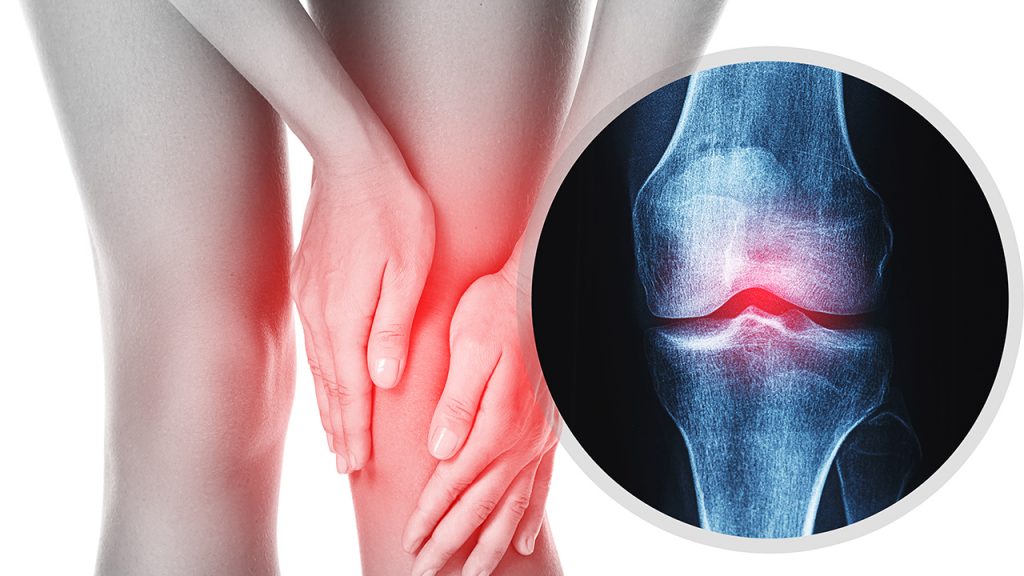
Menopause is one of the most critical risk factors for rapid skeletal degradation in women. As estrogen levels plunge, the delicate biological balance between bone breakdown and bone rebuilding is severely disrupted. Estrogen naturally keeps osteoclasts (the cells that dissolve bone) in check while supporting osteoblasts (the cells that build bone matrix). Without this hormonal shield, bone breakdown outpaces rebuilding, leading to a swift drop in bone mineral density. Over time, this shifts the skeleton into states of osteopenia, osteoporosis, and high fracture risks. However, early intervention through progressive strength training, targeted nutrition, and regular tracking can preserve skeletal integrity and mobility for life.

A few months ago, one of my patients in her 60s slipped while walking and suffered a serious hip fracture. When I asked her what she thought caused the injury, she automatically replied, “It’s just old age.” I then asked her a completely different question: “If you had fallen exactly the same way 30 years ago, do you think you would have broken your hip?” She paused for a moment and said, “Probably not.”

That brief conversation highlights a profound medical truth. While ageing naturally impacts the human skeleton, menopause represents a sharp, aggressive turning point in a woman’s bone structure. Millions of women do not realize their bones are losing their internal scaffolding until they experience a sudden, agonizing fracture. This silent progression is exactly why osteoporosis is universally referred to as “the silent disease.”

Why Menopause Accelerates Bone Loss

Your bones are not static, dead structures. Throughout your life, they undergo a continuous, highly dynamic process of living renewal called bone remodelling. In a healthy body, old or micro-damaged bone tissue is systematically removed and replaced with fresh, mineral-rich bone tissue.

Estrogen plays an absolutely vital role in maintaining this skeletal equilibrium. It essentially regulates the lifespan of your bone-remodeling cells, slowing down excessive bone breakdown. As estrogen levels sharply decline during menopause, bone breakdown begins to drastically outpace bone rebuilding. Over time, this structural imbalance leads to a severe reduction in bone mineral density (BMD).

When Does Bone Loss Begin?

Skeletal thinning does not start overnight. Clinical research suggests that bone loss actually begins silently during perimenopause—the transition years leading up to menopause—and accelerates at an alarming rate during the first five to seven years after the final menstrual period. During this particular window, women can lose up to 20% of their total bone mass. The exact rate of degradation varies, dictated by factors like genetics, lifestyle habits, metabolic health, and past physical activity.

Major Factors That Compound Your Osteoporosis Risk

While the menopausal transition is the primary driver of bone thinning, several secondary risk factors can push your skeletal health into dangerous territory:

  • Low Peak Bone Mass: Think of your skeleton as a retirement account. The stronger and denser you build your bones during early adulthood through proper loading and nutrition, the greater your reserve later in life. Women who entered their 30s with inadequate bone mass are much more vulnerable to osteoporosis later on.
  • Early Menopause: Women who experience menopause naturally or surgically before the age of 45 face a significantly higher risk due to a prolonged, premature deficiency of estrogen.
  • Certain Medications: The chronic, long-term use of oral corticosteroids (like prednisone), certain anti-seizure drugs, or specific cancer therapies can severely impair bone cell synthesis.
  • Lifestyle Aggressors: Chronic physical inactivity, poor sleep quality, smoking, and high alcohol intake heavily hinder the body’s natural cellular repair mechanisms.

The 4 Pillars of Bone Health During Menopause

To successfully defend your skeletal independence, you must transition your daily routine toward four science-backed pillars of prevention.

  1. Discuss Bone Density Screening With Your Doctor

Because osteoporosis develops completely behind the scenes without a single ache or pain, proactive clinical screening is your best line of defense. A DEXA (Dual-Energy X-ray Absorptiometry) scan is a quick, non-invasive imaging test that measures your exact bone mineral density and calculates your future fracture risk.

You should prioritize speaking with your healthcare provider about a diagnostic DEXA scan if you are postmenopausal, have a maternal family history of osteoporosis, experienced early menopause, or have previously broken a bone from a minor fall. Early detection allows your doctor to discuss preventative medical interventions, such as Hormone Replacement Therapy (HRT) or bone-building therapies, before an injury occurs.

  1. Prioritize Strength Training and Weight-Bearing Exercise

Exercise is a highly potent biological stimulus for bone preservation. When you engage in weight-bearing activities, the mechanical stress traveling through your muscles forces your bones to adapt by drawing in more minerals to thicken their walls.

Excellent everyday weight-bearing options include brisk walking, climbing stairs, hiking, and controlled dancing. However, to maximize protection, you must pair these with progressive strength training. Lifting weights or working with resistance bands pulls directly on the bone matrix, which preserves both bone density and lean muscle mass.

Aim for at least 30 minutes of weight-bearing activity most days of the week, coupled with two to three dedicated strength-training sessions weekly to secure long-term mobility and healthy ageing.

  1. Maximize Your Calcium and Vitamin D Synergy

Calcium is the structural building block of your skeleton, but it cannot do its job alone. Your body requires adequate levels of Vitamin D to actively absorb calcium from your gut and deposit it into your bones.

Clean Calcium Sources Active Vitamin D Sources
Milk, curd, and paneer Safe, midday sun exposure (primary source)
Calcium-rich grains like Ragi Fatty fish (salmon, mackerel, tuna)
Sesame seeds and almonds Whole egg yolks
Dark green leafy vegetables Quality, fortified foods

Most postmenopausal women require approximately 1,200 mg of calcium daily. If you suspect you are falling short, look into correcting a potential vitamin D deficiency first through food and sunlight, and consult your doctor to see if targeted supplementation is necessary.

  1. Optimize Protein Intake and Balance Training

Dietary protein is frequently left out of the bone health conversation, which is a major nutritional mistake. Over 50% of your bone volume is made of a protein matrix (mostly collagen). Ensuring an optimal protein intake during and after menopause is absolutely vital for maintaining the structural framework of your bones, preserving muscle strength, and accelerating tissue recovery.

Simultaneously, you must actively train your nervous system to prevent falls in the first place. Incorporating balance-focused movements into your weekly routine significantly improves your stability, spatial awareness, and confidence. Excellent options include:

  • Yoga and Tai Chi (which improve joint proprioception)
  • Unilateral strength movements (like single-leg stands or lunges)
  • Core stabilization exercises

Additional Lifestyle Adjustments to Protect Your Bones

  • Quit Smoking Immediately: Nicotine is a direct cellular toxin to osteoblasts (bone-building cells) and speeds up estrogen breakdown in the body.
  • Moderate Alcohol Intake: Excessive alcohol consumption disrupts calcium absorption in the gut and impairs the liver’s ability to activate Vitamin D.
  • Maintain a Stable, Healthy Weight: Being chronically underweight severely starves your bones of nutrients and deprives your skeleton of the healthy mechanical loading it needs to stay dense.

Menopause will naturally alter your hormonal profile, but severe bone thinning and fractures are not an inevitable cost of growing older. By taking command of the four foundational pillars—clinical screening, progressive strength training, mineral-protein synergy, and proactive balance work—you send a powerful signal to your body to keep your skeleton strong, resilient, and independent for decades to come.

Pro Tip: Building a bone-safe lifestyle requires consistency. Use the GOQii App to log your daily physical activity, track your calcium-heavy meals, and monitor your restorative sleep habits. You can share this comprehensive data with your GOQii Personalised Health Coach to design a customized, joint-safe strength and nutrition plan built exactly for your needs!

Frequently Asked Questions (FAQs)

  1. Is bone loss during menopause reversible?

While you cannot entirely reverse the natural, age-related structural changes of an aging skeleton, you can absolutely halt or dramatically slow down the progression of bone loss. Through a dedicated combination of resistance training, optimal nutritional synergy, and medical treatments (such as HRT or bone-density medications) when clinically indicated, you can noticeably improve your bone mineral density.

  1. How much calcium do women need after menopause?

Most postmenopausal women over the age of 50 require roughly 1,200 mg of calcium per day. It is highly recommended to meet this target through whole food sources like dairy, ragi, and leafy greens first, as dietary calcium is absorbed much more efficiently by the body than pill supplements.

  1. What is the single best exercise for preventing osteoporosis?

There isn’t just one; the gold standard is a combination of progressive resistance training (lifting weights) and high-impact or weight-bearing aerobic exercise (like brisk walking or stair climbing). Resistance training creates localized muscle pull that thickens the bone, while weight-bearing movement stimulates global skeletal remodeling.

  1. Why are hip fractures considered so serious in older adults?

Hip fractures almost always require major emergency surgery followed by prolonged periods of forced bed rest. This sudden immobility can cause rapid, severe muscle wasting, a drastic drop in cardiovascular fitness, and heavily increases the vulnerability to secondary, life-threatening complications like deep vein thrombosis (blood clots) or pneumonia.

#BeTheForce

Disclaimer: This article is intended for educational and informational purposes only. It is not intended to replace professional medical advice, diagnosis, or treatment. Always consult a qualified healthcare provider for personalised medical guidance or concerns related to your skeletal health.

May 27, 2026 By GOQii Leave a Comment

Why Movement Is the Closest Thing We Have to Anti-Ageing Medicine

Quick Answer

National Senior Health & Fitness Day highlights the importance of active ageing and preventive health for older adults. Research shows that regular movement, strength training, balance exercises, and cardiovascular activity can help seniors maintain muscle mass, improve mobility, reduce fall risk, support cognitive function, and increase overall healthspan. Healthy ageing today is no longer just about living longer it is about staying physically independent, mentally sharp, and socially active for as many years as possible.

When most people think about ageing, they think about wrinkles, grey hair, or slower metabolism.

But the real challenge of ageing is often much deeper:
losing strength, mobility, balance, energy, and eventually, independence.

For many older adults, simple everyday activities like climbing stairs, carrying groceries, getting out of a chair, or walking confidently without support gradually become more difficult over time.

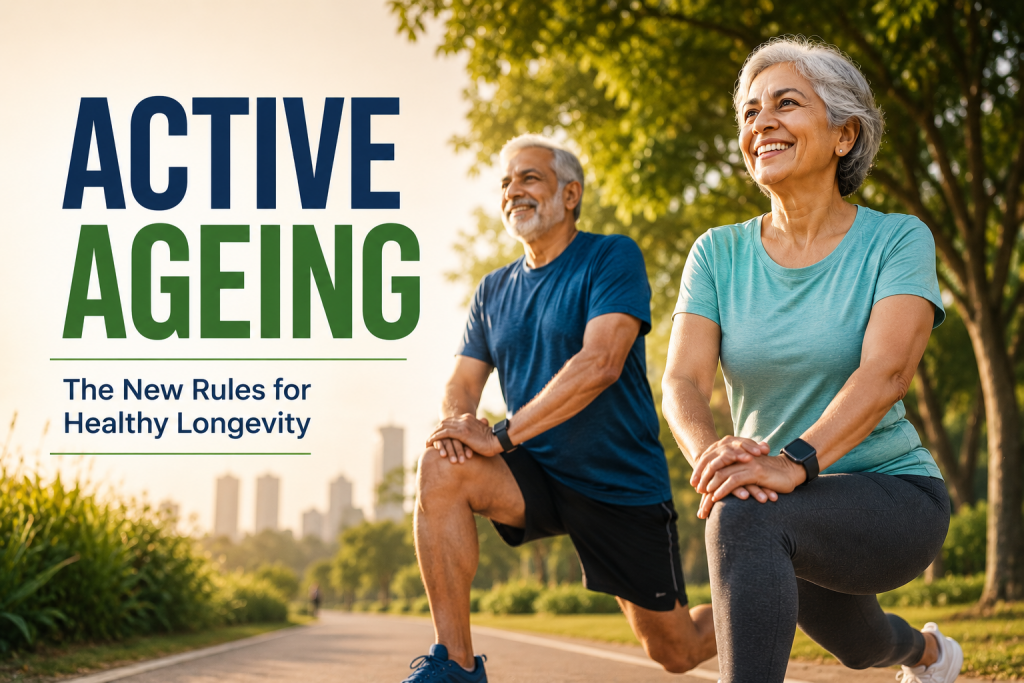
Observed on May 27, 2026, National Senior Health & Fitness Day is a reminder that ageing does not automatically mean physical decline. In fact, one of the biggest misconceptions about ageing is that older adults should “slow down” and avoid physical activity.

The opposite is often true.

Modern longevity science increasingly shows that movement is one of the most powerful tools we have to protect mobility, cognition, metabolic health, and long-term independence.

The Real Goal Is Not Lifespan. It Is Healthspan.

Living longer means very little if those additional years are spent struggling with chronic illness, frailty, fatigue, or caregiver dependence.

This is where the idea of healthspan becomes important.

Healthspan refers to the number of years a person remains physically active, mentally sharp, and free from major disability or chronic disease.

The GOQii India Fit Report 2026 revealed a concerning reality: while average life expectancy in India has increased to 70.4 years, Healthy Life Expectancy (HALE) remains only 59 years.

This means many individuals spend over a decade managing preventable chronic conditions that reduce quality of life and independence.

One of the most effective ways to close this gap is through consistent physical activity.

This is also why understanding the difference between lifespan and biological ageing has become increasingly important in preventive healthcare.

Why Movement Becomes More Important With Age

As we grow older, the body naturally experiences:

  • Muscle loss
  • Reduced bone density
  • Slower metabolism
  • Joint stiffness
  • Reduced balance
  • Lower cardiovascular fitness
  • Declining mobility

However, ageing itself is not always the primary problem.

In many cases, prolonged inactivity accelerates physical decline far more aggressively than ageing alone.

Sedentary lifestyles increase the risk of:

  • Sarcopenia (age-related muscle loss)
  • Falls and fractures
  • Insulin resistance
  • Cardiovascular disease
  • Cognitive decline
  • Loss of independence

The body adapts to the demands placed upon it. When movement decreases, strength, stability, and resilience gradually decline alongside it.

Reduced movement and poor lifestyle habits can also impair metabolic flexibility and insulin sensitivity over time.

Sedentary lifestyles also increase visceral fat accumulation, which is strongly linked to chronic inflammation and metabolic disease.

The 4 Pillars of Healthy Ageing Through Fitness

For older adults, fitness is not about aesthetics or extreme performance.

It is about preserving strength, confidence, mobility, cognition, and independence for as long as possible.

  1. Strength Training: Protecting Muscle and Independence

Starting around age 30, adults gradually begin losing muscle mass—a condition known as sarcopenia. This process accelerates significantly after the age of 60.

Loss of muscle is not just about appearance.
It directly affects:

  • balance,
  • mobility,
  • metabolism,
  • joint protection,
  • and the ability to perform daily activities independently.

The Action Step:

Strength training 2–3 times per week using:

  • resistance bands,
  • light dumbbells,
  • bodyweight exercises,
  • or supervised resistance training

can help maintain muscle mass and improve stability.

Protein intake also becomes increasingly important with age, as muscles require adequate amino acids to repair and maintain strength effectively.

  1. Balance & Stability: Preventing Falls Before They Happen

Falls remain one of the leading causes of injury and hospitalisation among older adults.

As we age, the coordination between:

  • muscles,
  • vision,
  • joints,
  • and the inner ear balance system

becomes less efficient.

This increases the risk of instability and falls.

The Action Step:

Simple balance exercises practiced consistently can dramatically improve stability and confidence.

Examples include:

  • standing on one leg,
  • heel-to-toe walking,
  • Tai Chi,
  • gentle yoga,
  • and chair-supported balance drills.

Preventing falls is not just about avoiding injury.
It is about protecting independence.

  1. Cardiovascular Fitness: Protecting the Heart and Brain

Aerobic movement strengthens the cardiovascular system, improves circulation, supports lung capacity, and enhances metabolic health.

Research also shows that regular physical activity may help support:

  • memory,
  • cognitive resilience,
  • brain blood flow,
  • and reduced dementia risk.

Movement is increasingly being recognised as a major protective factor against age-related cognitive decline.

The Action Step:

Aim for at least 150 minutes of moderate physical activity weekly through:

  • brisk walking,
  • swimming,
  • cycling,
  • dancing,
  • or low-impact aerobics.

Consistency matters more than intensity.

  1. Flexibility & Mobility: Maintaining Freedom of Movement

Joint stiffness and reduced mobility can make routine activities increasingly difficult over time.

Maintaining flexibility supports:

  • posture,
  • movement quality,
  • joint comfort,
  • and injury prevention.

The Action Step:

Spend 5–10 minutes daily on:

  • stretching,
  • mobility drills,
  • restorative yoga,
  • or guided flexibility exercises.

Focus especially on:

  • hips,
  • calves,
  • hamstrings,
  • shoulders,
  • and chest mobility.

Why Fitness Also Protects the Brain

One of the most overlooked benefits of physical activity in older adults is its effect on brain health.

Exercise improves:

  • blood circulation to the brain,
  • neuroplasticity,
  • sleep quality,
  • stress regulation,
  • and mitochondrial health.

This is why physically active older adults often experience:

  • better cognitive performance,
  • improved mood,
  • sharper memory,
  • and lower rates of depression and anxiety.

Physical activity also helps regulate stress hormones and supports emotional wellbeing in older adults.

Movement does not just help the body age better.
It helps the brain remain resilient too.

It Is Never Too Late to Start

One of the most dangerous myths about ageing is:
“If I haven’t exercised my whole life, there’s no point starting now.”

But research consistently shows that the human body remains remarkably adaptable even into the 70s, 80s, and beyond.

Muscles still respond to resistance training.
Balance can improve.
Cardiovascular fitness can improve.
Mobility can improve.

The goal is not perfection.
It is progress and consistency.

Even small increases in movement can significantly improve long-term quality of life.

The Bigger Picture: Fitness Is Independence Insurance

For younger adults, exercise is often linked to appearance or performance.

For older adults, fitness becomes something much more valuable:
the ability to continue living independently, confidently, and actively.

Movement supports:

  • physical resilience,
  • mental wellbeing,
  • metabolic health,
  • energy production,
  • bone strength,
  • and cognitive function.

Healthy ageing is deeply connected to mobility, recovery, sleep quality, metabolic health, and even gut health.

Healthy ageing is not about avoiding birthdays.
It is about preserving the ability to fully participate in life as the years pass.

Frequently Asked Questions (FAQs)

  1. Is exercise safe for seniors with arthritis?

Yes. Low-impact exercise can help reduce stiffness, improve joint mobility, and strengthen the muscles supporting the joints. However, individuals with severe arthritis should consult a healthcare provider before beginning a new routine.

  1. What is the best exercise for older adults?

A balanced routine combining strength training, walking, mobility exercises, and balance work is generally considered most effective for healthy ageing.

  1. Can seniors still build muscle after 60?

Absolutely. Muscle tissue remains responsive to resistance training well into older age, especially when combined with adequate protein intake and recovery.

  1. Why is balance training important for seniors?

Balance exercises help reduce fall risk, improve coordination, and maintain confidence during everyday movement and physical activity.

#BeTheForce

Disclaimer: This article is intended for educational purposes only. Older adults with cardiovascular disease, osteoporosis, severe arthritis, or other medical conditions should consult their healthcare provider before beginning a new exercise program.

May 26, 2026 By GOQii Leave a Comment

Why Mitochondrial Health Determines How Well You Age

Quick Answer

Mitochondria are microscopic structures inside your cells responsible for producing ATP—the body’s primary source of usable energy. As mitochondrial efficiency declines with age, the body produces less energy and more oxidative stress, increasing the risk of fatigue, metabolic dysfunction, cognitive decline, and chronic disease. Lifestyle habits like exercise, quality sleep, balanced nutrition, and metabolic health practices can help support healthier mitochondrial function and long-term longevity.

When people think about longevity and healthy ageing, they usually focus on the heart, brain, hormones, or metabolism. We track cholesterol levels, blood sugar, body fat percentage, and fitness scores.

But deep inside nearly every cell in your body sits a microscopic system that quietly determines how well you age, recover, think, move, and produce energy every single day.

These structures are called mitochondria your body’s cellular energy engines.

From muscle contractions and brain function to immunity and recovery, almost every biological process depends on the energy mitochondria generate. And as longevity science evolves, researchers are increasingly discovering that ageing is not just about the passage of time it is also about the gradual decline of the body’s ability to efficiently produce and use energy.

Persistent fatigue, brain fog, poor recovery, declining stamina, and reduced physical resilience are often some of the earliest signs that your cellular energy systems are under stress.

What Do Mitochondria Actually Do?

Mitochondria convert nutrients from the food you eat into ATP (Adenosine Triphosphate), the molecule your cells use as fuel to function.

But their role extends far beyond energy production.

Mitochondria also help regulate:

  • Cellular repair
  • Inflammation
  • Metabolic rate
  • Oxidative stress
  • Muscle performance
  • Immune signalling
  • Brain function

The human body contains trillions of mitochondria. Organs and tissues that require the highest amounts of energy—like the brain, heart, liver, and skeletal muscles contain the greatest mitochondrial density.

When mitochondria function efficiently, the body is better able to:

  • produce stable energy,
  • recover effectively,
  • maintain metabolic flexibility,
  • and support long-term cellular health.

Why Mitochondrial Health Declines With Age

As we age, mitochondrial efficiency naturally begins to decline. Clinical research suggests mitochondrial function may decrease by nearly 8% per decade after the age of 30.

When mitochondria become less efficient:

  • ATP production decreases,
  • oxidative stress increases,
  • and cells struggle to repair themselves effectively.

This creates a ripple effect throughout the body.

According to a landmark study published in Cell by Nunnari & Suomalainen (2012), mitochondrial dysfunction is strongly associated with:

  • Type 2 diabetes
  • Cardiovascular disease
  • Neurodegenerative disorders
  • Chronic inflammation
  • Accelerated biological ageing

One of the earliest signs of mitochondrial decline is persistent fatigue. The body simply cannot generate energy as efficiently as it once could.

Over time, this may also contribute to:

  • slower recovery,
  • reduced muscle performance,
  • impaired cognitive function,
  • and lower physical resilience.

Why Modern Lifestyles Are Exhausting Our Cells

Modern lifestyles place enormous stress on mitochondrial health.

Long hours of sitting, chronic stress, poor sleep, ultra-processed foods, excessive screen exposure, smoking, alcohol overconsumption, and low physical activity all increase oxidative stress inside the body.

At the same time, constant overfeeding and sedentary behaviour reduce the body’s demand for efficient energy production.

In simple terms:
your cells stop adapting because they are rarely challenged.

This is one reason why many people feel constantly tired despite consuming more calories than ever before.

The issue is not always a lack of food—it is often inefficient cellular energy production.

4 Ways to Support Mitochondrial Health Naturally

The encouraging news is that mitochondria are highly adaptable. Lifestyle habits can directly influence both the number of mitochondria you have and how efficiently they function.

  1. Exercise: The Most Powerful Mitochondrial Stimulus

Physical activity is one of the strongest triggers for mitochondrial biogenesis—the process through which the body creates new mitochondria.

When you exercise, your cells are forced to adapt to rising energy demands. In response, the body increases mitochondrial density and efficiency.

Research published by Hood et al. (2019) showed that regular exercise significantly improves mitochondrial function, endurance, and metabolic health.

The Action Step:

Combine:

  • aerobic exercise,
  • brisk walking,
  • cycling,
  • and strength training

to improve both cardiovascular fitness and muscular energy efficiency.

Even consistent daily movement can create meaningful long-term changes in cellular health.

  1. Prioritise Deep Sleep and Recovery

Sleep is when much of the body’s cellular repair and recovery takes place.

Poor sleep increases oxidative stress, disrupts hormonal regulation, impairs insulin sensitivity, and reduces mitochondrial efficiency over time.

Chronically sleeping less than 6 hours a night may significantly affect:

  • energy production,
  • recovery,
  • cognitive performance,
  • and inflammatory regulation.

The Action Step:

Support mitochondrial recovery by:

  • maintaining a consistent sleep schedule,
  • reducing screen exposure before bed,
  • avoiding heavy late-night meals,
  • and creating a cooler, darker sleep environment.
  1. Eat for Cellular Energy

Mitochondria depend on several nutrients to produce energy efficiently and protect cells from oxidative damage.

The Action Step:

Focus on nutrient-dense foods rich in:

  • B Vitamins → support energy metabolism
  • Magnesium → required for ATP production
  • Omega-3 fatty acids → help protect mitochondrial membranes
  • Coenzyme Q10 (CoQ10) → supports cellular energy transfer
  • Antioxidants → help neutralise oxidative stress

Foods like leafy greens, nuts, seeds, fatty fish, berries, legumes, and colourful vegetables provide many of these essential compounds naturally.

  1. Build Metabolic Flexibility

Healthy mitochondria are metabolically flexible they can efficiently switch between burning glucose and fat depending on energy demand.

Sedentary lifestyles, constant snacking, poor sleep, and insulin resistance reduce this adaptability over time.

The Action Step:

Regular movement, balanced eating patterns, strength training, and avoiding constant grazing can help improve metabolic flexibility and cellular energy efficiency.

Habits That Damage Mitochondrial Health

Certain lifestyle behaviours accelerate mitochondrial dysfunction significantly.

Some of the biggest contributors include:

  • Chronic sleep deprivation
  • Smoking
  • Sedentary lifestyles
  • Excess refined sugar intake
  • Ultra-processed foods
  • Chronic psychological stress
  • Excess alcohol consumption

Over time, these habits increase oxidative stress and inflammation, impairing the body’s ability to produce and utilise energy efficiently.

The Bigger Picture: Energy Is the Foundation of Longevity

Longevity is not simply about living longer. It is about preserving energy, mobility, cognition, resilience, and independence as the years pass.

When mitochondrial health declines, the body becomes less efficient at:

  • repairing damage,
  • managing inflammation,
  • adapting to stress,
  • and sustaining physical and mental performance.

Protecting your mitochondria through movement, recovery, balanced nutrition, sleep, and metabolic health habits may be one of the most powerful long-term investments you can make in your healthspan.

Because ageing is not just about getting older.
It is also about how efficiently your cells continue producing energy over time.

Pro Tip: Use the GOQii App to track activity levels, sleep quality, movement patterns, and nutrition habits. Your GOQii Personalised Health Coach can help you build sustainable routines that naturally support mitochondrial health, energy production, and long-term vitality.

Frequently Asked Questions (FAQs)

1. Can you restore damaged mitochondria?
Yes. While you cannot completely stop the biological aging process, lifestyle interventions like regular cardiovascular exercise, intermittent fasting, and proper sleep can clear out damaged mitochondria (a process called mitophagy) and stimulate the creation of new, healthy ones.

2. What foods are bad for mitochondrial health?
Ultra-processed foods, foods containing trans fats, and excess refined sugars are highly damaging. They create an energy overload that mitochondria struggle to process, leading to high oxidative stress and cellular inflammation.

3. Is fatigue a sign of poor mitochondrial health?
Yes. Because mitochondria are responsible for producing ATP (cellular energy), chronic fatigue, brain fog, and extended muscle soreness after light activity are often primary indicators that your cells are not producing energy efficiently.

#BeTheForce

Disclaimer: This article is intended for educational purposes only. If you suffer from chronic fatigue syndrome or metabolic disorders, please consult your primary healthcare provider before adopting new exercise or dietary regimens.

  • « Previous Page
  • 1
  • …
  • 3
  • 4
  • 5
  • 6
  • 7
  • …
  • 72
  • Next Page »

Search

Recent Posts

  • Foods to Manage Blood Sugar Naturally: A Complete Guide to Better Blood Sugar Control
  • The Lazy Person’s Guide to Staying Healthy: 5 Micro-Habits That Take Less Than 2 Minutes
  • Healthy Eating: Comforting Chilli Bean Soup Recipe for the Monsoon
  • The Truth About the ‘Beer Belly’: What Alcohol Really Does to Your Metabolism
  • Benefits of Meditation: How One Daily Habit Can Transform Your Mental Wellbeing

Stay Updated

Archives

  • August 2026 (7)
  • July 2026 (25)
  • June 2026 (22)
  • May 2026 (20)
  • April 2026 (24)
  • March 2026 (18)
  • February 2026 (14)
  • January 2026 (14)
  • December 2025 (19)
  • November 2025 (15)
  • October 2025 (20)
  • September 2025 (6)
  • August 2025 (6)
  • July 2025 (9)
  • June 2025 (18)
  • May 2025 (16)
  • April 2025 (22)
  • March 2025 (26)
  • February 2025 (21)
  • January 2025 (25)
  • December 2024 (22)
  • November 2024 (22)
  • October 2024 (20)
  • September 2024 (22)
  • August 2024 (28)
  • July 2024 (15)
  • June 2024 (23)
  • May 2024 (26)
  • April 2024 (27)
  • March 2024 (27)
  • February 2024 (23)
  • January 2024 (21)
  • December 2023 (14)
  • November 2023 (10)
  • October 2023 (19)
  • September 2023 (21)
  • August 2023 (16)
  • July 2023 (16)
  • June 2023 (21)
  • May 2023 (20)
  • April 2023 (19)
  • March 2023 (23)
  • February 2023 (19)
  • January 2023 (15)
  • December 2022 (11)
  • November 2022 (15)
  • October 2022 (15)
  • September 2022 (12)
  • August 2022 (9)
  • July 2022 (17)
  • June 2022 (11)
  • May 2022 (10)
  • April 2022 (6)
  • March 2022 (6)
  • February 2022 (13)
  • January 2022 (11)
  • December 2021 (7)
  • November 2021 (3)
  • October 2021 (6)
  • September 2021 (3)
  • August 2021 (8)
  • July 2021 (7)
  • June 2021 (15)
  • May 2021 (16)
  • April 2021 (10)
  • March 2021 (7)
  • February 2021 (4)
  • January 2021 (4)
  • December 2020 (3)
  • November 2020 (4)
  • October 2020 (10)
  • September 2020 (3)
  • August 2020 (3)
  • July 2020 (2)
  • June 2020 (4)
  • May 2020 (10)
  • April 2020 (12)
  • March 2020 (10)
  • February 2020 (4)
  • January 2020 (4)
  • December 2019 (3)
  • November 2019 (7)
  • October 2019 (5)
  • September 2019 (4)
  • August 2019 (9)
  • July 2019 (9)
  • June 2019 (11)
  • May 2019 (4)
  • April 2019 (8)
  • March 2019 (8)
  • February 2019 (9)
  • January 2019 (8)
  • December 2018 (9)
  • November 2018 (3)
  • October 2018 (3)
  • September 2018 (5)
  • August 2018 (10)
  • July 2018 (6)
  • June 2018 (13)
  • May 2018 (8)
  • April 2018 (18)
  • March 2018 (9)
  • February 2018 (8)
  • January 2018 (15)
  • December 2017 (12)
  • November 2017 (19)
  • October 2017 (13)
  • September 2017 (15)
  • August 2017 (4)
  • July 2017 (8)
  • June 2017 (7)
  • May 2017 (6)
  • April 2017 (8)
  • March 2017 (6)
  • February 2017 (7)
  • January 2017 (9)
  • December 2016 (10)
  • November 2016 (7)
  • October 2016 (7)
  • September 2016 (7)
  • August 2016 (11)
  • July 2016 (9)
  • June 2016 (9)
  • May 2016 (12)
  • April 2016 (17)
  • March 2016 (17)
  • February 2016 (8)
  • January 2016 (6)
  • December 2015 (2)
  • November 2015 (9)
  • October 2015 (7)
  • September 2015 (9)
  • August 2015 (11)
  • July 2015 (9)
  • June 2015 (11)
  • May 2015 (9)
  • April 2015 (13)
  • March 2015 (8)
  • February 2015 (5)
  • January 2015 (12)
  • December 2014 (14)
  • November 2014 (11)
  • October 2014 (6)
  • September 2014 (13)
  • August 2014 (12)
  • July 2014 (6)
  • June 2014 (2)
  • May 2014 (7)
  • April 2014 (4)

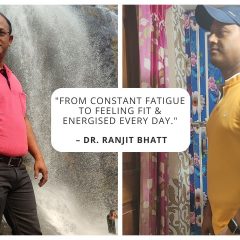
From Burnout to Balance: How Dr. Ranjit Reclaimed His Health

Dr Ranjit Bhatt has spent years tending to others. A practising doctor in Odisha, his days were packed with patients, surgeries, and emergencies. From the outside, it looked like a life lived in service. But on the inside, something wasn’t right. “I had no … [Read More...]

From Shimla’s Slopes to Chandigarh’s Sidewalks: Surinder Kaur Bhalla’s Journey from Chaos to Control

Some journeys start with a plan. Others begin with a stumble literally. Surinder Bhalla, a government professional, born and raised in the scenic hill town of Shimla, had always lived a life of movement. “In Shimla, you walked everywhere,” she reflects. “Walking was never an exercise. It was just life.” But after shifting to Chandigarh, […]

“I’ve Challenged Myself to Live 100 Years” – The Story of Chandubhai Savani’s Second Chance at Life

At 67, most people start slowing down. Not Chandubhai Savani. A resident of Surat, Chandubhai, thought life was on track. “My life was going well till I had my bypass surgery,” he says. That surgery, back in 2021, was a wake-up call.  Medication was routine, but exercise wasn’t. His diet? What he calls ‘normal.’ “I […]

Ananda Mukherjee Health Story

From Terminal Illness To Complete Wellness! Ananda Mukherjee Health Story

As we observe World Cancer Day under the powerful theme ‘United by Unique’ (2025-2027)**, we are reminded that every individual’s journey with cancer is distinct, yet united by shared resilience, hope, and the collective fight against this disease. This theme places people at the centre of care and their stories at the heart of the […]

  • HOME
  • HEALTHY LIVING
  • FITNESS
  • HEALTHY RECIPES
  • USER STORIES
  • KARMA
  • BUY GOQii

Copyright ©2016 GOQii