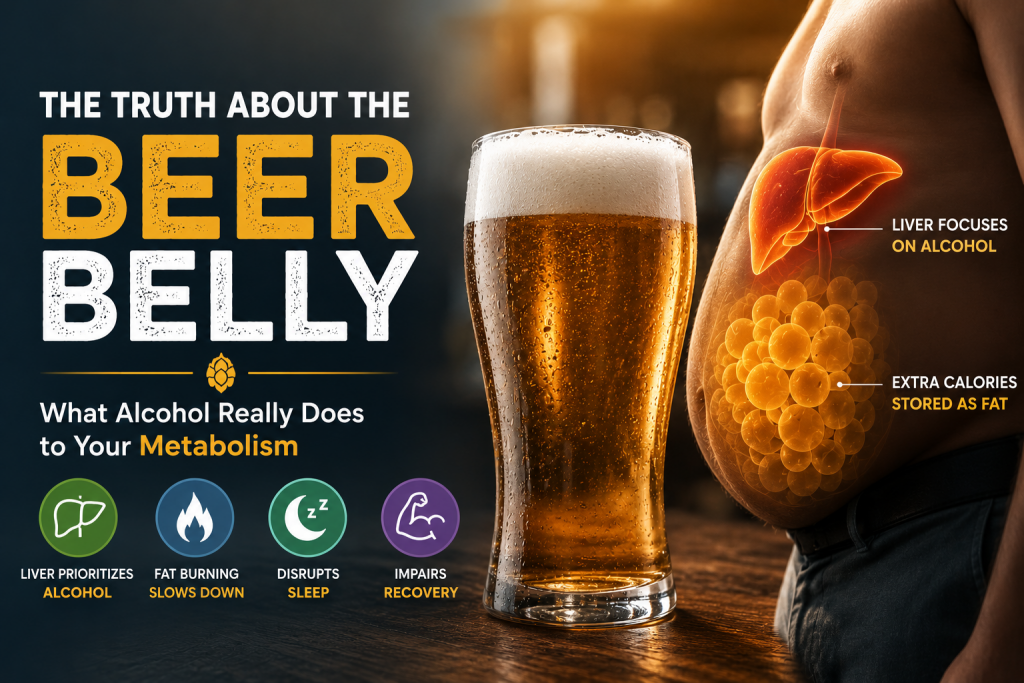
 The Big Question – Can understanding how alcohol affects your metabolism help you make healthier choices?
International Beer Day provides an opportunity to look beyond the social aspect of drinking and better understand what alcohol actually does inside the body. Whether you enjoy an occasional drink or choose not to drink at all, knowing how alcohol influences your metabolism, recovery and overall health can help you make informed lifestyle decisions.
At GOQii, we believe preventive healthcare starts with awareness. Sustainable health isn’t built on extreme restrictions it’s built on understanding your body, making informed choices and staying consistent with healthy habits.
Let’s separate myth from fact and uncover the science behind alcohol, metabolism and the so-called “beer belly.”
Quick Answer – Does drinking beer really cause a beer belly?
A “beer belly” isn’t caused by beer alone. Weight gain occurs when calorie intake consistently exceeds calorie expenditure. Alcohol contributes because it is calorie-dense, temporarily reduces fat oxidation while your body prioritises metabolising alcohol, and often leads to overeating. Over time, these factors can contribute to increased abdominal fat, particularly when combined with poor diet, inactivity and inadequate sleep.
Why Alcohol Changes Your Metabolism
Your body normally uses carbohydrates, fats and proteins as sources of energy.
Alcohol changes that priority.
Unlike carbohydrates or fat, alcohol cannot be stored for later use. Because it is recognised as a substance that needs to be broken down and eliminated, your liver immediately prioritises metabolising alcohol.
During this period, fat oxidation is significantly reduced, meaning your body becomes temporarily less efficient at using fat as fuel.
If you’ve also consumed calorie-rich foods especially fried or processed snacks commonly eaten while drinking those excess calories are more likely to contribute to weight gain over time.
The Hidden Calories in Alcohol
Alcohol contains 7 calories per gram, making it almost as calorie-dense as fat.
Unlike nutrient-rich foods, alcoholic beverages contribute calories with very little nutritional value.
Approximate Calories Per Drink
| Beverage | Approximate Calories |
| Light Beer (330 ml) | 100–120 |
| Regular Beer (330 ml) | 150–220 |
| Glass of Wine (150 ml) | 120–130 |
| Whisky (30 ml) | ~70 |
| Sugary Cocktail | 250–500+ |
Three regular beers can easily provide the calories of a full meal without supplying the nutrients your body needs.
Why Drinking Often Leads to Overeating
Alcohol affects more than just calorie intake.
It can also reduce inhibitions and temporarily interfere with your body’s normal appetite regulation, making it easier to overeat.
This is one reason why drinking is often followed by cravings for:
- Pizza
- Burgers
- Fried foods
- Sugary desserts
- Late-night takeaways
The combination of alcohol and calorie-dense foods often contributes more to weight gain than alcohol alone.
Alcohol, Exercise and Recovery
Regular exercise supports muscle growth and metabolic health – but alcohol can interfere with recovery.
Muscle Repair
Alcohol may reduce muscle protein synthesis, the process responsible for repairing and rebuilding muscle tissue after exercise.
Glycogen Replenishment
It can also slow the replenishment of muscle glycogen, which is essential for restoring energy after training.
Hydration
Because alcohol has a diuretic effect, it increases fluid loss and can contribute to dehydration, especially if adequate water intake is neglected.
Alcohol and Sleep
Although alcohol may make you feel sleepy initially, it often reduces overall sleep quality.
Research shows alcohol can:
- Reduce REM sleep
- Fragment sleep during the second half of the night
- Affect recovery
- Reduce concentration the next day
- Increase fatigue
Quality sleep is one of the foundations of good metabolic health, and regular alcohol consumption can compromise that recovery process.
Can You Drink Alcohol and Still Lose Weight?
Weight loss depends on maintaining a sustainable calorie deficit while supporting your body with healthy lifestyle habits.
Occasional alcohol consumption doesn’t automatically prevent weight loss, but frequent or excessive drinking can make it more difficult by increasing calorie intake, disrupting sleep, affecting recovery and encouraging overeating.
Consistency in your daily habits matters far more than occasional indulgences.
If Alcohol Is Part of Your Lifestyle
From a health perspective, limiting alcohol consumption is the safest choice.
However, if you choose to drink occasionally, these strategies may help reduce some of the short-term health impacts.
Stay Hydrated
Drink a glass of water alongside every alcoholic beverage.
Eat Before Drinking
A balanced meal containing protein, fibre and healthy fats may help slow alcohol absorption and reduce overeating later.
Choose Lower-Calorie Options
If drinking, choose beverages with less added sugar and be mindful of portion sizes.
Plan Ahead
Avoid making food decisions late at night when judgement may be impaired.
Beyond the Beer Belly
Weight gain is only one aspect of alcohol’s impact on health.
Regular excessive alcohol consumption has been linked to an increased risk of:
- Liver disease
- High blood pressure
- Cardiovascular disease
- Certain cancers
- Mental health disorders
- Poor sleep quality
Understanding these risks allows you to make more informed decisions about your long-term wellbeing.
The Bottom Line
Good health isn’t determined by one meal, one workout or one social occasion.
It’s built through consistent choices over time.
Whether you drink alcohol or not, understanding its effects on metabolism, recovery and overall health empowers you to make decisions that support your long-term wellness goals.
At GOQii, our focus isn’t on restriction it’s on helping you make informed lifestyle choices that improve your health, one habit at a time.
Pro Tip: Your overall lifestyle matters far more than a single social occasion. Track your hydration, sleep, activity levels and nutrition using the GOQii App. A GOQii Personalised Health Coach can help you build sustainable habits that support your health goals while fitting into your everyday life.
Frequently Asked Questions (FAQs)
- Is light beer healthier than regular beer?
Light beer generally contains fewer calories and a lower alcohol content than regular beer. However, moderation remains important, as alcohol still affects metabolism and recovery.
- Does alcohol stop fat burning?
Alcohol temporarily reduces fat oxidation because your liver prioritises metabolising alcohol first. Once the alcohol has been processed, normal metabolism gradually resumes.
- Can I exercise after drinking alcohol?
Avoid high-intensity exercise if you’re dehydrated or recovering from alcohol consumption. Focus on hydration and allow your body adequate time to recover before returning to strenuous workouts.
- Is non-alcoholic beer a healthier alternative?
Non-alcoholic beer generally contains significantly less alcohol and often fewer calories than regular beer, although nutritional content varies between products.
- Is there a completely safe amount of alcohol?
Current evidence suggests that no level of alcohol consumption is entirely risk-free. If you choose to drink, doing so infrequently and in moderation is associated with lower health risks than regular or excessive drinking.
#BeTheForce
Disclaimer: This article is intended for educational and informational purposes only. GOQii does not promote or encourage alcohol consumption. If you choose to drink alcohol, do so responsibly, in moderation and only if you are of legal drinking age in your country. Never drink and drive. Excessive alcohol consumption is associated with serious health conditions, including liver disease, cardiovascular disease, certain cancers and mental health disorders. If you have concerns about your alcohol consumption, seek guidance from a qualified healthcare professional.




Leave a Reply