 Quick Answer
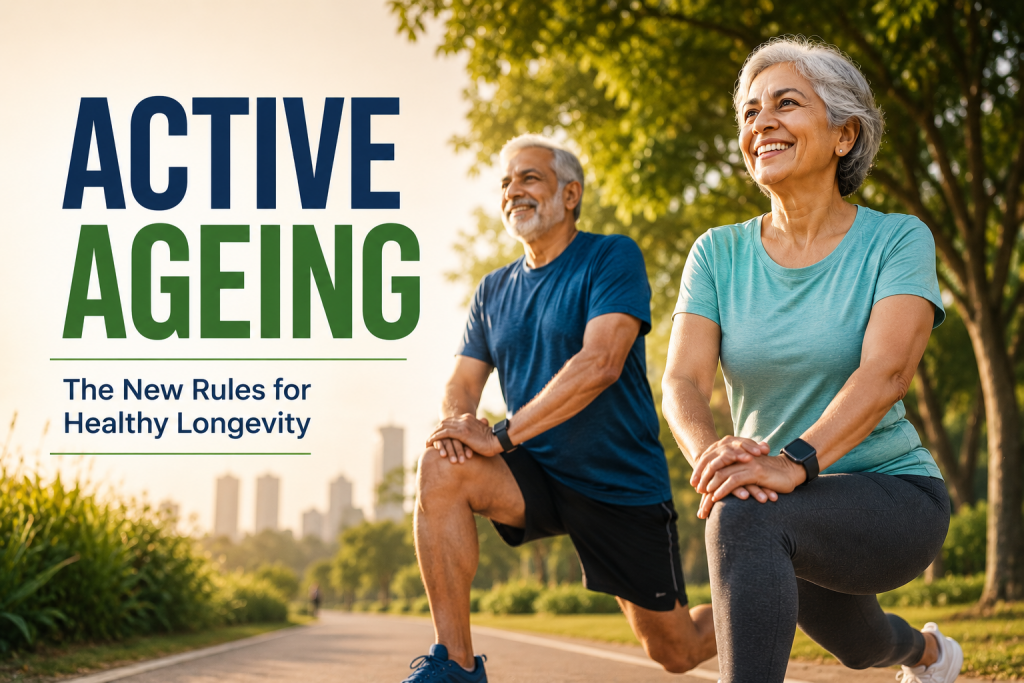
National Senior Health & Fitness Day highlights the importance of active ageing and preventive health for older adults. Research shows that regular movement, strength training, balance exercises, and cardiovascular activity can help seniors maintain muscle mass, improve mobility, reduce fall risk, support cognitive function, and increase overall healthspan. Healthy ageing today is no longer just about living longer it is about staying physically independent, mentally sharp, and socially active for as many years as possible.
When most people think about ageing, they think about wrinkles, grey hair, or slower metabolism.
But the real challenge of ageing is often much deeper:
losing strength, mobility, balance, energy, and eventually, independence.
For many older adults, simple everyday activities like climbing stairs, carrying groceries, getting out of a chair, or walking confidently without support gradually become more difficult over time.
Observed on May 27, 2026, National Senior Health & Fitness Day is a reminder that ageing does not automatically mean physical decline. In fact, one of the biggest misconceptions about ageing is that older adults should “slow down” and avoid physical activity.
The opposite is often true.
Modern longevity science increasingly shows that movement is one of the most powerful tools we have to protect mobility, cognition, metabolic health, and long-term independence.
The Real Goal Is Not Lifespan. It Is Healthspan.
Living longer means very little if those additional years are spent struggling with chronic illness, frailty, fatigue, or caregiver dependence.
This is where the idea of healthspan becomes important.
Healthspan refers to the number of years a person remains physically active, mentally sharp, and free from major disability or chronic disease.
The GOQii India Fit Report 2026 revealed a concerning reality: while average life expectancy in India has increased to 70.4 years, Healthy Life Expectancy (HALE) remains only 59 years.
This means many individuals spend over a decade managing preventable chronic conditions that reduce quality of life and independence.
One of the most effective ways to close this gap is through consistent physical activity.
This is also why understanding the difference between lifespan and biological ageing has become increasingly important in preventive healthcare.
Why Movement Becomes More Important With Age
As we grow older, the body naturally experiences:
- Muscle loss
- Reduced bone density
- Slower metabolism
- Joint stiffness
- Reduced balance
- Lower cardiovascular fitness
- Declining mobility
However, ageing itself is not always the primary problem.
In many cases, prolonged inactivity accelerates physical decline far more aggressively than ageing alone.
Sedentary lifestyles increase the risk of:
- Sarcopenia (age-related muscle loss)
- Falls and fractures
- Insulin resistance
- Cardiovascular disease
- Cognitive decline
- Loss of independence
The body adapts to the demands placed upon it. When movement decreases, strength, stability, and resilience gradually decline alongside it.
Reduced movement and poor lifestyle habits can also impair metabolic flexibility and insulin sensitivity over time.
Sedentary lifestyles also increase visceral fat accumulation, which is strongly linked to chronic inflammation and metabolic disease.
The 4 Pillars of Healthy Ageing Through Fitness
For older adults, fitness is not about aesthetics or extreme performance.
It is about preserving strength, confidence, mobility, cognition, and independence for as long as possible.
-
Strength Training: Protecting Muscle and Independence
Starting around age 30, adults gradually begin losing muscle mass—a condition known as sarcopenia. This process accelerates significantly after the age of 60.
Loss of muscle is not just about appearance.
It directly affects:
- balance,
- mobility,
- metabolism,
- joint protection,
- and the ability to perform daily activities independently.
The Action Step:
Strength training 2–3 times per week using:
- resistance bands,
- light dumbbells,
- bodyweight exercises,
- or supervised resistance training
can help maintain muscle mass and improve stability.
Protein intake also becomes increasingly important with age, as muscles require adequate amino acids to repair and maintain strength effectively.
-
Balance & Stability: Preventing Falls Before They Happen
Falls remain one of the leading causes of injury and hospitalisation among older adults.
As we age, the coordination between:
- muscles,
- vision,
- joints,
- and the inner ear balance system
becomes less efficient.
This increases the risk of instability and falls.
The Action Step:
Simple balance exercises practiced consistently can dramatically improve stability and confidence.
Examples include:
- standing on one leg,
- heel-to-toe walking,
- Tai Chi,
- gentle yoga,
- and chair-supported balance drills.
Preventing falls is not just about avoiding injury.
It is about protecting independence.
-
Cardiovascular Fitness: Protecting the Heart and Brain
Aerobic movement strengthens the cardiovascular system, improves circulation, supports lung capacity, and enhances metabolic health.
Research also shows that regular physical activity may help support:
- memory,
- cognitive resilience,
- brain blood flow,
- and reduced dementia risk.
Movement is increasingly being recognised as a major protective factor against age-related cognitive decline.
The Action Step:
Aim for at least 150 minutes of moderate physical activity weekly through:
- brisk walking,
- swimming,
- cycling,
- dancing,
- or low-impact aerobics.
Consistency matters more than intensity.
-
Flexibility & Mobility: Maintaining Freedom of Movement
Joint stiffness and reduced mobility can make routine activities increasingly difficult over time.
Maintaining flexibility supports:
- posture,
- movement quality,
- joint comfort,
- and injury prevention.
The Action Step:
Spend 5–10 minutes daily on:
- stretching,
- mobility drills,
- restorative yoga,
- or guided flexibility exercises.
Focus especially on:
- hips,
- calves,
- hamstrings,
- shoulders,
- and chest mobility.
Why Fitness Also Protects the Brain
One of the most overlooked benefits of physical activity in older adults is its effect on brain health.
Exercise improves:
- blood circulation to the brain,
- neuroplasticity,
- sleep quality,
- stress regulation,
- and mitochondrial health.
This is why physically active older adults often experience:
- better cognitive performance,
- improved mood,
- sharper memory,
- and lower rates of depression and anxiety.
Physical activity also helps regulate stress hormones and supports emotional wellbeing in older adults.
Movement does not just help the body age better.
It helps the brain remain resilient too.
It Is Never Too Late to Start
One of the most dangerous myths about ageing is:
“If I haven’t exercised my whole life, there’s no point starting now.”
But research consistently shows that the human body remains remarkably adaptable even into the 70s, 80s, and beyond.
Muscles still respond to resistance training.
Balance can improve.
Cardiovascular fitness can improve.
Mobility can improve.
The goal is not perfection.
It is progress and consistency.
Even small increases in movement can significantly improve long-term quality of life.
The Bigger Picture: Fitness Is Independence Insurance
For younger adults, exercise is often linked to appearance or performance.
For older adults, fitness becomes something much more valuable:
the ability to continue living independently, confidently, and actively.
Movement supports:
- physical resilience,
- mental wellbeing,
- metabolic health,
- energy production,
- bone strength,
- and cognitive function.
Healthy ageing is deeply connected to mobility, recovery, sleep quality, metabolic health, and even gut health.
Healthy ageing is not about avoiding birthdays.
It is about preserving the ability to fully participate in life as the years pass.
Frequently Asked Questions (FAQs)
- Is exercise safe for seniors with arthritis?
Yes. Low-impact exercise can help reduce stiffness, improve joint mobility, and strengthen the muscles supporting the joints. However, individuals with severe arthritis should consult a healthcare provider before beginning a new routine.
- What is the best exercise for older adults?
A balanced routine combining strength training, walking, mobility exercises, and balance work is generally considered most effective for healthy ageing.
- Can seniors still build muscle after 60?
Absolutely. Muscle tissue remains responsive to resistance training well into older age, especially when combined with adequate protein intake and recovery.
- Why is balance training important for seniors?
Balance exercises help reduce fall risk, improve coordination, and maintain confidence during everyday movement and physical activity.
#BeTheForce
Disclaimer: This article is intended for educational purposes only. Older adults with cardiovascular disease, osteoporosis, severe arthritis, or other medical conditions should consult their healthcare provider before beginning a new exercise program.




Leave a Reply