GOQii

Blog

  • HOME
  • HEALTHY LIVING
  • FITNESS
  • HEALTHY RECIPES
  • USER STORIES
  • KARMA
  • BUY GOQii

October 17, 2026 By GOQii Leave a Comment

Meal Prepping for Work: Healthy Lunch Ideas That Keep You Energised

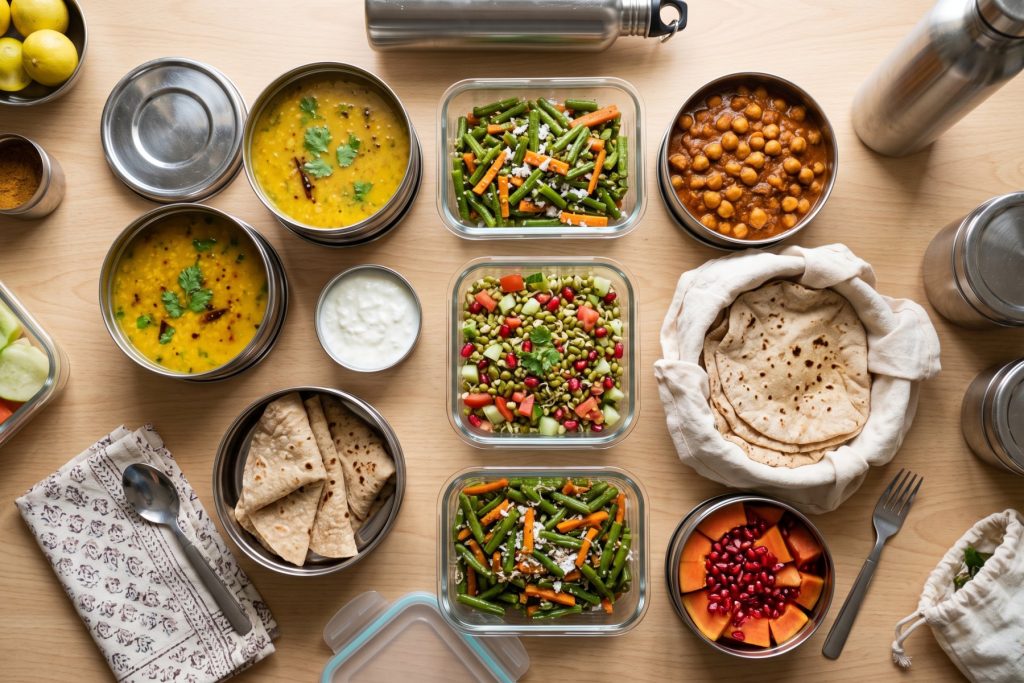
A packed lunch built around vegetables, protein and whole grains is one of the easiest ways to eat well on a workday. With an hour or so of prep at the weekend, you can have healthy lunches ready for most of the week.

For many people, workday lunch is whatever is quickest: a canteen thali heavy on rice and fried sides, a delivery order, or biscuits and chai at the desk. Then comes the 3 pm slump. Some of that afternoon dip is down to your body clock, but what and how much you eat at lunch can make it better or worse.

This guide covers what a balanced lunchbox looks like, how to prep a week of lunches without spending your whole Sunday in the kitchen, practical Indian lunch ideas, and how to keep packed food safe.

Meal prep at a glance

  • Fill half your box with vegetables. Then add a quarter protein (dal, paneer, eggs, chicken) and a quarter whole grains or millets.
  • A heavy, carb-led lunch can deepen the afternoon slump. Balance and portion size matter more than any single “superfood”.
  • Prep components, not complete meals. Cook a grain, a dal or protein, and chop vegetables once; mix and match through the week.
  • Keep it safe. Cool food quickly, refrigerate it, and eat cooked rice within a day and most other dishes within 2–3 days.
  • Lunch is only part of it. Drinking water and taking a short walk after eating also help you stay alert.

Why lunch affects your afternoon energy

The afternoon slump is real, but food is only part of the story. Research on the “post-lunch dip” shows it happens even when people skip lunch. It is partly built into the body clock and is worse when you have slept badly. The same review notes that a high-carbohydrate lunch can make it worse.

That gives you a few things you can actually control:

  • A meal that is mostly white rice, roti or bread, with little vegetable or protein, is digested quickly. Adding vegetables, dal, curd or another protein slows things down and keeps you fuller for longer.
  • Portion size. A very large lunch is more likely to leave you sluggish than a moderate one. Packing your own box makes portions easier to judge than a buffet or a large delivery order.
  • Vegetables, pulses and whole grains or millets add fibre, which helps you stay satisfied until evening, so you’re less likely to reach for biscuits or namkeen at 4 pm.
  • Sleep and water. A packed lunch can’t make up for a short night, and poor sleep affects appetite and food choices Being slightly dehydrated can also leave you feeling tired.

The balanced lunchbox formula

The ICMR–National Institute of Nutrition’s “My Plate for the Day” recommends that vegetables and fruits make up about half of what you eat, with cereals or millets, pulses or other protein, and some curd or milk, nuts and oil making up the rest. It also suggests eating from a range of food groups each day. Translated into a lunchbox, that looks like this:

Part of your box How much Indian examples
Vegetables About half Sabzi, salad, kosambari, stir-fried greens, vegetable raita
Protein About a quarter Dal, chana, rajma, sprouts, paneer, tofu, eggs, chicken, fish
Whole grains or millets About a quarter 1–2 whole wheat, jowar or bajra rotis; brown, red or hand-pounded rice; millet pulao
Extras A little Curd or buttermilk, a few nuts or seeds, a piece of fruit

Easy upgrades

  • Swap some of the grain for vegetables. If you usually pack three rotis, try two rotis and an extra serving of sabzi.
  • Add protein you can see. Many vegetarian lunches are low in protein. A bowl of dal, a handful of chana or a cube of paneer makes a real difference.
  • Pack curd or buttermilk. Both add protein and are easy to carry in a small steel box.
  • Go easy on oil and salt. Pickles, papad and fried sides add up quickly. The NIN suggests limiting added sugar to about 25–30 g a day.

How to meal prep in 60–90 minutes a week

Meal prep doesn’t mean eating the same dull box five days running. The trick is to prepare components you can combine in different ways, and to leave anything that spoils quickly for a short top-up mid-week.

1. Plan (10 minutes)

Pick two or three lunches for the week. Choose dishes that share ingredients, so one batch of chopped onions, tomatoes and greens covers several meals.

2. Batch-cook the base (45–60 minutes)

  • One protein: a pot of dal, chole or rajma, or grilled chicken or paneer.
  • Two vegetables: one dry sabzi (beans, cabbage or bhindi) and one gravy or roasted tray of mixed vegetables.
  • Raw prep: wash and chop salad vegetables, soak and sprout moong, boil eggs.
  • Grains: make roti or millet dough to keep in the fridge, and cook rice fresh on the day or the night before rather than for the whole week (see food safety below).

3. Store smart (10 minutes)

  • Portion straight away into individual boxes, so mornings are grab-and-go.
  • Keep wet and dry apart. Store dressings, chutney and raita separately so salads and rotis don’t go soggy.
  • Freeze what you won’t eat by Wednesday. Dal, chole, rajma and most cooked sabzis freeze well. Move a box to the fridge the night before.

4. Mid-week top-up (15–20 minutes)

On Wednesday evening, cook a fresh vegetable or protein and make fresh rice if you need it. This keeps Thursday and Friday lunches safe and tasting fresh.

Kit that helps

Steel or glass containers with tight lids, a compartment tiffin, a small leak-proof pot for curd or dressing, and an insulated lunch bag with an ice pack if you have no fridge at work.

10 healthy lunch ideas for work

Each of these follows the balanced lunchbox formula. Swap the protein to suit how you eat.

Lunch What’s in it Prep ahead Good for
Rajma or chole bowl Rajma or chole, a small portion of brown rice or 1–2 rotis, onion–cucumber salad Cook the rajma or chole at the weekend; it freezes well Vegetarian, high fibre
Dal, sabzi and millet roti Any dal, a dry sabzi, 2 jowar or bajra rotis, curd Dal and sabzi on Sunday; make rotis fresh or the night before Vegetarian, classic tiffin
Sprouts chaat box Moong sprouts, tomato, onion, cucumber, roasted peanuts, lemon, chaat masala Sprout moong over 2 days; pack the lemon separately Vegetarian, no reheating
Paneer or tofu tikka wrap Grilled paneer or tofu, peppers and onions, mint chutney in a whole wheat roti Marinate and grill in a batch; assemble in the morning Vegetarian, eat cold or warm
Vegetable millet pulao Foxtail or little millet cooked with mixed vegetables and peas, with raita Cook the night before; keep the raita separate Vegetarian, one-box meal
Besan chilla rolls Besan chillas filled with grated vegetables or paneer, green chutney Make the batter the night before; cook in the morning Vegetarian, high protein
Egg bhurji and veg roti Egg bhurji with onion, tomato and spinach, 2 whole wheat rotis, salad Boil or scramble eggs fresh; chop vegetables ahead Eggetarian
Chicken and vegetable stir-fry Chicken strips with beans, carrot, capsicum and cabbage, with a small portion of rice Cook the chicken in a batch; stir-fry vegetables fresh Non-vegetarian
Fish curry box Light fish curry, rice, a dry vegetable such as beans thoran Cook the curry once; eat within 2 days Non-vegetarian, omega-3
Curd rice with a twist Curd rice with grated carrot, cucumber and pomegranate, with a side of kosambari or chana Cook rice fresh the night before; mix with curd in the morning Vegetarian, cooling for hot days

Tips for variety

  • Change the cuisine, keep the formula. A rajma bowl, a paneer wrap and a millet pulao feel very different but share the same balance.
  • Rotate your grains. Alternate wheat roti with jowar, bajra, ragi, brown rice or millets across the week.
  • Keep a no-cook backup. Sprouts, boiled eggs, roasted chana and fruit cover you on days when the plan falls apart.

Keeping your lunch safe

Cooked food left warm for hours is a common cause of food poisoning, and India’s heat makes it a bigger risk. A few rules keep meal prep safe.

What Guidance
Cooling Cool cooked food and get it into the fridge within 2 hours. Spread large batches into smaller boxes so they cool faster.
Most cooked dishes Eat within about 3 days from the fridge, or freeze for up to 3 months.
Cooked rice Cool it quickly, ideally within 1 hour, refrigerate, and eat within 24 hours.
Reheating Reheat until steaming hot all the way through, and reheat rice only once.
Out of the fridge Food kept between 5°C and 60°C for more than 4 hours in total should be thrown away.

Why rice needs extra care

Raw rice can carry spores of a bacterium called Bacillus cereus that survive cooking. If cooked rice sits at room temperature, the bacteria can produce a toxin that makes it unsafe to eat. This is why rice is the one thing not to cook for the whole week. Make it fresh, or the night before, and cool it quickly.

No fridge at work?

  • Pack your lunch straight from the fridge into an insulated bag with an ice pack.
  • Choose foods that travel well, such as rotis with dry sabzi, chillas or roasted chana, over creamy gravies, rice or curd on very hot days.
  • If you have no way of keeping it cool, eat your lunch within about 4 hours of taking it out of the fridge.
  • If you use a hot-food flask, fill it with food that is already piping hot, and keep it closed until lunch.

Sprouts and salads

Rinse sprouts well and keep them chilled. Raw sprouts carry a small risk of food poisoning, so if you are pregnant, older or have a weakened immune system, steam or lightly cook them first. Add cut fruit and salad dressings on the day.

Beyond the lunchbox: other habits that help your afternoon

  • Step away from your desk. Eating while working makes it easy to overeat without noticing. Even 15 minutes away from the screen helps you notice when you’re full.
  • Take a short walk after eating. A 10-minute walk after lunch is an easy way to break up a long sitting day. Pair it with a few simple office workouts through the afternoon.
  • Keep water at your desk. Refill a bottle a couple of times through the day, especially in hot weather or air-conditioned offices, which can make you forget you’re thirsty.
  • Plan a 4 pm snack. A small, planned snack such as fruit, roasted chana, a handful of nuts, or buttermilk is better than whatever is in the office pantry.
  • Watch the extra chai. Two or three cups of sweetened tea in the afternoon add up in sugar, and caffeine late in the day can affect your sleep that night.

The bottom line

A healthy work lunch doesn’t need special ingredients or hours in the kitchen. Fill half your box with vegetables, add a good portion of protein and a moderate serving of whole grains or millets, and keep the portion sensible. An hour of batch-cooking at the weekend and a short top-up mid-week will cover most of your lunches. Store food safely, take a short walk after eating, and keep water close by.

Pro Tip: Use the GOQii App to log your lunches and see how your meals, water, steps and sleep line up with how you feel in the afternoon. Your GOQii Personalised Health Coach can help you build a weekly meal-prep plan around your food preferences, budget and work schedule.

Frequently Asked Questions (FAQs)

  1. How long does meal-prepped food last in the fridge?

Most cooked dishes, such as dal, sabzi and curries, are best eaten within about 3 days. Cooked rice should be eaten within 24 hours. Freeze anything you won’t eat in time.

  1. Is it safe to cook rice for the whole week?

No. Cooked rice can carry bacteria that produce a toxin if the rice cools slowly or is kept too long. Cook rice fresh or the night before, cool it quickly, refrigerate it, and eat it within a day.

  1. Why do I feel sleepy after lunch?

A dip in alertness in the early afternoon is partly natural and linked to your body clock. A heavy lunch that is mostly rice or bread can make it worse, and so can poor sleep. A balanced, moderate lunch and a short walk afterwards can help.

  1. How do I get enough protein in a vegetarian lunch?

Include a proper serving of dal, chana, rajma, sprouts, paneer or tofu, and add curd or buttermilk. If you eat eggs, a couple of boiled eggs or a bhurji add good-quality protein easily.

  1. What can I pack if there’s no fridge at work?

Pack your lunch straight from the fridge into an insulated bag with an ice pack. Choose foods that travel well, such as rotis with dry sabzi, chillas, sprouts kept chilled, or roasted chana, and eat within about 4 hours.

  1. Can I freeze Indian food for meal prep?

Yes. Dal, rajma, chole and most cooked sabzis freeze well for up to 3 months. Thaw them in the fridge overnight and reheat until steaming hot.

  1. How much time does meal prep take?

Around 60–90 minutes at the weekend for the main batch, plus a 15–20 minute top-up mid-week. Even prepping just one dal and chopping vegetables saves time every morning.

#BeTheForce

Disclaimer: The information provided in this blog is for general awareness and educational purposes only. It is not intended to replace professional medical advice, diagnosis, or treatment. Always consult a qualified healthcare provider for personalised medical guidance or concerns related to your health.
October 9, 2026 By GOQii Leave a Comment

World Egg Day 2026: The Protein That Powers and Protects

World Egg Day 2026 marks 30 years of celebrating one of the world’s most versatile foods. Discover why eggs are a source of high-quality protein and important nutrients, and how they can fit into a balanced diet.
Every year, the second Friday of October celebrates the humble egg and its role in diets around the world. World Egg Day 2026 falls on Friday, October 9, and marks the 30th anniversary of the celebration, which began in Vienna in 1996.

This year’s official theme is “Protein that Powers and Protects”, highlighting the high-quality protein found in eggs alongside their contribution of nutrients such as Choline, Vitamin D, Vitamin B12 and Selenium.

Eggs are affordable, versatile and easy to prepare. But beyond being a familiar breakfast staple, they can make a useful contribution to a balanced eating pattern.

So, what makes the humble egg nutritionally valuable?

What Makes Eggs a Nutrient-Dense Food?

A whole egg provides high-quality complete protein, meaning it contains all nine essential amino acids that the body cannot produce on its own.

Protein is needed for several important functions, including maintaining muscle, supporting tissue repair and contributing to normal growth and development.

Eggs also provide several micronutrients, including:

  • Choline, which contributes to normal brain function and is particularly important during periods of growth and development.
  • Vitamin B12, which is involved in normal red blood cell formation and nervous system function.
  • Vitamin D, which contributes to normal calcium metabolism, bone health and immune function.
  • Selenium, an antioxidant nutrient that contributes to the normal functioning of the immune system.
  • Lutein and zeaxanthin, carotenoids found in eggs that are associated with eye health.

The nutritional value of an egg therefore extends beyond its protein content.

4 Reasons Eggs Deserve a Place on Your Plate

  1. They Provide High-Quality Protein

Protein plays an important role in maintaining muscle and supporting recovery.

Eggs offer a convenient source of complete protein, making them particularly useful as part of meals for people looking to maintain a balanced protein intake.

This can become increasingly relevant with age, when preserving muscle mass and strength becomes an important part of healthy ageing.

  1. They Provide Nutrients Important for Brain Health

Eggs are one of the dietary sources of choline, a nutrient involved in normal brain function and other physiological processes.

They also provide vitamin B12, which plays an important role in normal neurological function.

Rather than viewing any individual food as a “brain booster”, it is more useful to consider eggs as one nutritious component of an overall balanced diet.

  1. They Support Eye Health

Egg yolks contain the carotenoids lutein and zeaxanthin, which are concentrated in the retina.

These compounds are associated with eye health and are part of why the nutritional value of the whole egg extends beyond its protein content.

  1. They Contribute to Normal Immune Function

Eggs provide nutrients including vitamin D, selenium and vitamin B12 that are involved in normal immune function.

However, no single food can “boost” or guarantee immunity. A varied diet containing adequate protein, vegetables, fruits, whole grains and other nutrient-rich foods remains the foundation of good nutrition.

Eggs and Cholesterol: Should You Be Concerned?

Eggs have spent years at the centre of the dietary cholesterol debate.

The important point is that dietary cholesterol is only one part of the picture. The overall quality of the diet, sources of saturated fat, individual health status and dietary patterns also matter.

For many healthy adults, eggs can be included regularly as part of a balanced diet. However, people with specific medical conditions, including certain lipid disorders or cardiovascular risk factors, may need individual dietary advice from a doctor or registered dietitian.

The bigger question is often what you eat with the egg and how the overall meal is prepared.

An egg served with vegetables, whole grains and other minimally processed foods is a very different meal from one regularly paired with large amounts of processed meat, refined carbohydrates or foods high in saturated fat.

Egg Whites vs Whole Eggs: Which Is Better?

Both have nutritional value, but they are different.

Egg whites are primarily a source of protein and contain very little fat.

Egg yolks contain protein as well as several important nutrients, including choline, vitamin B12, vitamin D, selenium and carotenoids such as lutein and zeaxanthin.

So, unless you have been advised otherwise for a specific medical reason, there is nutritional value in eating the whole egg, rather than automatically discarding the yolk.

Brown Eggs vs White Eggs: Is One Healthier?

Not necessarily.

The colour of an eggshell is largely determined by the breed of the hen. Brown eggs are not automatically more nutritious than white eggs, and shell colour alone is not a reliable indicator of nutritional quality.

What matters more is the egg’s freshness, storage, preparation and how it fits into your overall diet.

Healthy Ways to Eat Eggs

How you prepare an egg can make a significant difference to the nutritional quality of the overall meal.

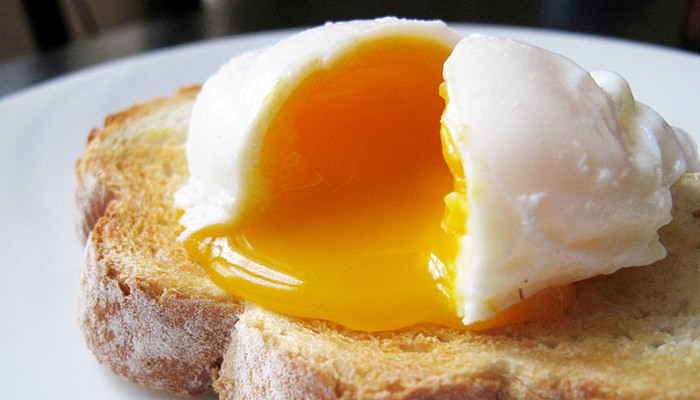
Boiled or Poached Eggs

Simple options that require little or no added fat.

Pair them with:

  • Whole-grain toast
  • Vegetables
  • Fruit
  • A side of salad

Vegetable Omelette

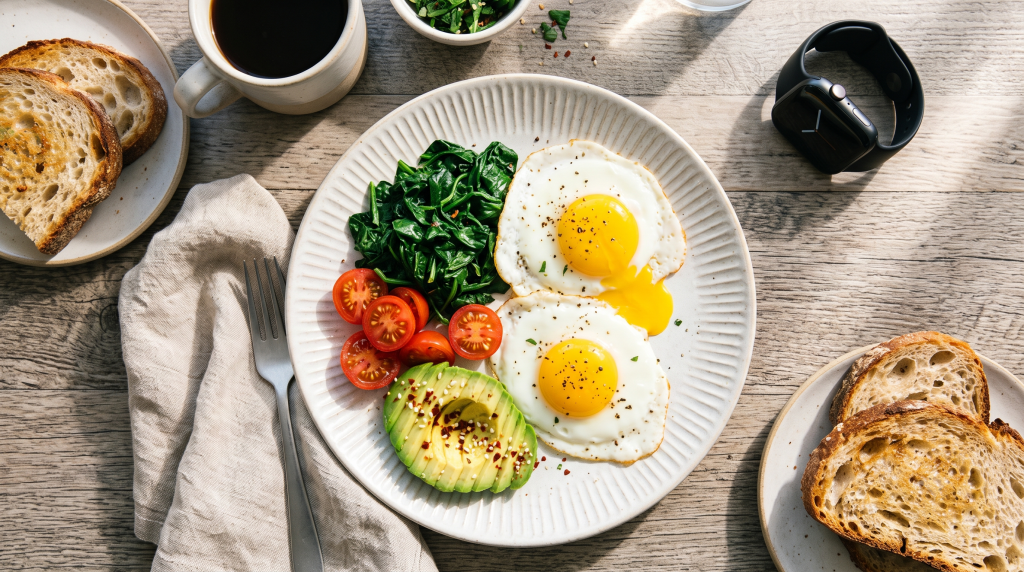
Add vegetables such as spinach, tomatoes, onions, mushrooms or bell peppers to increase the variety and nutrient density of your meal.

Egg and Vegetable Salad

Sliced boiled eggs can add protein to a salad containing leafy greens, colourful vegetables, beans or whole grains.

Eggs with Whole Grains

Eggs can also work well alongside foods such as oats, whole-grain toast or millets, creating a more balanced meal containing protein, fibre and carbohydrates.

How Many Eggs Can You Eat?

There is no single number that applies to everyone.

For many healthy adults, eggs can be part of a balanced diet and consumed regularly. The appropriate amount depends on the person’s overall dietary pattern, calorie and protein needs, health status and other sources of dietary cholesterol and saturated fat.

If you have diabetes, high cholesterol, cardiovascular disease or another condition requiring dietary management, discuss your individual intake with your healthcare professional.

Busting 3 Common Egg Myths

Myth 1: “Eggs are bad for your heart because they contain cholesterol.”

Fact: The relationship between dietary cholesterol and cardiovascular health is more nuanced than looking at one food in isolation. Overall dietary pattern and sources of saturated fat also matter.

Myth 2: “You should only eat egg whites.”

Fact: Egg whites provide protein, while the yolk contains several other nutrients, including choline, vitamin B12, vitamin D and selenium. For most people, the whole egg can be part of a balanced diet.

Myth 3: “Brown eggs are healthier than white eggs.”

Fact: Shell colour is primarily related to the breed of hen and does not automatically determine nutritional value.

Eggs may be humble, but their nutritional profile makes them a useful addition to a balanced diet.

They provide high-quality complete protein, along with nutrients such as choline, vitamin B12, vitamin D and selenium. They are also versatile enough to work across breakfast, lunch, dinner and snacks.

And that is exactly what the 2026 World Egg Day theme, “Protein that Powers and Protects,” seeks to highlight as the celebration marks its 30th anniversary.

The takeaway isn’t that eggs are a miracle food. It is simpler than that: when included as part of a varied and balanced diet, eggs can be an affordable, convenient and nutritious source of protein and essential nutrients.

Frequently Asked Questions

  1. When is World Egg Day 2026?

World Egg Day 2026 will be celebrated on Friday, October 9, 2026. It marks the 30th anniversary of World Egg Day.

  1. What is the theme of World Egg Day 2026?

The official 2026 theme is “Protein that Powers and Protects.”

  1. Are eggs a good source of protein?

Yes. Eggs provide high-quality complete protein containing all nine essential amino acids.

  1. Are eggs good for weight management?

Eggs can be included in a weight-management diet because they provide protein and can form part of a satisfying, nutrient-dense meal. However, weight management depends on the overall diet, energy intake, physical activity and other lifestyle factors.

  1. Is it healthier to eat egg whites instead of whole eggs?

Not necessarily. Egg whites provide protein, while the yolk contains protein plus several important nutrients. For most people, the whole egg can be part of a balanced diet.

  1. Are brown eggs healthier than white eggs?

No. Shell colour is primarily determined by the breed of hen and does not by itself indicate superior nutritional value.

#BeTheForce

Disclaimer: This article is intended for educational and informational purposes only and should not replace professional medical advice. Always consult a qualified healthcare provider or registered dietitian for personalised medical guidance, especially if you have cardiovascular risk factors or lipid disorders.

June 3, 2025 By Ranveer Allahbadia 1 Comment

How many eggs can you eat in a day?

Firstly, forget everything you’ve read all your life. When it comes to controversial diet topics like this, people have their pre-conceived notions. So when a fitness blogger contradicts that opinion, people refuse to accept it. Therefore, I NEVER express my opinion. I only speak SCIENCE.


“EGG YOLKS INCREASE YOUR CHOLESTEROL”

Let’s consider the word cholesterol first. People throw around this word without actually even understanding the meaning of it. THE FIRST thing you need to know is that there are 2 kinds of Cholesterol – Good and Bad Cholesterol.

1)LDL

2)HDL

LDL is the BAD cholesterol – it causes heart disease and it’s what people think of first when we say the words “High cholesterol”.

LDL contributes to clogging your arteries and blood vessels

HDL is the good cholesterol. It’s the phoebe to LDL’s Ursula. And HDL actually contributes to reducing the clogging caused by LDL cholesterol.

Now coming to eggs. Eggs are an awesome source of HDL cholesterol. The FEARED “high cholesterol” egg is only going to help de-clog your arteries IF used smartly.

It’s giving you a lot of Phoebe. 70% of humans have no change in LDL or bad cholesterol levels even if they have 3-4 whole eggs a day.

The remaining 30% – diabetics, people with bad lifestyles and people who are genetically challenged respond badly.

So let’s get to the point. Should you be consuming whole eggs? Yes if you’re a normal human being without any major health issues. It should definitely be a part of your diet.

Eggs are such awesome protein sources, that they’re rated as the best natural protein in the world when it comes to being absorbed by your body.

All the proteins in the world are rated according to their “biological value” or BV.

Soya – 74

Beef – 80

Cow Milk – 91

Eggs – 100

The BV scale is created using the humble whole egg as a reference. THAT is the power of the whole egg.

According to science, it’s the best food to put on muscle mass.

And if you do any form of exercise – Yoga, Pilates, Zumba but most importantly if you do resistance training, you aren’t a normal human being. Your body is being activated often, your muscles are getting damaged often and you need to refuel them with PROTEIN. That’s the only way you get stronger.

Whether I’m bulking up or cutting to get ripped, I make sure whole eggs are a part of my diet. As a male lifter, it helps naturally increase your testosterone levels which in turn help make you stronger.

Even if you’re a woman, eggs are super crucial. Every month you lose a bit of the iron content in your blood during your periods. And one of the best sources of iron is egg yolks!

So the ground rule is that if eggs settle well in your system, have at least a couple everyday.

But if you lift, how many should you be having? So this is where the topic becomes a bit subjective. This answer is different for different people.

My ideology is that I consume everything in moderation or how well it suits my body. Eggs are such a nutritionally dense food that I recommend lifters at least to have a minimum of 4 whole eggs a day. If you can, you should definitely try experimenting and going even further.

Some people tend to get acne or bloating with eggs, so if you fall in that category don’t be afraid. Don’t go mad with your eggs but at least see where you can eat eggs comfortably. Till the point where your body and your calorie cap is accepting it.

The ground rule – eggs are a damn superfood! Nutritionally dense, superb for building muscle & above all, so delicious.

We hope this article sheds light on the benefits of including eggs in your diet and clarifies how many you can safely consume daily. How do you incorporate eggs into your meals? Share your thoughts in the comments below! For more nutritional insights and personalised health advice, check out Healthy Reads or speak to a certified expert by subscribing to GOQii’s Personalised Health Coaching here.

#BeTheForce

May 12, 2024 By GOQii Editor 131 Comments

Sugarcane and its 10 benefits

sugarcane

I seldom know a person who hates Sugarcane and does not crave for Sugarcane juice when thirsty. Sugarcane juice with ice is a hit among Mumbaiites. On a hot sultry afternoon have a glass of sugarcane juice and see how it rejuvenates and energises you. Sugarcane is known to provide energy and glucose to our body and gives us the strength to continue with our work. But, did you know that Sugarcane has many health benefits than just providing glucose to our body?

Sugarcane juice is not only like any other sweet juice but it has many other nutrients. Sugarcane juice is extracted from the cane and is nutritious and refreshing. It contains about 15 % natural sugar and is rich in organic salts and vitamins. The juice can also be used for drinking or sweetening. In hot summer days, it is a cooling drink. A little lime juice may be mixed in the juice to improve its flavour. 

HEALTH BENEFITS OF SUGARCANE JUICE

  1. The reason Sugarcane is a popular drink during summers is that it gives an instant kick of energy and quenches the thirst. Sugarcane juice is a good source of glucose which as we know, helps to re-hydrate the human body and gives it a boost of energy. So instead of your artificial energy drink, the next time you feel fatigued or dehydrated, consider drinking a glass of cane juice.
  1. Even though cane juice tastes very sweet and has high sugar content, it is good for diabetic patients. It contains natural sugar which has a low glycemic index that prevents a steep rise in blood glucose levels in diabetics, so it can act as a substitute for aerated drinks for them. However, people with Type-2 diabetes should consume it in moderation and after consultation with their doctors.
  1. Sugarcane juice is considered an alkaline forming food because of the high concentration of calcium, magnesium, potassium, iron, and manganese in it. Diseases like cancer cannot survive in an alkaline environment and that’s why studies show that it is effective in fighting cancer, especially prostate and breast cancer.
  1. As sugar cane juice boosts protein levels in the body, it helps in maintaining the health of the kidney. Taken in a diluted form, with lime juice and coconut water, sugar cane juice helps in reducing the burning sensation which is commonly associated with urinary tract infections, sexually transmitted diseases, kidney stones and prostatitis.
  1. The antioxidants in sugarcane juice help to fight infections and boost the immune system of the body. It also protects the liver against infections and helps in keeping the bilirubin levels in control. This is one of the reasons that doctors’ advice jaundice patients to drink sugar cane juice, as it is one of the few things that gets easily digested and does not put any pressure on the liver and also helps in reducing the bilirubin levels.
  1. Sugarcane juice also acts a good digestive aid due to the presence of potassium. It helps in keeping the digestive system in good shape, prevents stomach infections and is considered to be particularly useful in treating the problem of constipation.
  1. Studies show that sugarcane juice protects against tooth decay and bad breath due to its high mineral content. So save yourself the next trip to the dentist and drink a glass of fresh sugarcane juice to get shiny white teeth.
  1. Deficiency of nutrients in the body can easily be noticed by looking at the health and condition of your nails. If you have brittle discoloured nails that have white spots on them, then it’s time to add sugarcane juice to your diet. It contains everything to give you those strong shiny nails that would look pretty even without a nail polish.
  1. Sugarcane juice has been discovered to be good for those people who are struggling with febrile disorders. Febrile disorders result in fevers, which can lead to seizures and loss of proteins in the body. It is quite common in infants and children. Sugarcane juice helps in compensating the lost protein and helps in recovery.
  2. When it comes to healthy skin, alpha hydroxy acids are supposed to have a lot of benefits. They fight acne, reduce blemishes, prevent ageing and help in keeping the skin hydrated. One of the most effective alpha hydroxy acids is glycolic acid and sugarcane, is one of its few natural sources. Just apply sugar cane juice to your skin and let it dry or add it to your favourite face mask and scrub. Use it regularly to see the effect.

While the advantages of sugarcane juice are many, it is essential to ensure that it is extracted in a hygienic manner. It’s also important to use and consume the juice as soon as it is extracted because it tends to get oxidized within 15 minutes.

So Sugarcane is not only beneficial for your health but also good for your skin. It’s a miracle drink for a healthy lifestyle which is also tasty. Let go of those artificial drinks and soft drinks and go for ‘Sugarcane Juice’. But, be safe and drink it keeping the hygiene conditions in mind.

We hope this article helps you. For further information or guidance, reach out to our certified experts by subscribing to GOQii’s Personalised Health Coaching here.

#BeTheForce

  • 1
  • 2
  • 3
  • 4
  • Next Page »

Search

Recent Posts

  • Meal Prepping for Work: Healthy Lunch Ideas That Keep You Energised
  • 5 Daily Stretches to Prevent & Relieve Lower Back Pain
  • How to Reverse Fatty Liver with Diet & Exercise
  • How Stress Triggers Unhealthy Eating Habits & How to Stop It
  • The Link Between Sleep & Weight Gain

Stay Updated

Archives

  • October 2026 (11)
  • September 2026 (5)
  • August 2026 (8)
  • July 2026 (25)
  • June 2026 (22)
  • May 2026 (20)
  • April 2026 (24)
  • March 2026 (18)
  • February 2026 (14)
  • January 2026 (14)
  • December 2025 (19)
  • November 2025 (15)
  • October 2025 (20)
  • September 2025 (6)
  • August 2025 (5)
  • July 2025 (9)
  • June 2025 (18)
  • May 2025 (16)
  • April 2025 (22)
  • March 2025 (25)
  • February 2025 (21)
  • January 2025 (25)
  • December 2024 (22)
  • November 2024 (22)
  • October 2024 (16)
  • September 2024 (22)
  • August 2024 (27)
  • July 2024 (15)
  • June 2024 (23)
  • May 2024 (26)
  • April 2024 (27)
  • March 2024 (27)
  • February 2024 (23)
  • January 2024 (21)
  • December 2023 (14)
  • November 2023 (10)
  • October 2023 (18)
  • September 2023 (20)
  • August 2023 (16)
  • July 2023 (16)
  • June 2023 (21)
  • May 2023 (20)
  • April 2023 (19)
  • March 2023 (23)
  • February 2023 (19)
  • January 2023 (15)
  • December 2022 (11)
  • November 2022 (15)
  • October 2022 (15)
  • September 2022 (12)
  • August 2022 (9)
  • July 2022 (17)
  • June 2022 (11)
  • May 2022 (10)
  • April 2022 (6)
  • March 2022 (6)
  • February 2022 (13)
  • January 2022 (11)
  • December 2021 (7)
  • November 2021 (3)
  • October 2021 (6)
  • September 2021 (3)
  • August 2021 (8)
  • July 2021 (7)
  • June 2021 (15)
  • May 2021 (16)
  • April 2021 (10)
  • March 2021 (7)
  • February 2021 (4)
  • January 2021 (4)
  • December 2020 (3)
  • November 2020 (4)
  • October 2020 (10)
  • September 2020 (3)
  • August 2020 (3)
  • July 2020 (2)
  • June 2020 (4)
  • May 2020 (10)
  • April 2020 (12)
  • March 2020 (10)
  • February 2020 (4)
  • January 2020 (4)
  • December 2019 (3)
  • November 2019 (7)
  • October 2019 (5)
  • September 2019 (4)
  • August 2019 (9)
  • July 2019 (9)
  • June 2019 (11)
  • May 2019 (4)
  • April 2019 (8)
  • March 2019 (8)
  • February 2019 (9)
  • January 2019 (8)
  • December 2018 (9)
  • November 2018 (3)
  • October 2018 (3)
  • September 2018 (5)
  • August 2018 (10)
  • July 2018 (6)
  • June 2018 (13)
  • May 2018 (8)
  • April 2018 (17)
  • March 2018 (9)
  • February 2018 (8)
  • January 2018 (15)
  • December 2017 (12)
  • November 2017 (19)
  • October 2017 (13)
  • September 2017 (15)
  • August 2017 (4)
  • July 2017 (8)
  • June 2017 (7)
  • May 2017 (6)
  • April 2017 (8)
  • March 2017 (6)
  • February 2017 (7)
  • January 2017 (9)
  • December 2016 (10)
  • November 2016 (7)
  • October 2016 (7)
  • September 2016 (7)
  • August 2016 (11)
  • July 2016 (9)
  • June 2016 (9)
  • May 2016 (12)
  • April 2016 (17)
  • March 2016 (17)
  • February 2016 (8)
  • January 2016 (6)
  • December 2015 (2)
  • November 2015 (9)
  • October 2015 (7)
  • September 2015 (9)
  • August 2015 (11)
  • July 2015 (9)
  • June 2015 (11)
  • May 2015 (9)
  • April 2015 (13)
  • March 2015 (8)
  • February 2015 (5)
  • January 2015 (12)
  • December 2014 (14)
  • November 2014 (11)
  • October 2014 (6)
  • September 2014 (13)
  • August 2014 (12)
  • July 2014 (6)
  • June 2014 (2)
  • May 2014 (7)
  • April 2014 (4)

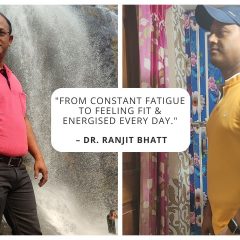
From Burnout to Balance: How Dr. Ranjit Reclaimed His Health

Dr Ranjit Bhatt has spent years tending to others. A practising doctor in Odisha, his days were packed with patients, surgeries, and emergencies. From the outside, it looked like a life lived in service. But on the inside, something wasn’t right. “I had no … [Read More...]

From Shimla’s Slopes to Chandigarh’s Sidewalks: Surinder Kaur Bhalla’s Journey from Chaos to Control

Some journeys start with a plan. Others begin with a stumble literally. Surinder Bhalla, a government professional, born and raised in the scenic hill town of Shimla, had always lived a life of movement. “In Shimla, you walked everywhere,” she reflects. “Walking was never an exercise. It was just life.” But after shifting to Chandigarh, […]

“I’ve Challenged Myself to Live 100 Years” – The Story of Chandubhai Savani’s Second Chance at Life

At 67, most people start slowing down. Not Chandubhai Savani. A resident of Surat, Chandubhai, thought life was on track. “My life was going well till I had my bypass surgery,” he says. That surgery, back in 2021, was a wake-up call.  Medication was routine, but exercise wasn’t. His diet? What he calls ‘normal.’ “I […]

Ananda Mukherjee Health Story

From Terminal Illness To Complete Wellness! Ananda Mukherjee Health Story

As we observe World Cancer Day under the powerful theme ‘United by Unique’ (2025-2027)**, we are reminded that every individual’s journey with cancer is distinct, yet united by shared resilience, hope, and the collective fight against this disease. This theme places people at the centre of care and their stories at the heart of the […]

  • HOME
  • HEALTHY LIVING
  • FITNESS
  • HEALTHY RECIPES
  • USER STORIES
  • KARMA
  • BUY GOQii

Copyright ©2016 GOQii