GOQii

Blog

  • HOME
  • HEALTHY LIVING
  • FITNESS
  • HEALTHY RECIPES
  • USER STORIES
  • KARMA
  • BUY GOQii

Search Results for: hormone

July 21, 2026 By GOQii Leave a Comment

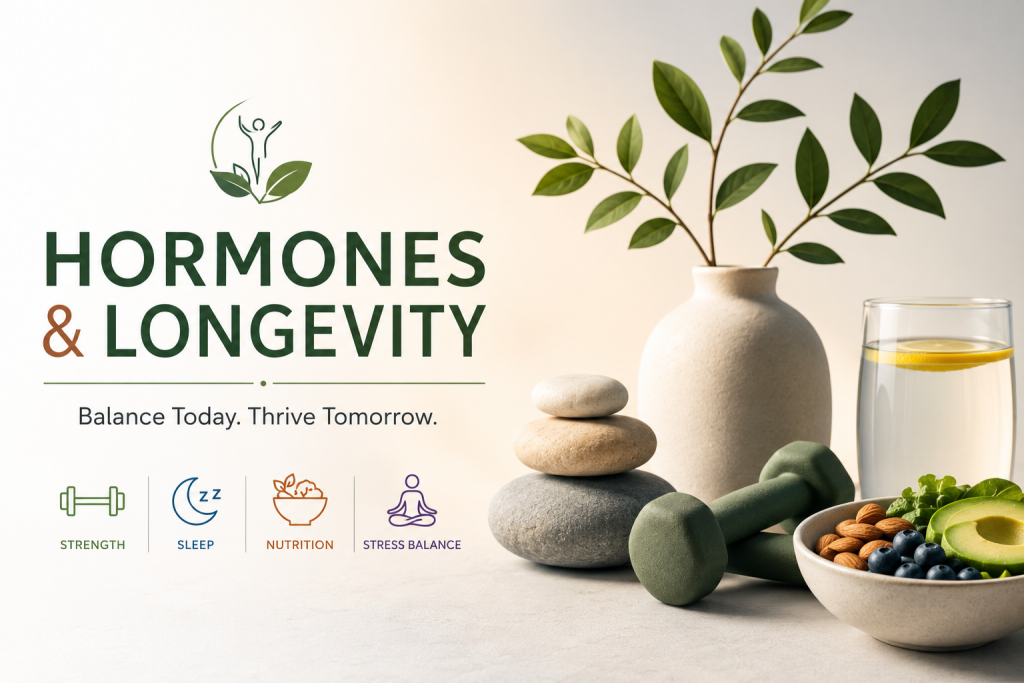
Hormones and Longevity: Why Midlife Health Depends on Hormonal Balance

The Big Question: Why do the habits that worked effortlessly in your twenties suddenly seem less effective after 40?

Perhaps you’re exercising as much as before, but the weight won’t budge. You’re eating well, yet your energy levels fluctuate. Sleep isn’t as refreshing, recovery takes longer, and stress feels harder to shake off. While lifestyle certainly plays a role, another important factor is often at work your hormones.

Hormones are chemical messengers that regulate nearly every function in your body, including metabolism, sleep, appetite, muscle maintenance, mood, and reproduction. As we move through midlife, natural hormonal changes begin to influence how our bodies function. Understanding these changes and adapting your lifestyle accordingly can help you stay healthier, stronger, and more energetic for years to come.

Why Hormonal Balance Matters for Healthy Ageing

Hormones work together like an orchestra. When they’re in balance, your body can regulate energy, repair tissues, maintain muscle, support bone health, and respond appropriately to stress.

As hormone levels naturally change with age, you may notice:

  • Reduced energy
  • Changes in body composition
  • Slower recovery after exercise
  • Poorer sleep quality
  • Mood changes
  • Reduced muscle strength
  • Increased abdominal fat

These changes are a normal part of ageing, but healthy lifestyle habits can help you adapt and maintain good metabolic health.

Testosterone and Men: A Gradual Transition

Unlike the abrupt hormonal changes experienced by women during menopause, testosterone levels in men generally decline gradually with age. Testosterone contributes to muscle mass, bone health, red blood cell production, libido, and physical performance.

Some men may notice:

  • Reduced muscle strength
  • Slower recovery
  • Increased body fat
  • Lower motivation for exercise

While ageing is inevitable, healthy habits can support overall hormonal health.

What Helps?

  • Resistance training
  • Adequate protein intake
  • Maintaining a healthy body weight
  • Prioritising quality sleep
  • Managing chronic stress

These habits support healthy testosterone levels within your body’s normal physiological range but should not be viewed as replacements for medical evaluation if symptoms are significant.

Perimenopause and Menopause: A Time of Transition

For women, hormonal changes often begin several years before menopause during a phase known as perimenopause. During this transition, levels of oestrogen and progesterone fluctuate, leading to symptoms that vary considerably from person to person.

Some women experience:

  • Irregular menstrual cycles
  • Hot flushes and night sweats
  • Sleep disturbances
  • Mood changes
  • Increased abdominal fat
  • Reduced muscle mass

Every woman’s experience is different. Some notice only mild symptoms, while others experience significant changes that may affect their quality of life. Rather than focusing solely on calorie restriction, midlife nutrition should prioritise preserving muscle, supporting bone health, and maintaining metabolic wellbeing.

Don’t Forget Insulin

When discussing hormones, insulin is often overlooked, yet it plays a central role in healthy ageing. Insulin helps move glucose from your bloodstream into your cells for energy.

Over time, poor sleep, physical inactivity, excess body fat, and chronic stress can reduce insulin sensitivity. Supporting insulin sensitivity through regular exercise, balanced meals, and maintaining a healthy weight contributes to healthier ageing and reduces the risk of developing metabolic diseases.

Cortisol: When Stress Doesn’t Switch Off

Cortisol is your body’s primary stress hormone. It plays an essential role in helping you respond to physical and emotional challenges. Problems arise when stress becomes chronic.

Long working hours, inadequate sleep, constant notifications, and insufficient recovery can contribute to persistently elevated cortisol levels in some individuals. Over time, chronic stress may contribute to:

  • Poor sleep quality
  • Increased appetite
  • Abdominal fat accumulation
  • Reduced exercise recovery
  • Lower energy levels

Managing stress is therefore just as important as maintaining a healthy diet and exercise routine.

Four Daily Habits That Support Hormonal Health

  1. Prioritise Strength Training

Muscle naturally declines with age. Aim to include strength training at least two to three times per week. Resistance training helps maintain:

  • Lean muscle mass
  • Bone strength
  • Functional independence
  • Insulin sensitivity
  1. Protect Your Sleep

Sleep is when many important repair processes occur. Good sleep supports the healthy regulation of cortisol, appetite-related hormones, and overall recovery. To improve sleep quality:

  • Keep a regular sleep schedule.
  • Reduce screen exposure before bedtime.
  • Limit caffeine later in the day.
  • Create a cool, dark sleeping environment.
  1. Eat for Long-Term Health

Your diet provides the nutrients needed for normal hormone production and metabolic health. Rather than following restrictive diets, focus on consistency and overall dietary quality. Build meals around:

  • High-quality protein
  • Whole grains
  • Healthy fats
  • Fruits and vegetables
  • Nuts and seeds
  1. Manage Stress Every Day

Stress management isn’t a luxury it’s part of healthy ageing. Even a few minutes of intentional relaxation each day can support overall wellbeing. Helpful strategies include:

  • Walking outdoors
  • Yoga or meditation
  • Deep breathing exercises
  • Spending time with family and friends
  • Engaging in enjoyable hobbies

When Should You Seek Medical Advice?

While hormonal changes are a normal part of ageing, some symptoms deserve professional evaluation. Speak with your healthcare provider if you experience:

  • Persistent fatigue
  • Unexplained weight changes
  • Erectile dysfunction or significant loss of libido
  • Severe hot flushes or irregular menstrual bleeding
  • Persistent mood changes
  • Difficulty sleeping despite healthy habits

Your doctor can determine whether hormone testing or other investigations are appropriate.

Hormonal changes are a natural part of ageing not a sign that your body is failing. The habits that served you in your twenties may need to evolve as your body changes, but that doesn’t mean your best years are behind you.

By prioritising strength training, nourishing your body with balanced nutrition, managing stress, and protecting your sleep, you can support healthy ageing and maintain your energy, mobility, and resilience throughout midlife and beyond. Longevity isn’t simply about living longer it’s about living well.

Pro Tip: Midlife is the perfect time to become more intentional about your health. Use the GOQii App to monitor your sleep, physical activity, nutrition, and recovery. Your GOQii Personalised Health Coach can help you build a sustainable lifestyle plan that supports healthy ageing through personalised guidance on exercise, stress management, and nutrition.

Frequently Asked Questions (FAQs)

  1. Is it normal to gain belly fat during midlife?

Changes in hormone levels, reduced muscle mass, lower physical activity, and lifestyle factors can all influence body composition during midlife. Strength training, balanced nutrition, and regular exercise can help support a healthy body composition.

  1. Can lifestyle changes improve hormonal health?

Healthy habits such as regular exercise, quality sleep, stress management, and a balanced diet support overall hormonal health. However, they do not replace medical treatment when a clinically significant hormonal disorder is present.

  1. Why is strength training especially important after 40?

Strength training helps preserve muscle mass, maintain bone density, improve insulin sensitivity, and support functional independence as we age.

  1. Does poor sleep affect hormones?

Yes. Inadequate sleep can influence hormones involved in appetite regulation, stress response, and recovery. Improving sleep quality is an important part of maintaining overall health.

  1. Should I have my hormone levels tested?

Routine hormone testing isn’t necessary for everyone. If you’re experiencing persistent symptoms such as severe fatigue, erectile dysfunction, hot flushes, irregular menstrual cycles, or unexplained weight changes, consult your healthcare provider. They can determine whether testing is appropriate.

#BeTheForce

Disclaimer: This article is intended for educational purposes only and should not replace professional medical advice, diagnosis, or treatment. Hormonal changes vary from person to person. If you have persistent symptoms or concerns about your hormonal health, consult a qualified healthcare professional or endocrinologist for personalised evaluation and guidance.
August 20, 2024 By Rashmi Deshpande 8 Comments

5 Hormones That Have a Big Impact on Your Health

hormones that affect healthEver experienced a sudden mood swing? Or, have you been dealing with a lot of fatigue or sleepless nights? Your body undergoes many changes from birth to adolescence and into adulthood. Most of these changes, both physical and mental, are regulated by the hormones present in our body.

Hormones are the chemical messengers of our body. They travel through our bloodstream and hold the key to optimum health. In essence, they affect metabolism, sexual function, reproduction, growth and development and even our mood.

A better understanding of the hormones that influence our well-being and how to activate them will help us live better and healthier lives.

Let’s take a closer look!

1. Thyroid Stimulating Hormone (TSH)

We are quite familiar with this hormone nowadays! It is a pituitary hormone that stimulates the thyroid gland to produce thyroxine T4 and triiodothyronine T3, which stimulate the metabolism of almost every tissue in our body.

Abnormalities in this hormone can manifest as sudden weight gain, weight loss, dry skin, mood swings, severe sensitivity to cold or heat, depression with weak metabolism, and even an enlarged gland in the form of goiter.

The abnormalities in this hormone can be effectively managed with lifestyle modification, medication, yoga, exercises, and regular checkups of hormone. It has mainly two types: Hypo & Hyper. The Normal range is:

  • TSH: 0.5 – 4.15 mU/L
  • T4: 6 – 12 ug/dL
  • T3: 240 – 280 ug/dL

2. Insulin

“Hey! I am on insulin!”

At some point, we have all heard this from a diabetic person. Insulin is released by the pancreas, a leaf-like gland situated in the abdominal cavity behind the stomach. It regulates the body’s glucose or sugar levels, which are derived from carbohydrates.

It also allows the body to store and utilize glucose for energy. When insulin is released into the bloodstream, it can cause either hyper or hypo glycemia.

Abnormalities in insulin levels can lead to weight gain or weight loss, frequent urination, constant hunger, fatigue, wounds taking longer to heal, etc. These changes are due to insulin either not being produced in sufficient quantity or not functioning properly.

The most effective treatment include lifestyle modifications, healthy eating habits, staying active, managing stress and medication. The referred range is:

  • Random blood glucose: 70 – 100 mg/dl
  • Fasting: 70 – 110 mg/dl
  • After meals: <140 mg/dl

3. Cortisol (Stress Hormone)

There’s a fair chance that every second person you meet might be stressed! The stress hormone, called Cortisol, is produced by the adrenal gland. It helps us stay healthy and energetic. Its main role is to control physical and psychological stress.

Excess secretion of cortisol causes a number of side effects such as increased heart rate, blood pressure, respiration, sweating, and shivering. At stressful times, the body secretes cortisol to help cope with the situation. High level of cortisol consistently can lead to ulcers, high blood pressure, anxiety, high levels of cholesterol, etc.

Similarly, low levels of cortisol in the body causes weakness, fatigue and low blood pressure. This can be managed by sharing your feelings, meditating, pursuing hobbies, listening to music, spending time with  family, going on vacations, prayers, and, if necessary, psychiatric treatment with medication.

4. Sex Hormones

This hormone are categorized into male and female hormones:

  • Testosterone: This is the primary male sex hormone. An anabolic steroid by nature, it helps in building body muscles. In males, it plays an important role in the development of male reproductive tissues like the testes and prostate. It also promotes secondary sexual characteristics like increased  muscle and bone mass, body hair growth, etc. If testosterone secretion is insufficient in men, then it may lead to abnormalities, including frailty and bone loss. This can be treated with medication.
  • Progesterone: This hormone is produced in the ovaries, the placenta and the adrenal glands when a woman gets pregnant. It stimulates and regulates various functions. Progesterone plays an important role in maintaining pregnancy by helping the body prepare for conception, pregnancy and regulating the monthly cycle. When pregnancy doesn’t occur, progesterone levels drop, and menstrual cycle occurs. It also plays a role in sexual desire. Any abnormalities can be treated with home remedies and medication.

5. Serotonin

We all need this happy hormone during stressful days! It is associated with learning and memory, sleep regulation, digestion, mood regulation, some muscular functions, etc. An imbalance in this hormone may affect the brain’s ability to control stress levels and mood effectively.

Low level of serotonin can lead to depression, migraines, weight gain, insomnia, carbohydrate cravings, etc. Excess levels of serotonin in the body causes agitation, stage of confusion, sedation, etc.

After learning about the 5 hormones which are essential for good health, it is clear that the key to keeping them in balance is healthy eating, an active lifestyle, and good rest with meditation. Make sure to check with your doctor for any imbalances or irregularities in your hormones and take the necessary actions as suggested by your doctor. For further information or guidance, reach out to our certified experts by subscribing to GOQii’s Personalised Health Coaching here.

Do share your thoughts and queries in the comments below!

Be balanced! Be happy! #BeTheForce!  

December 18, 2023 By Soni Thakur 3 Comments

Ways To Balance Your Hormones Naturally

balance your hormones naturally

Hormonal imbalances occur when there is too much or too little hormone in the bloodstream and because of their essential role in the body, even small hormonal imbalances can cause side effects throughout the body. While some hormone levels fluctuate throughout your lifetime and may just be a result of natural aging, other changes occur when your endocrine glands get impacted either by external or internal factors.

Importance of Rebalancing Hormones

It is extremely important to balance your hormones as soon as you become aware of the changes that happen to your body. Every other day, I come across a player who has a hormonal issue and it makes me want to pen down the importance of balancing your hormones. Here are some of those points: 

  1. The more balanced your hormone levels, the higher you function – physically, mentally and emotionally
  2. A healthy hormone balance boosts your brain health
  3. Balancing your hormones helps you control your appetite, weight and mood
  4. It helps fight harmful bacteria, viruses and promotes an overall clean function

What Changes Will You Observe? 

  • More energy, productivity and a positive outlook towards life
  • Less cravings for sweets, junk and fatty foods
  • Clear Skin (no acne and scars)
  • No hair fall
  • Increased libido
  • No muscle cramps or loss of energy
  • Regular periods
  • Well balanced metabolism
  • More easy weight loss
  • Improved sleep
  • Lower mood cravings

Ways to Balance Your Hormones Naturally

  • A portion of protein and Fiber in every meal: Consuming adequate amounts of protein is extremely important for hormones that control appetite and food intake. Protein and fibers will also boost your metabolism, which is important for weight loss – weight being a common issue of hormonal imbalance.
  • Regular Exercise: Simple walking or indulging in any sort of physical activity can turn out to be magical for you. You can choose any workout regimen like strength training, cardio, zumba, dance or body weight exercises –  whichever suits your health goal and schedule.
  • Healthy Fats: By including healthy fats in your daily diet you can rebalance your hormones naturally. Choose unsaturated fats over saturated and avoid consuming trans-fat. Some healthy fats include vegetable oil, oil from nuts and seeds, avocados and unrefined cold/wood pressed extra virgin olive oil. 
  • Eating foods rich in Omega 3: Fatty acids may help increase insulin sensitivity which can be helpful in weight loss as well as in rebalancing your hormones. Sources of Omega-3 fatty acid foods include fish and other seafood (especially salmon, mackerel, tuna, sardines), walnuts, flax and chia seeds, seaweed, kidney beans, cod liver oil, and brussels sprouts. 
  • Manage Stress: It has been found that nearly 55% of the population in India is either dealing with chronic stress or depression which causes serious health issues including hormonal imbalance. So it is important to manage your stress. This can be done by talking to a person you are comfortable with, reading a book, deep breathing, meditation, yoga, walking, practicing gratitude, etc. 
  • Sleep Tight: The regulation and metabolism of several hormones are influenced by interactions between the effects of sleep and the hormones like the growth hormone, cortisol, melatonin, leptin and ghrelin which plays a crucial role in maintaining healthy levels of hormones that control appetite and blood glucose levels. So in order to get the results by implementing the above suggestion, it is important to get adequate sleep as poor sleep has been associated with imbalance of many hormones. Aim at getting 7-8 hours of good quality sleep to balance your hormones naturally.

Your hormones can be your best friend and worst enemy if not taken care of. So for that, eat healthy, stay active, sleep well and engage in healthy behaviors. We hope this article helps you. Do leave your thoughts in the comments below. For more on hormone health, check out Healthy Reads or speak to a certified expert by subscribing to GOQii’s Personalised Health Coaching here.

#BeTheForce 

November 12, 2018 By Trupti Hingad 2 Comments

The Happy Hormone Journal

 Divya-Image 2-Part 1

Stress is a very common component of our everyday life. Staying happy amidst our busy schedules has become almost impossible. Everybody wants to be happy and we often find ourselves pursuing this emotion in various ways. Did you know that these emotions are the result of chemical reactions in the brain? The human body has 4 natural built-in mood-enhancing chemicals, which help combat stress and relieve pain keeping you happy and positive.

What are happy hormones? Why do they make us happy? How do we get more of these in our system?

The four happy hormones are Dopamine, Oxytocin, Serotonin and Endorphin (DOSE).

DOPAMINE: This is one of the chemical signals that pass information from one neuron to the next. Dopamine is released during pleasurable moments or situations and helps to regulate how pleasure is perceived and experienced. Dopamine is also responsible for our motivation, concentration, pleasure, bliss and euphoria.

How can you boost your Dopamine level:-

  1. Limit your sugar intake: Although sugar is linked with raising dopamine levels, the “high” achieved is only temporary and is linked to a wide array or illnesses.
  2. Limit caffeine intake: Yes, caffeine can also raise dopamine levels but studies show that increased caffeine intake can actually cause an increase in tolerance and can lead to lowered or even diminished dopamine release in the long run.
  3. Connect with others: Human contact such as hugs from your kids, kisses from your spouse, or even simply shaking hands with a friend or colleague is enough to boost dopamine levels.
  4. Meditate: Meditation and mindfulness helps the body relax through deep breathing and calming of the nervous system. This in turn helps with the release of dopamine.
  5. Listen to music: Listening to the music you enjoy helps trigger our pleasure centre thereby releasing dopamine.

OXYTOCIN:

This hormone and neurotransmitter is best known for its role in breastfeeding and childbirth. It’s produced in the hypothalamus and females have been shown to have higher levels than males. Oxytocin has been linked to higher self- esteem, trust, optimism and can help lower stress and blood pressure.

How to boost Oxytocin:-

  1. Cry: Suppressing ones emotions can lead to lower oxytocin levels which can cause stress as well as various physical issues within the body. We often hear that a good cry can help us heal both emotionally and physically. It’s true!
  2. Give: This can be in the form of volunteering or simply making a generous donation. The act of giving and/or bonding with others can help increase oxytocin levels and make us feel good overall.
  3. Physical Touch: Oxytocin helps to trigger the reward system in our brain when we are in healthy and loving relationships. It is also released during orgasms in both men and women.
  4. Encouragement: Whether we are getting it, or giving it, words of encouragement go a long way in the release of oxytocin. Compliment and encourage one another at every chance you get!

SEROTONIN:

Do you feel imbalanced? Do you have depression, anxiety, hot flashes, night sweats, bipolar disorder, migraines, insomnia, PMS, or chronic pain? The cause of all these symptoms is a neurotransmitter imbalance.

Like dopamine, serotonin is also a neurotransmitter. While dopamine is responsible for our excitement and motivation, serotonin is responsible for calming us, suppressing pain, and regulating our mood and sleep cycles. This hormone is found mainly in the gastrointestinal tract, platelets,                    and the nervous system. Serotonin also controls appetite and reduces your sensitivity to pain.

How to boost Serotonin:-

  1. 1. Aroma massage: Regular body massages can help lower the stress hormone cortisol, and help increase both dopamine and serotonin levels in the brain/body.
  2. Positive affirmations: Regularly reciting positive affirmations can help almost re-wire your thinking. Numerous studies show the effects of positive thinking can help with serotonin synthesis while lowering cortisol levels.
  3. Good vitamin B Intake: Vitamin B6 and B12 are directly linked to lowered levels of depression and when taken regularly, can help boost overall feelings of well-being. The richest sources of vitamin B6 include fish, beef liver and other organ meats, potatoes and other starchy vegetables, and fruit (excluding citrus). Vitamin B12 is naturally found in animal products, including fish, meat, poultry, eggs, milk, and milk products.
  4. Gardening: This one may seem strange but studies show that microbes contained in the soil can lead to a rise in serotonin simply through inhalation.

ENDORPHINS:

These are chemical compounds which are produced in the human body and interact with receptors in the brain. They help to reduce pain, increase focus, and improve your overall mood. It also helps boost energy, confidence, and makes all of the daily stressors of life much easier to cope with. Today, we produce endorphins when exercising our anaerobic zones. Anaerobic exercise helps us to cope with chronic pains by activating our body’s natural painkillers. Hence exercise is one of the many ways of boosting Endorphins.

How to boost Endorphin:-

  1. Laughter: Not only does laughter boost serotonin levels but also helps to increase pain tolerance levels.
  2. Healthy eating habits: Increase your consumption of protein, healthy fats, and plant based food while limiting alcohol and caffeine. If you supply the necessary amino acids the body will restore balance and you will have improved health and moods.
  3. 3. Sunshine exposure: Regularly spending time outdoors in the sun can regulate the release of endorphins. The best time is to expose the body to the Sun is from 10am to 1pm.
  4. Aromatherapy: Soothing scents such as those found in essential oils can help with the release of endorphins in the body.

So keep smiling, stay positive and keep these hormones levels at the peak!

  • 1
  • 2
  • 3
  • …
  • 72
  • Next Page »

Search

Recent Posts

  • The Lazy Person’s Guide to Staying Healthy: 5 Micro-Habits That Take Less Than 2 Minutes
  • Healthy Eating: Comforting Chilli Bean Soup Recipe for the Monsoon
  • The Truth About the ‘Beer Belly’: What Alcohol Really Does to Your Metabolism
  • Benefits of Meditation: How One Daily Habit Can Transform Your Mental Wellbeing
  • Quick No-Equipment Indoor Workout to Stay Active During the Monsoon

Stay Updated

Archives

  • August 2026 (6)
  • July 2026 (25)
  • June 2026 (22)
  • May 2026 (20)
  • April 2026 (24)
  • March 2026 (18)
  • February 2026 (14)
  • January 2026 (14)
  • December 2025 (19)
  • November 2025 (15)
  • October 2025 (20)
  • September 2025 (6)
  • August 2025 (6)
  • July 2025 (9)
  • June 2025 (18)
  • May 2025 (16)
  • April 2025 (22)
  • March 2025 (26)
  • February 2025 (21)
  • January 2025 (25)
  • December 2024 (22)
  • November 2024 (22)
  • October 2024 (20)
  • September 2024 (22)
  • August 2024 (28)
  • July 2024 (15)
  • June 2024 (23)
  • May 2024 (26)
  • April 2024 (27)
  • March 2024 (27)
  • February 2024 (23)
  • January 2024 (21)
  • December 2023 (14)
  • November 2023 (10)
  • October 2023 (19)
  • September 2023 (21)
  • August 2023 (16)
  • July 2023 (16)
  • June 2023 (21)
  • May 2023 (20)
  • April 2023 (19)
  • March 2023 (23)
  • February 2023 (19)
  • January 2023 (15)
  • December 2022 (11)
  • November 2022 (15)
  • October 2022 (15)
  • September 2022 (12)
  • August 2022 (9)
  • July 2022 (17)
  • June 2022 (11)
  • May 2022 (10)
  • April 2022 (6)
  • March 2022 (6)
  • February 2022 (13)
  • January 2022 (11)
  • December 2021 (7)
  • November 2021 (3)
  • October 2021 (6)
  • September 2021 (3)
  • August 2021 (8)
  • July 2021 (7)
  • June 2021 (15)
  • May 2021 (16)
  • April 2021 (10)
  • March 2021 (7)
  • February 2021 (4)
  • January 2021 (4)
  • December 2020 (3)
  • November 2020 (4)
  • October 2020 (10)
  • September 2020 (3)
  • August 2020 (3)
  • July 2020 (2)
  • June 2020 (4)
  • May 2020 (10)
  • April 2020 (12)
  • March 2020 (10)
  • February 2020 (4)
  • January 2020 (4)
  • December 2019 (3)
  • November 2019 (7)
  • October 2019 (5)
  • September 2019 (4)
  • August 2019 (9)
  • July 2019 (9)
  • June 2019 (11)
  • May 2019 (4)
  • April 2019 (8)
  • March 2019 (8)
  • February 2019 (9)
  • January 2019 (8)
  • December 2018 (9)
  • November 2018 (3)
  • October 2018 (3)
  • September 2018 (5)
  • August 2018 (10)
  • July 2018 (6)
  • June 2018 (13)
  • May 2018 (8)
  • April 2018 (18)
  • March 2018 (9)
  • February 2018 (8)
  • January 2018 (15)
  • December 2017 (12)
  • November 2017 (19)
  • October 2017 (13)
  • September 2017 (15)
  • August 2017 (4)
  • July 2017 (8)
  • June 2017 (7)
  • May 2017 (6)
  • April 2017 (8)
  • March 2017 (6)
  • February 2017 (7)
  • January 2017 (9)
  • December 2016 (10)
  • November 2016 (7)
  • October 2016 (7)
  • September 2016 (7)
  • August 2016 (11)
  • July 2016 (9)
  • June 2016 (9)
  • May 2016 (12)
  • April 2016 (17)
  • March 2016 (17)
  • February 2016 (8)
  • January 2016 (6)
  • December 2015 (2)
  • November 2015 (9)
  • October 2015 (7)
  • September 2015 (9)
  • August 2015 (11)
  • July 2015 (9)
  • June 2015 (11)
  • May 2015 (9)
  • April 2015 (13)
  • March 2015 (8)
  • February 2015 (5)
  • January 2015 (12)
  • December 2014 (14)
  • November 2014 (11)
  • October 2014 (6)
  • September 2014 (13)
  • August 2014 (12)
  • July 2014 (6)
  • June 2014 (2)
  • May 2014 (7)
  • April 2014 (4)

From Burnout to Balance: How Dr. Ranjit Reclaimed His Health

Dr Ranjit Bhatt has spent years tending to others. A practising doctor in Odisha, his days were packed with patients, surgeries, and emergencies. From the outside, it looked like a life lived in service. But on the inside, something wasn’t right. “I had no … [Read More...]

From Shimla’s Slopes to Chandigarh’s Sidewalks: Surinder Kaur Bhalla’s Journey from Chaos to Control

Some journeys start with a plan. Others begin with a stumble literally. Surinder Bhalla, a government professional, born and raised in the scenic hill town of Shimla, had always lived a life of movement. “In Shimla, you walked everywhere,” she reflects. “Walking was never an exercise. It was just life.” But after shifting to Chandigarh, […]

“I’ve Challenged Myself to Live 100 Years” – The Story of Chandubhai Savani’s Second Chance at Life

At 67, most people start slowing down. Not Chandubhai Savani. A resident of Surat, Chandubhai, thought life was on track. “My life was going well till I had my bypass surgery,” he says. That surgery, back in 2021, was a wake-up call.  Medication was routine, but exercise wasn’t. His diet? What he calls ‘normal.’ “I […]

Ananda Mukherjee Health Story

From Terminal Illness To Complete Wellness! Ananda Mukherjee Health Story

As we observe World Cancer Day under the powerful theme ‘United by Unique’ (2025-2027)**, we are reminded that every individual’s journey with cancer is distinct, yet united by shared resilience, hope, and the collective fight against this disease. This theme places people at the centre of care and their stories at the heart of the […]

  • HOME
  • HEALTHY LIVING
  • FITNESS
  • HEALTHY RECIPES
  • USER STORIES
  • KARMA
  • BUY GOQii

Copyright ©2016 GOQii


