GOQii

Blog

  • HOME
  • HEALTHY LIVING
  • FITNESS
  • HEALTHY RECIPES
  • USER STORIES
  • KARMA
  • BUY GOQii

Search Results for: disease

November 29, 2022 By Mrinali Dwivedi 7 Comments

5 Winter Drinks and Beverage To Keep You Warm

winter drinks

During this nice chilly winter weather, there’s nothing more warming than a hot bowl of soup or a nice healthy drink. So why not take that warm feeling to the next level with some healthy winter drinks and beverages? 

Winter is a season of abundance – abundance of holidays, festivals, love and gratitude. This abundance is extended with the availability of a variety of fresh produce and a high metabolic rate that keeps making us feel hungry. A perfect opportunity to replenish your body stores of some crucial nutrients that you might need throughout the year. This makes it even more imperative for one to opt for healthy options and make the most of it.

While hydration and drinking water or fluids is considered to be a summer thing, it is equally important to keep yourself hydrated in the winters! Winters are dry and windy, and it takes more of your body to keep your skin moist and supple. Moreover, infection rates are higher during these times and hence, it is crucial to keep up your immunity game strong. Water is a simple tool for hydration and flushing out the infectious agents from the body. However, warm fluids give an added comfort, soothing the throat, warming your insides and a very filling effect on the stomach.

5 Winter Drinks and Beverages To Keep You Warm 

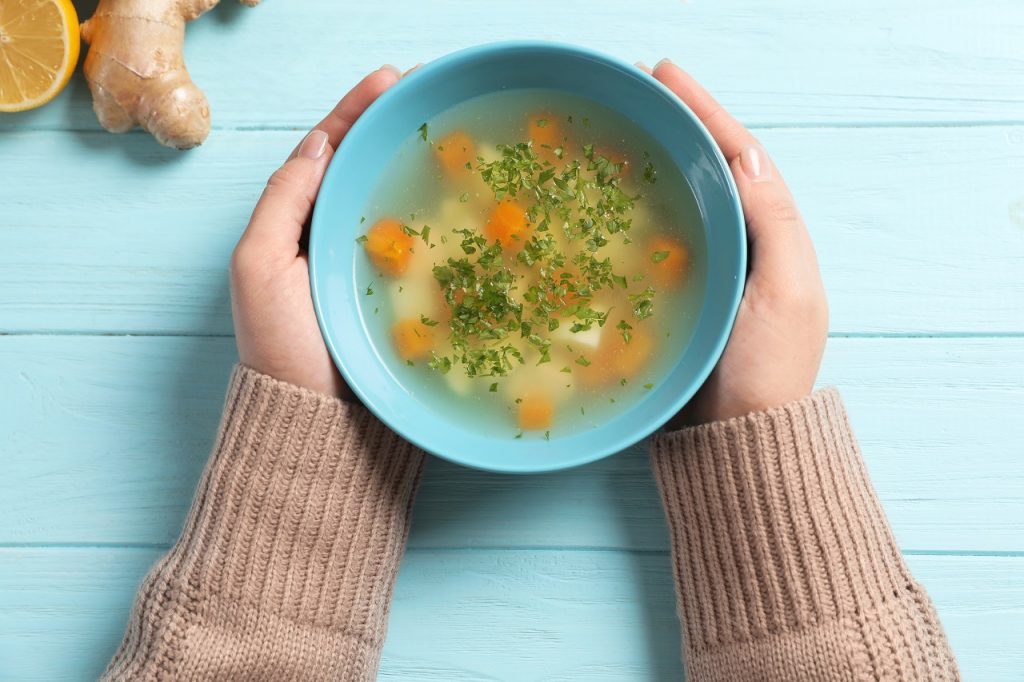
1. Soup
With bountiful fresh produce, seasonal vegetables and liberty of spices and herbs, it is the most convenient time of the year to cook soups and relish a hot bowl. Gourd soups with pumpkin, bottle gourd and tomatoes; The CBT soup with carrot, beetroot and tomatoes; Dal and tomato soup that has the goodness of moong dal proteins; Lemon coriander soup; Spinach soup; Broccoli almond soup.; Mushroom soup are just a few examples from the wide array of choices for this season, as all of these vegetables are easily available during this time. It has the benefits of vitamin A from the gourds, Vitamin C from lemons, and they both help build immunity. Quercetin from tomatoes and anthocyanins from beets enhance heart health. While spinach and broccoli have the goodness of calcium and vitamin K essential in bone health. Season soups with ginger, garlic and herbs like pepper, basil and oregano; some whole spices like bay leaf, star anise. Drizzle the bowl of soup with good fat like olive oil or sesame oil and you are good for a slurpy meal. Keeps you full for long, helps in weight loss and easy on the gut. Avoid packaged and ready to eat/cook soups, they contain very little natural ingredients and are very high in sodium which causes more damage to the body than benefiting it.

2. Spiced Turmeric Lattè
Our traditional Haldi doodh got glorified recently and became the turmeric lattè, which is simply hot milk with turmeric and a dash of cinnamon and pepper powder. It is the best remedy to find relief from sore throats and respiratory diseases. Turmeric invariably has the benefits of curcumin on heart, kidneys, helps control diabetes and wards off infections. For a subtle sweetness, one can add some honey or dates pureè. Sprinkle some dry rose petals and sliced nuts over it.

3. Hot Lemon Gingeràle
Hot water infused with lemon and ginger extract and slightly sweetened with honey gives the hot comfort of the lemon ginger water, soothes the throat and has a relaxing effect on the brain. Ginger has a compound called gingerol and the antioxidants as well as vitamin C from the lemon gives your immunity a boost. A pinch of cinnamon can enhance its flavour.

4. Black or Green Tea (variant: Kashmiri kahwa)
Black or green tea with a slice of lemon can be the most comforting thing ever. Black or green tea are a great source of antioxidants of the catechin family and lemons are rich in vitamin C and limonin, all involved in maintaining the metabolic rate and good blood circulation. The heaven on earth Kashmir is also home to some of the best culinary magics, and one of them is the Kahwa. Kashmiri Kahwa is Kashmiri green tea, boiled with saffron, cardamom and almonds. This drink has the ability to warm you up in the coldest of the winters, like those of Kashmir. 

5. Kaadha
It is an age-old method of curing or preventing winter diseases with a kaadha. Kaadha is a term in Ayurvedic medicine that stands for a concoction or extract of medicinal plants and herbs. Our Indian culture is blessed with a number of spices and other food additives that are not just food but have medicinal benefits too. Indigenous adjuncts and methods of cooking are appreciated worldwide. One can create a simple and beneficial kaadha at home with the following ingredients that can be easily found in any Indian household: 

  • 5-6 tulsi leaves
  • 2-3 mint leaves
  • A small piece of dalchini (cinnamon)
  • 2-3 laung (cloves)
  • 1 elaichi (cardamom)
  • 2-3 kalimiri (black pepper pearls)
  • 1 teaspoon of sauf (fennel seeds)
  • 1 teaspoon of jeera (cumin seeds) 
  • Small piece of ginger
  • Half a lemon
  • 1 teaspoon of honey

Boil all the whole spices in 1 litre of water and let it reduce to half a litre. Then slightly cool down this water, strain it and squeeze half a lemon over it, then add the honey. Sip this water throughout the day for at least 3 times a week. It will keep away common cold, sore throat, maintains your digestive health, eliminates flatus (gas) or bloating, and helps you lose weight by speeding up metabolism.

We hope these easily available winter drinks and beverages help you have a healthy winter! For more tips on staying healthy during winter, check out Healthy Reads or speak to an expert by subscribing for GOQii’s Personalised Health Coaching here: https://goqiiapp.page.link/bsr 

#BeTheForce 

November 22, 2022 By Priyanka Mangla 3 Comments

8 Diet and Lifestyle Tips For The Winter Season

lifestyle tips winter

By now, we are all experiencing the cool winter breeze. While the weather is quite pleasant, it also causes several issues like dry and itchy skin, cold and cough, etc. To help you stay healthy during this season, we’ve got some effective diet and lifestyle tips that will keep these issues at bay.

Diet & Lifestyle Tips for a Healthier You

  1. Healthy Diet: Sir Robert McCarrison, one of the best known nutritionists says, “The right kind of food is the most important single factor in the promotion of health; and the wrong kind of food is the most important single factor in the promotion of disease.” There is an elaborate healing mechanism within the body, but it can perform its function only if it is abundantly supplied with all the essential nutritional factors. There are certain dishes which are winter specific in our country. We all relish them and besides being delicious, they serve a special purpose to keep us warm. Let’s start with our favorite, Gajar ka halwa which we all love. It is winter specific because we get the best seasonal carrots during this time. Next comes sarson ka saag. The saag is not just a flavoursome package but also a whole bunch of nutrition. Then we have gond ka ladoo (made from gum resin). This contains nuts and seeds too. It will keep you super warm. We have our own snack this time with nuts and jaggery chikki. A chikki a day is sure to keep the winter chills away! While we enjoy these, let’s not forget portion size. 
  2. Regular exercise: will keep you warm with a good circulation of blood. During winter, due to contraction of muscles to preserve energy, which is a natural phenomenon, many elderly folks suffer from joint pains and stiffness. To avoid that, it is best to continue doing light exercises. One can start off with a brisk walk for 15-20 minutes. People with a heart ailment or high blood pressure should avoid going out very early in the morning because of low oxygen levels. 
  3. Water: We tend to forget drinking water in winters as we don’t feel thirsty. But you know, water is the carrier of nutrients in our body and helps in detoxification. So make sure you load up on at least 2-3liters of water a day.
  4. Hygiene: Next comes the hygiene! Regular bathing is essential to keep the skin healthy and nourished. Wash your hands after coming back from somewhere, before cooking or eating food.
  5. Skin: Most of us suffer from dry, cracked skin during winter and we get tired applying lotions and oils throughout the day. I have a very useful tip for you to avoid this. Apply coconut oil or any other moisturizer immediately after bathing as during this time your skin is moist enough to absorb the oil and you will feel the softness throughout the day. You can also try these simple winter skincare tips: https://goqii.com/blog/8-simple-and-effective-winter-skincare-tips/ 
  6. Sleep: Good, restful, quality sleep helps in boosting our immunity by repairing the wear and tear of the body and mind. For an adult, 6-9 hours of sleep is required and for the aged ones, 5-7 hours. 
  7. Vitamin D: Vitamin D deficiency is on a rise in Indians despite the fact that we are blessed with the sunshine throughout the year. People prefer to stay indoors. Vitamin D not only keeps the bones healthy but also regulates our mood. You would have heard about Seasonal Affective Disorder, more prevalent in the western countries as they are devoid of sunlight. So, what are you waiting for? Go and get some sunshine! 
  8. Clothing: Wear warm, woollen clothing to protect yourself from the cold. 

And that’s it! These lifestyle tips are simple to follow and will keep you warm during this cold season. We hope this article helps you. Do leave your thoughts in the comments below! For more winter tips, check out Healthy Reads or speak to an expert by subscribing for GOQii’s Personalised Health Coaching here: https://goqiiapp.page.link/bsr 

#BeTheForce 
November 17, 2022 By Smruti Bhat 1 Comment

What’s Healthier: Coconut, Wheat or Almond Flour?

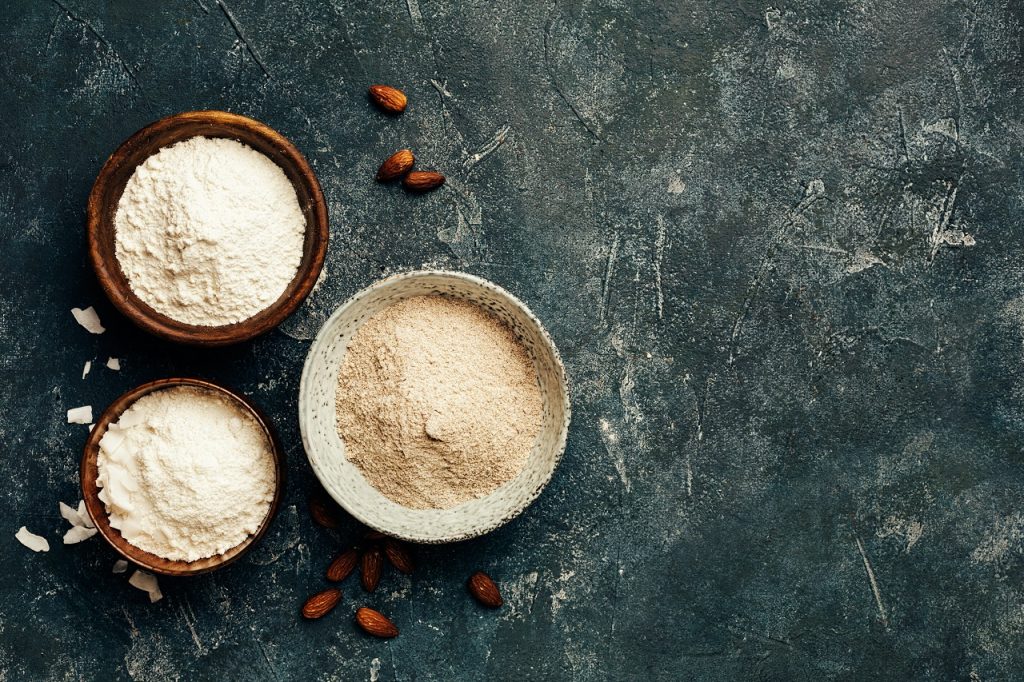
coconut, wheat or almond flourIf you’ve been taking a closer look at your pantry, then we’re sure you’re reconsidering your flour choices. When we talk about flour, most of us think about “wheat flour” as it is a kitchen staple. It is the flour that we have been having since ages to make chapatis. But, there could be plenty of other reasons why you’re considering switching from wheat flour to coconut or almond flour. Maybe you have celiac disease or gluten intolerance or just want to switch to a healthier alternative. So, we have listed a few differences between these three flours to make it easier for you to choose between coconut, wheat or almond flour!  

Nutritional Take On Coconut, Wheat & Almond Flour

Nutrition Coconut Almond Wheat
Calories 480 580 366
Carbs 59g 20g 76g
Protein 18g 21g 9.7g
Fat 15g 12g 1.5g
Fiber 38g 12g 12g

Coconut Flour

  • Health benefits of coconut flour: Coconut flour is gluten-free. It has a good moisture absorbing capacity and helps to give a good crumbly and dry texture to the baked goods. But, it has a higher content of phytic acid which leads to low nutrient absorption. Also, it has antioxidants and antimicrobial properties that support a healthy metabolism.
  • Cooking with coconut flour: Coconut flour is a versatile flour used in gluten-free and paleo baking. It can be used to prepare bread, muffins, cookies and cake. As it has a drying effect, it can be counteracted by using eggs while baking. The egg yolk provides moisture, whereas egg white offers structure to the baked goods.

Almond Flour

  • Health benefits of almond flour: Almond flour is incredibly healthy but contains more fat and calories. This makes this nutrient dense flour the best choice for a keto diet. It provides good vitamin E content which is a powerful antioxidant and magnesium that helps improve blood sugar levels.
  • Cooking with almond flour: Almond flour is commonly used in the preparation of pancakes, cakes, muffins and cookies. Other than baking, this flour combined with egg can be used to coat vegetables or meat and thereafter, bake or fry them. As it is free of gluten, it can be mixed with wheat flour to make pizza dough, pasta or bread.

Wheat Flour

  • Health benefits of wheat flour: Wheat flour is rich in fiber, minerals and protein. But it has gluten that makes it inappropriate for people who have gluten intolerance or celiac disease. Phytic acid in wheat flour is higher which reduces the nutrient absorption.
  • Cooking with wheat flour: Wheat flour can be used in making rotis, puris, ladoos and even quick breads, cookies and cakes.

Summing It Up 

Although as Indians, wheat flour is functional in our regular diet, we can definitely opt for almond and coconut flour as well. All the above-mentioned flours are healthy in their own ways and can be used together to reap nutritional benefits. So the choice between coconut, wheat or almond flour is solely based on what you want to prepare and what you’re looking for. 

If you’re still unable to come to a decision on whether you should opt for coconut, wheat or almond flour, you can speak to an expert for further guidance by subscribing for GOQii’s Personalised Health Coaching here: https://goqiiapp.page.link/bsr. Your GOQii Coach can take a look at your habits, goals and let you know what would work best for you!

For more articles on nutrition, check out Healthy Reads! 

#BeTheForce! 

October 30, 2022 By Vaishali Nair 5 Comments

Nature’s Gift – Raw Honey & Its Benefits

Raw honey and its benefitsHoney is one of nature’s purest foods and is much more than just a natural sweetener. It’s a “functional food,” which means it’s a natural food with health benefits. Raw honey nutrition is impressive. Raw honey contains 22 amino acids, 27 minerals and 5,000 enzymes. This opaque liquid is not only rich in antioxidants but a plethora of vitamins such as B6, thiamine, riboflavin, pantothenic acid and niacin and minerals such as iron, zinc, potassium, phosphorous, magnesium and selenium.


Health Benefits of Raw Honey

The health benefits of raw honey are not just restricted to weight loss but it can help in prevention and cure of many symptomatic diseases.

  1. Immunity Booster: Raw honey contains bee pollen, which is known to ward off infections, provide natural allergy relief and boost overall immunity. “One study fed 25 subjects about four tablespoons of honey per day for 29 days in addition to their regular diets. When blood samples were taken at the start and end of the study, researchers found a clear, direct link between honey consumption and an increased level of disease-fighting polyphenols in the blood”
  2. Pre and post workout: Raw honey contains natural sugars (80%), water (18%), and minerals, vitamins, pollen and protein (2%). It provides an easily absorbed supply of energy in the form of liver glycogen, making it ideal for energetic morning starts and as a pre and post exercise energy source.
  3. Promotes sleep: Raw honey promotes restorative sleep in two ways. By consuming honey before bedtime, it restocks the liver’s glycogen supply and prevents the brain from triggering a crisis search for fuel, which can wake you up. Secondly, eating raw honey fosters the release of melatonin in the brain by creating a small spike in insulin levels, which stimulates the release of tryptophan in the brain. Tryptophan converts to serotonin which is then converted to melatonin.
  4. Heal Ulcers: Honey reacts with the body’s fluids to make hydrogen peroxide, creating an inhospitable environment for bacteria. Honey may reduce the size, pain and odour of problematic skin ulcers.
  5. Diabetes Management: The combination of raw honey and cinnamon can be especially beneficial to healthy diabetes management.
  6. Increases Haemoglobin: One of the most natural ways to increase haemoglobin is by consuming raw honey. The mineral richness of its opaque cells help increase the iron content of the blood, thereby treating anaemia.

4 Ways To Spot Artificial Honey

Raw honey is a crude form of honey immediately taken out of the cells of the honeycombs within a bee hive. This form of honey is quite pure. It commonly contains bee pollen and propolis which are both two very positive health additions. But, how do you spot pure, organic or raw honey from artificial or adulterated honey? Here are 4 ways you can do that –

  1. The Thumb Test: Put a drop of the honey on your thumb. If it spreads around right away or spills, it’s not pure. If it stays intact, it’s pure.
  2. The Water Test: Fill a glass of water and add one tablespoon of honey in the water. Pure honey will lump and settle at the bottom of the glass. Adulterated and artificial honey will start dissolving in water.
  3. The Shelf Life Test: Pure honey will crystallise over time. Artificial or adulterated honey will remain looking like syrup, no matter how long it is stored.
  4. Light a Fire: Dip the tip of a matchstick in “honey”, and then strike it to light. Natural honey will light the match easily and the flame will burn off the honey. Artificial or adulterated honey will not light because of the moisture it contains.

Honey available off the shelf is the pasteurised form which may not be entirely pure. Artificial honey is a food with many shortcomings, representing a solution of inverted sugar syrup, that comes from refined sugar, which often has other ingredients added.

Such a synthetic preparation can be achieved in domestic conditions, but it is not healthy. Artificial honey contains a physical mixture of glucose and fructose focused elements that have separated from the previous combination of sugar. Hence, your best bet is to procure honey directly from the beekeepers.

We hope this article helps you pick the best form of honey! For more on nutrition, check out Healthy Reads or get this information directly from an expert by subscribing for Personalised Health Coaching here: https://goqiiapp.page.link/bsr

#BeTheForce

  • « Previous Page
  • 1
  • …
  • 85
  • 86
  • 87
  • 88
  • 89
  • …
  • 147
  • Next Page »

Search

Recent Posts

  • World AMR Awareness Week 2026: when you need antibiotics, and simple steps to prevent AMR
  • PCOS: diet, exercise and the myths to stop believing
  • Cholesterol numbers explained: LDL, HDL and triglycerides
  • International Men’s Day 2026: why men’s health is everyone’s business
  • World COPD Day 2026: Short of Breath? Think COPD – Why Early Diagnosis Matters

Stay Updated

Archives

  • November 2026 (21)
  • October 2026 (23)
  • September 2026 (5)
  • August 2026 (8)
  • July 2026 (24)
  • June 2026 (22)
  • May 2026 (20)
  • April 2026 (24)
  • March 2026 (18)
  • February 2026 (14)
  • January 2026 (14)
  • December 2025 (19)
  • November 2025 (14)
  • October 2025 (17)
  • September 2025 (6)
  • August 2025 (5)
  • July 2025 (9)
  • June 2025 (18)
  • May 2025 (16)
  • April 2025 (22)
  • March 2025 (25)
  • February 2025 (21)
  • January 2025 (25)
  • December 2024 (21)
  • November 2024 (21)
  • October 2024 (15)
  • September 2024 (22)
  • August 2024 (27)
  • July 2024 (14)
  • June 2024 (23)
  • May 2024 (26)
  • April 2024 (27)
  • March 2024 (27)
  • February 2024 (23)
  • January 2024 (21)
  • December 2023 (14)
  • November 2023 (10)
  • October 2023 (18)
  • September 2023 (20)
  • August 2023 (16)
  • July 2023 (16)
  • June 2023 (21)
  • May 2023 (20)
  • April 2023 (19)
  • March 2023 (23)
  • February 2023 (19)
  • January 2023 (15)
  • December 2022 (11)
  • November 2022 (15)
  • October 2022 (15)
  • September 2022 (12)
  • August 2022 (9)
  • July 2022 (17)
  • June 2022 (11)
  • May 2022 (10)
  • April 2022 (6)
  • March 2022 (6)
  • February 2022 (13)
  • January 2022 (11)
  • December 2021 (7)
  • November 2021 (3)
  • October 2021 (6)
  • September 2021 (3)
  • August 2021 (8)
  • July 2021 (7)
  • June 2021 (15)
  • May 2021 (16)
  • April 2021 (10)
  • March 2021 (7)
  • February 2021 (4)
  • January 2021 (4)
  • December 2020 (3)
  • November 2020 (4)
  • October 2020 (10)
  • September 2020 (3)
  • August 2020 (3)
  • July 2020 (2)
  • June 2020 (4)
  • May 2020 (10)
  • April 2020 (12)
  • March 2020 (10)
  • February 2020 (4)
  • January 2020 (4)
  • December 2019 (3)
  • November 2019 (7)
  • October 2019 (5)
  • September 2019 (4)
  • August 2019 (9)
  • July 2019 (9)
  • June 2019 (11)
  • May 2019 (4)
  • April 2019 (8)
  • March 2019 (8)
  • February 2019 (9)
  • January 2019 (8)
  • December 2018 (9)
  • November 2018 (3)
  • October 2018 (3)
  • September 2018 (5)
  • August 2018 (10)
  • July 2018 (6)
  • June 2018 (13)
  • May 2018 (8)
  • April 2018 (17)
  • March 2018 (9)
  • February 2018 (8)
  • January 2018 (15)
  • December 2017 (12)
  • November 2017 (19)
  • October 2017 (13)
  • September 2017 (15)
  • August 2017 (4)
  • July 2017 (8)
  • June 2017 (7)
  • May 2017 (6)
  • April 2017 (8)
  • March 2017 (6)
  • February 2017 (7)
  • January 2017 (9)
  • December 2016 (10)
  • November 2016 (7)
  • October 2016 (7)
  • September 2016 (7)
  • August 2016 (11)
  • July 2016 (9)
  • June 2016 (9)
  • May 2016 (12)
  • April 2016 (17)
  • March 2016 (17)
  • February 2016 (8)
  • January 2016 (6)
  • December 2015 (2)
  • November 2015 (9)
  • October 2015 (7)
  • September 2015 (9)
  • August 2015 (11)
  • July 2015 (9)
  • June 2015 (11)
  • May 2015 (9)
  • April 2015 (13)
  • March 2015 (8)
  • February 2015 (5)
  • January 2015 (12)
  • December 2014 (14)
  • November 2014 (11)
  • October 2014 (6)
  • September 2014 (13)
  • August 2014 (12)
  • July 2014 (6)
  • June 2014 (2)
  • May 2014 (7)
  • April 2014 (4)

From Burnout to Balance: How Dr. Ranjit Reclaimed His Health

Dr Ranjit Bhatt has spent years tending to others. A practising doctor in Odisha, his days were packed with patients, surgeries, and emergencies. From the outside, it looked like a life lived in service. But on the inside, something wasn’t right. “I had no … [Read More...]

From Shimla’s Slopes to Chandigarh’s Sidewalks: Surinder Kaur Bhalla’s Journey from Chaos to Control

Some journeys start with a plan. Others begin with a stumble literally. Surinder Bhalla, a government professional, born and raised in the scenic hill town of Shimla, had always lived a life of movement. “In Shimla, you walked everywhere,” she reflects. “Walking was never an exercise. It was just life.” But after shifting to Chandigarh, […]

“I’ve Challenged Myself to Live 100 Years” – The Story of Chandubhai Savani’s Second Chance at Life

At 67, most people start slowing down. Not Chandubhai Savani. A resident of Surat, Chandubhai, thought life was on track. “My life was going well till I had my bypass surgery,” he says. That surgery, back in 2021, was a wake-up call.  Medication was routine, but exercise wasn’t. His diet? What he calls ‘normal.’ “I […]

Ananda Mukherjee Health Story

From Terminal Illness To Complete Wellness! Ananda Mukherjee Health Story

As we observe World Cancer Day under the powerful theme ‘United by Unique’ (2025-2027)**, we are reminded that every individual’s journey with cancer is distinct, yet united by shared resilience, hope, and the collective fight against this disease. This theme places people at the centre of care and their stories at the heart of the […]

  • HOME
  • HEALTHY LIVING
  • FITNESS
  • HEALTHY RECIPES
  • USER STORIES
  • KARMA
  • BUY GOQii

Copyright ©2016 GOQii

