GOQii

Blog

  • HOME
  • HEALTHY LIVING
  • FITNESS
  • HEALTHY RECIPES
  • USER STORIES
  • KARMA
  • BUY GOQii

Search Results for: disease

September 17, 2022 By Sunita Arora 6 Comments

The Magic of Indian Masala Chai

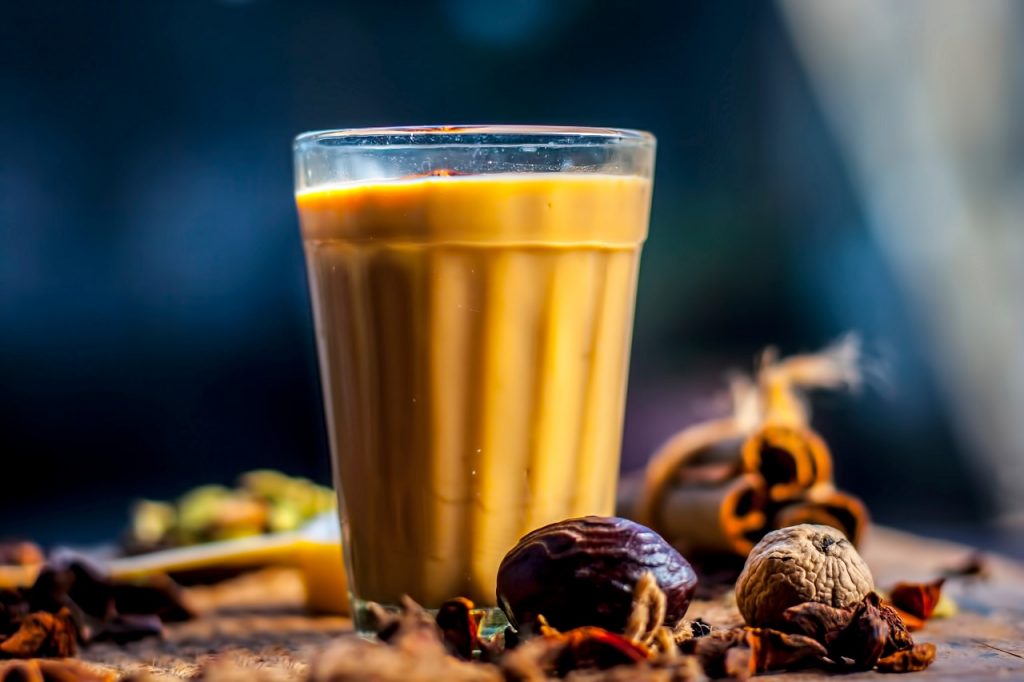
masala chaiThe word Chai actually means tea in English and Russian. In India, it is also known as Masala Chai. More appropriately, it means spice blend. Tea has become a daily part of Indian life. It is now a key element of our culture which has spread throughout the world. Masala Chai is an everyday drink in most parts of India. It is common for Indians to delight themselves with 2 cups of it per day.

In almost every street corner and even office spaces, you will find a Chai Wallah (tea vendors) who prepares this traditional beverage. They prepare this rich Masala Chai over an open fire in small stands and stalls and serve it in clay tea cups called Kullarhs.

Well, you can prepare it yourself! This may be the right tea for you, to give you the strength and energy during the day and to take you on an amazing ride through the world of Indian tea. Let’s prepare it together! Have a look at our Masala Chai benefits, recipe and get your ingredients ready.

Some amazing Benefits of the Indian Masala Chai

  1. Improves Digestion: The spices used in Masala Chai help in regulating the digestive system. It also helps in keeping your gut healthy. A spice like Ginger aids digestion by improving circulation and delivering oxygen to organs so they can perform optimally.
  2. Supports the Immune System: It is known to strengthen the immune system and keeps common infection at bay. It helps provide relief when infected with common cold and cough.
  3. Improves Heart Health: Cinnamon, one of the main ingredients in Masala Chai, helps lower bad cholesterol and blood pressure. Drinking Masala Chai can prevent cardiovascular disease when consumed regularly over long periods of time.
  4. Relieves Aches and Pains: The spices found in Masala Chai can alleviate common aches and pains. These health benefits derive from the anti-inflammatory properties of many of the ingredients in it, specifically ginger and clove.
  5. Reduces Nausea: Spices like Ginger and Cardamom are well known for their ability to reduce nausea and seasickness. Masala Chai soothes an upset stomach and alleviates stomach pain associated with nausea.
  6. Boosts Energy: It is a wonderful experience having a hot cup of ‘Masala Chai’ after a hard day’s work. Caffeine is a natural stimulant in Masala Chai which boosts energy and gives you the kick which you need to start your day.
  7. Boosts Metabolism: Tea is known as a heat generating food in Ayurveda. It helps speed up metabolism. Ingredients like ginger, clove, black pepper and cardamom helpincreaset loss and increases the metabolism of the body in a short period.
  8. Contributes to Reduce Sugar Levels: Ingredients used in Masala Chai such as clove, cinnamon, and cardamom helps in preventing diabetes by increasing the insulin sensitivity of the body and lowering one’s blood sugar levels.
  9. Relieves PMS: It can be your best friend to fight the symptoms of PMS the natural way. Ingredients like ginger, clove, and cardamom work as natural painkillers when you are experiencing period pains. It calms your nerves, keeps you in a good mood and relaxes your muscles.

Authentic Masala Chai Recipe (Serves 2 cups)
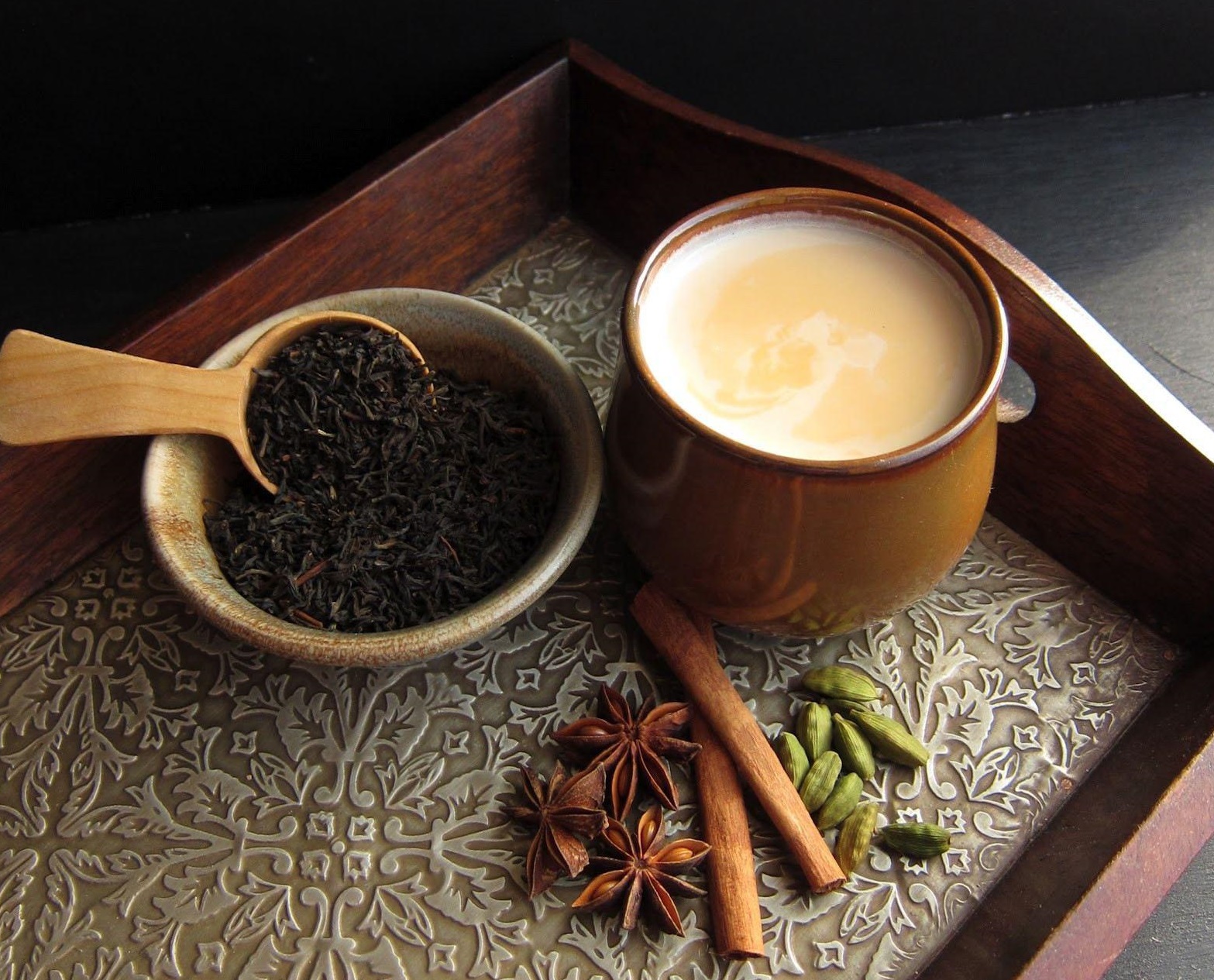
Masala Chai ingredients

Ingredients

  • Water: 1 cup
  • Milk: 1 cup (organic whole milk, almond milk, oat milk)
  • Black tea/ loose leaf: 1 ½ teaspoon
  • Jaggery Powder: 2-3 teaspoons (more or less) or maple syrup, honey, brown sugar
  • Clove: 2-3
  • Cardamom: 2
  • Cinnamon: ½ stick
  • Peppercorns: 3-4 (optional)
  • Ginger: 2 slices or crushed
  • Star Anise: 1 (optional)

How to prepare

  • Lightly crush cardamom, cinnamon, clove, ginger, star anise, and peppercorn and add in boiling water
  • Add black tea/leaf and boil it for 2-3 minutes
  • Add sugar and milk
  • Bring it to simmer twice or more
  • Turn off the heat and strain it into your favorite mug
  • Your Masala Chai is ready!

A common myth is that green tea has more health benefit than black tea.  This is simply not true. It is because all tea (Black, Green, and White) comes from the same plant, Camellia Sinensis, they offer the same benefits. The spices which we have used in our Masala Chai are well known in Ayurveda for many health benefits.

  • Ginger is anti-inflammatory and improves digestion, prevents and manages stomach ulcers, protects against symptoms of cold and flu, and stimulates blood circulation. It also reduces blood cholesterol by improving liver function
  • Cinnamon has Anti-fungal, Anti-bacterial properties. It helps in lowering LDL cholesterol and has a regulatory effect on blood sugar, making it especially beneficial for people with Type 2 diabetes
  • Cardamom is considered as a kidney cleanser. It is known to enhance appetite, improve digestion and provide relief from acidity in the stomach. It is also considered beneficial to the urinary tract system
  • Cloves are well-known for its anti-bacterial, anti-viral, anti-fungal and antiseptic properties. They’re also known to heal ailments of the digestive system and promote good digestion as well as metabolism
  • Black Pepper is a powerful anti-oxidant. It improves digestion and promotes intestinal health. It is an effective remedy for respiratory conditions including colds, coughs, and flu
  • Star Anise aids digestion, alleviates cramps and reduces nausea. It also helps in preventing constipation, supports good sleep, promotes bone and skin health.

So, add the ingredients mentioned above in your regular tea to make it a complete Indian Masala chai. Do share your experience in the comments below!

For more on tea, check out Healthy Reads. You can get more valuable insights on the food you consume directly from your GOQii Coach by subscribing for personalised health coaching here: https://goqiiapp.page.link/bsr

#BeTheForce
September 7, 2022 By Dr. Naina Sudarshan 4 Comments

Are Superfoods Super Good or Super Fad?

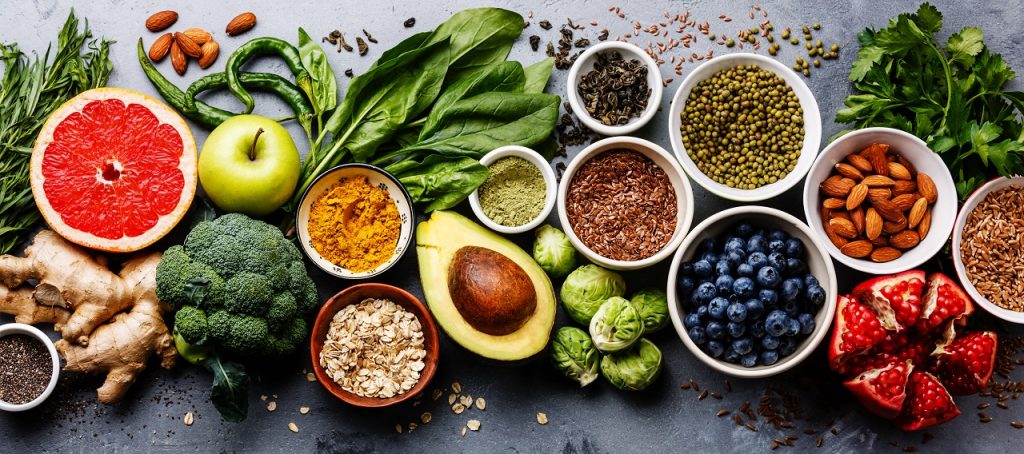
superfoodsAnything that sounds fancy won’t necessarily benefit our health. Lately, the word “Superfoods” must have appealed to you all. Well, what exactly are Superfoods? Why do we call them Superfoods? Though there’s no scientific definition, as per the dictionary, the definition of superfoods is “a food considered exceptionally good for one’s health and for boosting the immune system owing to its naturally high content of vitamins, minerals, fiber, antioxidants, or omega-3 fatty acids”. So basically, superfoods offer a dense concentration of nutrients with small quantities of food. 
Are Superfoods a Fad? 

Superfoods are largely plant based and the high amount of vitamins, minerals and antioxidants found in them can prevent many chronic diseases, autoimmune diseases, ward off inflammation and have huge health benefits. It can be taken by everyone including children. However, there is no specific list of superfoods yet, it includes a wide variety of food and every now and then, there is a new addition to the list. Though Superfoods are coined by marketers, as they are all natural and incorporated just as a supplement to our daily balanced diet, they cannot be considered as a fad. But always and as with everything else, superfoods need to be consumed in moderation. Anything that’s healthy can work against our body if it is taken in large quantities. Do not over do with any one variety of superfoods. It is good to take in varieties for maximum benefits while getting a wide array of vitamins and minerals too. Researching or consulting a nutrition expert or health coach would be ideal before trying any new superfood you come across. 

What Are The Best Ones? 

  • Nuts and Seeds like almonds, walnuts, pistachios, flax seeds, chia seeds, pumpkin seeds, sunflower seeds, watermelon seeds, etc. provide proteins, fibers and unsaturated fat
  • Quinoa: is an ancient grain, a very good alternative for animal protein especially for vegetarians and also good source of iron, zinc, vitamin E, and selenium
  • Avocados: are a rich source of monounsaturated fat (Good fat) with 20 different vitamins, minerals, fiber, and phytonutrients too. They can be made as a healthy spread on sandwiches instead of mayonnaise. 
  • Olives and extra virgin olive oil: Both Olives and Olive oil are very high in vitamin E and other powerful antioxidants. They are also rich in monounsaturated healthy fats that can protect our heart, prevent cancer and osteoporosis
  • Moringa: Moringa leaves are rich in antioxidants and iron. Apart from these, they have 15 times more potassium than bananas and 7 times more Vitamin C than oranges! They are also packed with many vitamins and minerals and protect cell damage and boost immunity.  
  • Dark Leafy greens: Spinach, Amaranth, beet greens, Dill, Fenugreek, Kale, Mustard, etc. are excellent sources of minerals like iron, magnesium, calcium, folate, zinc. They are also rich in Vitamin A, C, K and folate with a lot of fiber
  • Broccoli: Having high calcium and collagen content, broccoli helps in making strong bones. 
  • Seafood especially salmon: provides Omega 3 fatty acids
  • Berries: All type of berries including strawberries, blueberry, black berries, cherries are robust in antioxidants along with vitamins and minerals
  • Beans and Legumes: are loaded with fibers, vitamins, minerals, including B-vitamins, iron, zinc, calcium and magnesium. 

How to Choose Superfoods? 

If you observe the list of superfoods, most of them are least processed and plant based. Keeping this point in mind, make sure you avoid food that is processed and marketed as superfoods. It is better to look at the food label before you buy and read the label for its nutritional facts, ingredients like sugar content, sodium and other chemicals which can do more harm than good. Choose something that is natural and least processed but remember, just adding superfoods to your diet may not make you healthy. Having them in the right quantity, with a balanced meal, right exercise and healthy lifestyle habits are equally important. 

Certain superfoods may not be suitable to everyone due to allergies, such as allergies towards nuts or seeds. People with any acute or chronic health conditions need to consult their dietitian before they try any new food. Healthy people can always include one or two superfoods daily to enjoy optimum health! 

We hope this article helps you. For more on nutrition, check out Healthy Reads. To get more information on superfoods, how to choose them and what to eat, speak to a GOQii Coach by subscribing for personalised health coaching here: https://goqiiapp.page.link/bsr 

#BeTheForce 

August 12, 2022 By Tahurah Muqeem 1 Comment

Food is Your Fountain of Youth! Healthy Eating Tips for the Elderly

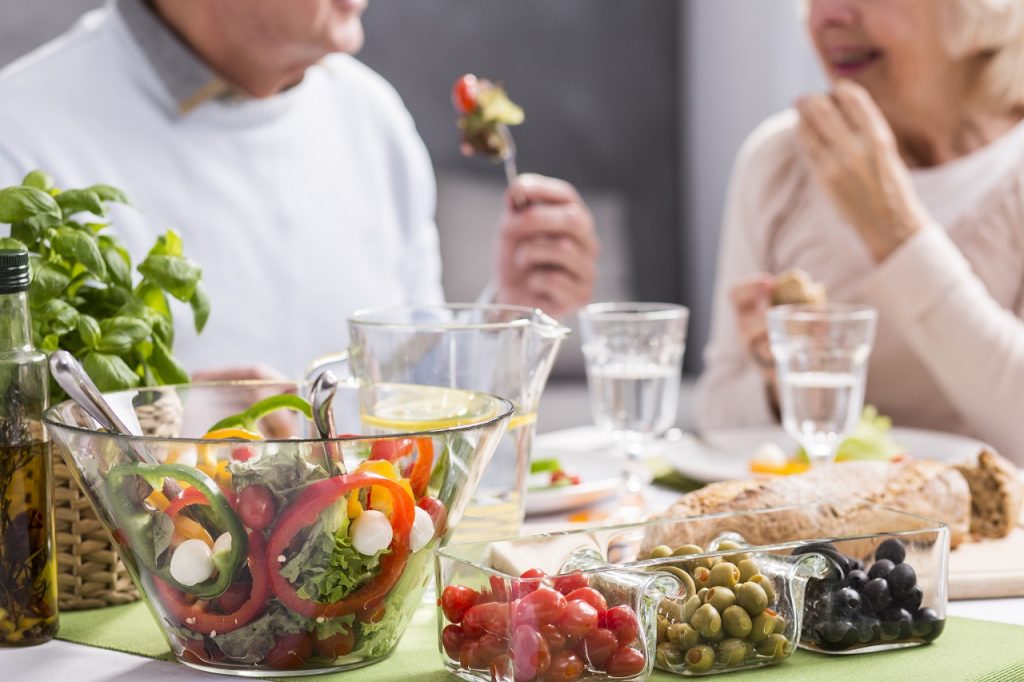
Healthy Eating Tips for the ElderlyAs we mentioned in our IndiaFit Report 2020: India’s Ikigai – The Secret to Longevity, there are some folks who manage to live long and healthy lives thanks to their discipline, but most people usually find their health crumbling. In old age, a human either becomes disinterested in eating or can’t manage their meals due to medical conditions which make eating difficult. There is a loss of appetite as anxiety, depression, irritability or gastric trouble become commonplace.

The body of the elderly needs to be cared for and fed with good food so that it helps in combating stress, depression, fight inflammation and pain. With the growing rate of diabetes in the mid-40s, by the time a person reaches 70-80 years of age, the damage done to the organs by diabetes or any other lifestyle disease is unpredictable.

Healthy Eating Tips for the Elderly

It is important that the elderly eat small meals at frequent intervals. The diet should be a balance of carbohydrates, proteins, fats, vitamins and minerals. In fact, the food should be appealing. Let’s see how we can incorporate all of this:

  • The diet of the elderly should contain complex carbohydrates like Wheat, Oats, Ragi, Jowar, Brown rice and should avoid refined cereals like white bread and maida.
  • Protein is a very important nutrient because there is a lot of muscle wastage that occurs in old age. Loss of skin tone, loss of skin elasticity is profound. The diet should include good sources of proteins such as lentils, dals, soybean, milk and milk products. For non-vegetarians, boiled egg whites every day is recommended. Opt for skinless chicken which can be grilled, roasted or used in soups. 
  • Healthy fats are essential to protect the heart and provide essential vitamins such as vitamin E which protects the body organs and nourishes the skin. Include soaked almonds, walnuts, dates, dried figs in the diet in the form of morning snacks. Fish like Salmon provides Omega 3 fatty acids which help fight against cancers. 
  • As we age our digestive system slows down. Many face a problem digesting fiber. While it is easy to consume salads or raw veggies, for some, it is difficult and leads to constipating, bloating or gassiness. In this case, it is better to consume vegetables which are boiled or steamed. Unstrained vegetable soups and vegetable smoothies are good options as well. 
  • Including 1-2 servings of fruits every day is crucial. Fruits not only regulate blood sugar but also provide essential minerals and vitamins to the body. 
  • The most important thing is to hydrate, hydrate, hydrate and hydrate! Especially at old age, it is more important to consume 2-3 liters of water every day. Having 1 glass of warm water immediately after waking up stimulates the body cells. For improving digestion, consuming 1 glass of warm water half an hour before and half and hour after meals is a must. 
  • Don’t forget to include anti-inflammatory foods like turmeric, ginger and cinnamon. They will help protect against bone disease and reduce joint pains while protecting the heart. Consuming ginger water in the day helps treat various digestion related issues as well. 

What’s an Ideal Meal Plan? 

If you need a roadmap or an ideal plan, here it is: 

  1. Start the day with a glass of warm water, lemon water or ginger water with half tsp of honey. 
  2. Eat a healthy breakfast consisting of oats porridge, khichdi, vegetable idli, paneer dosa or poha with a glass of milk or boiled egg white. 
  3. Mid morning should contain a fruit which can be an apple, guava, watermelon, pears, banana, papaya or you can have a mixed fruit bowl as well.
  4. Lunch should include roti or rice with 1 bowl dal, a bowl of vegetable curry, 1 salad and 1 bowl of curd. 
  5. Dinner should be the same as lunch, although, it should be lighter. Cut down the quantity of rice/roti. Eat dinner at least 2-3 hours before bed to ensure proper digestion. 
  6. Before bed, drink low fat milk to ensure good sleep and provide your body with calcium for strong bones. You can also add turmeric to it for extra benefits! 

Before you undertake this meal plan or decide to follow it religiously, you need to consult your doctor or nutritionist to check how it may affect any existing medical condition you may have. Along with all kinds of fruits, veggies and healthy foods, don’t forget to stay active! 

We hope these healthy eating tips for the elderly help you. Do share your thoughts in the comments below. To subscribe for GOQii’s personalised health coaching and get more of these tips from a GOQii Coach, click here: https://goqiiapp.page.link/bsr 

#BeTheForce 

July 11, 2022 By Tarannum Khan Leave a Comment

How Regular Exercise Can Help You Fight Against Infections

regular exerciseRegular exercise has a major effect on the immune system. Staying active supports our immune system in a variety of ways such as reducing inflammation, increasing the presence of innate immune cells and positively affecting our gut microbes – all of which support our body’s defense mechanisms.


The Science Behind Exercise

  • Exercise stimulates the sympathetic nervous system and induces an integrated response from the body.
  • This response works to maintain an appropriate level of homeostasis for the increased demand in physical, metabolic, respiratory, and cardiovascular efforts.

YOU DON’T HAVE TO RUN A MARATHON! 

  • Exercise doesn’t need to be long, intense or unpleasant to be effective.
  • Engagement in moderate activities such as walking, jogging, cycling, dancing for less than an hour can provide a range of immune benefits.
  • In contrast, a substantial sudden increase in physical activity can have adverse effects on our body’s defenses and increase the risk of tissue injury.
  • Moving the body in a way you enjoy can provide a much-needed positive boost

Health Benefits of Regular Exercise 

  • Reduces health risk
  • Strengthens bones and muscles
  • Improves sleep
  • Better endurance
  • Improves mood and provides stress relief
  • Increase in energy and stamina
  • Weight management

Few Important Exercises & Their Uses 

  1. Aerobic Exercises: speed up your heart rate and breathing, which is important for many body functions. They help reduce the risk of many conditions including obesity, heart disease, high blood pressure, type- 2 diabetes, metabolic syndrome, stroke and certain types of cancers. Weight-bearing aerobic exercises, such as walking, help decrease the risk of osteoporosis as well as assist in weight management and/or weight loss.
  2. Strength Training: No secret that strength training makes you stronger and fitter! It protects bone health and muscle mass while helping you keep weight off for good. It also helps you develop better body mechanics and helps keep chronic diseases at bay. 
  3. Stretching: This is a must if you sit for long hours as stretching for a few minutes can help you improve your performance while working out or doing other physical activities. A good warm up and cool down stretch can help you prevent injuries. It also helps your joints move through their full range of motion and maintain flexibility. 
  4. Balance Exercise: This form of exercise helps you feel steadier on your feet. It helps prevent falls and reduces the risk of lower–extremity injuries such as knee and ankle injuries as well as improves proprioception.

We hope this article helps you get into the habit of regular exercise! Do you already engage in some activity? Let us know your favorite in the comments below. 

If you’re a beginner and want to start exercising or if you want to take your exercise routine to the next level, book a live, online session with an expert on GOQii PRO within the GOQii App now! 

For more on health and fitness, explore Healthy Reads or ask a GOQii Coach by subscribing for personalized health coaching here: https://goqiiapp.page.link/bsr

Get Active and #BeTheForce  

  • « Previous Page
  • 1
  • …
  • 87
  • 88
  • 89
  • 90
  • 91
  • …
  • 147
  • Next Page »

Search

Recent Posts

  • World AMR Awareness Week 2026: when you need antibiotics, and simple steps to prevent AMR
  • PCOS: diet, exercise and the myths to stop believing
  • Cholesterol numbers explained: LDL, HDL and triglycerides
  • International Men’s Day 2026: why men’s health is everyone’s business
  • World COPD Day 2026: Short of Breath? Think COPD – Why Early Diagnosis Matters

Stay Updated

Archives

  • November 2026 (21)
  • October 2026 (23)
  • September 2026 (5)
  • August 2026 (8)
  • July 2026 (24)
  • June 2026 (22)
  • May 2026 (20)
  • April 2026 (24)
  • March 2026 (18)
  • February 2026 (14)
  • January 2026 (14)
  • December 2025 (19)
  • November 2025 (14)
  • October 2025 (17)
  • September 2025 (6)
  • August 2025 (5)
  • July 2025 (9)
  • June 2025 (18)
  • May 2025 (16)
  • April 2025 (22)
  • March 2025 (25)
  • February 2025 (21)
  • January 2025 (25)
  • December 2024 (21)
  • November 2024 (21)
  • October 2024 (15)
  • September 2024 (22)
  • August 2024 (27)
  • July 2024 (14)
  • June 2024 (23)
  • May 2024 (26)
  • April 2024 (27)
  • March 2024 (27)
  • February 2024 (23)
  • January 2024 (21)
  • December 2023 (14)
  • November 2023 (10)
  • October 2023 (18)
  • September 2023 (20)
  • August 2023 (16)
  • July 2023 (16)
  • June 2023 (21)
  • May 2023 (20)
  • April 2023 (19)
  • March 2023 (23)
  • February 2023 (19)
  • January 2023 (15)
  • December 2022 (11)
  • November 2022 (15)
  • October 2022 (15)
  • September 2022 (12)
  • August 2022 (9)
  • July 2022 (17)
  • June 2022 (11)
  • May 2022 (10)
  • April 2022 (6)
  • March 2022 (6)
  • February 2022 (13)
  • January 2022 (11)
  • December 2021 (7)
  • November 2021 (3)
  • October 2021 (6)
  • September 2021 (3)
  • August 2021 (8)
  • July 2021 (7)
  • June 2021 (15)
  • May 2021 (16)
  • April 2021 (10)
  • March 2021 (7)
  • February 2021 (4)
  • January 2021 (4)
  • December 2020 (3)
  • November 2020 (4)
  • October 2020 (10)
  • September 2020 (3)
  • August 2020 (3)
  • July 2020 (2)
  • June 2020 (4)
  • May 2020 (10)
  • April 2020 (12)
  • March 2020 (10)
  • February 2020 (4)
  • January 2020 (4)
  • December 2019 (3)
  • November 2019 (7)
  • October 2019 (5)
  • September 2019 (4)
  • August 2019 (9)
  • July 2019 (9)
  • June 2019 (11)
  • May 2019 (4)
  • April 2019 (8)
  • March 2019 (8)
  • February 2019 (9)
  • January 2019 (8)
  • December 2018 (9)
  • November 2018 (3)
  • October 2018 (3)
  • September 2018 (5)
  • August 2018 (10)
  • July 2018 (6)
  • June 2018 (13)
  • May 2018 (8)
  • April 2018 (17)
  • March 2018 (9)
  • February 2018 (8)
  • January 2018 (15)
  • December 2017 (12)
  • November 2017 (19)
  • October 2017 (13)
  • September 2017 (15)
  • August 2017 (4)
  • July 2017 (8)
  • June 2017 (7)
  • May 2017 (6)
  • April 2017 (8)
  • March 2017 (6)
  • February 2017 (7)
  • January 2017 (9)
  • December 2016 (10)
  • November 2016 (7)
  • October 2016 (7)
  • September 2016 (7)
  • August 2016 (11)
  • July 2016 (9)
  • June 2016 (9)
  • May 2016 (12)
  • April 2016 (17)
  • March 2016 (17)
  • February 2016 (8)
  • January 2016 (6)
  • December 2015 (2)
  • November 2015 (9)
  • October 2015 (7)
  • September 2015 (9)
  • August 2015 (11)
  • July 2015 (9)
  • June 2015 (11)
  • May 2015 (9)
  • April 2015 (13)
  • March 2015 (8)
  • February 2015 (5)
  • January 2015 (12)
  • December 2014 (14)
  • November 2014 (11)
  • October 2014 (6)
  • September 2014 (13)
  • August 2014 (12)
  • July 2014 (6)
  • June 2014 (2)
  • May 2014 (7)
  • April 2014 (4)

From Burnout to Balance: How Dr. Ranjit Reclaimed His Health

Dr Ranjit Bhatt has spent years tending to others. A practising doctor in Odisha, his days were packed with patients, surgeries, and emergencies. From the outside, it looked like a life lived in service. But on the inside, something wasn’t right. “I had no … [Read More...]

From Shimla’s Slopes to Chandigarh’s Sidewalks: Surinder Kaur Bhalla’s Journey from Chaos to Control

Some journeys start with a plan. Others begin with a stumble literally. Surinder Bhalla, a government professional, born and raised in the scenic hill town of Shimla, had always lived a life of movement. “In Shimla, you walked everywhere,” she reflects. “Walking was never an exercise. It was just life.” But after shifting to Chandigarh, […]

“I’ve Challenged Myself to Live 100 Years” – The Story of Chandubhai Savani’s Second Chance at Life

At 67, most people start slowing down. Not Chandubhai Savani. A resident of Surat, Chandubhai, thought life was on track. “My life was going well till I had my bypass surgery,” he says. That surgery, back in 2021, was a wake-up call.  Medication was routine, but exercise wasn’t. His diet? What he calls ‘normal.’ “I […]

Ananda Mukherjee Health Story

From Terminal Illness To Complete Wellness! Ananda Mukherjee Health Story

As we observe World Cancer Day under the powerful theme ‘United by Unique’ (2025-2027)**, we are reminded that every individual’s journey with cancer is distinct, yet united by shared resilience, hope, and the collective fight against this disease. This theme places people at the centre of care and their stories at the heart of the […]

  • HOME
  • HEALTHY LIVING
  • FITNESS
  • HEALTHY RECIPES
  • USER STORIES
  • KARMA
  • BUY GOQii

Copyright ©2016 GOQii

