GOQii

Blog

  • HOME
  • HEALTHY LIVING
  • FITNESS
  • HEALTHY RECIPES
  • USER STORIES
  • KARMA
  • BUY GOQii

Search Results for: disease

January 13, 2023 By Rajashree Menon Leave a Comment

Taking Ownership Of Diabetes Through Education and Awareness

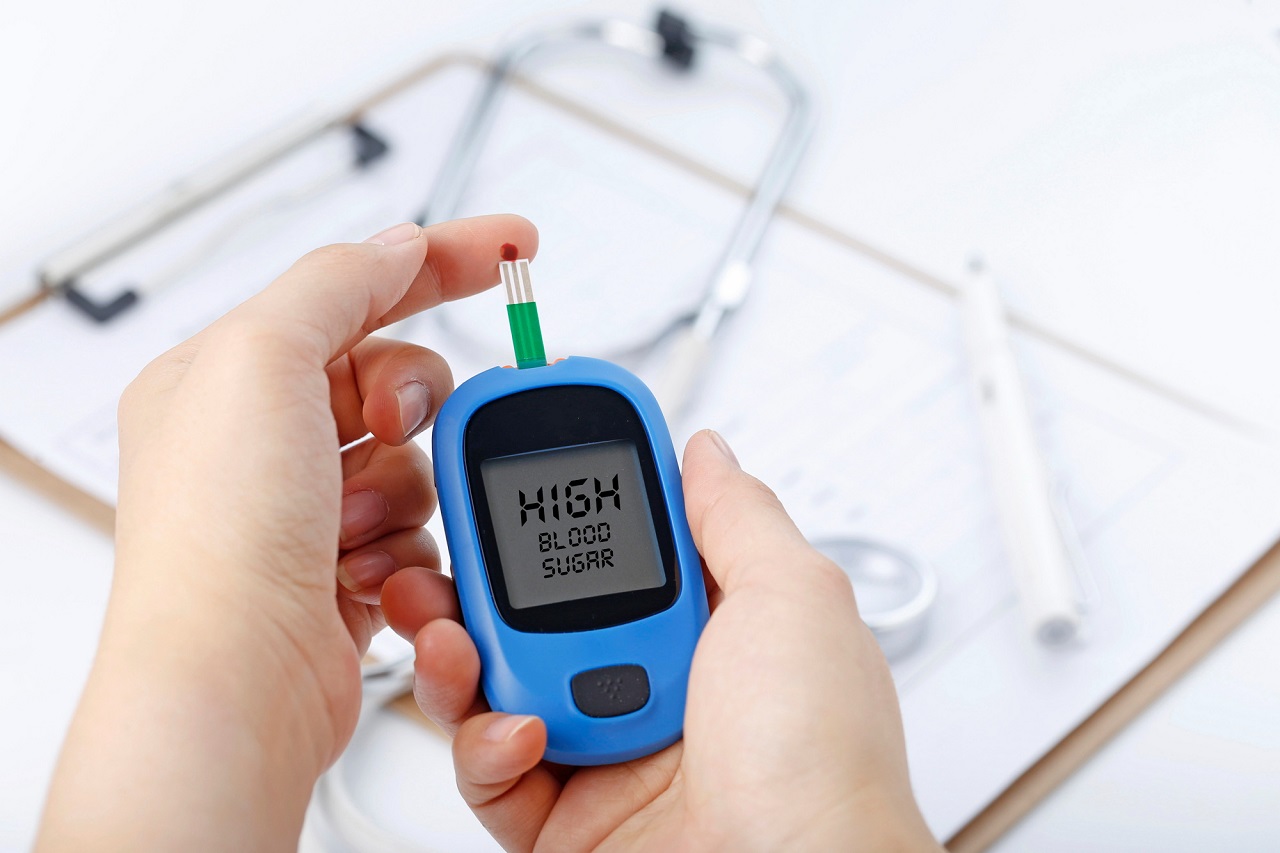
Diabetes ManagementDiya was a young girl who seemed as active as can be. She trekked, hit the gym, albeit sporadically, had a healthy appetite and as she called it, ‘lived to eat’. At 30, there was a blood donation drive and check-up in the organisation she worked at and here, she was diagnosed with diabetes. There were no other alarm bells ringing; she thought she was healthy! The doctor prescribed medications. She carried on with her life till a shooting pain in the chest made her rethink her lifestyle.

Prakash was detected with Diabetes in his late 30’s. A history of smoking, stress infused work situation, being overweight and a family history of Diabetes made a potent combination which led him to the road to Diabetes. He continued his unchecked lifestyle along with sporadic visits to the general practitioner till he found his vision blurring and a burning pain in his limbs, which made it difficult for him to sleep. Faced with diabetes complications, he knew he had to seek help from the right doctors, eat the right diet and correct his lifestyle before it was too late.

That is the scenario for most people and that is the stealthy attitude of diabetes; it creeps in and hits you. Once diagnosed, either medication is taken or not. Rarely is there a consistent follow-up. Medications tend to plateau after a while and if there is no consultation with doctors regularly, no scheduled blood tests, no nutrition assessments, no exercise patterns, it augurs for something deep and dark. This is seen as the initial concerns with diabetes control. Not everyone takes it critically. But not everyone has access to proper doctors and nutritionists.

Diabetes Is Not Taken As A Serious Disease

Consistency is key for maintaining and even reversal. Yes, in the early stages, a reversal is possible. A diabetes patient needs support, needs family and friends to assist in their journey, as it is a challenge. More than mere support, it is about adherence.

It is about breaking the habit. It is about changing habits. The first feeling when one is diagnosed is shock, helplessness, feeling of depression. As an illness, diabetes is debilitating in the long run as it has an overall effect on almost every part of the body, externally and internally. And yet, it can be controlled, and in some cases, reversed.

But now comes the challenging phase of education i.e. control and solution, and it is not easy. Besides medical advice, traditional indigenous methods are offered, and they have been helpful. Hence, understanding what goes into the treatment of diabetes is crucial.

So let’s look at the aspects of diabetes management.

1. Education

At first, you’ve got to understand the diagnosis – is it Type 1 or Type 2. Understand the various repercussions of the type of diabetes you have. Consult your doctor, read reputed websites for knowledge of diabetes and diabetes management. Listen to conventional wisdom and follow the advice of the doctors. Get on a plan.

2. Nutrition

Nutrition involves two aspects – Medication – those suggested by the doctors and home grown indigenous supplementary methods have also been beneficial. The other aspect is Food – what can be eaten, what can be paired together, and what must be avoided.

Meal composition – high protein, low carbs. Understanding foods with a high glycaemic index (foods that spike up sugar levels in the blood are to be avoided). Another important aspect is the timing of when you eat. Fad diets are not helpful and can be harmful. Sustainable, sensible eating and not temporary ‘diet eating’, one in which you can measure what you eat for a long period of time, is important.

Hydration – drinking water is extremely essential. Essentially, what you ingest can help in lowering possible future microvascular damage and other complications.

3. Control

Diabetes care needs discipline. Controlling diabetes involves complying with a proper course of medication and a healthy living construct. It is imperative that you maintain regular follow-ups with the doctor. Blood work, especially HbA1C levels must be checked every quarter to enable proper diabetes care.

Most doctors complain that follow-ups are low, if any. What has shown progress is that along with medications, the main aspect is weaving exercise into your lifestyle. Walking and light exercise has shown to have tremendous benefits in controlling and lowering HbA1C levels. Recent studies have shown that a 10-minute walk after every meal has proved as beneficial as a 30-minute walk every day.

4. Solution

So how do we control and/or reverse diabetes? Diabetes may be a global pandemic and India has the second highest number of cases, but the solution is simple! It is proper management through medication adherence, education, lifestyle changes, self-monitoring, keeping up with doctor appointments and awareness of the issues that could be faced in the future.

The first step is to take ownership of the disease. This can be achieved through awareness, which happens through education. The medical community and the Diabetes Patient Community on Social Media and other close knit communities or groups ensure that you understand what people are going through, and the solutions that are available. Holistic management of diabetes ensures that the patient with diabetes wins in the game of life. Do not panic. It is easy and definitely do-able. It is not rocket science!

If you need help or support managing Diabetes, join GOQii’s Diabetes Care Program. It’s India’s only diabetes program that is driven by Smart Science and Personal Coaching to improve Fasting Blood Sugar (FBS), Postprandial Blood Sugar (PP), and reduce HbA1c levels. You can subscribe here: https://store.goqii.com/diabetescare

For more tips on how to manage diabetes, check out Healthy Reads.

#BeTheForce
December 18, 2022 By Payal Choudhury 4 Comments

Enter The Dragon Fruit: Uses & Nutritional Benefits

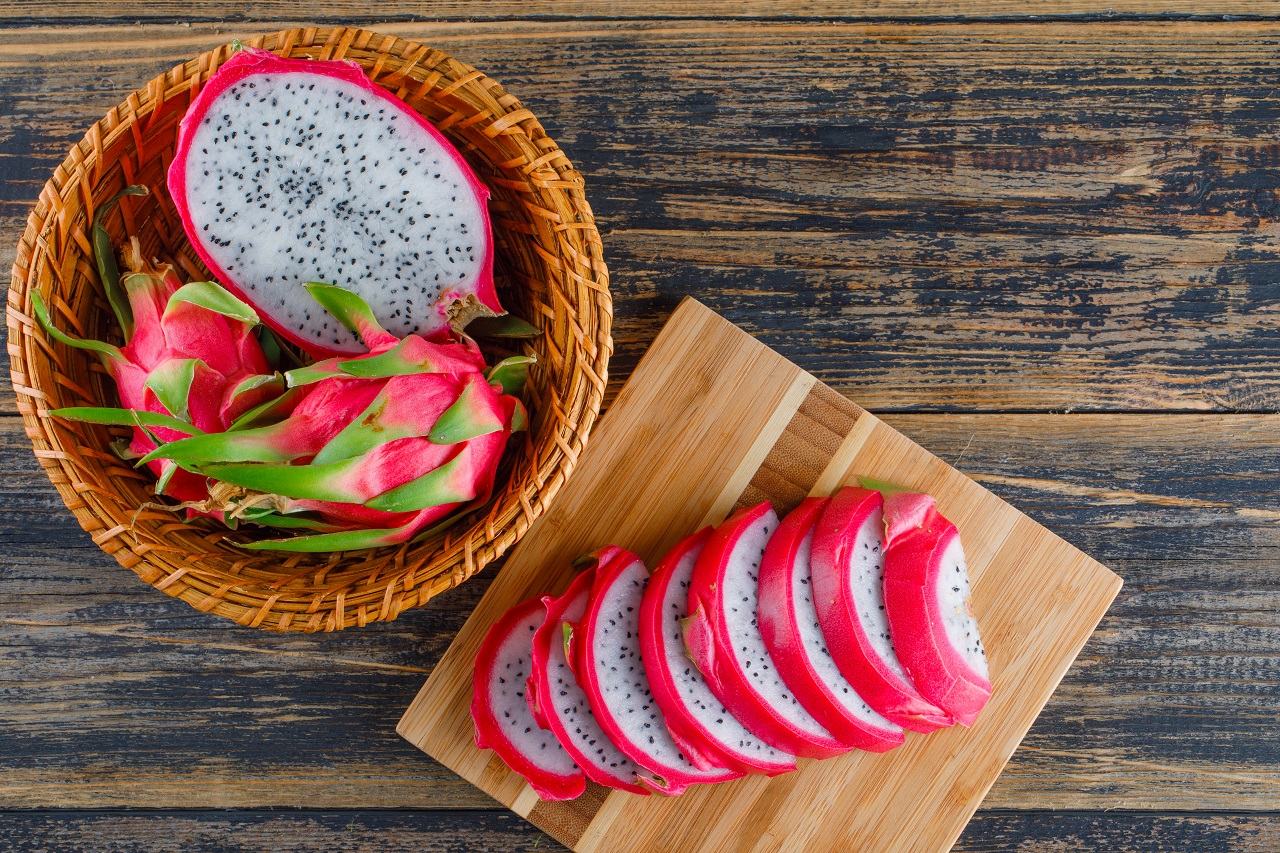
Dragon Fruit BenefitsThe Dragon Fruit is probably one of the most visually stunning fruits. Its skin looks like that of a mythical pink dragon. Did you know that it is actually harvested from a night-blooming cactus? A plant with a flower like an explosion of flame produces a beautiful fruit which is short-lived with the appearance of a brilliant pink rosebud. The phyto-nutrient dense fruit also known as “Pitaya” is grown in the tropical regions of Thailand, Vietnam, and South America. Its succulent stem provides the uniquely delicious fruit with moisture in the arid climates where it grows.
Multiple Uses of Dragon Fruit

It is important as a fruit as well as ornamental plant. Ripen fruits can be used directly to consume. Also it can be used for producing jam, ice cream, jelly, fruit juice as well as wine. Dragon fruit buds can be prepared as a curry. This tropical super fruit has a wonderful sweet flavour and unusual nutritional benefits including omega 3, protein, iron, fibre, vitamins, and minerals for hydrating all the cells in the body.

In addition to its nutritional value and health promoting effects, the dragon fruit is praised for its appetizing crunchy texture and refreshing, sweet flavour which is like a cross between kiwi and pear. To preserve most of its flavour and nutrients, the dragon fruit is usually eaten raw as a healthy snack or it is pureed into smoothies.

Nutritional Benefits

The nutritional value per 100g of Ripen Dragon fruit is as follows

Nutrition Amount
Water 82.5- 83 g
Protein 0.159- 0.229 g
Carbohydrates 8g
Sugar 9g
Fat 0.21- 0.61 g
Fibre 0.7- 0.9 g
Carotene 0.005- 0.012 mg
Calcium 6.3- 8.8 mg
Phosphorus 30.2- 36.1 mg
Iron 0.55- 0.65 mg
Vitamin B 1 0.28- 0.043 mg
Vitamin B 2 0.043- 0.045 mg
Vitamin B 3 0.297- 0.43 mg
Vitamin C 8.0- 9.0 mg
Thiamine 0.28- 0.30 mg
Riboflavin 0.043- 0.044 mg
Niacin 1.297- 1.30 mg
Ash 0.28 g
Other 0.54- 0.68 g

Health Benefits of Dragon Fruit

  1. The Dragon Fruit is high in polyunsaturated fats (omega-3 and omega-6 fatty acids) that lower the risk of cardiovascular disorders. Its rich in flavonoids that are known to have favourable effects against cardio related disease
  2. It is low in calories and contains vitamin C, magnesium, protein, antioxidants and iron.
  3. The reddish colour of the Dragon Fruit is due to lycopene – which has anti-cancer properties.
  4. It clears the body of toxic heavy metals and improves eyesight. Better eye-sight to take in its exquisiteness and majestic beauty.
  5. For Type 2 Diabetics, it is recommended to eat dragon fruit frequently because of its fiber content that helps manage blood sugar.
  6. Because of the richness in fiber, it aids in better digestion of food as well.
  7. The benefits of Dragon Fruit is realized in a number of ways, from a strengthened immune system and faster healing of bruises and wounds to fewer respiratory problems.
  8. They have zero complex carbohydrates, so foods can be easily broken down in the body, helped by vitamin B1 (thiamine) and other B vitamins.

Dragon fruit has a very mild flavour. It blends well with mild flavoured fruits such as bananas, mangoes or papayas. Coconut also complements the flavour of dragon fruit nicely.

It could easily be called a “crazy” fruit, as its appearance is so improbable. The dragon fruit is an exotic fruit that is very beautiful on the outside and comes with a lot of health benefits. It may be intimidating to try because of its outer shape and texture but, it is very easy to prepare and comes with a number of nutritional benefits that your body will love you for.

Try it out and you might like it, maybe make it a part of your regular fruit rotation. Do let us know your experience with this delicious fruit in the comments below!

For more on nutrition, check out Healthy Reads or speak to an expert by subscribing for GOQii’s Personalised Health Coaching here: https://goqiiapp.page.link/bsr

#BeTheForce

December 17, 2022 By Aruna Bhatia 1 Comment

Healthy Eating: Black Sesame Seeds Chutney

black sesame seeds chutney

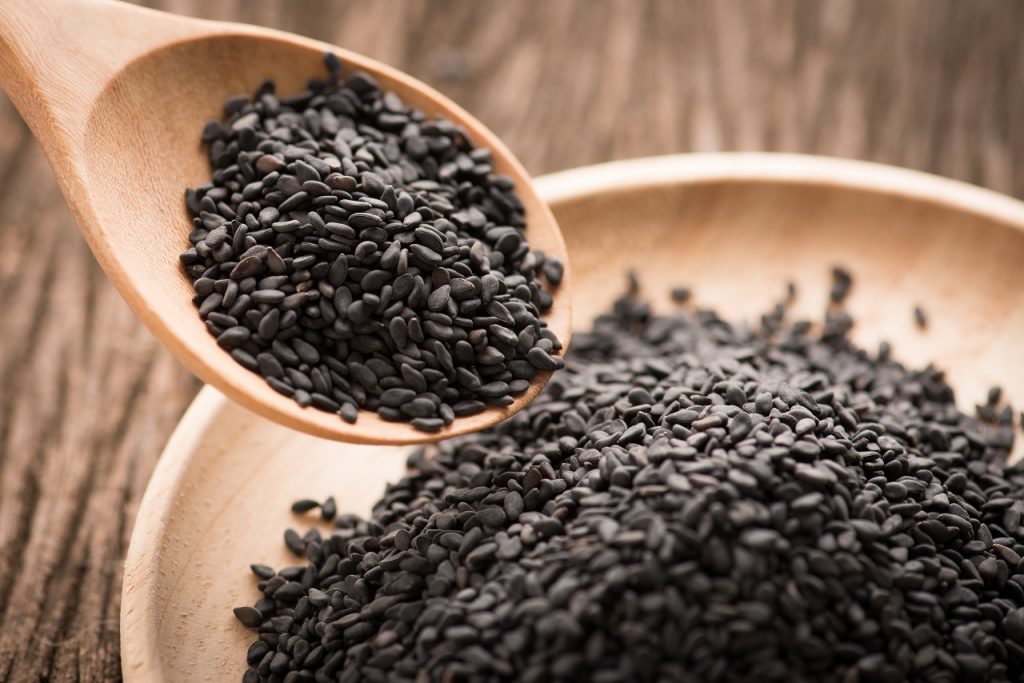
There are mainly 3 types of sesame seeds – black, white and red or brown. Of these three, black sesame seeds rank the highest, white medium and red falls the lowest in nutritional qualities. Let’s look at a black sesame seeds chutney or a spice mix recipe which will be moist due to sesame oil from the seeds. We can store it in an airtight container and relish it with roti, bhakri, khakara, idli, dosa or even rice. This is a very easy way to include sesame seeds to your daily diet. 

What You Will Need 

  • Black sesame seeds – one small cup
  • Salt – to taste
  • Dry red chili – 7 to 8
  • Garlic pods – 7 to 8

How To Prepare

  1. Dry roast black sesame seeds on medium flame. Remove them after they start popping and get roasted. Let them cool. 
  2. Next, roast red dry chilies till the moisture in them dries up. Remove this and let it cool.
  3. Now, add sesame seeds and roasted chilly and grind it to a coarse powder in a mixer grinder. 
  4. Once it seems blended well, add the garlic pods and salt and grind them so that they blend together nicely. 
  5. Your black sesame seeds chutney is ready! 

Benefits of the Black Sesame Seeds Chutney 

  • Sesame seeds are an excellent source of copper, manganese, calcium, magnesium, iron, phosphorus, vitamin B1, B6, Niacin, zinc, molybdenum and selenium. They’re also rich in dietary fiber, proteins and carbohydrates. 
  • Sesame seeds can prevent and control diabetes. They also aid in reducing the risks of cancer.  
  • Improves and supports bone health. 
  • As a strong anti inflammatory agent, they are known to reduce cardiovascular diseases and hypertension. 
  • Reduces signs of premature aging and strengthens muscle tissue and hair.  
  • Sesame seeds also protects DNA from harmful effects of radiation either from accidental or natural sources or by chemotherapy or radiotherapy

We hope you enjoy this Black Sesame Seeds Chutney. Do try it out and leave your feedback in the comments below. For more Healthy Recipes, checkout Healthy Reads or speak to a GOQii Coach by subscribing for Personalised Health Coaching here: https://goqiiapp.page.link/bsr

#BeTheForce 

December 4, 2022 By Sunita Arora 3 Comments

The Different Uses and Benefits of Banana Peels

banana peels

Banana is one of my favourite fruits because it is delicious and rich with antioxidants, vitamins and minerals like magnesium, potassium, etc. We have all eaten bananas since childhood but have you ever realized that banana peels are also a healthy part of the fruit? Banana peels have enormous health benefits and we can use the peel in several ways to lower cholesterol, eliminate wrinkles and improve sleep. Banana Peels can even be eaten raw! That’s right! They are not only edible but good for your health and skin as well. 

How To Use Banana Peels 

  • Boil them in water for 10 minutes to make a tea
  • Put them in a  juicer with water 
  • Use them as an ingredient in chutney
  • Cook them with water and sugar to make candy
  • Blend banana peels into a fruit smoothie

Health Benefits 

  1. Whitens Teeth: Ripe banana peels are very rich in potassium, which can remove yellow stains from your teeth. To whiten your teeth, rub the inner part of the peel for 2-3 minutes on a regular basis for at least 2-3 weeks after brushing and you will see positive results! 
  2. Good for Skin: They work great for skin as they have antioxidants which remove wrinkles and nourish the skin. It also fades acne scars and hydrates the skin. Simply rub the banana peel gently on the desired areas of your face, and leave for a half-hour before washing off. 
  3. Treats Warts: No need to use harsh chemicals for treating warts. Just tap a piece of ripe banana peel over it and leave it overnight for a few days.  Isn’t it an amazing natural way to treat warts?
  4. Remove Splinters: Banana peels are rich in enzymes and these enzymes have a pulling action that draws foreign objects to the surface of the skin which makes it much easier to grab the splinter. Just apply the peel to the affected area of the skin and let it sit for 15 minutes. Then remove it gently, then remove the splinter.
  5. Good for Eyes: Banana peels are good for the eyes and lower the risk of cataract. Placing it close to your eyes helps reduce puffiness. The peel also helps to lighten up under-eye dark circles and reduces the appearance of fine lines.
  6. Lower Cholesterol: They have soluble and insoluble fiber which helps lower cholesterol, stroke and prevent cardiovascular disease and prevent cholesterol from sticking to the wall of arteries. A person who needs to lower cholesterol can include banana peel as a part of a healthy diet.
  7. Boost mood: They are packed with Serotonin that helps in making you feel good. Using banana peels continuously in the diet is a natural way to increase serotonin levels.
  8. Good Sleep: If you have sleep disorder, try banana peels as they are full of tryptophan that helps to induce  more relaxed sleep.
  9. Relieves Constipation: They are loaded with high fiber which helps keep your bowel movements regular. It has 12 percent of your daily fiber requirement which helps in good digestion.
  10. First Aid: It has antimicrobial, antioxidant, and anti-inflammatory properties which gives relief from ivy rash, itching and bug bite. It is a natural way to treat migraine, helps to reduce headache by placing a frozen banana peel on the forehead and across the back of the neck.

Hopefully this article will make you think twice before throwing banana peels away! Do use this unusual knowledge and peel the benefits to good health! Let us know your thoughts in the comments below. 

For more useful information, check out Healthy Reads or speak to an expert by subscribing for GOQii’s Personalised Health Coaching here: https://goqiiapp.page.link/bsr

#BeTheForce  

  • « Previous Page
  • 1
  • …
  • 84
  • 85
  • 86
  • 87
  • 88
  • …
  • 147
  • Next Page »

Search

Recent Posts

  • World AMR Awareness Week 2026: when you need antibiotics, and simple steps to prevent AMR
  • PCOS: diet, exercise and the myths to stop believing
  • Cholesterol numbers explained: LDL, HDL and triglycerides
  • International Men’s Day 2026: why men’s health is everyone’s business
  • World COPD Day 2026: Short of Breath? Think COPD – Why Early Diagnosis Matters

Stay Updated

Archives

  • November 2026 (21)
  • October 2026 (23)
  • September 2026 (5)
  • August 2026 (8)
  • July 2026 (24)
  • June 2026 (22)
  • May 2026 (20)
  • April 2026 (24)
  • March 2026 (18)
  • February 2026 (14)
  • January 2026 (14)
  • December 2025 (19)
  • November 2025 (14)
  • October 2025 (17)
  • September 2025 (6)
  • August 2025 (5)
  • July 2025 (9)
  • June 2025 (18)
  • May 2025 (16)
  • April 2025 (22)
  • March 2025 (25)
  • February 2025 (21)
  • January 2025 (25)
  • December 2024 (21)
  • November 2024 (21)
  • October 2024 (15)
  • September 2024 (22)
  • August 2024 (27)
  • July 2024 (14)
  • June 2024 (23)
  • May 2024 (26)
  • April 2024 (27)
  • March 2024 (27)
  • February 2024 (23)
  • January 2024 (21)
  • December 2023 (14)
  • November 2023 (10)
  • October 2023 (18)
  • September 2023 (20)
  • August 2023 (16)
  • July 2023 (16)
  • June 2023 (21)
  • May 2023 (20)
  • April 2023 (19)
  • March 2023 (23)
  • February 2023 (19)
  • January 2023 (15)
  • December 2022 (11)
  • November 2022 (15)
  • October 2022 (15)
  • September 2022 (12)
  • August 2022 (9)
  • July 2022 (17)
  • June 2022 (11)
  • May 2022 (10)
  • April 2022 (6)
  • March 2022 (6)
  • February 2022 (13)
  • January 2022 (11)
  • December 2021 (7)
  • November 2021 (3)
  • October 2021 (6)
  • September 2021 (3)
  • August 2021 (8)
  • July 2021 (7)
  • June 2021 (15)
  • May 2021 (16)
  • April 2021 (10)
  • March 2021 (7)
  • February 2021 (4)
  • January 2021 (4)
  • December 2020 (3)
  • November 2020 (4)
  • October 2020 (10)
  • September 2020 (3)
  • August 2020 (3)
  • July 2020 (2)
  • June 2020 (4)
  • May 2020 (10)
  • April 2020 (12)
  • March 2020 (10)
  • February 2020 (4)
  • January 2020 (4)
  • December 2019 (3)
  • November 2019 (7)
  • October 2019 (5)
  • September 2019 (4)
  • August 2019 (9)
  • July 2019 (9)
  • June 2019 (11)
  • May 2019 (4)
  • April 2019 (8)
  • March 2019 (8)
  • February 2019 (9)
  • January 2019 (8)
  • December 2018 (9)
  • November 2018 (3)
  • October 2018 (3)
  • September 2018 (5)
  • August 2018 (10)
  • July 2018 (6)
  • June 2018 (13)
  • May 2018 (8)
  • April 2018 (17)
  • March 2018 (9)
  • February 2018 (8)
  • January 2018 (15)
  • December 2017 (12)
  • November 2017 (19)
  • October 2017 (13)
  • September 2017 (15)
  • August 2017 (4)
  • July 2017 (8)
  • June 2017 (7)
  • May 2017 (6)
  • April 2017 (8)
  • March 2017 (6)
  • February 2017 (7)
  • January 2017 (9)
  • December 2016 (10)
  • November 2016 (7)
  • October 2016 (7)
  • September 2016 (7)
  • August 2016 (11)
  • July 2016 (9)
  • June 2016 (9)
  • May 2016 (12)
  • April 2016 (17)
  • March 2016 (17)
  • February 2016 (8)
  • January 2016 (6)
  • December 2015 (2)
  • November 2015 (9)
  • October 2015 (7)
  • September 2015 (9)
  • August 2015 (11)
  • July 2015 (9)
  • June 2015 (11)
  • May 2015 (9)
  • April 2015 (13)
  • March 2015 (8)
  • February 2015 (5)
  • January 2015 (12)
  • December 2014 (14)
  • November 2014 (11)
  • October 2014 (6)
  • September 2014 (13)
  • August 2014 (12)
  • July 2014 (6)
  • June 2014 (2)
  • May 2014 (7)
  • April 2014 (4)

From Burnout to Balance: How Dr. Ranjit Reclaimed His Health

Dr Ranjit Bhatt has spent years tending to others. A practising doctor in Odisha, his days were packed with patients, surgeries, and emergencies. From the outside, it looked like a life lived in service. But on the inside, something wasn’t right. “I had no … [Read More...]

From Shimla’s Slopes to Chandigarh’s Sidewalks: Surinder Kaur Bhalla’s Journey from Chaos to Control

Some journeys start with a plan. Others begin with a stumble literally. Surinder Bhalla, a government professional, born and raised in the scenic hill town of Shimla, had always lived a life of movement. “In Shimla, you walked everywhere,” she reflects. “Walking was never an exercise. It was just life.” But after shifting to Chandigarh, […]

“I’ve Challenged Myself to Live 100 Years” – The Story of Chandubhai Savani’s Second Chance at Life

At 67, most people start slowing down. Not Chandubhai Savani. A resident of Surat, Chandubhai, thought life was on track. “My life was going well till I had my bypass surgery,” he says. That surgery, back in 2021, was a wake-up call.  Medication was routine, but exercise wasn’t. His diet? What he calls ‘normal.’ “I […]

Ananda Mukherjee Health Story

From Terminal Illness To Complete Wellness! Ananda Mukherjee Health Story

As we observe World Cancer Day under the powerful theme ‘United by Unique’ (2025-2027)**, we are reminded that every individual’s journey with cancer is distinct, yet united by shared resilience, hope, and the collective fight against this disease. This theme places people at the centre of care and their stories at the heart of the […]

  • HOME
  • HEALTHY LIVING
  • FITNESS
  • HEALTHY RECIPES
  • USER STORIES
  • KARMA
  • BUY GOQii

Copyright ©2016 GOQii



