GOQii

Blog

  • HOME
  • HEALTHY LIVING
  • FITNESS
  • HEALTHY RECIPES
  • USER STORIES
  • KARMA
  • BUY GOQii

Archives for November 2026

November 4, 2026 By Vandana Juneja Leave a Comment

5 Breathing Exercises To Relieve Anxiety In An Instant

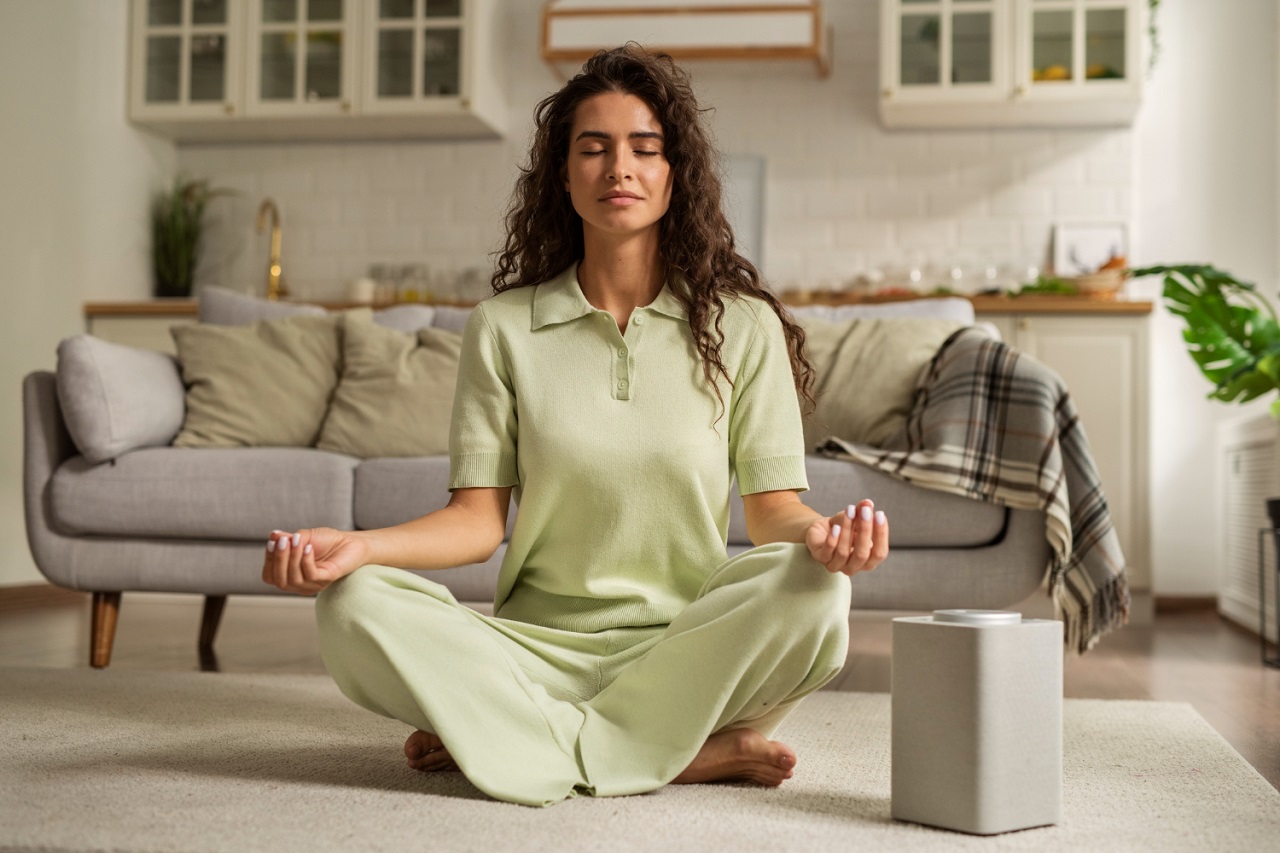
breathing exercises to relieve anxiety Your heart is racing, your chest feels tight and your thoughts won’t slow down. Whether it’s before a presentation, in a crowded room or lying awake at 3 am, anxiety often shows up in the body first, and one of the first things it changes is your breathing. It becomes fast, shallow and high in the chest.

The good news is that breathing is one part of the stress response you can consciously control. Slowing it down is a simple, free tool you can use anywhere. It won’t make anxiety vanish instantly, and it isn’t a substitute for treatment when anxiety is severe, but it can help you feel steadier, and research suggests regular practice brings modest benefits. Here are five techniques to try, how to do them properly, and when to seek more help.

At a glance

  • Breathing exercises can help: a meta-analysis of randomised trials found breathwork was linked to small-to-medium reductions in stress and anxiety.
  • Five minutes a day is enough to start: in a Stanford trial, 5 minutes of daily breathing practice for a month improved mood and reduced anxiety.
  • Slow, long out-breaths are the common thread in most calming techniques.
  • Practise when calm, so the skill is there when you need it.
  • It’s a tool, not a cure: if anxiety is persistent or disrupts daily life, talk to a doctor. In India, Tele-MANAS (14416) offers free support around the clock.

How breathing affects anxiety

When you feel threatened, your body’s stress response speeds up your heart and breathing to prepare you for action. Anxiety can switch on this response even when there’s no real danger, and fast, shallow breathing can then make you feel dizzy, tingly or short of breath, which feeds the worry.

Slow breathing, especially with a long, unhurried out-breath, is thought to calm this response by engaging the body’s “rest and digest” system. It also gives your mind a simple, steady thing to focus on.

What the research says:

  • A 2023 meta-analysis in Scientific Reports, covering randomised trials with 785 adults, found that breathwork was linked to lower stress, anxiety and depression than control groups. The effects were small to medium, and many studies had limitations.
  • In a Stanford study of 111 healthy adults, 5 minutes a day of controlled breathing for a month improved mood and reduced anxiety a little more than mindfulness meditation. A technique called cyclic sighing worked best.
  • In a larger 2023 trial of 400 adults, slow “coherent” breathing helped no more than a placebo breathing exercise. Both groups improved, which suggests that taking regular, calm time to breathe and focus may matter more than the exact counting pattern.

In short, breathing exercises are a safe, useful self-help tool for everyday stress and anxiety. They work best when practised regularly, and they don’t promise instant results.

5 breathing exercises to try

Sit or lie comfortably, loosen tight clothing and, if you like, close your eyes. Breathe gently; the aim is slow and comfortable, never forced. If you feel dizzy or light-headed at any point, stop and breathe normally.

1. Belly (diaphragmatic) breathing

The foundation for every other technique, and the one the NHS recommends for stress.

  1. Place one hand on your chest and one on your belly.
  2. Breathe in gently through your nose, letting your belly rise while your chest stays fairly still. Counting from 1 to 5 can help.
  3. Breathe out gently through your mouth, again counting to 5 if it helps.
  4. Repeat for at least 5 minutes.

Best for: everyday practice, and as a warm-up for the others.

2. Cyclic sighing (the double-inhale sigh)

The technique that performed best in the Stanford study.

  1. Breathe in through your nose until your lungs feel comfortably full.
  2. Take a second, short sip of air through your nose to top them up.
  3. Breathe out slowly and fully through your mouth, longer than the in-breath.
  4. Repeat for about 5 minutes.

Best for: a quick reset when you feel tense; a couple of rounds can take the edge off.

3. Box breathing (4-4-4-4)

Used by athletes and in high-pressure jobs to stay steady. Imagine tracing the four sides of a square.

  1. Breathe in through your nose for a count of 4.
  2. Hold gently for 4.
  3. Breathe out through your mouth for 4.
  4. Hold for 4, then repeat for 3–5 minutes.

If the holds feel uncomfortable, shorten them or leave them out. Best for: focus before a stressful task, such as an exam, interview or presentation.

4. Longer out-breath (4-6 breathing)

A simple way to slow your breathing to around six breaths a minute.

  1. Breathe in gently through your nose for a count of 4.
  2. Breathe out slowly through your mouth or nose for a count of 6, as if blowing gently through a straw.
  3. Continue for 5 minutes. As it gets easier, you can try in for 5 and out for 7.

Best for: winding down in the evening or settling before sleep.

5. Alternate nostril breathing (nadi shodhana)

A traditional yoga pranayama practice that many people find calming and centring.

  1. Sit upright. Rest your left hand on your lap.
  2. Close your right nostril with your right thumb and breathe in slowly through the left.
  3. Close the left nostril with your ring finger, release the thumb and breathe out through the right.
  4. Breathe in through the right, close it, and breathe out through the left. That’s one round.
  5. Continue for 5–10 rounds, breathing slowly and without straining.

Skip it if your nose is blocked. Best for: a calm start to the day, or as part of a yoga or meditation routine.

Who should take care

  • Holding the breath (as in box breathing) isn’t advised in pregnancy, or if you have a heart condition, uncontrolled high blood pressure, or a lung condition such as COPD, unless your doctor says it’s fine. Simply leave the holds out.
  • Fast or forceful breathwork, such as rapid hyperventilation practices, can cause dizziness or fainting and isn’t recommended for anxiety without guidance.
  • If breathing exercises make you more anxious, which can happen when you focus on your breath, try counting, gentle movement or grounding (naming things you can see and hear) instead.

Making it a habit

Breathing exercises work best as a skill you’ve practised, not just an emergency button. Learning a technique when you’re already panicking is hard; using one you’ve practised daily is much easier.

  • Pick one technique and practise it for 5 minutes a day for a few weeks. In the Stanford study, the benefits of cyclic sighing grew with each day of practice.
  • Attach it to something you already do, such as after brushing your teeth, before checking your phone in the morning, or during your commute (with eyes open!).
  • Use it in the moment: a few rounds before a meeting, after a difficult call, or when you can’t sleep.
  • Combine it with other habits that ease anxiety: regular exercise, enough sleep, less caffeine and alcohol, and time with people you trust. Physical activity in particular can lift mood; read more on how exercise impacts mental health.

When breathing exercises aren’t enough

Everyday worry and nerves are part of life. But for some people, anxiety becomes constant and hard to control. The NHS describes generalised anxiety disorder as anxiety that affects daily life, often with poor sleep, restlessness, trouble concentrating and physical symptoms such as a racing heart.

Speak to a doctor if:

  • anxiety is affecting your work, studies, relationships or sleep
  • you’re having panic attacks, or avoiding places and situations because of anxiety
  • you’re relying on alcohol or other substances to cope
  • you’ve been feeling low or hopeless as well

Anxiety is common and treatable. Talking therapies such as cognitive behavioural therapy (CBT), and sometimes medicines, help most people. Breathing techniques can work well alongside treatment.

Free, confidential support:

  • India: Tele-MANAS, 14416 or 1-800-891-4416, 24 hours a day
  • UK: your GP, or self-refer to NHS Talking Therapies; call 111 for urgent advice
  • US: call or text 988 for the Suicide & Crisis Lifeline

Get emergency help if you have chest pain, severe breathlessness or fainting. These can feel like panic but need checking, especially if you’ve never had them before. And if you’re thinking about harming yourself, contact emergency services or a crisis line straight away.

Worry can also get in the way of other health goals; read our guide on how worry affects weight loss and what helps.

The bottom line

Your breath is always with you, which makes it one of the simplest tools you have for managing anxiety. Slow belly breathing, cyclic sighing, box breathing, a longer out-breath and alternate nostril breathing can all help you feel calmer. They won’t switch anxiety off instantly, but practised for a few minutes each day, they can make tense moments easier to ride out. If anxiety is persistent or overwhelming, you don’t have to manage it alone: reach out for professional support.

Pro Tip: Set a daily reminder in the GOQii App for a 5-minute breathing break, and track your sleep and mood alongside it to see what helps. Your GOQii Personalised Health Coach can help you build calming routines into busy days.

Frequently asked questions

Do breathing exercises really help anxiety?

They can. Research suggests breathwork leads to small-to-medium reductions in stress and anxiety, especially with regular practice. They’re a helpful self-help tool, but not a replacement for treatment if anxiety is severe or persistent.

What is the best breathing exercise for anxiety?

There’s no single best one. Techniques with a slow, long out-breath, such as belly breathing, cyclic sighing and 4-6 breathing, are good places to start. In one Stanford study, cyclic sighing improved mood the most.

How quickly do breathing exercises work?

Some people feel calmer within a few minutes, but effects vary. The biggest benefits come from practising for about 5 minutes a day over several weeks.

What is cyclic sighing?

It’s a breathing technique where you breathe in through your nose, take a second short breath in to fill your lungs, then breathe out slowly through your mouth. Repeat it for about 5 minutes.

What is box breathing?

Box breathing means breathing in for 4 counts, holding for 4, breathing out for 4 and holding for 4, then repeating. Leave out the holds if they feel uncomfortable, or if you’re pregnant or have a heart or lung condition.

Can breathing exercises stop a panic attack?

Slow breathing can help you ride out a panic attack and feel more in control, but it may not stop one completely. If you have frequent panic attacks, speak to a doctor, as effective treatments are available.

When should I see a doctor about anxiety?

See a doctor if anxiety is constant, hard to control, or affects your sleep, work or relationships, or if you have panic attacks. In India, you can call Tele-MANAS on 14416 for free, confidential support at any time.

#BeTheForce

Disclaimer: The information provided in this blog is for general awareness and educational purposes only. It is not intended to replace professional medical advice, diagnosis, or treatment. Always consult a qualified healthcare provider for personalised medical guidance or concerns related to your health.

November 3, 2026 By Vandana Juneja Leave a Comment

Maintaining a Healthy Lifestyle During Diwali: Balancing Tradition and Well-Being

Diwali is about light, family and togetherness, and food is at the heart of it. There’s the box of kaju katli from a neighbour, chakli and chivda with every cup of chai, the late-night card parties and the big family dinner. Nobody wants to spend the festival counting calories, and you shouldn’t have to.
The aim isn’t perfection. It’s balance: enjoying the traditions you love while keeping a few simple habits that stop one festive week turning into a month of feeling sluggish. Here’s how, before, during and after the celebrations, whether you’re celebrating in Mumbai, Leicester or New Jersey.

At a glance

  • Aim for moderation, not perfection. A few sweets won’t undo your health; weeks of excess might.
  • Don’t arrive at parties hungry. A balanced meal or snack beforehand makes overeating less likely.
  • Eat mindfully. Slowing down and paying attention to food has been shown to reduce how much people eat.
  • Make smarter swaps: baked or roasted namkeen, and sweets with less sugar and more nuts.
  • Keep moving: even a few minutes of walking after a meal can help blunt the rise in blood sugar.
  • Protect sleep, manage stress and go easy on alcohol. There’s no safe level of drinking.
  • Take extra care if you have diabetes, high blood pressure, or heart or lung disease.

Why the festive weeks add up

Diwali isn’t one meal. It’s often two or three weeks of gifting, visiting and celebrating, starting with Dhanteras shopping and ending with Bhai Dooj, and the habits add up:

  • Sweets: most mithai is rich in sugar and ghee. The WHO advises keeping free sugars below 10% of daily energy, and ideally below about 25 g (6 teaspoons) a day. Two or three pieces of mithai can use that up.
  • Fried snacks: namkeen, samosas and pakoras are energy-dense and often fried in oil that’s been reused many times.
  • Salt: namkeen, papad and pickles push salt intake up, which matters for blood pressure.
  • Late nights and alcohol: card parties and celebrations cut into sleep, and drinking adds calories while lowering your guard around food.
  • Smoke: firecrackers and winter smog can worsen asthma and other lung and heart conditions.

Weight gained over a festival doesn’t always come off. In research on Christmas, a festival with similar eating habits, adults typically gained 0.4–1 kg a year, with much of it put on during the festive season and not fully lost afterwards. Small, steady habits make the difference.

Before the celebrations

  1. Set realistic goals. “No sweets at all this Diwali” rarely lasts past the first box of barfi. Goals like “one sweet a day, savoured”, “a 20-minute walk every morning” or “no second helpings at dinner” are easier to keep. If you’re trying to lose weight, aiming to maintain your weight through the festival is a perfectly good goal.
  2. Don’t arrive starving. Going to a party hungry makes it much harder to stop at a few snacks. Have a balanced meal or a filling snack with protein and fibre beforehand, such as a bowl of dal, curd with fruit, a handful of nuts or roasted chana.
  3. Plan, and keep an eye on the scale. Look at the week ahead and decide which events matter most to you. Keep everyday meals simple and light on the other days. In a UK study over Christmas, adults who weighed themselves regularly and learnt how much activity it takes to burn off festive foods avoided weight gain, while the comparison group put weight on. A quick weigh-in twice a week, or logging your meals, is a gentle reality check, not a punishment.
  4. Know what’s in your favourite foods. You don’t need to count every calorie, but it helps to know that fried and syrup-soaked sweets such as gulab jamun and jalebi, and deep-fried namkeen, are among the most energy-dense festive foods. That makes them the ones to enjoy in smaller amounts.

At the table

  1. Eat mindfully. Sit down to eat rather than grazing from the plate on the table. Eat slowly, put food on a plate rather than eating from the box, and actually taste your favourite sweet instead of finishing it while chatting. A 2026 review of 46 studies found that mindfulness and mindful eating reduced how much people ate, although they didn’t change how hungry people felt.
  2. Use the plate, not the platter. At a buffet or family dinner, fill half your plate with vegetables, salad and dal first, then add the rich dishes. Pick the two or three festive foods you really love and skip the ones you’re eating out of habit.
  3. Choose smarter sweets and snacks. You don’t have to give up mithai, but you can:
  • make sweets with dates, nuts and seeds instead of sugar syrup, like our dates roll with seeds, remembering that dates are still high in natural sugar
  • swap deep-fried namkeen for baked and air-fried namkeen, such as methi mathri, namak pare and roasted poha chivda
  • try the lighter festive ideas in our trending healthy recipes
  • choose smaller pieces, and share a sweet rather than having a whole one
  • give dry fruit, fruit baskets or homemade snacks as gifts, instead of another box of mithai
  1. Drink water, not just chai. Keep water within reach, and go easy on sweetened drinks and sherbets.

Beyond the food

  1. Keep moving. Cleaning and decorating the house counts! So do dancing at a family party, a morning walk before the day gets busy, and a short stroll after big meals. A 2022 analysis of seven studies found that even 2–5 minutes of light walking after eating helped blood sugar rise and fall more gently than sitting. On high-pollution days, move your workout indoors; see our guide to air pollution and your health.
  2. Protect your sleep. Late nights make you hungrier the next day and more likely to reach for sugary snacks. Try to keep a regular wake-up time, and catch up with an early night after a late celebration.
  3. Manage the stress. Cleaning, shopping, cooking, hosting and family expectations can make the festival exhausting. Share the jobs, keep plans simple and take a few minutes for slow breathing or quiet time. Saying no to one more event is allowed.
  4. Be honest about alcohol. If you drink, have less. The WHO is clear that there’s no safe level of alcohol for health, and no drink is a “healthy option”, including red wine. Alternate alcoholic drinks with water, avoid sugary mixers, eat before you drink, and never drink and drive.
  5. Lean on your people. Tell family or friends what you’re aiming for. Walk together after dinner, cook a lighter dish to share, and reward yourselves with an outing or a new book rather than another sweet.

If you have a health condition

Festivals are for everyone, but a few conditions need some extra planning.

  • Diabetes: keep to your usual meal times and medicines, and don’t skip meals to “save up” for sweets, which can cause low blood sugar if you take insulin or certain tablets. Count sweets as part of your carbohydrates for that meal, choose a small piece, and check your sugar more often during the festival. Sugar-free sweets can still be high in fat and calories.
  • High blood pressure or heart disease: watch the salt in namkeen, pickles and papad, keep taking your medicines on time, and avoid heavy meals late at night. Seek urgent help for chest pain or breathlessness, and know the signs of a stroke.
  • Asthma or COPD: firecracker smoke and winter smog can trigger attacks. Stay indoors when the air is smoky, keep your reliever inhaler with you, and follow your action plan.
  • Pregnancy: avoid alcohol completely, and choose freshly made sweets and dairy from trusted sources.

If you’re unsure how festive eating fits your treatment, check with your doctor or dietitian before the celebrations begin.

After Diwali: think long term

  1. Get straight back to normal. Had a few too many laddoos? That’s fine. One day doesn’t define your health; what you do over the following weeks matters far more. Go back to your usual meals and routine the next day. There’s no need for a crash diet, “detox” or skipping meals, which often backfire.
  2. Pass on the leftovers. Share leftover sweets with neighbours, staff or a local shelter rather than finishing them over the next fortnight. Freeze some if you can.
  3. Keep the good habits going. If you started walking after dinner or swapped fried namkeen for roasted snacks, keep it up. The healthiest festivals are the ones that leave you with a habit worth keeping.

The bottom line

A healthy Diwali isn’t about saying no to the sweets your family has made for generations. It’s about choosing the ones you love, eating them slowly, keeping meals around them simple, staying active, sleeping enough and going easy on alcohol. Do that, and you can enjoy every diya, every visit and every bite, and still feel good when the lights come down.

Pro Tip: Use the GOQii App to log your meals, steps and sleep through the festive weeks; seeing the pattern helps you balance a heavy day with a lighter one. Your GOQii Personalised Health Coach can help you set realistic festive goals and get back on track afterwards.

Frequently asked questions

How can I eat healthily during Diwali?

Aim for moderation rather than perfection. Eat a balanced meal before parties, choose the festive foods you love most, eat them slowly, fill half your plate with vegetables and dal, and choose baked or roasted snacks where you can.

How many sweets can I eat during Diwali?

There’s no fixed number, but the WHO advises keeping free sugars ideally below about 25 g, or 6 teaspoons, a day. Many pieces of mithai contain a large share of that, so one small sweet a day, enjoyed slowly, is a sensible approach.

What are healthy alternatives to Diwali sweets?

Try sweets made with dates, nuts and seeds, roasted makhana, fruit-based desserts or smaller portions of traditional mithai. Remember that sweets made with dates or jaggery still contain a lot of sugar.

How can I avoid weight gain during Diwali?

Keep everyday meals light and simple, stay active, weigh yourself once or twice a week, limit fried snacks and sugary drinks, and get back to your normal routine right after the festival.

Can people with diabetes eat sweets during Diwali?

Most people with diabetes can have a small sweet occasionally as part of a meal, counted within their carbohydrate allowance. Don’t skip meals or medicines, check your blood sugar more often, and ask your doctor or dietitian for advice.

Is red wine a healthy choice during celebrations?

No. The WHO says there is no safe level of alcohol for health, and red wine isn’t a healthy option. If you drink, drink less, alternate with water and never drink and drive.

How do I get back on track after Diwali?

Return to your usual meals and routine the very next day, drink plenty of water, move every day and get enough sleep. There’s no need for detox diets or skipping meals.

#BeTheForce

Disclaimer: The information provided in this blog is for general awareness and educational purposes only. It is not intended to replace professional medical advice, diagnosis, or treatment. Always consult a qualified healthcare provider for personalised medical guidance or concerns related to your health.

November 2, 2026 By GOQii Leave a Comment

Air Pollution and Your Health: Protecting Your Lungs and Heart

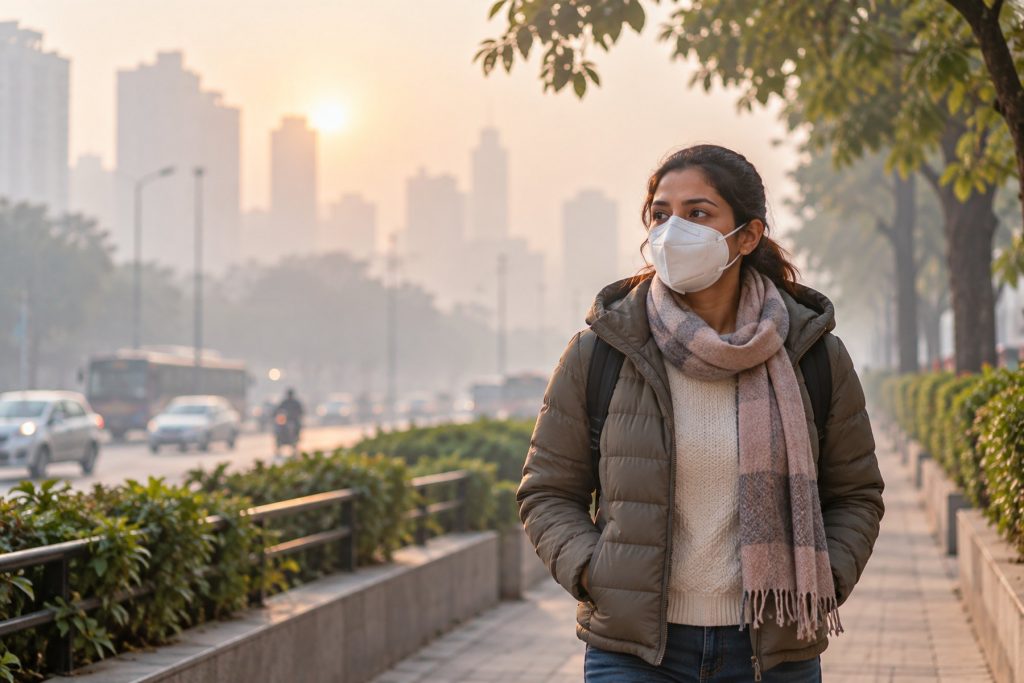
Every winter, much of North India wakes up to a grey haze that stings the eyes and catches in the throat. But polluted air isn’t only a Delhi problem. Traffic fumes in London, wildfire smoke in California and Canada, coal and dust in parts of China and Africa, and smoke from cooking fires in millions of homes all affect the air we breathe. According to the World Health Organization, 99% of the world’s population lives in places where air quality falls short of its guidelines.
You can’t control the air outside, but you can reduce how much of it you breathe in. This guide explains what’s in polluted air, how it affects your lungs, heart and more, and the practical steps that actually help.

At a glance

  • It’s the world’s biggest environmental health risk: air pollution contributed to about 9 million deaths in 2023, nearly 9 in 10 of them from heart disease, stroke, lung disease and other non-communicable diseases.
  • Fine particles (PM2.5) are the main concern: they’re small enough to reach deep into the lungs and the bloodstream.
  • It affects the heart as much as the lungs: short spells of high pollution can trigger heart attacks and strokes in people at risk.
  • Check the AQI daily and plan outdoor time around it.
  • What helps: a well-fitted N95 or FFP2 mask outdoors on bad days, a HEPA air purifier in the room you use most, and cutting indoor smoke.
  • What doesn’t: cloth masks, jaggery “lung cleanses” and detox drinks.

What’s in polluted air?

Air pollution is a mix of particles and gases from vehicles, industry, power plants, construction dust, crop and rubbish burning, wildfires and household fuels. The main ones to know:

  • 5: fine particles less than 2.5 micrometres across, about 30 times thinner than a human hair. They’re the most harmful because they travel deep into the lungs and can enter the bloodstream.
  • PM10: coarser particles such as dust and pollen, which mostly irritate the nose, throat and airways.
  • Nitrogen dioxide (NO₂): mainly from traffic, especially diesel engines. It inflames the airways.
  • Ozone (O₃): forms when sunlight reacts with other pollutants, so it peaks on hot, sunny afternoons.

In 2021, the WHO made its air quality guidelines much stricter, because evidence showed harm at lower levels than previously thought.

Pollutant WHO 24-hour guideline WHO annual guideline
PM2.5 15 µg/m³ 5 µg/m³
PM10 45 µg/m³ 15 µg/m³
NO₂ 25 µg/m³ 10 µg/m³

To put that in context, PM2.5 in some cities, including parts of North India, can reach 10 to 20 times the 24-hour guideline on bad winter days. As the American Heart Association has put it, there is no known “safe” level of PM2.5; lower is always better.

Indoor air counts too. Around 2.1 billion people still cook with wood, dung, crop waste, coal or kerosene, and household air pollution was linked to about 3.2 million deaths in 2020. Incense, mosquito coils, frying, cigarette smoke and burning candles also add to indoor PM2.5.

How air pollution affects your body

Lungs and airways. In the short term, polluted air can cause coughing, a scratchy throat, wheezing and breathlessness, and it can set off asthma attacks and COPD flare-ups. Over years, it’s linked to reduced lung function, chronic obstructive pulmonary disease (COPD), lung infections and lung cancer, including in people who have never smoked.

Heart and blood vessels. This is the part many people don’t realise. Fine particles promote inflammation, raise blood pressure and make blood more likely to clot. An American Heart Association scientific statement concluded that PM2.5 exposure over hours to days can trigger heart attacks, strokes and irregular heartbeats in susceptible people, and that long-term exposure shortens life expectancy. Air pollution is now one of the leading risk factors for stroke worldwide; read our guide on how to spot the signs of a stroke and act FAST.

Brain and beyond. Research also links long-term exposure to type 2 diabetes, low birth weight and preterm birth, and dementia. The State of Global Air 2025 report estimated that air pollution-related dementia caused over 625,000 deaths in 2023.

Who is most at risk?

  • Children, whose lungs are still developing and who breathe faster
  • Older adults
  • Pregnant women
  • People with asthma, COPD, heart disease, previous stroke or diabetes
  • Outdoor workers, such as traffic police, street vendors, delivery riders and construction workers
  • People who cook with solid fuels or live near busy roads

Read the AQI before you step out

The Air Quality Index (AQI) turns pollutant levels into one number and a colour, so you can see at a glance how risky the air is today. Most weather apps show it, and countries publish official readings: SAMEER and the CPCB website in India, AirNow in the US, and the Met Office and UK-AIR in the UK.

Scales differ between countries, so always read the category label, not just the number. India’s national AQI, for example, uses six bands:

AQI Category Possible health impact
0–50 Good Minimal
51–100 Satisfactory Minor breathing discomfort for sensitive people
101–200 Moderate Breathing discomfort for people with lung or heart disease
201–300 Poor Breathing discomfort for most people on prolonged exposure
301–400 Very poor Respiratory illness on prolonged exposure
401–500 Severe Serious effects even in healthy people

Using it day to day:

  • Good to moderate: normal activity for most people. If you have asthma or heart disease, watch for symptoms in the moderate range.
  • Poor: cut down on long or strenuous outdoor exercise; sensitive groups should move it indoors.
  • Very poor or severe: keep outdoor time short, wear a well-fitted N95 or FFP2 mask if you must go out, and keep indoor air as clean as possible.

Pollution usually peaks in the early morning and late evening in winter, when cold, still air traps it near the ground. Ozone is the exception, peaking on sunny afternoons.

How to protect yourself: what actually works

Outdoors

Choose the right mask, and wear it properly. On high-pollution days, an N95, FFP2 or KN95 respirator can filter most fine particles, but only if it seals well. Experts advise choosing a snug size: the mask should pull in slightly when you breathe in and puff out when you breathe out. If air leaks around the edges, you’re breathing unfiltered air. Beards stop a good seal. Surgical masks offer some protection, and cloth masks very little. Masks with a valve protect the wearer but not people nearby. Respirators aren’t designed for young children, and people with heart or lung disease should check with their doctor, as breathing through one takes more effort.

Keep exercising, but be smart about it. Physical activity is so good for you that, in modelling of cities around the world, its benefits outweighed the harm from pollution in most places. In very polluted cities, though, the safe amount of outdoor cycling dropped to around 45 minutes a day. On bad days:

  • move workouts indoors, or exercise when AQI is lowest (often late morning or early afternoon in winter)
  • walk or run in parks or on quieter streets, away from heavy traffic
  • choose lower-intensity activity, as you breathe in more air when you push hard

Movement also helps your mood through the gloomy smog season; read more on how exercise impacts mental health.

On the road: in a car, keep the windows up and set the air to recirculate in heavy traffic.

Indoors

  • Close windows and doors when outdoor AQI is poor or worse, and air your home when the air is better, usually around midday.
  • Use a HEPA air purifier in the room where you spend the most time, usually the bedroom. In one study, HEPA air cleaners roughly halved indoor PM2.5. Choose one sized for your room (check its clean air delivery rate, or CADR), keep doors closed while it runs, and change filters on time. Avoid ozone-producing “ionisers”.
  • Cut indoor smoke: don’t smoke indoors, and cut back on incense, dhoop, mosquito coils and candles on bad days.
  • Cook cleaner: use LPG, PNG or electric cooking where possible, switch on the kitchen chimney or exhaust fan, and keep lids on pans.
  • Clean with a damp cloth or mop rather than sweeping, which stirs up dust.

If you have asthma, COPD or heart disease, keep reliever and regular medicines handy, follow your action plan, and talk to your doctor before the smog season about whether your treatment needs adjusting.

Food, remedies and myths

Every smog season brings forwards and messages promising that a food or drink will “clean your lungs”. Here’s what the evidence says.

  • Jaggery (gur): the claim rests mainly on a 1994 study in rats exposed to coal dust. A pulmonologist quoted by Business Standard notes there’s no human trial showing jaggery cleans human lungs. It’s still sugar, so enjoy it as a treat, not a treatment.
  • Detox drinks, kadhas and “lung cleanses”: your lungs clear particles with their own natural defences. No drink or herb has been shown to remove inhaled pollution, and some herbal products can interact with medicines.
  • Steam inhalation: may soothe a blocked nose or irritated throat for a while, but it doesn’t remove particles from the lungs. Take care to avoid scalds, especially with children.
  • Plants as air purifiers: houseplants are pleasant, but you’d need an impractical number to make a measurable difference to PM2.5.

What a healthy diet can do: eating plenty of fruit, vegetables, pulses, nuts and whole grains supports your body’s antioxidant defences and overall heart and lung health. It’s a sensible foundation, but it can’t replace reducing exposure. Researchers are studying supplements such as vitamins C and E and omega-3 fats, but none is a proven shield, so don’t rely on them, and check with your doctor before starting any.

When to see a doctor

Mild throat irritation or a cough on smoggy days is common. See a doctor if you notice:

  • a cough that lasts more than three weeks, or coughing up blood
  • breathlessness, wheezing or chest tightness that’s new or getting worse
  • asthma or COPD symptoms that need your reliever inhaler more often than usual
  • a child who is breathing fast, wheezing or struggling to feed

Get emergency help immediately (call 108 or 112 in India, 999 in the UK, or 911 in the US) for:

  • severe breathlessness, or lips or face turning blue
  • chest pain or pressure, especially if it spreads to the arm, jaw or back
  • signs of a stroke: a drooping face, a weak arm or slurred speech

The bottom line

Air pollution harms the heart as much as the lungs, and nobody is fully immune to it. You can’t clean the air outside on your own, but you can lower your exposure: check the AQI daily, time your outdoor activity, wear a well-fitted N95 when the air is bad, keep one room clean with a HEPA purifier, and cut smoke at home. Keep blood pressure, cholesterol and conditions like asthma under control too, because a healthy heart and lungs cope better on bad-air days. And skip the miracle cures; the basics are what work.

Pro Tip: On high-AQI days, swap your outdoor walk for an indoor workout and track it in the GOQii App so your activity streak doesn’t slip. Your GOQii Personalised Health Coach can help you plan indoor routines and heart-healthy habits for the smog season.

Frequently asked questions

How does air pollution affect your health?

Air pollution, especially fine particles called PM2.5, irritates the airways, triggers asthma and COPD flare-ups and, over time, is linked to lung disease and lung cancer. It also raises the risk of heart attacks and strokes, and it has been linked to diabetes, dementia and problems in pregnancy.

What is a safe AQI level?

The lower the better. AQI categories of good or satisfactory are safe for most people, while people with asthma or heart disease may notice symptoms in the moderate range. From poor upwards, limit time outdoors. There is no known completely safe level of PM2.5.

Which mask is best for air pollution?

A well-fitted N95, FFP2 or KN95 respirator filters most fine particles. It must seal snugly around your nose and mouth to work. Surgical masks give some protection, and cloth masks very little.

Should I exercise outdoors when pollution is high?

On poor, very poor or severe AQI days, move exercise indoors or keep it short and gentle, away from traffic. On cleaner days, the benefits of outdoor exercise outweigh the risks for most people.

Do air purifiers really work?

HEPA air purifiers can substantially lower indoor PM2.5. In one study, they roughly halved it. Choose one sized for your room, keep windows and doors closed while it runs, and replace the filters on time.

Does jaggery clean your lungs from pollution?

There’s no human evidence that jaggery cleans the lungs. The claim comes mainly from an old study in rats. Jaggery is still sugar, so it’s best enjoyed in small amounts rather than as a remedy.

Who is most at risk from air pollution?

Children, older adults, pregnant women, people with asthma, COPD, heart disease or diabetes, outdoor workers and people who cook with solid fuels are most at risk and should take extra precautions on high-pollution days.

#BeTheForce

Disclaimer: The information provided in this blog is for general awareness and educational purposes only. It is not intended to replace professional medical advice, diagnosis, or treatment. Always consult a qualified healthcare provider for personalised medical guidance or concerns related to your health.

November 1, 2026 By GOQii Leave a Comment

World Vegan Day: Eating Plant-Based Without Missing Out

Plant-based eating has moved from the fringes to the supermarket aisle. Oat milk sits next to dairy, tofu is on café menus, and “vegan” has become a label people look for, whether for their health, for animals or for the planet. World Vegan Day, held on 1 November, began in 1994 to mark 50 years of the UK Vegan Society, the group that coined the word “vegan”.

A well-planned vegan diet can be healthy at any age. The key words are well planned. Cutting out meat, fish, eggs and dairy also cuts out the easiest sources of a handful of nutrients, so you need to know where else to find them. This guide covers what the evidence says, the nutrients that matter most, and what a balanced vegan day looks like, whether you’re fully vegan or simply eating more plants.

At a glance

  • Planned well, vegan diets are healthy: the Academy of Nutrition and Dietetics says appropriately planned vegan diets are healthful and nutritionally adequate.
  • Possible benefits: trials link vegan diets with modest weight loss, lower LDL cholesterol and better blood sugar control in people with diabetes.
  • Vitamin B12 is non-negotiable: there are no reliable plant sources, so vegans need fortified foods or a supplement.
  • Five more to plan for: protein, calcium and vitamin D, iron and zinc, omega-3 fats, and iodine.
  • Vegan doesn’t automatically mean healthy: heavily processed vegan foods don’t seem to carry the same benefits as whole plant foods.
  • Extra care is needed in pregnancy, for babies and children, and for older adults.

Is a vegan diet healthy? What the evidence says

An umbrella review of 17 meta-analyses, published in 2022, gives a balanced picture:

  • Weight: in trials, people on vegan diets lost about 2.5 kg more than those on comparison diets.
  • Cholesterol: LDL (“bad”) cholesterol fell modestly in people at high risk of heart disease.
  • Blood sugar: HbA1c dropped slightly in people with type 2 diabetes.
  • Blood pressure: no clear effect.
  • Bones: the evidence, though weak, pointed to a higher fracture risk.

That last point matters. In the long-running EPIC-Oxford study of nearly 55,000 people in the UK, vegans had a 43% higher risk of fractures than meat-eaters, and more than twice the risk of hip fractures, over about 18 years. The researchers think lower body weight and lower intakes of calcium and protein partly explain it. In other words, the problem isn’t plants; it’s missing nutrients, and that can be planned for.

The quality of the diet matters too. A 2024 study of more than 118,000 UK adults found that eating more ultra-processed plant-based foods, such as some meat substitutes, packaged snacks and sweetened drinks, was linked to a higher risk of heart disease, while whole and minimally processed plant foods were linked to a lower risk. These are associations rather than proof, but the message is clear: build your plate around beans, lentils, whole grains, vegetables, fruit, nuts and seeds, not just vegan-labelled packets.

1. Protein: easier than you think

Most adults need roughly 0.8 g of protein per kg of body weight a day; India’s ICMR–NIN sets it at 0.83 g/kg. For a 60 kg adult, that’s about 50 g a day. Older adults, very active people and those in pregnancy need more.

Good vegan sources, with typical amounts:

Food Serving Protein (approx.)
Tempeh 85 g (3 oz) 18 g
Chickpeas, cooked 1 cup 15 g
Tofu ¾ cup 10 g
Lentils (dal), cooked ½ cup 9 g
Edamame ½ cup 9 g
Pumpkin seeds ¼ cup 9 g
Peanut butter 2 tbsp 8 g
Peanuts 28 g (1 oz) 7 g

What helps:

  • Include a protein food at every meal: dal, rajma, chana, tofu, tempeh, soya chunks, edamame or a handful of nuts and seeds.
  • Mix your sources over the day. You don’t need to combine proteins at each meal, but eating a variety of pulses, grains, nuts and seeds over the day gives you all the essential amino acids. Classic pairings like dal-rice, hummus with pitta, or beans on toast do this naturally.
  • Soya is a complete protein, so tofu, tempeh, soya milk and edamame are especially useful.

For more on why beans and lentils deserve a daily spot, read 7 reasons why pulses are good for you.

2. Vitamin B12: the one you can’t skip

Vitamin B12 keeps your blood and nervous system healthy. It’s made by bacteria, not plants, so there are no reliable unfortified plant sources. Spirulina, mushrooms and fermented foods aren’t dependable sources. The NHS notes that B12 sources for vegans are limited and a supplement may be needed.

Deficiency develops slowly, because the body stores B12 for years, and it can cause tiredness, low mood, memory problems and pins and needles. Long-term deficiency can damage nerves, so don’t wait for symptoms. B12 deficiency is also common among vegetarians in India; studies have found high rates in several groups, including pregnant women.

Options for adults, as set out by the UK Vegan Society’s B12 guidance. Choose one:

  • eat B12-fortified foods (some plant milks, breakfast cereals, nutritional yeast and yeast extracts) two or three times a day, to get at least 3 micrograms a day
  • take a daily supplement of at least 10 micrograms
  • take a weekly supplement of at least 2,000 micrograms

Check labels, as not all plant milks or cereals are fortified. If you’ve been vegan for a while without a reliable B12 source, ask your doctor about a blood test.

3. Calcium and vitamin D: protect your bones

Given the fracture findings, calcium and vitamin D deserve real attention.

Calcium sources named by the NHS:

  • calcium-set tofu (check the label for calcium sulphate or calcium chloride)
  • fortified, unsweetened soya, pea and oat drinks
  • sesame seeds and tahini
  • green vegetables such as broccoli, cabbage, kale and okra
  • pulses, and dried fruit such as figs and apricots

Ragi (finger millet) is another useful option, with about 344 mg of calcium per 100 g. One catch: spinach is rich in calcium, but the body absorbs little of it, so don’t count on it.

Vitamin D helps your body absorb calcium. Sunlight on the skin is the main source, but how much you make depends on where you live, the season, your skin tone and how much time you spend outdoors. Few plant foods contain it naturally, though some spreads, cereals and plant drinks are fortified. The NHS advises everyone in the UK to consider a daily supplement in autumn and winter. Many people in sunny countries, including India, are also low, so ask your doctor whether you need one. Check the label: some vitamin D3 comes from sheep’s wool, so look for D2 or D3 from lichen.

Women have particular needs for calcium, iron and vitamin D; read more in our guide to essential vitamins and minerals for women.

4. Iron and zinc: help your body absorb them

Plant foods contain plenty of iron, but in a form the body absorbs less easily than iron from meat. Zinc works in a similar way: natural compounds in whole grains and pulses (phytates) reduce how much you take in.

Good sources: lentils, beans and chickpeas, tofu and tempeh, whole grains and wholemeal bread, iron-fortified cereals, dark green leafy vegetables, nuts, seeds (especially pumpkin seeds) and dried fruit such as apricots and figs.

Simple ways to absorb more:

  • Add vitamin C to iron-rich meals: a squeeze of lemon on dal, tomatoes or peppers in a curry, or a guava, orange or amla on the side.
  • Keep tea and coffee away from meals. Have them at least an hour before or after, as they reduce iron absorption.
  • Soak, sprout and ferment. Soaking beans, sprouting moong, and fermented batters such as idli and dosa help reduce phytates.

Iron needs are highest for women who menstruate and in pregnancy, and anaemia is common worldwide, especially among women in South Asia. If you feel unusually tired, breathless or look pale, ask your doctor for a blood test rather than starting iron tablets on your own.

5. Omega-3 fats and iodine: the easily overlooked two

Omega-3 fats support heart and brain health. Oily fish is the main source of the long-chain forms (EPA and DHA). Plants provide a shorter form (ALA), which the body converts only partly. The NHS suggests eating omega-3-rich nuts and seeds daily: ground flaxseed (alsi), chia seeds, shelled hemp seeds, walnuts and rapeseed (canola) oil. A spoonful of ground flaxseed in porridge, smoothies or atta is an easy habit. Algae-based omega-3 supplements are a vegan source of EPA and DHA; they’re worth discussing with your doctor, especially in pregnancy.

Iodine is needed for thyroid hormones, and it matters most in pregnancy for the baby’s brain development. Dairy and fish are the main sources in many diets, so vegans can fall short. The British Dietetic Association warns that many plant milks aren’t fortified with iodine, or contain too little, and that seaweed’s iodine content varies so much it can be excessive.

  • Use iodised salt if your country fortifies it, as India does, but keep total salt low.
  • Choose plant milks fortified with iodine where available.
  • Don’t rely on seaweed, and avoid kelp supplements.
  • Ask your doctor about a supplement if you don’t use iodised salt or fortified foods, or if you’re pregnant or planning a pregnancy.

What a balanced vegan day can look like

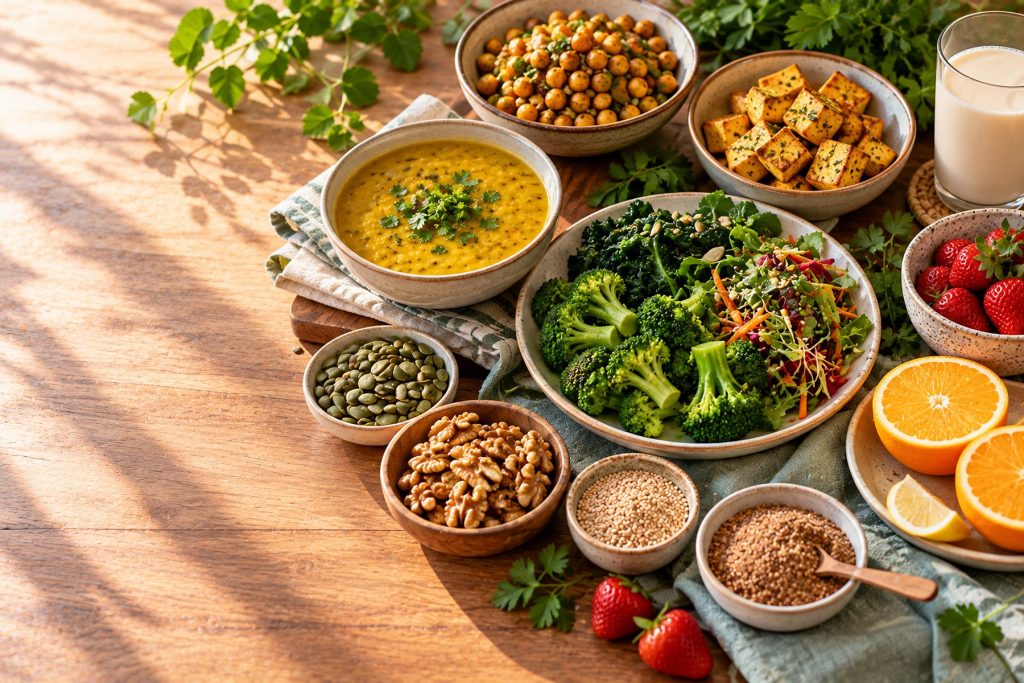
A simple way to plan a meal: half the plate vegetables and fruit, a quarter whole grains, and a quarter protein (pulses, soya, nuts or seeds), with a little healthy fat. Here’s how that can look across cuisines.

Meal Global option Indian option
Breakfast Porridge made with fortified soya milk, topped with ground flaxseed, walnuts and berries Moong dal chilla with tomato chutney, or ragi porridge with fortified soya milk
Lunch Lentil and vegetable soup with wholegrain bread, plus a salad with tahini dressing Rajma or chana with brown rice or roti, a vegetable sabzi and a kachumber salad with lemon
Snack Hummus with carrot and cucumber sticks; an orange Roasted chana, a handful of peanuts and a guava
Dinner Tofu and vegetable stir-fry with broccoli and edamame over noodles or rice Tofu or soya chunk bhurji with palak, plus jowar or bajra roti
Daily extras B12 supplement or fortified foods; vitamin D in winter; iodine from iodised salt or fortified milk The same, and calcium-set tofu or sesame (til) for calcium

This is an example, not a prescription. Portions depend on your age, activity and goals, and a dietitian can tailor a plan for you.

Who needs extra care

A vegan diet can work at every life stage, but some groups have less room for error. They should plan with a doctor or registered dietitian:

  • Pregnancy and breastfeeding: B12, iodine, iron, vitamin D, folate, calcium and omega-3 needs are higher, and they matter for the baby’s development. Prenatal supplements are usually needed.
  • Babies and young children: small stomachs need energy- and nutrient-dense foods. A vegan diet for a child must include reliable sources of B12, vitamin D, calcium, iodine, iron and enough calories. Never replace infant formula or breast milk with plant milks.
  • Older adults: protein, calcium, vitamin D and B12 needs rise just as bones and muscles become more fragile.
  • People with health conditions: if you have kidney disease, diabetes on medication, osteoporosis, anaemia or a past eating disorder, talk to your doctor before making big diet changes. Very restrictive eating isn’t advised for anyone with a history of disordered eating.

Flexible “mostly plant” eating can bring many of the same benefits, so you don’t have to go fully vegan to eat more plants.

The bottom line

Whether you’re going fully vegan this World Vegan Day or simply adding more plants to your plate, the principle is the same: eat mostly whole foods, include a protein source at every meal, and plan for the nutrients plants don’t easily provide. Make vitamin B12 a non-negotiable, look after calcium and vitamin D for your bones, help your body absorb iron, and don’t forget omega-3 and iodine. Do that, and plant-based eating can be both kind and nourishing.

Pro Tip: Log your meals in the GOQii App for a week to see whether protein, calcium and iron-rich foods show up every day. Your GOQii Personalised Health Coach can help you plan balanced plant-based meals that fit your routine, culture and taste.

Frequently asked questions

Is a vegan diet healthy?

A well-planned vegan diet can be healthy at all ages and may help with weight, cholesterol and blood sugar. It needs planning for vitamin B12, protein, calcium, vitamin D, iron, zinc, omega-3 fats and iodine, and it works best when built on whole rather than heavily processed foods.

Do vegans need to take vitamin B12?

Yes. There are no reliable plant sources of B12, so vegans need B12-fortified foods two or three times a day or a regular supplement. Low B12 can cause tiredness and, over time, nerve damage.

How can vegans get enough protein?

Include a protein food at every meal, such as lentils, beans, chickpeas, tofu, tempeh, soya, edamame, nuts or seeds. Eating a variety of these over the day provides all the essential amino acids. Most adults need about 0.8 g of protein per kg of body weight a day.

What are the best vegan sources of calcium?

Calcium-set tofu, fortified plant milks, sesame seeds and tahini, green vegetables such as broccoli, kale and okra, ragi, pulses and dried figs. Spinach contains calcium, but very little of it is absorbed.

Can vegans get enough iron?

Yes, from pulses, tofu, whole grains, leafy greens, nuts, seeds and fortified cereals. Eat them with a vitamin C source, such as lemon, tomatoes or citrus fruit, and avoid tea or coffee with meals to absorb more.

Do vegans have weaker bones?

A large UK study found vegans had a higher risk of fractures, partly linked to lower body weight and lower calcium and protein intake. Getting enough calcium, vitamin D and protein and staying active helps protect your bones.

Is a vegan diet safe during pregnancy or for children?

It can be, but it needs careful planning with a doctor or dietitian. Pregnant women and children have higher needs for B12, iodine, iron, calcium, vitamin D and omega-3, and supplements are usually needed.

#BeTheForce

Disclaimer: The information provided in this blog is for general awareness and educational purposes only. It is not intended to replace professional medical advice, diagnosis, or treatment. Always consult a qualified healthcare provider for personalised medical guidance or concerns related to your health.

  • « Previous Page
  • 1
  • …
  • 3
  • 4
  • 5

Search

Recent Posts

  • PCOS: diet, exercise and the myths to stop believing
  • Cholesterol numbers explained: LDL, HDL and triglycerides
  • International Men’s Day 2026: why men’s health is everyone’s business
  • World COPD Day 2026: Short of Breath? Think COPD – Why Early Diagnosis Matters
  • National Epilepsy Day 2026: Seizure First Aid – What to Do (and Not Do) When Someone Has a Seizure

Stay Updated

Archives

  • November 2026 (20)
  • October 2026 (23)
  • September 2026 (5)
  • August 2026 (8)
  • July 2026 (24)
  • June 2026 (22)
  • May 2026 (20)
  • April 2026 (24)
  • March 2026 (18)
  • February 2026 (14)
  • January 2026 (14)
  • December 2025 (19)
  • November 2025 (14)
  • October 2025 (17)
  • September 2025 (6)
  • August 2025 (5)
  • July 2025 (9)
  • June 2025 (18)
  • May 2025 (16)
  • April 2025 (22)
  • March 2025 (25)
  • February 2025 (21)
  • January 2025 (25)
  • December 2024 (21)
  • November 2024 (21)
  • October 2024 (15)
  • September 2024 (22)
  • August 2024 (27)
  • July 2024 (14)
  • June 2024 (23)
  • May 2024 (26)
  • April 2024 (27)
  • March 2024 (27)
  • February 2024 (23)
  • January 2024 (21)
  • December 2023 (14)
  • November 2023 (10)
  • October 2023 (18)
  • September 2023 (20)
  • August 2023 (16)
  • July 2023 (16)
  • June 2023 (21)
  • May 2023 (20)
  • April 2023 (19)
  • March 2023 (23)
  • February 2023 (19)
  • January 2023 (15)
  • December 2022 (11)
  • November 2022 (15)
  • October 2022 (15)
  • September 2022 (12)
  • August 2022 (9)
  • July 2022 (17)
  • June 2022 (11)
  • May 2022 (10)
  • April 2022 (6)
  • March 2022 (6)
  • February 2022 (13)
  • January 2022 (11)
  • December 2021 (7)
  • November 2021 (3)
  • October 2021 (6)
  • September 2021 (3)
  • August 2021 (8)
  • July 2021 (7)
  • June 2021 (15)
  • May 2021 (16)
  • April 2021 (10)
  • March 2021 (7)
  • February 2021 (4)
  • January 2021 (4)
  • December 2020 (3)
  • November 2020 (4)
  • October 2020 (10)
  • September 2020 (3)
  • August 2020 (3)
  • July 2020 (2)
  • June 2020 (4)
  • May 2020 (10)
  • April 2020 (12)
  • March 2020 (10)
  • February 2020 (4)
  • January 2020 (4)
  • December 2019 (3)
  • November 2019 (7)
  • October 2019 (5)
  • September 2019 (4)
  • August 2019 (9)
  • July 2019 (9)
  • June 2019 (11)
  • May 2019 (4)
  • April 2019 (8)
  • March 2019 (8)
  • February 2019 (9)
  • January 2019 (8)
  • December 2018 (9)
  • November 2018 (3)
  • October 2018 (3)
  • September 2018 (5)
  • August 2018 (10)
  • July 2018 (6)
  • June 2018 (13)
  • May 2018 (8)
  • April 2018 (17)
  • March 2018 (9)
  • February 2018 (8)
  • January 2018 (15)
  • December 2017 (12)
  • November 2017 (19)
  • October 2017 (13)
  • September 2017 (15)
  • August 2017 (4)
  • July 2017 (8)
  • June 2017 (7)
  • May 2017 (6)
  • April 2017 (8)
  • March 2017 (6)
  • February 2017 (7)
  • January 2017 (9)
  • December 2016 (10)
  • November 2016 (7)
  • October 2016 (7)
  • September 2016 (7)
  • August 2016 (11)
  • July 2016 (9)
  • June 2016 (9)
  • May 2016 (12)
  • April 2016 (17)
  • March 2016 (17)
  • February 2016 (8)
  • January 2016 (6)
  • December 2015 (2)
  • November 2015 (9)
  • October 2015 (7)
  • September 2015 (9)
  • August 2015 (11)
  • July 2015 (9)
  • June 2015 (11)
  • May 2015 (9)
  • April 2015 (13)
  • March 2015 (8)
  • February 2015 (5)
  • January 2015 (12)
  • December 2014 (14)
  • November 2014 (11)
  • October 2014 (6)
  • September 2014 (13)
  • August 2014 (12)
  • July 2014 (6)
  • June 2014 (2)
  • May 2014 (7)
  • April 2014 (4)

From Burnout to Balance: How Dr. Ranjit Reclaimed His Health

Dr Ranjit Bhatt has spent years tending to others. A practising doctor in Odisha, his days were packed with patients, surgeries, and emergencies. From the outside, it looked like a life lived in service. But on the inside, something wasn’t right. “I had no … [Read More...]

From Shimla’s Slopes to Chandigarh’s Sidewalks: Surinder Kaur Bhalla’s Journey from Chaos to Control

Some journeys start with a plan. Others begin with a stumble literally. Surinder Bhalla, a government professional, born and raised in the scenic hill town of Shimla, had always lived a life of movement. “In Shimla, you walked everywhere,” she reflects. “Walking was never an exercise. It was just life.” But after shifting to Chandigarh, […]

“I’ve Challenged Myself to Live 100 Years” – The Story of Chandubhai Savani’s Second Chance at Life

At 67, most people start slowing down. Not Chandubhai Savani. A resident of Surat, Chandubhai, thought life was on track. “My life was going well till I had my bypass surgery,” he says. That surgery, back in 2021, was a wake-up call.  Medication was routine, but exercise wasn’t. His diet? What he calls ‘normal.’ “I […]

Ananda Mukherjee Health Story

From Terminal Illness To Complete Wellness! Ananda Mukherjee Health Story

As we observe World Cancer Day under the powerful theme ‘United by Unique’ (2025-2027)**, we are reminded that every individual’s journey with cancer is distinct, yet united by shared resilience, hope, and the collective fight against this disease. This theme places people at the centre of care and their stories at the heart of the […]

  • HOME
  • HEALTHY LIVING
  • FITNESS
  • HEALTHY RECIPES
  • USER STORIES
  • KARMA
  • BUY GOQii

Copyright ©2016 GOQii


