GOQii

Blog

  • HOME
  • HEALTHY LIVING
  • FITNESS
  • HEALTHY RECIPES
  • USER STORIES
  • KARMA
  • BUY GOQii

Archives for November 2026

November 12, 2026 By GOQii Leave a Comment

World Pneumonia Day 2026: Warning Signs, Who Is at Risk and the Vaccines That Protect

Pneumonia is one of the world’s oldest diseases, and still one of its deadliest. It caused about 2.5 million deaths in 2023, including roughly 610,000 children under five, making it the single largest infectious cause of death in young children. Yet most cases can be prevented, and most can be treated if they’re caught early.

The theme for World Pneumonia Day on 12 November 2026 is “A New Era of Pneumonia Control”. It recognises how far vaccines, diagnosis and treatment have come, and how many lives are still lost because that progress hasn’t reached everyone. In India, a country that has made big gains in child immunisation, pneumonia is still a major cause of illness and death in both young children and older adults, especially in winter, when cold weather, respiratory viruses and air pollution add up.

This guide explains the warning signs to look out for at different ages, who is most at risk, and the vaccines that can protect you and your family.

At a glance

  • Pneumonia is an infection of the lungs, usually caused by bacteria or viruses. It fills the tiny air sacs with fluid or pus, making it harder to breathe.
  • Watch for a cough with fever, fast or difficult breathing, chest pain when you breathe or cough, and unusual tiredness. Older adults may simply seem confused or weak, without a high fever.
  • In children, fast breathing and the lower chest pulling in with each breath are key warning signs. Get medical help the same day.
  • Those most at risk are children under five, adults over 65, smokers and people with diabetes, heart, lung or kidney disease or a weak immune system.
  • Vaccines are the best protection. In India, the pneumococcal conjugate vaccine (PCV) is given free to babies at 6 weeks, 14 weeks and 9 months under the Universal Immunisation Programme. Adults over 65 and those with long-term conditions should ask their doctor about pneumococcal and yearly flu vaccines.
  • Everyday habits help too: handwashing, not smoking, cleaner air at home, good nutrition and exclusive breastfeeding for the first six months.
  • Seek urgent help for breathing difficulty, bluish lips, chest pain, confusion, or a child who can’t drink or is unusually sleepy.

What is pneumonia?

Pneumonia is an infection that inflames the small air sacs (alveoli) in one or both lungs. Normally these sacs fill with air when you breathe in. In pneumonia they fill with fluid or pus, so less oxygen gets into your blood and breathing becomes painful and hard work.

According to the WHO, pneumonia is usually caused by viruses or bacteria and spreads mainly through contact with infected people, for example through coughs and sneezes.

  • Streptococcus pneumoniae (pneumococcus) is the most common bacterial cause in both children and adults. Haemophilus influenzae type b (Hib) is another important cause in young children. Bacterial pneumonia is treated with antibiotics.
  • Influenza (flu), respiratory syncytial virus (RSV), COVID-19 and measles can all cause pneumonia, or weaken the lungs so that a bacterial pneumonia follows. Antibiotics don’t work against viruses.
  • Fungi and others. Less common, and mostly seen in people with weakened immune systems.

Pneumonia can be mild, sometimes called “walking pneumonia”, or severe enough to need hospital care and oxygen. A doctor diagnoses it by examining you, listening to your chest and sometimes ordering a chest X-ray, blood tests or a pulse oximeter reading. Don’t take leftover antibiotics or buy them without a prescription: the wrong antibiotic, or a course that’s stopped early, can make the infection harder to treat and adds to antibiotic resistance.

Warning signs of pneumonia

In adults

The WHO lists the common symptoms as cough, shortness of breath, fever with sweating and chills, tiredness and chest pain, sometimes with nausea, vomiting or diarrhoea. Look out for:

  • a cough that may bring up yellow, green or rusty mucus
  • fever, shivering or sweats
  • breathing faster than usual, or feeling breathless doing everyday things
  • a sharp chest pain that’s worse when you breathe in or cough
  • feeling very tired and unwell, and losing your appetite

A cold or flu that seems to get better and then suddenly gets worse, with a higher fever and more breathlessness, can be a sign that pneumonia has set in.

In older adults

Older people often don’t have the “classic” symptoms. They may have little or no fever and only a mild cough. Instead, the WHO notes that pneumonia can show up as confusion, especially in older adults, along with weakness, falls, drowsiness or not eating. If an elderly parent suddenly seems confused or unusually weak, especially with a cough or breathlessness, get them checked the same day.

In babies and young children

Children under five may not be able to tell you they’re struggling, so the most important signs are in how they breathe. Count their breaths for a full minute while they’re calm or asleep. International guidelines used by Médecins Sans Frontières define fast breathing in children as:

Age Fast breathing
Under 1 month 60 or more breaths a minute
1–11 months 50 or more breaths a minute
1–5 years 40 or more breaths a minute

A child with a cough or cold who is breathing fast should see a doctor the same day.

Get urgent medical help, at any age, if there is:

  • difficulty breathing, or the lower chest pulling in with each breath (chest indrawing) in a child
  • bluish or grey lips, tongue or fingernails, or an oxygen reading below 90% on a pulse oximeter
  • grunting, a whistling noise when breathing in, or the nostrils flaring
  • confusion, unusual sleepiness or difficulty waking
  • in a child, refusing to drink or feed, vomiting everything, or a fit
  • chest pain, a racing heart or coughing up blood
  • any breathing difficulty in a baby under two months

Call 112 or go to the nearest hospital emergency department. Don’t wait for a regular appointment.

Who is most at risk?

Anyone can get pneumonia, but the WHO identifies young children, adults over 65 and people with existing health conditions as most at risk. In more detail:

  • Children under five, especially babies, those born early or small, and children who aren’t fully vaccinated. Malnutrition is linked to about 60% of child pneumonia deaths.
  • Adults over 65, whose immune systems and cough reflex are weaker.
  • People with long-term conditions, such as diabetes, asthma, COPD, heart disease, kidney or liver disease.
  • People with weakened immunity, including those with HIV, cancer, an organ transplant, or taking steroids or other immune-suppressing medicines.
  • Smokers, because smoking damages the lungs’ natural defences.
  • People exposed to polluted air. Air pollution and smoking together account for more than one in four pneumonia deaths in adults over 70. In India, smoke from solid cooking fuels and winter smog both matter; our guide to air pollution and your health has practical tips.
  • People who have recently had flu, COVID-19 or another respiratory infection, which can open the door to a bacterial pneumonia.
  • People with swallowing difficulties, for example after a stroke, who may inhale food or drink into the lungs.

In children, Indian doctors also point to incomplete immunisation, not being exclusively breastfed, poor nutrition, overcrowding and indoor smoke as key risk factors.

The vaccines that protect against pneumonia

The WHO calls vaccination the most effective way to prevent pneumonia, naming vaccines against Hib, pneumococcus, measles, influenza and whooping cough (pertussis). No single vaccine prevents every type of pneumonia, but together they protect against many of the most common and dangerous causes.

For babies and children

India’s Universal Immunisation Programme (UIP) gives these free at government health centres:

  • Pneumococcal conjugate vaccine (PCV): protects against pneumococcus, the leading bacterial cause of pneumonia. Under the UIP, it’s given free of cost at 6 weeks and 14 weeks, with a booster at 9 months.
  • Pentavalent vaccine: includes Hib and whooping cough (pertussis), along with diphtheria, tetanus and hepatitis B.
  • Measles-rubella (MR) vaccine: measles is a serious cause of pneumonia in children.

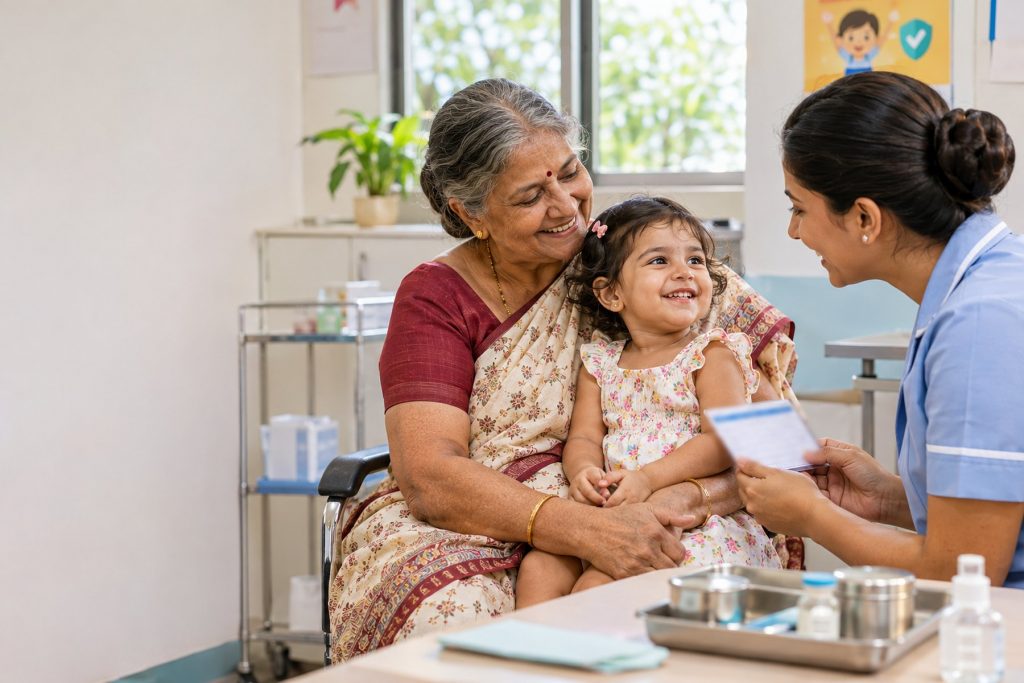
Check your child’s immunisation card or the U-WIN record, and catch up on any missed doses. Your paediatrician may also suggest a yearly flu vaccine for children from six months, especially those with asthma or other long-term conditions.

In India, doctors say vaccination has reduced the severity of pneumonia, and fully vaccinated children have better outcomes.

For adults

The Association of Physicians of India’s 2024 adult immunisation guidelines recommend pneumococcal and influenza vaccines for high-risk groups, including older adults, people with long-term conditions and healthcare workers.

Vaccine Who should ask about it How often
Pneumococcal Adults over 65, and younger adults with diabetes, heart, lung, kidney or liver disease, smokers, or a weakened immune system Usually once (one or two doses depending on the vaccine). Your doctor will advise which vaccine and schedule suit you
Influenza (flu) Adults over 65, pregnant women, people with long-term conditions, healthcare workers, and anyone who wants to lower their risk Every year, ideally before the flu season in your region
COVID-19 Follow current national advice, especially if you’re older or have a long-term condition As advised
RSV Newer vaccines for older adults and pregnant women are approved in some countries Ask your doctor about availability in India
Tdap (whooping cough) Pregnant women (to protect the baby) and adults who haven’t had a booster As advised

Adult vaccines are usually available at private hospitals, clinics and some pharmacies, and costs vary. If you’re over 60 or have a long-term condition, a winter check-up is a good time to ask. Our Dhanteras health guide lists other check-ups worth booking.

Everyday ways to lower your risk

Alongside vaccines, the WHO recommends handwashing, reducing indoor air pollution, not smoking, eating well and exclusive breastfeeding for the first six months.

  • Wash your hands with soap and water, especially before eating or feeding a baby and after coughing, sneezing or caring for someone who’s ill.
  • Cover coughs and sneezes, and keep babies and older relatives away from people with colds or flu where you can.
  • Stop smoking, and keep homes and cars smoke-free. Second-hand smoke raises the risk for children.
  • Cleaner air at home. Use LPG or electric cooking rather than wood, coal or dung where possible, keep the kitchen ventilated, and go easy on incense and mosquito coils indoors. On high-AQI days, keep windows closed during peak hours and use an air purifier if you have one.
  • Good nutrition. Exclusive breastfeeding for the first six months, then a varied diet, helps protect babies. For adults, a balanced diet with enough protein supports the immune system.
  • Manage long-term conditions. Keeping diabetes, asthma, COPD and heart disease well controlled lowers the risk of serious infection.
  • Don’t misuse antibiotics. They don’t treat colds or flu, and taking them unnecessarily fuels antibiotic resistance.

Recovering from pneumonia

Most people with mild pneumonia recover at home in a few weeks, though tiredness and a cough can last longer, especially in older adults.

  • Finish the full course of any antibiotics you’re prescribed, even if you feel better.
  • Rest, drink plenty of fluids and use paracetamol for fever or pain if needed.
  • Don’t smoke, and avoid smoky or polluted air while your lungs heal.
  • Ease back into activity gradually. Gentle walking and breathing exercises can help.
  • Return to the doctor if your breathing gets worse, the fever comes back or doesn’t settle after three days of treatment, or you cough up blood.

The bottom line

This year’s World Pneumonia Day theme, “A New Era of Pneumonia Control”, is a reminder that we already have most of the tools we need. Know the warning signs, especially fast breathing in children and confusion in older adults, and get help early. Make sure your children’s vaccines are up to date, and if you’re over 65 or living with a long-term condition, ask your doctor about pneumococcal and yearly flu vaccines. Cleaner air, no smoking, good nutrition and handwashing do the rest.

Pro Tip: Use the GOQii App to track your activity, sleep and health goals through the winter, and note when your family’s vaccines are next due. Your GOQii Personalised Health Coach can help you build habits that support healthy lungs, from quitting smoking to staying active through the smog season.

Frequently asked questions

What are the first signs of pneumonia?

Common early signs are a cough, fever with chills or sweating, breathing faster or feeling short of breath, chest pain when breathing or coughing, and unusual tiredness. In older adults, confusion or weakness may be the main sign. In children, fast breathing is a key warning sign.

How do I know if my child has pneumonia?

Watch for a cough or cold with fast breathing, counted over a full minute while the child is calm: 50 or more breaths a minute in babies aged 1 to 11 months, or 40 or more in children aged 1 to 5 years. Get urgent help if the lower chest pulls in with each breath, the lips look bluish, or the child can’t drink or is unusually sleepy.

Who is most at risk of pneumonia?

Children under five, adults over 65, smokers, and people with diabetes, asthma, COPD, heart, kidney or liver disease or a weakened immune system are at highest risk. Malnutrition and air pollution also raise the risk.

Which vaccines protect against pneumonia?

Pneumococcal, Hib, measles, influenza and whooping cough vaccines all help prevent pneumonia. In India, babies get the pneumococcal conjugate vaccine free at 6 weeks, 14 weeks and 9 months under the Universal Immunisation Programme. Adults over 65 and those with long-term conditions should ask their doctor about pneumococcal and yearly flu vaccines.

Do adults need the pneumonia vaccine?

Adults over 65, and younger adults with long-term conditions such as diabetes or heart, lung or kidney disease, smokers and people with weakened immunity, are usually advised to have a pneumococcal vaccine. Your doctor will recommend which vaccine and how many doses.

Is pneumonia contagious?

The germs that cause pneumonia, such as bacteria and viruses, can spread from person to person through coughs, sneezes and close contact. Not everyone who catches them develops pneumonia. Handwashing, covering coughs and vaccination reduce the spread.

How long does it take to recover from pneumonia?

Most people with mild pneumonia feel better within one to three weeks with treatment, but tiredness and a cough can last a month or more, particularly in older adults. Finish any prescribed antibiotics and see a doctor if symptoms worsen or don’t improve.

#BeTheForce

Disclaimer: The information provided in this blog is for general awareness and educational purposes only. It is not intended to replace professional medical advice, diagnosis, or treatment. Always consult a qualified healthcare provider for personalised medical guidance or concerns related to your health.
November 11, 2026 By Priyanka Mangla 3 Comments

The Early Signs & Symptoms of Diabetes

symptoms of diabetes

Diabetes rarely announces itself. Type 2 diabetes, which accounts for more than 90% of cases, usually develops slowly over years, and many people have no obvious symptoms at all. Worldwide, the International Diabetes Federation estimates that 589 million adults are living with diabetes, and about 4 in 10 of them don’t know it.

In India, the numbers are especially high. The ICMR-INDIAB study, published in The Lancet Diabetes & Endocrinology, estimated that 101 million Indians have diabetes and another 136 million have prediabetes, blood sugar that’s higher than normal but not yet in the diabetes range.

That’s why it’s worth knowing the early signs, and also knowing that you shouldn’t wait for them. Spotting raised blood sugar early, before it damages the eyes, kidneys, nerves, heart and blood vessels, gives you the best chance of keeping it under control or, in the prediabetes stage, of bringing it back to normal. This guide explains the symptoms to look out for, how they differ between types of diabetes, who should get tested even without symptoms, and what the test results mean.

At a glance

  • Many people have no symptoms, especially with type 2 diabetes and prediabetes. A blood test is the only way to know.
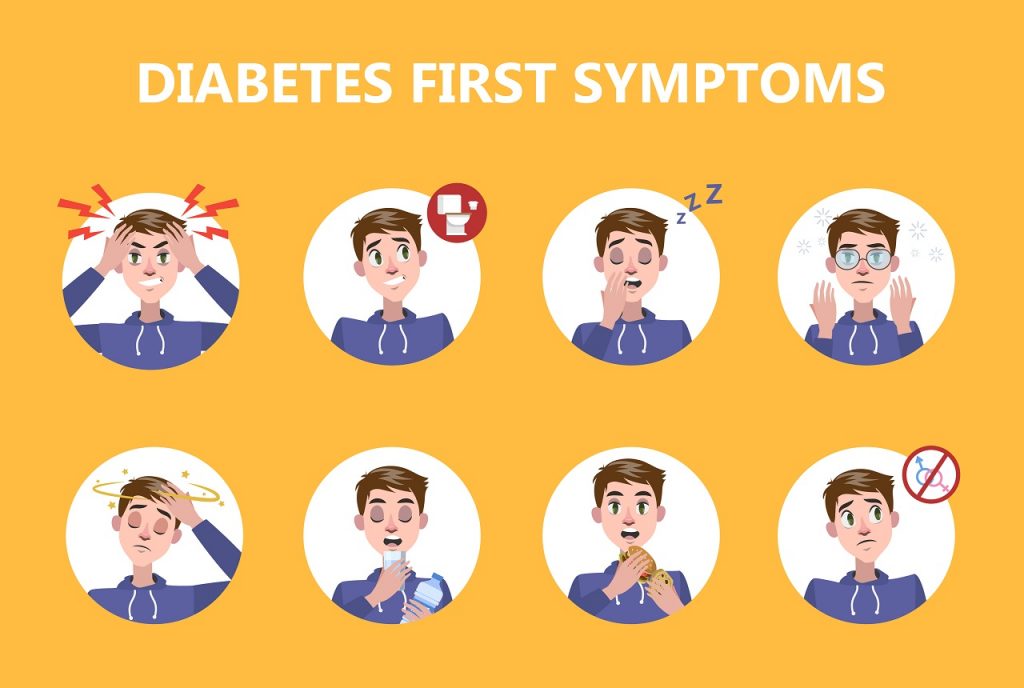
  • The classic signs are passing urine often (especially at night), feeling very thirsty, unexplained weight loss, tiredness and blurred vision.
  • Other clues include slow-healing cuts, frequent infections such as urinary or yeast infections, tingling or numbness in the hands or feet, and dark, velvety patches of skin on the neck or armpits.
  • Type 1 diabetes can appear quickly, over weeks, and can become an emergency. Vomiting, stomach pain, fast breathing, fruity-smelling breath or confusion need urgent care.
  • Get tested if you’re 30 or over, or younger with risk factors such as a family history, extra weight around the waist, a history of diabetes in pregnancy or PCOS. Indians tend to develop type 2 diabetes younger and at a lower weight.
  • The main tests are fasting blood glucose, HbA1c and the oral glucose tolerance test. An HbA1c of 6.5% or more suggests diabetes; 5.7–6.4% suggests prediabetes.
  • Prediabetes is a window to act. Healthy eating, regular activity and modest weight loss can lower your risk of it progressing.

The early signs of diabetes, and why they happen

When there’s too much glucose (sugar) in your blood, your body tries to get rid of it and can’t use it properly for energy. That explains most of the symptoms below. The US Centers for Disease Control and Prevention lists these as common symptoms of type 1 and type 2 diabetes. You might notice only one or two of them, and they can be mild enough to put down to stress, age or a busy schedule.

1. Passing urine more often

When blood sugar is high, your kidneys pass the extra glucose into your urine, and it takes water with it. You may need to urinate more often, particularly at night, and pass larger amounts.

2. Feeling very thirsty

Losing more water through urine leaves you dehydrated, so you feel thirsty and may have a dry mouth however much you drink. Thirst and frequent urination together are among the most common early clues.

3. Feeling hungry and tired

Insulin moves glucose from your blood into your cells for energy. When insulin isn’t working well or there isn’t enough, your cells are short of fuel even though there’s plenty of sugar in your blood. You may feel tired, low on energy, irritable or hungry soon after eating.

4. Losing weight without trying

If your body can’t use glucose for energy, it starts breaking down fat and muscle instead, and you lose calories as sugar in your urine. Unexplained weight loss is more typical of type 1 diabetes, but it can happen with type 2 too, and it always deserves a check-up.

5. Blurred vision

High blood sugar can change the fluid balance in the lens of the eye, making it swell and your vision blur. This often improves when blood sugar comes down, but it’s worth seeing a doctor. Over time, diabetes can damage the blood vessels at the back of the eye.

6. Slow-healing cuts and frequent infections

High blood sugar can affect circulation and the immune system, so cuts, sores and wounds may take longer to heal. Some people get repeated infections, such as urinary tract infections, thrush (yeast infections), skin or gum infections.

7. Tingling, numbness or burning in the hands or feet

Over time, raised blood sugar can damage nerves, particularly in the feet. This tends to happen when type 2 diabetes has been present for a while without being diagnosed, which is one reason testing early matters.

8. Dark, velvety skin patches

Darker, thicker, velvety skin in body folds, such as the back of the neck, armpits or groin, is called acanthosis nigricans. It’s often a sign of insulin resistance, the problem behind type 2 diabetes, and can appear years before diabetes develops. It’s common in South Asians and worth mentioning to your doctor, particularly in children and young adults.

Signs that are often blamed on something else

Tiredness, frequent urination at night, itchy skin, recurring infections and irritability are easy to put down to age, work or the weather. If you have several of these, or any of them along with risk factors for diabetes, ask for a blood test rather than waiting to see if they pass.

A note on what’s not a reliable sign: symptoms alone can’t confirm or rule out diabetes, and some that are often listed online, such as pale skin or a loss of libido, have many other causes. Only a blood test can tell you.

How symptoms differ: type 1, type 2, prediabetes and pregnancy

How it develops What you might notice
Type 1 diabetes An autoimmune condition in which the body stops making insulin. It can start at any age, but is most often diagnosed in children, teenagers and young adults. Symptoms can appear suddenly, over a few weeks or months, and can be severe: marked thirst, frequent urination, weight loss, tiredness, and sometimes nausea, vomiting and stomach pain.
Type 2 diabetes The body doesn’t respond well to insulin (insulin resistance) and gradually can’t make enough. Linked to genes, age, weight around the waist and lifestyle. Symptoms often take several years to develop, and some people have none. Slow-healing wounds, infections, tingling feet and dark skin patches may be the first clues.
Prediabetes Blood sugar is higher than normal but below the diabetes range. Usually no symptoms at all. It’s found only with a blood test.
Gestational diabetes High blood sugar that develops during pregnancy, usually in the second half. Usually no symptoms, which is why pregnant women are tested routinely. It raises the risk of type 2 diabetes later in life.

Type 1 diabetes isn’t present from birth, and type 2 is no longer only an adult disease: it’s increasingly seen in young adults and even teenagers. Our guide to type 1 vs type 2 diabetes explains the differences in more detail.

When high blood sugar is an emergency

In type 1 diabetes, and occasionally type 2, a severe lack of insulin can cause diabetic ketoacidosis (DKA), a life-threatening condition that can develop quickly. Get urgent medical help, or call 112, if someone has high blood sugar symptoms along with any of these warning signs of DKA:

  • stomach pain, feeling sick or being sick
  • breathing more deeply than usual
  • fruity-smelling breath (like pear drops or nail polish remover)
  • tiredness, sleepiness or confusion

This is especially important in children and young people who suddenly become very thirsty, are passing a lot of urine and losing weight. Don’t wait for a routine appointment.

Who should get tested, even without symptoms

Because type 2 diabetes and prediabetes are often silent, testing is based on risk rather than symptoms.

Risk factors

  • Age 30 or over. India’s national programme offers diabetes screening at Ayushman Arogya Mandirs and government health facilities for all adults aged 30 and over.
  • A parent, brother or sister with diabetes.
  • Extra weight, especially around the waist. For South Asian adults, a waist of more than about 90 cm (35.5 in) for men or 80 cm (31.5 in) for women is a common warning threshold.
  • South Asian heritage. At the same body weight, Asian Indians tend to have more body fat, more fat around the organs and less muscle than people of European descent, and diabetes often develops at a weight that would be considered healthy in Europeans. US screening guidance suggests considering testing in Asian adults from a BMI of 23.
  • Diabetes during pregnancy, or having had a baby weighing more than about 4 kg.
  • Polycystic ovary syndrome (PCOS).
  • High blood pressure, high cholesterol or triglycerides, or heart disease.
  • Little physical activity, smoking or regularly short sleep.
  • Dark, velvety skin patches (acanthosis nigricans).

How often to test

  • Adults aged 30 and over: get a blood sugar test, and repeat it at least every three years if it’s normal. Your doctor may suggest testing more often if you have other risk factors.
  • Younger adults with extra weight plus one or more risk factors: get tested now rather than waiting.
  • People with prediabetes: test every year.
  • Women who had gestational diabetes: get tested 6–12 weeks after the birth, then regularly for life.
  • Anyone with symptoms: don’t wait for a routine check. See a doctor soon.

If you’re due a check-up, our Dhanteras health guide lists the key tests by age and where to get them.

The tests, and what your numbers mean

Diabetes is diagnosed with a blood test, not a urine test or a symptom checklist. These are the ranges used by the American Diabetes Association, which are widely used in India too:

Test Normal Prediabetes Diabetes
Fasting blood glucose (after 8 hours without food) Below 100 mg/dL 100–125 mg/dL 126 mg/dL or higher
HbA1c (average blood sugar over 2–3 months; no fasting needed) Below 5.7% 5.7–6.4% 6.5% or higher
Oral glucose tolerance test (2 hours after a 75 g glucose drink) Below 140 mg/dL 140–199 mg/dL 200 mg/dL or higher

A random blood glucose of 200 mg/dL or more in someone with classic symptoms, such as thirst, frequent urination and weight loss, also points to diabetes.

A few things to know:

  • One high result usually needs confirming with a repeat test or a second type of test, unless your sugar is very high and you have clear symptoms.
  • HbA1c can be misleading in people with anaemia, some inherited haemoglobin conditions (such as thalassaemia trait), kidney disease or pregnancy. Your doctor may use fasting glucose or a glucose tolerance test instead.
  • Home glucometers are useful for monitoring once you’re diagnosed, but a lab test is needed to diagnose diabetes.

What to do with your result

  • Normal: keep up healthy habits and retest at least every three years, or as your doctor advises.
  • Prediabetes: this is a window to act. Regular activity, healthier eating and losing even a modest amount of weight can lower your risk of developing type 2 diabetes. Retest every year. Our tips on managing diabetes with lifestyle and nutrition apply here too.
  • Diabetes: your doctor will talk to you about treatment, which may include lifestyle changes, medicines or both, and check your eyes, kidneys, feet, blood pressure and cholesterol. Diagnosed early and managed well, diabetes is far less likely to cause complications.

Be wary of “cures”. Foods and traditional remedies such as karela (bitter gourd), jamun seeds or methi are often promoted as natural treatments for diabetes. Some have shown small effects in early studies, but none replaces diagnosis and medical treatment. Don’t stop or change prescribed medicines without talking to your doctor. If you’re weighing up sweeteners, our guide to jaggery vs sugar explains why gur isn’t a healthier choice for blood sugar.

The bottom line

Diabetes often develops quietly. Thirst, frequent urination, tiredness, blurred vision, slow-healing wounds and unexplained weight loss are all reasons to get checked, but the absence of symptoms isn’t a reason to skip testing. If you’re 30 or over, or younger with a family history, extra weight around the waist, PCOS or a history of diabetes in pregnancy, a simple blood test can tell you where you stand. Finding high blood sugar early, especially at the prediabetes stage, gives you the most room to act.

Pro Tip: Book a fasting glucose or HbA1c test if you haven’t had one in the last year, and log the result in the GOQii App so you can track it over time alongside your steps, weight and sleep. If your numbers are in the prediabetes or diabetes range, your GOQii Personalised Health Coach can help you build realistic eating and activity habits, alongside your doctor’s advice.

Frequently asked questions

What are the first signs of diabetes?

The most common early signs are passing urine more often, especially at night, feeling very thirsty, tiredness, blurred vision and losing weight without trying. Many people with type 2 diabetes or prediabetes have no symptoms at all, so a blood test is the only way to know.

Can you have diabetes without any symptoms?

Yes. Type 2 diabetes often develops slowly over years without obvious symptoms, and prediabetes usually has none. The International Diabetes Federation estimates that about 4 in 10 adults with diabetes don’t know they have it.

What are the early signs of diabetes in women?

Women have the same main symptoms as men, but may also notice repeated vaginal yeast infections (thrush) or urinary tract infections. Women with PCOS or a history of diabetes in pregnancy have a higher risk and should be tested regularly.

What blood sugar level indicates diabetes?

A fasting blood glucose of 126 mg/dL or higher, an HbA1c of 6.5% or higher, or a 2-hour glucose tolerance test result of 200 mg/dL or higher indicates diabetes, usually confirmed with a repeat test. Fasting glucose of 100 to 125 mg/dL or HbA1c of 5.7 to 6.4% indicates prediabetes.

At what age should I get tested for diabetes?

In India, adults aged 30 and over are advised to be screened. Get tested earlier if you have extra weight plus a risk factor, such as a family history of diabetes, PCOS, high blood pressure or diabetes in a previous pregnancy.

How is type 1 different from type 2 diabetes in symptoms?

Type 1 symptoms often appear suddenly over weeks and can be severe, with marked thirst, frequent urination and weight loss. Type 2 symptoms usually develop slowly over years and may be mild or absent. Vomiting, stomach pain, fast breathing or fruity-smelling breath can signal diabetic ketoacidosis and need urgent care.

Can prediabetes be reversed?

Prediabetes can often return to normal blood sugar levels with regular physical activity, healthier eating and modest weight loss, which also lowers the risk of developing type 2 diabetes. Retest at least once a year.

#BeTheForce

Disclaimer: The information provided in this blog is for general awareness and educational purposes only. It is not intended to replace professional medical advice, diagnosis, or treatment. Always consult a qualified healthcare provider for personalised medical guidance or concerns related to your health.
November 10, 2026 By GOQii 1 Comment

How to Improve Sleep Quality Naturally: 12 Science-Backed Tips for Better Sleep

sleep

Do you spend enough hours in bed but still wake up tired? Or feel exhausted at night and then lie awake? After a festive season of late dinners, card parties, early pujas and noisy nights, many of us are running on less sleep than we’d like, and it isn’t only festival weeks. In a 2025 LocalCircles survey of more than 43,000 people across India, up to 59% said they got less than six hours of uninterrupted sleep a night.

Sleep is often the first thing we give up when life gets busy, yet it matters as much as diet, exercise and managing stress. While you sleep, your body repairs tissue, supports your immune system, consolidates memory and restores energy. The American Academy of Sleep Medicine and the Sleep Research Society recommend that adults get at least seven hours of sleep a night, and say regularly sleeping six hours or less isn’t enough to sustain health and safety.

The good news is that simple, consistent habits often help. Here are 12 that are backed by evidence, plus an honest look at which “sleep foods” are worth it and when poor sleep needs a doctor.

At a glance

  • Keep the same sleep and wake times every day, including weekends. It’s the single most useful habit.
  • Get morning daylight and keep evenings dim.
  • Cut off caffeine by early afternoon. Even caffeine taken six hours before bed can shorten sleep.
  • Go easy on alcohol. It helps you drop off but disrupts sleep later in the night.
  • Keep your bedroom dark, quiet and cool, and finish dinner two to three hours before bed.
  • Exercise regularly, ideally earlier in the day.
  • Wind down for 30–60 minutes before bed, with fewer screens.
  • Keep naps short: 10–20 minutes, before mid-afternoon.
  • If you can’t sleep after about 20 minutes, get up and do something calm until you feel sleepy.
  • No single food is a sleep cure. A balanced diet and good timing matter more than kiwi or cherries.
  • See a doctor if poor sleep lasts more than three months, or if you snore loudly, gasp at night or are very sleepy in the day.

12 evidence-based ways to sleep better

1. Keep a consistent sleep schedule

Go to bed and wake up at about the same time every day, including weekends and holidays. Your body clock runs on a roughly 24-hour cycle, and regular timing keeps it in step, so you feel sleepy and alert at the right times. Sleeping until noon on Sunday to “catch up” shifts that clock and makes Sunday night and Monday morning harder. If you’ve had a run of late nights, return to your usual wake-up time and let an earlier bedtime follow naturally. Our guide to circadian rhythm and sleep explains the body clock in more detail.

2. Get daylight in the morning, and keep evenings dim

Light is the strongest signal to your body clock. Step outside or sit by a window for some time soon after waking, ideally with a morning walk. In the evening, switch to softer, warmer lighting and avoid bright overhead lights in the last hour before bed.

3. Build a wind-down routine

Give yourself 30–60 minutes to switch off before bed. Read a book, stretch gently, listen to calm music or write down tomorrow’s to-do list so it isn’t running through your head. Slow breathing can help too; try one of these breathing exercises for five to ten minutes. Some people find the scent of lavender relaxing, but the evidence for aromatherapy is mixed, so treat it as a pleasant extra rather than a fix.

4. Put screens away earlier

Phones, tablets and laptops keep your brain engaged with messages, news and endless scrolling, and their light may delay melatonin, the hormone that signals night-time. Try to stop using screens at least 30–60 minutes before bed, keep your phone out of reach and switch on night mode if you do use it. In India, though, phones aren’t the main reason people wake at night: in the LocalCircles survey, the most common reasons were waking to use the washroom, poor schedules, and noise and mosquitoes.

5. Make your bedroom dark, quiet and cool

  • Dark: use blackout curtains or an eye mask, and cover standby lights.
  • Quiet: try earplugs or a fan for steady background sound if traffic or neighbours are a problem.
  • Cool: most people sleep better in a slightly cool room. Use a fan or set the AC to a comfortable temperature rather than very cold.
  • Comfortable: a supportive mattress and pillow, and a mosquito net or repellent where needed.
  • For sleep only: where you can, keep work, TV and eating out of the bed, so your brain links it with sleep.

6. Cut off caffeine by early afternoon

Caffeine stays in your system for hours. In a study reported by the American Academy of Sleep Medicine, a large dose of caffeine taken six hours before bed cut sleep by more than an hour, even though participants didn’t notice. Remember that chai, coffee, green tea, colas, energy drinks and dark chocolate all contain caffeine. If you’re sensitive, stop by about 2 pm.

7. Go easy on alcohol and avoid nicotine

Alcohol can make you drowsy, but it disrupts sleep later in the night, causing lighter, more broken sleep and more trips to the washroom. Nicotine is a stimulant and can make it harder to fall asleep. If you drink, keep it moderate and finish a few hours before bed.

8. Time your meals and drinks

Finish dinner two to three hours before bed, and keep it lighter than lunch where you can. Large, rich or very spicy meals late at night can cause indigestion and acid reflux when you lie down. If waking to use the washroom is a problem, drink plenty earlier in the day and less in the last hour or two before bed. If it happens often, it’s worth mentioning to your doctor.

9. Move during the day

Regular physical activity is linked to better sleep. Aim for at least 150 minutes of moderate activity a week, such as brisk walking, cycling or dancing. Morning or afternoon exercise suits most people; if a vigorous evening workout leaves you wired, move it earlier. Our post on sleep and muscle recovery explains why sleep matters if you train.

10. Try a warm bath or shower 1–2 hours before bed

It sounds backwards, but warming up helps you cool down. A warm bath or shower draws heat to your hands and feet, and your core temperature then drops, which is a natural cue for sleep. A meta-analysis of 17 studies found that bathing in water at about 40–43°C one to two hours before bed helped people fall asleep around 10 minutes faster. A shower just before bed is too soon for the effect.

11. Keep naps short and early

A short nap can boost alertness, but a long or late one can make it harder to sleep at night. Aim for 10–20 minutes, before about 3 pm. Our guide to power naps explains how long is too long. If you’re struggling with insomnia, it’s usually better to skip naps altogether.

12. If you can’t sleep, get up

Lying in bed, watching the clock and worrying makes your brain link bed with being awake. If you haven’t fallen asleep after about 20 minutes, or you wake and can’t get back to sleep, get up and go to another dim room. Do something calm, such as reading or breathing exercises, without screens, and return to bed when you feel sleepy. This technique, called stimulus control, is one of the core parts of cognitive behavioural therapy for insomnia (more below).

Food and sleep: what the evidence really says

You’ll often see lists of “foods that help you sleep”. Some have small studies behind them, but none is a cure, and the amounts of sleep-related compounds they contain are usually small.

Food The claim What we know
Kiwi Helps you fall asleep faster One small Taiwanese study found people who ate two kiwis an hour before bed for four weeks reported better sleep. It had only 24 participants, no control group and was funded by a kiwi marketer, so the results are encouraging but far from proven.
Tart cherries Contain melatonin They contain a little melatonin, and a few small trials of tart cherry juice suggest a modest benefit. The evidence is limited.
Almonds, walnuts and seeds Contain magnesium and melatonin They’re nutritious, but the melatonin content is tiny. There’s no good evidence that eating them improves sleep in people who aren’t deficient in magnesium.
Warm milk Tryptophan makes you sleepy Milk contains tryptophan, but not in amounts that act like a sleeping pill. A warm, caffeine-free drink can still be a comforting part of a bedtime routine.
Bananas Prevent night cramps Bananas provide potassium and some magnesium, but there’s little evidence they prevent cramps or improve sleep.

What matters more:

  • Overall diet. A balanced diet with plenty of vegetables, fruit, whole grains, pulses and protein supports good health, including sleep.
  • A heavy meal late at night is more likely to disturb sleep than any single food is to improve it.
  • What you leave out. Cutting back on caffeine, alcohol and very rich or spicy food at night usually makes a bigger difference.
  • Steady blood sugar. Long gaps between meals followed by a large dinner can leave you hungry or uncomfortable at night.

The link runs both ways: short sleep tends to increase appetite and cravings the next day. Our post on sleep and weight gain explains more, and if you’re getting back on track after the festive season, see our post-Diwali reset.

A note on melatonin supplements: melatonin can help with specific problems such as jet lag or some circadian rhythm disorders, but it isn’t a general sleeping pill and it’s not right for everyone. Speak to your doctor before taking it, especially if you take other medicines, are pregnant or want to give it to a child.

When poor sleep needs a doctor

Everyone has the odd bad night, especially around festivals, travel or stressful times. Speak to a doctor if:

  • you’ve struggled to fall asleep or stay asleep at least three nights a week for three months or more, and it’s affecting your days
  • you feel very sleepy during the day, or nod off while reading, watching TV or driving
  • you snore loudly, or someone has noticed you stop breathing, gasp or choke in your sleep
  • you wake up with headaches, a dry mouth or still feel unrefreshed despite enough hours in bed
  • you have uncomfortable, restless legs in the evening that make it hard to settle
  • poor sleep comes with low mood, anxiety or worry that won’t switch off

Sleep apnoea is common, and often missed

In obstructive sleep apnoea, the airway repeatedly narrows or closes during sleep, causing pauses in breathing and broken sleep. A meta-analysis by AIIMS doctors estimated that about 11% of Indian adults have obstructive sleep apnoea, around 104 million people, with men more often affected than women. Many don’t know they have it. Untreated, it’s linked to high blood pressure, heart disease and daytime accidents, and it’s treatable, so loud snoring with daytime sleepiness is worth getting checked.

Insomnia has an effective, drug-free treatment

For chronic insomnia, the American College of Physicians recommends cognitive behavioural therapy for insomnia (CBT-I) as the first-line treatment, ahead of sleeping pills. CBT-I combines techniques such as stimulus control (tip 12), carefully planned sleep schedules, and changing unhelpful thoughts about sleep. It can be delivered one-to-one, in groups, online or through guided self-help. Ask your doctor about it, and avoid starting over-the-counter sleep aids or someone else’s sleeping pills on your own.

The bottom line

Better sleep rarely comes from one trick. It comes from steady habits: the same wake-up time every day, morning light, an earlier cut-off for caffeine, a lighter and earlier dinner, a calm wind-down and a bedroom that’s set up for sleep. Give changes two to three weeks to work, and don’t worry about the odd bad night. If poor sleep lasts for months, or you snore loudly and feel exhausted in the day, talk to a doctor. Effective help is available.

Pro Tip: Use the GOQii App to track your sleep alongside your steps, meals and caffeine for two weeks, and look for patterns, such as late dinners or afternoon chai, on your worst nights. Your GOQii Personalised Health Coach can help you build a realistic wind-down routine and stick to a regular sleep schedule.

Frequently asked questions

How many hours of sleep do adults need?

Adults should aim for at least seven hours a night, according to the American Academy of Sleep Medicine. Most people need seven to nine hours. Regularly sleeping six hours or less isn’t enough to sustain health and safety.

How can I fall asleep faster naturally?

Keep a regular sleep and wake time, get morning daylight, avoid caffeine after early afternoon, finish dinner two to three hours before bed, wind down without screens and keep your bedroom dark, quiet and cool. A warm bath or shower one to two hours before bed can also help you fall asleep a little faster.

Why do I wake up at night and can’t go back to sleep?

Common causes include needing the washroom, noise, stress, alcohol, caffeine, an irregular schedule and medical conditions such as sleep apnoea. If you can’t get back to sleep after about 20 minutes, get up and do something calm in dim light until you feel sleepy. See a doctor if it happens often.

Are daytime naps good or bad?

Short naps of 10 to 20 minutes taken before mid-afternoon can boost alertness without affecting night-time sleep. Long or late naps can make it harder to fall asleep at night. If you have insomnia, it’s usually best to avoid napping.

Do foods like kiwi, cherries or warm milk help you sleep?

Some small studies suggest kiwi and tart cherry juice may help a little, but the evidence is limited, and no food is a cure for poor sleep. Overall diet, meal timing and cutting back on caffeine and alcohol make a bigger difference.

Is it safe to take melatonin for sleep?

Melatonin can help with specific problems such as jet lag, but it isn’t a general sleeping pill and isn’t right for everyone. Speak to a doctor before taking it, especially if you take other medicines, are pregnant or want to give it to a child.

When should I see a doctor about sleep?

See a doctor if you’ve had trouble sleeping at least three nights a week for three months, feel very sleepy during the day, snore loudly or stop breathing in your sleep, or if poor sleep comes with low mood or anxiety. Cognitive behavioural therapy for insomnia is the recommended first treatment for chronic insomnia.

#BeTheForce

Disclaimer: The information provided in this blog is for general awareness and educational purposes only. It is not intended to replace professional medical advice, diagnosis, or treatment. Always consult a qualified healthcare provider for personalised medical guidance or concerns related to your health.

November 9, 2026 By GOQii Leave a Comment

Post-Diwali Reset: Getting Back on Track Without Crash Diets

The diyas are packed away, the mithai boxes are half empty and the scale may say something you’d rather it didn’t. After a week of Dhanteras shopping, Diwali feasts and card parties, with Bhai Dooj still to come, it’s natural to want to undo it all fast. Social media is happy to help, with three-day juice cleanses, “detox” teas and skip-dinner challenges.


Here’s the reassuring part: a few days of festive eating doesn’t undo months of good habits, and much of the jump on the scale isn’t fat at all. What matters far more is what you do over the next few weeks. This guide explains why crash diets and detoxes aren’t the answer, and gives you a simple, realistic seven-day plan to get your eating, movement and sleep back on track.

At a glance

  • Don’t panic about the scale. A quick rise after a festival is largely water and stored carbohydrate from salty, rich food, and it settles within days once you eat normally.
  • Skip the detox. Your liver, kidneys and gut already clear waste. The British Dietetic Association calls detox diets “a marketing myth”.
  • The real risk is the slow creep. Research suggests festive-season weight gain is small but often never comes off, so steady habits matter more than a dramatic fix.
  • Go back to regular meals, with vegetables, a source of protein and whole grains at each one. Don’t skip meals to “make up” for Diwali.
  • Deal with the leftovers. Share, freeze or portion out mithai and namkeen rather than grazing on them all week.
  • Move a little, often. A short walk after meals helps blood sugar. On smoggy days, move your workout indoors.
  • Fix your sleep after late festive nights. Short sleep makes you hungrier the next day.
  • If you have diabetes, high blood pressure or heart disease, check your numbers this week and speak to your doctor if they’re higher than usual.

Why crash diets and detoxes aren’t the answer

The scale is exaggerating

If you weigh yourself the morning after Diwali, a gain of a kilo or more can feel alarming. Most of it isn’t fat. Gaining a kilo of body fat takes several thousand extra calories on top of what your body uses, far more than a few festive meals usually add. What you’re mostly seeing is:

  • water held by salt. Namkeen, chaat, pakoras and restaurant food are salty, and your body temporarily holds extra water to balance it.
  • stored carbohydrate. Sweets, puris and rice top up your glycogen stores, and glycogen is stored with water.
  • food that hasn’t moved through yet, especially after large, late meals.

That’s also why crash diets seem to “work” at first. The British Dietetic Association points out that the rapid weight loss from fasting is mainly water and glycogen rather than fat, and that it can leave you tired and short of nutrients. The water comes straight back when you eat normally.

The real issue is the slow creep

The weight that does stick is small, but it adds up. A US study published in the New England Journal of Medicine weighed adults through the year and found the average holiday-season gain was only about half a kilo. The catch: it wasn’t lost over the rest of the year, and people with overweight were more likely to gain more. In India, the festive season runs from Navratri through Diwali to weddings and New Year, so it’s worth paying attention to.

The good news is that small, consistent habits work. In a UK trial published in The BMJ, adults who weighed themselves regularly and had simple tips didn’t gain weight over Christmas, while the comparison group did.

“Detox” is a marketing idea, not a medical one

Your liver, kidneys, gut, lungs and skin clear waste products around the clock. No juice, tea, powder or cleanse has been shown to do this better. The British Dietetic Association describes detox diets as “a marketing myth rather than nutritional reality”, with benefits that are short-lived at best. Some detox teas contain laxatives or diuretics, which simply flush out water and can upset your stomach and fluid balance.

Why strict rules often don’t last

Skipping meals or living on juice for a few days is hard to keep up, and it tends to end with a return to old habits. It can also leave you low on protein, fibre and energy just as work and routines restart. A plan you can follow for weeks beats one you can manage for three days.

A note of caution: if you notice a pattern of eating a lot, then feeling guilty and severely restricting, or if food and weight are causing you real distress, it’s worth talking to your doctor. You don’t have to manage that on your own.

Your 7-day post-Diwali reset

This isn’t a diet. It’s a week of getting back to your normal routine, with a few small upgrades. You don’t need special foods, and you shouldn’t feel hungry.

Days 1–2: back to regular meals

  • Eat breakfast, lunch and dinner at roughly your usual times. Skipping meals to “compensate” usually makes you hungrier later and more likely to snack on leftovers.
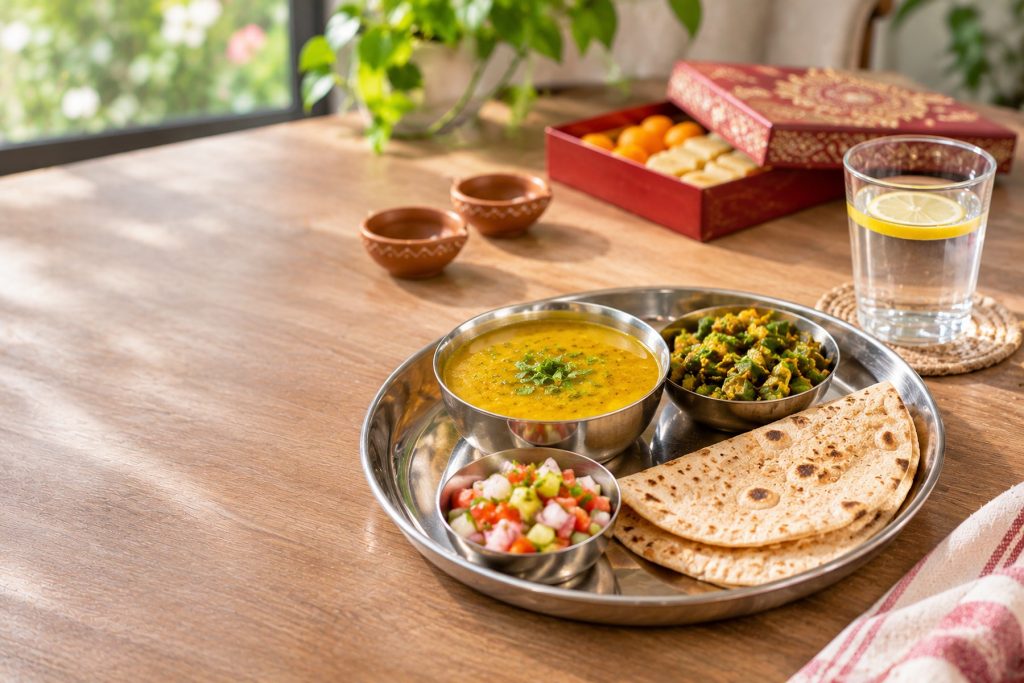
  • Start the day with protein and fibre, such as besan or moong dal chilla, poha with peanuts and vegetables, vegetable upma, eggs, or curd with fruit and seeds.
  • Drink water through the day. It won’t flush out toxins, but thirst is easy to mistake for hunger, and after salty food you’ll probably want more.
  • Go easy on salt. Home-cooked dal, sabzi and roti, with less pickle, papad and namkeen, will help your body let go of the extra water quickly.

Days 3–5: build a better plate

The ICMR-NIN Dietary Guidelines for Indians advise getting no more than 45% of calories from cereals and millets, filling the rest with pulses, vegetables, fruit, nuts and milk, and cutting back on salt, sugar and ultra-processed foods. In practice, at lunch and dinner:

  • fill half your plate with vegetables or salad: sabzi, kachumber, palak, lauki, beans or a bowl of soup
  • add a protein food: dal, rajma, chana, paneer, tofu, curd, eggs, fish or chicken
  • keep grains to about a quarter of the plate, choosing whole wheat roti, brown or hand-pounded rice, or millets such as jowar, bajra and ragi
  • use a little less oil, and cook more by steaming, roasting or tadka rather than deep-frying

Protein and fibre keep you full for longer, which makes it easier to say no to the third piece of kaju katli without feeling deprived.

Days 6–7: plan the week ahead

  • Shop for a normal week: vegetables, fruit, pulses, curd and whole grains.
  • Plan two or three easy dinners so you’re not relying on takeaway or leftover snacks when you’re tired.
  • Keep healthier snacks handy: fruit, roasted chana, makhana, nuts, buttermilk or sprouts chaat.

What to do with leftover mithai and namkeen

The real post-Diwali challenge is often the boxes on the dining table. You don’t need to throw them away or eat them all this week.

  • Share them with neighbours, office colleagues, house help, security staff or a local shelter.
  • Freeze what you can. Many milk-free sweets, such as besan ladoo, and dry fruit barfis freeze well. Milk-based sweets don’t keep long, so share those first.
  • Portion, don’t graze. Put one piece on a plate and put the box away, rather than eating from it as you walk past.
  • Have sweets after a meal, not on an empty stomach as a snack, and enjoy them slowly.
  • Store namkeen out of sight and serve a small katori rather than eating from the packet. If you’re making snacks again, try our baked and air-fried namkeen recipes.

A word on alcohol and sugary drinks

If the festive week included card parties and gatherings, give your body a break from alcohol for a few days. Alcohol adds calories, disturbs sleep and often leads to late-night snacking. Swap sweetened drinks and colas for water, nimbu pani without sugar, buttermilk or plain tea.

Movement, sleep and routine

Move a little, often

You can’t out-exercise a week of festive eating, and you don’t need to. The aim is to get back to regular activity, not to punish yourself with a two-hour gym session.

  • Walk after meals. A meta-analysis in Sports Medicine found that even 2–5 minutes of light walking after eating helped steady blood sugar compared with sitting, with the biggest effect within 60–90 minutes of the meal. A 10–15 minute stroll after dinner is a good habit to start this week.
  • Work back up to your usual routine. The WHO recommends adults get at least 150 minutes of moderate activity a week, such as brisk walking, cycling or dancing, plus muscle-strengthening on two or more days. If you’ve had a lazy fortnight, start with shorter sessions and build up over a week or two.
  • Add some strength work. Squats, lunges, push-ups against a wall and resistance bands help maintain muscle, which matters for blood sugar and metabolism as we age.
  • Break up long sitting, especially as you return to work. Stand up and move every 30–60 minutes.

If the air is bad: in much of north India, the days after Diwali often bring the worst smog of the year. Check the AQI before heading out, skip outdoor runs and walks on poor-air days and exercise indoors instead, with yoga, a home workout, skipping or walking in a mall or indoor track. Our guide to air pollution and your health has more on protecting your lungs and heart.

Get your sleep back on track

Late nights, early pujas and noisy celebrations can leave you short of sleep, and that affects your eating. In a small Mayo Clinic study, healthy adults who slept about 80 minutes less a night for eight nights ate around 550 extra calories a day, without burning any more.

  • Aim for seven or more hours a night, and go to bed and wake up at about the same time each day, including weekends.
  • Have dinner two to three hours before bed and keep it lighter than a festive meal.
  • Cut back on caffeine after mid-afternoon, including the many cups of chai that come with festive visits.
  • Dim screens for the last half hour before bed.

Be kind to yourself

Festivals are meant to be enjoyed. Guilt about what you ate tends to make people either give up or swing to extremes. Think of this week as getting back to your routine, not as a punishment. One good meal, one walk and one early night are a perfectly good start.

If you have diabetes, high blood pressure or heart disease

A week of sweets, fried snacks, late meals and missed walks can push your numbers up, sometimes without any obvious symptoms. This week is a good time to check in.

  • Diabetes: if you monitor at home, check your blood sugar more often for a few days, including after meals. Keep taking your medicines as prescribed. Don’t skip or double doses to make up for what you ate. Contact your doctor if readings stay higher than your target, or if you notice extreme thirst, passing urine often, blurred vision or unusual tiredness. If you take insulin or medicines that can cause low blood sugar, be careful about suddenly cutting meals.
  • High blood pressure: salty festive food can raise blood pressure in some people. If you have a home monitor, take a few readings this week at the same time of day. Speak to your doctor if they’re consistently above the target you’ve been given.
  • Heart disease: keep taking your medicines, ease back into activity gradually and avoid exercising outdoors in heavy smog. Get urgent help for chest pain, breathlessness or pain spreading to the arm, jaw or back.

If you’re due a routine check-up, such as HbA1c, a lipid profile or a blood pressure review, this is a good month to book it. Our Dhanteras health guide lists the main tests and where to get them.

And if you were planning a strict diet or fasting for weight loss, check with your doctor first. It’s especially important if you take medicines for diabetes or blood pressure, or if you’re pregnant, older or have kidney disease.

The bottom line

You don’t need to undo Diwali. You need to get back to normal. Most of the quick gain on the scale is water and will settle within days. The habits that actually protect your health are unglamorous ones: regular meals built around vegetables, protein and whole grains; less salt and sugar; a walk after meals; and enough sleep. Keep them going through the rest of the festive and wedding season, and the occasional celebration won’t matter much. For tips you can use at the next festival, see our guide to a healthy Diwali.

Pro Tip: Use the GOQii App to log your meals, steps, water and sleep for the next seven days. Seeing the week in one place makes it easier to spot what’s working. Your GOQii Personalised Health Coach can help you build a realistic post-festival plan that fits your routine, without crash diets.

Frequently asked questions

How can I lose weight after Diwali?

Go back to regular meals with plenty of vegetables, a source of protein and smaller portions of whole grains, cut back on salt, sugar and fried snacks, walk daily and get enough sleep. Much of the quick gain is water and will settle within a few days. Aim for steady habits rather than fast loss.

Do post-Diwali detox drinks or juice cleanses work?

No. Your liver, kidneys and gut already remove waste, and no juice, tea or cleanse has been shown to do it better. Weight lost on a cleanse is mostly water and comes back when you eat normally. Some detox teas contain laxatives that can upset your stomach.

Why has my weight gone up so much after the festival?

A quick rise is mostly water held by salty food, extra stored carbohydrate and food still being digested, rather than fat. Gaining a kilo of fat takes several thousand extra calories. The scale usually settles within a few days of normal eating.

Should I skip meals or fast to make up for overeating?

It’s better not to. Skipping meals often leads to more snacking later and can leave you low on energy and nutrients. If you have diabetes or take medicines for blood sugar or blood pressure, check with your doctor before fasting.

What should I do with leftover Diwali sweets?

Share them with neighbours, colleagues or a local shelter, freeze those that freeze well, and keep the boxes out of sight. Have a single piece after a meal rather than grazing through the day.

How much exercise do I need after Diwali?

There’s no need to overdo it. Return to your usual routine and build up to the WHO’s recommendation of at least 150 minutes of moderate activity a week, plus strength exercises on two days. A short walk after meals also helps steady blood sugar.

Is it safe to exercise outdoors after Diwali?

Not on days when air quality is poor. Check the AQI before going out, and on smoggy days exercise indoors with yoga, a home workout or walking indoors. This is especially important for people with asthma, COPD or heart disease.

#BeTheForce

Disclaimer: The information provided in this blog is for general awareness and educational purposes only. It is not intended to replace professional medical advice, diagnosis, or treatment. Always consult a qualified healthcare provider for personalised medical guidance or concerns related to your health.

  • « Previous Page
  • 1
  • 2
  • 3
  • 4
  • 5
  • Next Page »

Search

Recent Posts

  • PCOS: diet, exercise and the myths to stop believing
  • Cholesterol numbers explained: LDL, HDL and triglycerides
  • International Men’s Day 2026: why men’s health is everyone’s business
  • World COPD Day 2026: Short of Breath? Think COPD – Why Early Diagnosis Matters
  • National Epilepsy Day 2026: Seizure First Aid – What to Do (and Not Do) When Someone Has a Seizure

Stay Updated

Archives

  • November 2026 (20)
  • October 2026 (23)
  • September 2026 (5)
  • August 2026 (8)
  • July 2026 (24)
  • June 2026 (22)
  • May 2026 (20)
  • April 2026 (24)
  • March 2026 (18)
  • February 2026 (14)
  • January 2026 (14)
  • December 2025 (19)
  • November 2025 (14)
  • October 2025 (17)
  • September 2025 (6)
  • August 2025 (5)
  • July 2025 (9)
  • June 2025 (18)
  • May 2025 (16)
  • April 2025 (22)
  • March 2025 (25)
  • February 2025 (21)
  • January 2025 (25)
  • December 2024 (21)
  • November 2024 (21)
  • October 2024 (15)
  • September 2024 (22)
  • August 2024 (27)
  • July 2024 (14)
  • June 2024 (23)
  • May 2024 (26)
  • April 2024 (27)
  • March 2024 (27)
  • February 2024 (23)
  • January 2024 (21)
  • December 2023 (14)
  • November 2023 (10)
  • October 2023 (18)
  • September 2023 (20)
  • August 2023 (16)
  • July 2023 (16)
  • June 2023 (21)
  • May 2023 (20)
  • April 2023 (19)
  • March 2023 (23)
  • February 2023 (19)
  • January 2023 (15)
  • December 2022 (11)
  • November 2022 (15)
  • October 2022 (15)
  • September 2022 (12)
  • August 2022 (9)
  • July 2022 (17)
  • June 2022 (11)
  • May 2022 (10)
  • April 2022 (6)
  • March 2022 (6)
  • February 2022 (13)
  • January 2022 (11)
  • December 2021 (7)
  • November 2021 (3)
  • October 2021 (6)
  • September 2021 (3)
  • August 2021 (8)
  • July 2021 (7)
  • June 2021 (15)
  • May 2021 (16)
  • April 2021 (10)
  • March 2021 (7)
  • February 2021 (4)
  • January 2021 (4)
  • December 2020 (3)
  • November 2020 (4)
  • October 2020 (10)
  • September 2020 (3)
  • August 2020 (3)
  • July 2020 (2)
  • June 2020 (4)
  • May 2020 (10)
  • April 2020 (12)
  • March 2020 (10)
  • February 2020 (4)
  • January 2020 (4)
  • December 2019 (3)
  • November 2019 (7)
  • October 2019 (5)
  • September 2019 (4)
  • August 2019 (9)
  • July 2019 (9)
  • June 2019 (11)
  • May 2019 (4)
  • April 2019 (8)
  • March 2019 (8)
  • February 2019 (9)
  • January 2019 (8)
  • December 2018 (9)
  • November 2018 (3)
  • October 2018 (3)
  • September 2018 (5)
  • August 2018 (10)
  • July 2018 (6)
  • June 2018 (13)
  • May 2018 (8)
  • April 2018 (17)
  • March 2018 (9)
  • February 2018 (8)
  • January 2018 (15)
  • December 2017 (12)
  • November 2017 (19)
  • October 2017 (13)
  • September 2017 (15)
  • August 2017 (4)
  • July 2017 (8)
  • June 2017 (7)
  • May 2017 (6)
  • April 2017 (8)
  • March 2017 (6)
  • February 2017 (7)
  • January 2017 (9)
  • December 2016 (10)
  • November 2016 (7)
  • October 2016 (7)
  • September 2016 (7)
  • August 2016 (11)
  • July 2016 (9)
  • June 2016 (9)
  • May 2016 (12)
  • April 2016 (17)
  • March 2016 (17)
  • February 2016 (8)
  • January 2016 (6)
  • December 2015 (2)
  • November 2015 (9)
  • October 2015 (7)
  • September 2015 (9)
  • August 2015 (11)
  • July 2015 (9)
  • June 2015 (11)
  • May 2015 (9)
  • April 2015 (13)
  • March 2015 (8)
  • February 2015 (5)
  • January 2015 (12)
  • December 2014 (14)
  • November 2014 (11)
  • October 2014 (6)
  • September 2014 (13)
  • August 2014 (12)
  • July 2014 (6)
  • June 2014 (2)
  • May 2014 (7)
  • April 2014 (4)

From Burnout to Balance: How Dr. Ranjit Reclaimed His Health

Dr Ranjit Bhatt has spent years tending to others. A practising doctor in Odisha, his days were packed with patients, surgeries, and emergencies. From the outside, it looked like a life lived in service. But on the inside, something wasn’t right. “I had no … [Read More...]

From Shimla’s Slopes to Chandigarh’s Sidewalks: Surinder Kaur Bhalla’s Journey from Chaos to Control

Some journeys start with a plan. Others begin with a stumble literally. Surinder Bhalla, a government professional, born and raised in the scenic hill town of Shimla, had always lived a life of movement. “In Shimla, you walked everywhere,” she reflects. “Walking was never an exercise. It was just life.” But after shifting to Chandigarh, […]

“I’ve Challenged Myself to Live 100 Years” – The Story of Chandubhai Savani’s Second Chance at Life

At 67, most people start slowing down. Not Chandubhai Savani. A resident of Surat, Chandubhai, thought life was on track. “My life was going well till I had my bypass surgery,” he says. That surgery, back in 2021, was a wake-up call.  Medication was routine, but exercise wasn’t. His diet? What he calls ‘normal.’ “I […]

Ananda Mukherjee Health Story

From Terminal Illness To Complete Wellness! Ananda Mukherjee Health Story

As we observe World Cancer Day under the powerful theme ‘United by Unique’ (2025-2027)**, we are reminded that every individual’s journey with cancer is distinct, yet united by shared resilience, hope, and the collective fight against this disease. This theme places people at the centre of care and their stories at the heart of the […]

  • HOME
  • HEALTHY LIVING
  • FITNESS
  • HEALTHY RECIPES
  • USER STORIES
  • KARMA
  • BUY GOQii

Copyright ©2016 GOQii

