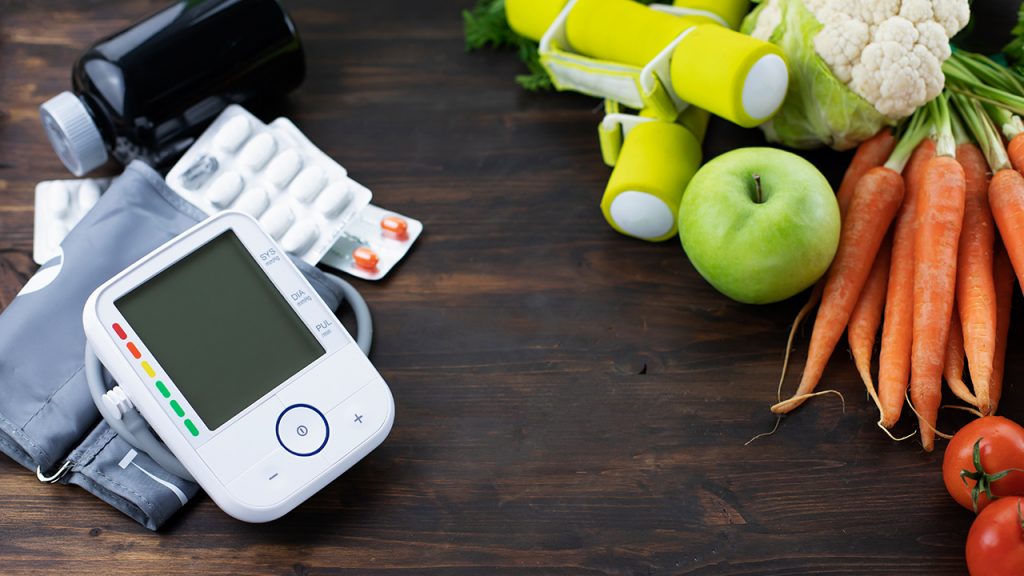
 High blood pressure—also known as hypertension—affects millions of people around the world. Often called the “silent killer,” it usually has no obvious symptoms but significantly raises your risk of heart disease, stroke, and kidney issues if left unchecked.
While medication can help control blood pressure, it’s not the only way. In fact, simple, consistent changes in your diet and lifestyle can go a long way in reducing your blood pressure naturally—improving your health and overall quality of life.
Let’s explore proven, practical ways to lower your blood pressure through everyday habits.
1. Eat More Whole, Unprocessed Foods
A balanced, nutrient-rich diet forms the foundation for blood pressure control. Focus on:
- Fruits & Vegetables – Rich in potassium, magnesium, and antioxidants. Potassium helps balance sodium levels and relax blood vessel walls.
- Whole Grains – Oats, brown rice, quinoa, and wholemeal bread are high in fibre, which supports heart health.
- Lean Proteins – Include fish (especially fatty fish like salmon), chicken, tofu, lentils, and beans.
- Healthy Fats – Avocados, nuts, seeds, and olive oil offer heart-protective fats.
🧂 Tip: Cut down on salt (sodium). Aim for less than 5g of salt (or 2g sodium) per day. Use herbs, spices, lemon, and garlic to add flavour instead.
2. Move More – Stay Active
Regular physical activity strengthens the heart, enabling it to pump blood with less effort, lowering the pressure on your arteries.
- Aim for at least 30 minutes of moderate exercise (like brisk walking, swimming, or cycling) on most days.
- Incorporate strength training 2-3 times a week.
🚶♀️ Short on time? Even walking during breaks, taking stairs, or stretching regularly can help!
3. Watch Your Weight
Excess weight, especially around the abdomen, puts pressure on your heart and blood vessels.
- Losing even 5-10% of your current weight can significantly lower your blood pressure.
- Combine a calorie-controlled diet with increased activity for sustainable weight loss.
4. Reduce Stress Levels
Chronic stress can trigger temporary spikes in blood pressure—and over time, lead to lasting effects.
- Practise deep breathing, meditation, or mindfulness daily.
- Engage in hobbies, connect with loved ones, or simply take time for yourself.
- Try journaling or spending time in nature to unwind.
5. Limit Alcohol & Quit Smoking
- If you drink alcohol, stick to recommended limits—no more than 14 units per week (UK guideline), spread out over several days.
- Smoking damages blood vessels and immediately raises blood pressure—quitting can improve heart health dramatically.
6. Stay Hydrated
Water supports kidney function and helps flush out excess sodium. Aim for 2-3 litres of water daily unless advised otherwise by a healthcare professional.
7. Cut Down on Caffeine
While moderate caffeine may be fine, too much can cause spikes in blood pressure in some individuals.
- Limit to 1-2 cups of coffee or tea per day.
- Monitor how your body responds and adjust accordingly.
8. Sleep Well
Poor sleep is linked to higher blood pressure and increased risk of chronic conditions.
- Aim for 7-9 hours of quality sleep each night.
- Create a bedtime routine—avoid screens before bed, keep your room dark and cool, and wind down with relaxing activities.
Managing your blood pressure isn’t just about medication—it’s about taking daily actions that support your heart and overall health. Small, consistent lifestyle changes can lead to big improvements.
💬 Have you made changes to manage your blood pressure naturally? Share your experience in the comments below!
#BeTheForce
Disclaimer: The information provided in this blog is for general awareness and educational purposes only. It is not intended to replace professional medical advice, diagnosis, or treatment. Always consult a qualified healthcare provider for personalised medical guidance or concerns related to your health.
 I can’t count how many times in my 12 years of medical practice a patient with just a headache has eventually been diagnosed with high blood pressure (hypertension). Whenever a patient complains of a headache, I always make it a point to check their blood pressure (BP), as it is a very common symptom of fluctuating BP. This often presents around the temples but can also be felt at the back of the head (occipital region).
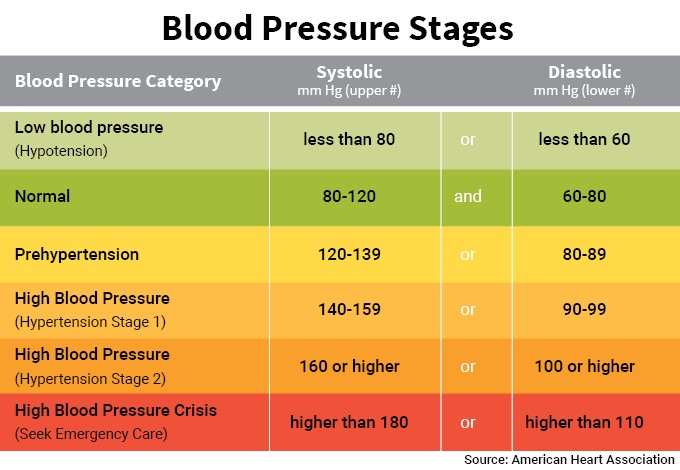 Signs & Symptoms of Hypertension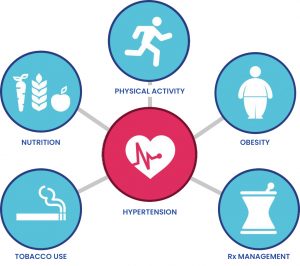
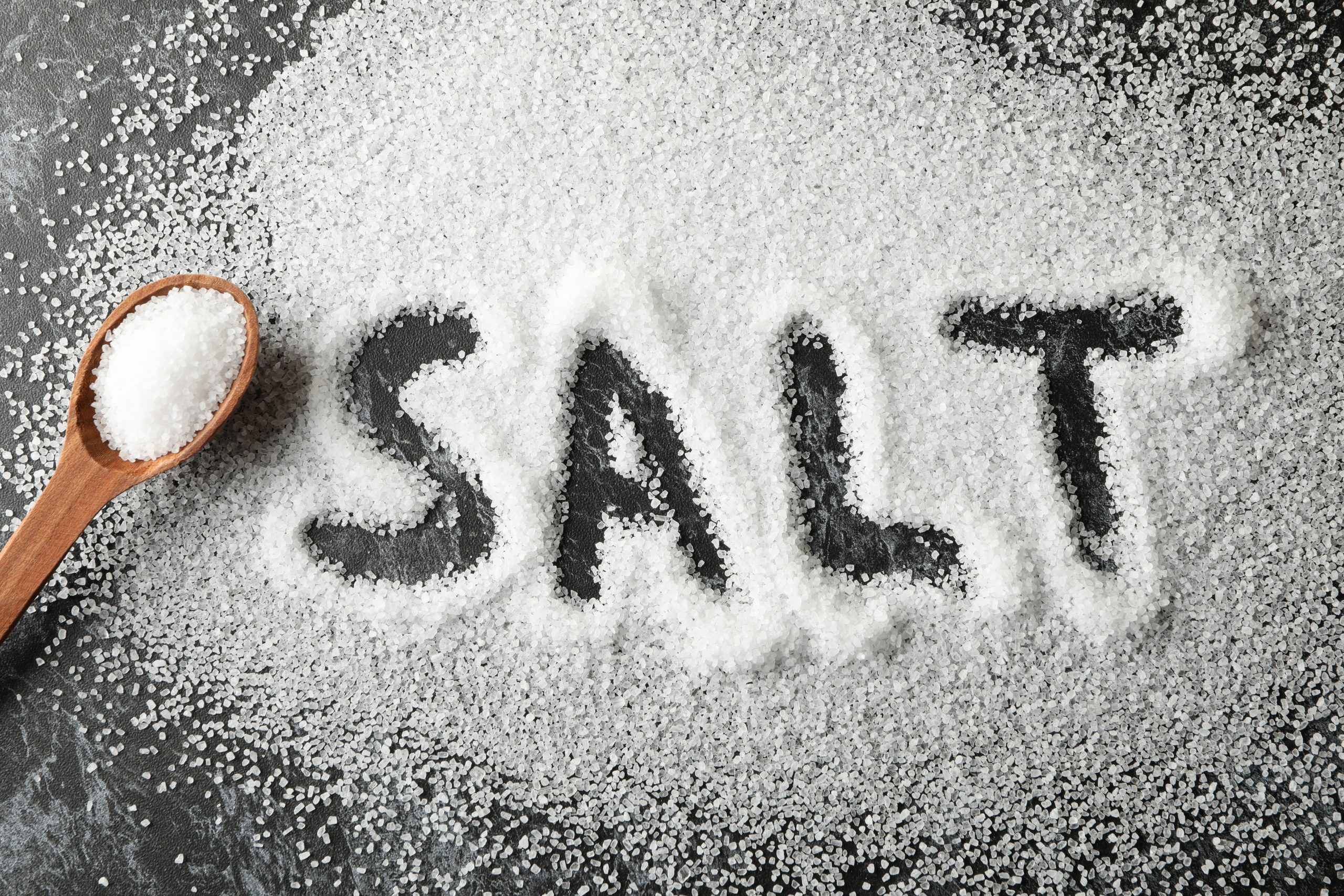 We all know that salt is an essential ingredient in our food. It’s hard to imagine a meal without it! But what exactly is salt, and why is it so important? While most of us are familiar with table salt, there are some fascinating facts about salt that you might not know. Let’s dive into the world of salt and uncover its role in our lives.
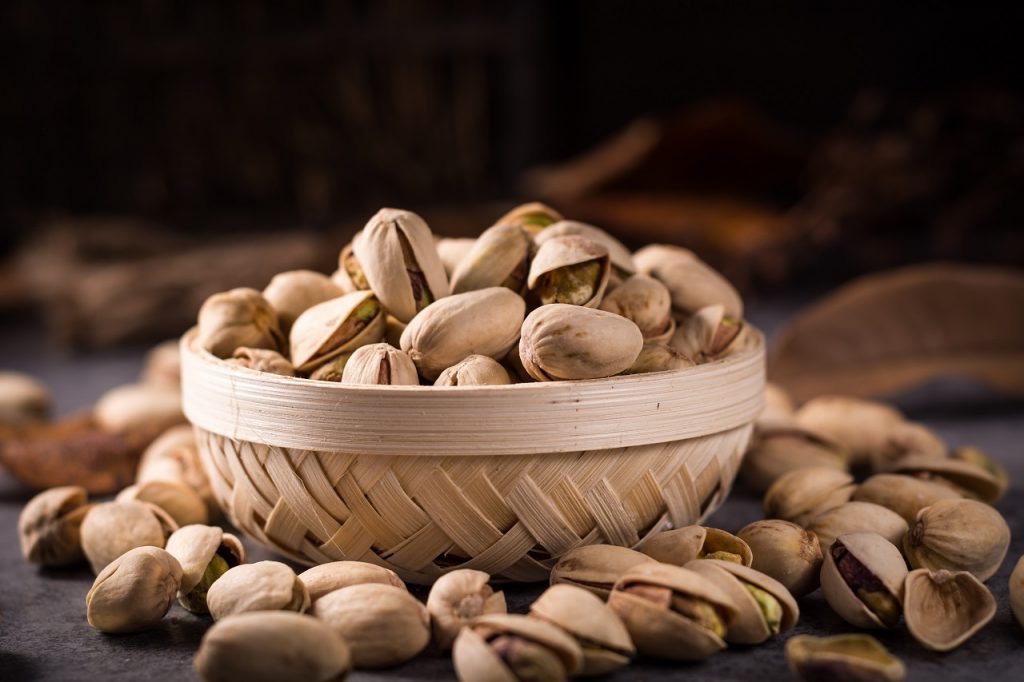 Pistachios are edible seeds of the pistachio tree, member of the cashew family. They are nutrient-packed nuts that can be enjoyed both as a healthy snack or as part of a delicious recipe. Available both in the shell (in-shell) or with their shell already removed (shelled), they’re typically sold roasted and salted, although unsalted options are available, as well as some flavoured varieties, too.


