 The Big Question: Why should we view dietary fibre not merely as an optional remedy for constipation, but as a crucial biological manager that regulates our metabolic, cardiovascular, and immune health?
When you think of dietary fibre, constipation relief is probably the first thing that comes to mind. While fibre certainly supports healthy digestion, its benefits go far beyond keeping your bowel movements regular. A fibre-rich diet can help maintain healthy blood sugar levels, support heart health, improve gut health, aid weight management, and even strengthen your immune system.
Unfortunately, modern diets filled with refined grains, sugary snacks, and ultra-processed foods often fall short of the fibre our bodies need. The good news? Adding more fibre-rich foods to your meals doesn’t require a complete diet overhaul. A few simple changes can make a significant difference to your overall health. Let’s explore why fibre deserves a place on every plate.
What Is Dietary Fibre?
Dietary fibre is a type of carbohydrate found naturally in plant-based foods. Unlike other carbohydrates, fibre isn’t completely digested by the body. Instead, it passes through the digestive system, supporting several important functions along the way.
There are two main types of fibre:
Soluble Fibre
Soluble fibre dissolves in water to form a thick, gel-like substance that slows digestion. This helps regulate blood sugar levels, lowers bad cholesterol, and keeps you feeling full for longer.
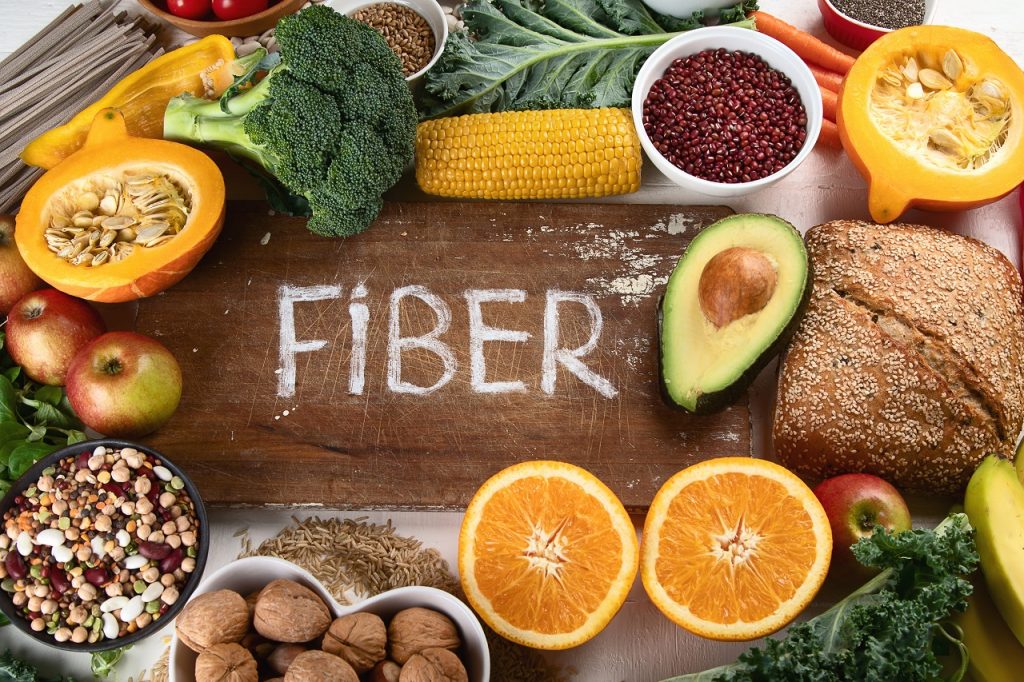
- Good sources include: Oats, apples, citrus fruits, barley, beans, lentils, flaxseeds, and chia seeds.
Insoluble Fibre
Insoluble fibre does not dissolve in water. Instead, it adds physical bulk to your stool and helps food move more efficiently through the digestive tract, promoting regular bowel movements.
- Good sources include: Whole wheat, brown rice, wheat bran, broccoli, cauliflower, carrots, green beans, and nuts.
Both types of fibre are essential, and eating a colorful variety of plant-based foods helps ensure your body receives the right biological balance.
5 Critical Benefits of Eating High-Fibre Foods
-
Supports Healthy Digestion and Peristalsis
One of fibre’s most well-known benefits is keeping your digestive system functioning smoothly. Insoluble fibre acts as a natural bulking agent, drawing moisture into the large intestine to soften and add structure to the stool. This mechanical action stimulates regular contraction waves (peristalsis), making bowel movements easier and helping prevent chronic constipation. A healthy digestive system also creates the ideal environment for optimal nutrient absorption.
-
Helps Manage Blood Sugar Levels and Prevents Insulin Spikes
When you consume refined, stripped carbohydrates, your digestive system breaks them down almost instantly. This rapid absorption floods your bloodstream with glucose, forcing your pancreas to release massive amounts of insulin.
- The Destructive Autopilot Loop: Refined Grains ⇒ Rapid Glucose Surge ⇒ Insulin Spike ⇒ Fat Storage & Energy Crash.
- The Mindful Alternative Loop: High-Fibre Whole Foods ⇒ Gel Matrix Formation ⇒ Delayed Glucose Release ⇒ Stable Energy & Metabolic Protection.
Soluble fibre creates a gel-like barrier in the intestines that slows the digestion and absorption of carbohydrates, helping prevent sudden spikes in blood sugar after meals. This is especially helpful for people living with diabetes or those looking to reduce their risk of developing Type 2 diabetes.
-
Supports Healthy Weight Management and Natural Satiety
Achieving a balanced body composition is much easier when you work with your body’s natural fullness signals. It takes your digestive tract roughly 20 minutes to synthesize and send chemical satiety signals to the brain’s hypothalamus.
Because high-fibre foods require significant mechanical chewing and take longer to digest, they naturally slow your eating pace, giving your brain enough time to register that you are full. This can naturally reduce unnecessary snacking and overeating without making you feel deprived.
-
Promotes Heart Health and Lowers LDL Cholesterol
Soluble fibre plays a direct, protective role in your cardiovascular system. As it moves through your small intestine, it binds to cholesterol-rich bile acids, trapping them within its gel matrix so they can be eliminated from the body through the stool.
To replace these lost bile acids, your liver pulls circulating LDL (“bad”) cholesterol out of your bloodstream, naturally lowering your total cholesterol profile. A diet rich in fibre has also been associated with better blood pressure management, significantly lowering long-term cardiovascular risks.
-
Nourishes Your Gut Microbiome and Boosts Immunity
Your digestive system is home to trillions of beneficial bacteria that play an important role in digestion, immunity, and overall health. Many fibre-rich foods act as prebiotics, providing mandatory nourishment for these beneficial gut bacteria.
When these friendly microbes ferment soluble fibre in your colon, they produce health-boosting metabolites called Short-Chain Fatty Acids (SCFAs), like butyrate. These SCFAs help maintain the structural integrity of the intestinal barrier, prevent harmful pathogens from entering the bloodstream, and contribute to overall immune system resilience.
The High-Fibre Nutrient Synergy Matrix
| Food Group Component | Primary Fiber Type | Key Biological Target | Preventative Health Outcome |
| Beans & Lentils | Soluble Fibre | Intestinal Lining & Liver | Lowers circulating LDL cholesterol and supports muscle repair. |
| Millets & Oats | Soluble & Insoluble | Blood Glucose Curves | Slows down carbohydrate digestion and provides steady energy. |
| Cruciferous Vegetables | Insoluble Fibre | Digestive Motility & Colon | Softens stool structure to naturally prevent chronic constipation. |
| Flax & Chia Seeds | Soluble (Mucilage) | Gut Microbiome & Vascular | Feeds beneficial bacteria to synthesize anti-inflammatory SCFAs. |
How Much Fibre Do You Need?
Most adults living in urban environments consume less than half of their recommended daily fibre needs. As a general clinical guide:
- Women: Around 25 grams of fibre per day
- Men: Around 30–38 grams of fibre per day
Rather than focusing on strict numbers alone, aim to build a colorful, varied plate that naturally includes whole grains, legumes, fruits, vegetables, nuts, and seeds throughout the day.
Simple Ways to Eat More Fibre Every Day
Increasing your daily fibre intake should be a gradual, consistent process to allow your digestive tract time to adapt comfortably. Try these practical lifestyle tips:
- Start your day with whole oats, millets, or whole-grain breakfast cereals.
- Replace white rice with brown rice, red rice, or ancient grains occasionally.
- Include a generous serving of lightly cooked or steamed vegetables with lunch and dinner.
- Snack on whole seasonal fruits, raw nuts, or roasted chana (chickpeas) instead of packaged, processed snacks.
- Add beans, sprouts, or lentils to your daily soups, salads, and curries.
- Sprinkle ground flaxseeds or chia seeds over yogurt or healthy smoothies.
- Choose whole fruits instead of drinking strained fruit juices, as juicing strips away the essential fiber matrix.
Dietary fibre is one of the most important nutrients for long-term health, yet it’s often overlooked in modern, convenience-driven diets. From supporting healthy digestion and maintaining stable blood sugar levels to promoting heart health, weight management, and a thriving gut microbiome, fibre plays a vital role in keeping your body functioning at its best.
The best part? Getting more fibre doesn’t require expensive supplements or complicated diets. By choosing more unrefined whole grains, fruits, vegetables, legumes, nuts, and seeds, you can naturally increase your fibre intake and enjoy lasting health benefits. Every fibre-rich meal is a step towards better health!
Pro Tip: Building healthier eating habits becomes easier when you monitor your daily nutrition. Use the GOQii App to track your meals, macro balance, and daily water intake. You can seamlessly share this health data with your GOQii Personalised Health Coach to receive customized meal plans, fiber-rich recipes, and expert lifestyle guidance tailored perfectly to help you include more whole foods in your everyday diet!
Frequently Asked Questions (FAQs)
- What are the best high-fibre foods to add to my daily diet?
Some of the most nutrient-dense high-fibre foods include steel-cut oats, black beans, lentils, chickpeas, apples, pears, guavas, broccoli, carrots, flaxseeds, chia seeds, raw almonds, walnuts, brown rice, and ancient millets.
- How exactly does dietary fibre help with weight management?
Fibre slows down the physical rate of digestion and expands within your stomach, which triggers mechanical stretch receptors that signal fullness to your brain. This naturally prolongs satiety, stabilizes blood glucose curves, and reduces unnecessary snacking and overeating without making you feel restricted.
- Can eating more fibre improve chronic digestion and bloating issues?
Yes. Fibre adds necessary bulk and softness to the stool, promoting regular bowel movements and preventing constipation. However, to avoid temporary gas or bloating when increasing your intake, you must add fibre to your diet gradually and accompany it with adequate fluid intake.
- Should I explicitly drink more water when increasing my daily fibre intake?
Yes, absolutely. Fibre acts like a natural sponge inside your digestive tract. Insoluble fibre requires water to soften stool structure, while soluble fibre needs fluids to form its protective, gel-like matrix. Increasing your fibre intake without drinking enough water can cause the waste to harden in your colon, leading to bloating, gas, and worsening constipation. Aim for 2 to 3 liters of water daily.
#BeTheForce
Disclaimer: This article is intended for educational and informational purposes only. It is not intended to replace professional medical advice, clinical nutrition diagnosis, or personalized dietary treatment. Always consult your primary care physician or a registered dietitian before making major changes to your eating habits, especially if you manage an underlying gastrointestinal condition or chronic metabolic disorder.




Fibers are very important for our health. Thanks for posting the great article.
Wonderful Post! Keep up the good writing.
thanks for sharing the idea I was also planning to start a health blog target for my location and language and to be honest these are the tips I was looking for.