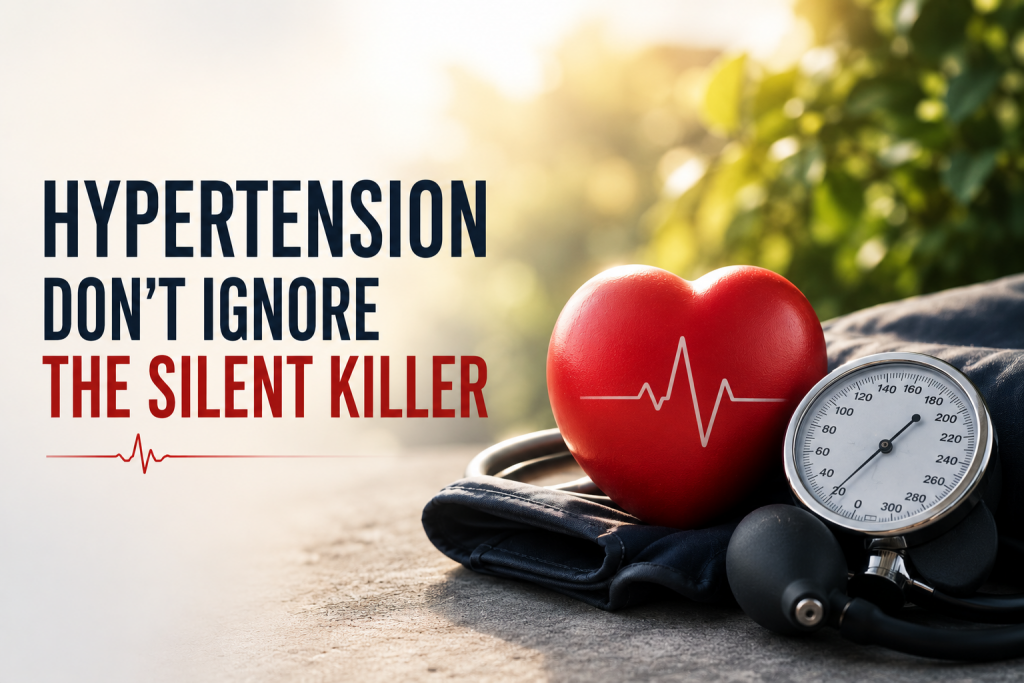
 You wake up feeling fine. You go to work, exercise, and eat relatively well. But beneath the surface, your blood vessels could be under immense, constant pressure without you ever knowing it.
This is why hypertension (high blood pressure) is globally known as the “Silent Killer.” Observed every year on May 17th, World Hypertension Day serves as a critical reminder that you cannot rely on symptoms to tell you if your heart is at risk. Millions of people live with high blood pressure for years without a single warning sign, silently damaging their arteries, heart, and kidneys until a major health event occurs.
The good news? Blood pressure is highly responsive to lifestyle changes. Even small, consistent daily habits can dramatically lower your numbers and protect your heart. Here are 5 natural, scientifically backed ways to manage your blood pressure.
Why Is It Called the “Silent Killer”?
Blood pressure is the force of your blood pushing against the walls of your arteries. When this force is consistently too high (usually above 130/80 mmHg), it forces your heart to work overtime.
Unlike a cold or a twisted ankle, hypertension does not usually cause headaches, dizziness, or chest pain until it reaches a severe, life-threatening stage. The only way to know if you have it is to measure it regularly.
5 Natural Ways to Lower Your Blood Pressure
If your numbers are creeping up, medication isn’t the only answer. Here is how you can take control naturally:
-
Balance Your Sodium with Potassium
Everyone knows that too much salt (sodium) raises blood pressure by causing the body to retain water. But simply cutting out salt isn’t the whole story.
You need potassium to help your kidneys flush out that excess sodium and ease the tension in your blood vessel walls.
- The Action Step: Instead of just obsessing over low-sodium labels, actively add potassium-rich foods to your diet, such as bananas, spinach, sweet potatoes, avocados, and coconut water.
-
Move More, Sit Less
Your heart is a muscle. The more you work it out, the stronger it gets. A stronger heart can pump more blood with less effort, which directly decreases the force on your arteries.
- The Action Step: You do not need to run a marathon. Aim for 150 minutes of moderate aerobic exercise a week. Brisk walking, cycling, or even swimming can lower your blood pressure by 5 to 8 mmHg. Use your GOQii tracker to ensure you are hitting at least 8,000 to 10,000 steps daily!
-
Manage Your Waistline
Blood pressure often increases as weight increases. Being overweight can cause disrupted breathing while you sleep (sleep apnea), which further spikes blood pressure. Visceral fat, the fat stored around your waist and internal organs is particularly dangerous for heart health.
- The Action Step: Losing even 2 to 4 kilograms can make a significant difference in your blood pressure readings. Focus on a balanced diet rich in protein and fiber to manage your weight sustainably.
-
Break the Chronic Stress Cycle
When you are stressed, your body produces a surge of hormones (like cortisol and adrenaline) that temporarily increase your blood pressure by causing your heart to beat faster and your blood vessels to narrow. When stress becomes chronic, this temporary spike becomes your baseline.
- The Action Step: Find a daily decompression tool that works for you. Whether it is 10 minutes of deep breathing, guided meditation on GOQii Play, or a walk in nature without your phone giving your nervous system a break is non-negotiable for heart health.
-
Prioritize Deep Sleep
Your blood pressure naturally dips while you are sleeping. If you are constantly getting less than 6 hours of sleep, or if your sleep is frequently interrupted, your blood pressure stays elevated for longer periods throughout the 24-hour cycle.
- The Action Step: Establish a strict sleep routine. Keep your bedroom cool and dark, avoid heavy meals right before bed, and ditch the screens an hour before you sleep.
You have the power to change your health trajectory. This World Hypertension Day, do not just read about it measure it.
Get your blood pressure checked, understand your numbers, and start making small lifestyle adjustments today. Your heart will thank you for years to come.
Pro Tip: Keep a log of your blood pressure readings and daily habits in the GOQii App. Sharing this data with your GOQii Personalised Health Coach allows them to create a custom nutrition and fitness plan tailored specifically to your heart health!
Frequently Asked Questions (FAQs)
- What is considered a normal blood pressure reading?
A normal blood pressure reading is generally around 120/80 mmHg. Elevated blood pressure is 120-129 systolic and less than 80 diastolic. Anything consistently over 130/80 mmHg is typically classified as hypertension.
- Can I lower my blood pressure without medication?
Yes, in many cases of mild to moderate hypertension, lifestyle changes like losing weight, exercising, reducing sodium, and managing stress can bring your numbers back to a normal range. Always consult your doctor before making changes to your treatment plan.
- Does drinking water help lower blood pressure?
Staying properly hydrated helps your heart pump blood more easily and helps your kidneys flush out excess sodium, both of which support healthy blood pressure levels.
#BeTheForce
Disclaimer: This article is intended for educational purposes only. Hypertension is a serious medical condition. Do not stop taking prescribed blood pressure medication without consulting your doctor.




Leave a Reply