GOQii

Blog

  • HOME
  • HEALTHY LIVING
  • FITNESS
  • HEALTHY RECIPES
  • USER STORIES
  • KARMA
  • BUY GOQii

April 4, 2026 By Neha Sharma Leave a Comment

Healthy Recipes For Kids: Healthy Twist On Pizza & Rolls

healthy recipes for kids“In all this world, there is nothing so beautiful as a happy child.” – L. Frank Baum

We can define happiness in many terms, but for a child, a healthy child is the happiest one. Healthy eating is vital for the overall growth and development of a child. Albeit, it is not a one-off process; it is a habit that has to be developed from early childhood.

Proper nutrition protects children from chronic diseases, builds strong immunity, and keeps them happy and active in the long run. The core aspects of healthy eating for children are not entirely different from adults both need the right nutrients in the right quantities.

1. Healthy Veggie Pizza 

Say goodbye to “blank calories” and hello to a colorful, nutrient-dense pizza that kids will actually love to eat.

What You Will Need:

For the Dough: 

  • Wheat flour: 150 gm
  • Boiled & mashed Spinach: 50 gm
  • Boiled & mashed beetroot: 50 gm
  • Oil: 2 tsp
  • Salt: ½ tsp

For the Dressing & Toppings :

  • Hung curd: 50 gm
  • Tomato sauce: 50 gm
  • Mixed herbs: 1 tsp
  • Grated carrot: 50 gm
  • Chopped capsicum: 50 gm
  • Boiled chopped corns: 50 gm
  • Cottage cheese (Paneer): 100 gm (finely chopped) 

Method of Preparation

  1. Prepare the Dough: Create two separate doughs one using the mashed spinach and the other using the beetroot. Roll them out into two slightly big and thick chapattis.
  2. Pre-cook: These colorful chapattis can be baked or partially cooked on a tawa like a normal roti.
  3. Add the Base: Spread one layer of fresh hung curd and one layer of tomato sauce evenly over the bases.
  4. Decorate: Spread all the veggies and paneer one by one. Do this in a fun, interesting pattern that appeals to kids!
  5. Season: Sprinkle mixed herbs, salt, and a little bit of cheese on top.
  6. Cook: Bake this chapati pizza in an oven or cook it covered in a kadai for 4-5 minutes until the cheese melts.
  7. Serve: Enjoy hot with an extra side of hung curd dip or tomato sauce!

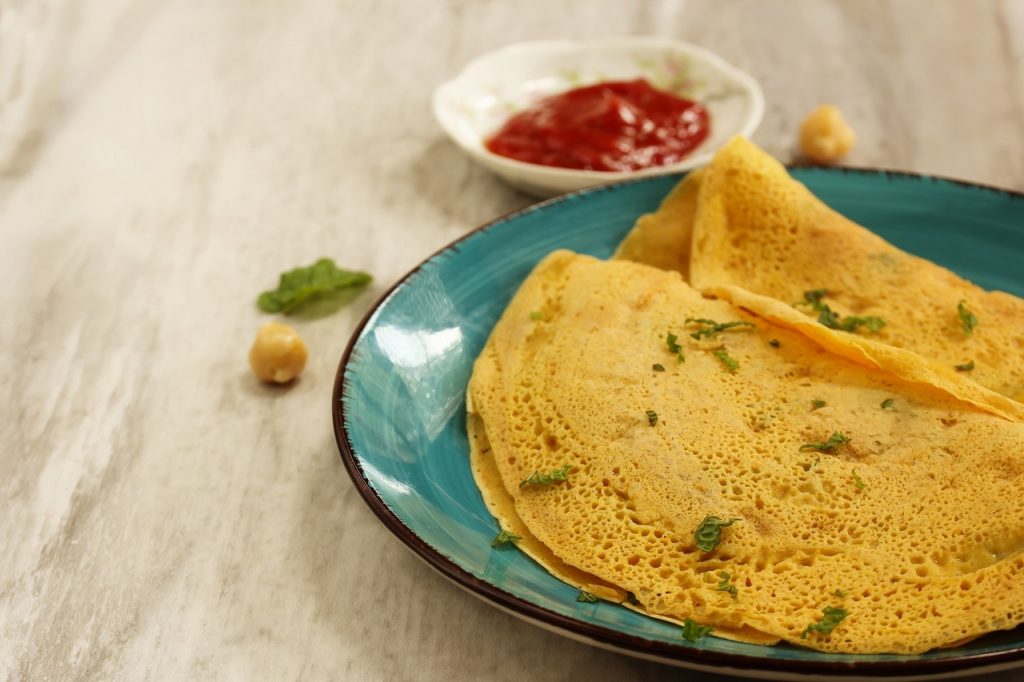
2. Tangy Protein Rolls 

A fantastic way to curb evening hunger pangs while sneaking in a powerful dose of protein and hidden veggies.

What You Will Need:

For the Wrap (Chilla):

  • Overnight soaked Moong Dal: 100 gm
  • Rice Flour: 2 tsp

For the Filling:

  • Boiled potatoes: 2 (medium)
  • Boiled & mashed peas: 50 gm
  • Cottage cheese (Paneer): 100 gm
  • Grated carrot: 100 gm
  • Chopped capsicum (mixed colors): 100 gm
  • Finely chopped onion: 50 gm
  • Chopped cashews and raisins: 1 tsp
  • Grated fresh coconut: 1-2 tsp

For the Tempering & Flavor:

  • Cumin seeds: ½ tsp
  • Mustard seeds: ½ tsp
  • Curry leaves: 6-7 leaves
  • Sesame seeds: 1 tsp
  • Dry mango powder (Amchur): ½ tsp
  • Tomato sauce: 2-3 tsp
  • Salt: ½ tsp
  • Oil: 2-3 tsp

Method of preparation:

  1. Prepare the Batter: Grind the soaked moong dal into a coarse paste. Add the rice flour, mix well, and set the batter aside for 5-10 minutes.
  2. Temper the Spices: In a pan, heat the oil. Add cumin seeds, mustard seeds, curry leaves, and chopped onion. Sauté until the onions turn slightly pink.
  3. Cook the Filling: Add all the chopped veggies one by one. Mix in the dry mango powder, salt, grated coconut, sesame seeds, and chopped nuts. Sauté everything together for 2-3 minutes.
  4. Shape the Filling: Once slightly cooled, roll the veggie mixture into cylindrical, hotdog-like shapes.
  5. Make the Wrap: Pour a ladle of the moong dal batter onto a hot tawa to make a thin chilla (crepe).
  6. Assemble: Place one veggie “hotdog” in the center of the cooked chilla, apply some tomato sauce, roll it up tightly, and serve!

Health Benefits: Why These Recipes are a Win-Win

  • 100% Safe & Homemade: You control the ingredients, ensuring absolute safety and hygiene for your kids.
  • Nutrient-Dense vs. Empty Calories: Regular commercial pizza is often junk food loaded with empty calories. This version is super healthy, utilizing wheat flour, spinach, and beetroot to provide essential vitamins and minerals.
  • Smart Swaps: Using hung curd blended with a little tomato sauce is a fantastic, gut-friendly alternative to heavy, processed mayonnaise or cheese spreads.
  • High in Protein & Bone Support: Moong dal is an excellent source of plant-based protein. Sesame seeds are fantastic for supporting growing bone health.
  • Kid-Approved Aesthetics: These recipes satisfy the emotional aspect of eating for kids. The natural food coloring from the beetroot and spinach makes them look vibrant, exciting, and exactly like the “outside food” they crave!

We hope you enjoy these Healthy Recipes For Kids. Do try them out, upload your pics on social media or the GOQii Arena and tag us! For more healthy recipes, check out Healthy Reads.  

To get more personalized advice on recipes, nutrition, and diet tips for your child’s development, subscribe to GOQii Personalised Health Coaching here. 

#BeTheForce

Disclaimer: The information and recipes provided in this blog are for general educational and informational purposes only and are not intended as professional medical or clinical nutritional advice. Every child’s nutritional needs, growth patterns, and tolerances are unique. Always consult with your pediatrician or a qualified healthcare professional before making significant changes to your child’s diet, especially if they have known food allergies, sensitivities, or pre-existing health conditions.

March 31, 2026 By Yogita Agarwal 1 Comment

Eat to Defy Age: Top 5 Foods to Fight Wrinkles and Premature Ageing

We all want healthy and glowing skin, but do you know that your skin reflects what you eat? Healthy skin needs vital nutrients, a balanced diet, enough water, and quality sleep. When these aspects are balanced, it truly shows on our skin. While we cannot stop or avoid wrinkles entirely as they are a natural sign of ageing we can significantly delay them with healthy food choices and a supportive lifestyle.

When it comes to premature ageing or wrinkles, it often happens due to Sun damage and the loss of two crucial proteins: collagen and elastin. These two proteins take care of our skin and keep it healthy, young and firm. When UV rays hit our skin, it reduces the production of these proteins, increasing free radicals and leading to premature ageing. As we age, the skin starts losing its firmness and elasticity. Other factors that contribute to this process are pollution, smoking, stress, dehydration, lack of sleep and unhealthy food habits.

5 Powerful Foods Help Fight Wrinkles and Premature Ageing

  1. Avocado:
    Avocado is a fruit with healthy fats. It has fiber and many nutrients like Folate, Magnesium, Potassium, Riboflavin (Vitamin B2), Niacin (Vitamin B3), Pantothenic Acid (Vitamin B5), Pyridoxine (Vitamin B6), Vitamin C, Vitamin E and Vitamin K. Vitamin E aids skin nourishment, reduces scars and fights free radicals. Avocado is high in the antioxidant glutathione, which helps the body to detoxify and keeps skin clear of acne and wrinkles.
  2. Berries:
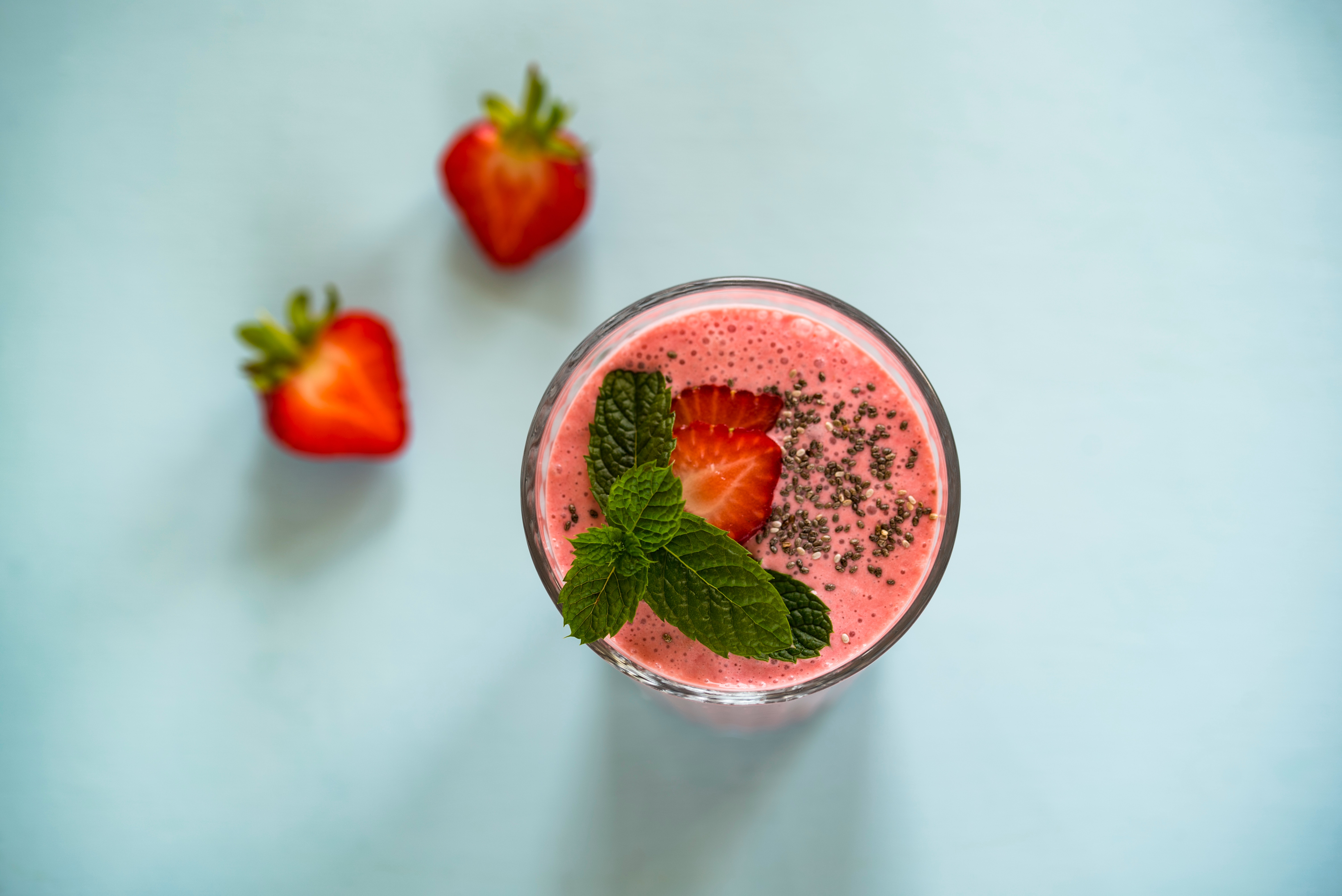
    All the berries are extremely rich in antioxidants, are a good source of Fiber, Vitamin C, Manganese, Vitamin K1, Copper and Folate. Those are rich in Flavonoids, Vitamins and Polyphenol. So berries are perfect food to fight wrinkles and fine lines. Berries not only help in reducing wrinkles but also help in the regeneration of new skin cells. Add berries to your breakfast or morning smoothies.
  3. Buckwheat:
    It is gluten free, rich in fiber, Iron, provides B1, is a rich source of Magnesium and Calcium, Folate, helps in heart health and controls blood sugar levels and also reduces the signs of premature ageing. It has Bioflavonoid Rutin which helps to maintain the production of collagen in the skin and encourage the body’s utilization of Vitamin C.
  4. Papaya:
    Papaya is rich in a variety of antioxidants, vitamins and minerals like Vitamin A, C, K and E, Calcium, Potassium, Magnesium, Phosphorus and Vitamin B. These help to improve skin elasticity and minimize the fine lines and wrinkles. Papaya is rich in the enzyme papain and chymopapain which helps to reduce inflammation. It helps to reduce acne by removing dead skin cells, and remove damaged keratin which can build up on the skin and form small bumps.
  5. Sweet Potatoes:
    Sweet Potatoes are rich in Vitamin A, B, C, D, Calcium, Iron, Magnesium, Potassium, Phosphorus, Thiamine, Zinc. It has the antioxidant beta-carotene which is converted into Vitamin A and helps in restoring skin elasticity, prompts skin cell turnover, which means healthy glowing skin. The Vitamin C and E in it helps in protection of skin from free radicals and keeps complexion radiant. Both the Vitamins are crucial to keep skin healthy, glowing and supple. Vitamin C boosts collagen and promotes tightening of skin.

Unlocking Your 10-Year Younger Skin Routine

In addition to including these specific foods to your diet, make sure that you consume healthy fats, a variety of veggies and fruits, especially different colour veggies and fruits. Keep yourself well hydrated, do regular exercise, learn to manage stress and sleep well.

Simultaneously, make it a priority to reduce the consumption of:

  • Alcohol
  • Tea and coffee
  • Preserved canned food
  • Processed food

Our body does not have a voice, but it talks to us through signs and symptoms, so pay attention to the health of your skin to be healthy and fit. With good food habits, a healthy lifestyle, proper hydration, quality sleep and stress management, we can turn the clock on our skin to look 10 years younger.

We hope this article helps you fight wrinkles! Do leave your thoughts in the comments below. For more tips on skincare, check out Healthy Reads or ask a GOQii Coach by subscribing for Personalised Health Coaching here.

#BeTheForce

Frequently Asked Questions (FAQs)

  1. What is the main cause of premature skin ageing?
    While factors like pollution, stress, and poor sleep contribute, the two single biggest hidden threats to youthful skin are Sun damage (UV exposure) and chronic inflammation. Over time, these destroy healthy skin cells and severely degrade the production of collagen and elastin, the proteins that keep skin healthy and firm.
  2. Why is collagen so important for preventing wrinkles?
    Collagen (and elastin) are vital structural proteins that act as the scaffolding of your skin. They are responsible for its texture, firmness, and flexibility. As you age, your body produces less collagen naturally. Foods that support collagen specifically those high in Vitamin C and antioxidants like the ones listed above are essential for maintaining that firmness and delaying the onset of wrinkles.
  3. Does hydration alone really make you look younger?
    Hydration is non-negotiable for skin longevity. Water acts as the medium for all cellular processes, including the ones that clear toxins and repair cells. Dehydrated skin looks dull, lacks “plumpness,” and causes existing fine lines to appear much deeper. For a radiant complexion, regular hydration must be combined with nutrient-dense foods that feed your skin from the inside out.

Disclaimer: The information provided in this article is for general educational and informational purposes only and is not intended as medical advice, diagnosis, or treatment. Always consult your doctor, dermatologist, or a qualified nutritionist before making any significant changes to your diet, skincare routine, or lifestyle, especially if you have per-existing health conditions.

March 18, 2026 By Urvi Gohil 1 Comment

Healthy Eating: Vegetable Stuffed Ragi Paratha

Looking for a nutritious millet-based breakfast that is both healthy and satisfying? This Vegetable Stuffed Ragi Paratha is a wholesome alternative to regular wheat parathas. Packed with calcium, fibre and essential minerals, ragi (finger millet) supports bone health, digestion and sustained energy throughout the day.

Adding vegetables to the stuffing further enhances the nutritional value, making this dish a balanced breakfast for both adults and children. While the colour may appear slightly darker than regular parathas, the health benefits make it absolutely worth trying.

Vegetable Stuffed Ragi Paratha – Quick Recipe

Prep Time: 15 minutes
Cook Time: 15 minutes
Total Time: 30 minutes
Servings: 3–4 parathas
Meal Type: Healthy Breakfast
Cuisine: Indian

Nutritional Highlights

  • High in calcium for bone strength
  • Rich in dietary fibre for digestion
  • Helps support blood sugar balance
  • Promotes satiety and weight management

Ingredients

For the Dough

  • 1 cup ragi flour
  • 1 cup water
  • Salt to taste

For the Vegetable Stuffing

  • ½ cup cooked peas
  • ½ cup shredded carrot
  • ¼ tsp cumin seeds (jeera)
  • ¼ tsp mustard seeds
  • 1 tsp finely chopped ginger
  • 1 tsp chopped curry leaves
  • 1 tsp lemon juice
  • 2 tbsp chopped coriander leaves
  • 1–2 green chillies
  • Oil for cooking

 How to Prepare the Vegetable Stuffing

  1. In a mixer grinder, blend cooked peas, cumin seeds and green chillies into a coarse paste.
  2. Heat 1 tsp oil in a pan.
  3. Add mustard seeds and allow them to crackle.
  4. Add chopped ginger and curry leaves and sauté briefly.
  5. Add the pea mixture along with shredded carrot and salt.
  6. Cook for a few minutes. If the mixture becomes dry, add a little water.
  7. Turn off the flame and add lemon juice and chopped coriander leaves.

Set the stuffing aside.

How to Prepare the Ragi Dough

  1. Heat 1 cup water in a pan and add salt.
  2. Once hot, add ragi flour and switch off the flame.
  3. Mix thoroughly using a spatula.
  4. Allow the mixture to rest for 5–7 minutes.
  5. Once cooled slightly, knead it into a soft dough.

How to Assemble and Cook the Paratha

  1. Divide the dough into equal-sized balls.
  2. Flatten each ball slightly.
  3. Dust with flour and roll into a thin paratha using plastic paper.
  4. Place vegetable stuffing evenly over one paratha.
  5. Wet the edges slightly and place another paratha over it.
  6. Seal the edges and gently roll again.
  7. Heat a pan or tawa and lightly brush with oil.
  8. Cook the paratha until golden brown.
  9. Flip and cook the other side evenly.

Serve hot with curd, raita or chutney.

Why Ragi Is a Super Millet for Daily Nutrition

Ragi (finger millet) is widely recognised as one of the most nutritious grains. It contains significantly higher calcium than most cereals and is naturally rich in fibre, iron and plant-based protein.

Including ragi in breakfast helps:

  • support bone health
  • improve digestion
  • maintain stable energy levels
  • promote satiety for weight management

Millets like ragi are increasingly recommended as part of a balanced diet because of their nutritional density and metabolic benefits.

Nutritional Benefits of Vegetable Stuffed Ragi Paratha

Supports Bone Health

Ragi is an excellent source of calcium, which is essential for maintaining strong bones and teeth.

Helps Maintain Stable Blood Sugar

Ragi has a relatively low glycaemic index and releases energy slowly, which may help manage blood sugar levels.

Improves Digestive Health

The fibre content in ragi and vegetables supports healthy digestion and gut function.

Supports Weight Management

High fibre foods promote fullness, helping reduce unnecessary snacking.

Tips to Make This Recipe Even Healthier

  • Use minimal oil while cooking the paratha.
  • Add vegetables such as spinach, beetroot or capsicum to increase nutrient density.
  • Serve with probiotic-rich curd to support gut health.
  • Pair with fresh mint chutney instead of processed sauces.

Frequently Asked Questions

Is ragi paratha healthy?

Yes. Ragi paratha is rich in calcium, fibre and essential minerals that support bone health, digestion and sustained energy.

Can ragi help with weight management?

Ragi is high in dietary fibre and promotes satiety, which may help reduce overeating and support healthy weight management.

Is ragi good for people with diabetes?

Ragi has a relatively low glycaemic index and releases energy slowly, which may help maintain stable blood sugar levels when eaten in moderate portions.

Including millets like ragi in everyday meals is a simple way to improve the nutritional quality of your diet. This Vegetable Stuffed Ragi Paratha combines the goodness of ragi with the benefits of vegetables, making it a nourishing breakfast option for the entire family.

Try this recipe as part of your breakfast routine and enjoy a healthy start to your day!

Did you enjoy this recipe? Try it out and share your thoughts in the comments below! For more healthy recipes, nutrition tips and personalised wellness guidance, connect with a GOQii Coach through our Personalised Health Coaching program here.

#BeTheForce

Disclaimer: The information provided in this blog is for general awareness and educational purposes only. It is not intended to replace professional medical advice, diagnosis, or treatment. Always consult a qualified healthcare provider for personalised medical guidance or concerns related to your health. Images shown are for representation purposes only and may not depict the exact recommendations or outcomes.

March 16, 2026 By Roopa Tandur Leave a Comment

Nutritional Deficiencies That Can Cause Hair Loss (And How to Fix Them)

hair lossHair is a tough protein made primarily of Keratin. The hair bulbs at the base of your hair follicles divide and grow to build the hair shaft, while blood vessels nourish the bulb and deliver the hormones that regulate growth.

It is perfectly normal to shed around 50 to 200 hairs every day. However, hair loss happens at different rates for different people due to various reasons: heredity, hormonal changes (like hypothyroidism), medical conditions, stress, or even post-pregnancy calorie imbalances.

But one of the most common and highly treatable causes of sudden hair thinning is a lack of essential nutrients. When your body is deprived of specific vitamins and minerals, it restricts the nutrient supply to non-essential tissues like hair follicles to protect your vital organs. Let’s explore exactly which nutritional deficiencies lead to hair loss and how you can reverse them.

5 Nutritional Deficiencies Linked to Hair Loss

  1. Vitamin D DeficiencyVitamin D is crucial for hair growth because it stimulates hair follicles and helps maintain the thickness of each strand. Keratinocytes in the skin metabolise Vitamin D into Keratin (the structural protein of your hair). Low levels of Vitamin D make it difficult for these cells to regulate hair growth and shedding. Furthermore, Vitamin D deficiency is often linked to higher stress levels, which further accelerates hair fall.
    • The Fix: Aim for 400-800 IU of Vitamin D a day. This is easily achieved with 10-30 minutes of direct daily sun exposure or through regular supplementation.
  2. Vitamin B7 or Biotin DeficiencyWhile severe biotin deficiency is relatively rare, it is a well-known culprit for hair loss. It can occur due to genetics, excessive alcohol consumption, smoking, or in people with inflammatory bowel disease. Interestingly, frequently consuming raw egg whites can also cause this deficiency, as they contain a protein called avidin that blocks the absorption of biotin in the gut.
    • Food Sources: Bananas, carrots, cooked egg yolks, legumes, and nuts.
  3. Iron Deficiency (Anaemia)When you have an iron deficiency, your body produces less haemoglobin. This results in less oxygen being transported throughout your body. Because the body prioritizes vital organs, the oxygen supply to your hair follicles is severely restricted. Without adequate oxygen, hair follicles cease to function properly, switch to a resting phase, and eventually fall out. If you notice an unusual amount of hair in your shower drain, it is time to get your haemoglobin levels tested.
    • Food Sources: Whole wheat grains, beans, chickpeas, tofu, peas, nuts, raisins, spinach, and lean meats like chicken.
  4. Vitamin C Deficiency
    Vitamin C deficiency directly impacts hair health because this vitamin is essential for the absorption of iron from your intestines. Even if you consume enough iron, a lack of Vitamin C can lead to secondary iron deficiency and subsequent hair loss. Common risk factors include a poor diet, smoking, and chronic illness.

    • Food Sources: Citrus fruits (oranges, sweet lime, lemon), strawberries, guava, sweet potatoes, chillies, thyme, kale, and broccoli.
  5. Vitamin E Deficiency
    Vitamin E possesses powerful antioxidant properties that reduce oxidative stress on the scalp. It fights free radical damage that can destroy hair cells. Additionally, Vitamin E supports a healthy scalp by protecting the lipid layer, locking in moisture, and reducing dryness and scaling.

    • Food Sources: Almonds, walnuts, pumpkin seeds, sunflower seeds, wheat germ oil, peanuts, avocados, mangoes, and spinach.

Top Tips To Reduce Hair Fall Naturally

  • Eat Balanced Meals: Ensure your daily diet contains adequate protein, complex carbohydrates, and healthy fats.
  • Stay Hydrated: Drink at least 8-10 glasses of water a day to aid the digestion and absorption of the nutrients from your food.
  • Snack Smart: Include healthy snacks between meals to maintain energy levels and prevent calorie deficits.
  • Eat the Rainbow: Include a variety of whole-grain cereals, eggs, nuts, leafy vegetables, tofu, legumes, quinoa, and dairy to cover all your nutritional bases.
  • Maintain Scalp Hygiene: Wash your hair using a mild shampoo at least twice a week to keep the follicles clear of buildup.
  • Manage Stress: Keep cortisol (stress hormone) levels in check through meditation, hobbies, or yoga, as high stress forces hair follicles into the shedding phase.
  • Prioritize Rest: Get good quality sleep and exercise at least 4-5 days a week to improve overall blood circulation to your scalp.

Frequently Asked Questions (FAQs)

Can hair grow back after a nutritional deficiency? Yes. In most cases, hair loss caused by a nutritional deficiency is temporary. Once you identify the missing nutrient (like Iron or Vitamin D) through a blood test and correct it via diet or supplements, your hair growth cycle will typically return to normal within a few months.

Which vitamin is most responsible for hair loss? Deficiencies in Vitamin D, Iron, and Vitamin B12/B7 (Biotin) are the most common nutritional culprits behind excessive hair shedding and thinning.

How much hair fall is normal daily? It is perfectly normal to shed between 50 to 200 hair strands per day as part of the natural hair growth and renewal cycle.

We hope this article on nutritional deficiencies that can cause hair loss helps you! For more on hair loss and hair care, check out Healthy Reads or speak to a certified expert by subscribing to GOQii’s Personalised Health Coaching here. 

#BeTheForce 

Disclaimer: GOQii is committed to providing accurate, up-to-date, and comprehensive health information. This article is intended for informational purposes only and should not be used as a substitute for professional medical advice, diagnosis, or treatment. Always consult a qualified healthcare professional before starting or changing any medication, or sleep routine. Individual responses to lifestyle changes may vary.

  • « Previous Page
  • 1
  • …
  • 4
  • 5
  • 6
  • 7
  • 8
  • …
  • 144
  • Next Page »

Search

Recent Posts

  • Immunity-Boosting Kadhas: Why Natural Defense Matters During the Monsoon
  • Healthy Eating: Crispy Monsoon Corn Tikkis
  • Antenatal Exercises: Your Guide to a Fit and Healthy Pregnancy
  • Managing Type 2 Diabetes: Dietary Choices and Lifestyle Adjustments for Better Blood Sugar Control
  • Hormones and Longevity: Why Midlife Health Depends on Hormonal Balance

Stay Updated

Archives

  • July 2026 (22)
  • June 2026 (22)
  • May 2026 (20)
  • April 2026 (24)
  • March 2026 (18)
  • February 2026 (14)
  • January 2026 (14)
  • December 2025 (19)
  • November 2025 (15)
  • October 2025 (20)
  • September 2025 (6)
  • August 2025 (6)
  • July 2025 (10)
  • June 2025 (18)
  • May 2025 (16)
  • April 2025 (22)
  • March 2025 (26)
  • February 2025 (21)
  • January 2025 (25)
  • December 2024 (22)
  • November 2024 (22)
  • October 2024 (20)
  • September 2024 (22)
  • August 2024 (28)
  • July 2024 (16)
  • June 2024 (23)
  • May 2024 (26)
  • April 2024 (27)
  • March 2024 (27)
  • February 2024 (23)
  • January 2024 (21)
  • December 2023 (14)
  • November 2023 (10)
  • October 2023 (19)
  • September 2023 (22)
  • August 2023 (16)
  • July 2023 (18)
  • June 2023 (21)
  • May 2023 (20)
  • April 2023 (19)
  • March 2023 (23)
  • February 2023 (19)
  • January 2023 (15)
  • December 2022 (11)
  • November 2022 (15)
  • October 2022 (15)
  • September 2022 (12)
  • August 2022 (9)
  • July 2022 (17)
  • June 2022 (11)
  • May 2022 (10)
  • April 2022 (6)
  • March 2022 (6)
  • February 2022 (13)
  • January 2022 (11)
  • December 2021 (7)
  • November 2021 (3)
  • October 2021 (6)
  • September 2021 (3)
  • August 2021 (8)
  • July 2021 (7)
  • June 2021 (15)
  • May 2021 (16)
  • April 2021 (10)
  • March 2021 (7)
  • February 2021 (4)
  • January 2021 (4)
  • December 2020 (3)
  • November 2020 (4)
  • October 2020 (10)
  • September 2020 (3)
  • August 2020 (3)
  • July 2020 (2)
  • June 2020 (4)
  • May 2020 (10)
  • April 2020 (12)
  • March 2020 (10)
  • February 2020 (4)
  • January 2020 (4)
  • December 2019 (3)
  • November 2019 (7)
  • October 2019 (5)
  • September 2019 (4)
  • August 2019 (9)
  • July 2019 (9)
  • June 2019 (11)
  • May 2019 (4)
  • April 2019 (8)
  • March 2019 (8)
  • February 2019 (9)
  • January 2019 (8)
  • December 2018 (9)
  • November 2018 (3)
  • October 2018 (3)
  • September 2018 (5)
  • August 2018 (10)
  • July 2018 (6)
  • June 2018 (13)
  • May 2018 (8)
  • April 2018 (18)
  • March 2018 (9)
  • February 2018 (8)
  • January 2018 (15)
  • December 2017 (12)
  • November 2017 (19)
  • October 2017 (13)
  • September 2017 (15)
  • August 2017 (4)
  • July 2017 (8)
  • June 2017 (7)
  • May 2017 (6)
  • April 2017 (8)
  • March 2017 (6)
  • February 2017 (7)
  • January 2017 (9)
  • December 2016 (10)
  • November 2016 (7)
  • October 2016 (7)
  • September 2016 (7)
  • August 2016 (11)
  • July 2016 (9)
  • June 2016 (9)
  • May 2016 (12)
  • April 2016 (17)
  • March 2016 (17)
  • February 2016 (8)
  • January 2016 (6)
  • December 2015 (2)
  • November 2015 (9)
  • October 2015 (7)
  • September 2015 (9)
  • August 2015 (11)
  • July 2015 (9)
  • June 2015 (11)
  • May 2015 (9)
  • April 2015 (13)
  • March 2015 (8)
  • February 2015 (5)
  • January 2015 (12)
  • December 2014 (14)
  • November 2014 (11)
  • October 2014 (6)
  • September 2014 (13)
  • August 2014 (12)
  • July 2014 (6)
  • June 2014 (2)
  • May 2014 (7)
  • April 2014 (4)

From Burnout to Balance: How Dr. Ranjit Reclaimed His Health

Dr Ranjit Bhatt has spent years tending to others. A practising doctor in Odisha, his days were packed with patients, surgeries, and emergencies. From the outside, it looked like a life lived in service. But on the inside, something wasn’t right. “I had no … [Read More...]

From Shimla’s Slopes to Chandigarh’s Sidewalks: Surinder Kaur Bhalla’s Journey from Chaos to Control

Some journeys start with a plan. Others begin with a stumble literally. Surinder Bhalla, a government professional, born and raised in the scenic hill town of Shimla, had always lived a life of movement. “In Shimla, you walked everywhere,” she reflects. “Walking was never an exercise. It was just life.” But after shifting to Chandigarh, […]

“I’ve Challenged Myself to Live 100 Years” – The Story of Chandubhai Savani’s Second Chance at Life

At 67, most people start slowing down. Not Chandubhai Savani. A resident of Surat, Chandubhai, thought life was on track. “My life was going well till I had my bypass surgery,” he says. That surgery, back in 2021, was a wake-up call.  Medication was routine, but exercise wasn’t. His diet? What he calls ‘normal.’ “I […]

Ananda Mukherjee Health Story

From Terminal Illness To Complete Wellness! Ananda Mukherjee Health Story

As we observe World Cancer Day under the powerful theme ‘United by Unique’ (2025-2027)**, we are reminded that every individual’s journey with cancer is distinct, yet united by shared resilience, hope, and the collective fight against this disease. This theme places people at the centre of care and their stories at the heart of the […]

  • HOME
  • HEALTHY LIVING
  • FITNESS
  • HEALTHY RECIPES
  • USER STORIES
  • KARMA
  • BUY GOQii

Copyright ©2016 GOQii