GOQii

Blog

  • HOME
  • HEALTHY LIVING
  • FITNESS
  • HEALTHY RECIPES
  • USER STORIES
  • KARMA
  • BUY GOQii

Search Results for: weight

November 1, 2026 By GOQii Leave a Comment

World Vegan Day: Eating Plant-Based Without Missing Out

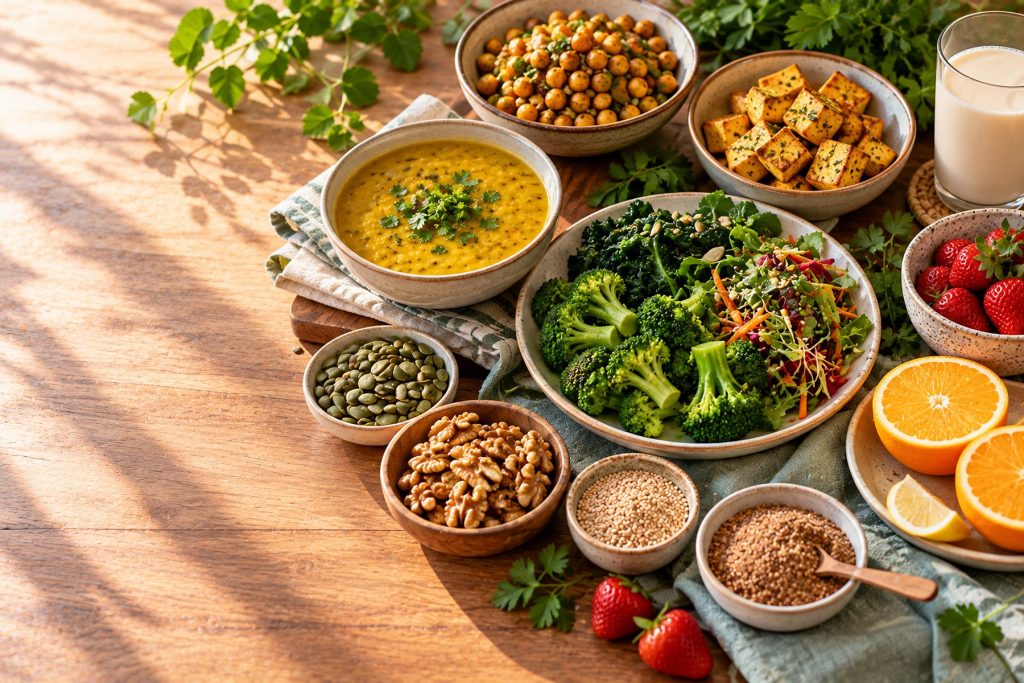
Plant-based eating has moved from the fringes to the supermarket aisle. Oat milk sits next to dairy, tofu is on café menus, and “vegan” has become a label people look for, whether for their health, for animals or for the planet. World Vegan Day, held on 1 November, began in 1994 to mark 50 years of the UK Vegan Society, the group that coined the word “vegan”.

A well-planned vegan diet can be healthy at any age. The key words are well planned. Cutting out meat, fish, eggs and dairy also cuts out the easiest sources of a handful of nutrients, so you need to know where else to find them. This guide covers what the evidence says, the nutrients that matter most, and what a balanced vegan day looks like, whether you’re fully vegan or simply eating more plants.

At a glance

  • Planned well, vegan diets are healthy: the Academy of Nutrition and Dietetics says appropriately planned vegan diets are healthful and nutritionally adequate.
  • Possible benefits: trials link vegan diets with modest weight loss, lower LDL cholesterol and better blood sugar control in people with diabetes.
  • Vitamin B12 is non-negotiable: there are no reliable plant sources, so vegans need fortified foods or a supplement.
  • Five more to plan for: protein, calcium and vitamin D, iron and zinc, omega-3 fats, and iodine.
  • Vegan doesn’t automatically mean healthy: heavily processed vegan foods don’t seem to carry the same benefits as whole plant foods.
  • Extra care is needed in pregnancy, for babies and children, and for older adults.

Is a vegan diet healthy? What the evidence says

An umbrella review of 17 meta-analyses, published in 2022, gives a balanced picture:

  • Weight: in trials, people on vegan diets lost about 2.5 kg more than those on comparison diets.
  • Cholesterol: LDL (“bad”) cholesterol fell modestly in people at high risk of heart disease.
  • Blood sugar: HbA1c dropped slightly in people with type 2 diabetes.
  • Blood pressure: no clear effect.
  • Bones: the evidence, though weak, pointed to a higher fracture risk.

That last point matters. In the long-running EPIC-Oxford study of nearly 55,000 people in the UK, vegans had a 43% higher risk of fractures than meat-eaters, and more than twice the risk of hip fractures, over about 18 years. The researchers think lower body weight and lower intakes of calcium and protein partly explain it. In other words, the problem isn’t plants; it’s missing nutrients, and that can be planned for.

The quality of the diet matters too. A 2024 study of more than 118,000 UK adults found that eating more ultra-processed plant-based foods, such as some meat substitutes, packaged snacks and sweetened drinks, was linked to a higher risk of heart disease, while whole and minimally processed plant foods were linked to a lower risk. These are associations rather than proof, but the message is clear: build your plate around beans, lentils, whole grains, vegetables, fruit, nuts and seeds, not just vegan-labelled packets.

1. Protein: easier than you think

Most adults need roughly 0.8 g of protein per kg of body weight a day; India’s ICMR–NIN sets it at 0.83 g/kg. For a 60 kg adult, that’s about 50 g a day. Older adults, very active people and those in pregnancy need more.

Good vegan sources, with typical amounts:

Food Serving Protein (approx.)
Tempeh 85 g (3 oz) 18 g
Chickpeas, cooked 1 cup 15 g
Tofu ¾ cup 10 g
Lentils (dal), cooked ½ cup 9 g
Edamame ½ cup 9 g
Pumpkin seeds ¼ cup 9 g
Peanut butter 2 tbsp 8 g
Peanuts 28 g (1 oz) 7 g

What helps:

  • Include a protein food at every meal: dal, rajma, chana, tofu, tempeh, soya chunks, edamame or a handful of nuts and seeds.
  • Mix your sources over the day. You don’t need to combine proteins at each meal, but eating a variety of pulses, grains, nuts and seeds over the day gives you all the essential amino acids. Classic pairings like dal-rice, hummus with pitta, or beans on toast do this naturally.
  • Soya is a complete protein, so tofu, tempeh, soya milk and edamame are especially useful.

For more on why beans and lentils deserve a daily spot, read 7 reasons why pulses are good for you.

2. Vitamin B12: the one you can’t skip

Vitamin B12 keeps your blood and nervous system healthy. It’s made by bacteria, not plants, so there are no reliable unfortified plant sources. Spirulina, mushrooms and fermented foods aren’t dependable sources. The NHS notes that B12 sources for vegans are limited and a supplement may be needed.

Deficiency develops slowly, because the body stores B12 for years, and it can cause tiredness, low mood, memory problems and pins and needles. Long-term deficiency can damage nerves, so don’t wait for symptoms. B12 deficiency is also common among vegetarians in India; studies have found high rates in several groups, including pregnant women.

Options for adults, as set out by the UK Vegan Society’s B12 guidance. Choose one:

  • eat B12-fortified foods (some plant milks, breakfast cereals, nutritional yeast and yeast extracts) two or three times a day, to get at least 3 micrograms a day
  • take a daily supplement of at least 10 micrograms
  • take a weekly supplement of at least 2,000 micrograms

Check labels, as not all plant milks or cereals are fortified. If you’ve been vegan for a while without a reliable B12 source, ask your doctor about a blood test.

3. Calcium and vitamin D: protect your bones

Given the fracture findings, calcium and vitamin D deserve real attention.

Calcium sources named by the NHS:

  • calcium-set tofu (check the label for calcium sulphate or calcium chloride)
  • fortified, unsweetened soya, pea and oat drinks
  • sesame seeds and tahini
  • green vegetables such as broccoli, cabbage, kale and okra
  • pulses, and dried fruit such as figs and apricots

Ragi (finger millet) is another useful option, with about 344 mg of calcium per 100 g. One catch: spinach is rich in calcium, but the body absorbs little of it, so don’t count on it.

Vitamin D helps your body absorb calcium. Sunlight on the skin is the main source, but how much you make depends on where you live, the season, your skin tone and how much time you spend outdoors. Few plant foods contain it naturally, though some spreads, cereals and plant drinks are fortified. The NHS advises everyone in the UK to consider a daily supplement in autumn and winter. Many people in sunny countries, including India, are also low, so ask your doctor whether you need one. Check the label: some vitamin D3 comes from sheep’s wool, so look for D2 or D3 from lichen.

Women have particular needs for calcium, iron and vitamin D; read more in our guide to essential vitamins and minerals for women.

4. Iron and zinc: help your body absorb them

Plant foods contain plenty of iron, but in a form the body absorbs less easily than iron from meat. Zinc works in a similar way: natural compounds in whole grains and pulses (phytates) reduce how much you take in.

Good sources: lentils, beans and chickpeas, tofu and tempeh, whole grains and wholemeal bread, iron-fortified cereals, dark green leafy vegetables, nuts, seeds (especially pumpkin seeds) and dried fruit such as apricots and figs.

Simple ways to absorb more:

  • Add vitamin C to iron-rich meals: a squeeze of lemon on dal, tomatoes or peppers in a curry, or a guava, orange or amla on the side.
  • Keep tea and coffee away from meals. Have them at least an hour before or after, as they reduce iron absorption.
  • Soak, sprout and ferment. Soaking beans, sprouting moong, and fermented batters such as idli and dosa help reduce phytates.

Iron needs are highest for women who menstruate and in pregnancy, and anaemia is common worldwide, especially among women in South Asia. If you feel unusually tired, breathless or look pale, ask your doctor for a blood test rather than starting iron tablets on your own.

5. Omega-3 fats and iodine: the easily overlooked two

Omega-3 fats support heart and brain health. Oily fish is the main source of the long-chain forms (EPA and DHA). Plants provide a shorter form (ALA), which the body converts only partly. The NHS suggests eating omega-3-rich nuts and seeds daily: ground flaxseed (alsi), chia seeds, shelled hemp seeds, walnuts and rapeseed (canola) oil. A spoonful of ground flaxseed in porridge, smoothies or atta is an easy habit. Algae-based omega-3 supplements are a vegan source of EPA and DHA; they’re worth discussing with your doctor, especially in pregnancy.

Iodine is needed for thyroid hormones, and it matters most in pregnancy for the baby’s brain development. Dairy and fish are the main sources in many diets, so vegans can fall short. The British Dietetic Association warns that many plant milks aren’t fortified with iodine, or contain too little, and that seaweed’s iodine content varies so much it can be excessive.

  • Use iodised salt if your country fortifies it, as India does, but keep total salt low.
  • Choose plant milks fortified with iodine where available.
  • Don’t rely on seaweed, and avoid kelp supplements.
  • Ask your doctor about a supplement if you don’t use iodised salt or fortified foods, or if you’re pregnant or planning a pregnancy.

What a balanced vegan day can look like

A simple way to plan a meal: half the plate vegetables and fruit, a quarter whole grains, and a quarter protein (pulses, soya, nuts or seeds), with a little healthy fat. Here’s how that can look across cuisines.

Meal Global option Indian option
Breakfast Porridge made with fortified soya milk, topped with ground flaxseed, walnuts and berries Moong dal chilla with tomato chutney, or ragi porridge with fortified soya milk
Lunch Lentil and vegetable soup with wholegrain bread, plus a salad with tahini dressing Rajma or chana with brown rice or roti, a vegetable sabzi and a kachumber salad with lemon
Snack Hummus with carrot and cucumber sticks; an orange Roasted chana, a handful of peanuts and a guava
Dinner Tofu and vegetable stir-fry with broccoli and edamame over noodles or rice Tofu or soya chunk bhurji with palak, plus jowar or bajra roti
Daily extras B12 supplement or fortified foods; vitamin D in winter; iodine from iodised salt or fortified milk The same, and calcium-set tofu or sesame (til) for calcium

This is an example, not a prescription. Portions depend on your age, activity and goals, and a dietitian can tailor a plan for you.

Who needs extra care

A vegan diet can work at every life stage, but some groups have less room for error. They should plan with a doctor or registered dietitian:

  • Pregnancy and breastfeeding: B12, iodine, iron, vitamin D, folate, calcium and omega-3 needs are higher, and they matter for the baby’s development. Prenatal supplements are usually needed.
  • Babies and young children: small stomachs need energy- and nutrient-dense foods. A vegan diet for a child must include reliable sources of B12, vitamin D, calcium, iodine, iron and enough calories. Never replace infant formula or breast milk with plant milks.
  • Older adults: protein, calcium, vitamin D and B12 needs rise just as bones and muscles become more fragile.
  • People with health conditions: if you have kidney disease, diabetes on medication, osteoporosis, anaemia or a past eating disorder, talk to your doctor before making big diet changes. Very restrictive eating isn’t advised for anyone with a history of disordered eating.

Flexible “mostly plant” eating can bring many of the same benefits, so you don’t have to go fully vegan to eat more plants.

The bottom line

Whether you’re going fully vegan this World Vegan Day or simply adding more plants to your plate, the principle is the same: eat mostly whole foods, include a protein source at every meal, and plan for the nutrients plants don’t easily provide. Make vitamin B12 a non-negotiable, look after calcium and vitamin D for your bones, help your body absorb iron, and don’t forget omega-3 and iodine. Do that, and plant-based eating can be both kind and nourishing.

Pro Tip: Log your meals in the GOQii App for a week to see whether protein, calcium and iron-rich foods show up every day. Your GOQii Personalised Health Coach can help you plan balanced plant-based meals that fit your routine, culture and taste.

Frequently asked questions

Is a vegan diet healthy?

A well-planned vegan diet can be healthy at all ages and may help with weight, cholesterol and blood sugar. It needs planning for vitamin B12, protein, calcium, vitamin D, iron, zinc, omega-3 fats and iodine, and it works best when built on whole rather than heavily processed foods.

Do vegans need to take vitamin B12?

Yes. There are no reliable plant sources of B12, so vegans need B12-fortified foods two or three times a day or a regular supplement. Low B12 can cause tiredness and, over time, nerve damage.

How can vegans get enough protein?

Include a protein food at every meal, such as lentils, beans, chickpeas, tofu, tempeh, soya, edamame, nuts or seeds. Eating a variety of these over the day provides all the essential amino acids. Most adults need about 0.8 g of protein per kg of body weight a day.

What are the best vegan sources of calcium?

Calcium-set tofu, fortified plant milks, sesame seeds and tahini, green vegetables such as broccoli, kale and okra, ragi, pulses and dried figs. Spinach contains calcium, but very little of it is absorbed.

Can vegans get enough iron?

Yes, from pulses, tofu, whole grains, leafy greens, nuts, seeds and fortified cereals. Eat them with a vitamin C source, such as lemon, tomatoes or citrus fruit, and avoid tea or coffee with meals to absorb more.

Do vegans have weaker bones?

A large UK study found vegans had a higher risk of fractures, partly linked to lower body weight and lower calcium and protein intake. Getting enough calcium, vitamin D and protein and staying active helps protect your bones.

Is a vegan diet safe during pregnancy or for children?

It can be, but it needs careful planning with a doctor or dietitian. Pregnant women and children have higher needs for B12, iodine, iron, calcium, vitamin D and omega-3, and supplements are usually needed.

#BeTheForce

Disclaimer: The information provided in this blog is for general awareness and educational purposes only. It is not intended to replace professional medical advice, diagnosis, or treatment. Always consult a qualified healthcare provider for personalised medical guidance or concerns related to your health.

October 29, 2026 By GOQii Leave a Comment

World Stroke Day 2026: Know the Signs, Act FAST

Your father is at the dinner table and halfway through a sentence his words come out jumbled. One corner of his mouth droops. A minute later he says he feels fine and wants to lie down. What do you do?
For a stroke, what you do next, and how quickly, can decide whether someone recovers or lives with lasting disability. Yet many families in India wait to see if things settle, call a relative first, or give a tablet at home. Precious hours are lost.

World Stroke Day, held every year on 29 October and led by the World Stroke Organization, is about changing that. Its message is simple: learn the signs of a stroke and act fast to get emergency care. This guide explains how to spot a stroke, what to do in the first few minutes, and the everyday steps that can lower your risk.

At a glance

  • Stroke is common: globally, 1 in 4 adults over 25 will have a stroke in their lifetime.
  • India’s burden is rising: India recorded over 25 million new strokes in 2021, about 51% more than in 1990.
  • It isn’t only an older person’s illness: in an ICMR registry, about 1 in 7 stroke patients was under 45.
  • Learn BE FAST: Balance, Eyes, Face, Arms, Speech, Time to call for help.
  • Every minute counts: clot-busting treatment generally works best within 4.5 hours of symptoms starting, but in India only about 1 in 5 patients reaches hospital in that window.
  • Most strokes are linked to risks you can change: high blood pressure is the biggest one, so know your numbers.

What is a stroke?

A stroke happens when the blood supply to part of the brain is cut off. Without oxygen and nutrients, brain cells in that area begin to die within minutes. That’s why a stroke is a medical emergency, in the same way a heart attack is.

There are two main types:

  • Ischaemic stroke: a clot blocks an artery supplying the brain. This is the most common type worldwide. In India’s national stroke registry, it made up about 60% of cases.
  • Haemorrhagic stroke: a blood vessel in or around the brain bursts and bleeds. In the same registry, bleeding inside the brain accounted for about 34% of strokes, a higher share than is typical in many high-income countries.

This difference matters in an emergency. The two types can look identical from the outside, and only a brain scan can tell them apart. Treatments that dissolve a clot could make a bleed worse, which is why nobody should give medicine at home “just in case”.

What about a mini-stroke (TIA)?

A transient ischaemic attack, or TIA, is caused by a temporary blockage. Its symptoms are the same as a stroke but they pass, usually within minutes to a few hours and always within 24 hours.

It’s tempting to brush a TIA off because the person feels normal again. Don’t. The NHS describes a TIA as a warning sign that a full stroke may follow soon. At the time, no one can tell whether symptoms will pass or turn into a stroke, so treat every episode as an emergency. If symptoms have already passed and you didn’t get help, see a doctor the same day.

Know the signs: BE FAST

Stroke symptoms come on suddenly. The best-known memory aid is FAST. Many hospitals now teach an extended version, BE FAST, which adds balance and eye problems that FAST alone can miss.

Letter Look for
B – Balance Sudden dizziness, loss of balance or coordination, trouble walking
E – Eyes Sudden blurred or double vision, or loss of sight in one or both eyes
F – Face One side of the face droops; ask them to smile
A – Arms One arm is weak or numb; ask them to raise both arms and see if one drifts down
S – Speech Slurred or jumbled speech, or difficulty finding or understanding words
T – Time Time to call an ambulance immediately, and note the time symptoms started

Other warning signs

The NHS also lists:

  • sudden weakness or numbness down one side of the body, including a leg
  • confusion or memory loss
  • a sudden, severe headache
  • feeling or being sick

You don’t need all the signs. Even one sudden symptom is enough to act. And if symptoms go away, still get emergency help: it could be a TIA.

Women and younger adults

Women have the classic symptoms too, but a review of studies found they were somewhat more likely to also report headache or fatigue. These less specific symptoms can delay recognition, so don’t let them distract from a drooping face, weak arm or slurred speech.

Younger people often assume a stroke can’t happen to them, and symptoms get put down to stress, migraine or tiredness. In India’s national stroke registry, 13.8% of patients were under 45. Age is no reason to wait.

Why speed matters so much

During a typical untreated ischaemic stroke, the brain is estimated to lose about 1.9 million nerve cells every minute. Doctors sum this up as “time is brain”.

The main emergency treatments are time-limited:

  • Clot-busting medicine (thrombolysis): for suitable patients with an ischaemic stroke, it is usually given within 4.5 hours of symptoms starting, and the earlier the better.
  • Clot removal (thrombectomy): a specialist threads a thin tube through an artery to pull out a large clot. In carefully selected patients, it can help up to 24 hours after symptoms begin, but it’s only available at some hospitals.

Both need a brain scan first to rule out bleeding. This is where India loses most ground. In the ICMR registry, only 20.1% of patients reached hospital within 4.5 hours, 37.8% arrived more than a day later, and just 4.6% of those with an ischaemic stroke received clot-busting treatment. Late arrival was the main reason eligible patients missed out.

What to do if you suspect a stroke

Do

  1. Call an ambulance straight away. In India, dial 108 (the free emergency ambulance service in most states) or 112, the national emergency number. Say clearly that you think it is a stroke.
  2. Note the time symptoms started, or the last time the person was seen well. If they woke up with symptoms, it’s the time they went to sleep. Doctors need this to decide on treatment.
  3. Head for a hospital that can treat stroke. If you have to travel yourself, go to the nearest hospital with a CT scan and emergency stroke care, not a local clinic. It helps to find out now which hospitals near you offer this.
  4. Keep the person safe and comfortable. If they are drowsy or vomiting, lay them on their side with the head slightly raised and loosen tight clothing.
  5. Take their medicines list with you, especially blood thinners, and any recent reports.
  6. Start CPR if they become unresponsive and are not breathing normally.

Don’t

  • Don’t give aspirin or any other medicine. If the stroke is a bleed, a blood thinner could make it worse.
  • Don’t give food or water, not even a sip. A stroke can affect swallowing, and food or liquid can go into the lungs.
  • Don’t wait to see if it passes, or call family members before calling for help.
  • Don’t let the person drive, even if they insist they are fine.
  • Don’t try home remedies, such as pricking fingers or applying pressure points. They waste time that the brain doesn’t have.

Lowering your risk: the factors you can change

Some stroke risks can’t be changed, such as age, family history or a past stroke. But most of the risk lies elsewhere. The Global Burden of Disease study estimates that 84% of the global stroke burden is linked to risk factors that can be modified. The large INTERSTROKE study across 32 countries reached a similar conclusion: ten modifiable factors accounted for about 90% of stroke risk.

1. Blood pressure: the biggest one

High blood pressure is the single most important risk factor for stroke worldwide, and it usually causes no symptoms. In India’s stroke registry, nearly 3 in 4 patients had hypertension. Meanwhile, NFHS-5 found raised blood pressure in about 22.5% of women and around a quarter of men aged 15 and over, and many people don’t know they have it.

What helps: get your blood pressure checked at least once a year from adulthood, and more often if it is raised. If your doctor prescribes medicine, take it every day, even when you feel well. Stopping it on your own is a common, and risky, mistake.

2. Salt

Eating too much salt raises blood pressure. The WHO advises adults to have less than 5 g of salt a day, about one level teaspoon, and most Indians eat well above this. Much of it comes from pickles, papad, namkeen, sauces, instant noodles and restaurant food, not just the salt shaker. Cooking with less salt, tasting before adding more, and using lemon, herbs and spices for flavour all add up.

3. Tobacco in any form

Smoking and smokeless tobacco both damage blood vessels. In the ICMR registry, 22.6% of stroke patients smoked and 28.5% used smokeless tobacco such as gutka or khaini. Quitting lowers your risk, whatever your age, and the national tobacco quitline (1800-11-2356) offers free support.

4. Diabetes and cholesterol

Diabetes was present in over a quarter of patients in the Indian registry, and high LDL (“bad”) cholesterol is among the top five global risk factors. Both can be picked up by simple blood tests. If you have either, keeping them in your target range with your doctor’s guidance lowers stroke risk.

5. An irregular heartbeat

Atrial fibrillation (AF) is an irregular, often fast, heart rhythm that can let clots form in the heart and travel to the brain. It makes a stroke about five times more likely. If you notice palpitations or an irregular pulse, see a doctor; treatment, often with blood thinners, can greatly reduce the risk.

6. Diet, weight and activity

A diet built around vegetables, fruit, whole grains and pulses, with less fried and ultra-processed food, supports healthy blood pressure, cholesterol and weight. Regular movement helps all three. Aim for at least 150 minutes of moderate activity, such as brisk walking, each week; it can lift your mood too.

7. Alcohol and stress

Heavy drinking raises blood pressure and the risk of both types of stroke; less is better, and none is safest. Long-term stress was also among INTERSTROKE’s risk factors, so making time to recover matters.

8. Air pollution

Outdoor and household air pollution are both among the top five global risk factors for stroke, and this is especially relevant in India as winter smog sets in. On high-pollution days, limit outdoor exercise, especially near traffic, and use cleaner cooking fuels where possible.

Life after a stroke

Recovery looks different for everyone. Some people recover within days or weeks; for others, it can take months or years, and some changes may be lasting.

Rehabilitation is part of treatment, not an optional extra. Depending on what the stroke has affected, it may include:

  • physiotherapy to rebuild strength, balance and movement
  • speech and language therapy for speaking, understanding and swallowing
  • occupational therapy to manage daily tasks such as dressing, cooking and getting back to work
  • support for memory, concentration, tiredness, low mood and anxiety, which are common and treatable after a stroke

Ask the treating team for a clear rehab plan before discharge, and keep practising the exercises at home. Progress can continue well after the first few months.

Preventing a second stroke

Anyone who has had a stroke or TIA is at higher risk of another one. The same steps that prevent a first stroke matter even more now: take prescribed medicines (such as blood thinners, blood pressure and cholesterol medicines) regularly, keep follow-up appointments, stop tobacco, and stay as active as you safely can.

For caregivers

In India, much of stroke care happens at home, usually by family. Caring for someone after a stroke can be tiring and lonely. Learn the basics from the therapy team, share tasks within the family, and look after your own sleep, food and health too. If you feel low or overwhelmed, Tele-MANAS (14416) offers free, confidential support.

The bottom line

A stroke gives little warning, but it does give signs. Learn BE FAST and share it with your family, especially older parents and the people who care for them. If you see even one sudden sign, call 108 or 112 straight away, note the time, and don’t give medicine, food or water. Then take care of the risks you can control, starting with knowing your blood pressure. This World Stroke Day, a few minutes spent learning the signs could give someone their life back.

Pro Tip: Use the GOQii App to log your blood pressure, steps, sleep and meals, so you and your doctor can see the trends that matter. Your GOQii Personalised Health Coach can help you build steady habits, from cutting back on salt to moving more and quitting tobacco.

Frequently asked questions

What are the first signs of a stroke?

Stroke symptoms start suddenly. Use BE FAST: loss of Balance, Eye or vision problems, Face drooping, Arm weakness, Speech difficulty, and Time to call an ambulance. Sudden numbness on one side, confusion or a severe headache can also be signs.

What should I do if someone is having a stroke?

Call an ambulance immediately on 108 or 112 and say you suspect a stroke. Note the time symptoms started. Don’t give aspirin, any other medicine, food or water, and don’t wait to see whether symptoms improve.

Should I give aspirin to someone having a stroke?

No. Some strokes are caused by bleeding in the brain, and aspirin could make bleeding worse. Only a brain scan in hospital can show which type of stroke it is, so leave all medicines to the doctors.

What is the golden hour for a stroke?

The sooner treatment starts, the better. Clot-busting medicine is usually given within 4.5 hours of symptoms starting, and some patients can have a clot removed up to 24 hours later. Getting to hospital within the first hour gives the best chance of treatment.

Can young people have a stroke?

Yes. In India’s national stroke registry, about 1 in 7 stroke patients was under 45. High blood pressure, tobacco, diabetes and some heart conditions can cause strokes at younger ages, so never dismiss sudden symptoms because of age.

What is a mini-stroke, and is it serious?

A mini-stroke, or transient ischaemic attack (TIA), causes stroke symptoms that go away within 24 hours. It is serious because it can be a warning that a full stroke may follow soon. Get emergency help even if symptoms pass.

How can I reduce my risk of stroke?

Most stroke risk is linked to factors you can change. Check and control your blood pressure, eat less salt, avoid all tobacco, stay active, limit alcohol, and manage diabetes, cholesterol and any irregular heartbeat with your doctor.

#BeTheForce

Disclaimer: The information provided in this blog is for general awareness and educational purposes only. It is not intended to replace professional medical advice, diagnosis, or treatment. Always consult a qualified healthcare provider for personalised medical guidance or concerns related to your health.

October 28, 2026 By Urvi Gohil Leave a Comment

Healthy Diwali Recipe: Dates Roll with Seeds

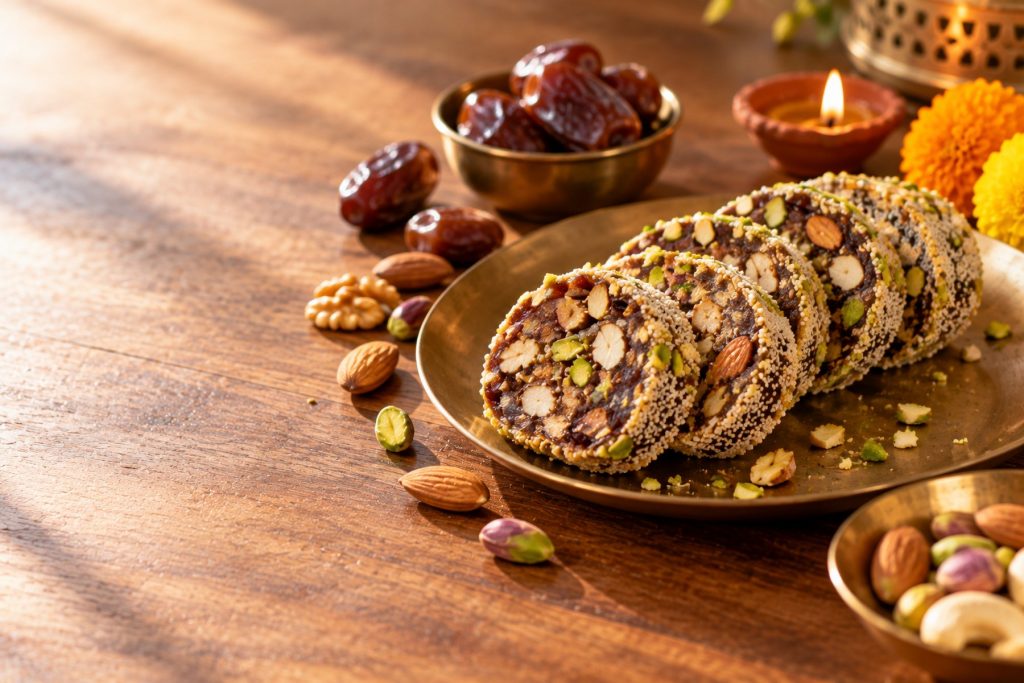
Diwali and mithai go hand in hand, and that’s part of the joy of the festival. If you’d like something a little lighter on your table or in your gift boxes this year, this dates roll with seeds is a lovely option. It’s sweetened only with dates, packed with nuts and seeds, needs no frying, and slices into pretty rounds that look as festive as any barfi.
We’ve updated our original recipe to use fewer dates and more nuts and seeds, so each slice is better balanced. One thing hasn’t changed: dates are naturally very sweet, so this is still a sweet, best enjoyed one slice at a time.

At a glance

  • Makes: about 28 slices | Time: 25 minutes, plus 2 hours to chill
  • No added sugar: the sweetness comes from dates, which are naturally rich in sugar and fibre.
  • Better balance: nuts and seeds add protein, healthy fats and crunch, and help make a small slice satisfying.
  • Portion matters: one slice has roughly 7 g of sugar (about 1½ teaspoons), so enjoy one or two, not a handful.
  • Diabetes: dates are a low-GI fruit, but they still raise blood sugar. Count a slice as a sweet and check portions with your doctor or dietitian.
  • Keeps well: up to a week in the fridge, which makes it ideal for Diwali gift boxes.

Dates roll with seeds: recipe

Makes: about 28 slices (1 cm thick) | Prep: 15 minutes | Cook: 6–10 minutes | Chill: 2 hours (or overnight)

Ingredients

  • 300 g soft seedless dates (about 2 cups)
  • 30 g walnuts, coarsely chopped (about ¼ cup)
  • 30 g almonds, coarsely chopped (about ¼ cup)
  • 20 g cashews, coarsely chopped (about 2 tbsp heaped)
  • 30 g pistachios, coarsely chopped (about ¼ cup), divided
  • 1 tbsp flaxseeds, roasted and coarsely ground
  • 1 tbsp sunflower or pumpkin seeds, roasted
  • 3 tbsp poppy seeds (khus khus), roasted: 1 tbsp for the mix, 2 tbsp for coating
  • ½ tsp cardamom powder
  • 1 tbsp ghee

Method

  1. Roast the nuts and seeds. Dry-roast the walnuts, almonds, cashews and two-thirds of the pistachios in a heavy pan on low–medium heat for 3–4 minutes, stirring, until fragrant. Tip them out. Lightly roast the flax and sunflower seeds for a minute, then the poppy seeds for just 30–60 seconds, as they burn quickly. Once cool, grind the flaxseeds coarsely.
  2. Make the date paste. If your dates are dry, soak them in warm water for 10 minutes, then drain and pat them completely dry: extra water makes the roll too soft to set. Pulse in a mixer to a coarse, sticky paste.
  3. Cook the paste. Heat the ghee in the same pan, add the date paste and cook on low heat for 4–6 minutes, stirring, until it softens, comes together and starts to leave the sides of the pan.
  4. Turn off the heat. Stir in the roasted nuts, flax, sunflower seeds, 1 tbsp poppy seeds and the cardamom until evenly mixed. Let it cool for 2–3 minutes, just until you can handle it.
  5. Divide the mixture in two. With lightly greased hands, shape each half into a log about 4 cm thick and 15 cm long. Work while the mixture is still warm; it firms up as it cools.
  6. Scatter the remaining poppy seeds and pistachios on a plate or board and roll each log over them, pressing gently so they stick.
  7. Wrap each log tightly in butter paper or foil, twist the ends and refrigerate for at least 2 hours, or overnight for the cleanest slices.
  8. Slice and serve. Unwrap and cut into slices about 1 cm thick with a sharp knife, wiping it between cuts. Each log gives about 14 slices.

Storage: keep in an airtight container in the fridge for up to a week. Bring to room temperature for 10 minutes before serving.

Kitchen notes: if it doesn’t come out right

  • Too crumbly to shape? The dates were too dry. Return the mixture to the pan with 1–2 tsp water or ghee, warm for a minute and press together again.
  • Too soft or sticky to hold a log? There’s too much moisture, usually from soaked dates that weren’t dried. Cook the mixture for another 2–3 minutes, or add a spoonful of extra chopped nuts or roasted seeds.
  • Slices crumbling? Chill longer (ideally overnight) and use a sharp, clean knife, wiping it between cuts.
  • Coating not sticking? Roll the logs while they’re still slightly warm and press the poppy seeds and pistachios in firmly.

How healthy is a dates roll, really?

The good

  • No refined sugar. All the sweetness comes from dates, which also bring fibre and potassium. Dried dates contain about 8 g of fibre and 656 mg of potassium per 100 g, according to US Department of Agriculture data.
  • Nuts and seeds add balance. Walnuts, almonds, pistachios and seeds bring protein, healthy unsaturated fats and crunch, which make a small slice more satisfying than a sugar-syrup sweet. Walnuts and flaxseeds also provide plant omega-3 fats; grinding the flaxseeds helps your body use them.
  • No frying, very little ghee. Dry-roasting the nuts means the whole batch needs just 1 tbsp of ghee.

The honest part: it’s still a sweet

Dates are about 63% sugar by weight. By our calculation, the 300 g in this recipe contain roughly 190 g of sugar, or about 7 g per slice (across about 28 slices), around 1½ teaspoons. And once dates are blended into a paste, NHS guidance counts their sugar as “free sugar”, the kind adults are advised to keep below 30 g a day.

Nuts and seeds are also energy-dense, so the slices add up quickly. That doesn’t make this an unhealthy choice; it makes it a sweet. One or two slices is a sensible portion.

If you have diabetes

Dates have a lower glycaemic index (GI) than many people expect. In a small study of five varieties, dates had GI values of about 44–55 in people with and without type 2 diabetes. But low GI doesn’t mean low sugar: the study used 7–10 dates per serving, and the total amount of carbohydrate still matters. If you have diabetes, count a slice as a sweet within your meal plan, have it after a meal rather than on its own, and check with your doctor or dietitian about portions. Checking your own blood sugar response can also help.

Variations

  • Cocoa and orange: add 1 tbsp unsweetened cocoa powder and the grated zest of an orange to the date mixture.
  • Coconut finish: roll the logs in desiccated coconut instead of poppy seeds and pistachios.
  • Anjeer and dates: replace a third of the dates with soaked dried figs (anjeer) for a softer, less sticky roll.
  • Nut-free: use only seeds, such as pumpkin, sunflower, sesame and melon seeds, plus roasted makhana for crunch.
  • Extra protein: add 2 tbsp roasted chana (bhuna chana) powder or peanut powder to the mixture.

Gifting tips

  • Slice just before packing, and line boxes with butter paper so slices don’t stick.
  • Keep gift boxes in the fridge and tell people to refrigerate them too; homemade rolls have no preservatives.
  • Add a small label listing the nuts and seeds, so anyone with an allergy can check before eating.

Who should take care

  • Nut or seed allergies: this recipe contains tree nuts and seeds. Use the nut-free version if needed, and label gifts clearly.
  • Young children: chop the nuts finely for young children, as pieces of hard nuts can be a choking risk, and keep portions small.
  • Diabetes: see the section above. One slice, counted as a sweet, is a sensible starting point; check with your doctor or dietitian.
  • Kidney disease: dates are high in potassium, so if you’ve been told to limit potassium, check with your doctor before eating them regularly.

For more lighter festive ideas, see our 5-minute healthy snacks for work and home.

The bottom line

This dates roll with seeds is a better festive sweet than many: no refined sugar, no frying, and plenty of nuts and seeds. But it’s still a sweet, with about 1½ teaspoons of natural sugar in every slice. Make it, share it, enjoy a slice or two, and let it be part of a Diwali that feels both festive and balanced.

Pro Tip: Use the GOQii App to log your festive treats alongside your meals and activity, so you can enjoy Diwali without losing track. Your GOQii Personalised Health Coach can help you plan the festive week, including how sweets fit in if you’re managing diabetes or weight.

Frequently asked questions

Is a dates roll healthy?

It’s a better choice than many fried or sugar-syrup sweets, as it has no refined sugar, no frying and plenty of nuts and seeds. But dates are naturally high in sugar, so it’s still a sweet. One or two slices is a sensible portion.

How much sugar is in a slice of dates roll?

In this recipe, each of about 28 slices contains roughly 7 g of sugar, around 1½ teaspoons, almost all of it from the dates. Dried dates are about 63% sugar by weight.

Can people with diabetes eat a dates roll?

Dates had a low glycaemic index in a small study, but they still contain a lot of sugar. If you have diabetes, count one slice as a sweet within your meal plan, have it after a meal, and check portions with your doctor or dietitian.

Is a dates roll sugar-free?

No. It has no added refined sugar, but dates are rich in natural sugar. Once blended into a paste, UK NHS guidance counts that sugar as “free sugar”, the kind adults are advised to keep below 30 g a day.

How long does a dates roll last?

Wrapped well and kept in an airtight container in the fridge, it keeps for up to a week. Let slices sit at room temperature for 10 minutes before serving.

Can I make a dates roll without nuts?

Yes. Replace the nuts with seeds such as pumpkin, sunflower, sesame and melon seeds, and add roasted makhana for crunch. Check every ingredient label if you’re cooking for someone with a severe allergy.

Can I make it without ghee?

Yes. You can cook the date paste in a non-stick pan without any fat, or skip cooking it and simply knead the paste with the roasted nuts and seeds. The roll will be a little stickier but will still set in the fridge.

#BeTheForce

Disclaimer: The information provided in this blog is for general awareness and educational purposes only. It is not intended to replace professional medical advice, diagnosis, or treatment. Always consult a qualified healthcare provider for personalised medical guidance or concerns related to your health.

October 26, 2026 By Trishala Chopra 1 Comment

Essential Vitamins and Minerals for Women

Women’s nutrient needs change across life: with periods, pregnancy, breastfeeding and menopause. In India, some gaps are strikingly common. More than half of women aged 15–49 are anaemic, according to the latest National Family Health Survey, and many women don’t get enough vitamin D, vitamin B12 or calcium.


The good news is that most of these gaps can be closed with everyday Indian foods, with supplements filling in where food alone isn’t enough. Here are the vitamins and minerals that matter most for women, how much you need, where to find them, and when it’s worth talking to your doctor.

At a glance

  • Iron: women need about 29 mg a day, more than men, largely to replace losses from periods. Anaemia affects 57% of Indian women aged 15–49.
  • Folate: 220 µg a day, and a daily folic acid supplement for anyone who could become pregnant, starting before conception.
  • Calcium and vitamin D: 1,000 mg of calcium and 600 IU of vitamin D a day help protect bones, especially around menopause.
  • Vitamin B12: easy to fall short on a vegetarian diet. Milk, curd, paneer and eggs help; some people need a supplement.
  • Iodine: iodised salt is the main source, and needs rise in pregnancy.
  • Food first, test before you supplement: high doses of iron, vitamin A and vitamin D can do harm. Take supplements on medical advice.

The key nutrients for women

The daily amounts below are the Recommended Dietary Allowances (RDAs) for adult women from India’s ICMR–National Institute of Nutrition (2020). They are averages for healthy women; your needs may differ.

1. Iron

Why it matters: iron helps make haemoglobin, which carries oxygen around the body. Women lose iron every month through periods, and need much more during pregnancy. Low iron leads to anaemia, which can cause tiredness, breathlessness, pale skin, poor concentration and lower resistance to infection.

How common is a shortfall? Very. Anaemia affects 57% of Indian women aged 15–49 and 52% of pregnant women, according to NFHS-5 (2019–21).

How much: 29 mg a day for adult women.

Indian food sources: dals, rajma, chana and other pulses; green leafy vegetables such as methi, amaranth (chaulai) and drumstick leaves; garden cress seeds (halim); eggs, chicken, fish and red meat; iron-fortified atta or rice.

Get more from your food: iron from plant foods is less well absorbed than iron from meat and fish. Vitamin C helps: in one study, 100 mg of vitamin C increased iron absorption about four-fold. So add lemon to your dal, or have amla, guava or an orange with meals. Tea and coffee do the opposite, cutting iron absorption by up to 60–80%, so drink them between meals rather than with them.

Not all anaemia is caused by low iron. A study led by ICMR–NIN researchers found that vitamin B12 and folate deficiency, inherited haemoglobin disorders, inflammation and even air pollution also contribute to anaemia in India. Inherited conditions such as thalassaemia trait can look like iron deficiency on a basic blood test but aren’t treated with iron. So if you feel tired or have been told your haemoglobin is low, get properly tested before starting iron tablets on your own.

2. Folate (folic acid)

Why it matters: folate helps make healthy cells, including red blood cells. Before and in early pregnancy, it helps the baby’s brain and spinal cord develop properly and lowers the risk of neural tube defects such as spina bifida. These develop in the first weeks, often before a woman knows she’s pregnant.

How much: 220 µg a day for adult women. Anyone who could become pregnant is advised to take a 400–800 µg folic acid supplement daily, starting at least a month before conception and continuing through the first two to three months of pregnancy. Your doctor may recommend a higher dose in some situations.

Indian food sources: green leafy vegetables, dals and chana, sprouts, beetroot, citrus fruits and fortified cereals.

3. Calcium

Why it matters: calcium builds and maintains bones and teeth. Bones reach their peak density in your 20s and early 30s, and after menopause, falling oestrogen speeds up bone loss: women can lose up to 10% of their bone density in the first five years after menopause.

How much: 1,000 mg a day for adult women. Many Indians get only 300–500 mg a day, so most women need to plan for calcium-rich foods every day.

Indian food sources: milk, curd, buttermilk and paneer; ragi; sesame seeds (til); tofu; small fish eaten with their bones. Green leafy vegetables contain calcium too, but not all of it is absorbed: in one study, people absorbed about 5% of the calcium in spinach, compared with about 28% from milk, because spinach is high in oxalate. Weight-bearing exercise, such as brisk walking, stair climbing and strength training, matters just as much for bones.

4. Vitamin D

Why it matters: vitamin D helps your body absorb calcium and keeps bones and muscles healthy. Long-term low levels can contribute to weak bones (osteomalacia and osteoporosis).

How common is a shortfall? Common, despite plentiful sunshine: indoor lifestyles, covering up and pollution all reduce how much your skin makes. A review of 15 Indian studies estimated that about a third of pregnant women were deficient, though results varied widely between studies.

How much: 600 IU (15 µg) a day for adult women.

Sources: sunlight on your skin is the main source; there’s no single safe amount for everyone, so ask your doctor what suits you. Food sources are limited: egg yolks, oily fish such as salmon, sardines and mackerel, and fortified milk or oil. Many women need a supplement, ideally after a blood test.

5. Vitamin B12

Why it matters: B12 is needed to make red blood cells and keep nerves healthy. A shortfall can cause tiredness, a type of anaemia, tingling or numbness in the hands and feet, and memory or mood changes.

Who’s at risk: B12 comes almost entirely from animal foods, so vegetarians, and especially vegans, are more likely to fall short. A review of studies worldwide found that 17–39% of vegetarian pregnant women were B12-deficient, depending on the trimester. Some long-term medicines, such as metformin for diabetes and certain antacids, can also lower B12 levels.

How much: 2.2 µg a day for adult women.

Sources: milk, curd, buttermilk and paneer; eggs; fish, chicken and meat; B12-fortified foods. Plant foods don’t provide a reliable amount. If you’re vegetarian or vegan and tired all the time, ask your doctor about a B12 test.

6. Iodine

Why it matters: iodine is needed to make thyroid hormones. In pregnancy, deficiency can harm the baby’s brain development and growth and raise the risk of miscarriage and stillbirth, according to India’s National Iodine Deficiency Disorders Control Programme.

How much: 150 µg a day for adult women; needs rise during pregnancy and breastfeeding.

Sources: iodised salt is the main source in India, and selling non-iodised salt for everyday cooking is banned. Rock salt (sendha namak) and many “natural” or sea salts are often not iodised, so if you use them regularly, make sure iodised salt is still your everyday salt. Using iodised salt doesn’t mean using more salt: a small amount is enough. Milk, curd, eggs and seafood also contain some iodine.

7. Other nutrients that matter

These are important too, but most women who eat a varied diet get enough:

Nutrient Daily need (adult women, ICMR–NIN 2020) What it does Good sources
Protein About 0.83 g per kg of body weight (around 46 g for a 55 kg woman) Builds and repairs muscles, bones, skin and hair Dals, chana, rajma, paneer, curd, milk, eggs, fish, chicken, soya
Vitamin A 840 µg Eyesight, especially in dim light; skin; immunity Carrots, pumpkin, sweet potato, papaya, mango, green leafy vegetables, milk, eggs
Magnesium 370 mg Muscle and nerve function, bone health Nuts, seeds, whole grains, millets, pulses, green leafy vegetables
Zinc 13 mg Immunity, wound healing Pulses, nuts, seeds, whole grains, dairy, eggs, meat
Vitamin C 65 mg Wound healing, iron absorption Amla, guava, citrus fruits, tomatoes, capsicum
Vitamin K Varied diet is usually enough Blood clotting, bone health Green leafy vegetables, soybean oil

Vitamin E (nuts, seeds, vegetable oils) and vitamin B6 (pulses, bananas, whole grains) are also needed, but there’s no good evidence that extra amounts “slow ageing” or “boost metabolism”, as is sometimes claimed. For more on plant protein, see our guide to why pulses are good for you.

How needs change through life

Life stage Nutrients to focus on Practical tips
Teens and young women Iron (periods begin), calcium and vitamin D (bones are still building), protein Include dal, leafy greens and dairy daily; get some outdoor activity; don’t skip meals or follow crash diets
Planning a pregnancy Folic acid, iron, iodine, vitamin B12 Start a folic acid supplement at least a month before trying to conceive; ask your doctor about checking haemoglobin and B12
Pregnancy and breastfeeding Folate, iron, iodine, calcium, vitamin B12, protein Take the supplements your doctor or antenatal clinic prescribes; avoid high-dose vitamin A supplements
Menopause and beyond Calcium, vitamin D, vitamin B12, protein Weight-bearing and strength exercise; dairy or other calcium sources daily; ask about a vitamin D and bone health check

Pregnancy needs a closer look

Needs for several nutrients rise sharply in pregnancy. For reference, the US National Institutes of Health sets these daily amounts for pregnancy: iron 27 mg, folate 600 µg, iodine 220 µg and vitamin B12 2.6 µg. These are hard to meet from food alone, which is why India’s antenatal care routinely provides iron and folic acid tablets, and often calcium. Follow the plan your doctor gives you rather than adding extra supplements yourself.

One caution: too much preformed vitamin A (retinol), from high-dose supplements, can harm an unborn baby. Vitamin A from fruit and vegetables (beta-carotene) doesn’t carry this risk. Check any supplement label with your doctor if you’re pregnant or planning to be.

After menopause

As oestrogen falls, bone loss speeds up, so calcium, vitamin D and regular weight-bearing exercise become even more important. Staying active also helps protect muscle, mood and heart health; read more in how exercise impacts mental health.

Food first, supplements when needed

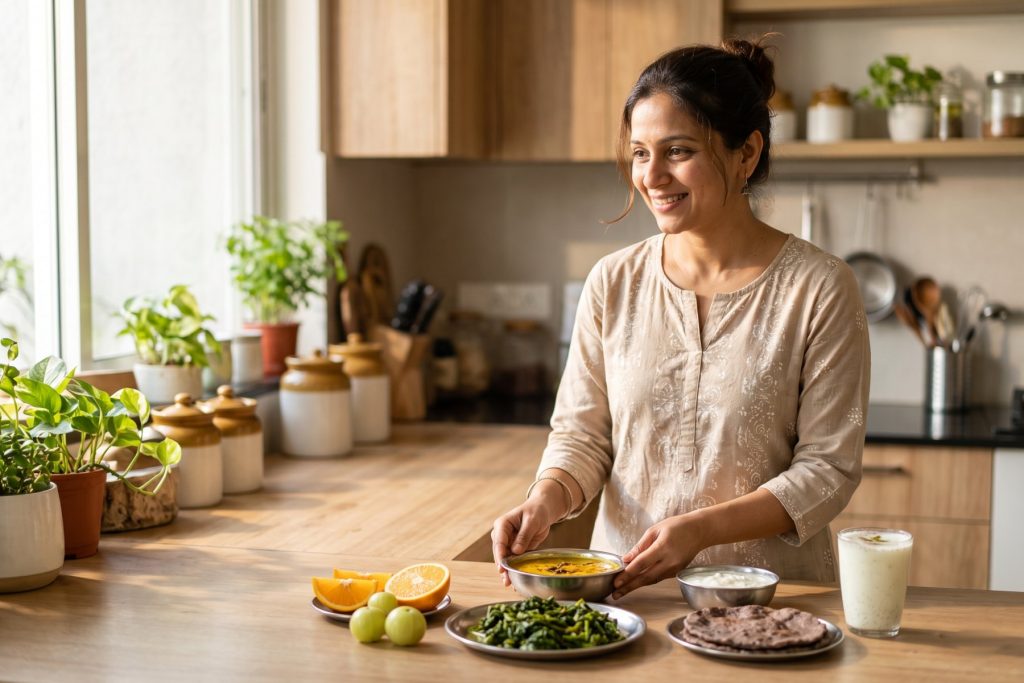
A varied Indian diet, with dals and pulses, whole grains and millets, vegetables and leafy greens, fruit, dairy, nuts and seeds, and eggs, fish or meat if you eat them, covers most needs for most women. Supplements are useful when food isn’t enough or needs are higher, for example:

  • Folic acid if you could become pregnant, and during early pregnancy
  • Iron and folic acid in pregnancy, or if a blood test shows anaemia
  • Vitamin D if a test shows you’re low
  • Vitamin B12 if you’re vegan, eat little dairy, or a test shows you’re low
  • Calcium if you can’t get enough from food, especially after menopause or in pregnancy

Test, don’t guess

Tiredness can have many causes, from anaemia to low B12, thyroid problems, poor sleep or stress. Rather than taking several supplements “just in case”, ask your doctor whether tests such as haemoglobin, ferritin (iron stores), vitamin B12 or vitamin D make sense for you.

More isn’t better

  • Vitamin D: taking large doses of supplements for a long time can raise blood calcium to harmful levels. The Mayo Clinic advises adults not to take more than 4,000 IU a day unless a doctor recommends it.
  • Iron: iron supplements can cause constipation, nausea and stomach upset, and too much iron is harmful. Take iron only if you need it, and keep tablets well out of children’s reach.
  • Vitamin A: high doses of preformed vitamin A are harmful, especially in pregnancy.
  • Timing: calcium can reduce iron absorption, so if you take both, ask your doctor about taking them at different times of day.

When to see a doctor

Speak to a doctor if you have ongoing tiredness, breathlessness or pale skin; very heavy or prolonged periods; tingling or numbness in your hands or feet; or if you’re pregnant, planning a pregnancy, taking regular medicines or living with a long-term condition. Don’t start or stop prescribed supplements without advice.

The bottom line

The nutrients Indian women most often fall short on are iron, folate, vitamin B12, vitamin D, calcium and iodine. A varied diet built around dals, greens, whole grains, dairy and iodised salt goes a long way, and targeted supplements, taken on medical advice, fill the gaps that food can’t, especially before and during pregnancy and after menopause.

Pro Tip: Use the GOQii App to log your meals and spot patterns, such as how often iron-rich foods or dairy make it onto your plate. Your GOQii Personalised Health Coach can help you plan meals that cover these nutrients and work out, with your doctor, whether you need any tests or supplements.

Frequently asked questions

Which vitamins and minerals are most important for women?

Iron, folate, calcium, vitamin D, vitamin B12 and iodine are the nutrients women most often need to pay attention to, especially in India. Needs change with periods, pregnancy, breastfeeding and menopause.

How much iron does a woman need a day?

India’s ICMR–National Institute of Nutrition recommends 29 mg of iron a day for adult women. Needs rise in pregnancy, which is why iron and folic acid tablets are part of routine antenatal care.

What are the signs of iron deficiency in women?

Common signs include tiredness, breathlessness, pale skin, headaches, poor concentration and feeling cold. These can have other causes too, so a blood test is the only way to know for sure.

When should I start taking folic acid?

If you could become pregnant, take a daily folic acid supplement of 400–800 µg, starting at least a month before conception and continuing through the first two to three months of pregnancy. Your doctor may advise a higher dose in some situations.

How can vegetarian women get enough vitamin B12?

Milk, curd, buttermilk, paneer and eggs provide B12, and some foods are fortified with it. Plant foods don’t provide a reliable amount, so vegans and vegetarians who eat little dairy may need a supplement. Ask your doctor about a B12 test if you often feel tired.

How much calcium and vitamin D do women need after 40?

ICMR–NIN recommends 1,000 mg of calcium and 600 IU of vitamin D a day for adult women. Around and after menopause, bone loss speeds up, so getting enough calcium, checking vitamin D levels and doing weight-bearing exercise become even more important.

Should every woman take a multivitamin?

Not necessarily. Most women who eat a varied diet get enough of most nutrients from food. Targeted supplements, such as folic acid before pregnancy, iron for anaemia or vitamin D for deficiency, are more useful than a general multivitamin. Talk to your doctor before starting supplements, especially if you’re pregnant or take regular medicines.

#BeTheForce

Disclaimer: The information provided in this blog is for general awareness and educational purposes only. It is not intended to replace professional medical advice, diagnosis, or treatment. Always consult a qualified healthcare provider for personalised medical guidance or concerns related to your health.

  • « Previous Page
  • 1
  • …
  • 18
  • 19
  • 20
  • 21
  • 22
  • …
  • 283
  • Next Page »

Search

Recent Posts

  • PCOS: diet, exercise and the myths to stop believing
  • Cholesterol numbers explained: LDL, HDL and triglycerides
  • International Men’s Day 2026: why men’s health is everyone’s business
  • World COPD Day 2026: Short of Breath? Think COPD – Why Early Diagnosis Matters
  • National Epilepsy Day 2026: Seizure First Aid – What to Do (and Not Do) When Someone Has a Seizure

Stay Updated

Archives

  • November 2026 (20)
  • October 2026 (23)
  • September 2026 (5)
  • August 2026 (8)
  • July 2026 (24)
  • June 2026 (22)
  • May 2026 (20)
  • April 2026 (24)
  • March 2026 (18)
  • February 2026 (14)
  • January 2026 (14)
  • December 2025 (19)
  • November 2025 (14)
  • October 2025 (17)
  • September 2025 (6)
  • August 2025 (5)
  • July 2025 (9)
  • June 2025 (18)
  • May 2025 (16)
  • April 2025 (22)
  • March 2025 (25)
  • February 2025 (21)
  • January 2025 (25)
  • December 2024 (21)
  • November 2024 (21)
  • October 2024 (15)
  • September 2024 (22)
  • August 2024 (27)
  • July 2024 (14)
  • June 2024 (23)
  • May 2024 (26)
  • April 2024 (27)
  • March 2024 (27)
  • February 2024 (23)
  • January 2024 (21)
  • December 2023 (14)
  • November 2023 (10)
  • October 2023 (18)
  • September 2023 (20)
  • August 2023 (16)
  • July 2023 (16)
  • June 2023 (21)
  • May 2023 (20)
  • April 2023 (19)
  • March 2023 (23)
  • February 2023 (19)
  • January 2023 (15)
  • December 2022 (11)
  • November 2022 (15)
  • October 2022 (15)
  • September 2022 (12)
  • August 2022 (9)
  • July 2022 (17)
  • June 2022 (11)
  • May 2022 (10)
  • April 2022 (6)
  • March 2022 (6)
  • February 2022 (13)
  • January 2022 (11)
  • December 2021 (7)
  • November 2021 (3)
  • October 2021 (6)
  • September 2021 (3)
  • August 2021 (8)
  • July 2021 (7)
  • June 2021 (15)
  • May 2021 (16)
  • April 2021 (10)
  • March 2021 (7)
  • February 2021 (4)
  • January 2021 (4)
  • December 2020 (3)
  • November 2020 (4)
  • October 2020 (10)
  • September 2020 (3)
  • August 2020 (3)
  • July 2020 (2)
  • June 2020 (4)
  • May 2020 (10)
  • April 2020 (12)
  • March 2020 (10)
  • February 2020 (4)
  • January 2020 (4)
  • December 2019 (3)
  • November 2019 (7)
  • October 2019 (5)
  • September 2019 (4)
  • August 2019 (9)
  • July 2019 (9)
  • June 2019 (11)
  • May 2019 (4)
  • April 2019 (8)
  • March 2019 (8)
  • February 2019 (9)
  • January 2019 (8)
  • December 2018 (9)
  • November 2018 (3)
  • October 2018 (3)
  • September 2018 (5)
  • August 2018 (10)
  • July 2018 (6)
  • June 2018 (13)
  • May 2018 (8)
  • April 2018 (17)
  • March 2018 (9)
  • February 2018 (8)
  • January 2018 (15)
  • December 2017 (12)
  • November 2017 (19)
  • October 2017 (13)
  • September 2017 (15)
  • August 2017 (4)
  • July 2017 (8)
  • June 2017 (7)
  • May 2017 (6)
  • April 2017 (8)
  • March 2017 (6)
  • February 2017 (7)
  • January 2017 (9)
  • December 2016 (10)
  • November 2016 (7)
  • October 2016 (7)
  • September 2016 (7)
  • August 2016 (11)
  • July 2016 (9)
  • June 2016 (9)
  • May 2016 (12)
  • April 2016 (17)
  • March 2016 (17)
  • February 2016 (8)
  • January 2016 (6)
  • December 2015 (2)
  • November 2015 (9)
  • October 2015 (7)
  • September 2015 (9)
  • August 2015 (11)
  • July 2015 (9)
  • June 2015 (11)
  • May 2015 (9)
  • April 2015 (13)
  • March 2015 (8)
  • February 2015 (5)
  • January 2015 (12)
  • December 2014 (14)
  • November 2014 (11)
  • October 2014 (6)
  • September 2014 (13)
  • August 2014 (12)
  • July 2014 (6)
  • June 2014 (2)
  • May 2014 (7)
  • April 2014 (4)

From Burnout to Balance: How Dr. Ranjit Reclaimed His Health

Dr Ranjit Bhatt has spent years tending to others. A practising doctor in Odisha, his days were packed with patients, surgeries, and emergencies. From the outside, it looked like a life lived in service. But on the inside, something wasn’t right. “I had no … [Read More...]

From Shimla’s Slopes to Chandigarh’s Sidewalks: Surinder Kaur Bhalla’s Journey from Chaos to Control

Some journeys start with a plan. Others begin with a stumble literally. Surinder Bhalla, a government professional, born and raised in the scenic hill town of Shimla, had always lived a life of movement. “In Shimla, you walked everywhere,” she reflects. “Walking was never an exercise. It was just life.” But after shifting to Chandigarh, […]

“I’ve Challenged Myself to Live 100 Years” – The Story of Chandubhai Savani’s Second Chance at Life

At 67, most people start slowing down. Not Chandubhai Savani. A resident of Surat, Chandubhai, thought life was on track. “My life was going well till I had my bypass surgery,” he says. That surgery, back in 2021, was a wake-up call.  Medication was routine, but exercise wasn’t. His diet? What he calls ‘normal.’ “I […]

Ananda Mukherjee Health Story

From Terminal Illness To Complete Wellness! Ananda Mukherjee Health Story

As we observe World Cancer Day under the powerful theme ‘United by Unique’ (2025-2027)**, we are reminded that every individual’s journey with cancer is distinct, yet united by shared resilience, hope, and the collective fight against this disease. This theme places people at the centre of care and their stories at the heart of the […]

  • HOME
  • HEALTHY LIVING
  • FITNESS
  • HEALTHY RECIPES
  • USER STORIES
  • KARMA
  • BUY GOQii

Copyright ©2016 GOQii

