
GOQii

Blog

  • HOME
  • HEALTHY LIVING
  • FITNESS
  • HEALTHY RECIPES
  • USER STORIES
  • KARMA
  • BUY GOQii

Search Results for: weight

May 14, 2026 By GOQii Leave a Comment

The Great Summer Mango Debate: Can You Eat Mangoes While Trying to Lose Weight?

Summer in India brings soaring temperatures, afternoon cravings, and of course the king of fruits: the mango.

But for anyone trying to lose weight or manage diabetes, mango season also brings guilt.

“Are mangoes fattening?”

“Will mangoes spike my sugar?”

“Should I avoid them completely?”

These are some of the most common questions GOQii coaches receive every summer.

The good news? You do not need to give up mangoes to stay healthy.

Mangoes themselves are not the problem. Overeating them is. No single fruit causes weight gain. Weight gain happens when your total calorie intake consistently exceeds what your body burns. And when eaten mindfully, mangoes can absolutely fit into a healthy lifestyle.

In fact, mangoes are naturally rich in:

  • Vitamin C
  • Vitamin A
  • Dietary fibre
  • Antioxidants

So before you remove mangoes from your plate completely, let’s separate the myths from the facts.

Mangoes: Myth vs. Fact

The Myth The Reality
“Mangoes make you gain weight.” Mangoes are naturally fat-free and cholesterol-free. One medium mango contains roughly 150–200 calories. Weight gain happens from an overall calorie surplus—not from one fruit alone.
“People with diabetes should avoid mangoes completely.” Mangoes have a medium Glycaemic Index (GI) of around 51–56. Controlled portions can still fit into a balanced diabetic diet, especially when paired with protein or healthy fats.
“Mangoes are best eaten after meals.” Eating mangoes immediately after a heavy lunch or dinner can increase blood sugar spikes. They work better as a standalone snack.
“Aamras is as healthy as eating whole mangoes.” Juicing or blending mangoes removes much of the fibre, causing sugars to absorb faster. Whole mangoes are always the better option.

The Biggest Mango Mistake People Make

The issue is usually not the mango itself. It is:

  • Eating multiple mangoes in one sitting
  • Pairing them with heavy meals
  • Consuming sugary mango shakes or aamras regularly
  • Mindless overeating

A mango eaten mindfully is very different from a mango overload.

3 Smart Rules for Eating Mangoes the Right Way

You can absolutely enjoy mangoes this summer—as long as you eat them strategically.

  1. Practice Portion Control

This is the most important rule. Instead of eating multiple mangoes at once, stick to:

👉 ½ to 1 medium-sized mango per serving (roughly 100–150g).

This gives you the taste and nutrients without excessive sugar or calories. Portion size matters more than complete restriction.

  1. Time It Right

The worst time to eat mangoes:

  • Immediately after a heavy meal
  • Late at night

The better option:

  • Mid-morning snack
  • Afternoon snack
  • Pre-workout fuel

At these times, your body is more likely to use the natural sugars for energy.

  1. Soak Mangoes Before Eating Them

There is a reason older generations soaked mangoes before eating them. Soaking may help:

  • Reduce surface impurities
  • Lower excess heat-producing compounds
  • Improve digestion for some people

Even soaking them for 30 minutes to 1 hour can help.

Can People With Diabetes Eat Mangoes?

Yes, in moderation.

The key is portion control, timing, and pairing mangoes with protein or healthy fats. Try combining mangoes with:

  • Nuts
  • Seeds
  • Greek yogurt
  • Protein-rich snacks

This slows sugar absorption and improves blood sugar response. Managing diabetes is about balance not fear.

Note: If you have uncontrolled diabetes or insulin resistance, consult your doctor or nutritionist regarding portion sizes.

Whole Mango vs. Aamras: Which Is Better?

Whole mangoes are the healthier choice. Why? Because fibre slows sugar absorption and helps you feel fuller for longer. Aamras, juices, and shakes contain less fibre, are easier to overconsume, and can spike blood sugar much faster. Drinking calories is always easier than eating them.

You do not need to fear seasonal fruit to stay healthy. Mangoes can absolutely fit into a balanced lifestyle even during weight loss when eaten with awareness and moderation.

Health is not built through restriction alone. It is built through sustainable choices.

So yes:

👉 Enjoy the mango.

👉 Just don’t lose control around it.

You can enjoy mangoes guilt-free if you control portions, avoid overeating, eat them at the right time, and choose whole fruit over sugary preparations. Because healthy eating should feel sustainable not restrictive.

Frequently Asked Questions (FAQs)

  1. Can mangoes cause weight gain?

Not on their own. Weight gain occurs when overall calorie intake consistently exceeds calorie expenditure.

  1. Can people with diabetes eat mangoes?

Yes, in moderation. Portion control and proper food pairing can help manage blood sugar response.

  1. Is aamras healthier than whole mangoes?

No. Whole mangoes contain more fibre, which slows sugar absorption and improves satiety.

  1. What is the best time to eat mangoes?

Mid-morning or afternoon as a standalone snack is generally better than eating them after heavy meals or late at night.

  1. Should mangoes be soaked before eating?

Soaking mangoes may help reduce impurities and make them easier to digest for some people.

#BeTheForce

Disclaimer: This article is intended for educational purposes only. If you have diabetes, insulin resistance, or specific dietary restrictions, consult your doctor or a qualified nutritionist before making dietary changes.

May 4, 2026 By GOQii Leave a Comment

5 Smart Ways to Avoid Weight Gain on Vacation

You have been looking forward to your trip for months. The flights are booked, the itinerary is set, and it is finally time to unwind.
However, for many individuals on a health journey, travel brings a lingering concern: How do I enjoy my vacation without undoing my fitness progress?

The truth is, maintaining your health on holiday does not require extreme restriction. You do not need to pack a food scale, nor do you need to spend hours in a hotel gym while your family explores the city. Health is about consistency, not perfection.

By adopting a practical, mindful travel strategy, you can enjoy local cuisines and relax fully without bringing home unwanted weight. Here are five professional strategies to help you stay balanced on your next trip.

  1. Make Mindful Choices at the Buffet

Hotel breakfast buffets offer incredible variety, but they are often filled with refined carbohydrates that can spike your blood sugar early in the day, leading to mid-morning crashes and cravings.

The Strategy: Adopt a “protein-first” approach. Start your breakfast with eggs, paneer, Greek yogurt, or lean meats to ensure you get high-quality nutrients, because protein is not just about quantity, it is also about quality. Protein acts as a biological anchor; it stabilizes your blood sugar and promotes satiety. By eating your protein and fiber first, you can still enjoy a pastry or waffle afterward, but you will naturally consume a more controlled portion.

  1. Incorporate Active Sightseeing

You do not need a formal workout routine to burn calories on vacation. Instead, take advantage of NEAT (Non-Exercise Activity Thermogenesis), which accounts for the energy expended during daily movements.

The Strategy: Make physical activity a natural part of your itinerary.

  • Rent bicycles to navigate the city instead of relying on taxis.
  • Book a walking tour to learn about local history.
  • Choose the stairs when visiting monuments or museums.
  • Swim a few laps in the ocean or hotel pool.

By prioritizing movement and walking after your meals, you will easily hit your daily step goals without feeling like you are forcing a workout.

  1. Plan Ahead for Transit Days

Travel days are often the biggest hurdle for healthy eating. Airports and train stations primarily offer highly processed, high-sodium foods that leave you feeling bloated and lethargic before you even reach your destination.

The Strategy: Eat a nutrient-dense, balanced meal at home before heading to the airport. Additionally, pack a personalized kit of healthy travel snacks in your carry-on luggage. Options like roasted makhana, a handful of almonds, or a high-quality protein bar will keep you satiated and prevent impulse purchases during unexpected flight delays.

  1. Balance Your Beverages

Vacations often include relaxing by the pool with a cocktail or enjoying wine with dinner. While you should absolutely enjoy yourself, alcohol can lead to dehydration and lowered inhibitions, which often trigger late-night overeating.

The Strategy: Practice mindful consumption by alternating your beverages. For every alcoholic drink you consume, follow it immediately with a full glass of water. This simple habit paces your drinking, mitigates severe dehydration, and ensures you are hydrating the right way so you can wake up feeling refreshed the next morning.

  1. Prioritize Restorative Sleep

It is easy to let your sleep schedule slip while traveling due to late dinners and changing time zones. However, poor sleep disrupts your metabolism and elevates cortisol levels, making your body more prone to storing fat and craving sugar the following day.

The Strategy: Treat your hotel room as a restorative environment to maintain your healthy sleep rituals. Keep the room temperature cool, use blackout curtains to block street lights, and aim to wake up reasonably close to your normal routine. A well-rested body digests food efficiently and regulates appetite hormones effectively.

A truly successful vacation leaves you feeling rejuvenated, not restricted. By prioritizing high-quality protein, integrating active movement into your sightseeing, and managing your sleep and hydration, you can fully embrace the travel experience without compromising your health goals.

Need guidance resetting your routine once you return home? Subscribe for Personalised Health Coaching directly from a GOQii Coach in the GOQii App for expert, one-on-one support.

Frequently Asked Questions (FAQs)

  1. How can I eat healthy at a hotel buffet?
    The most effective method is the “protein-first” approach. Fill your plate with eggs, paneer, or Greek yogurt and consume those before moving on to carbohydrates like breads, cereals, or pastries. This helps keep your blood sugar stable, prevents energy crashes, and promotes early satiety so you naturally eat smaller portions.
  2. How do I stay active on vacation without a gym?
    You can easily stay active by incorporating Non-Exercise Activity Thermogenesis (NEAT) through active sightseeing. Rent bicycles, book walking tours, swim in the ocean, or take the stairs at historical monuments to burn calories naturally without needing formal exercise equipment.
  1. What are the best healthy snacks for airplane travel?
    To avoid highly processed and overpriced airport food, pack nutrient-dense, non-perishable items in your carry-on bag. Excellent options include roasted makhana (fox nuts), almonds, walnuts, homemade trail mix, or a high-quality protein bar.

#BeTheForce

Disclaimer: This article is intended for educational and informational purposes only and should not be considered a substitute for professional medical advice, diagnosis, or treatment. Always consult with your doctor, nutritionist, or a qualified healthcare provider before making any significant changes to your diet, exercise routine, or lifestyle, especially if you have pre-existing metabolic or medical conditions.

February 20, 2026 By GOQii 2 Comments

The Weight Loss Link You May Be Missing – Dietary Minerals

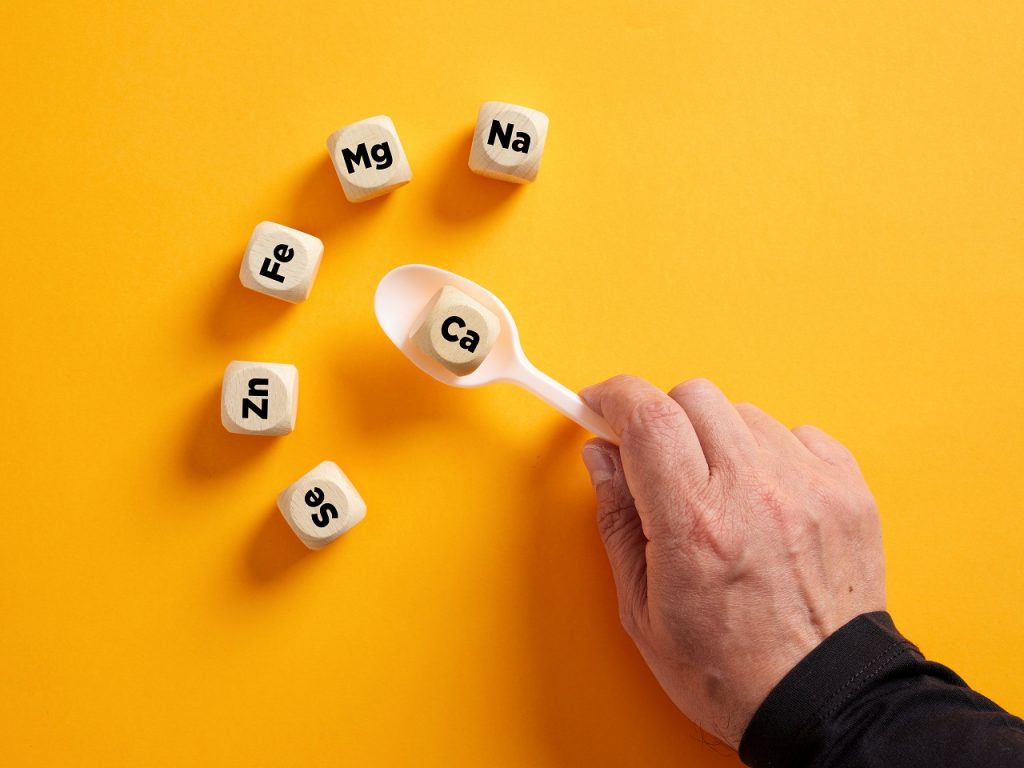
dietary minerals and weight lossThe most challenging case for a Dietitian is perhaps – Weight Loss! Why – because, each case is unique and the most important task is to find out the root cause of weight gain (which, contrary to popular belief, is not always overeating or lack of physical activity). It is prudent that the underlying cause be identified and targeted, not only to ensure sustainable weight loss but also because these reasons are linked to diseases in waiting as well. Genetic predisposition, low BMR, stress, lack of sleep, hormonal disturbance, chronic mild dehydration, lack of certain dietary minerals, etc. are few recognized causes of weight gain.



However, if adjusting your diet, water intake, exercising more and controlling your stress and sleep hasn’t helped you reach a healthy body weight, check your mineral status. Mineral deficiency often happens slowly over time and can be caused by an increased need for one or more dietary minerals, lack of dietary minerals in the diet, or difficulty absorbing minerals from food. You may be suffering from deficiencies because the nutritional value of the produce has been steadily degrading for the last couple of decades. Increased intake of processed foods is another reason which deprives you of not only fiber, but many vitamins and minerals.

4 Major Dietary Minerals Associated With Weight

Since the deficiency symptoms of these minerals are largely general, they go unnoticed and hence get overlooked while diagnosing unexplained weight. Let’s discuss four major dietary minerals (or their deficiencies) that are directly or indirectly associated with your weight.

1. Chromium
It is an essential mineral that regulates insulin action and its effects on metabolism. Insulin is essentially the fat-loss gatekeeper, so anything that improves Insulin efficiency is great for fat loss. Chromium determines the way our body uses Insulin. The Glucose Tolerance Factor (GTF) interacts with Insulin and regulates how much Glucose (sugar) enters a cell. GTF encourages energy production (burns calories) and may also curb feelings of hunger.

Identifying the link between Chromium and weight loss is crucial because someone who is overweight is often at high risk of becoming Insulin Resistant (Diabetic). Chromium is lost in the process of refining foods. For example, when sugarcane is refined into white sugar, 93% of Chromium is lost. Because our soils are depleted of Chromium and because we consume more processed foods nowadays, Chromium deficiency is becoming increasingly prevalent.

2. Iodine
The Thyroid Gland depends on Iodine to manufacture the Thyroid Hormone. The Thyroid’s main function is to manage the body’s metabolism. A shortage of Iodine can cause changes to the Thyroid Gland and an underactive Thyroid Gland slows your metabolism; you thus burn dramatically fewer calories and feel sluggish. Also, an underactive Thyroid Gland promotes excess weight and cellulite by causing water retention.

Inadequate intake of Iodine was once a recognized problem that was solved by universal Iodization of Salt. Salt was fortified with Potassium Iodate to ensure controlled consumption by all sections of society. Once this was done, the obvious symptoms of severe Iodine Deficiency disappeared from view, and little further thought was given to the matter, though sub-clinical symptoms remained. Today’s health conscious consumers have lowered their salt intake and now fail to get even that small amount of Iodine in their diets. Presence of Goitrogens in certain foods is another cause of Iodine deficiency arising from inadequate Iodine utilization.

3. Magnesium
It is needed to extract nutrients from food and for optimal Insulin function. The more nutrients you extract from food, the less you have to eat to feel full. When we aren’t getting what we need from our diet, the body will crave more food in an effort to obtain those vital nutrients. Magnesium is also a vital nutrient for reducing stress, which is one of the most important keys in fighting obesity.

It supports healthy Adrenal Glands that control the release of Adrenaline and Cortisol – two hormones related to stress response. While these hormones are vital to living, too much of them can cause weight gain and other health problems. Magnesium helps regulate these hormones so they are not overproduced.

One of the major causes of Magnesium deficiency is over-medicating with pharmaceutical drugs. They prevent the body from absorbing magnesium.

4. Iron
It is a critical nutrient because it is essential for the synthesis of Hemoglobin – a metalloprotein that carries oxygen from lungs to all the tissues in body. Diminished oxygen carrying capacity can leave you feeling very fatigued, lethargic and irritable. In this state, your body signals you to slow down physical activity and you may find yourself seeking opportunities to sit or lie down, thus leading to weight gain.

Also, low Iron promotes fat storage and cause abnormal blood sugar elevation. Reasons responsible for iron deficiency can be dietary as well as non-dietary. Your excess body weight too can contribute to Iron deficiency. Inflammation associated with excess body weight elevates a hormone Hepcidin, which has the net effect of reducing Iron absorption from digestive tract.

Now, before you finish reading this article and jump to quick fix by googling for these mineral supplements, a word of caution – Overdose of these minerals, especially from synthetic sources, are extremely harmful. Do not take these minerals as supplements without professional guidance. Consult a doctor, nutritionist or a dietitian before making any changes to your diet or taking any supplements.

You may improve your mineral intake by following the golden rule – Go low on processed foods and buy your foods fresh, local and seasonal to remove any possible degradation in nutrient quality. Don’t eat less, eat right and live a healthy and active life!

We hope this article on dietary minerals helps you. For further guidance on nutritional deficiencies and to lose weight in a sustainable manner, reach out to an expert by subscribing for GOQii’s Personalised Health Coaching here.

For more articles on weight loss, check out Healthy Reads.

#BeTheForce

Disclaimer: The information provided in this blog is for general awareness and educational purposes only. It is not intended to replace professional medical advice, diagnosis, or treatment. Always consult a qualified healthcare provider for personalised medical guidance or concerns related to your health.

January 30, 2026 By Roopa Tandur 2 Comments

Why Do We Gain Weight During Winter?

gain weight during winterHave you noticed that you tend to gain weight during winter? While there are many factors at play here, is it true for everybody? If you’re one of those who gain weight during winter, it is best to know why it happens and take necessary measures to prevent it!

Let’s Analyse Why We Gain Weight During Winter

  1. Less Water Intake: As we aren’t thirsty and neither do we sweat as much as we do during summer, we tend to drink very little water which makes us lethargic and fatigued. The usual signs like dry and flaky skin is an indicator that one is not having enough water. We use moisturisers instead and not increase water intake which gives more room for frequent infection and dehydration leading to headache and dry cough
  2. Not Exercising Enough: With the pleasant winter chills, it is a little difficult to get off the couch or bed. This leads to fewer calories being burned and as a result, weight gain!
  3. Increased Production of Melatonin: Less sunlight and shorter days affect our hormones and some people tend to produce more of the hormone melatonin which controls our sleep-wake cycle. This increased production of melatonin induces sleep when it is not the time to sleep, making one lazy, lacking motivation and energy. It also increases appetite and leads to eating more.
  4. Increase in Metabolism: While this sounds great, it doesn’t really support your weight loss goals during winter. The sudden increase in metabolism will burn more calories to keep you warm but it will also make you hungrier.
  5. Staying Indoors: makes us lazy and bored. When bored, we begin binge-watching followed by binge-eating comfort or fried food which is high in sugar and salt. It doesn’t take a genius to figure that this contributes to weight gain as well.  

How Do We Prevent Gaining Weight This Season?

There is an effective way to break the vicious cycle of more sleep, less healthy food and little to no exercise! Here’s how you can avoid gaining weight during winter.

  1. Choose Foods Wisely: Choose healthy, home-cooked meals such as soups. Opt for green tea. You can even add natural spices to your meals which are warm and benefit your health. Choose foods which can be paired with others or can be eaten any time of the day. Swap options like sauces available in markets to homemade hummus or dips.
  2. Pick a Hobby: Concentrate on other things like hobbies, sports, painting or reading books. You can even clean your house if you’ve been postponing it. Do something that engages you instead of finding comfort in food.
  3. Time Your Sleep: Maintain sleep timings which will set your circadian rhythm and help you stay active through the day or take power naps in the afternoon instead of sleeping for long hours
  4. Exercise: Plan indoor activities and exercises like yoga, skipping, stair activities which will help you be active more regularly. In fact, you can tune in to GOQii Play and browse some indoor workouts by fitness experts or yoga and meditation by yoga specialists. You can even opt for making group plans which have less chances of failure. If you can’t find a group, join our LIVE, interactive, GOQii PRO sessions conducted by experts within the GOQii App. 

That’s all! Mind what you eat, sleep on time and exercise regularly to not gain weight during winter. We hope you found this article useful! Please leave your thoughts in the comments below.

For more on weight loss, fitness and being healthy, check out Healthy Reads or ask a GOQii Coach by subscribing for Personalised Health Coaching here.

#BeTheForce 

Disclaimer: The information provided in this blog is for general awareness and educational purposes only. It is not intended to replace professional medical advice, diagnosis, or treatment. Always consult a qualified healthcare provider for personalised medical guidance or concerns related to your health.

  • 1
  • 2
  • 3
  • …
  • 273
  • Next Page »

Search

Recent Posts

  • World IBD Day 2026: Why IBD Is More Than Just a Gut Problem
  • World Hypertension Day 2026: The Silent Killer & 5 Natural Ways to Lower Your Blood Pressure
  • Eat Healthy At Work: Quick & Easy Snacks You Can Eat In The Office
  • The Great Summer Mango Debate: Can You Eat Mangoes While Trying to Lose Weight?
  • Metabolic Flexibility: Why Your Body Struggles to Burn Fat Efficiently

Stay Updated

Archives

  • May 2026 (15)
  • April 2026 (24)
  • March 2026 (18)
  • February 2026 (14)
  • January 2026 (14)
  • December 2025 (19)
  • November 2025 (15)
  • October 2025 (20)
  • September 2025 (6)
  • August 2025 (6)
  • July 2025 (12)
  • June 2025 (18)
  • May 2025 (16)
  • April 2025 (22)
  • March 2025 (27)
  • February 2025 (21)
  • January 2025 (25)
  • December 2024 (22)
  • November 2024 (23)
  • October 2024 (21)
  • September 2024 (23)
  • August 2024 (30)
  • July 2024 (21)
  • June 2024 (25)
  • May 2024 (28)
  • April 2024 (27)
  • March 2024 (27)
  • February 2024 (24)
  • January 2024 (21)
  • December 2023 (14)
  • November 2023 (10)
  • October 2023 (19)
  • September 2023 (22)
  • August 2023 (18)
  • July 2023 (22)
  • June 2023 (23)
  • May 2023 (22)
  • April 2023 (19)
  • March 2023 (23)
  • February 2023 (19)
  • January 2023 (15)
  • December 2022 (11)
  • November 2022 (15)
  • October 2022 (15)
  • September 2022 (12)
  • August 2022 (10)
  • July 2022 (17)
  • June 2022 (11)
  • May 2022 (10)
  • April 2022 (6)
  • March 2022 (6)
  • February 2022 (13)
  • January 2022 (11)
  • December 2021 (7)
  • November 2021 (3)
  • October 2021 (6)
  • September 2021 (3)
  • August 2021 (8)
  • July 2021 (7)
  • June 2021 (15)
  • May 2021 (16)
  • April 2021 (10)
  • March 2021 (7)
  • February 2021 (4)
  • January 2021 (4)
  • December 2020 (3)
  • November 2020 (4)
  • October 2020 (10)
  • September 2020 (3)
  • August 2020 (3)
  • July 2020 (2)
  • June 2020 (4)
  • May 2020 (10)
  • April 2020 (12)
  • March 2020 (10)
  • February 2020 (4)
  • January 2020 (4)
  • December 2019 (3)
  • November 2019 (7)
  • October 2019 (5)
  • September 2019 (4)
  • August 2019 (9)
  • July 2019 (9)
  • June 2019 (11)
  • May 2019 (4)
  • April 2019 (8)
  • March 2019 (8)
  • February 2019 (9)
  • January 2019 (8)
  • December 2018 (9)
  • November 2018 (3)
  • October 2018 (3)
  • September 2018 (5)
  • August 2018 (10)
  • July 2018 (6)
  • June 2018 (13)
  • May 2018 (8)
  • April 2018 (18)
  • March 2018 (9)
  • February 2018 (8)
  • January 2018 (15)
  • December 2017 (12)
  • November 2017 (19)
  • October 2017 (13)
  • September 2017 (15)
  • August 2017 (4)
  • July 2017 (8)
  • June 2017 (7)
  • May 2017 (6)
  • April 2017 (8)
  • March 2017 (6)
  • February 2017 (7)
  • January 2017 (9)
  • December 2016 (10)
  • November 2016 (7)
  • October 2016 (7)
  • September 2016 (7)
  • August 2016 (11)
  • July 2016 (9)
  • June 2016 (9)
  • May 2016 (12)
  • April 2016 (17)
  • March 2016 (17)
  • February 2016 (8)
  • January 2016 (6)
  • December 2015 (2)
  • November 2015 (9)
  • October 2015 (7)
  • September 2015 (9)
  • August 2015 (11)
  • July 2015 (9)
  • June 2015 (11)
  • May 2015 (9)
  • April 2015 (13)
  • March 2015 (8)
  • February 2015 (5)
  • January 2015 (12)
  • December 2014 (14)
  • November 2014 (11)
  • October 2014 (6)
  • September 2014 (13)
  • August 2014 (12)
  • July 2014 (6)
  • June 2014 (2)
  • May 2014 (7)
  • April 2014 (4)

From “Laddu Nawin” to Fit and Fierce: How a 25-Year-Old Insurance Advisor Shed 20 Kilos and Gained His Life Back

When 25-year-old Nawin Yadav from Hyderabad walked into his office every morning, he carried more than just his files and policy papers. He had the weight of fatigue, sluggish energy, and an ever-growing belly that was becoming the butt of jokes. “People … [Read More...]

“I’ve Challenged Myself to Live 100 Years” – The Story of Chandubhai Savani’s Second Chance at Life

At 67, most people start slowing down. Not Chandubhai Savani. A resident of Surat, Chandubhai, thought life was on track. “My life was going well till I had my bypass surgery,” he says. That surgery, back in 2021, was a wake-up call.  Medication was routine, but exercise wasn’t. His diet? What he calls ‘normal.’ “I […]

From Shimla’s Slopes to Chandigarh’s Sidewalks: Surinder Kaur Bhalla’s Journey from Chaos to Control

Some journeys start with a plan. Others begin with a stumble literally. Surinder Bhalla, a government professional, born and raised in the scenic hill town of Shimla, had always lived a life of movement. “In Shimla, you walked everywhere,” she reflects. “Walking was never an exercise. It was just life.” But after shifting to Chandigarh, […]

Ananda Mukherjee Health Story

From Terminal Illness To Complete Wellness! Ananda Mukherjee Health Story

As we observe World Cancer Day under the powerful theme ‘United by Unique’ (2025-2027)**, we are reminded that every individual’s journey with cancer is distinct, yet united by shared resilience, hope, and the collective fight against this disease. This theme places people at the centre of care and their stories at the heart of the […]

  • HOME
  • HEALTHY LIVING
  • FITNESS
  • HEALTHY RECIPES
  • USER STORIES
  • KARMA
  • BUY GOQii

Copyright ©2016 GOQii