GOQii

Blog

  • HOME
  • HEALTHY LIVING
  • FITNESS
  • HEALTHY RECIPES
  • USER STORIES
  • KARMA
  • BUY GOQii

Search Results for: weight

March 18, 2026 By Urvi Gohil 1 Comment

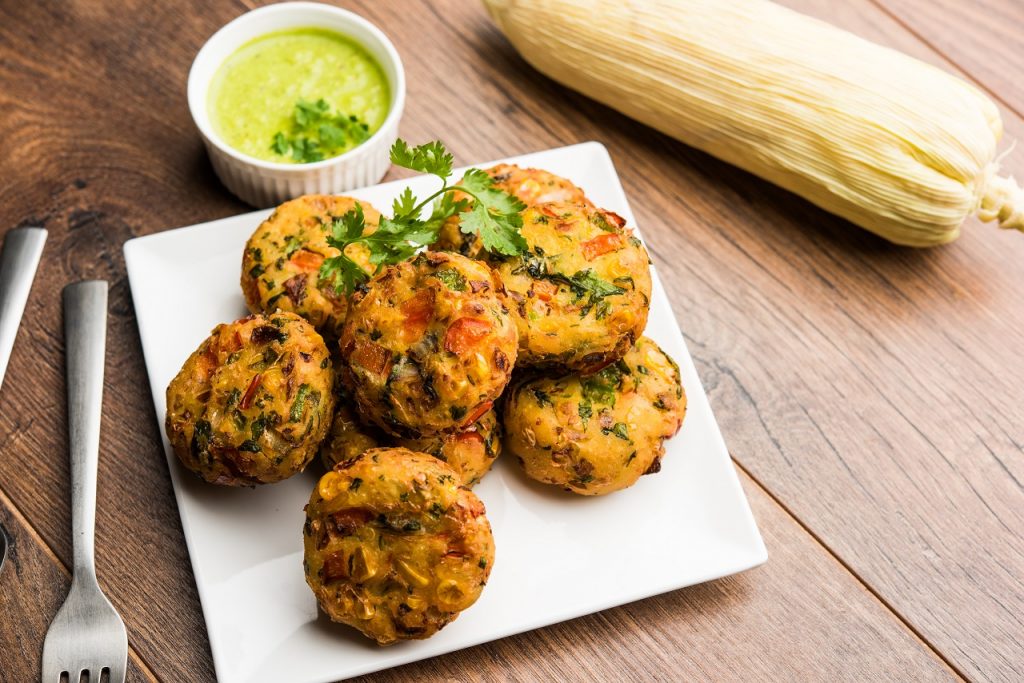
Healthy Eating: Vegetable Stuffed Ragi Paratha

Looking for a nutritious millet-based breakfast that is both healthy and satisfying? This Vegetable Stuffed Ragi Paratha is a wholesome alternative to regular wheat parathas. Packed with calcium, fibre and essential minerals, ragi (finger millet) supports bone health, digestion and sustained energy throughout the day.

Adding vegetables to the stuffing further enhances the nutritional value, making this dish a balanced breakfast for both adults and children. While the colour may appear slightly darker than regular parathas, the health benefits make it absolutely worth trying.

Vegetable Stuffed Ragi Paratha – Quick Recipe

Prep Time: 15 minutes
Cook Time: 15 minutes
Total Time: 30 minutes
Servings: 3–4 parathas
Meal Type: Healthy Breakfast
Cuisine: Indian

Nutritional Highlights

  • High in calcium for bone strength
  • Rich in dietary fibre for digestion
  • Helps support blood sugar balance
  • Promotes satiety and weight management

Ingredients

For the Dough

  • 1 cup ragi flour
  • 1 cup water
  • Salt to taste

For the Vegetable Stuffing

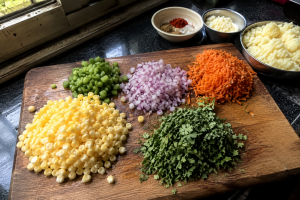
  • ½ cup cooked peas
  • ½ cup shredded carrot
  • ¼ tsp cumin seeds (jeera)
  • ¼ tsp mustard seeds
  • 1 tsp finely chopped ginger
  • 1 tsp chopped curry leaves
  • 1 tsp lemon juice
  • 2 tbsp chopped coriander leaves
  • 1–2 green chillies
  • Oil for cooking

 How to Prepare the Vegetable Stuffing

  1. In a mixer grinder, blend cooked peas, cumin seeds and green chillies into a coarse paste.
  2. Heat 1 tsp oil in a pan.
  3. Add mustard seeds and allow them to crackle.
  4. Add chopped ginger and curry leaves and sauté briefly.
  5. Add the pea mixture along with shredded carrot and salt.
  6. Cook for a few minutes. If the mixture becomes dry, add a little water.
  7. Turn off the flame and add lemon juice and chopped coriander leaves.

Set the stuffing aside.

How to Prepare the Ragi Dough

  1. Heat 1 cup water in a pan and add salt.
  2. Once hot, add ragi flour and switch off the flame.
  3. Mix thoroughly using a spatula.
  4. Allow the mixture to rest for 5–7 minutes.
  5. Once cooled slightly, knead it into a soft dough.

How to Assemble and Cook the Paratha

  1. Divide the dough into equal-sized balls.
  2. Flatten each ball slightly.
  3. Dust with flour and roll into a thin paratha using plastic paper.
  4. Place vegetable stuffing evenly over one paratha.
  5. Wet the edges slightly and place another paratha over it.
  6. Seal the edges and gently roll again.
  7. Heat a pan or tawa and lightly brush with oil.
  8. Cook the paratha until golden brown.
  9. Flip and cook the other side evenly.

Serve hot with curd, raita or chutney.

Why Ragi Is a Super Millet for Daily Nutrition

Ragi (finger millet) is widely recognised as one of the most nutritious grains. It contains significantly higher calcium than most cereals and is naturally rich in fibre, iron and plant-based protein.

Including ragi in breakfast helps:

  • support bone health
  • improve digestion
  • maintain stable energy levels
  • promote satiety for weight management

Millets like ragi are increasingly recommended as part of a balanced diet because of their nutritional density and metabolic benefits.

Nutritional Benefits of Vegetable Stuffed Ragi Paratha

Supports Bone Health

Ragi is an excellent source of calcium, which is essential for maintaining strong bones and teeth.

Helps Maintain Stable Blood Sugar

Ragi has a relatively low glycaemic index and releases energy slowly, which may help manage blood sugar levels.

Improves Digestive Health

The fibre content in ragi and vegetables supports healthy digestion and gut function.

Supports Weight Management

High fibre foods promote fullness, helping reduce unnecessary snacking.

Tips to Make This Recipe Even Healthier

  • Use minimal oil while cooking the paratha.
  • Add vegetables such as spinach, beetroot or capsicum to increase nutrient density.
  • Serve with probiotic-rich curd to support gut health.
  • Pair with fresh mint chutney instead of processed sauces.

Frequently Asked Questions

Is ragi paratha healthy?

Yes. Ragi paratha is rich in calcium, fibre and essential minerals that support bone health, digestion and sustained energy.

Can ragi help with weight management?

Ragi is high in dietary fibre and promotes satiety, which may help reduce overeating and support healthy weight management.

Is ragi good for people with diabetes?

Ragi has a relatively low glycaemic index and releases energy slowly, which may help maintain stable blood sugar levels when eaten in moderate portions.

Including millets like ragi in everyday meals is a simple way to improve the nutritional quality of your diet. This Vegetable Stuffed Ragi Paratha combines the goodness of ragi with the benefits of vegetables, making it a nourishing breakfast option for the entire family.

Try this recipe as part of your breakfast routine and enjoy a healthy start to your day!

Did you enjoy this recipe? Try it out and share your thoughts in the comments below! For more healthy recipes, nutrition tips and personalised wellness guidance, connect with a GOQii Coach through our Personalised Health Coaching program here.

#BeTheForce

Disclaimer: The information provided in this blog is for general awareness and educational purposes only. It is not intended to replace professional medical advice, diagnosis, or treatment. Always consult a qualified healthcare provider for personalised medical guidance or concerns related to your health. Images shown are for representation purposes only and may not depict the exact recommendations or outcomes.

March 17, 2026 By GOQii Leave a Comment

Sustaining the “GLP-1 Glow”: Nutrition for Skin and Tissue Elasticity

One of the biggest concerns discussed in global wellness circles today is the impact of rapid weight loss on the skin. Whether it’s the face or the body, losing weight quickly can sometimes leave the skin struggling to “snap back.” While genetics certainly play a role, your lifestyle and nutrition are the primary drivers of how your skin adapts during this transformation.

With the growing use of GLP-1 therapies for weight management, many people are experiencing significant weight loss in a relatively short period. While this is beneficial for metabolic health, it also raises an important question: how can we support skin elasticity and maintain a healthy glow during this journey?

The answer lies in supporting your skin from the inside out through nutrient-dense foods and healthy lifestyle habits.

The Science of Skin Elasticity

Your skin relies on two important structural proteins:

Collagen – provides strength and structure to the skin
Elastin – allows the skin to stretch and bounce back

When you lose weight, the fat layer beneath the skin shrinks. If the body does not have enough nutrients to rebuild and maintain collagen and elastin, the skin may appear loose or less firm.

This is why some people experience what social media often refers to as “Ozempic face” or loose skin following rapid weight loss.

However, this outcome is not inevitable. With the right nutritional support, the body can continue to repair and maintain healthy skin tissue even as weight decreases.

Your Skin-Support Protocol

Supporting skin elasticity during weight loss involves focusing on nutrients that promote collagen production, reduce oxidative stress, and maintain hydration.

1. Hydration Beyond Water

Skin elasticity depends heavily on internal hydration.

While drinking enough water is essential, hydrating foods also play an important role. Fruits and vegetables such as:

  • cucumbers
  • watermelon
  • oranges
  • strawberries

provide both hydration and vitamin C, a crucial nutrient required for collagen synthesis.

Vitamin C acts as a co-factor that helps the body build and stabilise collagen fibres, which support skin structure and elasticity.

2. Amino Acid Loading

Collagen itself is made from amino acids, particularly:

  • glycine
  • proline
  • hydroxyproline

This means adequate protein intake becomes critical during weight loss.

If your diet consistently meets your protein needs, you are providing the body with the building blocks needed to maintain healthy skin tissue.

Good sources include:

  • eggs
  • fish
  • tofu
  • Greek yogurt
  • legumes
  • lean poultry

Protein supports not only muscle maintenance but also the structural integrity of the skin.

3. The Power of Omega-3 Fats

Healthy fats are often overlooked when discussing skin health.

Omega-3 fatty acids help maintain the skin’s protective barrier and improve cell membrane function. This supports moisture retention and prevents the dull or “sallow” appearance that sometimes accompanies rapid weight loss.

Excellent omega-3 sources include:

  • salmon
  • walnuts
  • flaxseeds
  • chia seeds

Including these foods regularly can help maintain skin hydration and elasticity.

4. Vitamin C and Antioxidants

Rapid weight loss can increase oxidative stress in the body. Free radicals generated during this process may damage collagen and accelerate skin ageing.

Antioxidant-rich foods help neutralise these harmful compounds and protect skin structure.

Add a variety of colourful foods to your plate such as:

  • berries
  • leafy greens
  • citrus fruits
  • tomatoes
  • carrots

These provide vitamins, polyphenols and antioxidants that support healthy skin repair.

Nutrition and Skin Elasticity: Quick Guide

 Nutrient  Role in Skin Health  Food Sources
 Protein  Provides amino acids for collagen production  Eggs, fish, tofu, legumes
 Vitamin C  Supports collagen synthesis  Citrus fruits, berries, bell peppers
 Omega-3 Fats  Maintains skin barrier and hydration  Salmon, walnuts, flaxseeds
 Antioxidants  Protect collagen from oxidative damage  Leafy greens, berries

Supporting Your Skin During Weight Loss

While topical skincare can help maintain moisture, the foundation of skin health comes from nutrition, hydration and lifestyle habits.

Some simple habits that support skin elasticity include:

  • meeting your daily protein intake
  • eating a variety of colourful fruits and vegetables
  • including healthy fats regularly
  • staying well hydrated
  • maintaining gradual, sustainable weight loss

These habits allow the body to adapt more effectively to physical changes.

The Real Secret to the “GLP-1 Glow”

Many people talk about the “GLP-1 glow” the improved skin tone and overall appearance that often accompanies healthier habits during weight loss.

But this glow does not come from medication alone.

It comes from:

  • improved nutrition
  • better metabolic health
  • reduced inflammation
  • healthier lifestyle patterns

When the body receives the nutrients it needs, the skin becomes a visible reflection of internal health.

Rapid weight loss does not have to come at the expense of skin health. By prioritising nutrient-dense foods, adequate protein intake, healthy fats and antioxidants, you can support collagen production and maintain skin elasticity throughout your weight-loss journey.

Remember, skincare products can help on the surface but true skin health begins from within.

Frequently Asked Questions

Can GLP-1 medications cause loose skin?
Rapid weight loss can sometimes reduce skin firmness because the body needs time to rebuild collagen and elastin fibres. Proper nutrition and gradual weight loss can help support skin elasticity.

What nutrients support skin during weight loss?
Protein, vitamin C, omega-3 fats and antioxidants are essential nutrients that help maintain collagen production and skin health.

Does hydration affect skin elasticity?
Yes. Adequate hydration supports skin structure and helps maintain elasticity, especially during weight loss.

The Bigger Picture: Your GLP-1 Health Journey

This article is part of our GLP-1 lifestyle series, which explores how nutrition, recovery and lifestyle habits support long-term metabolic health.

You may also find these helpful:

  • Protein intake and muscle preservation during GLP-1 therapy

  • Navigating taste changes and appetite shifts

  • Supporting gut health during weight loss

  • Sleep and metabolic recovery during GLP-1 therapy

Together, these habits help build a sustainable and balanced health journey.

#BeTheForce

Taking control of your nutrition and lifestyle habits is one of the most powerful ways to support both metabolic health and skin vitality.

If you would like personalised guidance on nutrition, weight management and overall wellness, connect with your GOQii Coach and begin your journey toward sustainable health.

Disclaimer: GOQii is committed to providing accurate, up-to-date and comprehensive health information. This article is intended for informational purposes only and should not be used as a substitute for professional medical advice, diagnosis or treatment. Always consult a qualified healthcare professional before starting or changing any medication. Individual responses to treatment may vary.

March 16, 2026 By Roopa Tandur Leave a Comment

Nutritional Deficiencies That Can Cause Hair Loss (And How to Fix Them)

hair lossHair is a tough protein made primarily of Keratin. The hair bulbs at the base of your hair follicles divide and grow to build the hair shaft, while blood vessels nourish the bulb and deliver the hormones that regulate growth.

It is perfectly normal to shed around 50 to 200 hairs every day. However, hair loss happens at different rates for different people due to various reasons: heredity, hormonal changes (like hypothyroidism), medical conditions, stress, or even post-pregnancy calorie imbalances.

But one of the most common and highly treatable causes of sudden hair thinning is a lack of essential nutrients. When your body is deprived of specific vitamins and minerals, it restricts the nutrient supply to non-essential tissues like hair follicles to protect your vital organs. Let’s explore exactly which nutritional deficiencies lead to hair loss and how you can reverse them.

5 Nutritional Deficiencies Linked to Hair Loss

  1. Vitamin D DeficiencyVitamin D is crucial for hair growth because it stimulates hair follicles and helps maintain the thickness of each strand. Keratinocytes in the skin metabolise Vitamin D into Keratin (the structural protein of your hair). Low levels of Vitamin D make it difficult for these cells to regulate hair growth and shedding. Furthermore, Vitamin D deficiency is often linked to higher stress levels, which further accelerates hair fall.
    • The Fix: Aim for 400-800 IU of Vitamin D a day. This is easily achieved with 10-30 minutes of direct daily sun exposure or through regular supplementation.
  2. Vitamin B7 or Biotin DeficiencyWhile severe biotin deficiency is relatively rare, it is a well-known culprit for hair loss. It can occur due to genetics, excessive alcohol consumption, smoking, or in people with inflammatory bowel disease. Interestingly, frequently consuming raw egg whites can also cause this deficiency, as they contain a protein called avidin that blocks the absorption of biotin in the gut.
    • Food Sources: Bananas, carrots, cooked egg yolks, legumes, and nuts.
  3. Iron Deficiency (Anaemia)When you have an iron deficiency, your body produces less haemoglobin. This results in less oxygen being transported throughout your body. Because the body prioritizes vital organs, the oxygen supply to your hair follicles is severely restricted. Without adequate oxygen, hair follicles cease to function properly, switch to a resting phase, and eventually fall out. If you notice an unusual amount of hair in your shower drain, it is time to get your haemoglobin levels tested.
    • Food Sources: Whole wheat grains, beans, chickpeas, tofu, peas, nuts, raisins, spinach, and lean meats like chicken.
  4. Vitamin C Deficiency
    Vitamin C deficiency directly impacts hair health because this vitamin is essential for the absorption of iron from your intestines. Even if you consume enough iron, a lack of Vitamin C can lead to secondary iron deficiency and subsequent hair loss. Common risk factors include a poor diet, smoking, and chronic illness.

    • Food Sources: Citrus fruits (oranges, sweet lime, lemon), strawberries, guava, sweet potatoes, chillies, thyme, kale, and broccoli.
  5. Vitamin E Deficiency
    Vitamin E possesses powerful antioxidant properties that reduce oxidative stress on the scalp. It fights free radical damage that can destroy hair cells. Additionally, Vitamin E supports a healthy scalp by protecting the lipid layer, locking in moisture, and reducing dryness and scaling.

    • Food Sources: Almonds, walnuts, pumpkin seeds, sunflower seeds, wheat germ oil, peanuts, avocados, mangoes, and spinach.

Top Tips To Reduce Hair Fall Naturally

  • Eat Balanced Meals: Ensure your daily diet contains adequate protein, complex carbohydrates, and healthy fats.
  • Stay Hydrated: Drink at least 8-10 glasses of water a day to aid the digestion and absorption of the nutrients from your food.
  • Snack Smart: Include healthy snacks between meals to maintain energy levels and prevent calorie deficits.
  • Eat the Rainbow: Include a variety of whole-grain cereals, eggs, nuts, leafy vegetables, tofu, legumes, quinoa, and dairy to cover all your nutritional bases.
  • Maintain Scalp Hygiene: Wash your hair using a mild shampoo at least twice a week to keep the follicles clear of buildup.
  • Manage Stress: Keep cortisol (stress hormone) levels in check through meditation, hobbies, or yoga, as high stress forces hair follicles into the shedding phase.
  • Prioritize Rest: Get good quality sleep and exercise at least 4-5 days a week to improve overall blood circulation to your scalp.

Frequently Asked Questions (FAQs)

Can hair grow back after a nutritional deficiency? Yes. In most cases, hair loss caused by a nutritional deficiency is temporary. Once you identify the missing nutrient (like Iron or Vitamin D) through a blood test and correct it via diet or supplements, your hair growth cycle will typically return to normal within a few months.

Which vitamin is most responsible for hair loss? Deficiencies in Vitamin D, Iron, and Vitamin B12/B7 (Biotin) are the most common nutritional culprits behind excessive hair shedding and thinning.

How much hair fall is normal daily? It is perfectly normal to shed between 50 to 200 hair strands per day as part of the natural hair growth and renewal cycle.

We hope this article on nutritional deficiencies that can cause hair loss helps you! For more on hair loss and hair care, check out Healthy Reads or speak to a certified expert by subscribing to GOQii’s Personalised Health Coaching here. 

#BeTheForce 

Disclaimer: GOQii is committed to providing accurate, up-to-date, and comprehensive health information. This article is intended for informational purposes only and should not be used as a substitute for professional medical advice, diagnosis, or treatment. Always consult a qualified healthcare professional before starting or changing any medication, or sleep routine. Individual responses to lifestyle changes may vary.

March 10, 2026 By GOQii Leave a Comment

The Sleep-Metabolism Connection: Why Rest is Your Best GLP-1 Partner

When we think about GLP-1 therapy, we usually think about what happens in the kitchen or at the gym. But some of the most important work happens while you are fast asleep. Have you noticed a change in your sleep patterns since starting your journey? Or perhaps you’ve found that on nights you sleep poorly, your “food noise” seems to whisper a little louder the next day?

The Biology of the Midnight Reset

GLP-1 is a metabolic powerhouse, but it doesn’t work in a vacuum. It interacts closely with your circadian rhythm the internal clock that tells your body when to burn energy and when to store it.

When you are on this therapy, your body is undergoing a massive internal renovation. This requires energy. If you aren’t getting 7–9 hours of quality sleep, your body produces more ghrelin (the hunger hormone) and cortisol (the stress hormone). High cortisol can actually work against your GLP-1 medication, making it harder for the hormone to regulate your blood sugar and appetite effectively.

Mastering Your GLP-1 Sleep Hygiene

To ensure your body has the “downtime” it needs to repair muscle and burn fat, try these GOQii-approved sleep strategies:

  • The 3-Hour Buffer: Because GLP-1 slows down gastric emptying, lying down with a full stomach can lead to acid reflux or “heavy” discomfort. Aim to finish your last meal at least 3 hours before bed to give your stomach a head start.
  • Cool and Dark: Your metabolic rate is shifting, which can sometimes lead to changes in body temperature. Keep your bedroom slightly cooler (18∘C is the sweet spot) to help your body drop its core temperature for deep sleep.
  • Magnesium Magic: As we discussed in our fiber blog, magnesium is a friend to the digestive system, but it’s also a natural relaxant. Incorporating magnesium-rich foods or a supplement (after consulting your healthcare provider) in the evening can help calm the nervous system.
  • Morning Light Exposure: To keep your GLP-1 signals sharp, get 10 minutes of natural sunlight as soon as you wake up. This “sets” your clock and ensures your hormones are firing at the right time.

Tip: Sleep isn’t “time off” it’s a clinical requirement for weight loss. Treat your bedtime with the same discipline you treat your protein intake.

#BeTheForce

Disclaimer: GOQii is committed to providing accurate, up-to-date, and comprehensive health information. This article is intended for informational purposes only and should not be used as a substitute for professional medical advice, diagnosis, or treatment. Always consult a qualified healthcare professional before starting or changing any medication. Individual responses to treatment may vary.

  • « Previous Page
  • 1
  • …
  • 16
  • 17
  • 18
  • 19
  • 20
  • …
  • 269
  • Next Page »

Search

Recent Posts

  • Top 10 Foods For Diabetics: What to Eat to Manage Blood Sugar
  • Why Good Nutrition Before Conception Is Crucial For Your Baby’s Health
  • 6 Tricks To Help You Make Exercise A Habit
  • World Parkinson’s Day 2026: Bridging the Care Gap & Supporting Caregivers
  • Inflammation: The Hidden Fire Behind Most Chronic Disease

Stay Updated

Archives

  • April 2026 (11)
  • March 2026 (18)
  • February 2026 (14)
  • January 2026 (14)
  • December 2025 (19)
  • November 2025 (15)
  • October 2025 (20)
  • September 2025 (6)
  • August 2025 (6)
  • July 2025 (12)
  • June 2025 (18)
  • May 2025 (16)
  • April 2025 (22)
  • March 2025 (28)
  • February 2025 (22)
  • January 2025 (25)
  • December 2024 (22)
  • November 2024 (23)
  • October 2024 (21)
  • September 2024 (23)
  • August 2024 (30)
  • July 2024 (21)
  • June 2024 (25)
  • May 2024 (30)
  • April 2024 (27)
  • March 2024 (27)
  • February 2024 (24)
  • January 2024 (21)
  • December 2023 (14)
  • November 2023 (11)
  • October 2023 (19)
  • September 2023 (22)
  • August 2023 (18)
  • July 2023 (22)
  • June 2023 (23)
  • May 2023 (24)
  • April 2023 (22)
  • March 2023 (23)
  • February 2023 (19)
  • January 2023 (15)
  • December 2022 (11)
  • November 2022 (15)
  • October 2022 (15)
  • September 2022 (12)
  • August 2022 (10)
  • July 2022 (17)
  • June 2022 (11)
  • May 2022 (10)
  • April 2022 (6)
  • March 2022 (6)
  • February 2022 (13)
  • January 2022 (11)
  • December 2021 (7)
  • November 2021 (3)
  • October 2021 (6)
  • September 2021 (3)
  • August 2021 (8)
  • July 2021 (7)
  • June 2021 (15)
  • May 2021 (16)
  • April 2021 (10)
  • March 2021 (7)
  • February 2021 (4)
  • January 2021 (4)
  • December 2020 (3)
  • November 2020 (4)
  • October 2020 (10)
  • September 2020 (3)
  • August 2020 (3)
  • July 2020 (2)
  • June 2020 (4)
  • May 2020 (10)
  • April 2020 (12)
  • March 2020 (10)
  • February 2020 (4)
  • January 2020 (4)
  • December 2019 (3)
  • November 2019 (7)
  • October 2019 (5)
  • September 2019 (4)
  • August 2019 (9)
  • July 2019 (9)
  • June 2019 (11)
  • May 2019 (4)
  • April 2019 (8)
  • March 2019 (8)
  • February 2019 (9)
  • January 2019 (8)
  • December 2018 (9)
  • November 2018 (3)
  • October 2018 (3)
  • September 2018 (5)
  • August 2018 (10)
  • July 2018 (6)
  • June 2018 (13)
  • May 2018 (8)
  • April 2018 (18)
  • March 2018 (9)
  • February 2018 (8)
  • January 2018 (15)
  • December 2017 (12)
  • November 2017 (19)
  • October 2017 (13)
  • September 2017 (15)
  • August 2017 (4)
  • July 2017 (8)
  • June 2017 (7)
  • May 2017 (6)
  • April 2017 (8)
  • March 2017 (6)
  • February 2017 (7)
  • January 2017 (9)
  • December 2016 (10)
  • November 2016 (7)
  • October 2016 (7)
  • September 2016 (7)
  • August 2016 (11)
  • July 2016 (9)
  • June 2016 (9)
  • May 2016 (12)
  • April 2016 (17)
  • March 2016 (17)
  • February 2016 (8)
  • January 2016 (6)
  • December 2015 (2)
  • November 2015 (9)
  • October 2015 (7)
  • September 2015 (9)
  • August 2015 (11)
  • July 2015 (9)
  • June 2015 (11)
  • May 2015 (9)
  • April 2015 (13)
  • March 2015 (8)
  • February 2015 (5)
  • January 2015 (12)
  • December 2014 (14)
  • November 2014 (11)
  • October 2014 (6)
  • September 2014 (13)
  • August 2014 (12)
  • July 2014 (6)
  • June 2014 (2)
  • May 2014 (7)
  • April 2014 (4)

From “Laddu Nawin” to Fit and Fierce: How a 25-Year-Old Insurance Advisor Shed 20 Kilos and Gained His Life Back

When 25-year-old Nawin Yadav from Hyderabad walked into his office every morning, he carried more than just his files and policy papers. He had the weight of fatigue, sluggish energy, and an ever-growing belly that was becoming the butt of jokes. “People … [Read More...]

“I’ve Challenged Myself to Live 100 Years” – The Story of Chandubhai Savani’s Second Chance at Life

At 67, most people start slowing down. Not Chandubhai Savani. A resident of Surat, Chandubhai, thought life was on track. “My life was going well till I had my bypass surgery,” he says. That surgery, back in 2021, was a wake-up call.  Medication was routine, but exercise wasn’t. His diet? What he calls ‘normal.’ “I […]

From Shimla’s Slopes to Chandigarh’s Sidewalks: Surinder Kaur Bhalla’s Journey from Chaos to Control

Some journeys start with a plan. Others begin with a stumble literally. Surinder Bhalla, a government professional, born and raised in the scenic hill town of Shimla, had always lived a life of movement. “In Shimla, you walked everywhere,” she reflects. “Walking was never an exercise. It was just life.” But after shifting to Chandigarh, […]

Ananda Mukherjee Health Story

From Terminal Illness To Complete Wellness! Ananda Mukherjee Health Story

As we observe World Cancer Day under the powerful theme ‘United by Unique’ (2025-2027)**, we are reminded that every individual’s journey with cancer is distinct, yet united by shared resilience, hope, and the collective fight against this disease. This theme places people at the centre of care and their stories at the heart of the […]

  • HOME
  • HEALTHY LIVING
  • FITNESS
  • HEALTHY RECIPES
  • USER STORIES
  • KARMA
  • BUY GOQii

Copyright ©2016 GOQii