 What is the first thing you want to do after getting home from a grueling gym session, a long run, or an intense home workout?
Your mind might scream, “Drink water!” while your body begs, “Please, go take a shower!” Nobody likes sitting around in their own sweat, but when you step into the bathroom, a common dilemma arises: should you turn the dial to hot or cold? Many fitness enthusiasts swear by an ice-cold plunge, while others prefer the soothing comfort of a hot shower.
Does the temperature of your bathing water actually impact your health and recovery? Yes, it does. Let’s break down the science behind what happens to your body when you choose a hot versus a cold shower post-workout.
The Case for the Cold Shower
Taking a cold shower after a hot, sweaty workout is a shock to the system, but it is a shock with highly specific benefits.
When cold water hits your skin, it causes vasoconstriction, the rapid constriction (narrowing) of your blood vessels. This immediate drop in surface temperature directs blood flow inward toward your vital organs.
The Benefits:
- Acts Like a Full-Body Ice Pack: Cold water prevents severe swelling and numbs the typical pain associated with strenuous, high-impact workouts.
- Reduces Inflammation: If you suspect you have slightly tweaked a muscle or are dealing with a minor post-workout injury, cold water helps cool down the damaged tissue and mitigate acute inflammation.
⚠️ Important Precautions for Cold Showers:
- High Blood Pressure Caution: Because vasoconstriction naturally increases blood pressure, individuals with hypertension should generally avoid extreme post-workout cold showers.
- Keep it Reasonable: You do not need freezing water to get the benefits; room temperature or comfortably cool water is often enough to aid recovery without shocking your heart.
The Case for the Hot Shower
If cold water causes vasoconstriction, warm water does the exact opposite: vasodilation. This means the warm temperatures cause your blood vessels to dilate (widen), which decreases blood pressure and invites blood to rush back toward your skin and muscles.
The Benefits:
- Soothes Muscle Tension: Hot water stimulates rich, oxygenated blood flow directly to your fatigued muscles.
- Flushes Metabolic Waste: This increased blood circulation helps disperse metabolic waste (like lactic acid) that accumulates during exercise, significantly reducing general post-workout soreness and physical uneasiness.
- Promotes Relaxation: A warm shower acts as a natural muscle relaxant, easing the nervous system after a highly stimulating workout.
⚠️ Important Precautions for Hot Showers:
- Not for Acute Injuries: If you have pulled a muscle, sprained a joint, or damaged tissue during your workout, do not use hot water. Heat will increase inflammation and swelling in the damaged area. Go for cold water and an ice pack instead.
- Keep it Warm, Not Boiling: Scalding hot water will strip your skin of its natural oils and can cause dizziness after a workout. Stick to a soothing, warm temperature just above room level.
The Verdict: Which Should You Choose?
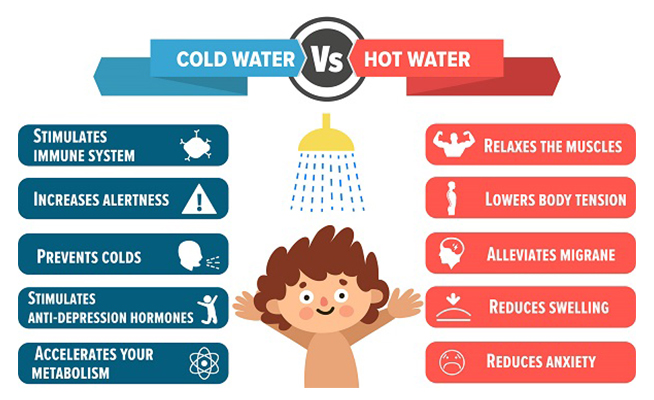 The debate between hot and cold will always exist, but the right choice depends entirely on your current physical condition.
- Choose COLD if you want to reduce inflammation, soothe a potential minor injury, or quickly bring your core temperature down after a very sweaty, high-intensity session.
- Choose HOT if you want to relax stiff, tense muscles, reduce general delayed onset muscle soreness (DOMS), and wind down.
Listen to your body, choose what suits your specific recovery needs for the day, and enjoy that well-deserved post-workout cleanse!
Need help optimizing your fitness and recovery routine? Reach out to our certified experts by subscribing to GOQii’s Personalised Health Coaching in the GOQii App today.
Frequently Asked Questions (FAQs)
- Can I switch between hot and cold water?
Yes! This is known as “contrast therapy.” Alternating between hot water (to open blood vessels and clear out waste) and cold water (to flush the blood back out) can be an excellent way to speed up muscle recovery.
- Should people with high blood pressure take cold showers?
No, it is generally advised that individuals with high blood pressure avoid sudden cold showers, especially after a workout, as the sudden constriction of blood vessels can temporarily spike blood pressure levels.
- How soon after a workout should I shower?
It is best to wait about 15 to 20 minutes after your workout before jumping into the shower. This gives your body time to naturally lower its heart rate and stop the active sweating process.
#BeTheForce
Disclaimer: This article is intended for educational and informational purposes only and should not be considered a substitute for professional medical advice, diagnosis, or treatment. Always consult with your doctor or a qualified healthcare provider regarding recovery protocols, especially if you have pre-existing conditions like hypertension or cardiovascular disease.
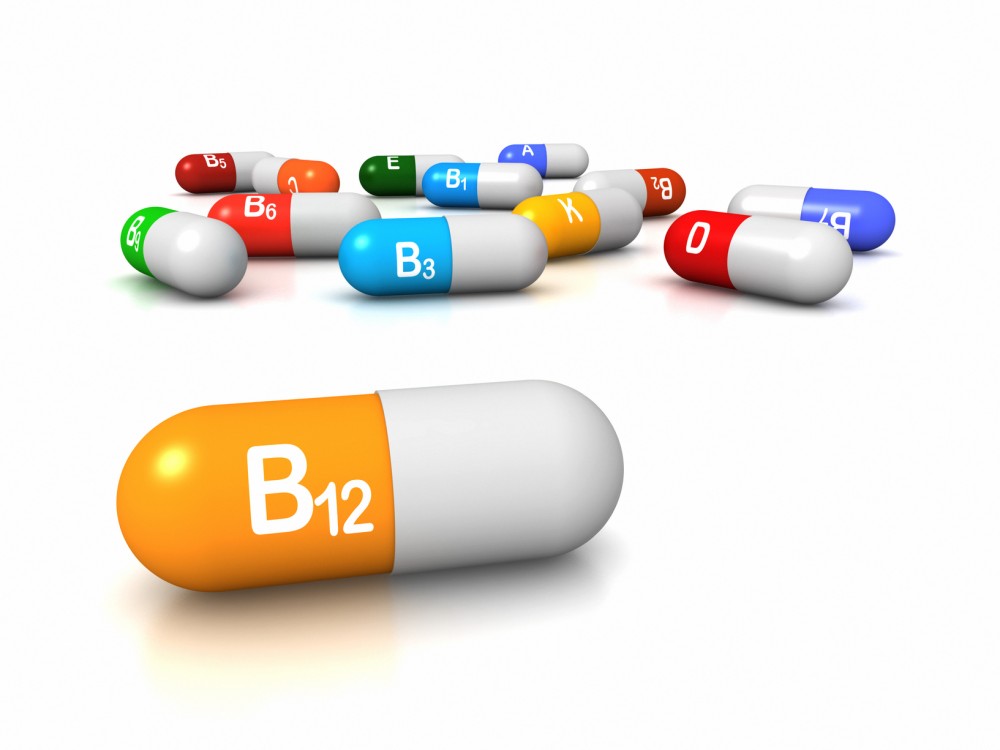 Everyone has heard about different vitamins and why they are essential for the human body. However, very few people know which vitamins are specifically required by the body. Certain Vitamins are absolutely necessary for women to maintain overall health, and it’s important to obtain these in the daily recommended intake (DRI) amounts. These vitamins can be acquired through good food choices.
 The moment I recommend intense workout to my players, they start saying this:-