GOQii

Blog

  • HOME
  • HEALTHY LIVING
  • FITNESS
  • HEALTHY RECIPES
  • USER STORIES
  • KARMA
  • BUY GOQii

Search Results for: protein

October 30, 2018 By Richa Athavale 22 Comments

How to include proteins to your Breakfast?

179739-curd

All of us are well aware that breakfast is the first important meal of the day. The second most important thing is to have frequent meals to keep our metabolism high. Our body goes into the rest mode for almost 8 to 10 hours after dinner when we are sleeping through the night. Hence, it becomes essential to eat a good, balanced meal which has the right proportion of carbohydrates, protein, fats, vitamins, minerals, fibres, anti- oxidants etc.in the morning. More often than not it is a difficult task to incorporate all these nutrients in the morning breakfast due to our rush to get to work.But, one can always try to incorporate as many nutrients as we can out of the above if not all.

It is advised to include proteins in every meal. The inclusion of proteins to your breakfast becomes a challenging task especially if you are a vegetarian. Lacto- Ovo vegetarian breakfast can easily get proteins through the milk and eggs. The tough task is for vegetarians and vegans (those who limit dairy products).

Common Indian breakfast items are Poha (cooked Puffed Rice with some veggies), flat breadsUpma, Idli and Dosa (steamed Rice pancakes), flatbreads(Chaapti), Rice, Porridgeetc. Today, I am going to tell you how we add proteins in our 1st meal of the day – breakfast.

Whenever we have options like steamed rice pancakes (Idlisambhar) or bread omelette we’re obviously getting proteins from the dish.  When we have options like Cooked Puff Rice, Upma, rice, cooked Wheat Flat breads (Chappati)  etc. without any side dish we need to add some proteins to it.

Here are few items which you can add:

  1. Peanuts/ Groundnuts: A humble source of proteins and MUFA (mono unsaturated fatty acids) will add to proteins in breakfast. We can use in different forms as peanut butter, chutney etc. spread it on your bread or chapatti. Excellent to be added in pre workout meal.
  • 100 g of Dry roasted peanuts will give 24-26 g of proteins.
  1. Roasted Chana: Simple, easily available and can be stored. Just add a handful of black (Kabuli)or brown Chana to your plate or have it on the go post breakfast. If you couple it up with peanuts it will be even better.
  1. Mixed Sprouts: This one will need some preparation. Soak the sprouts for 6-8 hours, then drain the water and tie in the cloth for sprouts to come. Add handful of it either raw or steamed. Raw will give you good enzymes as compared to cooked ones. Whereas steamed will be easier to digest. Following are the rough values for sprouted and steamed sprouts.
  • Moong/ Green gram 2-3 g
  • Matki/ Moth bean 8 g
  • Chana/ Chick peas 9 g
  1. Green peas: It is very to incorporate peas in any dish. Add it to your upma, poha, rice liberally. They will taste good as well as increase the protein value. Its green colour also add to the visual effect.
  • 100 g of fresh green peas contain 5 g of protein
  1. Nuts like (almond, walnut, cashew nut): Again a very handy option. Just adding them to your bowl of breakfast is very easy. They are rich in minerals like calcium, good fats like MUFA, omega 3 fatty acids. Don’t forget to soak and peel almond to avoid anti nutritional factors in the peel.
  • Almond 21.2 g
  • Walnut 15.2 g
  1. Sesame, flax, sunflower, pumpkin seeds: Dry roasted seeds can serve as a protein quotient of the meal. You can easily stock it in cool and dry place. You can have them as it is or grind to make into chutney. Dips like tahini can be made from sesame seeds.
  1. Milk: You can just add a glass of milk to complete the protein quota of the meal. It goes well with roti, chapati, bread, cereals etc. It is better to go for low fat milk. If having cow’s milk make sure it is Desi cow’s milk. Make sure you’re not having it with salty or savoury as milk and salt is not recommended to have together.1 cup of milk gives you 8 g protein on an average.
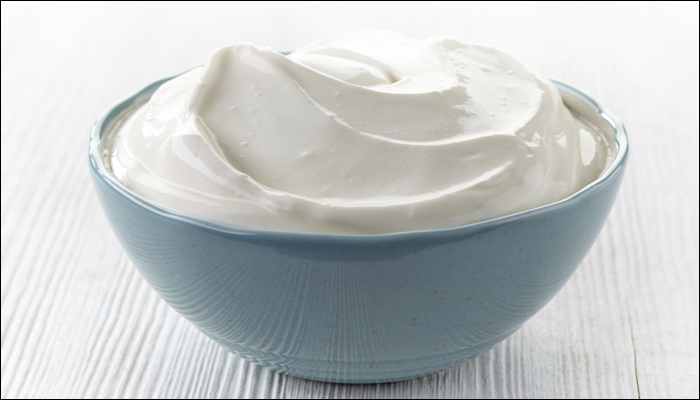
  1. Curds/ Yogurt: Add a bowl of curds or yogurt to make your breakfast not only protein rich but yummy. We can mix poha, rice with it to give a better texture and taste. Fruits with yogurt can be another hit option and light still complete meal. 1 cup gives you 10-11 g proteins on an average.
  1. Buttermilk: It is the best bet in summer. Having it post breakfast will help in digestion. It has good water content and therefore it will not be a concentrated source. Unlike milk it can be coupled with salty and savoury options as well.
  1. Cheese: I am yet to come across a person who doesn’t like cheese unless of course you are a vegan. We can add it with breads, chapatti, pancakes etc. You can use different varieties like cheese spread, cubes, and slices or just grate some cheese on your dish. People who are targeting weight gain can have it on regular basis. Those who are trying to lose weight should limit it once or twice in a week. 100 g will give approx. 20 g of proteins.

September 20, 2018 By Navnee Garg 1 Comment

5 signs you’re not getting enough Protein

shutterstock_1008838624 (1)

The food market is constantly advertising about adding protein to all edibles, and this might mislead you into thinking that you are consuming an abundance of this key micronutrient in your diet. This might not be the actual scenario and a lack of protein may be ruining your health and your effort in the gym.

While protein requirement varies for every individual depending upon body weight and activity levels, there is no doubt that an adequate amount of protein keeps the body lean and preserves muscles strength as we age. If you are unsure about the amount of protein you are getting and wondering if it’s enough to fuel your fitness goals, here are a few ways to know.

  1. Your hair starts Thinning

shutterstock_615099917


Hair thinning is a major concern these days and it haunts both genders equally.

But why? And how is protein linked to it? So, here is the answer. If you don’t nourish your body with adequate protein, then it looks for “non-essential” body parts like hair to pull protein from. The body needs nutrients for the basic functioning. Once your hair is deprived of the nutrient it needs, it starts thinning and even falling out. Next time when you observe hair fall or thinning, consume a high protein diet.

      2.Constant Injuries

shutterstock_275149502


Injuries, as we all know, are barriers we have to overcome amidst our fitness journey.  But why do people get injured so frequently? Let’s solve the query. Apart from muscle loss, a lack of protein in diet precipitates several perils such as loss of bone mass and osteoporosis. The body tends to face difficulty in absorbing calcium which most likely will make you prone to injuries. This is the reason why we lack stamina during high-intensity workouts. So, if you are constantly injured, you may need to increase your protein intake. Some rich sources of protein are Seafood, white meat, eggs and green vegetables. Hog on them to keep the doctor away.

       3. Workout Doesn’t Entail Results

shutterstock_144928561

It takes a lot of dedication and effort to wake up each morning and workout. Still, the scale in the weighing machine is not changing? So, here’s the answer to “But why?” Protein is crucial for building new muscle mass and also important in sustainable energy and motivation. It adds up the strength to recover the muscles post workout. A low protein diet may make you suffer muscle atrophy which is a condition when your body starts cannibalizing the tissue for fuel. If you don’t serve your muscle composition with adequate protein, no matter how much you work out, the results will always be below your expectation. Therefore, always consume a protein-rich pre/post workout meal for faster and better results.

       4. Unexpected Anxiety and Food Cravings

collage

Do you often lash out at your co-worker or others around you? This is not always stressing. Let’s dig deeper. Serotonin is a hormone that regulates calmness, and protein plays a vital role in helping the brain synthesize serotonin. Also, if you don’t consume enough protein, your body causes spikes and crashes of insulin, resulting in a craving for carb-rich snacks. Your body’s demand for biscuits and other oily snacks is not because of taste but because of lack of protein. Serotonin also helps in regulating the spike of insulin in your blood, so a lack of serotonin will result in imbalanced amounts of insulin in the blood. So, if you are unable to tame your temper or are craving for greasy and unhealthy snacks, it could be a sign of protein deficiency. When you feel anxious next time, you know what you need.


January 18, 2018 By Trishala Chopra 50 Comments

Make your own whey protein at home

Protein supplements have become the need of the hour today. But, the prices of supplements are away to high. Not everyone can afford to invest in them. So, does that mean that they need to compromise on their proteins?

NO!

Here is how you can make whey protein at home and get your daily dose of protein!

Untitled

  • Choose any milk product like yoghurt/curd, paneer (cottage cheese) or buttermilk.
  • The curd is the easiest option available at home but you can choose any products mentioned above.
  • Take a bowl and put a strainer on the top of it. (Strainer can be big or small)
  • Take a small muslin cloth and place it over the strainer.
  • Put 250 grammes of curd on the strainer and cover it with a plastic wrap. Keep it in the refrigerator overnight for 6-8 hours.
  • Remove the bowl which was kept overnight. The solid part which is there on the top of the strainer is called as curd cheese and the liquid which will be collected in the bowlis called as home whey protein.

The shelf life of homemade whey protein: –

  • If you refrigerate homemade whey protein, it can last up to 6 months.
  • It can be stored in airtight bottles or glass jars.
  • It is ideal to make a whey protein batch for a month and then prepare another fresh stock.

Nothing goes waste! You can use the curd cheese as well… 

  • Curd cheese can be mostly commonly used as a cheese dip or cheese spread. You can add milk according to your requirements. If you want to make a dense dip then milk should be less and vice versa.
  • This curd cheese which is obtained has healthy fats which are required by the body.
  • Apart from these dips, you can use curd cheese in baking cakes as well. 

Benefits of homemade whey protein: –

– It has no additives. It is the source of pure whey protein!

– It is cost effective, unlike the supplements which are available in the market.

– It has abland taste so you can blend it into your own protein shake!
“ Now you can fulfil your protein needs with purest whey protein “

How much protein is there in homemade whey protein has and how to measure it?

1/2 cup = 15 grams.

1 cup = 30 grams.

Here are some interesting recipes to make your bland whey protein into tasty protein shakes!

(1) Peanut choco blast!

shejk

Name of the ingredient              Quantity
         Peanut butter            2 tbsp.
             Banana                1
Home Made whey protein             1 cup
               Curd             ½ cup
        Skimmed Milk             1 cup
         Cocoa powder             ½ tbsp.
Nutrition Facts
Nutrients Nutrition per serving
Calories 465
Protein 43 g
Carbohydrates 39 g
Fats 17 g

* Nutrition facts are derived on the theoretical basis.

METHOD: –

– Blend all the ingredients together and serve it.

– It can be an excellent post workout supplement.

(2) Power Green!


Name of the ingredient              Quantity
        Spinach/Kale              1 cup
             Banana                1
               Curd             ½ cup
        Skimmed Milk             1 cup


Nutrition Facts
Nutrients Nutrition per serving
Calories 235
Protein 18 g
Carbohydrates 38 g
Fats 4 g

* Nutrition facts are derived on the theoretical basis.

METHOD: –

– Blend all the ingredients together and serve it.

– It can be an excellent post workout supplement or can be used as a meal replacement also.

(3) Mango Rejoice!


Name of the ingredient              Quantity
        Apple Juice             1 cup
             Mango                1
Home Made whey protein             1 cup
               Curd             ½ cup
          Orange Juice             1 cup
        Pineapple pieces             ½ cup


Nutrition Facts
Nutrients Nutrition per serving
Calories 600
Protein 64 g
Carbohydrates 79 g
Fats 4 g

* Nutrition facts are derived on the theoretical basis.

METHOD: –

– Blend all the ingredients together and serve it.

– It can be an excellent post workout supplement or can be used as a meal replacement also.

(4) Choco Shake!


Name of the ingredient              Quantity
       Skimmed Milk             1 cup
             Water             1 cup
Home Made whey protein             1 cup
          Instant coffee             1 tbsp.
         Cocoa Powder             1 tbsp.


Nutrition Facts
Nutrients Nutrition per serving
Calories 350
Protein 32 g
Carbohydrates 87 g
Fats 8 g

 * Nutrition facts are derived on the theoretical basis.

METHOD: –

– Blend all the ingredients together and serve it.

– It can be an excellent post workout supplement or can be used as a meal replacement also.

(5) Pro-Oats shake!


Name of the ingredient              Quantity
       Skimmed Milk             1 cup
 Dry Oats/ Steel cut oats             1 cup
Home Made whey protein             1 cup
          Cinnamon             ½ tsp
             Honey             2 tbsp.
         Almonds (Chopped)              5-8 pcs.


Nutrition Facts
Nutrients Nutrition per serving
Calories 580
Protein 44 g
Carbohydrates 92 g
Fats 12 g

 * Nutrition facts are derived on the theoretical basis.

METHOD: –

– Blend all the ingredients together and serve it.

– It can be an excellent post workout supplement or can be used as a meal replacement also.

 Now enjoy your daily protein source without worrying about the cost and nasty ingredients!

September 3, 2017 By Vrushali Athavle 11 Comments

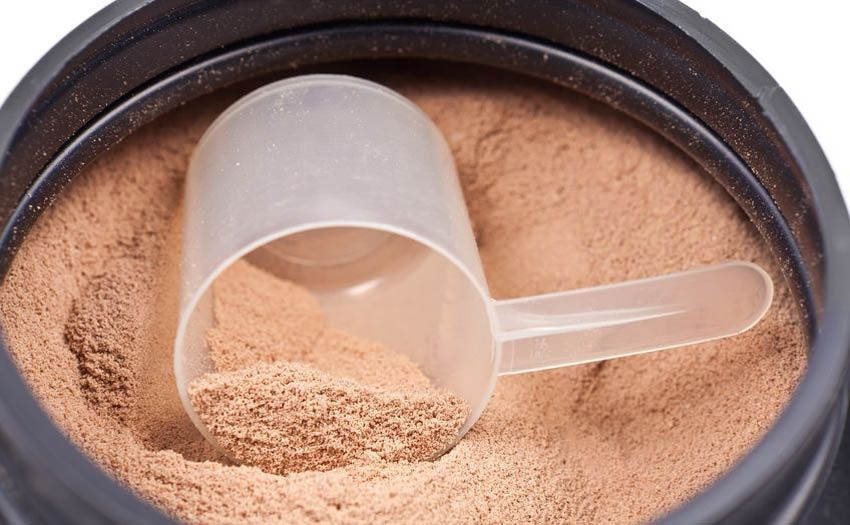
Know your Protein Powders!

Protein Powder

This blog is in continuation to my previous blog ‘Protein is not just about quantity, it’s also about quality’. If you missed it here is a link Protein is not just about quantity. It’s also about quality. I am never in favour of proteins powders but, if really required you can take them as supplements as an addition to the diet you eat. I emphasize on this because the focus of any diet should be food. Whole food is often preferable to powders because it can offer a whole spectrum of nutrients that powders cannot.

Protein powders are easy and convenient source of complete and high quality protein but these powders are devoid of other nutrients like fiber, vitamins and minerals which are got from our natural food items.

Calculate your protein requirement. See if you can meet them through your diet. Only if you are unable to give yourself the required quality and quantity of proteins then you should think to opt for protein supplements.

Choosing the protein powders: A tricky part

The tricky part is trying to pick a GOOD protein powder that will contribute to muscle gain and not break the bank.

Protein powders are basically divided into two categories:

  • Animal source protein which include milk protein derivatives like whey and casein, beef and egg white protein.
  • Vegetable source protein include soy, rice, pea, hemp and sprouted grain proteins


1. A) ANIMAL PROTEINS


Whey protein:

It is derived from milk. The protein portion of whole milk consists of 20% whey protein. It is most popular protein powder because of its taste, high quality and economically too it’s very convenient.


Whey protein comes in two varieties, whey concentrate and whey isolate.


Whey Concentrate

  • This is a good source of protein powder that is absorbed at a moderate pace.
  • It can be used both pre and post workout but typically it is good to include it as snack in between meals.
  • It has low lactose level that is well tolerated by most lactose-sensitive people. It has trivial amounts of fat and carbs relative to your overall nutrient intake.


Whey Isolate

  • It is one of the quickest absorbing proteins
  • Whey isolate is virtually fat-free for those wishing to eliminate as much fat from their diet as possible. It is typically lactose free for those few individuals who are very sensitive to the low-lactose levels found in whey concentrate
  • Isolates are great pre and post workout as they are absorbed quickly and can supply the muscle the nutrients needed to help recover and grow.


Casein or Milk Protein

  • Casein constitutes 80 percent of milk protein.
  • It takes longer digestion period as compared to whey concentrate and isolate.
  • Its takes about 5 to 7 hours to fully breakdown and this is one of the reasons for not consuming it post workout.
  • Before bed if you take in casein protein your body keeps absorbing and utilizing the nutrients even while you sleep. People also use casein during the day to help stay full and to keep a constant supply of protein in your body to supply the muscles with proper nutrition for hours after drinking the shake.


Egg protein:

  • Like milk proteins, egg white is also naturally very low in fat and carbs.
  • Egg white protein is cholesterol-free and an excellent choice for those who wish to avoid dairy products.


  1. B) PLANT PROTEINS:


They are derived from a variety of sources, including peas, hemp, sprouts, and grains. They’re rich in vitamins and minerals, and often provide antioxidants, amino acids, fiber and more. They are typically suitable for vegetarian or vegan diets. They’re also well tolerated by lactose-sensitive individuals.

Soy Protein

  • It is the only plant-based protein considered to be a high-quality protein, containing all the essential amino acids in the ratios needed to support growth and development
  •  It is loaded with glutamine and arginine which helps to dilate blood vessels and allows nutrition to get into the muscles quicker.
  • This type of protein can be used both pre and post workout or anytime throughout the day if needed to get in a meal/snack containing protein.

Conclusion

There are many different options of protein for you to choose from. Natural source of protein is the best but, based on your height, ideal weight and intensity of workout you may need to add a protein supplement into your diet. It is safe to take protein supplements if they are monitored properly as per your requirement. Getting all your protein from powders is not the best idea, as it could potentially restrict your intake of vitamins and minerals from other foods.


While there are no particular risks to consuming protein powder every day, you should not exceed your daily protein needs.  If you can meet your protein needs with whole foods, it’s the best thing. But, when you’re crunched for time, protein supplements can be your biggest ally.

  • « Previous Page
  • 1
  • 2
  • 3
  • 4
  • 5
  • 6
  • …
  • 149
  • Next Page »

Search

Recent Posts

  • 7 Reasons Why Pulses Are Good For You!
  • How Exercise Impacts Mental Health
  • Dussehra 2026: 10 Unhealthy Habits to Leave Behind
  • 5-Minute Healthy Snacks for Work & Home
  • Meal Prepping for Work: Healthy Lunch Ideas That Keep You Energised

Stay Updated

Archives

  • October 2026 (15)
  • September 2026 (5)
  • August 2026 (8)
  • July 2026 (25)
  • June 2026 (22)
  • May 2026 (20)
  • April 2026 (24)
  • March 2026 (18)
  • February 2026 (14)
  • January 2026 (14)
  • December 2025 (19)
  • November 2025 (15)
  • October 2025 (20)
  • September 2025 (6)
  • August 2025 (5)
  • July 2025 (9)
  • June 2025 (18)
  • May 2025 (16)
  • April 2025 (22)
  • March 2025 (25)
  • February 2025 (21)
  • January 2025 (25)
  • December 2024 (22)
  • November 2024 (22)
  • October 2024 (15)
  • September 2024 (22)
  • August 2024 (27)
  • July 2024 (15)
  • June 2024 (23)
  • May 2024 (26)
  • April 2024 (27)
  • March 2024 (27)
  • February 2024 (23)
  • January 2024 (21)
  • December 2023 (14)
  • November 2023 (10)
  • October 2023 (18)
  • September 2023 (20)
  • August 2023 (16)
  • July 2023 (16)
  • June 2023 (21)
  • May 2023 (20)
  • April 2023 (19)
  • March 2023 (23)
  • February 2023 (19)
  • January 2023 (15)
  • December 2022 (11)
  • November 2022 (15)
  • October 2022 (15)
  • September 2022 (12)
  • August 2022 (9)
  • July 2022 (17)
  • June 2022 (11)
  • May 2022 (10)
  • April 2022 (6)
  • March 2022 (6)
  • February 2022 (13)
  • January 2022 (11)
  • December 2021 (7)
  • November 2021 (3)
  • October 2021 (6)
  • September 2021 (3)
  • August 2021 (8)
  • July 2021 (7)
  • June 2021 (15)
  • May 2021 (16)
  • April 2021 (10)
  • March 2021 (7)
  • February 2021 (4)
  • January 2021 (4)
  • December 2020 (3)
  • November 2020 (4)
  • October 2020 (10)
  • September 2020 (3)
  • August 2020 (3)
  • July 2020 (2)
  • June 2020 (4)
  • May 2020 (10)
  • April 2020 (12)
  • March 2020 (10)
  • February 2020 (4)
  • January 2020 (4)
  • December 2019 (3)
  • November 2019 (7)
  • October 2019 (5)
  • September 2019 (4)
  • August 2019 (9)
  • July 2019 (9)
  • June 2019 (11)
  • May 2019 (4)
  • April 2019 (8)
  • March 2019 (8)
  • February 2019 (9)
  • January 2019 (8)
  • December 2018 (9)
  • November 2018 (3)
  • October 2018 (3)
  • September 2018 (5)
  • August 2018 (10)
  • July 2018 (6)
  • June 2018 (13)
  • May 2018 (8)
  • April 2018 (17)
  • March 2018 (9)
  • February 2018 (8)
  • January 2018 (15)
  • December 2017 (12)
  • November 2017 (19)
  • October 2017 (13)
  • September 2017 (15)
  • August 2017 (4)
  • July 2017 (8)
  • June 2017 (7)
  • May 2017 (6)
  • April 2017 (8)
  • March 2017 (6)
  • February 2017 (7)
  • January 2017 (9)
  • December 2016 (10)
  • November 2016 (7)
  • October 2016 (7)
  • September 2016 (7)
  • August 2016 (11)
  • July 2016 (9)
  • June 2016 (9)
  • May 2016 (12)
  • April 2016 (17)
  • March 2016 (17)
  • February 2016 (8)
  • January 2016 (6)
  • December 2015 (2)
  • November 2015 (9)
  • October 2015 (7)
  • September 2015 (9)
  • August 2015 (11)
  • July 2015 (9)
  • June 2015 (11)
  • May 2015 (9)
  • April 2015 (13)
  • March 2015 (8)
  • February 2015 (5)
  • January 2015 (12)
  • December 2014 (14)
  • November 2014 (11)
  • October 2014 (6)
  • September 2014 (13)
  • August 2014 (12)
  • July 2014 (6)
  • June 2014 (2)
  • May 2014 (7)
  • April 2014 (4)

From Burnout to Balance: How Dr. Ranjit Reclaimed His Health

Dr Ranjit Bhatt has spent years tending to others. A practising doctor in Odisha, his days were packed with patients, surgeries, and emergencies. From the outside, it looked like a life lived in service. But on the inside, something wasn’t right. “I had no … [Read More...]

From Shimla’s Slopes to Chandigarh’s Sidewalks: Surinder Kaur Bhalla’s Journey from Chaos to Control

Some journeys start with a plan. Others begin with a stumble literally. Surinder Bhalla, a government professional, born and raised in the scenic hill town of Shimla, had always lived a life of movement. “In Shimla, you walked everywhere,” she reflects. “Walking was never an exercise. It was just life.” But after shifting to Chandigarh, […]

“I’ve Challenged Myself to Live 100 Years” – The Story of Chandubhai Savani’s Second Chance at Life

At 67, most people start slowing down. Not Chandubhai Savani. A resident of Surat, Chandubhai, thought life was on track. “My life was going well till I had my bypass surgery,” he says. That surgery, back in 2021, was a wake-up call.  Medication was routine, but exercise wasn’t. His diet? What he calls ‘normal.’ “I […]

Ananda Mukherjee Health Story

From Terminal Illness To Complete Wellness! Ananda Mukherjee Health Story

As we observe World Cancer Day under the powerful theme ‘United by Unique’ (2025-2027)**, we are reminded that every individual’s journey with cancer is distinct, yet united by shared resilience, hope, and the collective fight against this disease. This theme places people at the centre of care and their stories at the heart of the […]

  • HOME
  • HEALTHY LIVING
  • FITNESS
  • HEALTHY RECIPES
  • USER STORIES
  • KARMA
  • BUY GOQii

Copyright ©2016 GOQii