GOQii

Blog

  • HOME
  • HEALTHY LIVING
  • FITNESS
  • HEALTHY RECIPES
  • USER STORIES
  • KARMA
  • BUY GOQii

About Navnee Garg

Navnee Garg, a clinical nutritionist by profession is experienced in efficiently tackling issues such as weight management, diabetes, thyroid, stress eating, child nutrition, pregnancy and lactation, renal diseases etc. She works to understand the minutest details of all her players so as to be able to customize their health goals as per their body types. Her ultimate goal is to help her players achieve a healthy lifestyle and fitness lifelong. Her own health Mantra is ‘Being healthy... isn't a goal, it is a way of living'.

October 8, 2026 By Navnee Garg 3 Comments

When Not Eating Becomes a Disease: Understanding Anorexia Nervosa

Anorexia NervosaThe Big Question

Following healthy habits and maintaining discipline in your diet is a wonderful way to care for your body. But what happens when the desire to be healthy morphs into an unhealthy obsession?

We all know that anything in excess can be harmful, and the same applies to dieting. When the pursuit of weight loss crosses the line from a healthy lifestyle choice into a rigid, fear-driven obsession, it can cause severe physical and psychological damage. One of the most serious manifestations of this is an eating disorder known as Anorexia Nervosa.

Quick Answer: When does a diet become a disease? A diet becomes an eating disorder when it is no longer about health, but driven by an intense, obsessive fear of gaining weight. Anorexia Nervosa is a severe psychological condition where individuals starve themselves or use extreme measures to lose weight, equating their physical thinness directly to their self-worth.

Beyond Calorie Counting: The Reality of Anorexia

To understand Anorexia, we must recognize that it is not simply a diet gone wrong. It is a complex psychological condition.

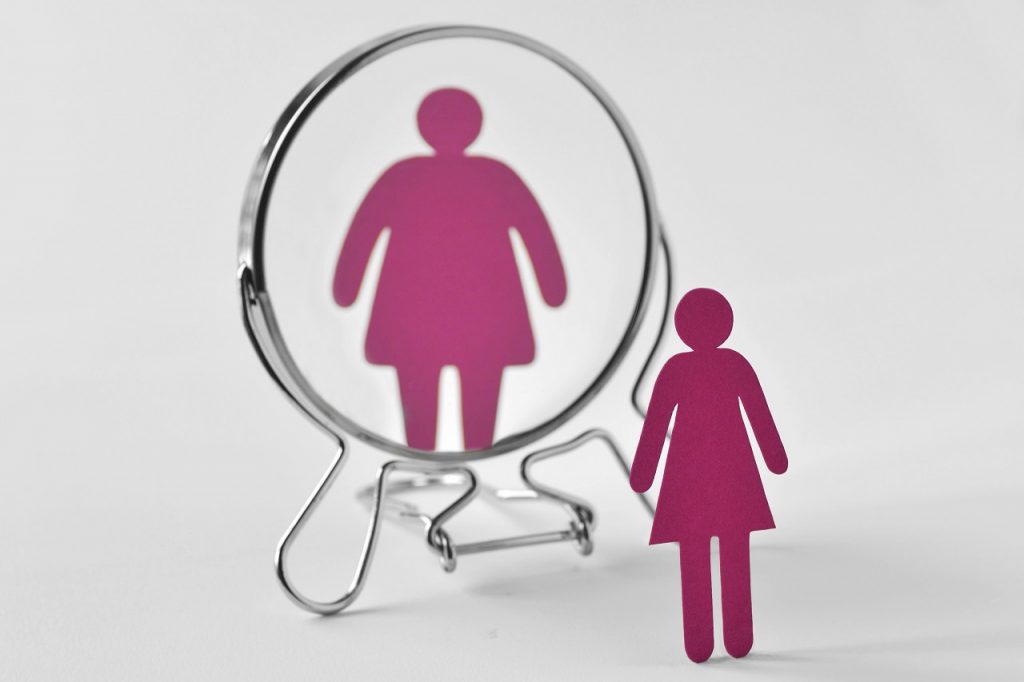
People suffering from Anorexia have a distorted perception of their weight. Despite being at a normal or even dangerously low body weight, they look in the mirror and genuinely perceive themselves as overweight. The thought of eating even a single extra bite fills them with intense anxiety about sudden weight gain.

To cope, they resort to extreme measures:

  • Severely restricting calories and limiting the types of foods they will eat.
  • Focusing obsessively on portion sizes.
  • Attempting to purge food after eating by vomiting, or misusing laxatives, diuretics, and enemas.
  • Exercising excessively, often immediately after consuming meals.

At its core, Anorexia is not about food or calorie counting; it is an unhealthy way to try to cope with emotional distress. The individual often tends to equate their physical thinness directly with their personal self-worth.

Warning Signs and Symptoms

The most evident physical symptom of Anorexia is starvation—and we must not confuse this with conscious, healthy eating. Because people with eating disorders often hide their behaviors, it can be difficult for loved ones to notice the signs early on.

Look out for these alarming physical and emotional red flags:

Physical Symptoms:

  • Noticeably low body weight or thin appearance
  • Chronic fatigue, dizziness, or fainting spells
  • Insomnia
  • Thinning hair that breaks or falls out easily
  • Bluish discoloration of the fingers
  • Irregular bowel movements and severe dehydration
  • Abnormal blood counts and irregular heart rhythms

Emotional and Behavioural Symptoms:

  • Frequently skipping meals or refusing to eat.
  • Making constant excuses to avoid food (e.g., claiming they already ate, aren’t hungry, or feel unwell).
  • Refusing to eat in public or around others.
  • Social withdrawal and avoiding friends and family.
  • Uncharacteristic irritability and mood swings.

How is it Diagnosed?

Because individuals with Anorexia often refuse to accept that they have a problem, diagnosing it early is challenging. Medical professionals generally refer to the criteria set by the American Psychiatric Association (APA) to diagnose the condition. These include:

  1. Restricted calorie intake: Consuming far less than what the body requires for its age, height, gender, and physical health.
  2. Intense fear: An overwhelming fear of gaining weight or becoming fat.
  3. Distorted body image: A severe misconception of being overweight, despite actually being underweight.

A thorough medical history and physical examination will help doctors reach a definitive diagnosis and assess any internal damage.

The Path to Treatment and Recovery

Treatment for Anorexia requires a comprehensive, multi-disciplinary approach. It typically involves psychotherapy, nutritional counseling, family counseling, and sometimes medication.

Because the disorder is heavily rooted in psychology, a proper counseling environment is vital for helping the individual recognize the issue and begin the healing process. Long-term, untreated Anorexia Nervosa can lead to catastrophic medical issues, including severe anemia, gastrointestinal failure, and dangerously low bone density (osteoporosis).

There is absolutely no harm in being mindful about what you put in your body. Choosing the healthiest options and practicing portion control are great habits! But the body is a machine, and it needs fuel to function. The correct way to lose weight is by eating wholesome, nutritious foods and exercising regularly—not by starving yourself.

Pro Tip: Healthy weight management should never come at the cost of your mental or physical health. If you are struggling to find a balanced approach to eating, use the GOQii App. You can subscribe to a GOQii Personalised Health Coach who will help you build a sustainable, nourishing, and healthy relationship with food without extreme dieting.

Frequently Asked Questions (FAQs)

  1. What is the difference between Anorexia Nervosa and a strict diet?

A strict diet is a conscious choice made to improve health or lose weight within safe boundaries. Anorexia Nervosa is a mental health disorder driven by an obsessive fear of weight gain, distorted body image, and extreme, dangerous methods of starvation that compromise the person’s life.

  1. Can someone have Anorexia even if they don’t look severely underweight?

Yes. While severe weight loss is a hallmark of the disease, eating disorders affect individuals of all sizes. “Atypical Anorexia” involves all the psychological symptoms and severe restrictive behaviors of Anorexia, even if the person’s weight is currently within or above the “normal” range.

  1. What should I do if I suspect a friend or family member has Anorexia?

Approach them with extreme empathy and without judgment. Avoid talking strictly about their weight or appearance; instead, express concern for their overall health and happiness. Encourage them to speak to a medical professional, therapist, or counselor.

  1. Why do people with Anorexia exercise so much?

Excessive or compulsive exercise is often used as a “compensatory behavior” to burn off the calories they have consumed. It is driven by the intense anxiety of gaining weight and a compulsion to exert control over their body.

  1. Is recovery from Anorexia possible?

Absolutely. With the right combination of psychological therapy, nutritional support, and medical care, individuals can and do recover fully, developing a healthy relationship with food and their bodies.

#BeTheForce 

Disclaimer: This article is intended for general awareness and educational purposes only. It is not intended to replace professional medical advice, diagnosis, or treatment. Eating disorders are serious medical conditions. If you or someone you know is struggling with an eating disorder, please seek help immediately from a qualified healthcare provider or mental health professional.
October 1, 2026 By Navnee Garg 2 Comments

9 Hidden Benefits of Coffee You May Not Know

hidden benefits of coffeeWhat makes your morning better? Is it the bright morning sun, ushering in a new day with its warm rays? Or the melodious chirping of birds? Is it the fresh aromas of flowers or morning dew? If you thought of a freshly brewed cup of coffee, a newspaper and sitting under a blue sky, then we have a lot in common!
Yes, I orchestrate my mornings with Coffee! If coffee is considered bad and me being a nutritionist, you might wonder why I am starting my day with it? Well, today I am writing to make you believe that, “A bad day with coffee is better than a good day without it!”

Surprisingly, coffee has some amazing hidden benefits which we don’t often address. Apart from the warmth, the energy boost, and freshness, there are a lot more benefits that coffee beans offer.

Let’s Brew the Hidden Benefits of Coffee 

  1. Keeps the Body Cells Healthy: Sipping coffee every morning is like flooding our body with antioxidants that help eliminate free radicals. Not every antioxidant has this power. Only Coffee antioxidants are blessed with the ability to fight and delay the death of cells, so keep sipping!
  2. Digestion of Carbs Gets Easier: Coffee and carbohydrates work really well together. A few chemicals in coffee beans help the body turn those wonderful bread nutrients into energy. Antioxidants such as chlorogenic acid, quinic acid found in coffee help the body process and utilize carbs effectively. Isn’t that wonderful! Now we know why coffee and sandwiches makes the best pair! It’s all scientific.
  3. Sip to Kick Stress & Depression Away: Caffeine impacts neurotransmitters in the brain, including the “feel good” hormones serotonin and dopamine. The mental boost we get after the first sip of coffee isn’t all due to caffeine.
  4. Aids Hair Growth: Growth-promoting effects of caffeine on human hair follicles encourage hair growth in both men and women. Caffeine helps to block the effects of DHT, the chemical hormone responsible for hair loss.
  5. Improves Performance on Tracks: Sipping coffee as a pre-workout allows muscles to better convert fat to fuel, making you more energized. Try this amazing bulletproof coffee recipe, made popular by our Founder and CEO Vishal Gondal! Trust me, it does wonders!
  6. Coffee-licious Daily Scrub: What else to ask for? Coffee does wonders as an exfoliant! Mix fresh or ground coffee beans with olive oil or coconut oil, and scrub to get clean, softer skin.
  7. Good for the Liver: A cup of coffee a day, keeps cirrhosis away. Yes! That is true! Researchers say that coffee protects the liver and reduces the chances for cirrhosis by 80%.
  8. Green Coffee is a Multitasker: Green coffee is unroasted coffee beans that grow on the coffee plant, called Coffea Arabica. It is rich in antioxidant, increases metabolic rate by 3% to 11%, encouraging weight loss. It is also a natural detox, controls unnecessary food cravings and stops us from overeating.
  9. White Coffee is NEW in Town: White Coffee comes from the same hard green coffee beans as regular coffee. Not to be confused with the creamy coffee we get in coffee shops, this one is different.  The main differences between the two are in the roasting process, roasting time, and the resulting flavor. White Coffee has up to 50% more caffeine, but is less acidic making it easy on the stomach and retaining more antioxidants.

Do these awesome hidden benefits of coffee make you feel like brewing a cup? Just remember that having anything in excess is bad for your health. Drinking too much coffee may do more harm than good. So, limit your coffee intake to only 2 cups a day and avoid sipping on coffee after 7 PM, or it may end up hampering your sleep.

We wish you all a Happy International Coffee Day! How do you enjoy your coffee? Tell us in the comments below.

To know more hidden benefits like this, speak to your GOQii Coach by subscribing for Personalised Health Coaching here.

#BeTheForce  

October 2, 2025 By Navnee Garg 2 Comments

10 Ways to Add Vegetables to Your Breakfast

vegetables to your breakfastYou’ve come across the saying “Eat breakfast like a king and dinner like a pauper”… being a nutritionist, I strongly believe in this. Yes, one should definitely eat a nutritionally lavish meal in the morning. Breakfast needs to be a combination of simple and complex carbs along with some high biological value sources of protein. But is it enough? Does it make a complete meal?
We often tend to forget to add fibres and other micronutrients in the first meal of the day, keeping it for later meals, and we miss on achieving the daily requirement.  Adding vegetables to your breakfast can help you improve your health in numerous ways and make it a complete meal. Let’s see how we can do that.

Ideas to Add Vegetables to Your Breakfast

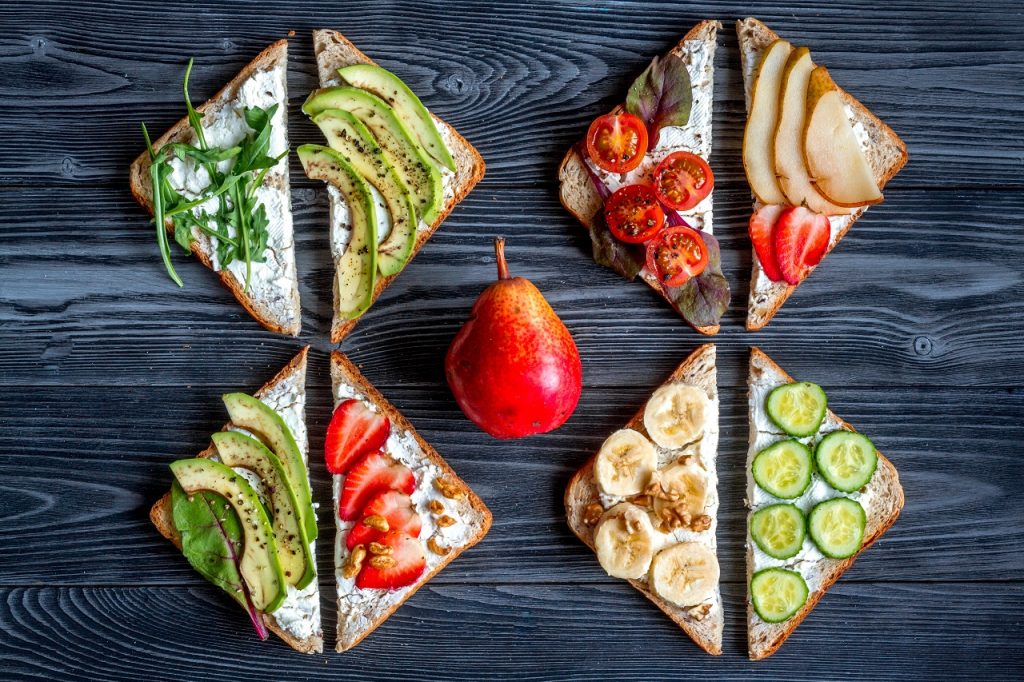
  1. Try adding sautéed spinach to an open-faced egg or paneer sandwich. Spinach is a rich source of Vitamin A, C and K.  
  2. Replace other root vegetables besides potatoes in your basic recipes. Try sweet potatoes, turnips, and even beetroot to get some extra vitamin boosts from these colourful root veggies.
  3. Cook a quinoa, veggie and egg scramble. A perfectly balanced breakfast for lazy mornings.
  4. Add spinach to your savoury oatmeal. Fibres in all together.
  5. Try shifting your salad to breakfast and add some grain along. Try Pizza crust waffle with a breakfast salad. A great way to indulge guilt-free.
  6. Avocado can be used as a spread on breads. To enhance the nutritional value, chopped veggies, salt and pepper can be added as a treat to your taste buds.
  7. Try skipping the toast along with omelette or scrambled eggs. Instead, replace it with Sauté greens. Whether you can add cream or simply cook them with garlic, is up to you.
  8. Add sautéed vegetables and mashed paneer/eggs to the pancakes/cheela you make at home. This would make it more filling and add an extra boost of protein as well.
  9. Busy enough to cook every morning? Drink it up then! Just blend up greens or vegetables into your morning smoothie and sip it on the way to the office.
  10. And the Easiest: Add vegetables in everything you cook, be it poha, vermicelli, and even upma!  

We hope this article helps you add more vegetables to your breakfast for a power-packed start to your day! Do try them all out and let us know in the comments below. 

Get more healthy recipes here or ask a GOQii Coach by subscribing for Personalised Health Coaching here.

#BeTheForce 

Disclaimer: The information provided in this blog is for general awareness and educational purposes only. It is not intended to replace professional medical advice, diagnosis, or treatment. Always consult a qualified healthcare provider for personalised medical guidance or concerns related to your health. Images shown are for representation purposes only and may not depict the exact recommendations or outcomes.

July 28, 2025 By Navnee Garg 1 Comment

Does Food Cooked In Different Utensils Impact Your Health?

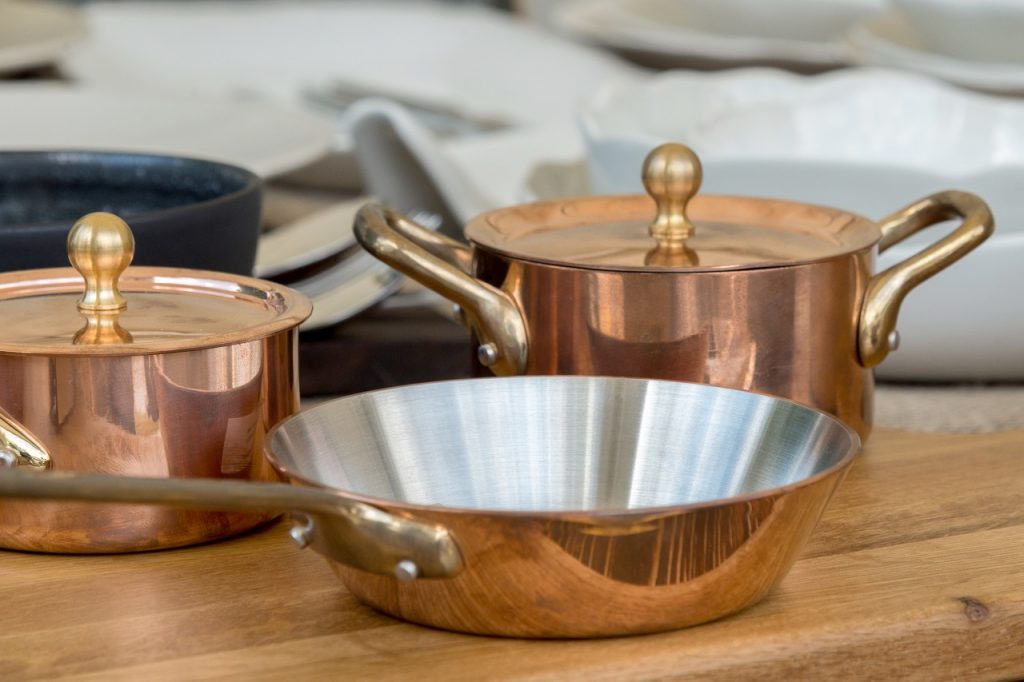
Different UtensilsIf cooking is an art, then the utensils are the canvas. With different cuisines in our country, even the variety of utensils are different – each has its own use. This makes it essential to know how the metals react to different foods. While we’re busy choosing fancy non-stick cookware or microwave friendly utensils, we need to understand that they aren’t safe as they can harm your health in the long run. Back in the day, clay pots, iron, brass and bronze utensils were used for cooking as they not only preserved the nutrients in food but also enhanced the taste.
How Do Different Utensils Impact Your Health? 

  • Stainless Steel: It is the most commonly used iron alloy made up of chromium, nickel, carbon and silicon and has aluminum or copper coating at the bottom for heating purposes. Stainless steel is considered the safest metal to use for cooking as it does not react with food or flake or leach harmful chemicals into the food leading to no adverse effects on the immune system.
  • Aluminum: Our baking utensils are mostly made up of aluminum as the metal is ideal for high temperatures. It also has a larger than life use in our Indian Kitchen, in the form of utensils or a foil wrap.  Food cooked in aluminum utensils tends to absorb aluminum because aluminum dissolves into food and water during the cooking process. Cooking alkaline foods in aluminum is completely safe for our immune system as the amount of aluminum soaked is very less. It is always better to avoid cooking acidic food like tomatoes or sauerkraut in aluminum as it can react quite badly with the metal and may release harmful compounds in your meal, making it dangerous to consume.
  • Cast Iron: A very popular metal for our kitchens. All our kadhai, tavas and skillets are made of Cast Iron. Cooking in iron is an excellent way to add some iron in our diet as it leaches iron into our food. Iron is not only a metal but also an essential mineral required by the body. Imagine cooking an iron rich food in an iron pan, this would help you add value to the daily required Iron for your body.  For example , premenopausal women require 18mg of iron per day and A serving of scrambled eggs cooked in a cast iron skillet increased from 1.49 mg to 4.76 mg of iron. And along with it, we can prepare tomato sauce in an iron pan that can provide 5mg off iron which is 60% of RDA (Recommended Dietary Allowance). In fact, cooking regularly in iron utensils can help you hit the struggle to achieve daily iron RDA.
  • Non-Stick: Mostly called as Teflon coating, this is an easy cookware to use and clean.  But unfortunately, as a Nutritionist, I do not recommend excessive use of these utensils as the chemicals used to manufacture the non-stick coating can harm human health by causing abnormal thyroid hormone levels, liver inflammation, cancer, elevated cholesterol and reduced immune system response. We can use non-stick for a few recipes like pancakes, cheela or dosa which is not a daily staple meal. But, I would not recommend making parathas or subji on a daily basis.
  • Glassware: Considered another Neutral cookware and a good heat conductor to consider for baking your dishes. Although a few unhealthy components such as lead and cadmium leach out in food while cooking but the amount is minimal to harm human health.
  • Ceramic: It is considered to be the safest when it comes to healthy cooking. An environment friendly cookware made using all-natural clay, water and gas. This can be a great replacement for dishes we cook in Teflon non-stick pans and pots as it does not affect the immune system adversely.
  • Copper: An excellent metal to promote health from your kitchen. Copper utensils with tin or nickel coatings can be used for cooking rice due to its antibacterial properties or storing drinking water due to its medicinal properties, the ability to improve the digestive system, slow down ageing and heal wounds faster. Copper can also detoxify the body and increase Hemoglobin. But you need to take care while cooking in copper as acidic foods react with copper and can hinder the taste. 

Every metal has its own pros and cons. The ideal way to cook is to choose the perfect cookware as per the recipe. Try some more ancient methods of cooking in iron, clay/earthen pots as they are not only safe but loaded with various health benefits like retaining/adding nutritive value to the food and helping the immune system. 

If this article helped you, let us know in the comments below! Don’t forget to share this article with your friends and family. You can find more articles on living healthy here or you can get this kind of information directly from a GOQii Coach by subscribing to Personalised Health Coaching here. 

#BeTheForce 

Disclaimer: The information provided in this blog is for general awareness and educational purposes only. It is not intended to replace professional medical advice, diagnosis, or treatment. Always consult a qualified healthcare provider for personalised medical guidance or concerns related to your health. Images shown are for representation purposes only and may not depict the exact recommendations or outcomes.

  • 1
  • 2
  • 3
  • …
  • 7
  • Next Page »

Search

Recent Posts

  • Meal Prepping for Work: Healthy Lunch Ideas That Keep You Energised
  • 5 Daily Stretches to Prevent & Relieve Lower Back Pain
  • How to Reverse Fatty Liver with Diet & Exercise
  • How Stress Triggers Unhealthy Eating Habits & How to Stop It
  • The Link Between Sleep & Weight Gain

Stay Updated

Archives

  • October 2026 (11)
  • September 2026 (5)
  • August 2026 (8)
  • July 2026 (25)
  • June 2026 (22)
  • May 2026 (20)
  • April 2026 (24)
  • March 2026 (18)
  • February 2026 (14)
  • January 2026 (14)
  • December 2025 (19)
  • November 2025 (15)
  • October 2025 (20)
  • September 2025 (6)
  • August 2025 (5)
  • July 2025 (9)
  • June 2025 (18)
  • May 2025 (16)
  • April 2025 (22)
  • March 2025 (25)
  • February 2025 (21)
  • January 2025 (25)
  • December 2024 (22)
  • November 2024 (22)
  • October 2024 (16)
  • September 2024 (22)
  • August 2024 (27)
  • July 2024 (15)
  • June 2024 (23)
  • May 2024 (26)
  • April 2024 (27)
  • March 2024 (27)
  • February 2024 (23)
  • January 2024 (21)
  • December 2023 (14)
  • November 2023 (10)
  • October 2023 (18)
  • September 2023 (20)
  • August 2023 (16)
  • July 2023 (16)
  • June 2023 (21)
  • May 2023 (20)
  • April 2023 (19)
  • March 2023 (23)
  • February 2023 (19)
  • January 2023 (15)
  • December 2022 (11)
  • November 2022 (15)
  • October 2022 (15)
  • September 2022 (12)
  • August 2022 (9)
  • July 2022 (17)
  • June 2022 (11)
  • May 2022 (10)
  • April 2022 (6)
  • March 2022 (6)
  • February 2022 (13)
  • January 2022 (11)
  • December 2021 (7)
  • November 2021 (3)
  • October 2021 (6)
  • September 2021 (3)
  • August 2021 (8)
  • July 2021 (7)
  • June 2021 (15)
  • May 2021 (16)
  • April 2021 (10)
  • March 2021 (7)
  • February 2021 (4)
  • January 2021 (4)
  • December 2020 (3)
  • November 2020 (4)
  • October 2020 (10)
  • September 2020 (3)
  • August 2020 (3)
  • July 2020 (2)
  • June 2020 (4)
  • May 2020 (10)
  • April 2020 (12)
  • March 2020 (10)
  • February 2020 (4)
  • January 2020 (4)
  • December 2019 (3)
  • November 2019 (7)
  • October 2019 (5)
  • September 2019 (4)
  • August 2019 (9)
  • July 2019 (9)
  • June 2019 (11)
  • May 2019 (4)
  • April 2019 (8)
  • March 2019 (8)
  • February 2019 (9)
  • January 2019 (8)
  • December 2018 (9)
  • November 2018 (3)
  • October 2018 (3)
  • September 2018 (5)
  • August 2018 (10)
  • July 2018 (6)
  • June 2018 (13)
  • May 2018 (8)
  • April 2018 (17)
  • March 2018 (9)
  • February 2018 (8)
  • January 2018 (15)
  • December 2017 (12)
  • November 2017 (19)
  • October 2017 (13)
  • September 2017 (15)
  • August 2017 (4)
  • July 2017 (8)
  • June 2017 (7)
  • May 2017 (6)
  • April 2017 (8)
  • March 2017 (6)
  • February 2017 (7)
  • January 2017 (9)
  • December 2016 (10)
  • November 2016 (7)
  • October 2016 (7)
  • September 2016 (7)
  • August 2016 (11)
  • July 2016 (9)
  • June 2016 (9)
  • May 2016 (12)
  • April 2016 (17)
  • March 2016 (17)
  • February 2016 (8)
  • January 2016 (6)
  • December 2015 (2)
  • November 2015 (9)
  • October 2015 (7)
  • September 2015 (9)
  • August 2015 (11)
  • July 2015 (9)
  • June 2015 (11)
  • May 2015 (9)
  • April 2015 (13)
  • March 2015 (8)
  • February 2015 (5)
  • January 2015 (12)
  • December 2014 (14)
  • November 2014 (11)
  • October 2014 (6)
  • September 2014 (13)
  • August 2014 (12)
  • July 2014 (6)
  • June 2014 (2)
  • May 2014 (7)
  • April 2014 (4)

From Burnout to Balance: How Dr. Ranjit Reclaimed His Health

Dr Ranjit Bhatt has spent years tending to others. A practising doctor in Odisha, his days were packed with patients, surgeries, and emergencies. From the outside, it looked like a life lived in service. But on the inside, something wasn’t right. “I had no … [Read More...]

From Shimla’s Slopes to Chandigarh’s Sidewalks: Surinder Kaur Bhalla’s Journey from Chaos to Control

Some journeys start with a plan. Others begin with a stumble literally. Surinder Bhalla, a government professional, born and raised in the scenic hill town of Shimla, had always lived a life of movement. “In Shimla, you walked everywhere,” she reflects. “Walking was never an exercise. It was just life.” But after shifting to Chandigarh, […]

“I’ve Challenged Myself to Live 100 Years” – The Story of Chandubhai Savani’s Second Chance at Life

At 67, most people start slowing down. Not Chandubhai Savani. A resident of Surat, Chandubhai, thought life was on track. “My life was going well till I had my bypass surgery,” he says. That surgery, back in 2021, was a wake-up call.  Medication was routine, but exercise wasn’t. His diet? What he calls ‘normal.’ “I […]

Ananda Mukherjee Health Story

From Terminal Illness To Complete Wellness! Ananda Mukherjee Health Story

As we observe World Cancer Day under the powerful theme ‘United by Unique’ (2025-2027)**, we are reminded that every individual’s journey with cancer is distinct, yet united by shared resilience, hope, and the collective fight against this disease. This theme places people at the centre of care and their stories at the heart of the […]

  • HOME
  • HEALTHY LIVING
  • FITNESS
  • HEALTHY RECIPES
  • USER STORIES
  • KARMA
  • BUY GOQii

Copyright ©2016 GOQii