GOQii

Blog

  • HOME
  • HEALTHY LIVING
  • FITNESS
  • HEALTHY RECIPES
  • USER STORIES
  • KARMA
  • BUY GOQii

Search Results for: fat

June 2, 2026 By GOQii Leave a Comment

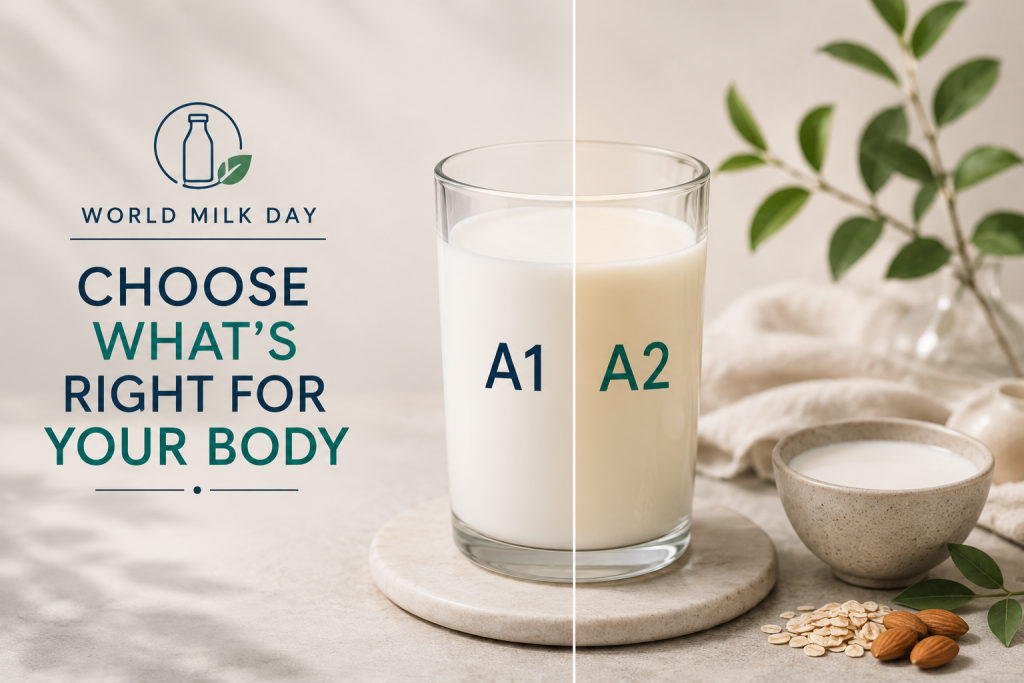
The Great Dairy Dilemma: Is Milk Driving Your Chronic Inflammation?

The Big Question: What is the difference between A1 and A2 milk, and why does conventional dairy cause bloating and inflammation?

World Milk Day is an opportunity to better understand how modern dairy affects individuals differently. While milk remains an important source of protein and calcium, many experience bloating, acne, or inflammation depending on their gut health, lactose tolerance, and the type of dairy consumed. Emerging clinical research around A1 and A2 beta-casein proteins reveals that conventional A1 milk may break down into a peptide (BCM-7) that slows gastric transit and triggers digestive discomfort, while A2 milk or fermented dairy is often digested much more comfortably.

Observed globally on June 1st, World Milk Day was established by the Food and Agriculture Organization (FAO) of the United Nations to recognise the importance of milk as a global food.

In India, dairy is deeply woven into everyday life. From the morning cup of chai to curd with lunch and ghee in traditional cooking, milk has long been associated with strength, nutrition, and bone health.

But a growing number of people today are beginning to notice something unusual: the milk they consume regularly often leaves them feeling bloated, sluggish, fatigued, or uncomfortable after meals. At the same time, conversations around lactose intolerance, gut health, A1 vs A2 milk, and dairy-related inflammation have become increasingly common.

The reality is more nuanced than “milk is healthy” or “milk is harmful.” Dairy is not universally problematic. Many individuals tolerate milk and fermented dairy products well and benefit from their protein, calcium, and probiotic content. However, others may experience digestive discomfort or inflammation depending on individual tolerance, gut health, and the specific type of dairy consumed. World Milk Day is not just an opportunity to celebrate dairy consumption it is an opportunity to better understand how modern dairy affects the body.

Understanding the Difference Between A1 and A2 Milk

Milk contains two major types of protein: casein (around 80%) and whey (around 20%). Within the casein portion is a subtype called beta-casein.

Historically, cows primarily produced the A2 beta-casein protein. However, over time, genetic variations in certain Western dairy breeds led to the emergence of A1 beta-casein. Today, many indigenous Indian breeds (like Gir and Sahiwal) naturally produce predominantly A2 milk, while several commercial Western breeds (like Holstein) commonly produce A1 protein.

This difference matters immensely because the human body digests these two proteins differently.

Why Some People Struggle With Conventional Dairy

During digestion, A1 beta-casein may break down into a peptide called BCM-7 (beta-casomorphin-7). Some researchers believe BCM-7 may contribute to digestive discomfort, slower gut transit, bloating, and systemic inflammation in sensitive individuals.

However, responses vary significantly from person to person. For some people, the issue may be pure lactose intolerance (an inability to break down milk sugars), while for others, protein sensitivity or an existing gut microbiome imbalance plays a larger role. This is why two individuals can react very differently to the exact same dairy product.

A1 vs. A2 Milk: What’s the Difference?

Feature A1 Milk (Conventional) A2 Milk (Indigenous/Desi)
Common Source Western dairy breeds (Holstein, Friesian) Indigenous/desi breeds (Gir, Sahiwal)
Digestion Response May cause discomfort in sensitive individuals Often considered easier to digest
BCM-7 Formation Yes Minimal to None
Gut Comfort Variable; often triggers bloating Better tolerated by most individuals

3 Signs Dairy May Not Be Working for You

Not everyone reacts negatively to dairy. But if you regularly experience the following symptoms after consuming milk or certain dairy products, it may be worth paying closer attention.

  1. Persistent Bloating or Digestive Discomfort

Feeling unusually heavy, bloated, or uncomfortable after consuming milk, whey-heavy products, or paneer may indicate difficulty digesting lactose or certain milk proteins. In some individuals, chronic digestive irritation may also contribute to gut barrier dysfunction and microbiome imbalance. Supporting good gut health becomes important for improving overall digestive resilience.

  1. Skin Flare-Ups and Acne

Some clinical studies suggest dairy consumption may be associated with acne flare-ups in sensitive individuals, potentially due to hormonal signalling pathways like IGF-1 (Insulin-like Growth Factor). However, responses vary significantly between individuals, and dairy is rarely the only contributing factor to skin issues.

  1. Fatigue or Brain Fog

Some individuals report feeling lethargic, mentally foggy, or physically sluggish after consuming conventional dairy products. This may be linked to the digestive stress, immune response, or individual food sensitivities triggered by the proteins.

Fermented Dairy May Be Easier to Tolerate

Interestingly, many people who struggle with fluid milk may tolerate curd, yogurt, kefir, or traditional fermented dairy products much more comfortably.

Fermentation introduces beneficial bacteria that partially pre-digest the lactose and support microbiome balance, making digestion significantly easier. This is one reason traditional Indian eating patterns often paired dairy with fermentation and digestive spices like jeera (cumin) or hing (asafoetida).

Not All Dairy Products Affect Health Equally

One important distinction often missed in modern nutrition discussions is the difference between minimally processed dairy and ultra-processed dairy products. Highly processed flavoured yogurts, sweetened milk beverages, and processed cheese often contain added sugars, emulsifiers, stabilisers, and artificial additives. These additives contribute far more to metabolic dysfunction than plain dairy itself.

The Action Step: Finding What Works for Your Body

Instead of blindly eliminating all dairy, focus on understanding your individual tolerance. You can experiment with:

  • Switching to A2 milk from local sources.
  • Relying strictly on fermented dairy (like curd).
  • Eliminating highly processed, sugar-laden dairy products.
  • Temporarily eliminating all dairy for 14 days to observe symptom changes.

Unsweetened plant-based alternatives like almond milk, soy milk, or oat milk may also work well for some individuals when chosen carefully without excessive added sugars. Supporting your digestive health and metabolic flexibility is often more important than following extreme food rules.

Pro Tip: Unsure whether dairy is affecting your digestion, skin, or energy levels? Try a simple 14-day food tracking experiment using the GOQii App. Monitor your meals, symptoms, sleep, and recovery patterns while working with your GOQii Personalised Health Coach to identify what works best for your body!

Frequently Asked Questions (FAQs)

  1. Does boiling milk change A1 or A2 protein?

No. Boiling or pasteurising milk kills harmful bacteria, but it does not change the underlying genetic beta-casein protein structure. A1 milk remains A1 milk even after heavy boiling.

  1. Is A2 milk healthier for everyone?

Not necessarily. While some individuals find A2 milk easier to digest because it lacks the BCM-7 peptide, tolerance varies from person to person. If you have true lactose intolerance, A2 milk will still cause issues.

  1. Can lactose intolerance and dairy sensitivity be different?

Yes. Lactose intolerance relates to a lack of the enzyme needed to digest milk sugar (lactose). Dairy sensitivity typically involves an immune or inflammatory reaction to milk proteins (like casein or whey).

  1. Is ghee easier to tolerate than milk?

Often, yes. Ghee (clarified butter) contains minimal to no lactose and casein compared to whole milk, making it incredibly easy to tolerate for many individuals with mild dairy sensitivities.

#BeTheForce

Disclaimer: This article is intended for educational purposes only. If you suspect a severe dairy allergy, persistent digestive condition, or chronic gastrointestinal symptoms, consult a qualified healthcare professional or clinical nutritionist.
May 29, 2026 By Tabassum Parveen Leave a Comment

Healthy & Refreshing Summer Coolers!

summer coolersGetting out of the house has been a task because of the heat. Venturing out means sweating profusely or being dehydrated due to lack of drinking water at continuous intervals. Want to take some extra precautions to keep your body cool and healthy? Try these healthy and refreshing summer coolers to keep you cool and ward off the heat!
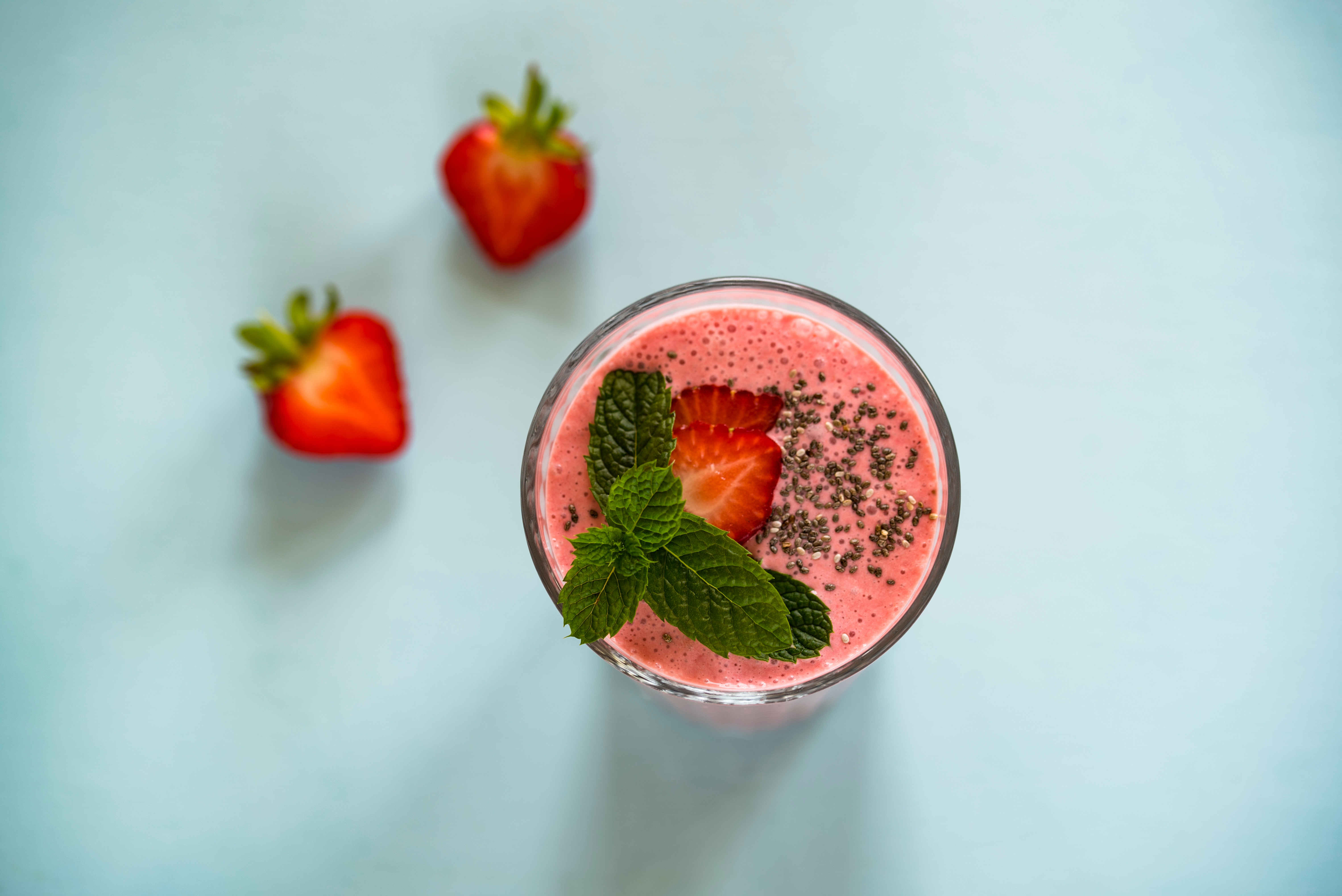
1. Strawberry Pineapple Lemonade

Ingredients:

  • Strawberry – 2 cup fresh small size
  • Pineapple – 3 cup slices
  • Lemon – 1 or ½ cup
  • Ice – Optional
  • Honey – ½ cup
  • Water – 3 ½ cup

Method:

  • Place the strawberries, pineapple and water in a blender and prepare a puree
  • Strain the puree to remove seeds
  • Add lemon juice and honey
  • Add ice cubes and enjoy the drink

Benefits: This healthy, refreshing summer cooler is loaded with antioxidant properties. It supports the immune system, fights diseases and enhances your skin complexion. Its anti-inflammatory properties will help you deal with arthritis, gout, reduced blood pressure and stroke. Adding lemon will enhance its nutritive value by giving a dose of important vitamins to run body functions normally.

2. Mango, Raspberry & Basil Seed Popsicle

Ingredients:

  • Mango    – 3 cup
  • Chia Seed – 2 cup
  • Raspberry – 2 cup
  • Cinnamon Powder – 1 teaspoon
  • Brown Sugar – 1 tablespoon

Method:

  • In a blender, mix the mangoes until it is smooth
  • Pour it in a bowl and add Chia seeds
  • Mix well and let it rest in a refrigerator for 30 minutes
  • In a blender mix raspberries, brown sugar and cinnamon powder until smooth
  • Let it rest for 5 minutes
  • In a popsicle mold, pour 1 tablespoon of mango and chia seed mix. Then 1 tablespoon of raspberry mix.
  • Place in the freezer for at least 2 hrs

Benefits: This Popsicle is one of the best nutrient-rich summer coolers! Mango and Raspberry are packed with nutrients that support the heart, digestion, eye, hair and skin health. Adding Basil Seeds will reduce body heat and boost metabolism. It can relieve constipation and improve the respiratory system.

3. Ginger Cucumber Summer Cooler

Ingredients:

  • Ginger    – ½ Ginger
  • Cucumber – ½ Cucumber
  • Lemon – Few drops
  • Honey – 1 tsp
  • Water – 1 cup

Method:

  • Peel and grate the cucumber and Ginger
  • Blend it well by adding water
  • Strain it and add Honey and lemon
  • Decorate the glass with a slice of Cucumber and enjoy the drink

Benefits: Ginger improves digestive health and blood circulation. Along with Lemon, Ginger acts as an antibiotic. The combination of Cucumber, Ginger and Lemon act as a summer thirst quencher and also helps you lose weight by reducing water retention. It also boosts metabolism and keeps you hydrated!

4. Lemon Barley Water

Ingredients:

  • Barley – 3 cup
  • Lemon    Zest – 2 Lemons
  • Honey – ½ cup
  • Water – 3 cup

Method:

  • Place the barley in a bowl and wash it properly
  • Place it in a pan and add lemon zest and water
  • Bring the mixture to boil and let it simmer for 5-10 minutes
  • Strain the mixture then add honey and stir it well
  • Let the water cool down, transfer it into bottles and refrigerate until it is chilled
  • Serve it and enjoy the drink.

Benefits: It is one of the oldest drinks used by ancient Egyptians to cool their bodies during summer. This summer cooler helps maintain body temperature. It also acts as a natural remedy to reduce kidney stones and clear off Urinary Tract Infection. Due to its fiber content, it aids weight loss, improves metabolism and keeps the digestive system healthy.

5. Gur Sherbet (Jaggery and Chia Seed Drink)

Ingredients:

  • Gur (Jaggery ) – Few pieces
  • Water – 1 liter or 1 cup
  • Lemon – 1 or 2 slices
  • Salt – Optional ( ½ Tea spoon )
  • Ice – Optional
  • Chia seeds – 1 or 2 tsp

Method:

  • Soak chia seeds and jaggery in water for about half an hour or overnight
  • Add few lemon pieces  and serve chilled
  • Carry this drink to the office or if you are going out to stay hydrated

Benefits: One of the traditional summer coolers to replenish oneself. Jaggery is well known for its iron content. It also boosts immunity and reduces constipation. Adding chia seeds to it enhances this drink’s nutritive content by becoming a good source of fats that protect the heart and improve brain functioning.

Do try these healthy and refreshing summer coolers and let us know about your experience. Do you have recipes of your own? Share them with us in the comments below!

If you enjoyed these recipes, you can find more here. You can also get them directly from a GOQii Coach by subscribing for Personalised Health Coaching here.

#BeTheForce

May 28, 2026 By GOQii Leave a Comment

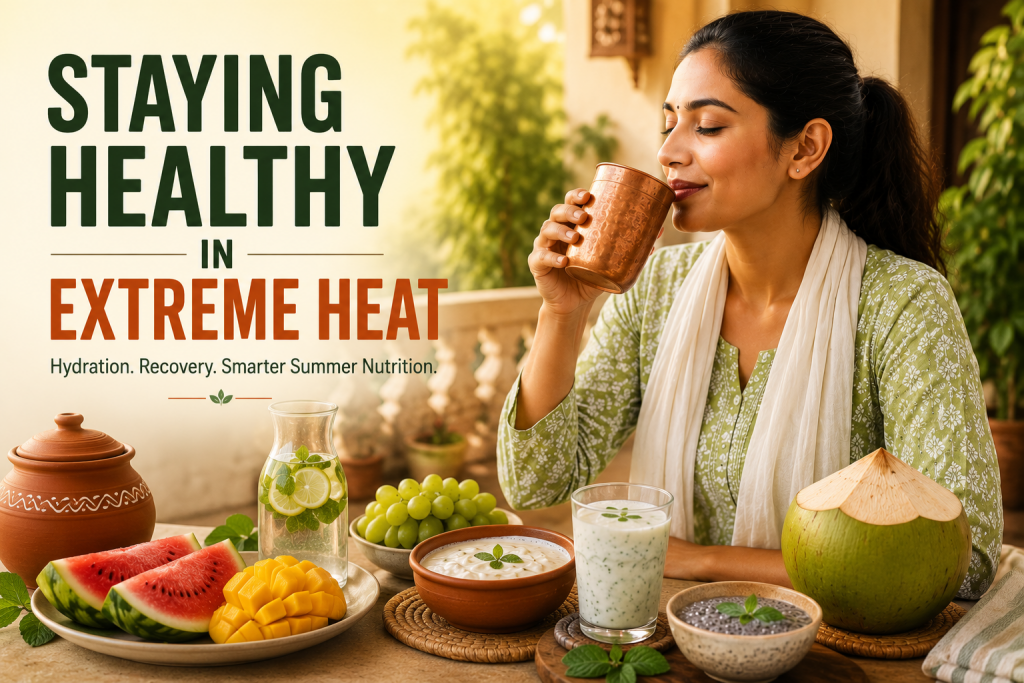
The Science of Staying Healthy During Extreme Summer Heat

The Big Question: How does extreme summer heat affect the body, and how can I stay healthy?
Extreme summer heat does more than simply make you sweat; it places intense systemic stress on your circulation, digestion, and cellular recovery. During heatwaves, the body rapidly loses water, sodium, potassium, and trace electrolytes, which can impair cognitive function and physical performance. Clinical data shows that supporting the body with electrolyte-rich fluids, gut-friendly probiotics, water-dense seasonal fruits, and light movement helps maintain hydration efficiency and drastically reduces the risk of heat-induced fatigue, bloating, and dehydration.

Indian summers are becoming increasingly intense, and the physiological effects go far beyond mere discomfort.

Extreme heat places significant stress on the body’s cooling systems. As temperatures rise, the body works overtime to regulate its internal temperature through sweating, increased circulation, and fluid redistribution. This creates a ripple effect that impacts your hydration, digestion, sleep quality, appetite, energy levels, and mental focus.

During severe heatwaves, many individuals notice they feel unusually tired, bloated, irritable, and lightheaded. Yet, the most common responses skipping meals, consuming excessive ice-cold drinks, or relying heavily on sugary packaged juices actually worsen the problem.

Staying healthy during extreme summer heat requires more than just drinking plain water. The body needs proper electrolyte balance, gut-friendly nutrition, and smarter hydration strategies to cope with thermal stress effectively. Here is how you can support your body naturally during peak summer months.

Why Summer Heat Exhausts the Body Faster Than You Realise

During hot weather, the body prioritizes cooling itself down. Blood circulation shifts closer to the skin surface to release heat, while sweating increases fluid and electrolyte loss throughout the day.

This creates several physiological challenges simultaneously:

  • Rapid sodium and potassium depletion
  • Sluggish digestion and reduced appetite
  • Severe tension headaches and brain fog
  • Poor sleep architecture and reduced recovery capacity

In fact, losing just 2% of your total body water volume can measurably impair concentration, physical performance, circulation, and cognitive function. This is why summer fatigue often feels much deeper than simple thirst.

The goal is not just “drinking more water.” It is helping the body maintain hydration efficiency and internal balance.

  1. Hydrate Smarter – Not Just More

One of the biggest hydration mistakes during summer is consuming massive amounts of plain water without replenishing electrolytes. Excessive sweating causes the body to lose sodium, potassium, magnesium, and trace minerals. Without replacing these minerals, cellular hydration drops, leading to dizziness and muscle cramps.

  • Coconut Water (Natural Electrolyte Support): Coconut water naturally contains high levels of potassium and electrolytes that help support hydration balance. It is especially useful after prolonged outdoor exposure or physical activity.
  • Sabja/Sweet Basil Seeds (Cooling and Hydrating): Often confused with chia seeds, Sabja seeds absorb massive amounts of water and improve hydration retention while creating a natural cooling effect in the body.
  • The Action Step: Soak Sabja seeds in water for 15 minutes before adding them to buttermilk, curd, lemon water, or smoothies.
  1. Support Your Gut During Heatwaves

Summer heat can significantly affect your gastrointestinal tract. As blood circulation shifts toward the skin to release heat, digestive efficiency temporarily slows down. This is why many people experience bloating, acidity, and constipation during the summer.

  • Add Probiotic-Rich Foods: Curd and buttermilk help support beneficial gut bacteria and improve digestive comfort. Adding roasted jeera (cumin), mint, or a pinch of hing (asafoetida) to buttermilk further reduces bloating naturally. Healthy digestion is deeply connected to overall good gut health, immunity, and energy levels.
  • The Action Step (Jeera Water): Cumin contains compounds that stimulate digestive enzyme activity. Boil 1 teaspoon of jeera in water, strain it, and consume it warm after meals to support gastric comfort.
  1. Eat Water-Rich Seasonal Foods

Summer fruits help replenish both hydration and antioxidants naturally. Water-rich fruits support skin health, cellular recovery, and sustained energy levels.

✅ Best Seasonal Choices to Eat

❌ Drinks to Avoid
Watermelon & Muskmelon Packaged fruit juices
Litchi & Grapes Sugary sodas and colas
Jamun Heavy dairy-based milkshakes
Mangoes (Soaked in water first) Caffeinated energy drinks

Mango Tip: Soaking mangoes in water for 20-30 minutes before consumption reduces their surface heat (phytic acid) and drastically improves digestive comfort.

  1. Avoid Heavy, Greasy Meals

Digesting large, oily, or heavily spiced meals generates additional metabolic heat inside the body (the thermic effect of food). This often increases sluggishness, acidity, and fatigue.

  • The Action Step: Focus on lighter meals, seasonal water-rich vegetables (like bottle gourd), curd-based dishes, and balanced fiber portions. Jowar and barley-based (sattu) preparations also exert a cooling effect on the body.
  1. Keep Moving – Even During Summer

Many people become completely sedentary during extreme heat, but prolonged inactivity worsens circulation, joint stiffness, and metabolic sluggishness. Regular movement helps improve heat regulation, insulin sensitivity, and energy production. It also supports metabolic flexibility, helping the body adapt more efficiently to environmental stress.

  • The Action Step: Aim for early morning walks, light stretching, yoga, swimming, or moderate indoor workouts. Strictly avoid exercising outdoors during peak afternoon heat hours (12 PM to 4 PM).
  1. Prioritise Sleep and Recovery

Summer heat often disrupts sleep quality, especially when the body struggles to regulate its core temperature overnight. Poor sleep worsens fatigue, dehydration, and hormonal balance, impairing the body’s natural recovery systems.

  • The Action Step: Improve sleep quality by keeping the bedroom cool, reducing screen exposure at night, and avoiding excessively heavy dinners. Managing heat stress naturally helps support overall stress regulation and nervous system recovery.

The Bigger Picture: Summer Health Is About Recovery

Protecting your health during heatwaves is not about restrictive dieting or avoiding food entirely. It is about supporting the body’s natural cooling and recovery systems intelligently. Small daily habits—like smarter hydration, electrolyte balance, gut-friendly foods, and light movement can make a massive difference in how your body handles thermal stress.

Pro Tip: Use the GOQii App to track your hydration, meals, activity levels, sleep quality, and recovery patterns during the summer. Your GOQii Personalised Health Coach can help you create a customised summer nutrition and hydration strategy suited specifically to your lifestyle and body type!

Frequently Asked Questions (FAQs)

  1. Why does appetite decrease during summer?

During extreme heat, the body reduces appetite temporarily to minimise additional heat generation during digestion (known as the thermic effect of food). This is a natural protective mechanism.

  1. Are Sabja seeds and chia seeds the same?

No. Sabja (sweet basil) seeds absorb water much faster and are traditionally known in Ayurveda for their extreme cooling properties, while chia seeds have a different nutritional profile and do not naturally cool the body.

  1. Why are electrolytes important during summer?

Sweating causes the loss of sodium, potassium, and other trace minerals essential for cellular hydration, muscle function, and energy levels. Drinking only plain water cannot replace these lost minerals.

  1. Why do I feel more tired during hot weather?

Heat stress increases dehydration, elevates circulation demands (as the heart pumps harder to cool the skin), depletes electrolytes, and disrupts sleep. All of these factors combined contribute to profound summer fatigue.

#BeTheForce

Disclaimer: This article is intended for educational purposes only. If you experience severe dehydration, heat exhaustion, dizziness, or persistent gastrointestinal symptoms, consult a healthcare professional immediately.

May 27, 2026 By GOQii Leave a Comment

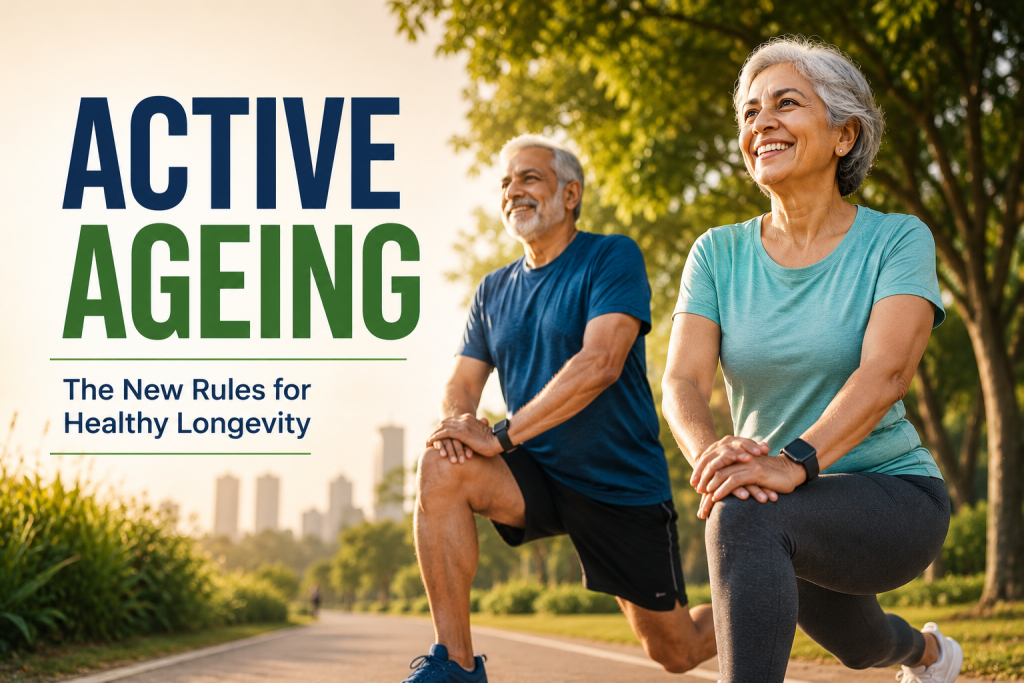
Why Movement Is the Closest Thing We Have to Anti-Ageing Medicine

Quick Answer

National Senior Health & Fitness Day highlights the importance of active ageing and preventive health for older adults. Research shows that regular movement, strength training, balance exercises, and cardiovascular activity can help seniors maintain muscle mass, improve mobility, reduce fall risk, support cognitive function, and increase overall healthspan. Healthy ageing today is no longer just about living longer it is about staying physically independent, mentally sharp, and socially active for as many years as possible.

When most people think about ageing, they think about wrinkles, grey hair, or slower metabolism.

But the real challenge of ageing is often much deeper:
losing strength, mobility, balance, energy, and eventually, independence.

For many older adults, simple everyday activities like climbing stairs, carrying groceries, getting out of a chair, or walking confidently without support gradually become more difficult over time.

Observed on May 27, 2026, National Senior Health & Fitness Day is a reminder that ageing does not automatically mean physical decline. In fact, one of the biggest misconceptions about ageing is that older adults should “slow down” and avoid physical activity.

The opposite is often true.

Modern longevity science increasingly shows that movement is one of the most powerful tools we have to protect mobility, cognition, metabolic health, and long-term independence.

The Real Goal Is Not Lifespan. It Is Healthspan.

Living longer means very little if those additional years are spent struggling with chronic illness, frailty, fatigue, or caregiver dependence.

This is where the idea of healthspan becomes important.

Healthspan refers to the number of years a person remains physically active, mentally sharp, and free from major disability or chronic disease.

The GOQii India Fit Report 2026 revealed a concerning reality: while average life expectancy in India has increased to 70.4 years, Healthy Life Expectancy (HALE) remains only 59 years.

This means many individuals spend over a decade managing preventable chronic conditions that reduce quality of life and independence.

One of the most effective ways to close this gap is through consistent physical activity.

This is also why understanding the difference between lifespan and biological ageing has become increasingly important in preventive healthcare.

Why Movement Becomes More Important With Age

As we grow older, the body naturally experiences:

  • Muscle loss
  • Reduced bone density
  • Slower metabolism
  • Joint stiffness
  • Reduced balance
  • Lower cardiovascular fitness
  • Declining mobility

However, ageing itself is not always the primary problem.

In many cases, prolonged inactivity accelerates physical decline far more aggressively than ageing alone.

Sedentary lifestyles increase the risk of:

  • Sarcopenia (age-related muscle loss)
  • Falls and fractures
  • Insulin resistance
  • Cardiovascular disease
  • Cognitive decline
  • Loss of independence

The body adapts to the demands placed upon it. When movement decreases, strength, stability, and resilience gradually decline alongside it.

Reduced movement and poor lifestyle habits can also impair metabolic flexibility and insulin sensitivity over time.

Sedentary lifestyles also increase visceral fat accumulation, which is strongly linked to chronic inflammation and metabolic disease.

The 4 Pillars of Healthy Ageing Through Fitness

For older adults, fitness is not about aesthetics or extreme performance.

It is about preserving strength, confidence, mobility, cognition, and independence for as long as possible.

  1. Strength Training: Protecting Muscle and Independence

Starting around age 30, adults gradually begin losing muscle mass—a condition known as sarcopenia. This process accelerates significantly after the age of 60.

Loss of muscle is not just about appearance.
It directly affects:

  • balance,
  • mobility,
  • metabolism,
  • joint protection,
  • and the ability to perform daily activities independently.

The Action Step:

Strength training 2–3 times per week using:

  • resistance bands,
  • light dumbbells,
  • bodyweight exercises,
  • or supervised resistance training

can help maintain muscle mass and improve stability.

Protein intake also becomes increasingly important with age, as muscles require adequate amino acids to repair and maintain strength effectively.

  1. Balance & Stability: Preventing Falls Before They Happen

Falls remain one of the leading causes of injury and hospitalisation among older adults.

As we age, the coordination between:

  • muscles,
  • vision,
  • joints,
  • and the inner ear balance system

becomes less efficient.

This increases the risk of instability and falls.

The Action Step:

Simple balance exercises practiced consistently can dramatically improve stability and confidence.

Examples include:

  • standing on one leg,
  • heel-to-toe walking,
  • Tai Chi,
  • gentle yoga,
  • and chair-supported balance drills.

Preventing falls is not just about avoiding injury.
It is about protecting independence.

  1. Cardiovascular Fitness: Protecting the Heart and Brain

Aerobic movement strengthens the cardiovascular system, improves circulation, supports lung capacity, and enhances metabolic health.

Research also shows that regular physical activity may help support:

  • memory,
  • cognitive resilience,
  • brain blood flow,
  • and reduced dementia risk.

Movement is increasingly being recognised as a major protective factor against age-related cognitive decline.

The Action Step:

Aim for at least 150 minutes of moderate physical activity weekly through:

  • brisk walking,
  • swimming,
  • cycling,
  • dancing,
  • or low-impact aerobics.

Consistency matters more than intensity.

  1. Flexibility & Mobility: Maintaining Freedom of Movement

Joint stiffness and reduced mobility can make routine activities increasingly difficult over time.

Maintaining flexibility supports:

  • posture,
  • movement quality,
  • joint comfort,
  • and injury prevention.

The Action Step:

Spend 5–10 minutes daily on:

  • stretching,
  • mobility drills,
  • restorative yoga,
  • or guided flexibility exercises.

Focus especially on:

  • hips,
  • calves,
  • hamstrings,
  • shoulders,
  • and chest mobility.

Why Fitness Also Protects the Brain

One of the most overlooked benefits of physical activity in older adults is its effect on brain health.

Exercise improves:

  • blood circulation to the brain,
  • neuroplasticity,
  • sleep quality,
  • stress regulation,
  • and mitochondrial health.

This is why physically active older adults often experience:

  • better cognitive performance,
  • improved mood,
  • sharper memory,
  • and lower rates of depression and anxiety.

Physical activity also helps regulate stress hormones and supports emotional wellbeing in older adults.

Movement does not just help the body age better.
It helps the brain remain resilient too.

It Is Never Too Late to Start

One of the most dangerous myths about ageing is:
“If I haven’t exercised my whole life, there’s no point starting now.”

But research consistently shows that the human body remains remarkably adaptable even into the 70s, 80s, and beyond.

Muscles still respond to resistance training.
Balance can improve.
Cardiovascular fitness can improve.
Mobility can improve.

The goal is not perfection.
It is progress and consistency.

Even small increases in movement can significantly improve long-term quality of life.

The Bigger Picture: Fitness Is Independence Insurance

For younger adults, exercise is often linked to appearance or performance.

For older adults, fitness becomes something much more valuable:
the ability to continue living independently, confidently, and actively.

Movement supports:

  • physical resilience,
  • mental wellbeing,
  • metabolic health,
  • energy production,
  • bone strength,
  • and cognitive function.

Healthy ageing is deeply connected to mobility, recovery, sleep quality, metabolic health, and even gut health.

Healthy ageing is not about avoiding birthdays.
It is about preserving the ability to fully participate in life as the years pass.

Frequently Asked Questions (FAQs)

  1. Is exercise safe for seniors with arthritis?

Yes. Low-impact exercise can help reduce stiffness, improve joint mobility, and strengthen the muscles supporting the joints. However, individuals with severe arthritis should consult a healthcare provider before beginning a new routine.

  1. What is the best exercise for older adults?

A balanced routine combining strength training, walking, mobility exercises, and balance work is generally considered most effective for healthy ageing.

  1. Can seniors still build muscle after 60?

Absolutely. Muscle tissue remains responsive to resistance training well into older age, especially when combined with adequate protein intake and recovery.

  1. Why is balance training important for seniors?

Balance exercises help reduce fall risk, improve coordination, and maintain confidence during everyday movement and physical activity.

#BeTheForce

Disclaimer: This article is intended for educational purposes only. Older adults with cardiovascular disease, osteoporosis, severe arthritis, or other medical conditions should consult their healthcare provider before beginning a new exercise program.

  • « Previous Page
  • 1
  • …
  • 28
  • 29
  • 30
  • 31
  • 32
  • …
  • 220
  • Next Page »

Search

Recent Posts

  • PCOS: diet, exercise and the myths to stop believing
  • Cholesterol numbers explained: LDL, HDL and triglycerides
  • International Men’s Day 2026: why men’s health is everyone’s business
  • World COPD Day 2026: Short of Breath? Think COPD – Why Early Diagnosis Matters
  • National Epilepsy Day 2026: Seizure First Aid – What to Do (and Not Do) When Someone Has a Seizure

Stay Updated

Archives

  • November 2026 (20)
  • October 2026 (23)
  • September 2026 (5)
  • August 2026 (8)
  • July 2026 (24)
  • June 2026 (22)
  • May 2026 (20)
  • April 2026 (24)
  • March 2026 (18)
  • February 2026 (14)
  • January 2026 (14)
  • December 2025 (19)
  • November 2025 (14)
  • October 2025 (17)
  • September 2025 (6)
  • August 2025 (5)
  • July 2025 (9)
  • June 2025 (18)
  • May 2025 (16)
  • April 2025 (22)
  • March 2025 (25)
  • February 2025 (21)
  • January 2025 (25)
  • December 2024 (21)
  • November 2024 (21)
  • October 2024 (15)
  • September 2024 (22)
  • August 2024 (27)
  • July 2024 (14)
  • June 2024 (23)
  • May 2024 (26)
  • April 2024 (27)
  • March 2024 (27)
  • February 2024 (23)
  • January 2024 (21)
  • December 2023 (14)
  • November 2023 (10)
  • October 2023 (18)
  • September 2023 (20)
  • August 2023 (16)
  • July 2023 (16)
  • June 2023 (21)
  • May 2023 (20)
  • April 2023 (19)
  • March 2023 (23)
  • February 2023 (19)
  • January 2023 (15)
  • December 2022 (11)
  • November 2022 (15)
  • October 2022 (15)
  • September 2022 (12)
  • August 2022 (9)
  • July 2022 (17)
  • June 2022 (11)
  • May 2022 (10)
  • April 2022 (6)
  • March 2022 (6)
  • February 2022 (13)
  • January 2022 (11)
  • December 2021 (7)
  • November 2021 (3)
  • October 2021 (6)
  • September 2021 (3)
  • August 2021 (8)
  • July 2021 (7)
  • June 2021 (15)
  • May 2021 (16)
  • April 2021 (10)
  • March 2021 (7)
  • February 2021 (4)
  • January 2021 (4)
  • December 2020 (3)
  • November 2020 (4)
  • October 2020 (10)
  • September 2020 (3)
  • August 2020 (3)
  • July 2020 (2)
  • June 2020 (4)
  • May 2020 (10)
  • April 2020 (12)
  • March 2020 (10)
  • February 2020 (4)
  • January 2020 (4)
  • December 2019 (3)
  • November 2019 (7)
  • October 2019 (5)
  • September 2019 (4)
  • August 2019 (9)
  • July 2019 (9)
  • June 2019 (11)
  • May 2019 (4)
  • April 2019 (8)
  • March 2019 (8)
  • February 2019 (9)
  • January 2019 (8)
  • December 2018 (9)
  • November 2018 (3)
  • October 2018 (3)
  • September 2018 (5)
  • August 2018 (10)
  • July 2018 (6)
  • June 2018 (13)
  • May 2018 (8)
  • April 2018 (17)
  • March 2018 (9)
  • February 2018 (8)
  • January 2018 (15)
  • December 2017 (12)
  • November 2017 (19)
  • October 2017 (13)
  • September 2017 (15)
  • August 2017 (4)
  • July 2017 (8)
  • June 2017 (7)
  • May 2017 (6)
  • April 2017 (8)
  • March 2017 (6)
  • February 2017 (7)
  • January 2017 (9)
  • December 2016 (10)
  • November 2016 (7)
  • October 2016 (7)
  • September 2016 (7)
  • August 2016 (11)
  • July 2016 (9)
  • June 2016 (9)
  • May 2016 (12)
  • April 2016 (17)
  • March 2016 (17)
  • February 2016 (8)
  • January 2016 (6)
  • December 2015 (2)
  • November 2015 (9)
  • October 2015 (7)
  • September 2015 (9)
  • August 2015 (11)
  • July 2015 (9)
  • June 2015 (11)
  • May 2015 (9)
  • April 2015 (13)
  • March 2015 (8)
  • February 2015 (5)
  • January 2015 (12)
  • December 2014 (14)
  • November 2014 (11)
  • October 2014 (6)
  • September 2014 (13)
  • August 2014 (12)
  • July 2014 (6)
  • June 2014 (2)
  • May 2014 (7)
  • April 2014 (4)

From Burnout to Balance: How Dr. Ranjit Reclaimed His Health

Dr Ranjit Bhatt has spent years tending to others. A practising doctor in Odisha, his days were packed with patients, surgeries, and emergencies. From the outside, it looked like a life lived in service. But on the inside, something wasn’t right. “I had no … [Read More...]

From Shimla’s Slopes to Chandigarh’s Sidewalks: Surinder Kaur Bhalla’s Journey from Chaos to Control

Some journeys start with a plan. Others begin with a stumble literally. Surinder Bhalla, a government professional, born and raised in the scenic hill town of Shimla, had always lived a life of movement. “In Shimla, you walked everywhere,” she reflects. “Walking was never an exercise. It was just life.” But after shifting to Chandigarh, […]

“I’ve Challenged Myself to Live 100 Years” – The Story of Chandubhai Savani’s Second Chance at Life

At 67, most people start slowing down. Not Chandubhai Savani. A resident of Surat, Chandubhai, thought life was on track. “My life was going well till I had my bypass surgery,” he says. That surgery, back in 2021, was a wake-up call.  Medication was routine, but exercise wasn’t. His diet? What he calls ‘normal.’ “I […]

Ananda Mukherjee Health Story

From Terminal Illness To Complete Wellness! Ananda Mukherjee Health Story

As we observe World Cancer Day under the powerful theme ‘United by Unique’ (2025-2027)**, we are reminded that every individual’s journey with cancer is distinct, yet united by shared resilience, hope, and the collective fight against this disease. This theme places people at the centre of care and their stories at the heart of the […]

  • HOME
  • HEALTHY LIVING
  • FITNESS
  • HEALTHY RECIPES
  • USER STORIES
  • KARMA
  • BUY GOQii

Copyright ©2016 GOQii



