GOQii

Blog

  • HOME
  • HEALTHY LIVING
  • FITNESS
  • HEALTHY RECIPES
  • USER STORIES
  • KARMA
  • BUY GOQii

Search Results for: disease

May 11, 2023 By Hajra Mithani Leave a Comment

5 Eating Habits To Avoid Before You Sleep

eating habits

Did the lockdown, work from home and everything in between during the pandemic, affect our sleep schedule? The GOQii IndiaFit Report found that there was a drop in the overall sleeping hours we experienced. From an average of 7.6 hours of sleep in 2019, we dropped to 6.8 hours in 2022. This change has led to lots of disturbed sleep or even worse – insomnia.

Lack of quality sleep can contribute to issues such as indigestion, acidity and even mental health issues such as anxiety and depression. Apart from practices like meditation, mindfulness, exercise and deep breathing techniques, even what you eat can impact your sleep. So if you’re aiming for a good night’s rest but are unable to achieve it, here are some eating habits you should avoid for a good night’s rest! 

Avoid These 5 Eating Habits Before You Sleep 

  1. Junk Food: Pizza, burgers and fries, etc. have refined flours and simple sugars which take longer to digest, disturbing your digestive system at night causing disrupted sleep. Because of their high sodium count, they can leave you feeling bloated, causing sleep-stealing discomfort. Also, you might feel thirstier after consuming junk food. Foods high in calories are digested slowly and may cause stomach upset, cramping, bloating or heartburn if eaten before bed.
  2. Sugars: Sugary food gives you an extra dose of unwanted energy, which is not needed at night. When you eat a lot of sugar before bed, your blood sugar climbs high and then falls rapidly as your body releases hormones to bring the levels under control. This swing in hormones and blood sugar levels impairs sleep. The other reason to avoid starchy or sugary food is it gives you immense energy in a very short period making the body highly active.
  3. Spicy food: Eating items like chillies before bedtime can cause indigestion which makes it difficult to sleep well. It is speculated that this may be due to capsaicin, an active ingredient in chili peppers, affecting sleep via changes in body temperature. Eating spicy food too close to bed causes acidity and worsen symptoms of gastroesophageal reflux disease (GERD). Some studies have claimed that spicy food can trigger brain waves that cause nightmares and you end up tossing and turning all night. So it might not be a good idea to gorge on to those peri-peri fries for dinner.
  4. Caffeine: It is a stimulant that increases your heart rate and alertness – the opposite effect you want when you’re trying to sleep. The role of caffeine (found in coffee, tea, chocolate, cocoa) is to make a drowsy soul active and attentive. Caffeine delays and shortens the sleeping duration of individuals. Dark chocolate has polyphenol, but it’s also a surprising source of caffeine. 20gm dark chocolate has about a quarter of the caffeine as a cup of coffee, and about half the caffeine as a cup of green or black tea. It takes 6-10 hours to eliminate caffeine, which means enjoy a dark chocolate treat at around 4 pm if you plan to sleep at 10 pm. 
  5. Alcohol: It suppresses melatonin – the hormone that regulates your internal clock and thus disrupts the circadian rhythm of the body negatively, the reason you wake up in the middle of your sleep. Alcohol also makes you dehydrated and often thirsty in the middle of the night with frequent washroom trips. It interferes with the body’s other sleep-wake regulator – its internal sleep drive. Alcohol increases levels of adenosine, a chemical that regulates sleep by rising naturally in the body. It’s adenosine-boosting effects make you sleep at times other than your natural timings, thus disturbing your natural sleep-wake cycle. 

If this article helped you catch up on your much needed hours of rest, let us know in the comments below! You can learn more about sleep here or you can discuss this topic further with a GOQii Coach by subscribing for Personalised Health Coaching here. 

#BeTheForce 

May 10, 2023 By Seema Mukund 19 Comments

How Cardamom Can Help You Fight Hypertension!

cardamomCardamom, also known as the ‘Queen of Spices’, is a strong aromatic spice used in some traditional recipes in India and also some exotic dishes. This is not only used in cooking, but also has therapeutic value. This green pod is commonly grown in the mountainous regions of India and some countries in Asia. It usually comes in 2 varieties, Green (used for sweets and desserts) and Black (used for preparing garam masala). This minty, earthy spice is commonly known as ‘Elaichi” in North India and ‘Yelakki” in South India.

It is consumed in the following forms:

  • As pods with seeds inside
  • Ground powder
  • Essential Oil
  • Capsule (herbal supplement)

How Does Cardamom Help Fight Against Hypertension? 

There are many studies conducted so far that have suggested that Cardamom supplementation will help in controlling blood pressure. 

  • Its natural phytonutrients have antioxidant and anti-inflammatory properties. It increases the dilation of blood vessels and helps in easy flow of blood through the arteries, which in turn increases blood circulation and helps control blood pressure.
  • Another probable reason is that it acts like a natural diuretic, a substance that promotes urination to remove water that builds up in the body and controls the sodium and potassium levels that elevate the blood pressure. 
  • Cardamom essential oil is magical! It has a refreshing and soothing fragrance that helps elevate mood. It reduces anxiety and depression and produces a calming effect. This reduces stress induced blood pressure.
  • It is also rich in fiber, helps to control cholesterol and in turn, controls blood pressure. 

How Can You Incorporate It In Your Food? 

Cardamom is very versatile. It is usually added in teas, milk, milkshakes, deserts and is also used as a mouth freshener. The calorific content, fat percentage of the foods should be taken into account while including it for reducing blood pressure. (You may consult your GOQii Coach for it).

Some other methods that can be used to control blood pressure using Cardamom are:

  • Add a pinch of cardamom in 1 glass of warm water and have in the morning
  • Crush 1 cardamom and brew with Tea/ coffee
  • Add ¼ tsp of cardamom powder to breakfast cereals like oats and muesli
  • Sprinkle fresh cardamom powder on top of salads
  • Chew on 1 Elaichi seeds for 5 minutes after every meal
  • You can mix cardamom powder with 1 cup curd/buttermilk and have it along with your meal or as a mid-morning snack
  • As a natural detox: ½ lemon + ½ tsp cardamom powder + salt in 1 glass water
  • Cardamom oil is used in aromatherapy: As a diffuser, in a massage blend oil

We hope this article helps you! For more on nutrition and controlling lifestyle diseases, click here or speak to a GOQii Coach by subscribing for Personalised Health Coaching here. 

#BeTheForce 

May 2, 2023 By Sonal Pradhan 3 Comments

All You Need to Know About Asthma

World Asthma Day

Asthma is a chronic disease that affects the airways that transport air to and from the lungs. Asthma is a condition in which your airways narrow and swells and produce extra mucus. This can make breathing difficult and trigger coughing, wheezing and shortness of breath. Asthma can’t be cured, but its symptoms can be controlled.

Types of Asthma

Many different aspects of a person’s environment and genetic makeup can contribute to the development of asthma.

  1. Extrinsic: This type is associated with and triggered by allergens. Sometimes known as allergic asthma, it is more common and typically develops in childhood. Your immune system reacts to what would normally be a harmless substance by increasing antibodies, increasing mucous and thereby, making airways narrow and inflamed. It can be associated with
    • Pollens
    • Dust mites
    • Pet dander
    • Certain foods like Nuts
  2. Intrinsic Asthma: This is a non-allergic, non-seasonal form. Usually, it first occurs during adulthood. Intrinsic asthma represents a small amount of all cases. It usually develops after the age of 30 and is not typically associated with allergies. Intrinsic asthma can be difficult to treat and symptoms are often chronic and year-round. Substances irritate the airways. It is associated with:
    • Chemicals such as cleaning products, aerosols, air fresheners
    • Exercise-induced
    • Environmental pollution or cigarette smoke
    • Extremes of cold or very hot weather
    • Emotional extremes – such as laughing, stress

What Causes Asthma? 

Many different aspects of a person’s environment and genetic makeup can contribute to the development of asthma.

  • Genetics: It is widely accepted that asthma is a disease that can be inherited. If there’s asthma, eczema, hay fever or other allergies in family, it makes asthma more likely.
  • Persons with allergies can develop asthma. A strong link exists between allergies and asthma.
  • Smoking increases the risk of developing asthma. It has a part to play in adult-onset asthma. Smoking during pregnancy or passive smoking may also increase the risk of developing asthma in children.
  • Exposure to triggers at work: Sometimes asthma triggers present at the workplace which is a reason for causing asthma.
  • Female hormones: Hormones can play a part in triggering late onset asthma and some women first develop asthma during or after the menopause.
  • Pollution plays a part in causing asthma. Environmental pollution, including traffic fumes and chemicals from power plants, can make asthma symptoms worse and may play a part in causing asthma.
  • Childhood Development: The early months and years of a child’s life are critical times during which a baby can develop or become susceptible to developing asthma. The abnormal development and growth of the lungs can increase a person’s risk for developing asthma.

Asthma Triggers

Exposure to various irritants and substances that trigger allergies (allergens), can trigger signs and symptoms of asthma:

  • Airborne substances, such as pollen, dust mites, mold spores, pet dander or particles of cockroach waste
  • Strong emotions and stress
  • Respiratory infections, such as the common cold
  • Physical activity (exercise-induced asthma)
  • Cold air
  • Certain medications, including beta blockers, aspirin, ibuprofen (Advil, Motrin IB, others) and naproxen (Aleve)
  • Sulfites and preservatives added to some types of foods and beverages, including shrimp, dried fruit, processed potatoes, beer and wine
  • Air pollutants and irritants, such as smoke

What Are The Risk Factors Involved?

  • Having a family history with asthma
  • Exposure to occupational triggers, such as chemicals used in farming, hairdressing and manufacturing
  • Having another allergic condition, such as atopic dermatitis or allergic rhinitis (hay fever)
  • Being overweight
  • Exposure to exhaust fumes or other types of pollution
  • Being a smoker
  • Exposure to secondhand smoke

Symptoms Of Asthma

The classic signs and symptoms of asthma are shortness of breath, cough (often worse at night), and wheezing (high-pitched whistling sound produced by turbulent airflow through narrow airways, typically with exhalation). Many patients also report chest tightness. It is important to note that these symptoms are episodic, and individuals with asthma can go long periods of time without any symptoms.

It’s not necessary that every person with asthma shows all of these symptoms. For instance, some people may have disturbed sleep at night due to excessive coughing, while others may experience breathlessness while exercising.

Can It Be Prevented? 

Avoidance of triggers is a key component of improving control and preventing attacks of Asthma. It’s vital to learn to identify your asthma triggers and take steps to avoid them. If you have allergies and asthma, it’s important to minimize your exposure to allergens (substances to which you are allergic). Minimize exposure to all sources of smoke, including tobacco, incense, candles, fires, and fireworks.

Avoid close contact with people who have a cold or the flu, because your asthma symptoms may worsen if you catch the infection from them. Early pet exposure may be useful. Coping with stress can help prevent and control your asthma. Meditation helps a person reduce stress.

Exercise is beneficial in people with stable asthma. Yoga could provide small improvements in quality of life and symptoms in people with asthma. With proper management and prevention of asthma you can minimize your symptoms and enjoy a better quality of life.

If this article helped you, let us know in the comments below! You can find more informative articles here or you can speak directly to a GOQii Coach by subscribing for Personalised Health Coaching here.

#BeTheForce

April 23, 2023 By Kusum Soni 3 Comments

Top Meat Substitutes And Their Importance

meat substitute

Meat consumption has primarily been linked to Western diet and recently, it’s been a trend in people who want to build muscles. No doubt, Meat is an excellent source of high-quality protein, various vitamins and minerals such as vitamin B12, zinc, selenium, iron, niacin, and vitamin B6.

However, a large number of studies have linked meat consumption to higher risk of cardiovascular disease, heart disease, stroke and some forms of cancer, Type 2 diabetes, also known as “Non-Communicable Diseases (NCDs)”. That is because, Meat is high in saturated fat, which can lead to above-mentioned lifestyle diseases. Thus, health awareness and other factors such as animal disease, natural resources depletion, green-house gas emission and other environmental concerns has led to the shift to low fat and low calorie plant foods and has increased importance of meat substitutes in the current scenario.

Plant based foods are associated with lowered risks for several  kinds of cancers, lowered incidence of hypercholesterolemia, cardiovascular diseases and are known to enhance the immune system as well. Only limiting factor here can be the low quality proteins, but that too can be easily overcome by including diverse plant protein sources to get all the essential amino acids.

Plant-based Meat Substitutes

Here are some of the best meat substitutes that can be a part of a healthy and wholesome diet.

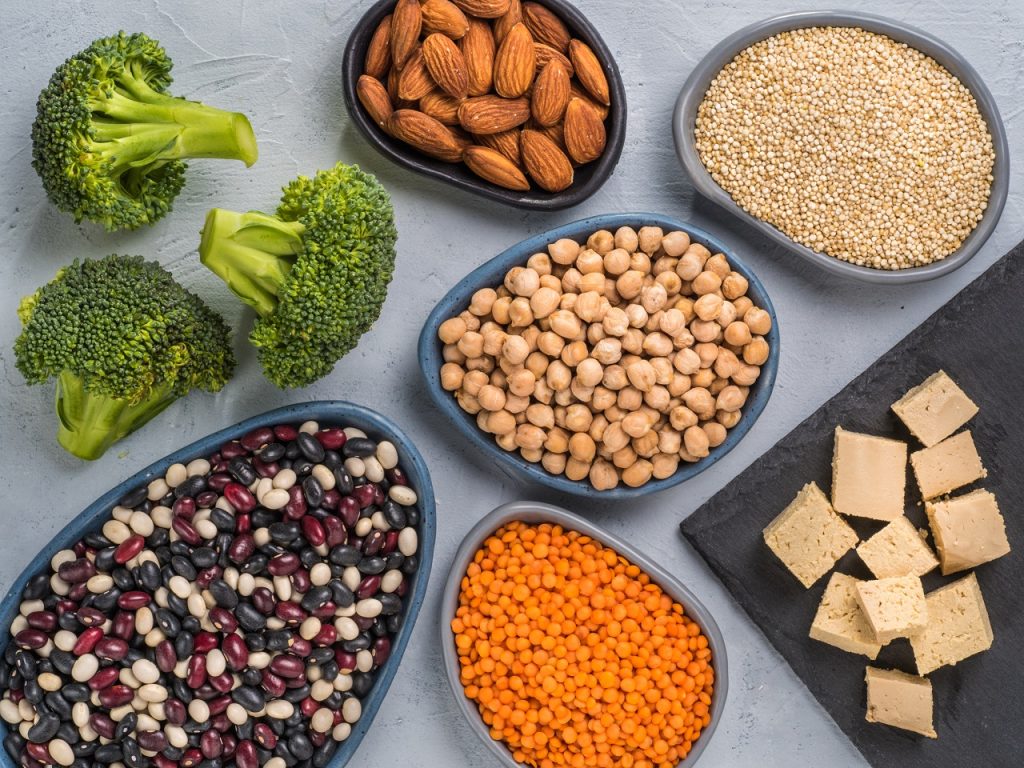
1. Tofu

It is also called Bean Curd, is a  Soy food product made from soybean or soya bean. It is one of the best meat substitutes because

  • It offers a complete protein profile
  • It has heat-stable storage protein. Hence, it is good for high temperature cooking
  • Bioavailability of soy protein is equivalent to meat and eggs
  • They are low in fat in comparison to animal based food especially saturated fat, and have zero cholesterol
  • Rich in many bioactive compounds such as isoflavones, peptides, flavonoids and vitamins, which have a protective effect against free radicals in the body

Using firm tofu and Crumbling, stir-fry it until brown and crispy. This makes it taste extremely similar to ground chicken or pork. It can be stir-fried with veggies like broccoli, bell pepper, Zucchini to make salads or its sautéed cubes can be added in soups, or used in sandwiches with lettuce and tomato slices or made into Tikka masala or Tofu-Chilli, etc.

2. Beans and Legumes

They are an ideal choice for a filling and fiber-rich meal. They have protein content which is at par with some animal foods, as per the Nutritive Value of Indian Foods. Raw beans/legumes can provide a whopping 18-37 gm of protein per 100 grams with additional advantage of fiber, low fat, no cholesterol and plenty of vitamins and minerals.

Few options include: 

  • Chickpeas have beneficial nutrient composition with high fibre which makes it more filling. They not only provide protein but also provide a substantial portion of iron, folate, potassium, and have a calcium content equivalent to milk. Using it as coarsely ground gives it a texture of minced beef. It can be used to make Hummus which is used as a dip for vegetable sticks,  baked falafel, which can serve as a meat-free patty in tacos or burgers or pancakes from chickpea flour with veggies to make a complete meal.
  • Boiled and minced Black beans can replace beans for ground beef in tacos and other similar dishes. The dark colour of the bean makes it a fantastic source of antioxidants and anthocyanins. It can be made into vegetables or fillings for sandwiches.
  • Lentils have one of the highest levels of protein by weight of all the pulses and less than 1% fat, providing them a nutritional edge to thicken meat-free curries and soups.
  • Cooked green peas are another protein-rich option, almost the same as a cup of milk. It can be served as a side dish, made into patties, cooked with veggies, stirred into soup or macaroni and cheese or blended with olive oil, parmesan cheese and toasted pine nuts to make a delicious pesto sauce.

3. Nuts & Seeds

Nuts and seeds are another good substitute for meats, fish and eggs as they are protein-dense, especially Hemp seeds which have complete proteins, good fiber, vitamin E, vitamin B2, niacin, folate, and essential minerals such as zinc, iron, calcium, magnesium, phosphorus, potassium, copper, and selenium and healthy essential fats

Only downside here is the relatively higher calories which calls for controlled portions. Here’s how you can use them: 

  • Hemp seeds, chia seeds and flax seeds can be toasted and sprinkled over salad to give a crunch.
  • Stir them into buttermilk/yogurt and oatmeal or blend them into smoothies.
  • Sunflower, sesame and melon seeds can be added to muffins, salads, stir fries or in the case of sunflower seeds, can be eaten on their own. 
  • Toasted nuts can be made into energy bars.
  • Plain nuts and nut butters can be eaten without hydrogenated oils or lots of added sugar, example, Almond butter and peanut butter.
  • Almond milk or hemp milk are also good options for consumption.

A study by Harvard School of Public Health (HSPH) has revealed that replacing one serving of red meat with one serving of nuts reduces mortality risk by 19%. Believe it or not, tennis legends Venus and Serena Williams follow a healthy, balanced raw vegan diet during the tennis season. That’s right, both raw and vegan.

If this article helped you, let us know in the comments below. You can read more articles on nutrition here or just speak to a GOQii Coach directly by subscribing for Personalised Health Coaching here.  

#BeTheForce 

  • « Previous Page
  • 1
  • …
  • 78
  • 79
  • 80
  • 81
  • 82
  • …
  • 147
  • Next Page »

Search

Recent Posts

  • World AMR Awareness Week 2026: when you need antibiotics, and simple steps to prevent AMR
  • PCOS: diet, exercise and the myths to stop believing
  • Cholesterol numbers explained: LDL, HDL and triglycerides
  • International Men’s Day 2026: why men’s health is everyone’s business
  • World COPD Day 2026: Short of Breath? Think COPD – Why Early Diagnosis Matters

Stay Updated

Archives

  • November 2026 (21)
  • October 2026 (23)
  • September 2026 (5)
  • August 2026 (8)
  • July 2026 (24)
  • June 2026 (22)
  • May 2026 (20)
  • April 2026 (24)
  • March 2026 (18)
  • February 2026 (14)
  • January 2026 (14)
  • December 2025 (19)
  • November 2025 (14)
  • October 2025 (17)
  • September 2025 (6)
  • August 2025 (5)
  • July 2025 (9)
  • June 2025 (18)
  • May 2025 (16)
  • April 2025 (22)
  • March 2025 (25)
  • February 2025 (21)
  • January 2025 (25)
  • December 2024 (21)
  • November 2024 (21)
  • October 2024 (15)
  • September 2024 (22)
  • August 2024 (27)
  • July 2024 (14)
  • June 2024 (23)
  • May 2024 (26)
  • April 2024 (27)
  • March 2024 (27)
  • February 2024 (23)
  • January 2024 (21)
  • December 2023 (14)
  • November 2023 (10)
  • October 2023 (18)
  • September 2023 (20)
  • August 2023 (16)
  • July 2023 (16)
  • June 2023 (21)
  • May 2023 (20)
  • April 2023 (19)
  • March 2023 (23)
  • February 2023 (19)
  • January 2023 (15)
  • December 2022 (11)
  • November 2022 (15)
  • October 2022 (15)
  • September 2022 (12)
  • August 2022 (9)
  • July 2022 (17)
  • June 2022 (11)
  • May 2022 (10)
  • April 2022 (6)
  • March 2022 (6)
  • February 2022 (13)
  • January 2022 (11)
  • December 2021 (7)
  • November 2021 (3)
  • October 2021 (6)
  • September 2021 (3)
  • August 2021 (8)
  • July 2021 (7)
  • June 2021 (15)
  • May 2021 (16)
  • April 2021 (10)
  • March 2021 (7)
  • February 2021 (4)
  • January 2021 (4)
  • December 2020 (3)
  • November 2020 (4)
  • October 2020 (10)
  • September 2020 (3)
  • August 2020 (3)
  • July 2020 (2)
  • June 2020 (4)
  • May 2020 (10)
  • April 2020 (12)
  • March 2020 (10)
  • February 2020 (4)
  • January 2020 (4)
  • December 2019 (3)
  • November 2019 (7)
  • October 2019 (5)
  • September 2019 (4)
  • August 2019 (9)
  • July 2019 (9)
  • June 2019 (11)
  • May 2019 (4)
  • April 2019 (8)
  • March 2019 (8)
  • February 2019 (9)
  • January 2019 (8)
  • December 2018 (9)
  • November 2018 (3)
  • October 2018 (3)
  • September 2018 (5)
  • August 2018 (10)
  • July 2018 (6)
  • June 2018 (13)
  • May 2018 (8)
  • April 2018 (17)
  • March 2018 (9)
  • February 2018 (8)
  • January 2018 (15)
  • December 2017 (12)
  • November 2017 (19)
  • October 2017 (13)
  • September 2017 (15)
  • August 2017 (4)
  • July 2017 (8)
  • June 2017 (7)
  • May 2017 (6)
  • April 2017 (8)
  • March 2017 (6)
  • February 2017 (7)
  • January 2017 (9)
  • December 2016 (10)
  • November 2016 (7)
  • October 2016 (7)
  • September 2016 (7)
  • August 2016 (11)
  • July 2016 (9)
  • June 2016 (9)
  • May 2016 (12)
  • April 2016 (17)
  • March 2016 (17)
  • February 2016 (8)
  • January 2016 (6)
  • December 2015 (2)
  • November 2015 (9)
  • October 2015 (7)
  • September 2015 (9)
  • August 2015 (11)
  • July 2015 (9)
  • June 2015 (11)
  • May 2015 (9)
  • April 2015 (13)
  • March 2015 (8)
  • February 2015 (5)
  • January 2015 (12)
  • December 2014 (14)
  • November 2014 (11)
  • October 2014 (6)
  • September 2014 (13)
  • August 2014 (12)
  • July 2014 (6)
  • June 2014 (2)
  • May 2014 (7)
  • April 2014 (4)

From Burnout to Balance: How Dr. Ranjit Reclaimed His Health

Dr Ranjit Bhatt has spent years tending to others. A practising doctor in Odisha, his days were packed with patients, surgeries, and emergencies. From the outside, it looked like a life lived in service. But on the inside, something wasn’t right. “I had no … [Read More...]

From Shimla’s Slopes to Chandigarh’s Sidewalks: Surinder Kaur Bhalla’s Journey from Chaos to Control

Some journeys start with a plan. Others begin with a stumble literally. Surinder Bhalla, a government professional, born and raised in the scenic hill town of Shimla, had always lived a life of movement. “In Shimla, you walked everywhere,” she reflects. “Walking was never an exercise. It was just life.” But after shifting to Chandigarh, […]

“I’ve Challenged Myself to Live 100 Years” – The Story of Chandubhai Savani’s Second Chance at Life

At 67, most people start slowing down. Not Chandubhai Savani. A resident of Surat, Chandubhai, thought life was on track. “My life was going well till I had my bypass surgery,” he says. That surgery, back in 2021, was a wake-up call.  Medication was routine, but exercise wasn’t. His diet? What he calls ‘normal.’ “I […]

Ananda Mukherjee Health Story

From Terminal Illness To Complete Wellness! Ananda Mukherjee Health Story

As we observe World Cancer Day under the powerful theme ‘United by Unique’ (2025-2027)**, we are reminded that every individual’s journey with cancer is distinct, yet united by shared resilience, hope, and the collective fight against this disease. This theme places people at the centre of care and their stories at the heart of the […]

  • HOME
  • HEALTHY LIVING
  • FITNESS
  • HEALTHY RECIPES
  • USER STORIES
  • KARMA
  • BUY GOQii

Copyright ©2016 GOQii