GOQii

Blog

  • HOME
  • HEALTHY LIVING
  • FITNESS
  • HEALTHY RECIPES
  • USER STORIES
  • KARMA
  • BUY GOQii

Search Results for: carb

October 26, 2021 By Neha Morche 2 Comments

These Harmful Ingredients in Aerated Drinks Can Destroy Your System!

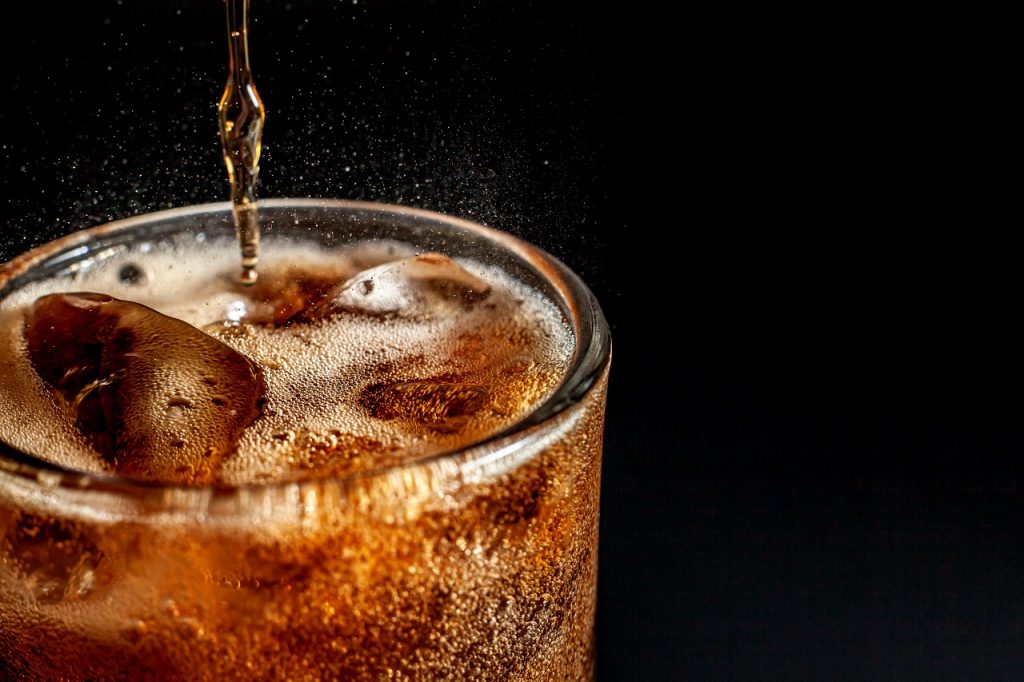
aerated drinksI was with friends recently and during our conversation I realized that my friends had erratic eating habits and moreover, they were all addicted to aerated drinks or what is commonly called as ‘Soft Drinks’. While they were not bothered about what an aerated drink could possibly do to their health, most of them were under the impression that it’s good for health or rather nothing can happen if they consumed aerated drinks. When I realised this, I told them how soft drinks aren’t good for health. And that was it… in the next few minutes I was flooded with questions like why one should not have aerated drinks? What does it contain?

I explained to them that soft drinks are carbonated drinks made of water, sugar or artificial sweeteners, flavors etc. Technically, carbon dioxide is dissolved into water at low temperatures under high pressures and carbonation machines are used to make it fizzy. Also, phosphoric acid, lead acetate, methyl benzene, potassium solvent, sodium benzoate are all present and if you read the label on the bottles you will find all these names.

Reasons Why Aerated Drinks Are Bad For You 

  1. Phosphoric acid present in aerated drinks damage bones and the enamel of teeth
  2. Lead acetate damages kidneys and nerves
  3. They contains aspartame (an artificial low-calorie sweetener) that makes you feel hungry and crave food. That may lead to loads of calories and ultimately unhealthy weight gain
  4. Some people who are addicted to soft drinks are deprived of nutrients and that could lead to malnutrition
  5. Aerated drinks have zero nutrients so no nutritive value
  6. They dehydrates the body
  7. According to research, an aerated drink has Ph of 3.4 (that’s acidic) but is acceptable to human system as its below Ph 7. Albeit, it can create hyper-acidity
  8. If consumed along with meals, the nutrients in the food will not be absorbed.

If you are addicted to aerated drinks, you need to know that they have an effect on oral hygiene. If you need to have a soft drink then use a straw to reduce direct contact with teeth. Secondly, rinse your mouth with water after consuming a soft drink.

Are “Diet” Drinks Better Than The Normal Ones? 

There is nothing good about aerated drinks and particularly “Diet” drinks which are misrepresented to be a healthier option. The only difference between a diet drink and a normal one is that to make it sweet they don’t add sugar but use artificial sweeteners. They’re both still carbonated and still dehydrate the body. To add to it, artificial sweeteners are chemicals which may have harmful consequences if consumed in excess.

Instead of going for aerated drinks, you can try healthy options such as a coconut water, lime water, buttermilk or fresh fruit juices. We hope this article helps you make an informed decision and choose the right option the next time you’re tempted to grab a can or a bottle of your favorite soft drink.

It’s time to #LevelUp your health! What do you think will be a good alternative for you instead of a soft drink? Leave your thoughts in the comments below! Want to know more interesting facts? Ask your GOQii Coach by subscribing for personalized coaching here: https://goqiiapp.page.link/bsr

For more articles to help you live healthy, check out Healthy Reads.

#BeTheForce 

October 13, 2021 By Palak Mittal 3 Comments

Fatty Liver Disease: What To Eat & What To Avoid

fatty liver disease

Our bodies have a tendency to store extra calories in terms of fat in each and every area to utilise it later for energy, or as a cushion for organs and insulation. The liver being the largest organ in the body, is partially made up of fat. However, if too much fat accumulates around the liver, it leads to Fatty Liver Disease. 

Fatty liver disease is mainly associated with the excess usage of alcohol and is termed as Alcoholic Fatty Liver. However, those who do not drink alcohol at all, can also develop this condition over time and is known as Non Alcoholic Fatty Liver. Excess fat around the liver damages it and makes it difficult for the liver to remove toxins and produce bile for the digestive system. 

The major plan of treatment for Fatty Liver Disease is dietary modifications and regular exercises. If the grade is too high, then one may need to see a doctor. For initial stages, the situation can be reversed completely with a few lifestyle modifications. 

What Causes Non Alcoholic Fatty Liver Disease (NAFLD)? 

  • Obesity: Overeating can cause weight gain which produces a load on the digestive system and the body forces the storage of extra calories in terms of fat, leading to NAFLD.
  • Pre-Diabetes: People with Insulin sensitivity or insulin resistance tend to store more fat in the liver as compared to non diabetics.
  • Over consumption of carbs and simple sugars: is linked with NAFLD as our body utilizes only what is required and rest is going to be stored as fat.
  • Poor Gut Health and genetics are also seen as linked with NAFLD.

Since it is a lifestyle disorder, modifying lifestyle with the right diet helps in controlling, maintaining and reversing both Alcoholic and Non Alcoholic Fatty Liver Disease.

The diet should include:  

  • Lots of fruits and vegetables
  • Reduced processed and packaged food with high salt and sugar
  • High fibre foods and less carbs
  • Whole grains like oats, quinoa, barley and millets
  • Nuts and seeds especially walnuts and flaxseeds as they are high in Omega 3  
  • Vitamin E from Sunflower seeds, almonds, walnuts, olive oil or canola oil
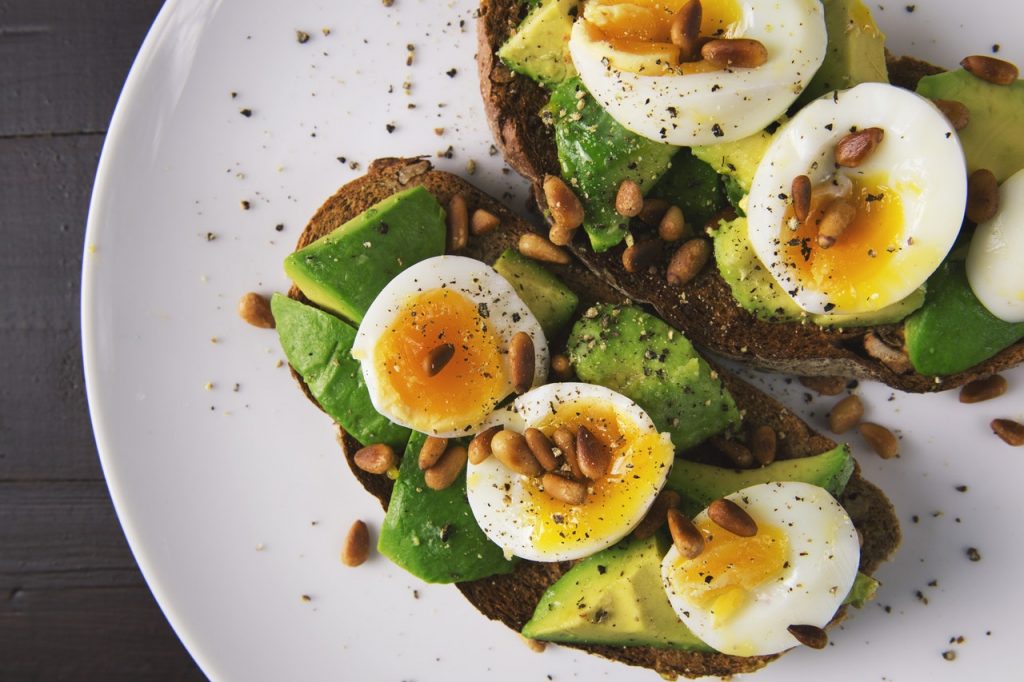
  • Avocados as they are a good source of fat and fiber 
  • Legumes

What Should You Avoid? 

If you’re suffering from this disease, here is a list of foods you should avoid completely. 

  •  Alcohol: As it is completely oxidised by the liver, there is no enzyme present in the body that can digest alcohol.
  • Added or simple sugars like candy, cookies, sodas, and fruit juices. It increases sugar level which increases fat build up.
  • Fried & oily foods due to excess calories and fat.
  • Too much salt makes the body hold on to excess water and can be a reason to gain weight.
  • Simple processed carbs like white bread, rice, and pasta, as they lack fibre and increase blood sugar.
  • Red meat like Beef and mutton are high in saturated fat.

Other Lifestyle Modifications 

  • Shed the extra weight
  • Control sugar levels well
  • Include Cardio and strength training consisting of 30 mins for 5 days a week 
  • Lower down cholesterol especially triglycerides.

We hope these tips help you manage Fatty Liver Disease with ease. Before you begin with any of the foods listed above, do consult your doctor, dietitian or nutritionist. Do let us know your thoughts and queries in the comments below! To learn more about AFLD and NAFLD, speak to a GOQii Coach by subscribing for personalized coaching here: https://goqiiapp.page.link/bsr

#BeTheForce  
September 3, 2021 By Srini Leave a Comment

Breathing #3: Breath Bank

breath bank

A Tamil adage says that everyone gets a certain number of breaths deposited in their account on birth. You cannot increase or decrease it – but you can efficiently use the remaining balance and get more out of it. Do you know how to get more out of your breath? How to get a higher ROI? Let’s start with the number of breaths per minute. 

How Do You Measure The Breaths in Your Breath Bank? 

Measure the number of breaths per minute at 4 fixed time slots in a day and do it over one or two weeks and then get the average breath per minute. If the AVERAGE number is more than 12, then you are not very efficient in using your breath balance. If you are more than 18, then you are hyperventilating!

Hyperventilation depletes Co2 from your body. The interesting fact is that Co2 is critical for oxygen absorption in the cells for effective burning of the fuel. If you are hyperventilating, then there is Co2 imbalance and even though you may have a 97% oxygen saturation in your blood, the Oxygen just floats around without being effectively used in burning the fuel.

So, to use Oxygen effectively, you need a good balance of Co2 in your body. Also, as much as you hyperventilate while under stress, the other way is also true. When you hyperventilate, the body assumes you are under stress. You are chronically under stress AND you are not burning the fuel effectively… all due to a simple issue of incorrect breathing!

Slow breathing keeps the right balance between Carbon Dioxide and Oxygen in the body and remember both are needed for the efficient functioning of the body.

“Mind is the King of the senses and Breath is the King of the Mind”, says BKS Iyengar, a renowned Yoga Guru. James Nestor, says that an ideal breathing is 5.5 seconds inhale and 5.5 seconds exhale – so this is 11 seconds and your average number of breaths would also be 5.5 per minute.

Most of the religious prayers/chants/choirs were designed to make you breathe at a rate of around 5.5 to 6 per minute. Such prayer, no wonder, has magical curative powers.

You can practice slow breathing anywhere, any time and privately. Just be conscious of how you breathe! In fact, between every activity, meeting or zoom call, take 5 minutes off and practice conscious slow and deep abdominal breathing, you will do wonders in terms of your productivity.

“If you want to live, follow Eastern Medicine (Yoga, Ayurveda) and if you do not want to die, then follow Western Medicine” – Trainer Brian MacKenzie

This subject is still developing and research is still coming through under the Western Medicine and has been in practice over thousands of years in India by our Yogis.

Western breathing experts like Dr Buteyko, James Nestor and Anders Olsson, etc. have gone on record on the benefits of slow and rhythmic breathing. In fact, Dr Buteyko observes that 80% of the population is chronically hyperventilating!

Breathing is the only tool available to humans to connect to (and influence) their autonomous nervous system and therefore mind. If you develop awareness and therefore, better understanding, you can make breathing more efficient and positively impact your mind. Breathing is the MOST POWERFUL tool humans have. Fascinating isn’t it. But Simple. I average around 8 breaths per minute now and I have personally benefited significantly in terms of overall energy through the day, feeling good and less stressed. 

Practices To Help You Achieve Slow Breathing 

  • Being Conscious of breathing
  • Practicing Pranayama – Kapal Bathi, Ujjayi, Pursed lip breathing, Bhastrika
  • Breathing using the abdomen than the chest
  • Tummo ( Tibetan technique) or Wim Hof method

I am placing a customary caveat for the reader that this is not medical advice and you should consult your doctor. And unfortunately, the western medical system holds that less than 10 breaths per minute is a disease and it has to be cured.

If you want more details, medical and scientific evidence, please read more at https://breathe.ersjournals.com/content/13/4/298 

Further read books/podcasts of James Nestor, Brian Mackenzie, Rangan Chatterjee, Anders Olsson

We hope this article helps you improve your breath bank balance. For more on breathing, check out Healthy Reads. To get breathing exercises from your GOQii Coach, subscribe to personalized coaching here: https://goqiiapp.page.link/bsr  

Breathe Right & #BeTheForce 

August 24, 2021 By Roopa Tandur 1 Comment

Foods That Weaken the Immune System

immune systemDo you experience high amounts of stress, get irritated by little things, aren’t able to concentrate on work, suffer from digestive disturbances or have a cold more often than usual? In fact, do your wounds take more time to heal than normal? Frequent infections? Do you feel tired all the time? All this could be due to a weak immune system!

Immunity is a balanced state of multicellular organisms having adequate defence to fight infection, disease or other unwanted biological invasion while also avoiding allergies and other autoimmune disease. The immune system also keeps a record of every microbe it has defeated so it can recognise and destroy the microbe if it enters the body again.

Bone marrow and thymus form the primary immune system and spleen, tonsils, lymph vessels, lymph nodes, adenoids, skin and liver form the secondary immune system.

  • Bone marrow: helps produce white blood cells (T cells, B cells) which defend the body against infectious disease and foreign materials.
  • Thymus: Situated at the base of the neck is most active in the neonatal and preadolescent period of development.

One of the best ways to build immunity is through nutrition. There are many foods that help us improve the immune system but there are also foods which can weaken it. During this Coronavirus pandemic, it has become increasingly important to take care of ourselves and build our immune system! In order to do that, we must avoid consuming things which can lower or harm our immunity levels. 

Foods That You Must Avoid

1. Soda and Carbonated Beverages
This includes sweeteners like aspartame, saccharin, and sucralose, which are all harmful to the immune system. These ingredients reduce levels of beneficial bacteria in your gut and have an adverse effect on glucose metabolism which has an extended effect on how well our body responds to potential threats.

Solution: Choose water with few slices of fruits if you do not like having plain water or choose green tea with lemon which has good antioxidants. Drink green Tea in moderation.

2. Processed Foods and Refined Carbs
The large number of calories in processed food may lead to health problems such as increased inflammation, reduced control of infection, increased rates of cancer, and increased risk for allergic and auto-inflammatory disease by changing the balance of bacteria in our gut – all of which weaken the immune system

Solution: Include whole grain healthy snacks which are baked or roasted and not deep fried

3. Foods & Drinks High in Sugar
Drinks high in sugar spike insulin levels which spike cortisol and suppress the immune system. Unwanted bacteria thrive on sugar and the more sugar they have to feed on, the safer they grow, which will outnumber beneficial bacteria. This can have a negative effect on our mood, blood sugar levels and immune function. Increased sugar intake makes it difficult for the body to absorb Vitamin C, which eventually decreases immunity levels

Solution: Choose whole foods and natural sweeteners like honey which promote growth of healthy gut bacteria

4. Alcoholic Beverages
Drinking alcoholic beverages affects hormones by disrupting the circadian rhythm. As sleep is closely connected to the immune system, changes in circadian rhythm can make one feel unwell by having a negative effect on the immune system.

Solution: Alternate alcohol drinks with water or choose healthy snacks to have with alcohol to limit intake of alcohol.

5. Caffeine
Increased intake of caffeine (present in coffee and coffee products) boosts cortisol levels which reduces your immunity levels. Regular increased intake of caffeine reduces the number of T cells which are responsible for destroying the infected cells of the body.

Solution: Switch to low caffeine beverage and keep check on your intake of caffeine rich foods

 6. Refined Oil
Oil can be incredibly healthy, providing much-needed fatty acids like omega-3 and vitamin E but only when they’re produced the right way. Refined oils go through a lot of heat processing which destroys the nutrients that we derive from fats. Eating food cooked in refined oils leads to production of free radicals that damage the tissues and cause temporary inflammation.

Solution: Switch to cold pressed oils and filtered oils which go through less or no heat processing, keeping the nutrients intact.

 7. Junk Foods
Foods high in fat, sugar and low on fiber other than creating cravings, also destroys the immune system. The body responds to fast foods the same way it responds to an infection. The moment one consumes fast food our body identifies it as a threat and starts attacking faster than usual as it would react to a bacterial infection. These repeated reactions of the body leads to development of diabetes and heart diseases.

Solution: Choose healthy homemade snacks which have no added namkeen/crispies or are fried in healthy oils 

We hope that this article helps you remain healthy during this time. It is crucial to keep our immunity levels in check and avoid foods that can destroy it. 

For tips on how to build your immunity, read more articles on Healthy Reads. To get these tips directly from your GOQii Coach, subscribe to personalized coaching here: https://goqiiapp.page.link/bsr  

Do leave your thoughts in the comments below! 

#BeTheForce 

  • « Previous Page
  • 1
  • …
  • 63
  • 64
  • 65
  • 66
  • 67
  • …
  • 100
  • Next Page »

Search

Recent Posts

  • How to Improve Sleep Quality Naturally: 12 Science-Backed Tips for Better Sleep
  • Immunity-Boosting Kadhas: Why Natural Defense Matters During the Monsoon
  • Healthy Eating: Crispy Monsoon Corn Tikkis
  • Antenatal Exercises: Your Guide to a Fit and Healthy Pregnancy
  • Managing Type 2 Diabetes: Dietary Choices and Lifestyle Adjustments for Better Blood Sugar Control

Stay Updated

Archives

  • July 2026 (23)
  • June 2026 (22)
  • May 2026 (20)
  • April 2026 (24)
  • March 2026 (18)
  • February 2026 (14)
  • January 2026 (14)
  • December 2025 (19)
  • November 2025 (15)
  • October 2025 (20)
  • September 2025 (6)
  • August 2025 (6)
  • July 2025 (10)
  • June 2025 (18)
  • May 2025 (16)
  • April 2025 (22)
  • March 2025 (26)
  • February 2025 (21)
  • January 2025 (25)
  • December 2024 (22)
  • November 2024 (22)
  • October 2024 (20)
  • September 2024 (22)
  • August 2024 (28)
  • July 2024 (16)
  • June 2024 (23)
  • May 2024 (26)
  • April 2024 (27)
  • March 2024 (27)
  • February 2024 (23)
  • January 2024 (21)
  • December 2023 (14)
  • November 2023 (10)
  • October 2023 (19)
  • September 2023 (22)
  • August 2023 (16)
  • July 2023 (18)
  • June 2023 (21)
  • May 2023 (20)
  • April 2023 (19)
  • March 2023 (23)
  • February 2023 (19)
  • January 2023 (15)
  • December 2022 (11)
  • November 2022 (15)
  • October 2022 (15)
  • September 2022 (12)
  • August 2022 (9)
  • July 2022 (17)
  • June 2022 (11)
  • May 2022 (10)
  • April 2022 (6)
  • March 2022 (6)
  • February 2022 (13)
  • January 2022 (11)
  • December 2021 (7)
  • November 2021 (3)
  • October 2021 (6)
  • September 2021 (3)
  • August 2021 (8)
  • July 2021 (7)
  • June 2021 (15)
  • May 2021 (16)
  • April 2021 (10)
  • March 2021 (7)
  • February 2021 (4)
  • January 2021 (4)
  • December 2020 (3)
  • November 2020 (4)
  • October 2020 (10)
  • September 2020 (3)
  • August 2020 (3)
  • July 2020 (2)
  • June 2020 (4)
  • May 2020 (10)
  • April 2020 (12)
  • March 2020 (10)
  • February 2020 (4)
  • January 2020 (4)
  • December 2019 (3)
  • November 2019 (7)
  • October 2019 (5)
  • September 2019 (4)
  • August 2019 (9)
  • July 2019 (9)
  • June 2019 (11)
  • May 2019 (4)
  • April 2019 (8)
  • March 2019 (8)
  • February 2019 (9)
  • January 2019 (8)
  • December 2018 (9)
  • November 2018 (3)
  • October 2018 (3)
  • September 2018 (5)
  • August 2018 (10)
  • July 2018 (6)
  • June 2018 (13)
  • May 2018 (8)
  • April 2018 (18)
  • March 2018 (9)
  • February 2018 (8)
  • January 2018 (15)
  • December 2017 (12)
  • November 2017 (19)
  • October 2017 (13)
  • September 2017 (15)
  • August 2017 (4)
  • July 2017 (8)
  • June 2017 (7)
  • May 2017 (6)
  • April 2017 (8)
  • March 2017 (6)
  • February 2017 (7)
  • January 2017 (9)
  • December 2016 (10)
  • November 2016 (7)
  • October 2016 (7)
  • September 2016 (7)
  • August 2016 (11)
  • July 2016 (9)
  • June 2016 (9)
  • May 2016 (12)
  • April 2016 (17)
  • March 2016 (17)
  • February 2016 (8)
  • January 2016 (6)
  • December 2015 (2)
  • November 2015 (9)
  • October 2015 (7)
  • September 2015 (9)
  • August 2015 (11)
  • July 2015 (9)
  • June 2015 (11)
  • May 2015 (9)
  • April 2015 (13)
  • March 2015 (8)
  • February 2015 (5)
  • January 2015 (12)
  • December 2014 (14)
  • November 2014 (11)
  • October 2014 (6)
  • September 2014 (13)
  • August 2014 (12)
  • July 2014 (6)
  • June 2014 (2)
  • May 2014 (7)
  • April 2014 (4)

From Burnout to Balance: How Dr. Ranjit Reclaimed His Health

Dr Ranjit Bhatt has spent years tending to others. A practising doctor in Odisha, his days were packed with patients, surgeries, and emergencies. From the outside, it looked like a life lived in service. But on the inside, something wasn’t right. “I had no … [Read More...]

From Shimla’s Slopes to Chandigarh’s Sidewalks: Surinder Kaur Bhalla’s Journey from Chaos to Control

Some journeys start with a plan. Others begin with a stumble literally. Surinder Bhalla, a government professional, born and raised in the scenic hill town of Shimla, had always lived a life of movement. “In Shimla, you walked everywhere,” she reflects. “Walking was never an exercise. It was just life.” But after shifting to Chandigarh, […]

“I’ve Challenged Myself to Live 100 Years” – The Story of Chandubhai Savani’s Second Chance at Life

At 67, most people start slowing down. Not Chandubhai Savani. A resident of Surat, Chandubhai, thought life was on track. “My life was going well till I had my bypass surgery,” he says. That surgery, back in 2021, was a wake-up call.  Medication was routine, but exercise wasn’t. His diet? What he calls ‘normal.’ “I […]

Ananda Mukherjee Health Story

From Terminal Illness To Complete Wellness! Ananda Mukherjee Health Story

As we observe World Cancer Day under the powerful theme ‘United by Unique’ (2025-2027)**, we are reminded that every individual’s journey with cancer is distinct, yet united by shared resilience, hope, and the collective fight against this disease. This theme places people at the centre of care and their stories at the heart of the […]

  • HOME
  • HEALTHY LIVING
  • FITNESS
  • HEALTHY RECIPES
  • USER STORIES
  • KARMA
  • BUY GOQii

Copyright ©2016 GOQii