GOQii

Blog

  • HOME
  • HEALTHY LIVING
  • FITNESS
  • HEALTHY RECIPES
  • USER STORIES
  • KARMA
  • BUY GOQii

December 3, 2024 By Sunita Arora 3 Comments

Lower Blood Pressure Naturally With Dietary Changes

lower blood pressure naturallyHypertension, known as a silent killer, is simply the elevation of your blood pressure levels. It is majorly developed due to factors like a sedentary lifestyle, high salt intake due to processed and packaged food. But, the good news is that you can control it. You can manage to lower blood pressure naturally by making dietary and other lifestyle changes after consulting with your doctor. 

Foods That Help Lower Blood Pressure Naturally 

Let’s take a look at foods which are healthy and can help with the condition! 

  1. Green Tea: is associated with numerous health benefits. It is rich in polyphenols and catechins, which act as antioxidants to prevent cell damage, reduce inflammation, and protect heart health. Intake of green tea is associated with significantly lower levels of LDL, triglycerides, total cholesterol, and blood pressure. You can have 1-2 cups of green tea daily one hour after a meal to maintain your blood pressure and to improve insulin sensitivity.
  2. Olive Oil: is packed with antioxidants like tocopherols, β-carotene, lutein which helps in relieving inflammation and decreases the risk of cardiovascular diseases. It is rich in MUFA which promotes heart health and is linked with lowering blood pressure. In Indian cooking, you can safely use 1-2 teaspoon of extra virgin olive oil daily to sauté veggies, make salad dressings, etc.
  3. Fatty Fish: like salmon and tuna are rich with omega-3 fatty acids which aid in improving heart health. These fatty fishes and fish oil supplements are beneficial for lowering blood pressure, sugar levels and triglycerides. Consumption of fatty fish 2-3 times a week is good for heart health.
  4. Nuts: like walnuts, almonds are a rich source of monounsaturated fatty acids which lower total cholesterol, LDL (bad) cholesterol and blood pressure. It has minerals like magnesium and copper, Vitamin E, MUFA which protects against various heart diseases by reducing plaque formation and keeps your arteries clear. You can include 5-6 soaked almonds and 2-3 walnuts in your diet.
  5. Seeds: are the powerhouse of various nutrients, rich in Omega-3 and Omega-6 fatty acids which improve many heart disease risk factors including blood pressure, cholesterol, and triglycerides. Include flax seeds, chia seeds, sunflower seeds and hemp seeds in your diet. Just make a mixture of these seeds and have 1-2 tsp daily by mixing them with nuts or adding them to your smoothies or salads. 
  6. Berries: are packed with antioxidants like anthocyanins which protect the heart from oxidative stress and help in maintaining normal blood pressure. It also has polyphenols which improve blood pressure, insulin resistance and systemic inflammation. You can add a handful of strawberries, blackberries and raspberries in your diet.
  7. Banana: The American Heart Association encourages people to increase the consumption of foods that contain potassium. Eating foods that are rich in potassium helps in lowering blood pressure levels better than taking supplements. You can slice a banana in your favourite cereal or oatmeal, make a smoothie or a shake for a potassium-rich addition.
  8. Pomegranate: is rich in fibre, vitamins and minerals. Drinking a cup of pomegranate juice daily for four weeks can help lower blood pressure naturally. Early research suggests that drinking pomegranate juice helps to keep the arteries in the neck clear of the build-up of fatty deposits and improve blood flow to the heart.
  9. Tomato: is one of the important ingredients in our Indian cuisine which enhances the flavour and colour of dishes. Tomatoes are loaded with lycopene which reduces the risk of heart attack and stroke. New research claims that drinking a glass of unsalted tomato juice daily is a simple way to lower blood pressure and reduce the risk of heart disease. It also removes excess cholesterol, plaque from arteries and increases the level of HDL Cholesterol.
  10. Garlic: is a pearl for Hypertension patients. Daily consumption of garlic for an extended period can reduce LDL Cholesterol, triglycerides, and blood pressure significantly. It has allicin, allyl mercaptan, and diallyl disulphide which are very effective in controlling cholesterol and blood pressure. Eating 1-2 fresh, raw garlic is one among the herbal remedies for controlling high blood pressure.
  11. Oats: are a rich source of soluble and insoluble fiber. They are low in fat, low in sodium and contain beta-glucan, a type of fiber which lowers blood pressure. A review of 28 trials concluded that higher consumption of beta-glucan fiber may lower both systolic and diastolic blood pressure. Eating oats for breakfast/snacks in the form of oats porridge, oats upma, oats chila, is a great way to fuel up for the day.
  12. Beetroot: Drinking one glass of beetroot juice daily can significantly reduce blood pressure in people with hypertension. Due to the high concentration of nitrates, it relaxes blood vessels and dilates them, which helps the blood flow more easily and lowers blood pressure. Both raw beet juice and cooked beets are effective to lower blood pressure and decrease inflammation. 

Apart from the above food options, you need to  control what you eat. Avoid sauces, pickles, coffee, packaged food, etc. and cut your salt intake to half a teaspoon daily. Avoid smoking and consuming alcohol in excess as well. Before making any massive dietary changes, consult your doctor first!

We hope this article helps you! For more on hypertension and tips to lower blood pressure, tune in to live sessions by experts on GOQii Play or ask your GOQii Coach directly by subscribing to Personalised Health Coaching here.

To know how simple lifestyle changes can help your reverse high blood pressure, listen to our player Digvijay Singh’s journey as he discusses the lifestyle changes he made with our Founder & CEO Vishal Gondal.

#BeTheForce 

September 27, 2024 By Neha Morche 1 Comment

Aloe Vera- Wonders of the spiky green plant

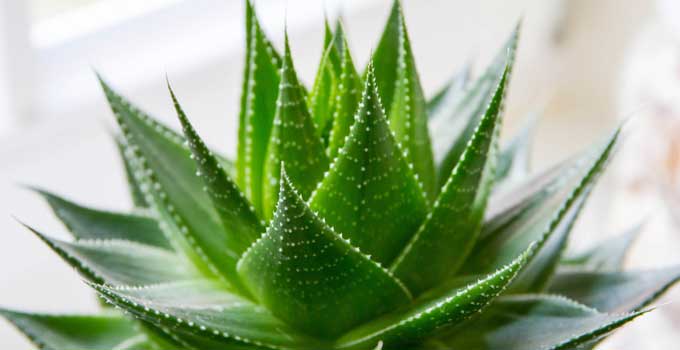
AloeVeraCleopatra is known for her beauty, and one of the reasons for her immaculate beauty can be credited to the spiky green plant Aloe Vera, which she is understood to have used daily in gel form as part of her beauty regime. Today, this very plant is used in several personal care products and medicines. Dubbed affectionately as the ‘Plant of immortality’ by the Egyptians 6000 years ago, Aloe Vera has rejuvenating and healing properties. The ancient Greeks used it to cure everything from baldness to insomnia.

Aloe Vera, also known as a Wonder Plant, has tremendous benefits. No wonder it is wildly used in cosmetics, herbal remedies, and food supplements.

If you have observed the leaf of Aloe Vera closely, there is yellow latex found just under the skin and white-colored gel inside the leaf. Both of these have medicinal properties. It is rich in calcium, sodium, potassium, iron, zinc, manganese, folic acid, amino acid and Vitamin A, C, E, B1, B2, and B6.

Benefits :

  • Aloe Vera’s white gel contains enzymes, fiber, and amino acids, which help with digestion and digestive disorders like colitis and irritable bowel syndrome.
  • It has anti-bacterial, anti-viral properties to help boost the immune system and maintain oral hygiene.
  • It has laxative properties to relieve constipation.
  • Aloe Vera is anti-inflammatory and helps reduce inflammation of Rheumatoid Arthritis, an auto-immune disease affecting the entire body. The immune system attacks body tissues, especially the membranes lining the joint.
  • Aloe Vera juice can be used for lowering sugar levels. However, consult your doctor before consuming Aloe Vera juice
  • It has anti-carcinogenic properties to fight cancer.
  • Aloe Vera is rich in magnesium lactate, which works very well for chest congestion.
  • Vitamin C present in Aloe Vera is an excellent natural source to fight against cold and coughs.

Aloe Vera for the Skin :

  • Suitable for all skin types.
  • Aloe Vera gel has a soothing effect, reducing skin irritation when applied to the affected area.
  • Its anti-microbial properties help in curing acne, pimples and lightening the skin.

Aloe Vera for the Hair:

  • It contains Proteolitic enzymes, which help remove dead skin from the scalp and excess sebum to promote hair growth.
  • Its alkaline properties maintains the pH balance of the scalp to keep hair moisturized.
  • The anti-fungal property of Aloe Vera helps in reducing dandruff.
  • To keep hair soft and smooth, Aloe Vera gel can be added to regular conditioner and used daily.

Word of Caution:

Aloe Vera is packed with nutrients to treat the body naturally. However, certain treatments may cause adverse effects if not taken under supervision. Excessive intake may cause diarrhea and lower blood sugar, leading to potassium loss. It may also inhibit some drug reactions internally and cause allergic reactions on the skin.

With its numerous benefits for health, skin, and hair, Aloe Vera truly stands out as a wonder plant. Whether you use it topically or consume it in moderation, its natural properties can enhance your overall well-being. However, it’s essential to use it wisely and consult a healthcare professional if needed. Have you experienced the benefits of Aloe Vera? Let us know in the comments below! For more natural health tips, speak to a certified expert by subscribing to GOQii’s Personalised Health Coaching here.

#BeTheForce

Disclaimer: The information provided in this blog is for general awareness and educational purposes only. It is not intended to replace professional medical advice, diagnosis, or treatment. Always consult a qualified healthcare provider for personalised medical guidance or concerns related to your health.

September 4, 2024 By Navnee Garg 1 Comment

8 Home Remedies For Dry Cough

remedies for dry coughWith the increasing pollution levels, exposure to chemicals, and the unpleasant viral infections & flu, it’s no surprise if you’re searching for home remedies for dry cough. A dry cough is a nonproductive cough that doesn’t produce phlegm or mucus and is generally caused by viral infections and allergies. It is crucial to consult a doctor to find the underlying cause of cough. Along with prescribed medications and treatment, you can also try a couple of home remedies to find relief.

  1. Golden Milk (Turmeric Latte): Also known as Haldi ka Doodh in India, this traditional drink is now popular globally and can often be found as a turmeric latte in cafés. It combines turmeric’s powerful anti-inflammatory and antibacterial properties with warm milk, offering relief from dry cough symptoms. Drink a cup before bed for best results.
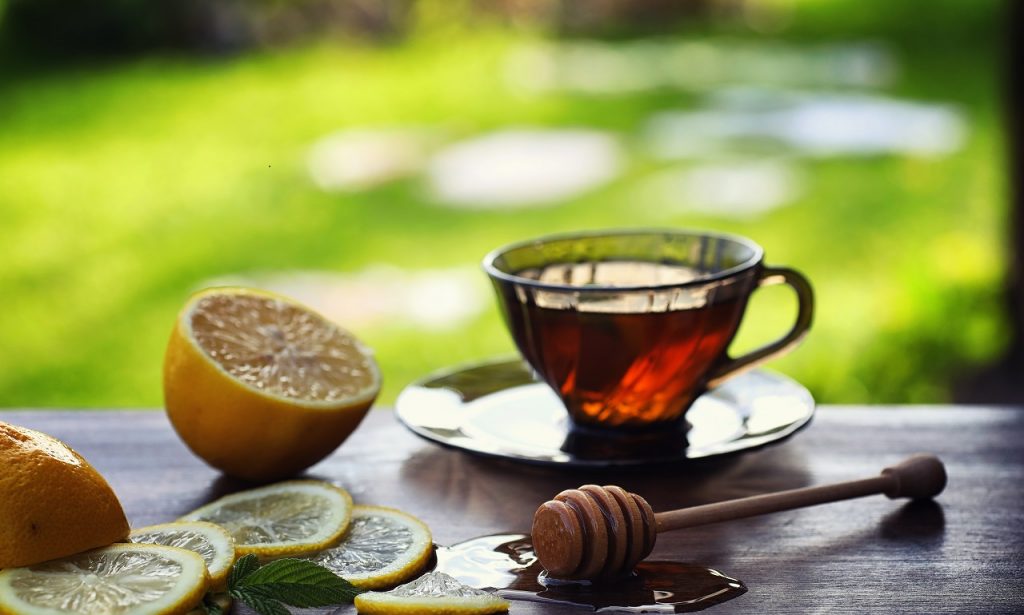
  2. Honey Tea: Honey is a key ingredient in many home remedies due to its anti-inflammatory properties that help soothe the throat. You can use honey in various ways, such as adding a teaspoon to warm milk or water. You can also just have a spoonful before going to bed.
  3. Spiced Tea (Masala Chai): This traditional Indian beverage combines black tea with warming spices like cinnamon, cardamom, cloves, and black pepper. It’s not just comforting—it has antioxidant and anti-inflammatory properties that can help soothe a dry, irritated throat. The spices also help combat the effects of pollution and seasonal changes.
  4. Ginger: Ginger eases a dry or asthmatic cough due to its anti-inflammatory properties. It also relieves nausea and pain. Prepare a soothing ginger tea by adding 20–40g of fresh ginger slices to a cup of boiling water. Allow it to steep for a few minutes before sipping. Add honey or lemon juice to improve the taste and further soothe the cough.
  5. Lukewarm Salt-Water Gargle: Gargling is one of the most common home remedies for dry cough. For relief, try gargling with lukewarm salt water. This soothes the throat by adding moisture to it. Add half a teaspoon of salt to a cup of lukewarm water until it dissolves completely. Let the mixture sit at the back of the throat for a few seconds before spitting it out. Gargle with salt water three times a day until the cough improves.
  6. Eucalyptus Oil: Eucalyptus oil has natural healing properties that can help relieve dry coughs. Use eucalyptus oil to decongest your throat. This oil promotes vitality and helps treat infections. Add eucalyptus oil to a cotton cloth piece and keep it near your nose and mouth. Alternatively, add 2-3 drops to hot water and inhale the steam.
  7. Bromelain: Bromelain is an enzyme found in pineapples. It has anti-inflammatory properties and may also have mucolytic properties, meaning it can break down mucus and remove it from the body. Drink pineapple juice daily to reduce mucus in the throat and suppress coughing.

Warm liquids to Find Relief from Dry Cough

Staying hydrated is essential when you have a dry cough. Warm liquids can reduce the symptoms of a sore throat and cough, providing immediate relief. Hot beverages that may be helpful include:

  • Clear broths
  • Herbal teas
  • Decaffeinated black tea
  • Warm water

If you haven’t noticed any improvement in your dry cough even after 7 days, it is necessary to consult your doctor. Home remedies for dry cough can be an added measure but not a permanent solution for a persistent cough.

We hope these home remedies for dry cough help you find relief! Is there a personal home remedy that works for you? Share it with us in the comments below!

To know more home remedies, ask your GOQii Coach by subscribing for Personalised Health Coaching here.

#BeTheForce
May 29, 2024 By Vrushali Athavle 1 Comment

TULSI – Solution to all ailments

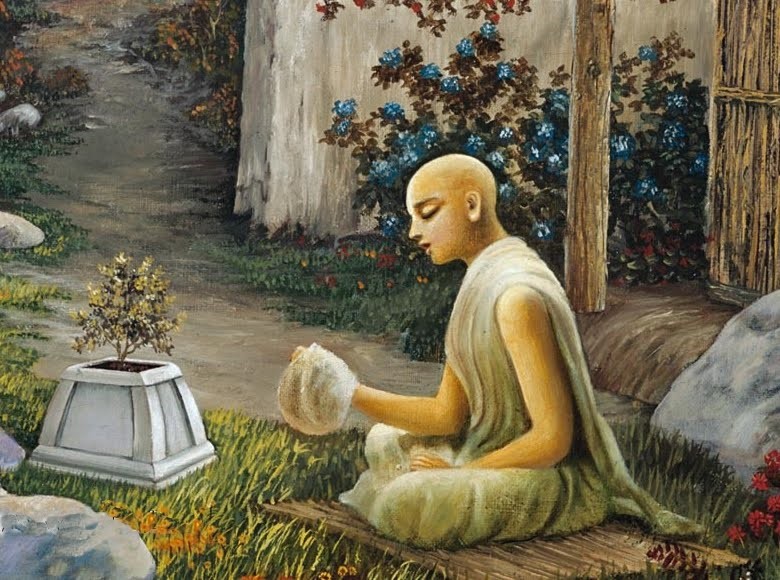
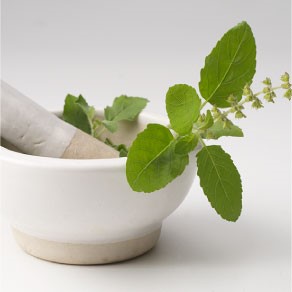
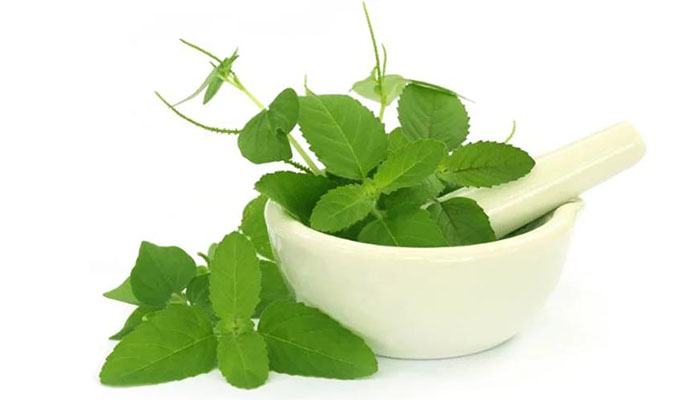
tulsi-leavesTulsi or Basil leaves is a small light green to dark purple coloured plant, which is often seen to be grown in front off or near houses in a special pot or special small masonry structures in almost every Indian home. Whether you like keeping plants at home or not, this sacred and medicinal plant is seen in every house. It is considered sacred in India and a manifestation of goddess Tulsi, a consort of God Vishnu.

Talking about its medicinal properties, Tulsi is classified as an adaptogen: It adapts itself to whatever ailment the body is experiencing. Name any body part, beginning from your head, eyes, mouth, throat, stomach, or kidney, Tulsi has a cure for it.

Its anti-bacterial, anti-fungal, anti-oxidant and anti-inflammatory properties make it a much talked about the herbal plant in medicine.

Let’s quickly go through some of them:

  • Head: In heating summer, by applying the paste of crushed Tulsi and Chandan will give you immediate cooling and relief from headaches.
  • Eyes:  Dark Tulsi is known to be rich in Vitamin A and hence no doubt that it helps in curing eye soreness and night blindness.
  • Mouth: Soaking Tulsi seeds in water at night and consuming it in the morning along with milk will surely give you relief from mouth ulcers. I have tried this and it has benefited me by giving immediate relief.
  • Teeth: A paste made by sun drying the tulsi leaves and mixing them with mustard oil is known to maintain dental health and gives you relief from bad mouth odour.
  •  Nose, throat, and chest: Water boiled with basil leaves and a pinch of salt should be used to gargle to get relief from a sore throat. Almost all the ayurvedic cough syrups and expectorants have tulsi as their main component, as it is known to melt the mucus giving relief to bronchitis and asthma patients.
  • Fever: A hot and tasty tulsi decoction made by adding cardamom, clove, coriander seeds, Jeshthamadh or Jashthamadh or Mulethi with a small amount of jaggery helps to bring down fever after one has drunk the decoction in small portions.
  •  Kidney: In case of renal stone the juice of basil leaves and honey, if taken regularly for 6 months will flush them via the urinary tract.

 The flavonoids in tulsi leaves are believed to reduce the risk of platelets forming clots on the arterial wall, preventing coronary heart disease and heart attacks.

Tulsi juice is also beneficial in treating many of the skin infections like ringworm and other skin diseases.

Note: These are only general guidelines as a first aid. It is always better to see a doctor depending upon the intensity of the case.

We hope this article helps you understand the incredible benefits of Tulsi. Have you tried incorporating Tulsi into your daily routine? Let us know in the comments below. For more tips on natural remedies and nutrition, check out Healthy Reads or speak to a certified expert by subscribing to GOQii’s Personalised Health Coaching here.

#BeTheForce

  • « Previous Page
  • 1
  • 2
  • 3
  • 4
  • 5
  • 6
  • Next Page »

Search

Recent Posts

  • World Hepatitis Day 2026: “Let’s Break It Down” – 6 Habits to Protect Your Liver
  • How to Improve Sleep Quality Naturally: 12 Science-Backed Tips for Better Sleep
  • Immunity-Boosting Kadhas: Why Natural Defense Matters During the Monsoon
  • Healthy Eating: Crispy Monsoon Corn Tikkis
  • Antenatal Exercises: Your Guide to a Fit and Healthy Pregnancy

Stay Updated

Archives

  • July 2026 (24)
  • June 2026 (22)
  • May 2026 (20)
  • April 2026 (24)
  • March 2026 (18)
  • February 2026 (14)
  • January 2026 (14)
  • December 2025 (19)
  • November 2025 (15)
  • October 2025 (20)
  • September 2025 (6)
  • August 2025 (6)
  • July 2025 (10)
  • June 2025 (18)
  • May 2025 (16)
  • April 2025 (22)
  • March 2025 (26)
  • February 2025 (21)
  • January 2025 (25)
  • December 2024 (22)
  • November 2024 (22)
  • October 2024 (20)
  • September 2024 (22)
  • August 2024 (28)
  • July 2024 (16)
  • June 2024 (23)
  • May 2024 (26)
  • April 2024 (27)
  • March 2024 (27)
  • February 2024 (23)
  • January 2024 (21)
  • December 2023 (14)
  • November 2023 (10)
  • October 2023 (19)
  • September 2023 (22)
  • August 2023 (16)
  • July 2023 (18)
  • June 2023 (21)
  • May 2023 (20)
  • April 2023 (19)
  • March 2023 (23)
  • February 2023 (19)
  • January 2023 (15)
  • December 2022 (11)
  • November 2022 (15)
  • October 2022 (15)
  • September 2022 (12)
  • August 2022 (9)
  • July 2022 (17)
  • June 2022 (11)
  • May 2022 (10)
  • April 2022 (6)
  • March 2022 (6)
  • February 2022 (13)
  • January 2022 (11)
  • December 2021 (7)
  • November 2021 (3)
  • October 2021 (6)
  • September 2021 (3)
  • August 2021 (8)
  • July 2021 (7)
  • June 2021 (15)
  • May 2021 (16)
  • April 2021 (10)
  • March 2021 (7)
  • February 2021 (4)
  • January 2021 (4)
  • December 2020 (3)
  • November 2020 (4)
  • October 2020 (10)
  • September 2020 (3)
  • August 2020 (3)
  • July 2020 (2)
  • June 2020 (4)
  • May 2020 (10)
  • April 2020 (12)
  • March 2020 (10)
  • February 2020 (4)
  • January 2020 (4)
  • December 2019 (3)
  • November 2019 (7)
  • October 2019 (5)
  • September 2019 (4)
  • August 2019 (9)
  • July 2019 (9)
  • June 2019 (11)
  • May 2019 (4)
  • April 2019 (8)
  • March 2019 (8)
  • February 2019 (9)
  • January 2019 (8)
  • December 2018 (9)
  • November 2018 (3)
  • October 2018 (3)
  • September 2018 (5)
  • August 2018 (10)
  • July 2018 (6)
  • June 2018 (13)
  • May 2018 (8)
  • April 2018 (18)
  • March 2018 (9)
  • February 2018 (8)
  • January 2018 (15)
  • December 2017 (12)
  • November 2017 (19)
  • October 2017 (13)
  • September 2017 (15)
  • August 2017 (4)
  • July 2017 (8)
  • June 2017 (7)
  • May 2017 (6)
  • April 2017 (8)
  • March 2017 (6)
  • February 2017 (7)
  • January 2017 (9)
  • December 2016 (10)
  • November 2016 (7)
  • October 2016 (7)
  • September 2016 (7)
  • August 2016 (11)
  • July 2016 (9)
  • June 2016 (9)
  • May 2016 (12)
  • April 2016 (17)
  • March 2016 (17)
  • February 2016 (8)
  • January 2016 (6)
  • December 2015 (2)
  • November 2015 (9)
  • October 2015 (7)
  • September 2015 (9)
  • August 2015 (11)
  • July 2015 (9)
  • June 2015 (11)
  • May 2015 (9)
  • April 2015 (13)
  • March 2015 (8)
  • February 2015 (5)
  • January 2015 (12)
  • December 2014 (14)
  • November 2014 (11)
  • October 2014 (6)
  • September 2014 (13)
  • August 2014 (12)
  • July 2014 (6)
  • June 2014 (2)
  • May 2014 (7)
  • April 2014 (4)

From Burnout to Balance: How Dr. Ranjit Reclaimed His Health

Dr Ranjit Bhatt has spent years tending to others. A practising doctor in Odisha, his days were packed with patients, surgeries, and emergencies. From the outside, it looked like a life lived in service. But on the inside, something wasn’t right. “I had no … [Read More...]

From Shimla’s Slopes to Chandigarh’s Sidewalks: Surinder Kaur Bhalla’s Journey from Chaos to Control

Some journeys start with a plan. Others begin with a stumble literally. Surinder Bhalla, a government professional, born and raised in the scenic hill town of Shimla, had always lived a life of movement. “In Shimla, you walked everywhere,” she reflects. “Walking was never an exercise. It was just life.” But after shifting to Chandigarh, […]

“I’ve Challenged Myself to Live 100 Years” – The Story of Chandubhai Savani’s Second Chance at Life

At 67, most people start slowing down. Not Chandubhai Savani. A resident of Surat, Chandubhai, thought life was on track. “My life was going well till I had my bypass surgery,” he says. That surgery, back in 2021, was a wake-up call.  Medication was routine, but exercise wasn’t. His diet? What he calls ‘normal.’ “I […]

Ananda Mukherjee Health Story

From Terminal Illness To Complete Wellness! Ananda Mukherjee Health Story

As we observe World Cancer Day under the powerful theme ‘United by Unique’ (2025-2027)**, we are reminded that every individual’s journey with cancer is distinct, yet united by shared resilience, hope, and the collective fight against this disease. This theme places people at the centre of care and their stories at the heart of the […]

  • HOME
  • HEALTHY LIVING
  • FITNESS
  • HEALTHY RECIPES
  • USER STORIES
  • KARMA
  • BUY GOQii

Copyright ©2016 GOQii