GOQii

Blog

  • HOME
  • HEALTHY LIVING
  • FITNESS
  • HEALTHY RECIPES
  • USER STORIES
  • KARMA
  • BUY GOQii

May 17, 2024 By Dr. Viral Thakkar 1 Comment

Hypertension: Know it to Avoid it

Hypertension Day John, 38, is caught in the grind of a demanding job that consumes his weekdays with 12-hour shifts, tight deadlines, and constant pressure. His stressful work environment leaves him perpetually exhausted and struggling to get enough sleep. To cope with the relentless stress, John turns to partying over the weekends, indulging in late nights and heavy drinking as a way to escape his hectic routine and enjoy his financial success.

However, a few days ago, his life took an alarming turn when he was diagnosed with hypertension, with his blood pressure reading at 170/100 mmHg. The news left John tense and scared, realising that his health was at serious risk. His doctor suggested lifestyle modifications as the first step towards managing his condition.

Determined to take responsibility for his well-being, John began researching ways to improve his health. He discovered a holistic approach to wellness that includes personalised coaching, fitness tracking, and health insights. Through expert guidance, he learned strategies to manage his hypertension, leading him towards a healthier lifestyle and helping him combat the impact of his stressful job and sleepless nights.

Understanding Blood Pressure

Blood pressure is the force exerted by the blood against the walls of the blood vessels. The pressure depends on the heart’s workload and the resistance within the arteries. A normal blood pressure reading is 120 (systolic)/80 (diastolic) mmHg, while hypertension is diagnosed when readings consistently exceed 140/90 mmHg. Since blood pressure fluctuates throughout the day, at least three separate readings taken two hours apart are required to confirm chronic hypertension.

Types of Hypertension

  1. Primary Hypertension: May result from factors like plasma volume and hormonal regulation of blood pressure, or lifestyle and environmental influences.
  2. Secondary Hypertension: Develops as a complication of other conditions such as diabetes, thyroid disorders, kidney disease, sleep apnoea, or certain medications.

What Can Lead to Hypertension?

  • Stress – Chronic stress contributes to high blood pressure.
  • Underlying Health Conditions – Diabetes, cardiovascular disease, chronic kidney disease, and high cholesterol can increase risk.
  • Alcohol & Tobacco Use – Both can significantly raise blood pressure and cause other health issues.
  • Age & Gender – Hypertension is more common in individuals over 60, though lifestyle factors are causing an increase in younger adults. Men are more prone at a younger age, whereas older women experience a rise in BP due to hormonal changes.
  • Obesity & Poor Diet – Excess weight and consumption of processed, fatty, and high-salt foods increase the risk.
  • Lack of Physical Activity – A sedentary lifestyle can worsen heart health.
  • Genetic Factors – A family history of high blood pressure may contribute, but healthy habits can override genetic predispositions.

If you fall into any of these categories, it’s time to take proactive steps to maintain your health.

Your Daily Routine for Managing Hypertension

  1. Start your morning on a positive note – Be grateful, relax, and avoid rushing into stressful tasks.
  2. Eat a balanced diet – Include whole foods, fresh vegetables, fruits, lean proteins, and healthy fats while avoiding junk food.
  3. Reduce salt intake – The WHO recommends limiting salt to under 5g per day to reduce hypertension risk.
  4. Exercise regularly – Aim for at least 45 minutes of moderate activity daily.
  5. Avoid smoking & alcohol – Eliminating these habits can significantly lower blood pressure.
  6. Maintain a healthy weight – Strive to achieve and sustain a healthy BMI.
  7. Practice relaxation techniques – Pranayama, yoga, and meditation help reduce stress and improve heart health.
  8. Monitor your blood pressure – Regular check-ups help detect issues early and prevent complications.

Why Managing Hypertension is Important

Long-term hypertension can cause arterial damage, leading to complications such as:

  • Heart Disease – Increases the risk of heart attacks and heart failure.
  • Stroke – Can result from restricted blood flow to the brain.
  • Aneurysm – A bulge in an artery that can burst, leading to severe internal bleeding.
  • Kidney Failure – High blood pressure can damage kidney function over time.
  • Hypertensive Retinopathy – Can cause vision loss or blindness.

The best way to prevent and manage hypertension is to prioritise both mental and physical well-being. By reducing stress, eating healthily, staying active, and monitoring your blood pressure, you can take control of your heart health and prevent serious complications.

Have you made changes to manage hypertension? Share your experience in the comments below!

#BeTheForce

⚠ Medication should always be taken as per your doctor’s advice, but remember—lifestyle modifications are the key to long-term health!

Disclaimer: The information provided in this blog is for general awareness and educational purposes only. It is not intended to replace professional medical advice, diagnosis, or treatment. Always consult a qualified healthcare provider for personalised medical guidance or concerns related to your health.

March 30, 2024 By GOQii 3 Comments

GOQii Doctor Consultations: All You Need to Know!

GOQii DoctorWouldn’t it be great to have a doctor assess your health or medical conditions online? Imagine having an online consultation with a doctor who is familiar with your issues, knows your medical history and is proficient enough to tackle the issues with simple lifestyle changes. You don’t have to look far! All you need to do is download the GOQii app and subscribe to get your own GOQii Doctor!

How Does It Work?

With the GOQii Doctor, users can have an online consultation. Before you begin with the consultation, an appointment is scheduled. GOQii Doctors acquaint themselves with the patient’s history, medical conditions and current lifestyle. Patients can also share their blood reports.

With this info, the consult with patients becomes thorough, which further promotes follow-ups and new appointments. After detailed research, if the issue is in the patient’s lifestyle, the GOQii Doctor can suggest lifestyle changes that will help. A GOQii Doctor will not prescribe medicines online.

What Can the GOQii Doctor Help With?

A GOQii Doctor can help you with a myriad of disorders. The issues handled by a GOQii Doctor fall in the following categories:

  • General Medicine: fever, cough, cold, weakness, fatigue, headache, anaemia, etc.
  • Lifestyle Medicine: weight management, stamina and immunity building, sleep issues, etc.
  • Endocrinology: Diabetes, thyroid, PCOD, Vitamin D deficiency, Osteoporosis, etc.
  • Orthopaedics: Joint pains, knee/back pain, exercise-induced injuries, spondylitis, etc.
  • Mental Health: Depression, anxiety, anger management, OCD, etc.
  • Cardiovascular: Heart care, high cholesterol, hypertension, etc.
  • Gastroenterology: Gut care, acidity, constipation, irritable bowel syndrome, GERD, etc.
  • Dermatology: Skincare, acne, hair fall, rashes, psoriasis, eczema, etc.
  • Gynaecology: Women’s health, pregnancy, fibroids, menses, menopause, etc.
  • Ophthalmology: Eye health, blurring of vision, retinopathy, etc.
  • Other cases like piles, kidney stones, prostatomegaly, oral care, etc.

According to the IndiaFit Report, there has been an increase in the number of consultations for sexual health. As consults happen over a call, it is much easier for people to clarify their doubts on an issue considered a taboo otherwise.

Chronic disorders such as diabetes, high cholesterol, thyroid and gut issues like acidity, constipation are the most sought after in the list of appointments. Poor and unhealthy lifestyle is the reason for these disorders and closely inspecting and making small alterations in the patient’s routine helps in providing long term benefits.

Do you agree that online consultation is the need of the hour? Want to know what else a GOQii Doctor can do for you? Drop us a message in the comments below!

#BeTheForce

March 7, 2024 By Dr. Viral Thakkar 10 Comments

Vitamin B12: The Energy Nutrient many of you should be thinking about!

cc

As a medical practitioner, I am appalled by the number of patients suffering from B12 deficiency. Patients complain about fatigue, vague pains, tingling, numbness, loss of concentration. Many tests are conducted with no results and the one missed is the test for vitamin B12. Vitamin B12 is the only vitamin that contains a trace element – cobalt – which gives this vitamin its chemical name – cobalamin – which is at the centre of its molecular structure.

B12 is required

  • For the manufacture of red blood cells; deficiency leads to a characteristic kind of anemia
  • To support the normal function of nerve cells, and to manufacture myelin, the insulating material that surrounds some of our nerve cells and speeds neural transmission. B12 deficiency impairs brain function. Advanced B12 deficiency causes dementia resembling Alzheimer’s.
  • The deficiency leads to difficulty in regeneration of new healthy cells- mimics all of the effects of aging.
  • B12 is involved in the metabolism of every cell of the human body, especially affecting DNA synthesis, fatty acid and amino acid metabolism.

Vitamin B12 is produced by some species of bacteria in colon. The colon is followed by the small intestine & is a part of large intestine and hence the B12 produced there is not absorbed which results in the need of supplementation.

Who should be concerned about B12 deficiency?

  1. If you are or were a vegetarians / a vegan – get yourself tested
  2. Babies born to mothers who are vegetarians
  3. Risk of B12 deficiency increases with age. So test yourself and fortify your meals
  4. Pernicious anaemia – is an autoimmune condition that affects your stomach. In your stomach, Vitamin B12 is combined with a protein called intrinsic factor. This mix of Vitamin B12 and intrinsic factor is then absorbed into the body in part of the gut called the distal ileum. Pernicious anaemia causes your immune system to attack the cells in your stomach that produce the intrinsic factor, which means your body is unable to absorb Vitamin B12.
  5. Conditions affecting your intestines – E.g. Crohn’s disease (a long-term condition that causes inflammation of the lining of the digestive system)
  6. Some types of medicine – E.g. proton pump inhibitors (PPIs) –a medication sometimes used to treat indigestion – can make a Vitamin B12 deficiency worse.
  7. People suffering from Atrophic Gastritis (the stomach line becomes thin)
  8. Surgery where a part of the stomach is removed, including weight loss surgery like bariatric surgery.
  9. Smoking, drinking & stress increases the requirement of B12
  10. Few autoimmune disorders
  11. Chronic illnesses leads to a deficiency of this diseases

Move towards a B12 rich diet if you have the following symptoms

  • Weakness, tiredness, dizziness or lightheadedness
  • Smooth tongue
  • Palpitations and dyspnea
  • Pale skin
  • Constipation, diarrhea, a loss of appetite, or dyspepsia
  • Nerve problems – numbness or tingling, muscle weakness,
  • Loss of weight
  • Mental problems – memory loss, or behavioral changes, confusions
  • Glove & stocking neuropathy (tingling of palms & forearms, feet till knees) – in this scenario B12 deficiency is the majorly deficient apart from other nutrients

Untitled

Sources of B12

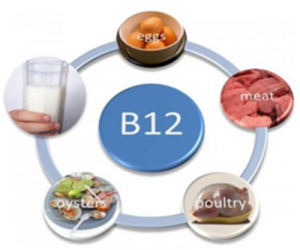
Sources of B12 are animal products (meat, fish, and dairy products), fortified foods. Ensure sufficient quantities of these foods to maintain your B12 levels. If your count is low, consider oral or injectable forms of the vitamin. But why reach that stage?

Have the above mentioned foods in your routine.  The best part of this Energy Nutrient is that the excess is excreted by the body or stored in the liver for use when supplies are scarce. Stores of B12 can last for up to a year. Unfortunately sometimes catching the B12 deficiency late can result in permanent damage. Any neurological damage due to B12 deficiency cannot be reversed. Ensure that your B12 levels are maintained at levels 200 to 900 picograms per milliliter (pg/mL).

#BeTheForce

December 19, 2023 By Saba Mirza 1 Comment

Tea is for Therapy

tea

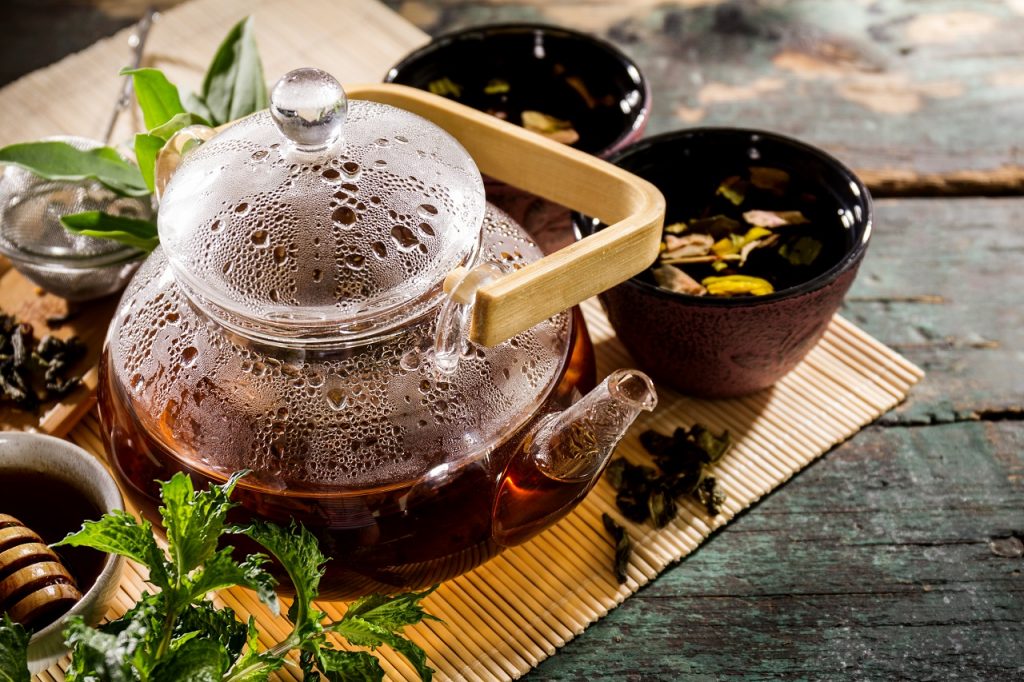
When you hear someone say tea, you are bound to picture that wonderful, aromatic concoction made from milk, sugar and tea leaves. Have you ever felt a slight amount of guilt for loving this enchanting drink when the rest of the world is telling you it is unhealthy? Tea has evolved so much over the centuries from the first time when it came to India, that its original shape and taste is only restricted to additives and the harmful effects of the additives are attributed to tea.

Does it feel like we’ve forgotten the true meaning to tea, which as per Merriam Webster dictionary is – “an aromatic drink, prepared by soaking the part of various plants (such as leaves or roots) and is used medicinally or as a beverage!’’

Here I am enlisting a few authentic teas which have some magical benefits on your health!

1. Wake Up Call Tulsi Tea
Tulsi or holy basil is one of the most sacred herbs in India, also known as “queen of herbs”. Chewing on a few Tulsi leaves is beneficial for you! Imagine sipping on hot Tulsi tea in the morning! The antioxidants in Tulsi Tea clean your body off all the accumulated toxins after the wear and tear which happens during deep sleep.

Its metabolism booster effect helps in optimizing your fasting blood sugar levels while anti-cortisol action is great to reduce the levels of stress hormones in the body, making you ready to welcome the day with a super refreshed and rejuvenated mind!

How to Brew: Take a cup of water in a saucepan. Add 2-3 Tulsi leaves and bring it to a boil till the water absorbs its colour and flavor. After about 2-3 minutes, strain the tea and sip it hot! You can add honey and lemon for more added flavor and nutrients.

2. Mid-Morning Green Tea
Known as one of the world’s healthiest drinks, we are aware of the numerous health benefits of green tea and how it boosts the metabolic process. But do you know that there are some specific times in a day when green tea can do more harm than benefits?  For example, drinking green tea early morning on an empty stomach can increase the acidic environment in the gut or very close to the meals, when the tannins present in it can hamper the absorption of essential nutrients like iron, calcium, proteins from the food. An ideal time to drink this elixir is mid-morning, around 2 hours after your breakfast or 2 hours after lunch.

The natural antioxidants, catechins, which make about 30% of green teas’ nutrient content protect the body from cell damage, and prevent the occurrence of a variety of cancers and degenerative nerve cell disorders like Alzheimer’s.

How to Brew: Pour hot water over loose tea leaves or teabag. Let it steep for 3-5 minutes. Three minutes for mild flavor, five minutes for a robust full flavour as per your taste.

3. Afternoon Black Tea
Afternoon, around 1-2 hours after lunch is the time when we crave for tea the most. The feelings of dizziness, lethargy, sleepiness, heavy-headedness all attack the body together and the need for an instant stimulant is unavoidable. At that time, ditch the harmful additives altogether (milk, sugar) and go for pure, super brain stimulant black tea. L-theanine, the amino acid present in tea increases alpha activity in the brain, resulting in relaxation, better focus and alertness. Black tea is also found to have positive effects on heart health by reducing the levels of LDL – the bad cholesterol when taken consistently.

How to Brew: Pour hot water over a tea bag or boil 2-3g of tea leaves with one cup of water. Let it steep for 3-5 minutes, depending on the flavour you prefer. Strain it and sip to enjoy the rush of energy!

4. Before bed Chamomile Tea
This is one of the best non-caffeinated drink which you can have at bedtime. Chamomile is a herb which comes from the daisy-like flowers of the Asteraceae family which have been used for centuries to reduce inflammation, anxiety and treat insomnia. The best time to relish this naturally sweet tea is 30 minutes before bedtime, as the antioxidant ‘epigenin’ present in it binds to benzodiazepine receptors in the brain that may decrease anxiety and cause mild sleepiness. Some studies have found it effective in positively reducing the anxiety during the postpartum period.

How to Brew: Pour hot water over tea bag or infuser. Let it steep for 3-5 minutes. Add in the flavour of your choice like lemon or mint leaves if needed and enjoy the calmness.

Tea For Home Remedies

Let’s see some age old remedial teas from our grandma’s kitchen!

1. Lemon Honey Tea for Cold and Sore Throat
It is one of the most popular drinks, especially in winters, which instantly soothes a sore throat and reduces congestion. Lemon helps in reducing congestion because of its anti-inflammatory action, while honey helps in soothing the throat.

How to Brew: Add the juice of half a lemon and one teaspoon of organic honey to one cup of hot or warm water and drink instantly!

2. Ginger Tea for Nausea
The active components present in ginger i.e. Gingerol and volatile oils have been found to be effective in reducing nausea caused by pregnancy, chemotherapy or post-surgery. It can also help in calming down the symptoms of motion sickness like dizziness, vomiting and cold sweats.

How to Brew: Add 3-4 slices of peeled, raw ginger in one and half cup of water and let it boil on medium heat for 10-20 minutes, depending on how strong you want it. Remove from heat and add in lemon and honey as per your taste.

3. Peppermint Tea for Bloating
Peppermint is one of the most widely used herbal tea all over the world as a home remedy for various health conditions. It is sometimes known as ‘stomach healer’, as it is known to soothe various gastrointestinal ailments, including stomachache, heart burns, bloating, indigestion and diarrhoea and to promote healthy digestion. It is particularly effective after a meal if you experience heartburn or at the onset of stomach problems.

How to Brew: Add fresh (preferably) or dried peppermint leaves to boiling water. Steep it for 5-10 minutes. Strain the leaves, drink it warm and not scalding hot.

Did you find this article helpful? Try some of these and share your experience with us in the comments below. For more on tea, check out Healthy Reads. You can also buy our select teas, curated by experts from the GOQii Health Store within the GOQii App. Download the app now!  

#BeTheForce 

  • « Previous Page
  • 1
  • …
  • 6
  • 7
  • 8
  • 9
  • 10
  • …
  • 19
  • Next Page »

Search

Recent Posts

  • Immunity-Boosting Kadhas: Why Natural Defense Matters During the Monsoon
  • Healthy Eating: Crispy Monsoon Corn Tikkis
  • Antenatal Exercises: Your Guide to a Fit and Healthy Pregnancy
  • Managing Type 2 Diabetes: Dietary Choices and Lifestyle Adjustments for Better Blood Sugar Control
  • Hormones and Longevity: Why Midlife Health Depends on Hormonal Balance

Stay Updated

Archives

  • July 2026 (22)
  • June 2026 (22)
  • May 2026 (20)
  • April 2026 (24)
  • March 2026 (18)
  • February 2026 (14)
  • January 2026 (14)
  • December 2025 (19)
  • November 2025 (15)
  • October 2025 (20)
  • September 2025 (6)
  • August 2025 (6)
  • July 2025 (10)
  • June 2025 (18)
  • May 2025 (16)
  • April 2025 (22)
  • March 2025 (26)
  • February 2025 (21)
  • January 2025 (25)
  • December 2024 (22)
  • November 2024 (22)
  • October 2024 (20)
  • September 2024 (22)
  • August 2024 (28)
  • July 2024 (16)
  • June 2024 (23)
  • May 2024 (26)
  • April 2024 (27)
  • March 2024 (27)
  • February 2024 (23)
  • January 2024 (21)
  • December 2023 (14)
  • November 2023 (10)
  • October 2023 (19)
  • September 2023 (22)
  • August 2023 (16)
  • July 2023 (18)
  • June 2023 (21)
  • May 2023 (20)
  • April 2023 (19)
  • March 2023 (23)
  • February 2023 (19)
  • January 2023 (15)
  • December 2022 (11)
  • November 2022 (15)
  • October 2022 (15)
  • September 2022 (12)
  • August 2022 (9)
  • July 2022 (17)
  • June 2022 (11)
  • May 2022 (10)
  • April 2022 (6)
  • March 2022 (6)
  • February 2022 (13)
  • January 2022 (11)
  • December 2021 (7)
  • November 2021 (3)
  • October 2021 (6)
  • September 2021 (3)
  • August 2021 (8)
  • July 2021 (7)
  • June 2021 (15)
  • May 2021 (16)
  • April 2021 (10)
  • March 2021 (7)
  • February 2021 (4)
  • January 2021 (4)
  • December 2020 (3)
  • November 2020 (4)
  • October 2020 (10)
  • September 2020 (3)
  • August 2020 (3)
  • July 2020 (2)
  • June 2020 (4)
  • May 2020 (10)
  • April 2020 (12)
  • March 2020 (10)
  • February 2020 (4)
  • January 2020 (4)
  • December 2019 (3)
  • November 2019 (7)
  • October 2019 (5)
  • September 2019 (4)
  • August 2019 (9)
  • July 2019 (9)
  • June 2019 (11)
  • May 2019 (4)
  • April 2019 (8)
  • March 2019 (8)
  • February 2019 (9)
  • January 2019 (8)
  • December 2018 (9)
  • November 2018 (3)
  • October 2018 (3)
  • September 2018 (5)
  • August 2018 (10)
  • July 2018 (6)
  • June 2018 (13)
  • May 2018 (8)
  • April 2018 (18)
  • March 2018 (9)
  • February 2018 (8)
  • January 2018 (15)
  • December 2017 (12)
  • November 2017 (19)
  • October 2017 (13)
  • September 2017 (15)
  • August 2017 (4)
  • July 2017 (8)
  • June 2017 (7)
  • May 2017 (6)
  • April 2017 (8)
  • March 2017 (6)
  • February 2017 (7)
  • January 2017 (9)
  • December 2016 (10)
  • November 2016 (7)
  • October 2016 (7)
  • September 2016 (7)
  • August 2016 (11)
  • July 2016 (9)
  • June 2016 (9)
  • May 2016 (12)
  • April 2016 (17)
  • March 2016 (17)
  • February 2016 (8)
  • January 2016 (6)
  • December 2015 (2)
  • November 2015 (9)
  • October 2015 (7)
  • September 2015 (9)
  • August 2015 (11)
  • July 2015 (9)
  • June 2015 (11)
  • May 2015 (9)
  • April 2015 (13)
  • March 2015 (8)
  • February 2015 (5)
  • January 2015 (12)
  • December 2014 (14)
  • November 2014 (11)
  • October 2014 (6)
  • September 2014 (13)
  • August 2014 (12)
  • July 2014 (6)
  • June 2014 (2)
  • May 2014 (7)
  • April 2014 (4)

From Burnout to Balance: How Dr. Ranjit Reclaimed His Health

Dr Ranjit Bhatt has spent years tending to others. A practising doctor in Odisha, his days were packed with patients, surgeries, and emergencies. From the outside, it looked like a life lived in service. But on the inside, something wasn’t right. “I had no … [Read More...]

From Shimla’s Slopes to Chandigarh’s Sidewalks: Surinder Kaur Bhalla’s Journey from Chaos to Control

Some journeys start with a plan. Others begin with a stumble literally. Surinder Bhalla, a government professional, born and raised in the scenic hill town of Shimla, had always lived a life of movement. “In Shimla, you walked everywhere,” she reflects. “Walking was never an exercise. It was just life.” But after shifting to Chandigarh, […]

“I’ve Challenged Myself to Live 100 Years” – The Story of Chandubhai Savani’s Second Chance at Life

At 67, most people start slowing down. Not Chandubhai Savani. A resident of Surat, Chandubhai, thought life was on track. “My life was going well till I had my bypass surgery,” he says. That surgery, back in 2021, was a wake-up call.  Medication was routine, but exercise wasn’t. His diet? What he calls ‘normal.’ “I […]

Ananda Mukherjee Health Story

From Terminal Illness To Complete Wellness! Ananda Mukherjee Health Story

As we observe World Cancer Day under the powerful theme ‘United by Unique’ (2025-2027)**, we are reminded that every individual’s journey with cancer is distinct, yet united by shared resilience, hope, and the collective fight against this disease. This theme places people at the centre of care and their stories at the heart of the […]

  • HOME
  • HEALTHY LIVING
  • FITNESS
  • HEALTHY RECIPES
  • USER STORIES
  • KARMA
  • BUY GOQii

Copyright ©2016 GOQii