GOQii

Blog

  • HOME
  • HEALTHY LIVING
  • FITNESS
  • HEALTHY RECIPES
  • USER STORIES
  • KARMA
  • BUY GOQii

Search Results for: work from home

June 17, 2026 By Pallavi Barnwal 1 Comment

Why Small Misunderstandings Become Big Fights – And How Couples Can Handle Them Better

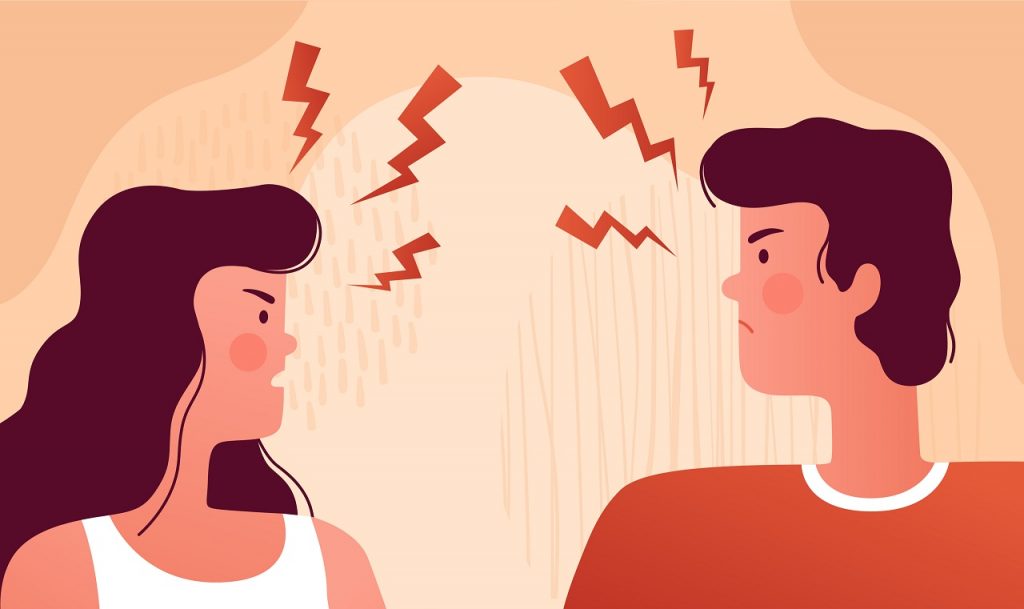
couple misunderstandingsThe Big Question: How does a forgotten chore or a delayed text message suddenly spiral into a multi-day emotional cold war?
Human relationships are deeply subjective networks built on individual perceptions. When a misunderstanding occurs, the primitive threat centers of the brain view a partner’s differing viewpoint as an emotional attack, triggering a cascade of defensive adrenaline. Arguments escalate not because of the literal issue at hand, but because the minor incident triggers deep-seated core wounds of feeling unseen, unappreciated, or abandoned. Breaking this cycle requires moving away from defensive “mind-reading” and establishing a structured framework of emotional attunement and mutual curiosity.

Have you ever found yourself in the middle of a screaming match or a heavy, silent standoff with your partner, only to wonder hours later: “How on earth did something so incredibly small turn into such a massive fight?”

Perhaps the spark was entirely trivial—a forgotten phone call on the way home, an unplanned household decision made without consulting you, a delayed text message, or a casual comment that was interpreted through a defensive lens.

What begins as a minor miscommunication can snowball into intense hurt feelings, profound frustration, and days of painful emotional distance. The underlying truth of relationship therapy is that the vast majority of conflicts are not sparked by major betrayals or sudden, catastrophic events. They are fueled by everyday couple misunderstandings that get out of hand.

While these disconnects are a natural byproduct of intimacy, how you choose to handle them dictates whether your partnership grows apart or builds a stronger bond.

Why Misunderstandings Are Wired Into Relationships

One of the most destructive myths popularized by romantic culture is the idea that if two people truly love each other, they should instinctively and naturally understand one another’s minds.

In reality, every single individual steps into a relationship carrying a massive, invisible suitcase filled with unique life experiences, core values, unvoiced expectations, family-of-origin blueprints, and distinct communication styles. What feels completely normal and logical to one person can easily feel neglectful, chaotic, or confusing to another.

Consider these common psychological mismatches:

  • The Emotional Processor vs. The Rejection Alarm: One partner utilizes silence as a constructive, necessary tool to de-escalate their nervous system and process heavy emotions internally. The other partner, however, interprets that exact same silence as cold emotional abandonment and active rejection.
  • The Independent Decider vs. The Inconsiderate Tag: One partner makes independent daily choices because they were raised in an environment that heavily rewarded self-reliance. The other partner interprets that exact same behavior as a selfish, inconsiderate disregard for the team.

In these everyday scenarios, neither individual is factually wrong or behaving maliciously. They are simply viewing the exact same reality through entirely different psychological lenses.

The Real Reason Minor Disagreements Hurt So Much

To break the cycle of escalating arguments, couples must understand that the fight is almost never about the surface topic. It is entirely about what that topic represents on a deeper, symbolic level.

A forgotten anniversary or a missed dinner reservation isn’t a rational debate about scheduling; it triggers an internal narrative of: “I am invisible. My presence doesn’t matter to you.” A partner arriving home late without sending a quick text rolls into the subconscious mind as: “My time and my feelings are completely unimportant to you.”

When your partner misunderstands your words or actions, your brain doesn’t just register slight irritation—it triggers a profound sense of isolation. One of the absolute deepest human imperatives is the primal desire to be accurately “seen,” heard, and emotionally validated by the people we love. When that attunement fails, the ego immediately builds a wall of defensive armor to protect itself from further pain.

5 Core Habits to Stop the Conflict Spiral

If you want to transform moments of sudden friction into catalysts for emotional closeness, integrate these five core relational habits into your daily life:

  1. Accept That Misunderstandings Are Biologically Inevitable

Stop treating the presence of an argument as definitive proof that your relationship is failing or that you are inherently incompatible. Misunderstandings are a statistical certainty whenever two complex human minds merge their lives.

When a disconnect happens, shift your internal questioning away from a defensive, panicked mode (“Why are we fighting again?”) and lean into a constructive framework: “What underlying expectation or past wound is this disagreement trying to reveal to us?”

  1. Move From a Stance of Self-Defense to Radical Curiosity

The exact moment conflict erupts, your body’s sympathetic nervous system fires up, and you instinctively begin compiling a mental legal defense to protect your character. You focus entirely on explaining your good intentions, rationalizing your behavior, or proving why your point of view is the objective truth. This defensive posturing guarantees your partner feels dismissed.

To break this pattern, pause, take a deep breath to ground your body, and choose curiosity over self-defense. Use validating, open-ended questions to learn what parts of your actions felt most upsetting, look at the situation from their side of the room, and discover what you might be missing about their experience.

  1. Replace Mind-Reading Stories with Direct Questions

The human brain is a prediction machine that absolutely despises ambiguity. When your partner behaves in a way that leaves an informational blank, your mind will automatically fill in that blank with a highly dramatic story—usually written with the ink of your deepest personal insecurities.

When your partner exhibits ambiguous behavior, your mind naturally rushes to fill in the blanks with a protective “mind-reading” story, which quickly drives up emotional reactivity and escalates the conflict. Breaking this downward spiral requires a mindful pause and a deep breath to calm your nervous system. By replacing your internal assumptions with an open, clarifying question, you instantly introduce structural clarity into the conversation and open the door for genuine data-gathering.

  1. Speak Your Raw Experience—Not Your Summary Judgments

One of the fastest ways to guarantee an argument escalates into a screaming match is to launch a character attack. Labeling your partner forces them into an aggressive defensive posture.

When raising a grievance, always utilize strict “I” statements that anchor the conversation to your immediate emotional reality rather than your global conclusions about their character. Instead of using sweeping accusations like “You are an incredibly selfish person who never thinks about anyone else,” speak strictly to your raw vulnerability: “I felt incredibly hurt, unseen, and overwhelmed when that decision was finalized without us discussing it together first.”

  1. Establish a Baseline Assumption of Benevolence

Not every human mistake is a calculated act of disrespect. Not every conversational misfire is a sign of rejection. Unless you are dealing with a toxic dynamic, operate under the unshakeable premise that the person you chose to build a life with is not actively plotting to hurt your feelings.

They may be under intense professional stress, highly distracted, completely exhausted, or simply unaware of the structural impact of their actions. Before assigning a malicious motive, pause and actively ask yourself: “What is an alternative, charitable explanation for why they behaved this way?”

Recognizing the Hidden Fuel: Stress and Exhaustion

Many couples burn through thousands of hours trying to fix their communication skills, when the real culprit isn’t their relationship at all—it is their depleted physiological state.

Your capacity for emotional regulation, patience, perspective-taking, and marine communication lives entirely in your brain’s prefrontal cortex. When you are operating under conditions of chronic sleep restriction, intense work pressure, or emotional burnout, your prefrontal cortex suffers from a profound energy deficit. As a result, your hyper-reactive emotional center—the amygdala—takes complete control.

When your biological reserves are empty, a minor misunderstanding that you would normally laugh off on a relaxed weekend feels like a direct attack on your security. Relationship health and personal physical wellbeing are deeply intertwined. Managing your daily sleep architecture, hydration, and central nervous system stress is a foundational requirement for having calm, loving conversations with your partner.

The Relational Repair Framework

The Destructive Communication Spiral             The Restorative Rebalancing Tool
Defensive Armor & Cross-Complaining Step out of the courtroom. Swap proving you are “right” for learning why your partner is hurt.
Mind-Reading & Fabricated Stories Leave the assumption warehouse. Ask open-ended, clarifying questions to gather real data.
Character Assassination & “You” Attacks Focus entirely on your experience. Speak your vulnerability, not your absolute conclusions.

A thriving, resilient relationship is not defined by an artificial absence of arguments; it is defined by the speed, safety, and depth of your emotional repair. Disagreements are an expected element of sharing a life with another human being.

The goal of your partnership shouldn’t be to avoid conflict at all costs, but to prevent emotional disconnection. By replacing judgment with curiosity, accusations with open questions, and character attacks with vulnerable sharing, you can transform moments of intense frustration into profound anchors of mutual trust, lasting intimacy, and safety.

Pro Tip: Emotional regulation and relationship harmony are deeply bound to your lifestyle choices. Use the GOQii App to log your daily stress indicators, track your sleep cycles, and record your mindfulness minutes. Taking just 5 to 10 minutes to calm your own nervous system before addressing a sensitive topic with your partner ensures you communicate from a place of grounded clarity rather than reactive exhaustion!

Frequently Asked Questions (FAQs)

  1. Is it normal for a happy, healthy couple to have misunderstandings on a regular basis?

Yes, absolutely. Having regular misunderstandings is a completely normal aspect of any healthy long-term relationship. Two unique individuals with different family upbringings, personality matrices, and neurological wiring cannot align perfectly 100% of the time. What separates healthy couples from distressed ones is not the absence of misunderstandings, but their shared commitment to repairing them calmly without resorting to contempt or character attacks.

  1. Why do small household issues frequently explode into massive arguments?

Small issues explode because the argument isn’t actually about the dishes, the laundry, or the late text message. The small event acts as a trigger for a much deeper, unvoiced emotional concern. To your subconscious mind, the physical oversight gets translated into a painful relational story, such as: “I am not important to you,” or “My contribution to this team is invisible.” The fight escalates because both partners are reacting to the hidden emotional injury rather than the surface event.

  1. How can I train my brain to stop automatically assuming the worst about my partner’s motives?

To break this defensive habit, implement a mandatory cognitive pause the moment you feel your chest tighten during a disagreement. Before you speak or react, explicitly tell yourself: “I am creating a story in my head right now. Let me gather real data before I launch an attack.” Then, replace your accusation with a vulnerable inquiry: “When you didn’t respond to my call, my anxiety spiked and I started telling myself you were ignoring me. Can you tell me what was going on on your end?”

  1. Can chronic lifestyle stress and lack of sleep genuinely ruin a relationship’s communication?

Yes, profoundly. When you are chronically sleep-deprived or suffering from professional burnout, your brain’s prefrontal cortex loses its capacity to regulate emotions and govern your impulse control. This leaves your amygdala in charge, driving you into an immediate fight-or-flight response. Under these physiological conditions, your patience drops to zero, and your brain is heavily wired to view any ambiguous comment from your partner as a direct threat, dramatically increasing the frequency of explosive fights.

#BeTheForce 

Disclaimer: This article is intended for educational and informational purposes only. It is not intended to replace professional relationship counseling, clinical marriage therapy, or medical mental health advice. If your relationship is experiencing severe emotional distress, persistent hostility, psychological abuse, or safety concerns, please immediately consult a licensed relationship therapist or a certified family counselor.

June 15, 2026 By GOQii Leave a Comment

Train Hard, Sleep Well: The Recovery Secret Most People Ignore

The Big Question: Why is skimping on a good night’s rest the absolute fastest way to destroy your strength, fitness, and weight-loss progress?
When working to improve fitness, build lean muscle, or manage weight, the vast majority of people focus entirely on two metrics: workout intensity and strict nutrition. However, the foundational pillar that dictates the success of those efforts is sleep. While target resistance training and cardiovascular movement provide the necessary stress stimulus for physical improvement, actual physiological adaptation, cellular repair, and tissue rebuilding occur while you rest. Consistently missing your sleep windows shifts your body into a chronic catabolic state, making recovery highly difficult and undermining your hard work in the gym.

When it comes to building a vibrant, high-performing body, mainstream fitness culture teaches us that success rests on a simple, two-part formula: training hard and eating well. Both elements are undeniably critical. Yet, a silent epidemic of under-recovery persists because people routinely neglect the third, equally important pillar of health: high-quality sleep.

In today’s fast-paced world, many individuals treat sleep as an optional luxury. They willingly sacrifice their rest windows to squeeze in early morning high-intensity workouts, finish late-night professional commitments, keep up with social activities, or indulge in endless screen time.

However, poor sleep quality will quietly stall your physical progress, no matter how heavy you lift or how cleanly you eat. The biological reality is straightforward: exercise challenges the body, but sleep is where the body adapts and grows.

The Biological Reality: Why Sleep Matters for Recovery

Sleep is far more than a period of cellular inactivity. While your mind rests, your brain signals your endocrine and immune networks to perform intense, essential maintenance that supports your long-term physical longevity.

  1. Accelerated Muscle Tissue Repair

Intense physical activity creates localized inflammation, metabolic waste accumulation, and microscopic structural tears in your skeletal muscle fibers. Deep sleep is the primary physiological window during which your body accelerates protein synthesis, utilizing circulating amino acids to patch these micro-tears. This recovery process thickens muscle fibers, preserves lean mass, and prepares your connective tissues for future workouts.

  1. Neurological Energy Restoration

Physical movement and cognitive focus rapidly deplete your body’s cellular energy reserves and central nervous system glycogen. Sleep allows your brain to execute a vital metabolic cleanup, restoring neural pathways and clearing away waste products. This ensures that you wake up with the raw physical power and mental stamina required to perform at your peak.

  1. Precision Hormonal Balancing

Your endocrine system is deeply bound to your natural circadian rhythm. Essential hormones that dictate your rate of muscle recovery, metabolic speed, tissue repair, and appetite regulation—such as testosterone, human growth hormone (HGH), leptin, and ghrelin are directly modulated by the quantity and depth of your sleep cycles.

  1. Immune System Maintenance

A resilient immune system requires the restorative downtime of slow-wave sleep to synthesize protective cytokines and white blood cells. Experiencing chronic sleep deficits lowers your baseline immunity, making your tissues highly vulnerable to systemic inflammation, frequent colds, and persistent joint soreness.

  1. Enhanced Cognitive Focus and Reaction Time

Sleep is the primary vehicle for memory consolidation, motor-skill learning, and executive decision-making. Whether you are navigating a high-stakes professional presentation or executing a complex, heavy compound lift on the gym floor, mental sharpness, spatial awareness, and fast reaction times are non-negotiable for avoiding injury.

Can Better Sleep Directly Support Muscle Growth?

A very common question among active individuals is whether sleep directly influences muscle hypertrophy. The answer is a definitive yes but not because spending time in bed magically builds muscle mass overnight.

Muscle hypertrophy is a multi-step biological journey. It begins with progressive training stress loading the frame, which must then be paired with a precise intake of macronutrients. However, these steps are only the preparation. The actual transition into muscle growth requires a dedicated sleep window. Once your brain enters deep, slow-wave sleep states, it activates a natural surge of growth hormones, maximizing muscle protein synthesis and repairing the tissue micro-tears.

Clinical research demonstrates that chronic sleep restriction suppresses muscle protein synthesis pathways and spikes catabolic stress hormones. You can execute the perfect training program and log pristine nutritional macros, but if you are chronically sleep-deprived, you are forcing your body to work in a muscle-wasting environment.

The Compounding Costs of Chronic Sleep Deficits

Missing a few hours of rest on an occasional busy night will not derail your long-term fitness goals. However, allowing chronic sleep restriction to become a lifestyle habit triggers a series of destructive physical consequences:

  • Stagnant Exercise Performance: You will experience a noticeable drop in raw muscular strength, lower cardiovascular endurance, poor spatial coordination, and a total lack of workout motivation.
  • Delayed Recovery Windows: Your muscles and joints will remain sore and tender for several days, indicating that your body is struggling to repair tissue damage between scheduled sessions. This makes recognizing the why recovery matters: signs you’re training too hard guidelines an absolute necessity.
  • Hormonal Hunger Shifts: Sleep deprivation directly disrupts your satiety hormones, blunting leptin (which signals fullness) and spiking ghrelin (which signals hunger). This hormonal imbalance triggers intense, unmanageable cravings for highly processed, calorie-dense foods, which directly complicates long-term weight management.
  • Elevated Systemic Stress: Chronic exhaustion places your body into a perpetual “fight-or-flight” state, causing baseline cortisol to hover at abnormal levels. Understanding how cortisol and chronic stress: what your body is trying to tell you works is vital if you want to protect your metabolism from burning out.

Determining Your Optimal Sleep Window

Most physically active adults require between 7 to 9 hours of high-quality sleep per night to fully counter the cellular stress of daily life and intense training.

Individual recovery needs naturally vary based on your age, baseline health status, and daily exercise volume. If you are engaging in heavy weight training, running long distances, or managing an intense professional schedule, you will experience the greatest health benefits by targeting the upper end of that 9-hour range.

Remember, the ultimate goal is not just spending generic time lying down in bed; it is securing uninterrupted, high-quality sleep cycles.

The Science of the 20-Minute Power Nap

When an unpredictable schedule disrupts your nighttime rest, a strategic daytime power nap can serve as an exceptional recovery tool.

To maximize alertness and lower mental fatigue without disrupting your evening schedule, keep your nap strictly between 20 to 30 minutes. Waking up within this window prevents you from entering the deeper stages of slow-wave sleep. If you cross into deep sleep during the day, you will experience severe sleep inertia, leaving you feeling incredibly groggy, weak, and disoriented upon waking.

5 Practical Habits for Superior Sleep Architecture

To help your central nervous system transition smoothly into deep, slow-wave rest, optimize your evening routine with these five science-backed habits:

  1. Lock In a Consistent Sleep Schedule: Go to bed and wake up at the exact same time every day, including weekends. This consistency anchors your internal circadian clock, optimizing natural hormone release windows.
  2. Set a Hard Digital Curfew: The blue light emitted from smartphones, tablets, and laptops mimics sunlight, tricking your brain into suppressing melatonin production. Turn off all non-essential screens at least one hour before bedtime.
  3. Decompress with an Evening Relaxation Routine: Signal your body that it is safe to unwind by dedicating the final hour of your evening to gentle reading, warm showers, or light mobility work. Utilizing the benefits of mindfulness for better sleep can help calm an overactive nervous system.
  4. Transform Your Bedroom into a Sleep Chamber: Keep your sleeping environment exceptionally cool, dark, and quiet. Use blackout curtains or eye masks to eliminate disruptive light pollution, as your physical environment dictates sleep depth far more than most people realize.
  5. Manage Your Late-Day Caffeine Timing: Caffeine is a powerful stimulant with a long half-life that blocks your brain’s natural sleep-pressure receptors. To protect your sleep architecture, cut off all coffee, tea, and pre-workout drinks at least 6 to 8 hours before bed.

Core Sleep Disruptors to Eliminate Immediately

  • Late-Night Alcohol Consumption: While a drink may help you fall asleep initially, alcohol fragments your sleep architecture, elevates your resting heart rate, and drastically reduces your time spent in REM and deep slow-wave sleep stages.
  • Heavy, Calorie-Dense Dinners: Eating large meals close to bedtime forces your digestive system to work overtime. This elevates your core body temperature and causes nighttime indigestion, leading to a highly restless night.
  • Vigorous Late-Night Workouts: Performing high-intensity interval training or heavy lifting within 2 hours of bedtime floods your bloodstream with adrenaline and raises systemic core heat, making it incredibly difficult for your body to wind down.
  • Bringing Professional Work into Bed: Using your mattress as a home office degrades the psychological association between your bed and rest. Keep your work and sleep spaces completely separate.

The Sleep Optimization Checklist

The Recovery Pillar High-Performance Strategy Physiological Outcome
Nutritional Support Prioritize protein to assist protein and muscle recovery Supplies bone marrow and muscles with repair blocks.
Hydration Discipline Balance evening fluids to optimize hydration and exercise performance Clears metabolic waste without disrupting sleep cycles.
Restorative Movement Integrate low-impact healthy ageing through movement Lowers daily cortisol and relieves joint stiffness.

Sleep is never time lost; it is a fundamental investment in your longevity and physical performance. Whether your personal goal is building lean muscle, maximizing athletic endurance, managing weight, or supporting a lifetime of vibrant health, quality sleep provides the biological foundation that makes all of your other healthy habits work more effectively.

Training hard provides the physical challenge, but recovery is where progress actually happens. Before searching for the next exotic supplement or trend, take a serious look at your sleep habits. Your physical transformation starts long before you ever step foot inside the gym.

Pro Tip: Managing your exercise and recovery balance requires consistent habit tracking. Use the GOQii App to log your daily physical movement, record your nutritional data, and maintain a clear log of your sleep habits. You can seamlessly share this comprehensive data overview with your GOQii Personalised Health Coach to identify hidden lifestyle triggers, eliminate patterns of under-recovery, and create a highly sustainable routine tailored perfectly to your metabolic goals!

Frequently Asked Questions (FAQs)

  1. Can a chronic lack of sleep directly stall my muscle growth progress?

Yes, absolutely. Sleep is the primary physiological window during which your endocrine system releases essential anabolic hormones like human growth hormone and testosterone to repair tissue damage. Consistently missing your sleep windows elevates the catabolic hormone cortisol, which actively accelerates muscle tissue breakdown and suppresses protein synthesis, halting long-term muscle gains.

  1. How much sleep do active adults genuinely need every night?

While sleep needs are highly individualized, the clear clinical recommendation for physically active adults is to secure between 7 to 9 hours of sleep per night. Individuals who participate in regular intense training routines or carry high daily stress loads recover most efficiently when they target the upper end of that range.

  1. Are short daytime naps beneficial for muscle recovery?

Yes. If you have experienced an unavoidable deficit in your nighttime rest, a brief daytime nap of 20 to 30 minutes is excellent for lowering central nervous system fatigue, sharpening mental concentration, and reducing daytime cortisol. However, naps should serve as a helpful complement to, rather than a permanent replacement for, a consistent nighttime sleep schedule.

  1. Is getting high-quality sleep more important than working out?

They are interdependent components of a functional fitness equation. Exercise acts as the necessary physical stimulus that challenges your muscles and bones, while sleep serves as the mandatory recovery window during which your body executes cellular repair and growth. Exercising heavily on a chronically sleep-deprived body is counterproductive and heavily increases your risk of injury.

  1. Can sleeping longer immediately improve my workout performance?

Consistently prioritizing adequate, high-quality sleep directly maximizes your daily cellular energy stores, sharpens mental concentration, stabilizes mood, speeds up tissue healing, and restores neuromuscular coordination. This comprehensive physiological reset directly results in greater power output, endurance, and safety during your workouts.

#BeTheForce

Disclaimer: This article is intended for educational and informational purposes only. It is not intended to replace professional medical advice, clinical diagnosis, or treatment. Always consult a qualified healthcare provider or sports medicine physician before starting an intense exercise regimen or making drastic changes to your therapeutic lifestyle routines.

June 13, 2026 By GOQii Leave a Comment

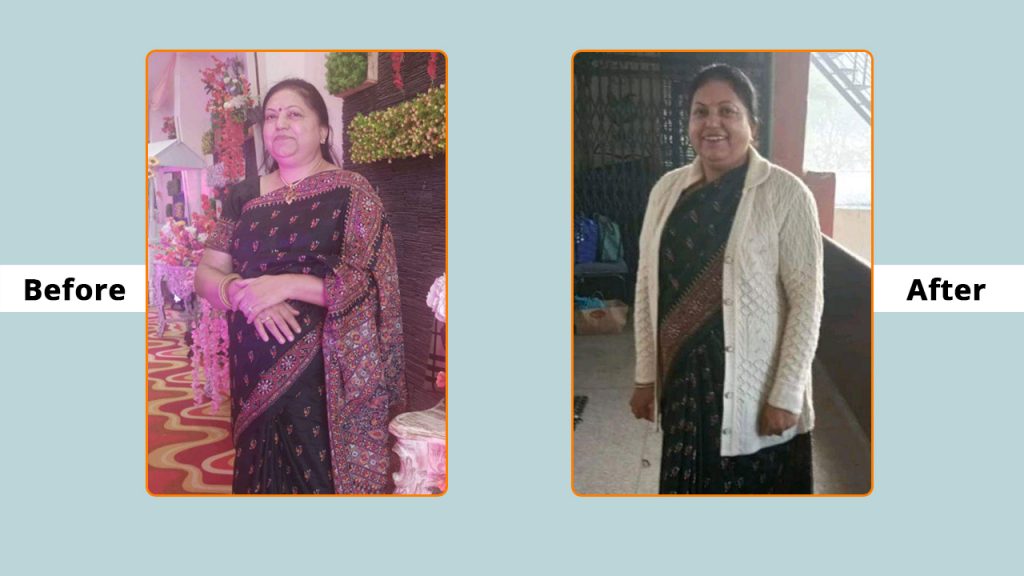
From Shimla’s Slopes to Chandigarh’s Sidewalks: Surinder Kaur Bhalla’s Journey from Chaos to Control

Some journeys start with a plan. Others begin with a stumble literally.

Surinder Bhalla, a government professional, born and raised in the scenic hill town of Shimla, had always lived a life of movement. “In Shimla, you walked everywhere,” she reflects. “Walking was never an exercise. It was just life.” But after shifting to Chandigarh, that quiet rhythm changed. Here, everything was mechanised. Walking became optional, even avoidable—relegated to an “exercise” slot, if at all.

But Surinder’s story is not one of stagnation—it’s one of incredible personal transformation.

The Wake-Up Call

Life, for Surinder, used to be a whirlwind starting at 4 a.m., rushed meals, erratic routines, work stress, and hardly any time for self-care. “Everything was on the go. Health took a backseat,” she admits. As a teacher, not very tech-savvy, she had no idea something like GOQii—a health coaching platform—existed.

That changed in 2019 when, after a painful knee injury, her orthopaedic consultation led her to a free three-month GOQii subscription. A blessing in disguise, as she calls it.

It was just in time.

The Right Time, The Right Nudge

The timing was serendipitous. Soon after joining in Dec 2019, COVID-19 hit. While the world came to a standstill, Surinder found stability in her new virtual coach. “The chats, the daily motivation, it kept me anchored,” she recalls. With her coach’s support, she began reworking her routines, improving her eating habits, incorporating daily walks, and experimenting with decoctions, all while cutting through old habits one step at a time.

The changes were subtle at first, but soon added up—better sleep, improved digestion, increased stamina, and something far more profound: self-belief.

From Medications to Mindset

Diagnosed with diabetes in 2013, Surinder had been on medication for years. She consciously chose not to start insulin. With consistency and coaching, her sugar levels stabilised. Today, her medications have drastically reduced, and her diabetes is under control. “My willpower is the strongest it has ever been,” she says proudly.

Friends and colleagues now look at her transformation in disbelief. “They’re shocked when I tell them I’ve had diabetes for 13 years. No one believes my age, or the energy I bring.”

A New Taste of Life

Apart from walking her health journey, Surinder has also rediscovered her joy in cooking. A passionate home chef, she now experiments with healthy, sattvik recipes, adding her unique twists. “I’ve been a sattvik eater for the past 6-7 months. It feels lighter, better,” she shares.

What Keeps Her Going?

“Blessings,” she smiles. “They play a vital role. I feel blessed to have a coach who reminds me daily that I can be better. I don’t do anything out of force—I do it because I want to. I follow my mind, and now my body follows too.”

Her Message to Others

If Surinder’s journey says anything, it’s this: You don’t need a perfect start. You just need the courage to take the first step,  no matter how small, or even how accidental. Sometimes, the most powerful transformations come not when you plan for them, but when life nudges you toward your own better version.

Does her Health Story inspire you? Do you want to make a radical lifestyle shift as well? Subscribe for GOQii’s Personalised Health Coaching and start now: https://goqiiapp.page.link/bsr

For more inspiring Health Stories, check out Healthy Reads.

#BeTheForce

Disclaimer: The information provided in this blog is for general awareness and educational purposes only. It is not intended to replace professional medical advice, diagnosis, or treatment. Always consult a qualified healthcare provider for personalised medical guidance or concerns related to your health. Images shown are for representation purposes only and may not depict the exact recommendations or outcomes.

June 12, 2026 By GOQii Leave a Comment

Yoga and Hormonal Health: What the Science Says

The Big Question: Can stepping onto a yoga mat truly influence your body’s complex chemical messengers?

Your endocrine system is an intricate biological network of glands responsible for manufacturing and releasing hormones that dictate cellular metabolism, tissue recovery, reproductive function, sleep architecture, mood stability, and daily energy levels. While yoga does not directly “cure” endocrine disorders or mechanically force specific glands to produce more hormones, clinical research demonstrates that it heavily supports the body’s overall hormonal environment. By downregulating chronic stress axes, enhancing sleep depth, optimizing insulin sensitivity through movement, and restoring autonomic nervous system equilibrium, a consistent yoga practice works as a powerful, non-invasive stabilizer for your internal biochemical landscape.

Modern life places relentless, compounding demands on both our minds and bodies. From strict workplace deadlines and financial pressures to family caregiving responsibilities and constant digital hyper-stimulation, psychological stress has transitioned into a daily companion for millions. Over time, this chronic mental fatigue degrades your sleep quality, alters your mood, drops your baseline energy, slows down your metabolic rate, and severely compromises your long-term cellular health.

This is precisely where the clinical application of yoga becomes invaluable. Rather than viewing it purely as an exercise for flexibility, sports science and lifestyle medicine recognize yoga as a multi-modal practice that combines structured physical movement, conscious breathing techniques (pranayama), and mindfulness. Increasingly, neuroscientists and endocrinologists are mapping out the exact pathways through which these practices indirectly optimize endocrine function and help your body maintain internal systemic balance.

Understanding the Human Endocrine System

The endocrine system serves as your body’s primary chemical communications network. It is composed of a specialized cluster of glands that synthesize regulatory hormones and secrete them directly into the bloodstream. These hormones function as molecular messengers, binding to targeted cell receptors to instruct your organs on how to behave.

The major endocrine glands working in tandem include:

  • The Hypothalamus & Pituitary Gland: Located in the brain, this pair acts as the command center, governing global hormone release.
  • The Thyroid & Parathyroid Glands: Found in the throat, they establish your baseline metabolic speed and calcium balance.
  • The Adrenal Glands: Sitting atop the kidneys, they dictate your acute and chronic stress adaptation.
  • The Pancreas: Positioned in the abdomen, it regulates blood sugar via insulin and glucagon.
  • The Ovaries & Testes: The reproductive glands responsible for sex hormone synthesis.

When this complex chemical web functions optimally, your body achieves a state of homeostasis – the ideal internal equilibrium required to defend against disease and slow down premature cellular aging.

The Neuroendocrine Axis: The Stress-Hormone Connection

The primary mechanism through which yoga optimizes your hormonal landscape is its direct, calming impact on your stress pathways. When your brain registers a psychological or physical threat, it activates the Hypothalamic-Pituitary-Adrenal (HPA) axis. This activation triggers an immediate, survival-driven surge of catecholamines and glucocorticoids, specifically adrenaline and cortisol.

[Chronic Modern Stressors] ──► Hyperactive HPA Axis ──► Non-Stop Cortisol Release

│

[Sustained Parasympathetic Mode via Yoga] ──► Vagus Stimulation ──► Hormonal Equilibrium

In short, acute bursts, this fight-or-flight response is an evolutionary marvel that provides the focus and glucose needed to survive immediate danger. However, in our modern environment, stressors do not disappear; they linger for months or years. When the HPA axis is kept permanently turned on, chronically high levels of cortisol begin to damage your tissues, leading to:

  • Fragmented sleep architecture and a lack of deep, restorative rest
  • Persistent daytime fatigue and chronic mental fog
  • Severe disruptions to your hunger-regulating hormones (leptin and ghrelin), sparking intense sugar and processed food cravings
  • Reduced rates of physical muscle and joint recovery
  • An accumulation of visceral lower abdominal fat due to localized insulin resistance

5 Science-Backed Ways Yoga Restores Hormonal Balance

Rather than manipulating an isolated hormone pathway, yoga targets the underlying lifestyle and neurological triggers that disrupt your endocrine health.

  1. Shifts the Nervous System into Parasympathetic Dominance

One of the most clinically verified benefits of yoga is its capacity to downregulate a hyper-reactive sympathetic nervous system and stimulate the parasympathetic nervous system the body’s natural “rest-and-digest” mechanism. Activating this state instantly instructs your adrenal glands to dial back the overproduction of cortisol. Because chronic stress can negatively alter multiple peripheral hormone pathways, learning to master stress management techniques is a foundational requirement for entire endocrine health.

  1. Upgrades Sleep Architecture for Hormonal Repair

Deep, uninterrupted sleep is the primary physiological window during which your body repairs cells and balances hormones. Critical processes, such as human growth hormone (HGH) release and thyroid-stimulating hormone (TSH) regulation, are deeply dependent on your sleep cycles. Clinical research shows that a regular yoga practice dramatically decreases nighttime awakenings, making a major case for why quality sleep matters if you are trying to overcome hormonal exhaustion.

  1. Improves Insulin Sensitivity Through Mindful Movement

Yoga serves as a sustainable, low-impact form of physical activity that builds muscular strength, flexibility, mobility, and balance. From a metabolic perspective, contracting your skeletal muscles during yoga poses encourages your cells to pull glucose from your bloodstream much more efficiently. This mechanical action drastically optimizes your insulin sensitivity, lowers your cardiovascular risk, and supports long-term metabolic health.

  1. Cultivates Mindful Living and Metabolic Awareness

Yoga is inherently an internal practice that builds deep interoceptive awareness the capacity to accurately feel and interpret your body’s inner signals. By teaching you to slow down and observe your breathing patterns and muscle tension, yoga helps you become highly aware of your emotional triggers, sleep deficits, and true hunger cues. This mental clarity directly translates into cleaner dietary choices and supportive daily routines, which are essential for repairing the gut-brain connection.

  1. Supports Critical Hormonal Transitions Across Life Stages

Because yoga systematically lowers systemic inflammation and tones the nervous system, it functions as an exceptional, natural lifestyle aid during major hormonal transitions:

  • Menopause: Yoga helps mitigate the physical and emotional impact of dropping estrogen levels. By emphasizing strength training and balance, it works hand-in-hand with clinical strategies for menopause and bone health to combat premature bone thinning.
  • Polycystic Ovary Syndrome (PCOS): While yoga is not a medical cure for PCOS, the lifestyle improvements it delivers—specifically reducing stress-induced cortisol and lowering insulin resistance—help create a calm internal environment that supports ovarian health.
  • Healthy Ageing: As the body grows older, preserving muscle mass, protective joint stability, and stress resilience is non-negotiable for staying independent. Yoga provides a safe framework for sustaining your vitality through fluid movement.

The Biological Power of Pranayama and Yoga Nidra

To truly maximize your endocrine recovery, you must look past the physical poses and incorporate the deeper breath and meditative elements of yoga.

Pranayama (Conscious Breath Modulation)

Pranayama involves the deliberate, rhythmic modification of your breath. Exercises like deep diaphragmatic breathing, alternate nostril breathing (Nadi Shodhana), and slow-paced exhalations physically stimulate your vagus nerve—the main highway of your parasympathetic nervous system. Vagal stimulation instantly slows down your heart rate, lowers blood pressure, reduces cognitive anxiety, and creates an internal environment where your endocrine glands can safely recalibrate.

Yoga Nidra (Conscious Yogic Sleep)

Yoga Nidra is a highly structured, guided meditation that leads your mind into the deep borderland between wakefulness and sleep. Unlike normal sleep, you maintain crisp, internal awareness while your physical body rests deeply. For individuals battling severe emotional exhaustion or professional burnout, Yoga Nidra allows your brain waves to drop from frantic Beta frequencies into healing Alpha and Theta frequencies, offering an exceptional neurological reset for an overworked hypothalamus.

Postures that Promote Physical Relaxation

While the primary goal of any yoga program is global nervous system regulation rather than stimulating an isolated organ, integrating these specific postures into your weekly routine can help release deep physical tension and improve local blood circulation:

Asana (Pose) Execution Strategy Primary Physiological Target
Balasana (Child’s Pose) Rest forehead on the mat, breathe into the lower back Softens the adrenal region and calms the mind.
Bhujangasana (Cobra Pose) Lift chest gently using upper back strength, keep shoulders down Opens the chest and dynamically stretches the anterior torso.
Setu Bandhasana (Bridge Pose) Press through heels to lift hips, engage glutes and thighs Improves pelvic circulation and builds spinal tracking awareness.
Uttanasana (Forward Fold) Softly bend knees, let head and neck hang completely loose Reverses gravity to increase rich blood flow toward the brain.
Viparita Karani (Legs-Up-The-Wall) Rest hips near a wall, extend legs straight upward, close eyes Drastically accelerates venous lymphatic drainage and restores the heart.

Yoga is not a magical cure for clinical endocrine disorders, nor should it ever replace a necessary, prescribed medical treatment plan. However, when viewed through the lens of modern medicine, yoga is a world-class supportive tool that optimizes the precise lifestyle and neurological factors that dictate your hormone behaviors. By systematically managing your stress, improving sleep architecture, and embedding deep mindfulness into your days, a consistent yoga practice becomes a reliable ally for maintaining long-term resilience and physical vitality.

Pro Tip: Successfully balancing your endocrine system requires consistent lifestyle alignment. Use the GOQii App to log your daily yoga sessions, record your meditation and pranayama minutes, and evaluate your nightly sleep quality. You can seamlessly share this holistic wellness overview with your GOQii Personalised Health Coach to build a practical, customized nutrition and mindfulness plan designed exactly to support your unique metabolic goals!

Frequently Asked Questions (FAQs)

  1. Can yoga help balance hormones naturally?

Yes, but it does so indirectly. Yoga does not physically force a specific gland to secrete more or less of a chemical. Instead, it systematically lowers chronic stress hormones (like cortisol and adrenaline), improves sleep architecture, and boosts insulin sensitivity through movement. Balancing these core lifestyle factors allows your endocrine system to naturally return to homeostasis.

  1. Can yoga cure thyroid disorders like hypothyroidism or hyperthyroidism?

No. Yoga cannot replace thyroid hormone replacement medications or medical therapies for diagnosed clinical conditions. However, it serves as an excellent complementary therapy. The regular practice of stress reduction and physical asanas can help manage common secondary symptoms of thyroid issues, such as chronic fatigue, muscle stiffness, poor circulation, and elevated anxiety.

  1. How often do I need to practice yoga to experience real improvements in my stress hormones?

When it comes to regulating your nervous system, consistency is significantly more important than duration. Practicing yoga mindfully for just 15 to 30 minutes, three to five times per week, is highly effective for maintaining a low baseline cortisol level and supporting metabolic health.

  1. Is Yoga Nidra just a fancy term for taking a nap?

No, they are biologically distinct. During a standard nap, your mind loses consciousness and enters a state of sleep. In contrast, Yoga Nidra is a state of conscious, guided relaxation. Your physical body enters a deeply restful state similar to deep sleep, but your mind remains fully awake and aware, allowing for rapid neurological recovery and stress decompression.

#BeTheForce

Disclaimer: This article is intended for educational and informational purposes only. It is not intended to replace professional medical advice, diagnosis, or treatment. Always consult a qualified endocrinologist or your primary healthcare provider before altering your medical plan or beginning a new physical routine to manage a hormonal condition.

  • « Previous Page
  • 1
  • …
  • 18
  • 19
  • 20
  • 21
  • 22
  • …
  • 81
  • Next Page »

Search

Recent Posts

  • The Science of Power Naps: How Long is Too Long?
  • 7 Reasons Why Pulses Are Good For You!
  • How Exercise Impacts Mental Health
  • Dussehra 2026: 10 Unhealthy Habits to Leave Behind
  • 5-Minute Healthy Snacks for Work & Home

Stay Updated

Archives

  • October 2026 (16)
  • September 2026 (5)
  • August 2026 (8)
  • July 2026 (25)
  • June 2026 (22)
  • May 2026 (20)
  • April 2026 (24)
  • March 2026 (18)
  • February 2026 (14)
  • January 2026 (14)
  • December 2025 (19)
  • November 2025 (15)
  • October 2025 (20)
  • September 2025 (6)
  • August 2025 (5)
  • July 2025 (9)
  • June 2025 (18)
  • May 2025 (16)
  • April 2025 (22)
  • March 2025 (25)
  • February 2025 (21)
  • January 2025 (25)
  • December 2024 (21)
  • November 2024 (21)
  • October 2024 (15)
  • September 2024 (22)
  • August 2024 (27)
  • July 2024 (15)
  • June 2024 (23)
  • May 2024 (26)
  • April 2024 (27)
  • March 2024 (27)
  • February 2024 (23)
  • January 2024 (21)
  • December 2023 (14)
  • November 2023 (10)
  • October 2023 (18)
  • September 2023 (20)
  • August 2023 (16)
  • July 2023 (16)
  • June 2023 (21)
  • May 2023 (20)
  • April 2023 (19)
  • March 2023 (23)
  • February 2023 (19)
  • January 2023 (15)
  • December 2022 (11)
  • November 2022 (15)
  • October 2022 (15)
  • September 2022 (12)
  • August 2022 (9)
  • July 2022 (17)
  • June 2022 (11)
  • May 2022 (10)
  • April 2022 (6)
  • March 2022 (6)
  • February 2022 (13)
  • January 2022 (11)
  • December 2021 (7)
  • November 2021 (3)
  • October 2021 (6)
  • September 2021 (3)
  • August 2021 (8)
  • July 2021 (7)
  • June 2021 (15)
  • May 2021 (16)
  • April 2021 (10)
  • March 2021 (7)
  • February 2021 (4)
  • January 2021 (4)
  • December 2020 (3)
  • November 2020 (4)
  • October 2020 (10)
  • September 2020 (3)
  • August 2020 (3)
  • July 2020 (2)
  • June 2020 (4)
  • May 2020 (10)
  • April 2020 (12)
  • March 2020 (10)
  • February 2020 (4)
  • January 2020 (4)
  • December 2019 (3)
  • November 2019 (7)
  • October 2019 (5)
  • September 2019 (4)
  • August 2019 (9)
  • July 2019 (9)
  • June 2019 (11)
  • May 2019 (4)
  • April 2019 (8)
  • March 2019 (8)
  • February 2019 (9)
  • January 2019 (8)
  • December 2018 (9)
  • November 2018 (3)
  • October 2018 (3)
  • September 2018 (5)
  • August 2018 (10)
  • July 2018 (6)
  • June 2018 (13)
  • May 2018 (8)
  • April 2018 (17)
  • March 2018 (9)
  • February 2018 (8)
  • January 2018 (15)
  • December 2017 (12)
  • November 2017 (19)
  • October 2017 (13)
  • September 2017 (15)
  • August 2017 (4)
  • July 2017 (8)
  • June 2017 (7)
  • May 2017 (6)
  • April 2017 (8)
  • March 2017 (6)
  • February 2017 (7)
  • January 2017 (9)
  • December 2016 (10)
  • November 2016 (7)
  • October 2016 (7)
  • September 2016 (7)
  • August 2016 (11)
  • July 2016 (9)
  • June 2016 (9)
  • May 2016 (12)
  • April 2016 (17)
  • March 2016 (17)
  • February 2016 (8)
  • January 2016 (6)
  • December 2015 (2)
  • November 2015 (9)
  • October 2015 (7)
  • September 2015 (9)
  • August 2015 (11)
  • July 2015 (9)
  • June 2015 (11)
  • May 2015 (9)
  • April 2015 (13)
  • March 2015 (8)
  • February 2015 (5)
  • January 2015 (12)
  • December 2014 (14)
  • November 2014 (11)
  • October 2014 (6)
  • September 2014 (13)
  • August 2014 (12)
  • July 2014 (6)
  • June 2014 (2)
  • May 2014 (7)
  • April 2014 (4)

From Burnout to Balance: How Dr. Ranjit Reclaimed His Health

Dr Ranjit Bhatt has spent years tending to others. A practising doctor in Odisha, his days were packed with patients, surgeries, and emergencies. From the outside, it looked like a life lived in service. But on the inside, something wasn’t right. “I had no … [Read More...]

From Shimla’s Slopes to Chandigarh’s Sidewalks: Surinder Kaur Bhalla’s Journey from Chaos to Control

Some journeys start with a plan. Others begin with a stumble literally. Surinder Bhalla, a government professional, born and raised in the scenic hill town of Shimla, had always lived a life of movement. “In Shimla, you walked everywhere,” she reflects. “Walking was never an exercise. It was just life.” But after shifting to Chandigarh, […]

“I’ve Challenged Myself to Live 100 Years” – The Story of Chandubhai Savani’s Second Chance at Life

At 67, most people start slowing down. Not Chandubhai Savani. A resident of Surat, Chandubhai, thought life was on track. “My life was going well till I had my bypass surgery,” he says. That surgery, back in 2021, was a wake-up call.  Medication was routine, but exercise wasn’t. His diet? What he calls ‘normal.’ “I […]

Ananda Mukherjee Health Story

From Terminal Illness To Complete Wellness! Ananda Mukherjee Health Story

As we observe World Cancer Day under the powerful theme ‘United by Unique’ (2025-2027)**, we are reminded that every individual’s journey with cancer is distinct, yet united by shared resilience, hope, and the collective fight against this disease. This theme places people at the centre of care and their stories at the heart of the […]

  • HOME
  • HEALTHY LIVING
  • FITNESS
  • HEALTHY RECIPES
  • USER STORIES
  • KARMA
  • BUY GOQii

Copyright ©2016 GOQii


