 By this point, we are all well aware of the silent killer known as Diabetes. It is the leading cause of blindness, kidney failure, neurological and cardiovascular disorders. Diabetes Mellitus is a condition in which our body’s ability to utilize glucose from the blood lowers down. It is a disorder of carbohydrate metabolism characterized by impaired ability of the body to produce or respond to insulin. Glucose is the main source of energy to the body’s cells and insulin is a hormone (which is produced by pancreas) that controls the level of glucose in the blood.
Types of Diabetes
- Type 1 Diabetes referred to as Insulin Dependent Diabetes Mellitus, is a condition in which the pancreas produce little or no insulin. Such individuals require daily insulin injections. This type of diabetes generally affects children or adolescents.
- Type 2 Diabetes referred to as Non-Insulin Dependent Diabetes Mellitus, is a condition in which the insulin production may be normal or even high but the insulin produced is not as effective as normal insulin. This type of diabetes generally affects overweight or obese adults.
- Gestational Diabetes develops during pregnancy and usually disappears after giving birth. Women with Gestational Diabetes are at a higher risk of developing Type 2 Diabetes later in life.
Factors Which Cause Diabetes
In order to manage Diabetes or eliminate it from our lives, we must understand the factors that cause it.
- Obesity: Being overweight or obese has been identified as the number one risk factor for Diabetes. In fact, 80% of people diagnosed with Type 2 Diabetes are overweight.
- Cigarette Smoking: Cigarette smoke elevates the level of inflammation in your body. This increases the risk of diabetes in smokers as opposed to non-smokers. Smoking can also elevate the level of blood glucose in your body and hence, worsen your insulin resistance.
- Physical Inactivity: It can increase your risk of diabetes, even if you are not overweight or obese. On the other hand, in case you are overweight or obese – physical activity can help you reduce your risk of diabetes.
Tips to Manage Diabetes
- Medication: The first line of action to treat Type 2 diabetes is anti-diabetic medications, and/or oral or IV insulin administration. Generally, insulin therapy is prescribed for type 1 diabetes. However, only medicines will not be able to control your diabetes. There are several other attached conditions, which we will discuss further.
- Quality Sleep: Sleep is extremely important to effectively manage diabetes. Reduced sleep or insomnia can result in hormone fluctuations which in turn leads to a spike in the blood glucose levels, leading to weight gain.
- Regular Examination: If possible, monitor blood glucose levels regularly in order to ensure that everything is under control. Medication, stress, physical activity, other illnesses and the foods we eat can all impact our blood glucose levels.
- Stress Management: Physical or mental stress can aggravate diabetes. The degree at which stress impacts our blood glucose levels varies from one person to another. Studies show that almost all kinds of stress leads to a blood sugar spike.
- Regular Exercise: It not only has a multifold impact on controlling and even reversing diabetes, but also helps in burning fat and maintaining an optimum weight. Practicing any kind of exercise for at least thirty minutes a day can improve insulin sensitivity, help in maintaining blood glucose levels and even diminish the risk of developing heart diseases. Brisk walking, running, cycling, dancing, swimming and biking are some of the recommended exercises that can elevate heart rate and control diabetes.
- Quit Smoking: Smoking increases the risk of diabetes as it narrows blood vessels, raises blood glucose levels and leads to inflammations.
Nutritional Strategy to Manage Diabetes
Try these nutritional tips and strategies to manage Diabetes effectively
- The distribution of carbohydrates, fats and protein in the diet should be such that it maintains blood glucose and reduces the risk of cardiovascular diseases
- Replacing saturated fat with healthy fats such as avocados, nuts and olive oil can reduce insulin resistance and consume lean proteins.
- Take small frequent meals at regular intervals. Avoid large jumbo-sized meals.
- Keep a watch on portion size as having too much food can also lead to weight gain and related problems.
- 1 tsp of overnight soaked Fenugreek seeds or Fenugreek powder should be consumed every day in the morning or can be added with food.
- Consume more complex carbohydrates than simple sugars as they breakdown and release glucose slowly in the bloodstream.
- Fiber rich food like whole fruits, whole cereals, whole pulses, salads, sprouts, and green leafy vegetables to be added to the daily diet. Be sure to pick whole fruits over juices.
- Avoid prepackaged, processed and sugar sweetened beverages completely.
- Recent study shows consumption of Moringa Leaves, fruits, seeds or powder lowers Blood Sugar levels which in turn helps in reducing Cardiovascular Diseases. Roots of Moringa are to be avoided because of the toxic content.
- Glycemic Index (GI) of foods is important in deciding whether to include them in the diet or not. Low GI foods are to be consumed to maintain blood glucose levels.
Food Selection As Per Glycemic Index
| Food Groups | Foods With Low GI
(Permitted in prescribed amount) |
Foods With High GI
(To be restricted) |
| Cereals | Whole wheat flour, wheat bran, Pearl Millet (bajra), Sorghum (jowar), oats, Finger Millet (ragi), Cracked Wheat (dalia), brown rice, barley, whole wheat pasta, multigrain & whole wheat bread. | Polished rice, white bread, Sago, All purpose flour, noodles, pasta, corn flakes, puffed rice. |
| Pulses | All pulses can be consumed moderately. | – |
| Vegetables | Green leafy vegetables, tomatoes, cucumber, radish, cauliflower, broccoli, cabbage, mushroom, onion, green beans, carrot, green peas, capsicum, gourds, etc. | Potato, Beetroot, sweet potato, yam, pumpkin, colocasia (arbi). |
| Fruits | Apple, guava, orange, sweet lime, peach, papaya, pineapple, pomegranate, muskmelon etc. | Dates, watermelon, plum, grapes, banana, sapodilla, mango, custard apple, canned fruits. |
| Nuts & oil seeds | All nuts & oil seeds can be consumed but in moderate proportion. | – |
| Milk & milk products | Skim milk, cow’s milk, curd, buttermilk. | Buffalo milk, full fat milk, cheese, cream. |
| Fats & oils | MUFA-PUFA-SFA in the ratio 1:1:1 to be consumed but not more than 4 tsp/day.
MUFA- groundnut, mustard, linseed, olive, rice bran oil PUFA- sunflower, safflower, soyabean, corn oil SFA- Clarified Butter (ghee), butter, coconut oil |
Hydrogenated Vegetable Oil (Vanaspati), Margarine, Mayonnaise. |
| Sugars | – | Sugar, honey, jaggery, sugarcane. |
| Snacks & desserts | Roasted bengal gram (chana), makhana, popcorn (low fat), American corn, air fry snacks, steamed snacks. | Ice cream, cold drink, pastries, patties, waffles, doughnuts, potato wafers, muffins, all fried and baked items |
Diabetes is a disease which can be controlled if we are fully aware of its complications and by following strict dietary and lifestyle protocol. Our priority should be to monitor blood glucose, blood pressure and cholesterol levels and ensure they are in control on a periodic basis to avoid complications in the future.
We hope this article helps you make a shift to a healthier lifestyle and manage diabetes effectively! Leave your thoughts in the comments below! For more articles on managing Diabetes, check out Healthy Reads.
For further guidance and motivation by certified experts, join the GOQii Diabetes Care program. It’s India’s only diabetes program that is driven by Smart Science and Personal Coaching to improve Fasting Blood Sugar (FBS), Postprandial Blood Sugar (PP), and reduce HbA1c levels. You can subscribe here.
#BeTheForce
 In my fitness carrier so far, I have met many people with all kinds of obsessions. Take my closest friend for example – he’s a fitness and gym enthusiast who wants to develop muscles and also lose fat. However, he had a major misconception: he believed that smoking cigarettes would help him loses fat and that losing fat would automatically lead to muscle gain.
 It’s that month of the year when festivities start. We have just finished with Dusshera, an important Hindu festival, and now we are gearing ourselves for the Festival of Lights. Deepawali is celebrated on the occasion of gaining success over the bad (Ravana) and the returning of goodness. Bad Qualities could be the 10 heads of Ravana namely:
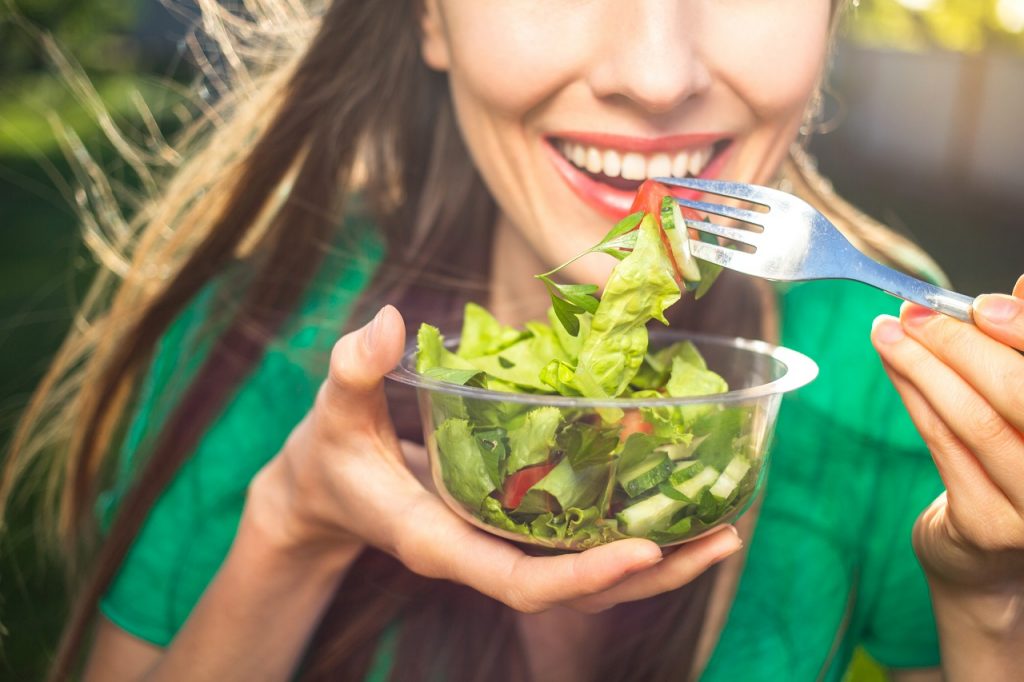 They say real beauty comes from within. Well, people may have different perspectives over this quote but in the opinion of a Nutritionist, what food you put inside your body, is what reflects on your skin! Ageing is a normal physiological phenomenon which starts from the inside out. This makes it imperative to take care of your diet to prevent the effects of ageing. With advancing age, the proteins and pigments of our skin start to deteriorate. However, with a healthy lifestyle and good nutrition, in the absence of disease, one can still manage to have a plump skin. Just like our emotional troubles can be seen on the face by the way of our expressions, the internal troubles of our body show up on the skin. If you feed your body with the right kind of food, it radiates right on the skin. Let’s look at some foods to get that younger looking skin you’ve always wanted!


