GOQii

Blog

  • HOME
  • HEALTHY LIVING
  • FITNESS
  • HEALTHY RECIPES
  • USER STORIES
  • KARMA
  • BUY GOQii

Search Results for: protein

February 6, 2024 By Yogita Agarwal 1 Comment

Foods That Help You Boost Your Mood

boost your mood

When we feel emotionally low, feel sad, anxious or frustrated, we get tempted to eat food that can lift our spirit. But in the bargain of improving our mood, we end up binging on sweets and junk food. These unhealthy foods can have negative outcomes of their own. So, to avoid those unwanted outcomes on your body, let’s look at healthy food sources that can help you boost your mood! 

Foods To Help You Boost Your Mood 

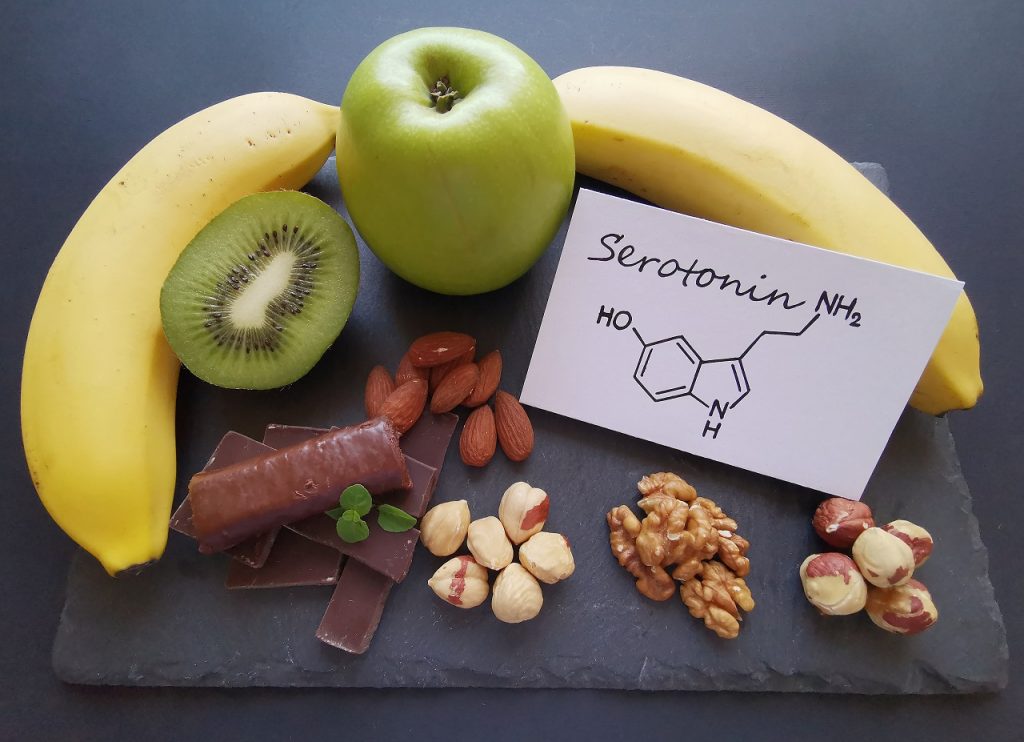
  1. Fermented Foods: The fermentation process allows the bacteria to thrive in foods, being able to convert sugars into alcohol and acids, creating probiotics. This helps increase serotonin levels. Kimchi, kefir, yogurt, kombucha and kanji are the sources of probiotics that support gut health and a healthy gut can help you boost your mood! 
  2. Fatty Fish: are rich sources of 2 types of Omega 3 – DHA (Docosahexaenoic acid) and E (eicosapentaenoic acid), both help lower the levels of depression. Salmon and albacore tuna are fishes we can include in our diet.
  3. Dark Chocolate: helps to improve mood as it may release a cascade of feel-good compounds such as caffeine, theobromine and N-acylethanolamine which is a substance chemically similar to cannabinoids that have been linked to improved mood. It is high in health-promoting flavonoids, which have been shown to increase blood flow to your brain, reduce inflammation, and boost brain health, all of which may support mood regulation.
  4. Banana: is a rich source of vitamin B6. It helps in the synthesis of neurotransmitters dopamine and serotonin. It is an excellent source of natural sugar and good probiotics, so it helps in keeping our mood up. 
  5. Whole Grains: like steel-cut oatmeal, quinoa, brown rice, amaranth, millet, bulgur and wild rice are important sources of B vitamins, nutrients vital for brain health. Vitamin B1 (Thiamine) helps in turning glucose into energy, vitamin B5 (pantothenic acid) helps in the production of the neurotransmitter acetylcholine (involved in learning and memory), vitamin B6 is needed to convert the amino acid tryptophan into serotonin, and vitamin B12 helps in the production of neurotransmitters serotonin and dopamine, which can boost your mood. 
  6. Berries: are packed with a wide range of antioxidants and phenolic compounds, which play a key role in combating oxidative stress and an imbalance of harmful compounds in our body. They are a good source of anthocyanins – the pigment in blue-purple colored berries, which helps lift the mood.
  7. Nuts and Seeds: are a good source of plant protein, healthy fats, and fiber. They are a good source of amino acids, which help in the production of serotonin. Seeds like sesame, pumpkin and sunflower aid brain function and can help in making you feel better.
  8. Coffee: Caffeine has been found to trigger the release of brain chemicals such as dopamine, which is important for performance and mood. Caffeine helps in the prevention of a naturally occurring compound called adenosine from attaching to the brain receptors that promote tiredness, therefore, increasing alertness and attention.
  9. Beans and Lentils: are high in fiber and plant-based protein. They are full of feel-good nutrients. They are an excellent source of B vitamins, which help improve mood by increasing levels of neurotransmitters like serotonin, dopamine, norepinephrine, and gamma-aminobutyric acid (GABA), all of which are important for regulating mood. Vitamin B plays a key role in nerve signaling, which allows proper communication between nerve cells. Low levels of these vitamins, especially B12 and folate, can make us feel low.
  10. Leafy Green Vegetables: Spinach and other green vegetables contain folate. Green leafy veggies are an amazing source of vitamin B, fibre, iron, and folate which can help in improving brain function and produce neurotransmitters that help in boosting mood. Adding a good amount of green veggies to your diet will not only boost your mood but your overall health as well. 

With the above food, you should also exercise regularly, sleep for 7-8 hours and focus on the quality of sleep, manage stress and stay hydrated! We hope this article helps you. For more on nutrition, check out Healthy Reads or reach out to our certified experts by subscribing to GOQii’s Personalised Health Coaching here.

#BeTheForce 
February 5, 2024 By GOQii 8 Comments

Burn Belly Fat With Proper Nutrition

nutrition to burn belly fatBelly fat! A large section of people in this world are obsessed with their body and more so belly fat. They might be pushing themselves with exercise or following a particular diet plan but are still unable to rid themselves of it. The reasons behind not being able to burn belly fat may be excessive use of sugar and fats. This in turn results in weight gain through development of fats around different parts of the body.
Among all body parts, belly is the most affected area. This is because of the fats. The belly grows quickly and leads to increased health problems. Studies have shown that the human body reacts to increased levels of sugar. Generally, 15 grams of sugar is recommended and not more than that. The question is, can a change in diet impact the belly and other body fats? Let’s explore!

6 Nutritional Tips To Help You Burn Belly Fat

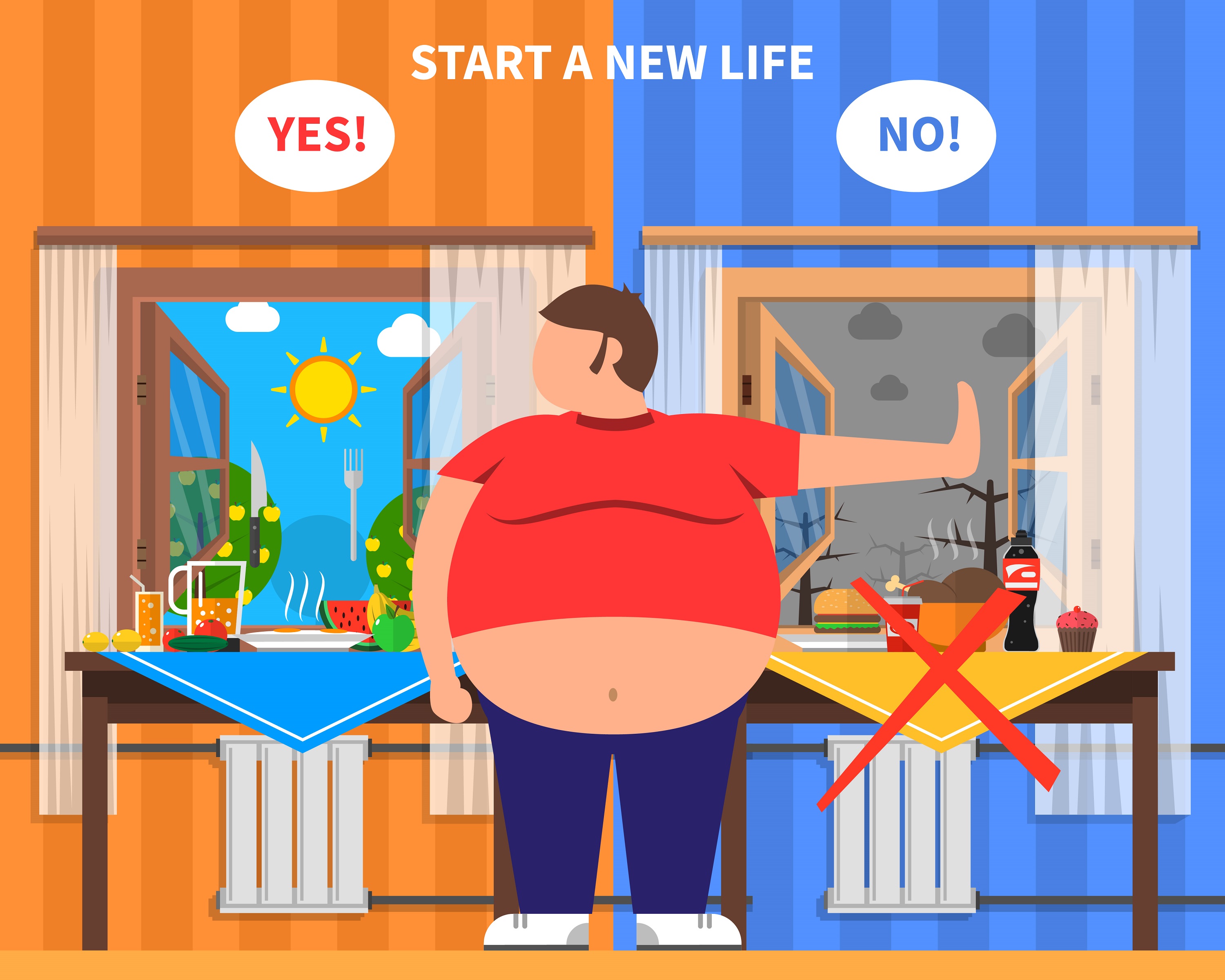
  1. Reduce Sugar Intake: Reduction in our daily sugar intake should be at a recommended level of 15 grams. This is one of the most effective steps in reducing belly fat through nutrition. Excess of sugar intake is one of the biggest reasons for obesity and diabetes in the U.S.
  2. Avoid Processed Food: Consumption of processed food items is one of the sources of excessive sugar and fat intake. Try to prepare your food with your hands if you are aware of the ingredients which will be used. Carefully read ingredients used in processed food before you consume them.
  3. Reduce Bad Carbohydrates: Reduction of carbohydrates is another step to reduce belly fat without exercise. Particularly, avoid consuming fizzy drinks. This is one of the sources of high bad carbohydrates.
  4. Increase Intake of Fiber: Increased intake of fiber will constraint your need for carbohydrates. Having more of veggies and fruits will help you with good carbs and avoid the intake of bad carbs.
  5. Eat Raw Vegetables: Eating half cooked or raw vegetables helps you reduce your belly fat. Vegetables are the best solution to fiber requirement. During the day take healthy carbohydrates and at night eat a good meal consisting of proteins/fiber and less carbs.
  6. Know What to Eat: It is essential that you are aware of what you eat. For example, you can do some research about food items that have rich sources of fibre and healthy carbohydrates. You can then add them to your diet.

We hope this article on how to burn belly fat helps you! Remember that it will only work if you are disciplined and follow the routine religiously. Otherwise, no matter how hard you try, there won’t be any significant change for the better. For more on fat and weight loss, check out Healthy Reads or ask a GOQii Coach directly by subscribing for Personalised Health Coaching here.

#BeTheForce

January 18, 2024 By Deepanshu Sharma 2 Comments

Carbo-Loading: All You Need To Know!

Carbo LoadingAt some point or the other, we have come across the term Carbo-Loading. While there are some people who know what it is, there are people who are unaware about this helpful hack. Carbo-Loading is the process of ‘loading’ your body’s muscles with excess glycogen. Glycogen is the energy source derived from eating carbohydrates and Carbo-Loading when done well, can lead to improvement in performance of endurance athletes.

What is Carbo-Loading?

In detail, Carbo-Loading means eating excess carbohydrates to fill the muscles with glycogen while also lowering your activity levels 3-4 days before the event.

Glycogen is the fuel which powers our body when we exercise. The carbohydrates that we eat are broken down to make glycogen, which is stored in the muscles to provide energy while exercising. The main aim of Carbo-Loading is to ensure that muscles have larger energy stores so that they don’t tire easily. Just like a car with a full tank would run longer, similarly, glycogen loaded muscles will perform longer.

Who needs Carbo-Loading?

Carbo-Loading helps athletes who compete in endurance events such as running over 10 kms, triathlons, treks, etc. Since the body already has enough glycogen stored in the muscles, it can perform short exercises with like weight training or jogging at sustained energy levels. It is the endurance runs which makes us use all our resources. This is where the extra glycogen can help to avoid cramps, prevent fatigue and keep one going till the finish line.

How to Carbo-Load?

Now this is the most important part. If done correctly, you will surely reap the benefits. If done incorrectly, it won’t help you much. It may even lead to feeling heavy before the marathon and even vomiting. You usually start 3-4 days before the event. It is recommended to start with 5 gm carbohydrates per kg body weight. You can increase it to 7-8 gm from your second attempt at Carbo-Loading.

4 Days Before the Event: You are eat the same number of calories as before but 60-70% of it should come from carbohydrates. Mostly complex carbs.

3 & 2 Days Before the Event: Eat more of simple carbs. They will provide instant energy! It is important to avoid processed forms of these simple carbs (like biscuits, rusk).

1 Day Before the Event: Almost all the carbohydrate calories should come from simple carbs one day before the event. Your last dinner before the event should be at least 12 hours prior to the race. The dinner should be heavy, made entirely of simple carbs, with little fats and proteins.

Before the Event: 2-3 hours before the event, eat a light and easy simple carb snack and also keep it for eating during the race.

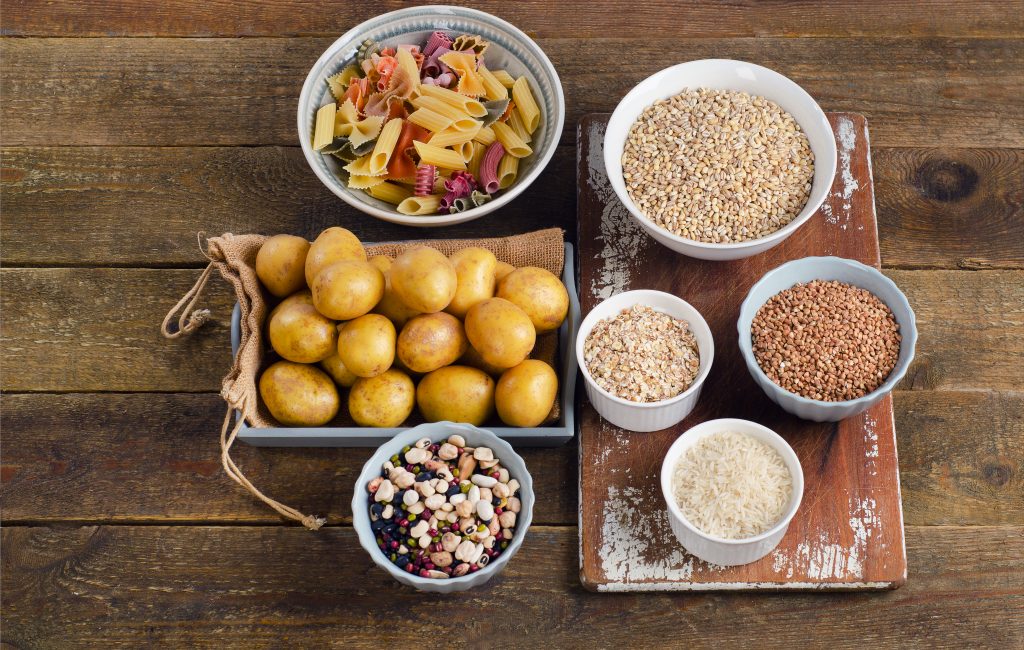
Some Simple Carbs: Banana, milk, curd, honey, white bread, white rice, potato

Some Complex Carbs: Chapati, pulses, brown rice, sweet potato, green leafy vegetables, apples

Few Tips to Remember During Carbo-Loading

  • As it involves eating a high carb diet, people with diabetes and other medical problems which restrict the consumption of carbohydrates should consult their doctors before starting
  • Perform only light exercise when starting Carbo-Loading and rest the entire day before the event
  • Avoid adding new foods to your routine
  • Avoid eating fiber rich foods as they will give a feeling of satiety
  • Eat a moderate amount of fats and proteins
  • On all days of Carbo-Loading, eat 5-6 meals instead of eating only three to avoid a feeling of heaviness
  • After the event, have a carb-only meal to replenish the glycogen stores
  • Eat some salty snacks after the event (preferably salted nuts)
  • Drink lots of water during and after Carbo-Loading

Effects of Carbo-Loading

  • You will see a slight weight gain but it will only be due to the body retaining excess water. This weight will be gone in 1-2 days after the event
  • Expect a little stomach discomfort in this phase. It will not bother you much if you divide the total calories into 5-6 meals for the day

Have any questions about Carbo-Loading? Ask a GOQii Coach by subscribing for Personalised Health Coaching here.

#BeTheForce

January 7, 2024 By Unnati Chheda 2 Comments

Are Cruciferous Vegetables Bad For Thyroid?

cruciferous vegetables

Vegetables have always been considered healthy and they can be consumed by everyone. As vegetables are loaded with vitamins, minerals, antioxidants, fiber and the best part is they are low in calories as well, we assume that we can eat liberal amounts of this food group. But, have we ever thought that any of these vegetables can interfere or play around with our hormones as well? Yes, they do! Let’s talk about Cruciferous vegetables and how it impacts thyroid function. 

What Is Thyroid & How Does It Affect Our Health?

Thyroid hormones carry out a large number of functions in our body, like maintaining body temperature, regulating other body organs like the brain, heart and muscles as well as body metabolism which in turn regulates our body weight. The most common disorders related to the thyroid gland are hypothyroidism and hyperthyroidism.

  • Hypothyroidism: is a condition in which the thyroid gland is unable to produce a sufficient amount of thyroid hormones. One of the reasons for hypothyroidism is iodine deficiency. Iodine is required for synthesis of thyroid hormones, thus its deficiency can cause hypothyroidism. Lack of thyroid hormones leads to weight gain, feeling lethargic, constipation, hair loss, impaired memory and sensitivity to cold.
  • Hyperthyroidism: is a condition in which there is increased production and release of thyroid hormones. Excess of thyroid hormones leads to weight loss, restlessness, irritability, hair fall, muscle weakness and intolerance to heat.

How Do Cruciferous Vegetables Affect Thyroid? 

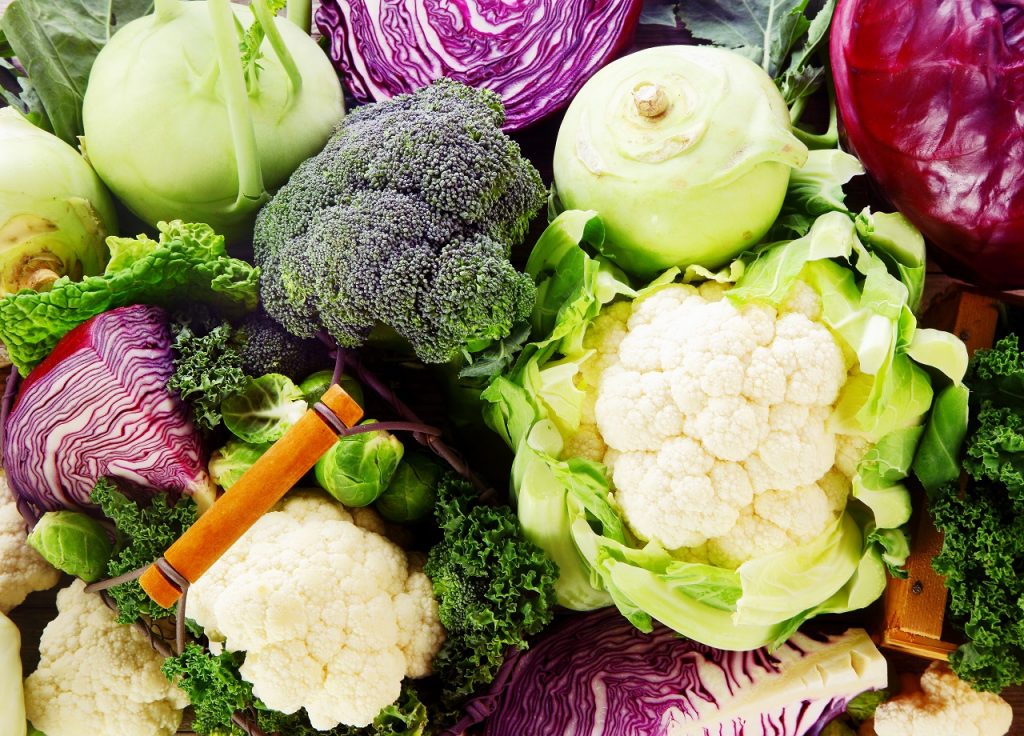
Cruciferous, also known as Brassica vegetables, come from the plant family known as Cruciferae or Brassicaceae. Most commonly consumed cruciferous vegetables include  broccoli, brussel sprouts, cabbage, cauliflower, collard greens, kale, mustard greens, turnips, bok choy, Chinese cabbage, radish, watercress, rutabagas, spinach and lettuce. These nutrient packed vegetables are loaded with Vitamin A, Vitamin C, Vitamin K and they are also good sources of antioxidants and fiber. These vegetables are beneficial for weight loss, fighting cancers and reducing inflammation. But, when we talk about thyroid, it has a negative role to play with respect to hypothyroidism.

Goitrogens are naturally occurring chemicals found in cruciferous vegetables when consumed in raw form. They are healthy and vitamin rich. But, if you have a thyroid condition, you should be aware of it. Goitrogens in cruciferous vegetables interfere with thyroid function by reducing the body’s ability to use iodine. As discussed earlier, our body needs iodine for production of thyroid hormones, hence, iodine deficiency can lead to hypothyroidism. Consumption of cruciferous vegetables increases the symptoms of hypothyroidism and people suffering from this condition should  avoid consuming cruciferous vegetables.

But, in the case of hyperthyroidism, they have a positive role to play by inhibiting the production of thyroid hormone and keeping it in check. So people suffering from hyperthyroidism can consume cruciferous vegetables without restrictions.

You Can Still Enjoy Them With Small Adjustments 

Or we can say we can minimise the negative effects of cruciferous vegetables and even people suffering from hypothyroidism can consume them in moderation. Just follow these simple tips:

  • Cooking cruciferous vegetables, instead of consuming them raw, helps in reducing the levels of goitrogens. Cooking methods like steaming, blanching and fermenting can be used.
  • Increasing iodine intake by adding iodine-rich sources like seafood, eggs, dairy products and iodized salt (less than half a teaspoon of iodized salt can fulfill our daily iodine requirement).
  • Increasing selenium intake as selenium helps in removing free radicals generated in the thyroid gland, preventing any damage to the thyroid gland. Some of the selenium-rich sources include brazil nuts, fish, meat, sunflower seeds, tofu, baked beans, portobello mushrooms, whole grain pasta and cheese.

Please Note: Even after having cooked goitrogens in the diet, if it gets difficult to balance your thyroid condition, you may have to cut out cruciferous vegetables from your diet. It is  better to consult your doctor, nutritionist or dietitian to make sure your diet is well balanced. Apart from avoiding cruciferous vegetables, maintaining an active lifestyle, a protein and fiber rich diet will help us boost metabolism and shed down extra weight gained due to hypothyroidism.

We hope this article was informative and helps you. To know more about how to manage thyroid issues with lifestyle changes, speak to an expert by subscribing for GOQii’s Personalised Health Coaching here.

#BeTheForce 

Disclaimer: The information provided in this blog is for general awareness and educational purposes only. It is not intended to replace professional medical advice, diagnosis, or treatment. Always consult a qualified healthcare provider for personalised medical guidance or concerns related to your health.

  • « Previous Page
  • 1
  • …
  • 66
  • 67
  • 68
  • 69
  • 70
  • …
  • 152
  • Next Page »

Search

Recent Posts

  • World AMR Awareness Week 2026: when you need antibiotics, and simple steps to prevent AMR
  • PCOS: diet, exercise and the myths to stop believing
  • Cholesterol numbers explained: LDL, HDL and triglycerides
  • International Men’s Day 2026: why men’s health is everyone’s business
  • World COPD Day 2026: Short of Breath? Think COPD – Why Early Diagnosis Matters

Stay Updated

Archives

  • November 2026 (21)
  • October 2026 (23)
  • September 2026 (5)
  • August 2026 (8)
  • July 2026 (24)
  • June 2026 (22)
  • May 2026 (20)
  • April 2026 (24)
  • March 2026 (18)
  • February 2026 (14)
  • January 2026 (14)
  • December 2025 (19)
  • November 2025 (14)
  • October 2025 (17)
  • September 2025 (6)
  • August 2025 (5)
  • July 2025 (9)
  • June 2025 (18)
  • May 2025 (16)
  • April 2025 (22)
  • March 2025 (25)
  • February 2025 (21)
  • January 2025 (25)
  • December 2024 (21)
  • November 2024 (21)
  • October 2024 (15)
  • September 2024 (22)
  • August 2024 (27)
  • July 2024 (14)
  • June 2024 (23)
  • May 2024 (26)
  • April 2024 (27)
  • March 2024 (27)
  • February 2024 (23)
  • January 2024 (21)
  • December 2023 (14)
  • November 2023 (10)
  • October 2023 (18)
  • September 2023 (20)
  • August 2023 (16)
  • July 2023 (16)
  • June 2023 (21)
  • May 2023 (20)
  • April 2023 (19)
  • March 2023 (23)
  • February 2023 (19)
  • January 2023 (15)
  • December 2022 (11)
  • November 2022 (15)
  • October 2022 (15)
  • September 2022 (12)
  • August 2022 (9)
  • July 2022 (17)
  • June 2022 (11)
  • May 2022 (10)
  • April 2022 (6)
  • March 2022 (6)
  • February 2022 (13)
  • January 2022 (11)
  • December 2021 (7)
  • November 2021 (3)
  • October 2021 (6)
  • September 2021 (3)
  • August 2021 (8)
  • July 2021 (7)
  • June 2021 (15)
  • May 2021 (16)
  • April 2021 (10)
  • March 2021 (7)
  • February 2021 (4)
  • January 2021 (4)
  • December 2020 (3)
  • November 2020 (4)
  • October 2020 (10)
  • September 2020 (3)
  • August 2020 (3)
  • July 2020 (2)
  • June 2020 (4)
  • May 2020 (10)
  • April 2020 (12)
  • March 2020 (10)
  • February 2020 (4)
  • January 2020 (4)
  • December 2019 (3)
  • November 2019 (7)
  • October 2019 (5)
  • September 2019 (4)
  • August 2019 (9)
  • July 2019 (9)
  • June 2019 (11)
  • May 2019 (4)
  • April 2019 (8)
  • March 2019 (8)
  • February 2019 (9)
  • January 2019 (8)
  • December 2018 (9)
  • November 2018 (3)
  • October 2018 (3)
  • September 2018 (5)
  • August 2018 (10)
  • July 2018 (6)
  • June 2018 (13)
  • May 2018 (8)
  • April 2018 (17)
  • March 2018 (9)
  • February 2018 (8)
  • January 2018 (15)
  • December 2017 (12)
  • November 2017 (19)
  • October 2017 (13)
  • September 2017 (15)
  • August 2017 (4)
  • July 2017 (8)
  • June 2017 (7)
  • May 2017 (6)
  • April 2017 (8)
  • March 2017 (6)
  • February 2017 (7)
  • January 2017 (9)
  • December 2016 (10)
  • November 2016 (7)
  • October 2016 (7)
  • September 2016 (7)
  • August 2016 (11)
  • July 2016 (9)
  • June 2016 (9)
  • May 2016 (12)
  • April 2016 (17)
  • March 2016 (17)
  • February 2016 (8)
  • January 2016 (6)
  • December 2015 (2)
  • November 2015 (9)
  • October 2015 (7)
  • September 2015 (9)
  • August 2015 (11)
  • July 2015 (9)
  • June 2015 (11)
  • May 2015 (9)
  • April 2015 (13)
  • March 2015 (8)
  • February 2015 (5)
  • January 2015 (12)
  • December 2014 (14)
  • November 2014 (11)
  • October 2014 (6)
  • September 2014 (13)
  • August 2014 (12)
  • July 2014 (6)
  • June 2014 (2)
  • May 2014 (7)
  • April 2014 (4)

From Burnout to Balance: How Dr. Ranjit Reclaimed His Health

Dr Ranjit Bhatt has spent years tending to others. A practising doctor in Odisha, his days were packed with patients, surgeries, and emergencies. From the outside, it looked like a life lived in service. But on the inside, something wasn’t right. “I had no … [Read More...]

From Shimla’s Slopes to Chandigarh’s Sidewalks: Surinder Kaur Bhalla’s Journey from Chaos to Control

Some journeys start with a plan. Others begin with a stumble literally. Surinder Bhalla, a government professional, born and raised in the scenic hill town of Shimla, had always lived a life of movement. “In Shimla, you walked everywhere,” she reflects. “Walking was never an exercise. It was just life.” But after shifting to Chandigarh, […]

“I’ve Challenged Myself to Live 100 Years” – The Story of Chandubhai Savani’s Second Chance at Life

At 67, most people start slowing down. Not Chandubhai Savani. A resident of Surat, Chandubhai, thought life was on track. “My life was going well till I had my bypass surgery,” he says. That surgery, back in 2021, was a wake-up call.  Medication was routine, but exercise wasn’t. His diet? What he calls ‘normal.’ “I […]

Ananda Mukherjee Health Story

From Terminal Illness To Complete Wellness! Ananda Mukherjee Health Story

As we observe World Cancer Day under the powerful theme ‘United by Unique’ (2025-2027)**, we are reminded that every individual’s journey with cancer is distinct, yet united by shared resilience, hope, and the collective fight against this disease. This theme places people at the centre of care and their stories at the heart of the […]

  • HOME
  • HEALTHY LIVING
  • FITNESS
  • HEALTHY RECIPES
  • USER STORIES
  • KARMA
  • BUY GOQii

Copyright ©2016 GOQii


