GOQii

Blog

  • HOME
  • HEALTHY LIVING
  • FITNESS
  • HEALTHY RECIPES
  • USER STORIES
  • KARMA
  • BUY GOQii

Search Results for: protein

December 11, 2023 By Kusum Soni Leave a Comment

Can You Reverse NAFLD With Dietary Changes

NAFLD

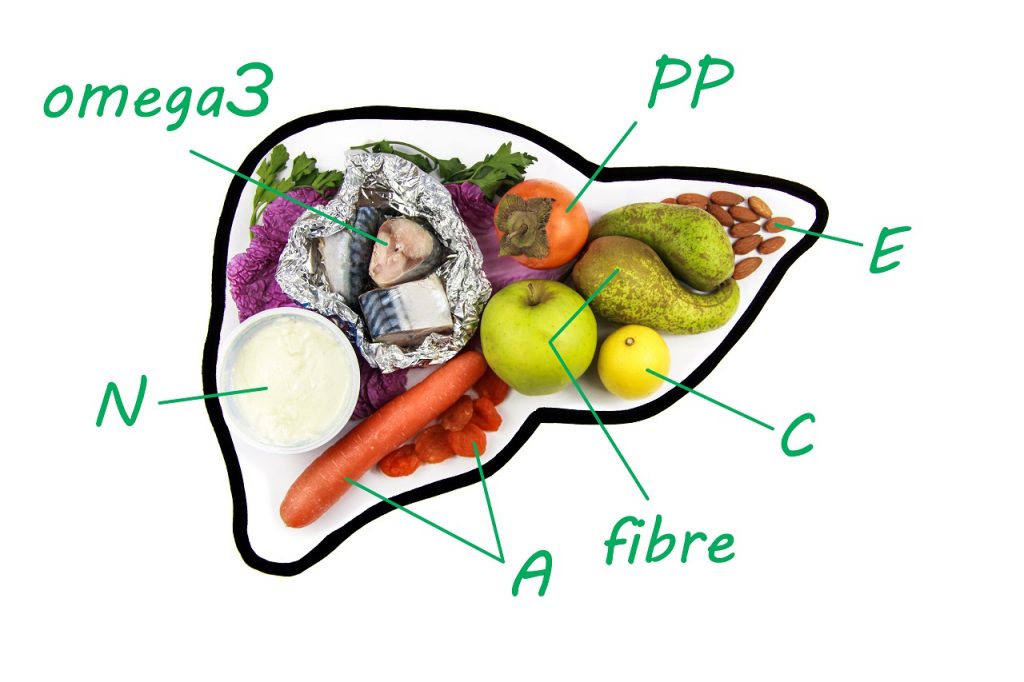
Liver is the largest gland in the human body and is also known as the Chemical Factory of the body. More than 500 vital functions have been identified with the liver, ranging from fighting infection, breakdown of fats, filtering blood of toxins, storing vitamins, iron, to manufacturing proteins and hormones, and helping clot your blood. Like any other organ in the body, this busy organ can also have issues, which is a condition called Non-alcoholic fatty liver disease (NAFLD). Normally, the liver stores some fat. However, in some cases when the liver stores more than healthy fat, that extra fat causes inflammation, which is known as NAFLD. 

Usually, there are no symptoms of NAFLD in the early stages. When it does, they may include, enlarged liver, fatigue or pain in the upper right abdomen. In most cases, fatty liver disease is diagnosed after blood tests show elevated levels of liver enzymes released from damaged liver cells, namely Alanine aminotransferase test (ALT) and aspartate aminotransferase test (AST).

Luckily, lifestyle changes such as dietary intervention and increased physical activity are the first-line treatment and support not only for NAFLD but also associated diseases such as obesity, insulin resistance, diabetes and dyslipidemia. And, gradual weight loss can take the pressure off the liver, allowing it to regenerate itself.

Dietary Changes To Reverse NAFLD

1. Complex Carbs
Complex Carbohydrates are packed with dietary fibre and micronutrients which help in appetite regulation as it takes longer to digest plus DF prevents absorption of fats in the intestine, thereby helping you lose weight, and also lowering the amount of fat in your liver.

  • Include Whole Grains in the form of chapati, upma, dosa, idli, porridge, khichdi, etc.
  • Include sprouted or boiled whole pulses.
  • Seasonal vegetables and Fruits.
  • Reduce sugar intake as it stimulates de novo lipogenesis and finally development of nonalcoholic fatty liver disease (NAFLD) & nonalcoholic steatohepatitis (NASH). So, replace packaged drinks with fresh coconut water/lime water; biscuits with nuts/roasted chana; reduce tea quantity to half cup every time you drink and no sauce/jam /salad dressing .
  • Soluble fiber Supplementation 

2. Fats
Increased fat intake has been linked to insulin resistance, impaired postprandial lipid metabolism and the development or progression of NAFLD. So, reduce intake  of ‘Visible fat’, & try to limit oil/fat intake to less than 500 ml/person/month. Choose Extra Virgin/Filtered /kachhi ghani oils (mustard, sesame, groundnut, Olive oil, Canola oil etc.) in place of refined oils to have anti-inflammatory and insulin sensitizing effects.

  • Complete No for Trans fatty acids and saturated fats . So, no fried or gravy foods/eating out /packaged food.
  • Choose healthy Invisible Fats rich in Omega 3 fatty acids such as nuts, avacado, flaxseeds, chia seeds, sabja seeds, etc.

3. Protein Source
A fair increase in protein intake combined with a low-GI diet, is associated with improved weight-loss maintenance due to its satiating effect and increased thermogenic effect of protein metabolism. So, include options like nuts, low-fat dairy, beans, whole pulses, fish, and poultry, sprouts/roasted chana/nuts/ Sattu drink, nuts smoothie (without sugar), etc. Cut meat intake to once a week. Prefer white/lean meats such as fish/poultry. And completely avoid Red meats as they are high in cholesterol & saturated fats because many studies have associated it with increased risk of liver related diseases and cancer, whereas white meat has been associated with reduced risk.

4. Herbs and supplements
Certain herbs and supplements have shown to play a key role in glucose and fat metabolism, insulin signalling, and energy balance, thereby helping in reversing the fatty liver condition. This may include Apple Cider Vinegar, Fenugreek Seeds, Flaxseed, Nigella Seeds, Milk Thistle, Coffee, Quercetin, Resveratrol etc. 

Having discussed the dietary changes, this journey is incomplete without the inclusion of at least 30 mins of physical Activity, 4-5 days a week, management of  Sleep and Stress issues. Do consult your dietitian/nutritionist to help fine-tune your diet so you are not aggravating your condition.

We hope this article helps you reverse NAFLD. Do leave your thoughts in the comments below. For more information to help you reverse NAFLD, check out Healthy Reads or speak to a certified expert by subscribing to GOQii’s Personalised Health Coaching here. 

#BeTheForce 
December 10, 2023 By Trupti Vyas (Pandya) 6 Comments

Winter Wellness Recipes: Boost Immunity with Nutrient-Packed Delights!

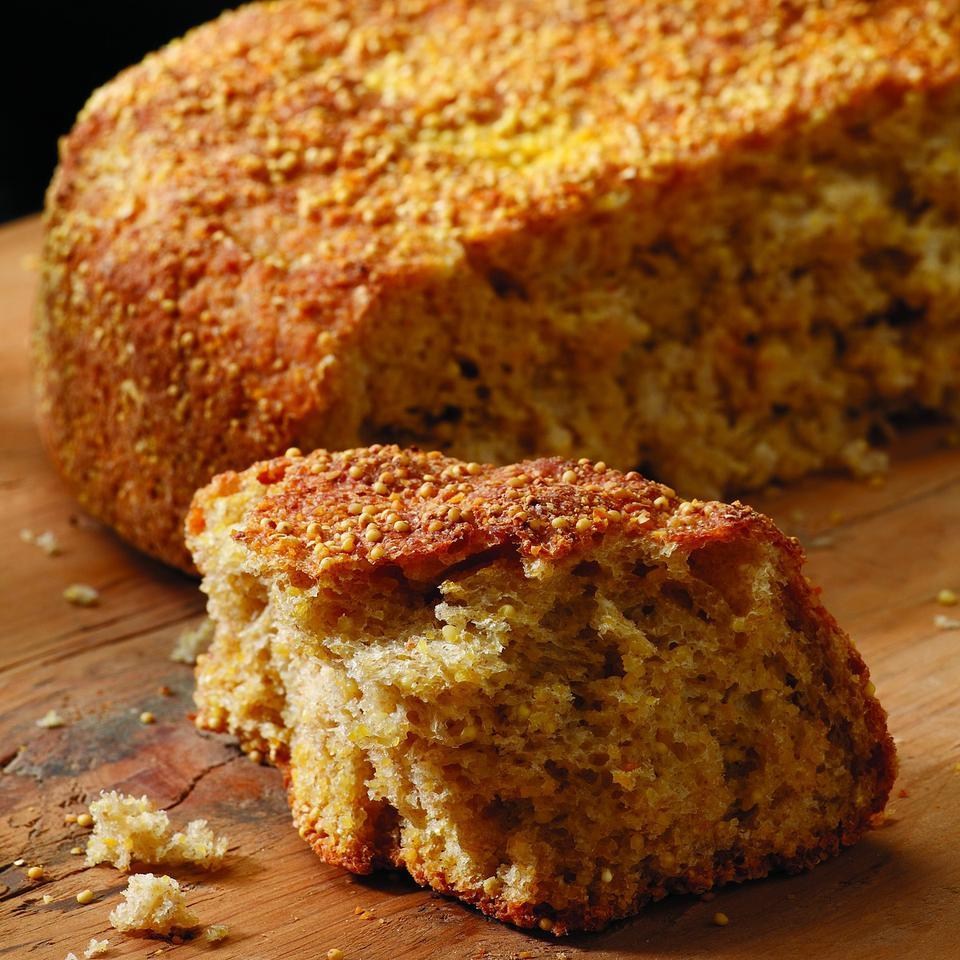
Millet Vegetable pan bread

Winter has set in and it is that time of the year when our body experiences tremendous changes in energy levels, metabolism and our food preference also changes. Winter is also the season which is full of colorful veggies and fruits in market. Our body needs extra vitamins and minerals to help combat cold weather, illness and to maintain your good health.

Let me share with you some nutritious food ideas that will help boost immunity and maintain energy levels through the day.

Here are 5 healthy dishes which will help you to keep warm on cold days-

  1. Millet Vegetable Pan Bread (Bajra Dudhi Thepla)

Millet Vegetable pan bread

Ingredients–

  • (Bajra) Millet flour – 1 cup
  • Wheat flour – 1 cup
  • Bottle gourd (Dudhi)- 1 cup (grated)
  • Curd – ¹⁄₃ cup
  • Oil – ½ cup (to add in flour and roast theplas)
  • Green coriander – 2 tbsp (finely chopped)
  • Green chilly – 1-2 (finely chopped)
  • Ginger paste – 1 tsp
  • Asafoetida – 1 pinch
  • Cumin seeds – ½ tsp
  • Red chilly powder – ¼ tsp
  • Turmeric powder – ¼ tsp
  • Sesame seeds – 1 tsp (optional)
  • Salt – ½ tsp (as per taste)

Preparation

Take out millet flour in any big utensil. Mix wheat flour in the same bowl. Also add bottle gourd, ginger, green chilly, green coriander, Asafoetida, cumin seeds, red chilly powder, turmeric powder, sesame seeds, salt, 1 tbsp oil and curd. Add 1-2 tbsp water or as per requirement and knead soft dough. Keep aside the dough for 10-15 minutes so that it gets set.

Grease your hand with some oil and knead the dough. Pre-heat the pan (tawa). Take little amount of dough (lemon size) and make a round ball. Take one ball, dust it with dry flour and place it on rolling plate and roll into 6-7 inch diameter bread (thepla).

Place the rolled bread (thepla) on pre-heated pan (tawa) and when color of the bread (thepla) turns darker from surface then flip the side. Spread 1 tsp oil on the upper surface. Flip the side and spread some oil on this side as well. Roast the bread (thepla) on medium flame until it gets brown spots on both sides. Take it of the pan and place it in a plate.

Serve the Millet Vegetable pan bread (Bajra Lauki Theplas) with curd (yogurt), coriander paste or pickle or with any vegetables of your choice.

 Suggestion: Mix finely chopped spinach in the flour for making Millet Spinach Breads (Bajra spinach thepla) and add finely chopped fresh fenugreek leaves for making millet fenugreek breads (bajra methi theplas).

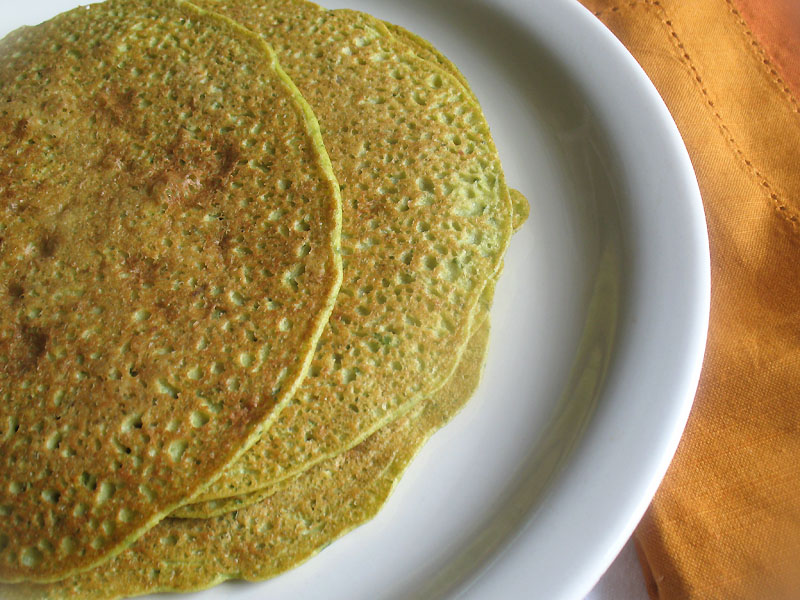
  1. Winter special Fenugreek seeds and edible gum sweet balls

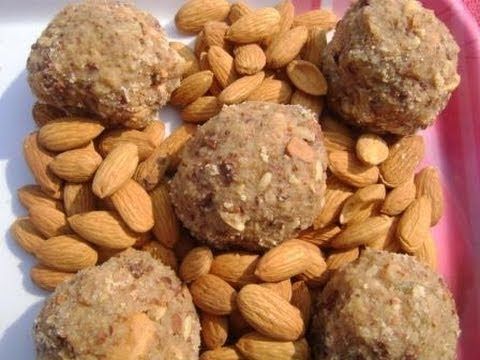
Fenugreek seeds and edible gum sweet balls

Fenugreek seeds gum balls is a traditional recipe which can also be used as an Ayurveda treatment for various ailments, especially during winters. These sweet gum balls are not only known for their medicinal properties but also taste delicious.

These are prepared with Fenugreek seeds mixed with wheat flour and Jaggery. New mothers can have these sweet balls as dietary supplement or to overcome any post-delivery problems. People suffering from joints pain, especially in winters, can have this sweet.

Ingredients-

  • Fenugreek (methi) seeds – 100gms.
  • Milk – ½ litre (2 ½ cup)
  • Wheat flour – 300gm (1 ½cup)
  • Ghee – 250gm (1 ½ cup)
  • Edible gum (Gond) – 100gms (½ cup)
  • Almonds – 30 to 35
  • Black Pepper – 8 to 10
  • Cumin powder – 2tsp
  • Dry ginger – 2tsp
  • Green Cardamom – 10 to 12
  • Cinnamon – 4 pieces
  • Nutmeg – 2
  • Jageery – 1 ½ cup

Preparation:

Clean Fenugreek (Methi) seeds properly (wash seeds then put them in a thick cotton cloth and leave it in the sun to dry, cloth can be washed and used again). Put clean seeds in a mixer and make a thick paste somewhat similar to flour. Boil milk.

Put the grounded Fenugreek (Methi) in milk and let it soak for 8-10 hours.

Cut almonds into small pieces. Gently crush black pepper (break 1 pepper into 4-5 pieces), crush cinnamon and nutmeg into fine powder. Peel Cardamom (Elaichi) and crush it as well. Pour 1/2 cup clarified butter (Ghee) in a pan, fry soaked (Fenugreek) on a medium flame till it turns light brown and smells good. Remove the mixture in a plate.

Put the remaining clarified butter (Ghee) in the pan and heat, fry Edible gum (Gond) and take it out on a plate (fry Gond on a law flame). Fry flour in leftover Ghee in the pan till it becomes light brown then take it out.

Put 1 tsp clarified butter in the pan followed by the pieces of Jaggery (Gur), melt Jageery (Gur) into liquid form (Chashni) on a low flame. Add Cumin (Jeera) powder, Dry Ginger (Sauntth) powder, cut almonds, black pepper, cinnamon, nutmeg, Cardamom in the Liquid syrup of Jageery and mix well.

Take little amounts of the mixture, shape it into small balls similar to a lemon and put it on a plate. Keep Fenugreek seeds and edible gum sweet balls (Methi Ladoos) in open air for 4-5 hours.

The sweet is ready, keep them in an air tight container and eat one sweet ball every morning or evening with warm milk. This prevents pain in joints, back and pain due to the cold.

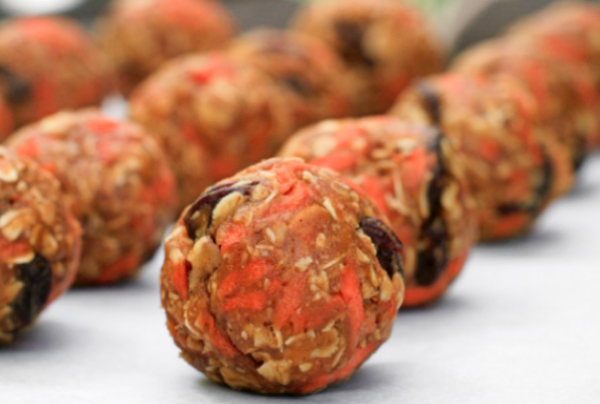
  1. CARROT CAKE SNACKS BITE

high-protein-snacks-by-Green-Blender-carrot-cake-bites-600x404

Ingredients-

  • 2 ¼ cups shreddedcarrots
  • ¾ cup dates (about 10 large dates)
  • ²⁄₃ cup coconut (shredded or flaked)
  • ½ cup walnuts
  • ½ cup sunflower seeds
  • 1 teaspoon cinnamon
  • ¼ teaspoon ground ginger
  • ¹⁄₈ cup toasted sesame seeds
  • ¹⁄₈ cup shredded coconut
  • ¹⁄₈ cup chopped almonds

Preparation

In a food processor, blend all the snack bite ingredients together. Scoop out full grinded mixture in a bowl and roll it into a ball.

Roll the balls in sesame seeds, coconut, or chopped almonds for additional crunch. Use the listed optional ingredients to determine the amount of sesame seeds, coconut, or almonds you need.

Store refrigerated or in an air tight container.

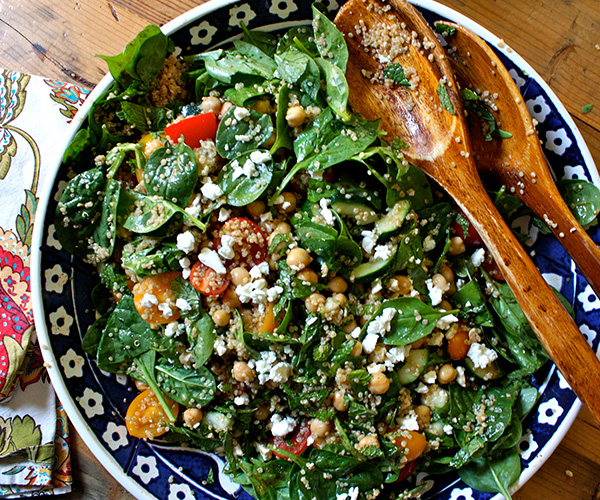
  1. Spinach with Chickpeas Green Salad

Spinach-Salad

Ingredient–

  • 1 tablespoon extra-virgin olive oil
  • 4 cloves garlic, minced
  • ½ onion, diced
  • 300g frozen spinach, thawed and drained well
  • 400g tin chickpeas and green peas, drained and boiled.
  • ½ teaspoon cumin
  • ½ teaspoon salt

Preparation: Take 400 gm of chickpeas and green peas in a pressure cooker. Add half a litre water to it and cook till 4 whistle blow. Let it cool for some time. Heat the olive oil in a frying pan over medium-low heat. Add and cook the garlic and onion in the oil until they turn translucent, for about 5 minutes. Add and stir in the spinach, chickpeas, green peas, cumin and salt. Use your stirring spoon to lightly mash the beans as the mixture cooks. Allow to cook until it gets thoroughly heated. Serve it hot. 

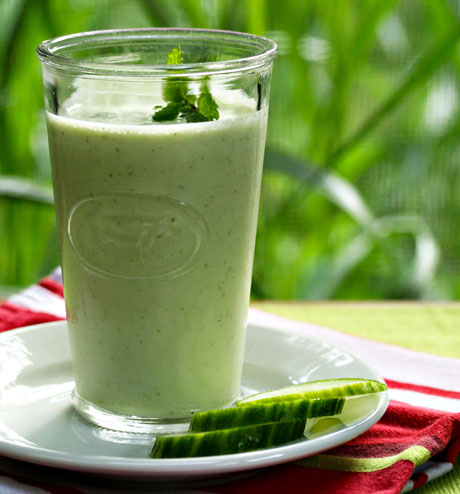
  1. Green Greek Smoothies

Green Greek Smoothies

Ingredients-

  • Cup freshly cut pieces of kiwi
  • A bowl of Greek yogurt
  • ½ cup of milk
  • Pinch of grounded cardamom
  • 1 tsp of (water) soaked chia seeds
  • Fresh Mint Leaves

In a blender, place kiwi, yogurt and milk and blend it for about 1 minute or until smooth. Pour it into a glass, and sprinkle with cardamom. Garnish with mint leaves and add 1 tsp of soaked chia seed on it. Serve immediately.

Tip – You can also try other winter fruits and veggies – like oranges, apple, spinach, Beets instead of Kiwi.

Try these healthy and delicious winter warming recipes. And, don’t let the cold weather keep you from enjoying fresh homemade foods. Let’s Enjoy! For more healthy recipes, check out Healthy Reads or ask a GOQii Coach by subscribing for Personalised Health Coaching here.

#BeTheForce 
December 2, 2023 By Jyoti Dhawan 2 Comments

Why Electrolytes are so important for our body?

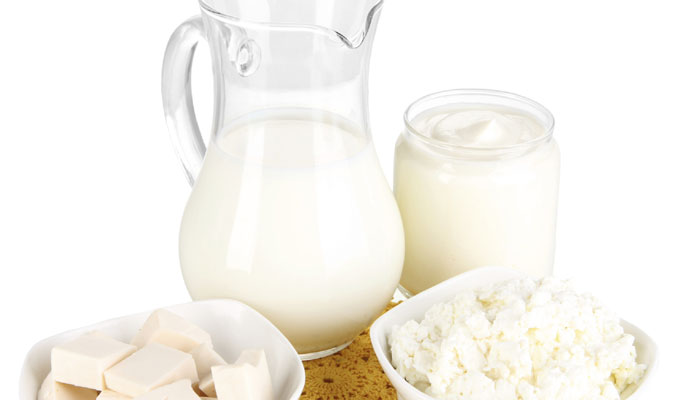
067-healthy-food-4-health-benefits-of-milk-and-dairy-products

Ever wondered what to drink during and after an exercise session, more importantly if you are an athlete training intensely for your next run or next match or a practice session; well the options are galore like plain water, sports drinks, energy drinks, fruit juice?

Which among these is the best and why? Are sports drinks better than plain water? Do they have some super energy ingredient or a magic formula that boosts performance?

Well the answer is yes, they do contain, not a magic formula but, a balanced proportion of ELECTROLYTES! So what are these electrolytes…let us understand their role and function in the human body.

Electrolytes are minerals which when dissolved in water; break into small electrically-charged particles called ions. These can either be positively-charged (anode) or negatively-charged (cathode) ions. Our body needs a balanced number of cathodes and anodes to stay healthy.

The most important electrolytes required by the human body are sodium, potassium, magnesium, calcium, chloride and phosphate. These are present in all body cells and fluids and play a vital role in maintaining proper hydration and balance of water within and between body cells. Each electrolyte has certain specific functions-

  • Calcium is responsible for building and maintaining strong bones, also plays a vital role in muscle and nerve functions, especially muscle contraction and nerve impulse transmission i.e. transport of signals up and down the nerves which in turn directs the muscles to act
  • Sodium is the dominant positive ion which regulates body’s water content and also aids nerve communication.
  • Chloride is found in blood and fluid outer layer of cells; along with sodium it helps control body’s water content.
  • Potassium is needed to maintain normal functions of cells and muscles.
  • Magnesium helps convert blood sugar into energy, also supports over 300 enzyme reactions.
  • Phosphate facilitates absorption of calcium in bones as well as regulates the blood pH level.

As athletes train and perform. They sweat and lose fluids as well as electrolytes in the process. Drinking water replenishes hydration but, not electrolytes. In fact, drinking only water can sometimes dangerously dilute electrolytes in the body and worsen existing imbalance. This imbalance can manifest in form of symptoms like fatigue, muscle cramps, nausea, stomach cramps, stiff and achy joints, and even confusion and impaired judgement. In severe cases, seizures and even heart failure can occur. In other words, electrolyte depletion and imbalance can severely affect an athlete’s performance.

What can be done to prevent an electrolyte imbalance?

Sports drinks definitely play a role in reinstating electrolyte balance but, these are laden with sugar adding extra calories. A better way can be to indulge in foods rich in particular electrolytes like-

  • A salty meal like soup before a strenuous exercise session can help retain fluid and maintain hydration during exercise
  • Tomatoes, Olives, Lettuce help to replenish chloride
  • A large Banana contains 450-600 mg of Potassium
  • Melons, oranges, raisins or prunes, sweet potatoes, peas and beans are rich in sodium
  • Research shows that milk contains a mix of carbohydrates, calcium, sodium, potassium and good protein which aids muscle recovery.

Inclusion of these calcium rich foods like milk and cereal, yoghurt or latte in your diet helps a lot in creating Electrolyte balance.

We hope these insights into the importance of electrolytes in our body shed light on their crucial role. If you found this information helpful, feel free to share your thoughts in the comments below. For a deeper understanding of nutrition and health, explore Healthy Reads. For further information or guidance, reach out to our certified experts by subscribing to GOQii’s Personalised Health Coaching here.

#BeTheForce
November 20, 2023 By Ragul Vijaykumar Leave a Comment

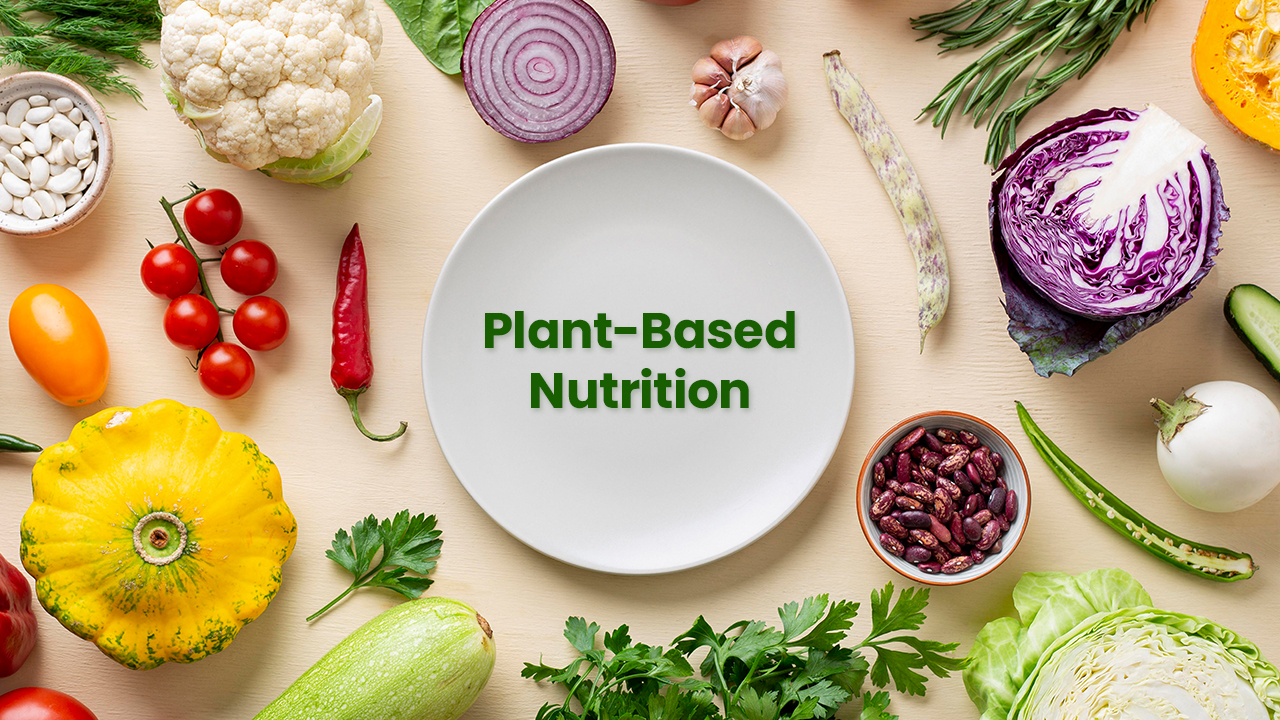
Plant-based Nutrition: The Pros, Cons and Nutritional Know-How

You may have noticed that in the recent times, there has been a significant surge in the adoption of vegan and plant-based diets. These dietary preferences are celebrated for their numerous merits, which encompass health benefits, sustainability, and ethical reasoning. However, as with any lifestyle shift, there are certain hurdles to overcome.

In this blog post, we will delve into the advantages and potential obstacles associated with vegan and plant-based diets. Furthermore, we will provide valuable insights on how to ensure an adequate intake of essential nutrients such as protein, iron, calcium, and more, enabling you to maintain a well-rounded and satisfying plant-based lifestyle.

Plant-based Diets:

Plant-based diets are gaining favor due to their health perks, ethical alignment, and eco-friendly nature. Rooted in plant-derived foods while minimizing or eliminating animal products, these diets promote health and reduce environmental impact. Embracing this shift means choosing wellness for oneself and a sustainable future for the planet.

Common Vegetarian Diets:

  • Vegan Diet: Excludes all animal products, including meat, dairy, fish, eggs, and usually honey.
  • Lacto-Vegetarian Diet: Excludes meat, fish, poultry, and eggs but includes dairy foods like milk, cheese, yoghurt, and butter.
  • Lacto-Ovo Vegetarian Diet: Includes eggs and dairy products but excludes meat and fish.
  • Ovo-Vegetarian Diet: Excludes meat, poultry, seafood, and dairy foods but can take eggs.
  • Pesco-Vegetarian (Pescatarian) Diet: Includes fish, dairy, and eggs but excludes meat.
  • Semi-Vegetarian (Flexitarian) Diet: Primarily vegetarian but occasionally including small quantities of meat, dairy, eggs, poultry, or fish.

Pros of a Plant-Based Diet:

  1. High Nutrient Density: Plant-based diets are rich in vitamins, minerals, and antioxidants found in fruits, vegetables, and whole grains, which promote overall health and reduce disease risk.
  2. Low in Saturated Fat: They naturally contain minimal saturated fats, reducing the risk of heart disease.
  3. Fiber-Rich: Plant-based diets are high in fiber, aiding digestion, promoting satiety, and regulating blood sugar levels.
  4. Low Cholesterol: Eliminating or reducing animal products lowers dietary cholesterol intake, benefiting heart health.

Cons of a Plant-Based Diet:

  1. Risk of Deficiencies: Careful planning is required to ensure adequate intake of Vitamin B12, Iron, Calcium, and Omega-3 Fatty Acids, as these nutrients are less abundant in plant-based foods.
  2. Potential for Processed Foods: Some plant-based alternatives are heavily processed and may be high in sugar, sodium, or unhealthy fats.
  3. Caloric Density: Plant-based diets can be calorically dense due to nuts, seeds, and oils, potentially leading to weight gain if portion control is not maintained.
  4. Nutrient Variability: The nutrient content of plant foods can vary, so it’s important to diversify food choices to obtain a full range of nutrients.

Macro – Micronutrients:

Plant-based diets, especially vegan ones that exclude all animal products, raise valid concerns about nutritional adequacy. Plant foods often contain less absorbable micronutrients like Iron, Vitamin A, and Zinc compared to animal products. However, a well-rounded vegan diet with diverse plant foods can still provide recommended levels of these essential micronutrients.

Here are some important nutrient food sources in vegan and plant-based diets:

  • Protein: Plant-based sources such as legumes, tofu, and nuts can provide ample protein, and a well-balanced vegan diet can meet protein requirements.
  • Iron: Leafy greens like spinach and iron-fortified cereals are essential sources of plant-based iron, which should be consumed with Vitamin C-rich foods for optimal absorption.
  • Calcium: Fortified plant-based milk and calcium-set tofu are key sources of calcium, crucial for maintaining bone health in vegan and plant-based diets.
  • Vitamin A (beta-carotene): Beta-carotene-rich vegetables like sweet potatoes contribute to Vitamin A intake, essential for vision and immune function in these diets.
  • Zinc: Foods like legumes and nuts are vital Zinc sources in plant-based diets, supporting immune function and overall health when included in regular meals.

In conclusion, plant-based diets offer numerous health and environmental benefits. However, it’s crucial to pay attention to your nutrient intake. Diversify your plant-based foods to maintain good health and effectively prevent or manage diseases. If you opt for a vegan lifestyle, thoughtful meal planning becomes essential to ensure you’re meeting your micronutrient needs.

We hope this article helps you. For further information or guidance, reach out to our certified experts by subscribing to GOQii’s Personalised Health Coaching here.

  • « Previous Page
  • 1
  • …
  • 68
  • 69
  • 70
  • 71
  • 72
  • …
  • 152
  • Next Page »

Search

Recent Posts

  • World AMR Awareness Week 2026: when you need antibiotics, and simple steps to prevent AMR
  • PCOS: diet, exercise and the myths to stop believing
  • Cholesterol numbers explained: LDL, HDL and triglycerides
  • International Men’s Day 2026: why men’s health is everyone’s business
  • World COPD Day 2026: Short of Breath? Think COPD – Why Early Diagnosis Matters

Stay Updated

Archives

  • November 2026 (21)
  • October 2026 (23)
  • September 2026 (5)
  • August 2026 (8)
  • July 2026 (24)
  • June 2026 (22)
  • May 2026 (20)
  • April 2026 (24)
  • March 2026 (18)
  • February 2026 (14)
  • January 2026 (14)
  • December 2025 (19)
  • November 2025 (14)
  • October 2025 (17)
  • September 2025 (6)
  • August 2025 (5)
  • July 2025 (9)
  • June 2025 (18)
  • May 2025 (16)
  • April 2025 (22)
  • March 2025 (25)
  • February 2025 (21)
  • January 2025 (25)
  • December 2024 (21)
  • November 2024 (21)
  • October 2024 (15)
  • September 2024 (22)
  • August 2024 (27)
  • July 2024 (14)
  • June 2024 (23)
  • May 2024 (26)
  • April 2024 (27)
  • March 2024 (27)
  • February 2024 (23)
  • January 2024 (21)
  • December 2023 (14)
  • November 2023 (10)
  • October 2023 (18)
  • September 2023 (20)
  • August 2023 (16)
  • July 2023 (16)
  • June 2023 (21)
  • May 2023 (20)
  • April 2023 (19)
  • March 2023 (23)
  • February 2023 (19)
  • January 2023 (15)
  • December 2022 (11)
  • November 2022 (15)
  • October 2022 (15)
  • September 2022 (12)
  • August 2022 (9)
  • July 2022 (17)
  • June 2022 (11)
  • May 2022 (10)
  • April 2022 (6)
  • March 2022 (6)
  • February 2022 (13)
  • January 2022 (11)
  • December 2021 (7)
  • November 2021 (3)
  • October 2021 (6)
  • September 2021 (3)
  • August 2021 (8)
  • July 2021 (7)
  • June 2021 (15)
  • May 2021 (16)
  • April 2021 (10)
  • March 2021 (7)
  • February 2021 (4)
  • January 2021 (4)
  • December 2020 (3)
  • November 2020 (4)
  • October 2020 (10)
  • September 2020 (3)
  • August 2020 (3)
  • July 2020 (2)
  • June 2020 (4)
  • May 2020 (10)
  • April 2020 (12)
  • March 2020 (10)
  • February 2020 (4)
  • January 2020 (4)
  • December 2019 (3)
  • November 2019 (7)
  • October 2019 (5)
  • September 2019 (4)
  • August 2019 (9)
  • July 2019 (9)
  • June 2019 (11)
  • May 2019 (4)
  • April 2019 (8)
  • March 2019 (8)
  • February 2019 (9)
  • January 2019 (8)
  • December 2018 (9)
  • November 2018 (3)
  • October 2018 (3)
  • September 2018 (5)
  • August 2018 (10)
  • July 2018 (6)
  • June 2018 (13)
  • May 2018 (8)
  • April 2018 (17)
  • March 2018 (9)
  • February 2018 (8)
  • January 2018 (15)
  • December 2017 (12)
  • November 2017 (19)
  • October 2017 (13)
  • September 2017 (15)
  • August 2017 (4)
  • July 2017 (8)
  • June 2017 (7)
  • May 2017 (6)
  • April 2017 (8)
  • March 2017 (6)
  • February 2017 (7)
  • January 2017 (9)
  • December 2016 (10)
  • November 2016 (7)
  • October 2016 (7)
  • September 2016 (7)
  • August 2016 (11)
  • July 2016 (9)
  • June 2016 (9)
  • May 2016 (12)
  • April 2016 (17)
  • March 2016 (17)
  • February 2016 (8)
  • January 2016 (6)
  • December 2015 (2)
  • November 2015 (9)
  • October 2015 (7)
  • September 2015 (9)
  • August 2015 (11)
  • July 2015 (9)
  • June 2015 (11)
  • May 2015 (9)
  • April 2015 (13)
  • March 2015 (8)
  • February 2015 (5)
  • January 2015 (12)
  • December 2014 (14)
  • November 2014 (11)
  • October 2014 (6)
  • September 2014 (13)
  • August 2014 (12)
  • July 2014 (6)
  • June 2014 (2)
  • May 2014 (7)
  • April 2014 (4)

From Burnout to Balance: How Dr. Ranjit Reclaimed His Health

Dr Ranjit Bhatt has spent years tending to others. A practising doctor in Odisha, his days were packed with patients, surgeries, and emergencies. From the outside, it looked like a life lived in service. But on the inside, something wasn’t right. “I had no … [Read More...]

From Shimla’s Slopes to Chandigarh’s Sidewalks: Surinder Kaur Bhalla’s Journey from Chaos to Control

Some journeys start with a plan. Others begin with a stumble literally. Surinder Bhalla, a government professional, born and raised in the scenic hill town of Shimla, had always lived a life of movement. “In Shimla, you walked everywhere,” she reflects. “Walking was never an exercise. It was just life.” But after shifting to Chandigarh, […]

“I’ve Challenged Myself to Live 100 Years” – The Story of Chandubhai Savani’s Second Chance at Life

At 67, most people start slowing down. Not Chandubhai Savani. A resident of Surat, Chandubhai, thought life was on track. “My life was going well till I had my bypass surgery,” he says. That surgery, back in 2021, was a wake-up call.  Medication was routine, but exercise wasn’t. His diet? What he calls ‘normal.’ “I […]

Ananda Mukherjee Health Story

From Terminal Illness To Complete Wellness! Ananda Mukherjee Health Story

As we observe World Cancer Day under the powerful theme ‘United by Unique’ (2025-2027)**, we are reminded that every individual’s journey with cancer is distinct, yet united by shared resilience, hope, and the collective fight against this disease. This theme places people at the centre of care and their stories at the heart of the […]

  • HOME
  • HEALTHY LIVING
  • FITNESS
  • HEALTHY RECIPES
  • USER STORIES
  • KARMA
  • BUY GOQii

Copyright ©2016 GOQii