GOQii

Blog

  • HOME
  • HEALTHY LIVING
  • FITNESS
  • HEALTHY RECIPES
  • USER STORIES
  • KARMA
  • BUY GOQii

Search Results for: portion control

December 2, 2023 By Jyoti Dhawan 2 Comments

Why Electrolytes are so important for our body?

067-healthy-food-4-health-benefits-of-milk-and-dairy-products

Ever wondered what to drink during and after an exercise session, more importantly if you are an athlete training intensely for your next run or next match or a practice session; well the options are galore like plain water, sports drinks, energy drinks, fruit juice?

Which among these is the best and why? Are sports drinks better than plain water? Do they have some super energy ingredient or a magic formula that boosts performance?

Well the answer is yes, they do contain, not a magic formula but, a balanced proportion of ELECTROLYTES! So what are these electrolytes…let us understand their role and function in the human body.

Electrolytes are minerals which when dissolved in water; break into small electrically-charged particles called ions. These can either be positively-charged (anode) or negatively-charged (cathode) ions. Our body needs a balanced number of cathodes and anodes to stay healthy.

The most important electrolytes required by the human body are sodium, potassium, magnesium, calcium, chloride and phosphate. These are present in all body cells and fluids and play a vital role in maintaining proper hydration and balance of water within and between body cells. Each electrolyte has certain specific functions-

  • Calcium is responsible for building and maintaining strong bones, also plays a vital role in muscle and nerve functions, especially muscle contraction and nerve impulse transmission i.e. transport of signals up and down the nerves which in turn directs the muscles to act
  • Sodium is the dominant positive ion which regulates body’s water content and also aids nerve communication.
  • Chloride is found in blood and fluid outer layer of cells; along with sodium it helps control body’s water content.
  • Potassium is needed to maintain normal functions of cells and muscles.
  • Magnesium helps convert blood sugar into energy, also supports over 300 enzyme reactions.
  • Phosphate facilitates absorption of calcium in bones as well as regulates the blood pH level.

As athletes train and perform. They sweat and lose fluids as well as electrolytes in the process. Drinking water replenishes hydration but, not electrolytes. In fact, drinking only water can sometimes dangerously dilute electrolytes in the body and worsen existing imbalance. This imbalance can manifest in form of symptoms like fatigue, muscle cramps, nausea, stomach cramps, stiff and achy joints, and even confusion and impaired judgement. In severe cases, seizures and even heart failure can occur. In other words, electrolyte depletion and imbalance can severely affect an athlete’s performance.

What can be done to prevent an electrolyte imbalance?

Sports drinks definitely play a role in reinstating electrolyte balance but, these are laden with sugar adding extra calories. A better way can be to indulge in foods rich in particular electrolytes like-

  • A salty meal like soup before a strenuous exercise session can help retain fluid and maintain hydration during exercise
  • Tomatoes, Olives, Lettuce help to replenish chloride
  • A large Banana contains 450-600 mg of Potassium
  • Melons, oranges, raisins or prunes, sweet potatoes, peas and beans are rich in sodium
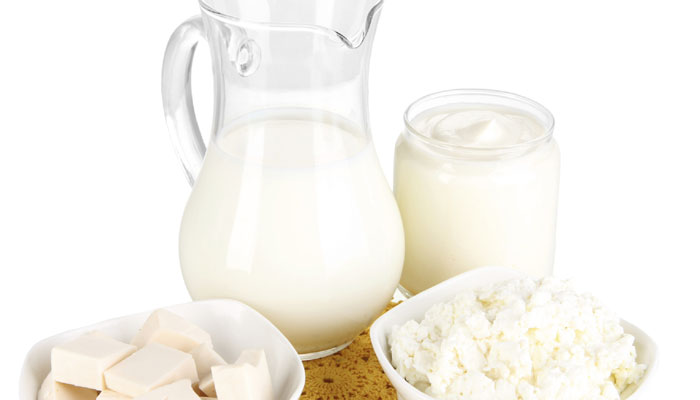
  • Research shows that milk contains a mix of carbohydrates, calcium, sodium, potassium and good protein which aids muscle recovery.

Inclusion of these calcium rich foods like milk and cereal, yoghurt or latte in your diet helps a lot in creating Electrolyte balance.

We hope these insights into the importance of electrolytes in our body shed light on their crucial role. If you found this information helpful, feel free to share your thoughts in the comments below. For a deeper understanding of nutrition and health, explore Healthy Reads. For further information or guidance, reach out to our certified experts by subscribing to GOQii’s Personalised Health Coaching here.

#BeTheForce

October 7, 2023 By Payal Choudhury 72 Comments

Healthy Eating Tips for Women at 40

Healthy-eating-tips-for-women-at-40

“Lordy, lordy, look who’s forty!” The big 40—it’s a milestone for sure, signalling a time of transition from young adulthood to middle-age.

This is an important decade for preventing lifestyle diseases such as diabetes, heart disease and many cancers later in life. So, if you’ve been making healthy lifestyle choices, keep it up in your 40s, and if you haven’t, now’s the time to start!

Healthy habits like eating right, exercising regularly, getting enough sleep, and not smoking can help reduce your risk for a number of chronic medical conditions.

Age 40 is a milestone when the risk of many health conditions increases. This makes the 40th birthday a perfect time for taking stock of your health. Today, Forty is considered the new twenty. So if you want to feel young and healthy now is a good time to take stock of the situation. Though there might be other things out there more important, do take a deep breath and feel good and healthy.

Adopting a healthy eating plan is the best preventive measure against disease. It involves both avoiding certain foods and incorporating others in varying proportions, making the transition gradual yet effective.

Good nutrition starts with the basics: a well-rounded diet consisting of whole grains, fresh fruits and vegetables, healthy fats, and lean sources of protein. These kinds of foods provide women with plenty of energy, the means for lifelong weight control, and the key ingredients for looking and feeling great at any age. Our diet has a major effect on our food cravings, stress levels and energy throughout the day.

Applying some simple rules will assist our bodies in maintaining hormonal balance and promoting long-term well-being.

Focus on whole, plant-based foods. Fill most of your plate with fruits and leafy green vegetables. Also include a variety of whole grains, beans, and other legumes to give a filling fiber.

Bone up on calcium. Women are at a greater risk than men of developing osteoporosis, so it’s important to get plenty of calcium to support your bone health. While dairy products are high in calcium, their animal fat and protein can accelerate bone loss. So also consider plant-based sources of calcium like beans, broccoli, kale, brussels sprouts, and collard greens.

Make sure you get enough iron. Many women don’t get enough iron in their diet. On top of that, women lose a lot of this important mineral during menstruation. Boost your intake by eating iron-rich foods such as lean red meat, dark poultry, lentils, spinach, almonds, and iron-fortified cereals.

Cut back on alcohol and caffeine. Women who consume more than two alcoholic drinks a day are at a higher risk of osteoporosis. Caffeine consumption interferes with hormone levels and also increases the loss of calcium. Try to limit alcohol consumption to one glass once in a while and caffeine to one cup a day.

Eat the right type of protein. Protein is an essential part of any healthy diet. Protein at this point in your life will help maximise your current metabolic rate and also prevent the loss of lean muscle mass. Eating too much animal protein can cause calcium loss and lead to a decrease in bone density and osteoporosis. Instead of red meat and processed meat, such as hot dogs, bacon, and salami, opt for fish, skinless chicken and turkey, low-fat dairy, and plant-based protein sources, such as beans, nuts, seeds, peas, tofu.

Some of the healthy tips to be focused on:

Avoid

– Ready made meals and microwaving your food in plastics and cling film.

– Genetically modified foods

– Sugar as much as possible

– Food additives such as MSG (monosodium glutamate or better known as Ajinomoto), Fructose, Glucose-Fructose-Syrup, Corn Syrup, Aspartame, Colourings, and E numbers.

– Cut down on sodium

– Eating any food that is burnt

– Carbonated beverages, especially ‘diet’ varieties

– Margarine and other ‘fake’ butter

All foods labelled ‘diet’ or ‘low calorie’ or ‘fat-free

Highly processed foods

Refined grains (white).

Options that can be included in the meal platter:

Eat plenty of raw organic fruit and vegetables

Eat complex carbohydrates

Eat Essential Fats – oily fish, nuts, & seeds (avoid nuts in cases of acne and allergies)

Include healthy fats such as coconut oil, olive oil and butter

Increase your fiber intake

Drink sufficient clean water every day

Eat good, clean sources of proteins.

Eat vegetarian at least once each day

Thoroughly wash all fruits and vegetables before eating.

Feed your body high-quality fuel, monitor its intake and routinely push your engine’s limits to keep it running smoothly. Remember, you are the captain of your plane. Just reach out and take the controls.

We hope this article equips you with valuable insights for maintaining a healthy and balanced life. If you found this information helpful, we’d love to hear your thoughts in the comments below. Find more articles on Women’s Health here. For further information or guidance, reach out to our certified experts by subscribing to GOQii’s Personalised Health Coaching here.

September 29, 2023 By Arooshi Garg Leave a Comment

How To Prevent Heart Disease At Any Age

How to prevent heart disease at any age

Heart disease is a generic term used to describe diseases that affect the heart and supporting arteries. In these diseases, the blood flow to the brain, heart or any other body part is reduced due to the thickening of arteries due to fat deposition, or due to a circulating clot in the bloodstream. It may lead to chest pain, stroke, heart failure, or arrhythmia.

All age groups can benefit from following a healthy, clean eating pattern. Lifestyle habits are formed slowly, over the years, and changing them can be overwhelming. Understanding what foods are good or bad and taking small steps to include or avoid different foods can be a game changer. Let’s read on to learn more about foods and habits that are essential for a healthy heart:

1. Controlling portions: Your foods’ estimated calories are the easiest way to avoid overeating and over consumption of calories. Even healthy foods like nuts, when taken in excess, are harmful! Always choose low-calorie and high-fibre foods to fill yourself, like raw fruits and vegetables. Take smaller portions of calorie-dense and high-salt foods for a healthy heart. Another tip is to choose a smaller plate when eating.

2. Choosing raw vegetables: Having at least 3-4 servings of fresh and local vegetables is very essential to get a good supply of heart-healthy antioxidants. Choose bright-coloured vegetables to get maximum benefit. Fiber which is present in vegetables helps in controlling high BP, and fat deposition in arteries and also eases digestion.

3. Including whole grains, millets: Grains are naturally high in fiber and nutrients. Avoid refined and processed cereals like all-purpose flour, bread, and bakery products. Instead, choose locally available native millets like barley, ragi, bajra, quinoa, and farro.

4. Consume salt mindfully: Having too much salt can worsen cardiac health and cause hypertension. Adding no-table salt and reducing salt while you cook is the first step. Reducing hidden salt from foods like cornflakes, muesli, bread, biscuits, sauces, and pickles is the next step. Choose less refined salts like Rock salt, and Himalayan salt. Be wary if you also have thyroid you might need regular iodized salt. Flavour your dishes using dill, coriander, mint, lemon, and oregano instead!

5. Choosing low-fat high protein sources: Cut short on high-fat animal products like full-fat milk, processed cheese etc. Go for low-fat/ toned milk, choose leaner cuts, fish, and eggs to meet your protein requirement. Certain types of fish are rich in omega-3 fatty acids, which can lower blood fats called triglycerides. Products like soy granules, sprouts, and powdered pulses are good, low-fat sources of protein and contain no cholesterol. They can be easily added to the diet to increase protein intake.

6. Engaging in cardio activities: As the name suggests, any type of physical activity that affects the heart’s activity is considered good for cardiovascular health. If you cannot go to the gym, ensure that you at least go for a walk. A quick 30-minute fast walk can help you get good cardio activity to reduce cholesterol levels, and blood pressure and improve energy levels, plus it can fight weight gain to improve overall cardiac health. If you are still unable to find time for dedicated exercise, make it a habit to walk for 10 minutes after every meal. Finding small pockets of time for cardiovascular fitness in the form of walking can really be helpful. Choose any activity like jogging, running, cycling, swimming, Zumba, aerobics etc.

7. Say no to smoking and alcohol: Limit your alcohol intake. Smoking is a major risk factor for heart disease. The chemicals you inhale when you smoke cause damage to your heart and blood vessels.

GOQii wishes the best for all of you on this World Heart Day! We hope this article has shed light on the essential habits for a healthy heart. If you found this information valuable, share your thoughts in the comments below. You can browse more articles like this here. To get more tips and guidance, speak to a GOQii Coach for lifestyle modifications suited to your health goals. You can subscribe for Personalised Health Coaching here.

September 18, 2023 By Rashmi Deshpande 2 Comments

Types of Fat and Fat Composition

fat composition“I can’t lose weight no matter how hard I try!” – this sentence is pretty common, isn’t it? Ever wondered why? The answer lies in the extra fat deposition on our bones and organs which become an obstacle for our weight loss journey. The key to slimming down is understanding that fat loss is more important than weight loss. Let’s study about how we gain fat and fat composition in detail!

What is Fat?

Fats are substances that help the body use some vitamins and keep the skin healthy. They also help the body store energy. In food, there are different types of fats such as saturated, unsaturated, polyunsaturated, monounsaturated, and trans fats. Most people consume too much of the wrong kinds of fat, putting their health at risk.

Good Fat vs. Bad Fat

Daily diet contains fat such as different oils (sunflower, peanut, rice bran, olive oil, sesame etc.), ghee (clarified butter), butter, cheese, avocados, eggs, nuts, seeds, milk, curd etc. (these are good fats). All these give us essential fats and 9kcal/g which helps the body function smoothly. They aid joint rotation, absorption of fat soluble Vitamins A, D, E and K. They’re the biggest source of energy.

The questions is where are we going wrong? How are we getting those chubby cheeks, round bellies, heavy arms and bulky thighs?

Do we consider how much fat we’re consuming when eating a 100g pack of chips? One packet of chips contains 100g but in serving portion, the manufacturer will only write 10g calories which amounts to approx. 20-28 pieces of chips which contain 160kcal, 7g fats and 16g carbohydrates. But do we only eat 28 pieces? It’s the same with burgers, pizzas, white paste, 2 minute noodles, biscuits, cookies and more. It has been shown that fat intake of the wrong kind will result in fat gain. As the body typically burns carbs for fuel and uses proteins for repair, it makes sense to cut back on bad fat while increasing good fat.

Different Types of Fat

The word “Fat” is broadly used to describe all body fats but that’s not true. There are several different types. Some fats can have a negative impact on health while others are necessary for good health. They can be stored as essential, subcutaneous or visceral fat. Each type of fat serves a different role. Some promote healthy metabolism and hormone levels, while others contribute to life-threatening diseases, including Type 2 Diabetes, Heart Disease, High Blood Pressure and even Cancer.

  1. Essential Fat: Essential fat is exactly that – essential for life and a healthy body. This fat is found in our brain, bone marrow, nervous system and membranes that protect the organs. Essential fat plays a major role in hormone regulation, including the hormones that control fertility, vitamin absorption, and temperature regulation. Women need at least 10-13% of their body composition to come from essential fat to be in good health, while men require at least 2-5%.
  2. Subcutaneous Fat: This is the fat which is stored under the skin. It covers a major portion of our body fat. This is the fat we can squeeze or pinch on our arms, belly, thighs, and buttocks. We can measure subcutaneous fat as a way of estimating total body fat percentage. A certain amount of subcutaneous fat is normal and healthy, but too much can lead to imbalanced hormone levels and sensitivity.
  3. Visceral Fat: This type is also known as belly fat. It is the white fat that’s stored in your abdomen and around all the major organs such as the liver, kidneys, pancreas, intestines, and heart. High visceral fat levels can increase your risk for diabetes, heart disease, stroke, artery disease, and some cancers.

Body Fat Composition

The proper body fat composition and distribution of fat will protect us from various risk factors and diseases. Women have different sights of fat deposition such as thighs, arms, buttocks, below the belly button, etc. Men experience this on their chest, belly, and waist. This deposition is different because of the varying percentage of testosterone (male hormone) and estrogen (female hormone).

In males, mean percentage body fat ranges from 22.9% at age 16-19 to 30.9% at 60-79 years of age. In females, mean percentage body fat ranges from 32% at age 8-11 to 42.4% at age 60-79. There is a close relation between fat and physical exercise as regular exercises helps you burn stored fat. Exercise helps you turn deposited fat into an energy source.

We hope this article helps you. To know more about fats, check out Healthy Reads or ask a GOQii Coach by subscribing for Personalised Health Coaching here.

#BeTheForce 

  • « Previous Page
  • 1
  • …
  • 25
  • 26
  • 27
  • 28
  • 29
  • …
  • 36
  • Next Page »

Search

Recent Posts

  • Immunity-Boosting Kadhas: Why Natural Defense Matters During the Monsoon
  • Healthy Eating: Crispy Monsoon Corn Tikkis
  • Antenatal Exercises: Your Guide to a Fit and Healthy Pregnancy
  • Managing Type 2 Diabetes: Dietary Choices and Lifestyle Adjustments for Better Blood Sugar Control
  • Hormones and Longevity: Why Midlife Health Depends on Hormonal Balance

Stay Updated

Archives

  • July 2026 (22)
  • June 2026 (22)
  • May 2026 (20)
  • April 2026 (24)
  • March 2026 (18)
  • February 2026 (14)
  • January 2026 (14)
  • December 2025 (19)
  • November 2025 (15)
  • October 2025 (20)
  • September 2025 (6)
  • August 2025 (6)
  • July 2025 (10)
  • June 2025 (18)
  • May 2025 (16)
  • April 2025 (22)
  • March 2025 (26)
  • February 2025 (21)
  • January 2025 (25)
  • December 2024 (22)
  • November 2024 (22)
  • October 2024 (20)
  • September 2024 (22)
  • August 2024 (28)
  • July 2024 (16)
  • June 2024 (23)
  • May 2024 (26)
  • April 2024 (27)
  • March 2024 (27)
  • February 2024 (23)
  • January 2024 (21)
  • December 2023 (14)
  • November 2023 (10)
  • October 2023 (19)
  • September 2023 (22)
  • August 2023 (16)
  • July 2023 (18)
  • June 2023 (21)
  • May 2023 (20)
  • April 2023 (19)
  • March 2023 (23)
  • February 2023 (19)
  • January 2023 (15)
  • December 2022 (11)
  • November 2022 (15)
  • October 2022 (15)
  • September 2022 (12)
  • August 2022 (9)
  • July 2022 (17)
  • June 2022 (11)
  • May 2022 (10)
  • April 2022 (6)
  • March 2022 (6)
  • February 2022 (13)
  • January 2022 (11)
  • December 2021 (7)
  • November 2021 (3)
  • October 2021 (6)
  • September 2021 (3)
  • August 2021 (8)
  • July 2021 (7)
  • June 2021 (15)
  • May 2021 (16)
  • April 2021 (10)
  • March 2021 (7)
  • February 2021 (4)
  • January 2021 (4)
  • December 2020 (3)
  • November 2020 (4)
  • October 2020 (10)
  • September 2020 (3)
  • August 2020 (3)
  • July 2020 (2)
  • June 2020 (4)
  • May 2020 (10)
  • April 2020 (12)
  • March 2020 (10)
  • February 2020 (4)
  • January 2020 (4)
  • December 2019 (3)
  • November 2019 (7)
  • October 2019 (5)
  • September 2019 (4)
  • August 2019 (9)
  • July 2019 (9)
  • June 2019 (11)
  • May 2019 (4)
  • April 2019 (8)
  • March 2019 (8)
  • February 2019 (9)
  • January 2019 (8)
  • December 2018 (9)
  • November 2018 (3)
  • October 2018 (3)
  • September 2018 (5)
  • August 2018 (10)
  • July 2018 (6)
  • June 2018 (13)
  • May 2018 (8)
  • April 2018 (18)
  • March 2018 (9)
  • February 2018 (8)
  • January 2018 (15)
  • December 2017 (12)
  • November 2017 (19)
  • October 2017 (13)
  • September 2017 (15)
  • August 2017 (4)
  • July 2017 (8)
  • June 2017 (7)
  • May 2017 (6)
  • April 2017 (8)
  • March 2017 (6)
  • February 2017 (7)
  • January 2017 (9)
  • December 2016 (10)
  • November 2016 (7)
  • October 2016 (7)
  • September 2016 (7)
  • August 2016 (11)
  • July 2016 (9)
  • June 2016 (9)
  • May 2016 (12)
  • April 2016 (17)
  • March 2016 (17)
  • February 2016 (8)
  • January 2016 (6)
  • December 2015 (2)
  • November 2015 (9)
  • October 2015 (7)
  • September 2015 (9)
  • August 2015 (11)
  • July 2015 (9)
  • June 2015 (11)
  • May 2015 (9)
  • April 2015 (13)
  • March 2015 (8)
  • February 2015 (5)
  • January 2015 (12)
  • December 2014 (14)
  • November 2014 (11)
  • October 2014 (6)
  • September 2014 (13)
  • August 2014 (12)
  • July 2014 (6)
  • June 2014 (2)
  • May 2014 (7)
  • April 2014 (4)

From Burnout to Balance: How Dr. Ranjit Reclaimed His Health

Dr Ranjit Bhatt has spent years tending to others. A practising doctor in Odisha, his days were packed with patients, surgeries, and emergencies. From the outside, it looked like a life lived in service. But on the inside, something wasn’t right. “I had no … [Read More...]

From Shimla’s Slopes to Chandigarh’s Sidewalks: Surinder Kaur Bhalla’s Journey from Chaos to Control

Some journeys start with a plan. Others begin with a stumble literally. Surinder Bhalla, a government professional, born and raised in the scenic hill town of Shimla, had always lived a life of movement. “In Shimla, you walked everywhere,” she reflects. “Walking was never an exercise. It was just life.” But after shifting to Chandigarh, […]

“I’ve Challenged Myself to Live 100 Years” – The Story of Chandubhai Savani’s Second Chance at Life

At 67, most people start slowing down. Not Chandubhai Savani. A resident of Surat, Chandubhai, thought life was on track. “My life was going well till I had my bypass surgery,” he says. That surgery, back in 2021, was a wake-up call.  Medication was routine, but exercise wasn’t. His diet? What he calls ‘normal.’ “I […]

Ananda Mukherjee Health Story

From Terminal Illness To Complete Wellness! Ananda Mukherjee Health Story

As we observe World Cancer Day under the powerful theme ‘United by Unique’ (2025-2027)**, we are reminded that every individual’s journey with cancer is distinct, yet united by shared resilience, hope, and the collective fight against this disease. This theme places people at the centre of care and their stories at the heart of the […]

  • HOME
  • HEALTHY LIVING
  • FITNESS
  • HEALTHY RECIPES
  • USER STORIES
  • KARMA
  • BUY GOQii

Copyright ©2016 GOQii