GOQii

Blog

  • HOME
  • HEALTHY LIVING
  • FITNESS
  • HEALTHY RECIPES
  • USER STORIES
  • KARMA
  • BUY GOQii

Search Results for: protein

December 26, 2024 By Urvi Gohil 3 Comments

Top 5 Sources of Protein For Vegetarians

Protein For Vegetarians Indian Dietetics Association claimed a few years back that vegetarian diets in our country are 84% protein deficient along with 65% protein deficiency in the diets of non-vegetarians too. Data also suggest that 93% of Indians are not aware of their ideal protein intake per day. Proteins are extremely crucial for the body. The word Protein comes from a Greek word Proteos meaning “First Place” or “Primary”. Some important functions of protein are:

  • Growth and maintenance
  • Structural part of enzymes required for many biochemical reactions
  • Structural part of hormones which are key messengers in the body
  • Providing rigidity and stiffness to cells and tissues all over the body
  • Maintaining ideal pH and balancing fluids
  • Bolster immune health
  • Providing energy  
  • Transporting and storing nutrients

The recommended dietary allowance for protein is 0.8 gram per kg body weight for normal healthy individuals. So, if you are 60 kg, multiply it by 0.8, and your protein intake per day should be around 48 grams. Protein intake will vary based on various stages of life and for athletes, pregnant and lactating mothers, kidney & liver patients.

5 Sources of Protein For Vegetarians 

  1. Sattu (gram flour): Originated from Bihar, Jharkhand, West Bengal and Uttar Pradesh, Sattu is known as the poor man’s protein. But recently, it has gained popularity due to its amazing nutrient profile. It is basically roasted and ground gram flour. You can make Sattu ki roti, traditional Sattu drink with lemon and pink salt, Sattu fortification in dhokla, idli, dosa, etc. Try to take at least 2 tablespoons of Sattu in a meal. Unlike other protein sources, Sattu is easier to digest and suits the elderly too.
  2. Sprouted Pulses: The germinated pulses such as mung, kidney beans, black eyed beans, chana, chickpeas, etc. have more magnesium, protein, folate, minerals, Vitamin C, Vitamin K, manganese and phosphorus as compared to non-sprouted varieties. So increase the consumption of sprouts as it will give better nutrients in the same amount. You can make a fresh batch of sprouts daily and have a small cup with lunch and the same for dinner to enrich your meals with protein. Though you can store the sprouted pulses for 3 days in the fridge using a sealed container. Trying a variety of recipes on a daily basis like aloo-sprouts paratha, sprouts stuffed sandwich, sprouts salad, sprouts soup, etc. will also help.
  3. Paneer: is another amazing, well known source of protein for vegetarians. It is rich in healthy fats, protein and low in carbs. In a controlled portion size, it’s great for diabetics, weight watchers and almost everyone. Try to incorporate paneer in your regular meals like post workout meals, sandwiches, curries, grilled paneer with veggies for meals, etc.
  4. Nuts & Seeds: have an impressive number of protein and healthy fats in a single serving. It’s a great idea to add these to your mid-meal and snack time. Walnuts, hemp seeds, pumpkin seeds, flax seeds, chia seeds, sunflower seeds, etc. are concentrated sources of protein and healthy fats. About 2 tablespoon of them per day can help you in more ways than one.
  5. Hung Curd: is nothing but our homemade curd which has drained off its water. Make curd using low-fat milk or cow milk, tie it in a muslin cloth and hang it for 3-4 hours for all the excess water to be drained. 1 cup of homemade hung curd provides 10-12 grams of protein. It is great for digestion and also for meeting calcium requirements. You can use it for dips, raita, salad dressings or just a plain cup of hung curd with meals.

We hope these food sources of protein for vegetarians helps you! Before you add any of these foods to your diet, please consult your doctor, nutritionist or dietitian.

How do you fill in your daily protein requirement? Let us know in the comments below. For more on proteins, you can check out Healthy Reads or ask a GOQii Coach by subscribing for Personalised Health Coaching here.

#BeTheForce 

October 9, 2024 By Binita Dhara Leave a Comment

Do You Really Need Protein Supplements Before and After Your Workout?

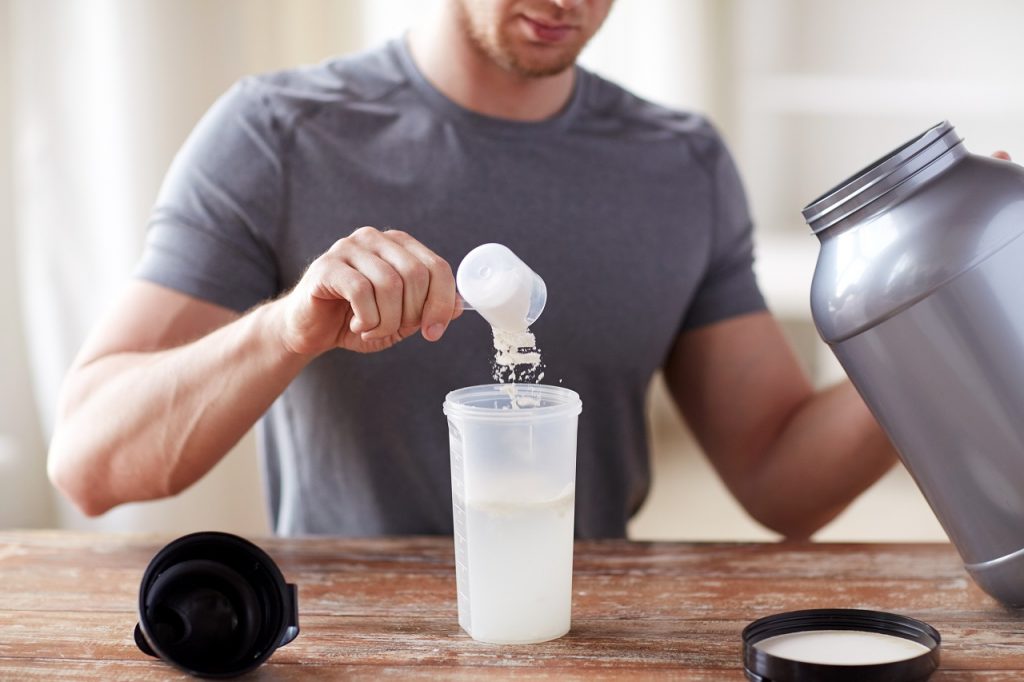
protein supplementsAlong with working out and staying active, it is important to take good care of what we eat before and after a workout for energy and tissue repair respectively. Primarily, the go-to in this case is protein but do you get your protein from protein supplements or from natural sources? Which works better? Let’s find out!  

What’s The Difference Between Natural Protein and Protein Supplements? 

You can get energy from natural sources as well as protein supplements. Normally, natural foods like fruits, nuts, eggs, chicken, pulses and cereals contain carbohydrates, proteins and good fats which help us get energy for a workout. They also repair tissues. Supplements on the other hand contain amino acids, B vitamins, caffeine, creatine and artificial sweeteners – quality differs from brand to brand. 

Who Needs Supplements? 

Normally, protein supplements are required for those who perform heavy workouts like athletes, wrestlers and bodybuilders. When the protein requirement is not fulfilled by natural sources, then supplementation is required. Even the amount of protein requirement depends on the person and whether they want to lose or gain weight. 

On the other hand, the amount of protein consumed should also be monitored because if it is not used up during the workout, it gets stored in the body as extra calories as 1g protein contains 4 kcal. The ideal protein consumption should be 1.2 to 1.7g per kilogram of body weight or 0.5 – 0.8g per pound of body weight. 

There are 3 forms of protein: 

  1. Protein Isolates: This consists of only protein (90-95%) and has carbs and fat removed from it through processing. This is mainly made up of whey protein.
  2. Protein Concentrate: is the combination of carbohydrate and fat (20-40%) and protein (20-40%). This is mainly made up of plant sources.
  3. Protein Hydrolysates: This is further processed and breaks the protein into amino acids which makes it more easily absorbed in the body. But it has a big disadvantage – it increases the insulin level of blood mainly which is made from whey protein.

There are many forms of protein supplements available in the market which are derived from various other sources. Comparing the above, try avoiding plant sources as they don’t provide sufficient protein for muscle growth. Whey is easily absorbed and digested whereas casein takes time to get digested but it’s good to consume before sleep as it helps in recovery of muscles and egg protein is another good option as it is easily absorbed by the body. 

Taking all of this into consideration, I would like to say that though it has several benefits, protein supplements also have major demerits such as the caffeine and creatine contents which affects blood pressure, creating cardiac issues by increasing heart rate, causing diarrhoea, a disturbed sleep cycle and gut intolerances, etc. 

Do note that most of these “health drinks” aren’t regulated by the FDA for safety purposes. So, before you pick a protein supplement, read the ingredients on the label and pick one that fits your requirement. Honestly, what I feel is that it is best to fulfil the protein requirement through natural foods! 

We hope this article helps you make a choice! Do let us know your thoughts in the comments below! For more articles on protein, check out Healthy Reads or speak to an expert by subscribing for Personalised Health Coaching here.

#BeTheForce 
Disclaimer: The information provided in this blog is for general awareness and educational purposes only. It is not intended to replace professional medical advice, diagnosis, or treatment. Always consult a qualified healthcare provider for personalised medical guidance or concerns related to your health.

May 30, 2024 By Zehra Fatima 8 Comments

STEVIA (A 0 calorie, 0 carbs, 0 protein and 0 fats natural sweetener)

Yes, you have read right! A null nutritional value sweetener which is sweeter than sugar. Stevia has 0 kcal energy, 0gms of carbohydrates, 0 gms of proteins, 0 gms of fats yet a very sweet product and gained popularity in foreign countries. Let’s find out more about Stevia.

What is stevia?

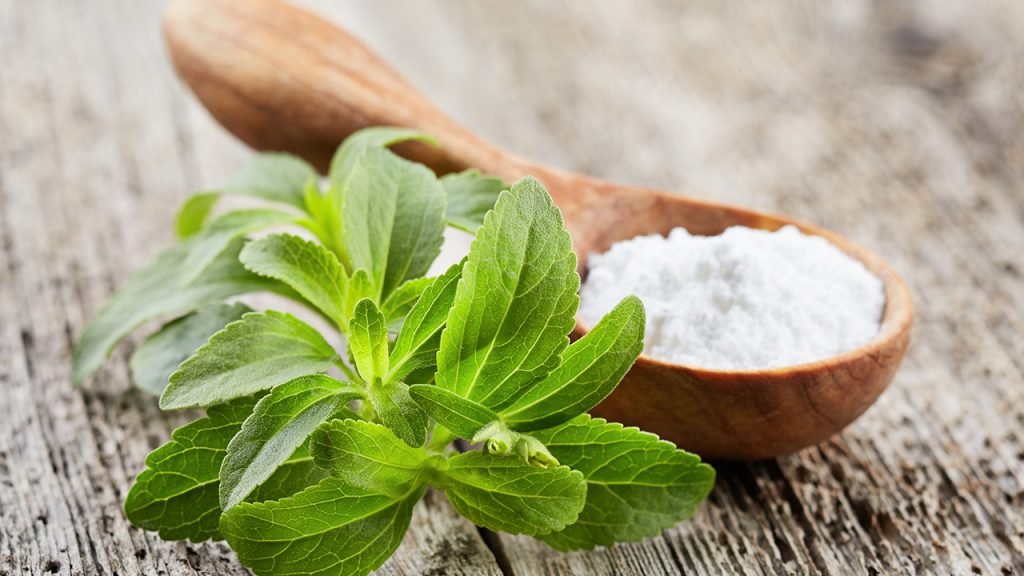
Stevia is a sweetener and sugar substitute extracted from the leaves of the plant species Stevia Rebaudiana.

The active compounds of stevia are steviol glycosides (mainly stevioside and rebaudioside), which have up to 150 times the sweetness of sugar, are heat-stable, pH-stable, and not fermentable. Stevia’s taste has a slower onset and longer duration than that of sugar, and some of its extracts may have a bitter or liquorice-like aftertaste at high concentrations.

Benefits of Stevia

Apart from using it as a replacement for Sugar it has additional benefits like

  • IN DIABETES: Research has shown that stevia sweeteners do not contribute calories or carbohydrates to the diet and do not affect blood glucose or insulin response, which allows people with diabetes to consume a wider variety of foods and comply with a healthful meal plan.
  • IN WEIGHT MANAGEMENT: The intake of added sugars has been shown to contribute an average of 16 percent of the total calories in the American diet and has been linked to weight gain and adverse effects on glycemic control. Plant-based, zero calorie stevia can be part of a well-balanced diet to help reduce energy intake without sacrificing taste.
  • IN BLOOD PRESSURE: Certain glycosides in stevia extract have been found to dilate blood vessels, increase sodium excretion, and urine output. In higher doses, stevia could potentially help lower blood pressure. The plant may have cardiotonic actions, which normalize blood pressure and regulate heartbeat.

Good and bad Stevia

Stevia’s green leaves are naturally sweet. However, those white powder and clear drops we find in groceries have very little to do with stevia leaves. They aren’t really stevia at all. They’re an extract that’s been super-refined using toxic chemicals, bleach, and marketed as “healthy”. Everybody is looking for a non-addictive, healthy sweetener. But, beware of any sugar-free sweetener that gives you the illusion of a “free ride”, because you may just be deepening your addiction.

Green leaf stevia is the least processed of the stevia types. The leaves are basically just dried and ground into powder form. This is the type of stevia that’s been used in South America and Japan for centuries as a natural sweetener and health remedy. This type of stevia is about 30–40 times sweeter than sugar.

The best stevia is the kind you can grow yourself. When it’s alive you know it’s REAL! Stevia plants grow beautifully in a pot, a garden, a window box, or on your kitchen window sill. Just pull off a leaf when you need to sweeten something. This way you can be sure it’s organic, and the soil is healthy.

We hope this article helps you understand the incredible benefits of Stevia as a natural sweetener. Have you tried incorporating Stevia into your diet? Let us know in the comments below. For more tips on diet and nutrition, speak to a certified expert by subscribing to GOQii’s Personalised Health Coaching here.

#BeTheForce
April 14, 2024 By Komilla Pareek 26 Comments

Simple guide to Protein – Uric Acid Connection

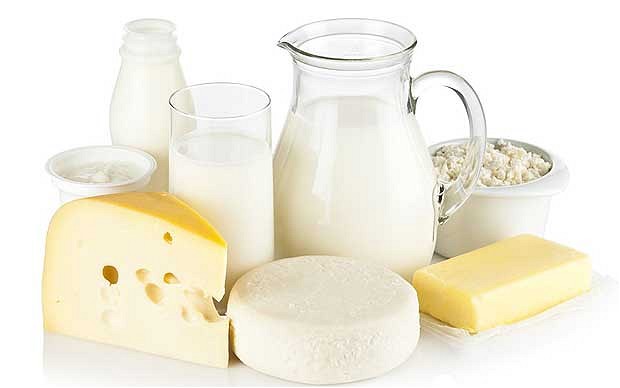
dairy-products

When Rohit came to me for consultation, he was suffering from hyperuricemia- a condition which is associated with high levels of uric acid in the blood. Increased levels of blood uric acid predispose to gouts and very high levels may lead to kidney failure. Uric acid is produced from the natural breakdown of body’s cells and from the foods rich in purines. Thus, in hyperuricemia, purine rich foods are avoided.

Though purines are present in all living things (and food) as they provide part of the chemical structure of our genes, some foods contain concentrated amounts of purines. For the most part, these high-purine foods are also high-protein foods and thus purine restriction gets wrongly translated as protein restriction in most cases.

A detailed discussion around Rohit’s food intake revealed that his diet was very low in protein. He was avoiding all pulses, milk and milk products and meat & eggs. In addition, to that, he was doing one hour of intense workout to reduce weight. He reported muscle soreness, weakness, and cramping which I could easily relate to his visible signs of protein deficiency – sparse hair, pot belly, and swollen hands.

Contrary to the notion that protein is necessary only in growing age, we need protein at every age for normal wear and tear of tissues. Most of the enzymes involved in important metabolic processes are proteins. Thus, like everyone, hyperuricemia patients too need this nutrient in adequate quantities.

Let’s make this complex protein -uric acid connection simpler through this guide on what to include and what not – 

Dairy products – Not only do they provide good quality proteins, scientific studies have demonstrated that milk when taken in moderate quantities actually help in reducing and managing gouts. However, fermented milk products such as yogurt, buttermilk, curds and aged cheese have purines from the nucleic acids of the bacterial cells that proliferate during fermentation. They should be avoided. Non-fermented milk products such as cottage cheese, paneer, whey protein can be taken.

Eggs– The yolk of an egg contains the nucleic acids, but the egg white is pure protein without purines.

Nuts – Nuts are naturally low in purines and can be eaten daily by those on a low purine diet.  Good sources of low-purine nuts and seeds include walnuts, almonds, flaxseeds and cashew nuts. Keep in mind that nuts are rich in calories, so eating too many of them could cause you to gain weight.

Pulses– Beans and pulses contain low to moderate amount of purines. However, researchers prove that purine from plant sources are less likely to harm and one serving of pulses per day can be safely taken by gout patients.

Meat – Meats including bacon, beef, pork, and lamb; Organ meats, such as brains, heart, kidney, liver, and sweetbreads; anchovies, sardines, herring, mackerel, and scallops are high in purine and should be avoided.

Epidemiological research has demonstrated that all purine-containing foods are not the same, and that plant purines are far safer than meat and fish purines in terms of gout risk.

Hope this information helps you meet protein requirements and lead a normal active healthy life on a low purine diet. For further information or guidance, reach out to our certified experts by subscribing to GOQii’s Personalised Health Coaching here.

#BeTheForce
  • 1
  • 2
  • 3
  • …
  • 134
  • Next Page »

Search

Recent Posts

  • Healthy Eating: Paneer Stuffed Palak Paratha
  • 5 Simple Lifestyle Changes To Manage Hypertension
  • Vegging Out: My Unexpected Journey to Veganism
  • Natural Skincare For Healthy, Glowing Skin!
  • The Early Signs & Symptoms of Diabetes

Stay Updated

Archives

  • November 2025 (3)
  • October 2025 (20)
  • September 2025 (6)
  • August 2025 (6)
  • July 2025 (12)
  • June 2025 (18)
  • May 2025 (16)
  • April 2025 (23)
  • March 2025 (24)
  • February 2025 (23)
  • January 2025 (26)
  • December 2024 (26)
  • November 2024 (26)
  • October 2024 (22)
  • September 2024 (24)
  • August 2024 (31)
  • July 2024 (22)
  • June 2024 (27)
  • May 2024 (31)
  • April 2024 (27)
  • March 2024 (29)
  • February 2024 (26)
  • January 2024 (26)
  • December 2023 (17)
  • November 2023 (15)
  • October 2023 (23)
  • September 2023 (23)
  • August 2023 (21)
  • July 2023 (22)
  • June 2023 (24)
  • May 2023 (25)
  • April 2023 (24)
  • March 2023 (23)
  • February 2023 (20)
  • January 2023 (16)
  • December 2022 (12)
  • November 2022 (15)
  • October 2022 (15)
  • September 2022 (13)
  • August 2022 (11)
  • July 2022 (17)
  • June 2022 (11)
  • May 2022 (10)
  • April 2022 (6)
  • March 2022 (6)
  • February 2022 (13)
  • January 2022 (12)
  • December 2021 (7)
  • November 2021 (3)
  • October 2021 (6)
  • September 2021 (3)
  • August 2021 (8)
  • July 2021 (7)
  • June 2021 (15)
  • May 2021 (16)
  • April 2021 (10)
  • March 2021 (7)
  • February 2021 (4)
  • January 2021 (4)
  • December 2020 (3)
  • November 2020 (4)
  • October 2020 (10)
  • September 2020 (3)
  • August 2020 (3)
  • July 2020 (2)
  • June 2020 (4)
  • May 2020 (10)
  • April 2020 (12)
  • March 2020 (10)
  • February 2020 (4)
  • January 2020 (4)
  • December 2019 (3)
  • November 2019 (7)
  • October 2019 (5)
  • September 2019 (4)
  • August 2019 (9)
  • July 2019 (9)
  • June 2019 (11)
  • May 2019 (4)
  • April 2019 (9)
  • March 2019 (8)
  • February 2019 (9)
  • January 2019 (8)
  • December 2018 (9)
  • November 2018 (3)
  • October 2018 (3)
  • September 2018 (5)
  • August 2018 (10)
  • July 2018 (6)
  • June 2018 (13)
  • May 2018 (8)
  • April 2018 (18)
  • March 2018 (9)
  • February 2018 (8)
  • January 2018 (15)
  • December 2017 (12)
  • November 2017 (19)
  • October 2017 (13)
  • September 2017 (15)
  • August 2017 (4)
  • July 2017 (8)
  • June 2017 (7)
  • May 2017 (6)
  • April 2017 (8)
  • March 2017 (6)
  • February 2017 (7)
  • January 2017 (9)
  • December 2016 (10)
  • November 2016 (7)
  • October 2016 (7)
  • September 2016 (7)
  • August 2016 (11)
  • July 2016 (9)
  • June 2016 (9)
  • May 2016 (12)
  • April 2016 (17)
  • March 2016 (17)
  • February 2016 (8)
  • January 2016 (6)
  • December 2015 (2)
  • November 2015 (9)
  • October 2015 (7)
  • September 2015 (9)
  • August 2015 (11)
  • July 2015 (9)
  • June 2015 (12)
  • May 2015 (9)
  • April 2015 (13)
  • March 2015 (8)
  • February 2015 (5)
  • January 2015 (12)
  • December 2014 (14)
  • November 2014 (11)
  • October 2014 (6)
  • September 2014 (13)
  • August 2014 (12)
  • July 2014 (6)
  • June 2014 (2)
  • May 2014 (7)
  • April 2014 (5)

From “Laddu Nawin” to Fit and Fierce: How a 25-Year-Old Insurance Advisor Shed 20 Kilos and Gained His Life Back

When 25-year-old Nawin Yadav from Hyderabad walked into his office every morning, he carried more than just his files and policy papers. He had the weight of fatigue, sluggish energy, and an ever-growing belly that was becoming the butt of jokes. “People … [Read More...]

“I’ve Challenged Myself to Live 100 Years” – The Story of Chandubhai Savani’s Second Chance at Life

At 67, most people start slowing down. Not Chandubhai Savani. A resident of Surat, Chandubhai, thought life was on track. “My life was going well till I had my bypass surgery,” he says. That surgery, back in 2021, was a wake-up call.  Medication was routine, but exercise wasn’t. His diet? What he calls ‘normal.’ “I […]

From Shimla’s Slopes to Chandigarh’s Sidewalks: Surinder Kaur Bhalla’s Journey from Chaos to Control

Some journeys start with a plan. Others begin with a stumble literally. Surinder Bhalla, a government professional, born and raised in the scenic hill town of Shimla, had always lived a life of movement. “In Shimla, you walked everywhere,” she reflects. “Walking was never an exercise. It was just life.” But after shifting to Chandigarh, […]

Ananda Mukherjee Health Story

From Terminal Illness To Complete Wellness! Ananda Mukherjee Health Story

As we observe World Cancer Day under the powerful theme ‘United by Unique’ (2025-2027)**, we are reminded that every individual’s journey with cancer is distinct, yet united by shared resilience, hope, and the collective fight against this disease. This theme places people at the centre of care and their stories at the heart of the […]

  • HOME
  • HEALTHY LIVING
  • FITNESS
  • HEALTHY RECIPES
  • USER STORIES
  • KARMA
  • BUY GOQii

Copyright ©2016 GOQii