GOQii

Blog

  • HOME
  • HEALTHY LIVING
  • FITNESS
  • HEALTHY RECIPES
  • USER STORIES
  • KARMA
  • BUY GOQii

Search Results for: kidney

May 29, 2026 By Tabassum Parveen Leave a Comment

Healthy & Refreshing Summer Coolers!

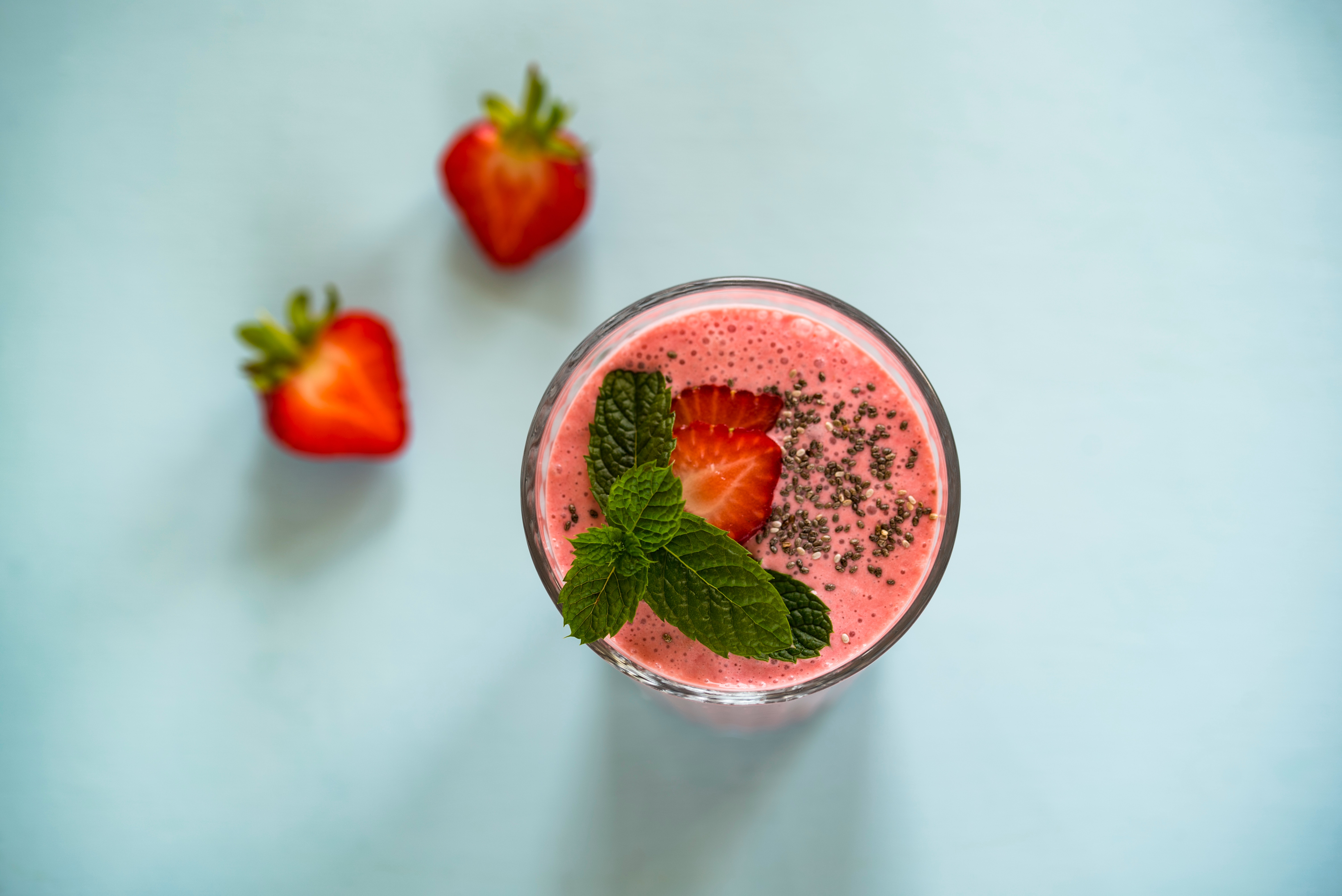
summer coolersGetting out of the house has been a task because of the heat. Venturing out means sweating profusely or being dehydrated due to lack of drinking water at continuous intervals. Want to take some extra precautions to keep your body cool and healthy? Try these healthy and refreshing summer coolers to keep you cool and ward off the heat!
1. Strawberry Pineapple Lemonade

Ingredients:

  • Strawberry – 2 cup fresh small size
  • Pineapple – 3 cup slices
  • Lemon – 1 or ½ cup
  • Ice – Optional
  • Honey – ½ cup
  • Water – 3 ½ cup

Method:

  • Place the strawberries, pineapple and water in a blender and prepare a puree
  • Strain the puree to remove seeds
  • Add lemon juice and honey
  • Add ice cubes and enjoy the drink

Benefits: This healthy, refreshing summer cooler is loaded with antioxidant properties. It supports the immune system, fights diseases and enhances your skin complexion. Its anti-inflammatory properties will help you deal with arthritis, gout, reduced blood pressure and stroke. Adding lemon will enhance its nutritive value by giving a dose of important vitamins to run body functions normally.

2. Mango, Raspberry & Basil Seed Popsicle

Ingredients:

  • Mango    – 3 cup
  • Chia Seed – 2 cup
  • Raspberry – 2 cup
  • Cinnamon Powder – 1 teaspoon
  • Brown Sugar – 1 tablespoon

Method:

  • In a blender, mix the mangoes until it is smooth
  • Pour it in a bowl and add Chia seeds
  • Mix well and let it rest in a refrigerator for 30 minutes
  • In a blender mix raspberries, brown sugar and cinnamon powder until smooth
  • Let it rest for 5 minutes
  • In a popsicle mold, pour 1 tablespoon of mango and chia seed mix. Then 1 tablespoon of raspberry mix.
  • Place in the freezer for at least 2 hrs

Benefits: This Popsicle is one of the best nutrient-rich summer coolers! Mango and Raspberry are packed with nutrients that support the heart, digestion, eye, hair and skin health. Adding Basil Seeds will reduce body heat and boost metabolism. It can relieve constipation and improve the respiratory system.

3. Ginger Cucumber Summer Cooler

Ingredients:

  • Ginger    – ½ Ginger
  • Cucumber – ½ Cucumber
  • Lemon – Few drops
  • Honey – 1 tsp
  • Water – 1 cup

Method:

  • Peel and grate the cucumber and Ginger
  • Blend it well by adding water
  • Strain it and add Honey and lemon
  • Decorate the glass with a slice of Cucumber and enjoy the drink

Benefits: Ginger improves digestive health and blood circulation. Along with Lemon, Ginger acts as an antibiotic. The combination of Cucumber, Ginger and Lemon act as a summer thirst quencher and also helps you lose weight by reducing water retention. It also boosts metabolism and keeps you hydrated!

4. Lemon Barley Water

Ingredients:

  • Barley – 3 cup
  • Lemon    Zest – 2 Lemons
  • Honey – ½ cup
  • Water – 3 cup

Method:

  • Place the barley in a bowl and wash it properly
  • Place it in a pan and add lemon zest and water
  • Bring the mixture to boil and let it simmer for 5-10 minutes
  • Strain the mixture then add honey and stir it well
  • Let the water cool down, transfer it into bottles and refrigerate until it is chilled
  • Serve it and enjoy the drink.

Benefits: It is one of the oldest drinks used by ancient Egyptians to cool their bodies during summer. This summer cooler helps maintain body temperature. It also acts as a natural remedy to reduce kidney stones and clear off Urinary Tract Infection. Due to its fiber content, it aids weight loss, improves metabolism and keeps the digestive system healthy.

5. Gur Sherbet (Jaggery and Chia Seed Drink)

Ingredients:

  • Gur (Jaggery ) – Few pieces
  • Water – 1 liter or 1 cup
  • Lemon – 1 or 2 slices
  • Salt – Optional ( ½ Tea spoon )
  • Ice – Optional
  • Chia seeds – 1 or 2 tsp

Method:

  • Soak chia seeds and jaggery in water for about half an hour or overnight
  • Add few lemon pieces  and serve chilled
  • Carry this drink to the office or if you are going out to stay hydrated

Benefits: One of the traditional summer coolers to replenish oneself. Jaggery is well known for its iron content. It also boosts immunity and reduces constipation. Adding chia seeds to it enhances this drink’s nutritive content by becoming a good source of fats that protect the heart and improve brain functioning.

Do try these healthy and refreshing summer coolers and let us know about your experience. Do you have recipes of your own? Share them with us in the comments below!

If you enjoyed these recipes, you can find more here. You can also get them directly from a GOQii Coach by subscribing for Personalised Health Coaching here.

#BeTheForce

May 17, 2026 By GOQii Leave a Comment

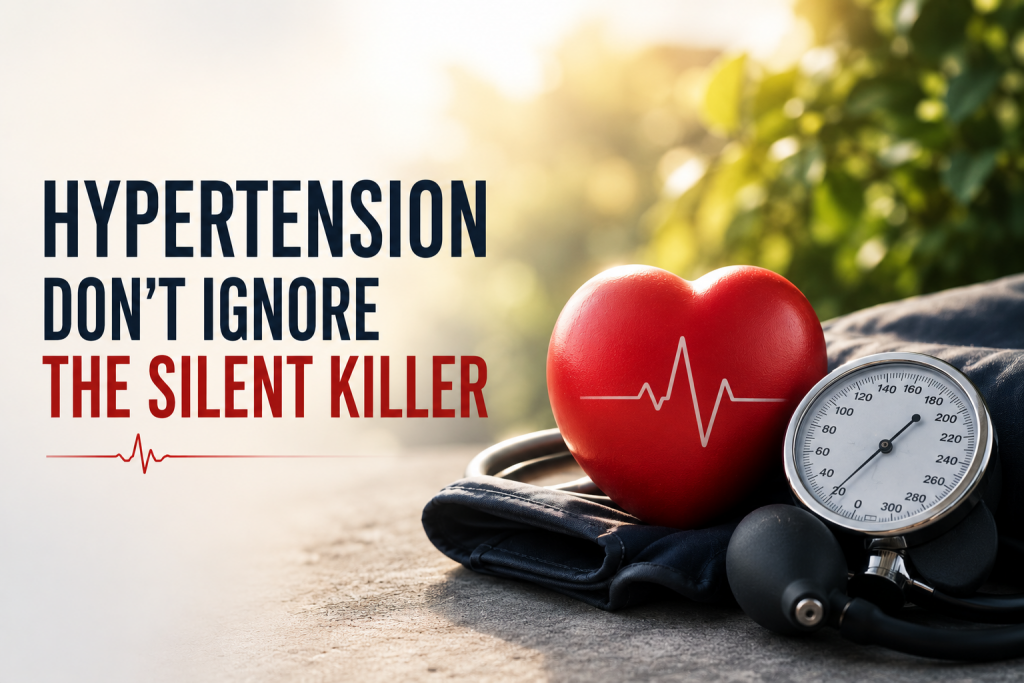
World Hypertension Day 2026: The Silent Killer & 5 Natural Ways to Lower Your Blood Pressure

You wake up feeling fine. You go to work, exercise, and eat relatively well. But beneath the surface, your blood vessels could be under immense, constant pressure without you ever knowing it.


This is why hypertension (high blood pressure) is globally known as the “Silent Killer.” Observed every year on May 17th, World Hypertension Day serves as a critical reminder that you cannot rely on symptoms to tell you if your heart is at risk. Millions of people live with high blood pressure for years without a single warning sign, silently damaging their arteries, heart, and kidneys until a major health event occurs.

The good news? Blood pressure is highly responsive to lifestyle changes. Even small, consistent daily habits can dramatically lower your numbers and protect your heart. Here are 5 natural, scientifically backed ways to manage your blood pressure.

Why Is It Called the “Silent Killer”?

Blood pressure is the force of your blood pushing against the walls of your arteries. When this force is consistently too high (usually above 130/80 mmHg), it forces your heart to work overtime.

Unlike a cold or a twisted ankle, hypertension does not usually cause headaches, dizziness, or chest pain until it reaches a severe, life-threatening stage. The only way to know if you have it is to measure it regularly.

5 Natural Ways to Lower Your Blood Pressure

If your numbers are creeping up, medication isn’t the only answer. Here is how you can take control naturally:

  1. Balance Your Sodium with Potassium

Everyone knows that too much salt (sodium) raises blood pressure by causing the body to retain water. But simply cutting out salt isn’t the whole story.

You need potassium to help your kidneys flush out that excess sodium and ease the tension in your blood vessel walls.

  • The Action Step: Instead of just obsessing over low-sodium labels, actively add potassium-rich foods to your diet, such as bananas, spinach, sweet potatoes, avocados, and coconut water.
  1. Move More, Sit Less

Your heart is a muscle. The more you work it out, the stronger it gets. A stronger heart can pump more blood with less effort, which directly decreases the force on your arteries.

  • The Action Step: You do not need to run a marathon. Aim for 150 minutes of moderate aerobic exercise a week. Brisk walking, cycling, or even swimming can lower your blood pressure by 5 to 8 mmHg. Use your GOQii tracker to ensure you are hitting at least 8,000 to 10,000 steps daily!
  1. Manage Your Waistline

Blood pressure often increases as weight increases. Being overweight can cause disrupted breathing while you sleep (sleep apnea), which further spikes blood pressure. Visceral fat, the fat stored around your waist and internal organs is particularly dangerous for heart health.

  • The Action Step: Losing even 2 to 4 kilograms can make a significant difference in your blood pressure readings. Focus on a balanced diet rich in protein and fiber to manage your weight sustainably.
  1. Break the Chronic Stress Cycle

When you are stressed, your body produces a surge of hormones (like cortisol and adrenaline) that temporarily increase your blood pressure by causing your heart to beat faster and your blood vessels to narrow. When stress becomes chronic, this temporary spike becomes your baseline.

  • The Action Step: Find a daily decompression tool that works for you. Whether it is 10 minutes of deep breathing, guided meditation on GOQii Play, or a walk in nature without your phone giving your nervous system a break is non-negotiable for heart health.
  1. Prioritize Deep Sleep

Your blood pressure naturally dips while you are sleeping. If you are constantly getting less than 6 hours of sleep, or if your sleep is frequently interrupted, your blood pressure stays elevated for longer periods throughout the 24-hour cycle.

  • The Action Step: Establish a strict sleep routine. Keep your bedroom cool and dark, avoid heavy meals right before bed, and ditch the screens an hour before you sleep.

You have the power to change your health trajectory. This World Hypertension Day, do not just read about it measure it.

Get your blood pressure checked, understand your numbers, and start making small lifestyle adjustments today. Your heart will thank you for years to come.

Pro Tip: Keep a log of your blood pressure readings and daily habits in the GOQii App. Sharing this data with your GOQii Personalised Health Coach allows them to create a custom nutrition and fitness plan tailored specifically to your heart health!

Frequently Asked Questions (FAQs)

  1. What is considered a normal blood pressure reading?

A normal blood pressure reading is generally around 120/80 mmHg. Elevated blood pressure is 120-129 systolic and less than 80 diastolic. Anything consistently over 130/80 mmHg is typically classified as hypertension.

  1. Can I lower my blood pressure without medication?

Yes, in many cases of mild to moderate hypertension, lifestyle changes like losing weight, exercising, reducing sodium, and managing stress can bring your numbers back to a normal range. Always consult your doctor before making changes to your treatment plan.

  1. Does drinking water help lower blood pressure?

Staying properly hydrated helps your heart pump blood more easily and helps your kidneys flush out excess sodium, both of which support healthy blood pressure levels.

#BeTheForce

Disclaimer: This article is intended for educational purposes only. Hypertension is a serious medical condition. Do not stop taking prescribed blood pressure medication without consulting your doctor.

April 25, 2026 By Sonal Pradhan Leave a Comment

Everything You Need to Know About Malaria

Malaria causes, symptoms and preventionEvery year on April 25th, the globe comes together to observe World Malaria Day. For 2026, the theme is a powerful call to action: “Driven to End Malaria: Now We Can. Now We Must.” With modern tools, treatments, and preventive measures, ending malaria in our lifetime is no longer just a hopeit is a tangible reality. However, defeating this disease requires all of us to stay informed, vigilant, and proactive.

Whether you are travelling, living in a high-risk area, or simply want to protect your family, here is everything you need to know about malaria.

What is Malaria?

Malaria is a serious, life-threatening, and sometimes fatal disease spread by infected female Anopheles mosquitoes. The disease is caused by a single-celled parasite called Plasmodium.

There are five species of Plasmodium that can infect humans:

  1. Plasmodium falciparum (P. falciparum): The most dangerous strain. Severe infections can lead to liver and kidney failure, convulsions, and even coma. It is widely found across most parts of India.
  2. Plasmodium vivax (P. vivax): Also common in India. While generally less severe than falciparum, these parasites can remain dormant in the liver for months, causing symptoms to reappear long after the initial infection.
  3. Plasmodium malariae (P. malariae): Commonly found among tribal populations and in forested or hilly regions of India.
  4. Plasmodium ovale (P. ovale): Also causes dormant liver infections, though it is generally not found in India.
  5. Plasmodium knowlesi (P. knowlesi): A zoonotic malaria that primarily affects macaques but can infect humans.

Spotting the Symptoms

Malaria presents a wide spectrum of symptoms that usually begin 10 to 15 days after the mosquito bite.

Common Symptoms:

  • High fever accompanied by shaking chills and heavy sweating
  • Persistent headache and body aches
  • General weakness and fatigue
  • Nausea and vomiting

Severe Complications: If left untreated, complicated malaria can affect major body systems, leading to severe anaemia, kidney failure, seizures, cardiovascular collapse, or dangerously low blood sugar.

Modes of Transmission

The primary way humans contract malaria is through the bites of infected female Anopheles mosquitoes.

However, because the malaria parasite directly affects red blood cells, it can also be transmitted through exposure to infected blood. This includes:

  • Transmission from a mother to her unborn child during pregnancy.
  • Through contaminated blood transfusions or shared needles.

Treatment and Recovery

Malaria is highly treatable if caught early. It is treated with specific prescription anti-malarial drugs designed to kill the parasite. The type of medication and the duration of the treatment depend heavily on:

  • The specific type of malaria parasite causing the infection.
  • The severity of the symptoms.
  • Whether the patient is pregnant.

Pro-Tip: People recovering from malaria should drink plenty of fluids. While hydration will not cure the disease, it significantly reduces the severe side effects associated with fever-induced dehydration.

Preventive Measures: How to Protect Yourself 

Undeniably, the best way to treat malaria is to never catch it in the first place. Avoiding contact with mosquitoes is crucial. Here are simple yet highly effective ways to protect yourself:

  • Use Insecticide-Treated Nets (ITNs): Sleeping under a treated net drastically reduces nighttime mosquito contact.
  • Indoor Residual Spraying (IRS): Spraying the inside of housing structures with insecticides once or twice a year is a powerful way to reduce community transmission.
  • Apply Insect Repellent: Use EPA-registered repellents on all exposed skin.
  • Dress Defensively: Wear clothing that covers most of your skin and opt for closed shoes. Tuck your shirt into your pants, and your pants into your socks to avoid bites around the ankles. Treating clothes with insecticides like permethrin offers even more protection.
  • Eliminate Breeding Grounds: Ensure water is not allowed to stagnate in or around your house, as this is where mosquitoes breed. Keep your surroundings dry and clean.

The WHO ‘ABCD’ Tool for Travellers

The World Health Organization (WHO) has developed a simple, 4-letter tool to help travellers safely prepare for ventures in any corner of the world:

  • A – Awareness of Risk: Before you travel, research if your destination has a risk of malaria.
  • B – Bite Prevention: Whether headed to a high or low-risk area, take proactive steps to avoid mosquito bites.
  • C – Chemoprophylaxis: In high-risk areas, consult your doctor about taking anti-malarial medication before you travel to reduce your risk of contracting the disease if bitten.
  • D – Diagnosis: Prompt diagnosis ensures you get the right treatment exactly when you need it, ultimately improving your chances of a full recovery.

Although malaria can be a deadly disease, illness and death can usually be prevented if you are prepared for it.

Did we miss out on anything? Would you like to know more? Then subscribe for personalised health coaching and get the right guidance and information from a certified expert here.

Frequently Asked Questions (FAQs)

  1. What are the most common symptoms of malaria?
    Common symptoms of malaria include high fever, shaking chills, heavy sweating, persistent headache, body aches, general weakness, nausea, and vomiting. Symptoms usually appear 10 to 15 days after an infected mosquito bite.
  2. How is malaria transmitted?
    Malaria is primarily transmitted through the bites of infected female Anopheles mosquitoes. Because the parasite lives in red blood cells, it can also be transmitted through exposure to infected blood, such as from a mother to her unborn child or through contaminated blood transfusions.
  3. What is the WHO ABCD tool for malaria?
    The WHO ABCD tool is a checklist for travellers: Awareness of Risk (know your destination’s risk level), Bite Prevention (use nets and repellents), Chemoprophylaxis (take preventative anti-malarial medication if advised by a doctor), and Diagnosis (seek prompt testing if symptoms appear).

#BeTheForce

Disclaimer: The content provided in this blog is for educational and general informational purposes only and should not be construed as professional medical advice, diagnosis, or treatment. Malaria is a serious and potentially life-threatening disease. Always consult with a qualified healthcare provider or a certified medical professional before travelling to malaria-endemic areas, starting any preventive medication (chemoprophylaxis), or if you experience any symptoms such as high fever, chills, or body aches. Do not ignore professional medical advice or delay in seeking it because of something you have read in this blog.

April 23, 2026 By GOQii Leave a Comment

The GOQii India Fit Report 2026: Why Living Longer Isn’t Enough Anymore

“India is living longer than ever before. That should be a moment of national pride, and it is. But here’s the uncomfortable truth: living longer is not the same as living well. For too many Indians, the last 10 to 12 years of life are spent fighting preventable disease, relying on medication, or depending on family for the simplest daily tasks. That is not the future any of us want.” – Vishal Gondal, Founder & CEO, GOQii

India stands at a pivotal moment in its health journey. In 1975, the average Indian lived to 52. Today, life expectancy has crossed 70, adding nearly two extra decades within a single generation. However, the newly released GOQii India Fit Report 2026 reveals an uncomfortable reality: while lifespan has increased, our “healthspan” the years we live in good physical, mental, and emotional health has not kept pace.

It is time to rethink what healthy ageing actually looks like in modern India.

Quick Takeaways: The Healthspan Gap

  • The 12-Year Deficit: Life expectancy in India is ~70.4 years , but Healthy Life Expectancy (HALE) is only ~59 years. Indians lose almost 12 years of healthy life to chronic illness or disability.
  • The Ageing Population: By 2050, one in five Indians, nearly 300 million people, will be over 60.
  • The True Threat: 63% of deaths in India are from Non-Communicable Diseases (NCDs).
  • The Good News: 80% of premature heart disease and diabetes is entirely preventable.

What is the Healthspan Gap?

Ageing itself is a sign of progress. The real challenge we face is unhealthy ageing. The healthspan gap is the distance between how long we live and how well we live.

This gap does not happen by accident. We reward productivity and punish rest. Stress, poor sleep, sedentary work, and irregular diets have been completely normalised. Healthcare remains treatment-centric rather than prevention-led.

The Life-Stage Map: Healthspan is Not Built at 60

Perhaps the biggest misconception about lifestyle disease is that it is an old-age issue. Healthspan is not built at 60. It is built quietly and cumulatively across decades. Here is how healthspan is won or lost at every stage of life:

  • Adolescence (Where Habits Harden): This is the period when risks like long sedentary time, sleep disruption, poor diets, and emotional stress quietly rise. Health behaviours begin to harden into identity.
  • Early Adulthood (The “I’m Fine” Decade): In our 20s and 30s, weight gain feels manageable and poor sleep feels like a phase. Yet, this is exactly when insulin resistance, rising blood pressure, and inflammation begin to quietly accumulate .
  • Midlife (The Tipping Point): For most Indians, working life is the biggest driver of healthspan loss. Midlife is where silent epidemics like diabetes, hypertension, obesity, and high cholesterol begin to surface.
  • Menopause and Andropause: For women, the menopause transition changes metabolism, muscle mass, bone density, cardiovascular risk, sleep quality, and emotional regulation. Without guidance, it leads to accelerated weight gain and bone loss; with guidance, it can become a powerful health stabiliser.
  • Older Adulthood (Independence is the Goal): Old age does not automatically lead to decline. The most meaningful measures of healthy ageing here are functional: Can you walk independently? Can you climb stairs without fear?

The Rise of “Silent” Epidemics and Multi-Morbidity

The illnesses shortening our healthspan rarely announce themselves with sudden panic. High blood pressure rarely causes discomfort until it damages the heart, kidneys, or brain. High cholesterol builds arterial plaque silently over years.

The true threat is how these conditions compound over time, a process known as multi-morbidity. It follows a predictable chain: Sedentary Lifestyle → Weight Gain, Obesity → Diabetes Risk → Heart Disease. By the time multiple conditions take hold, healthspan shrinks rapidly.

The Hidden Costs of Ignoring Healthspan

When healthspan is neglected, the costs are borne not just by individuals but by families, workplaces, and the national economy:

  • The Caregiving Burden: Chronic illness in older age often shifts care responsibility to family members, most commonly women. This unpaid caregiving leads to lost income and emotional burnout.
  • Workforce Exits: Early onset of lifestyle diseases forces many adults to exit the workforce years before retirement age.
  • Healthcare Strain: Managing advanced diabetes, heart disease, kidney failure, and stroke consumes far more resources than preventing them.

Reclaim Your Healthspan

The GOQii India Fit Report 2026 calls for a decisive shift: from lifespan as a metric to healthspan as a goal.

Prevention does not require extreme discipline or perfect routines. It requires consistency. Ten minutes of daily movement is more powerful than an hour once a week, and stable sleep routines outperform weekend recovery. Healthspan is shaped by what you do on your most average days.

Are you ready to see where you stand and how you can protect your future?

Click Here to Download the GOQii India Fit Report 2026 to explore the complete data, uncover national trends on stress, sleep, and nutrition, and learn how to take charge of your health today.

Frequently Asked Questions (FAQs)

  1. What is the difference between lifespan and healthspan?

Lifespan refers to the total number of years a person lives. Healthspan refers to the number of those years lived in good physical, mental, and emotional health, free from chronic disease and disability. While India’s life expectancy is ~70.4 years, our healthy life expectancy is only ~59 years.

  1. What are the biggest threats to healthspan in India?

The biggest threats are “silent epidemics” or non-communicable diseases (NCDs) like diabetes, hypertension, obesity, and high cholesterol. These are heavily driven by lifestyle factors such as chronic stress, sedentary behavior, and poor sleep.

  1. When should I start worrying about healthy ageing?

Healthy ageing begins long before retirement. Habits formed in adolescence and early adulthood (like sleep routines and daily movement) dictate your metabolic risk in midlife. The earlier you focus on preventive health, the longer your healthspan will be.

#BeTheForce

Disclaimer: The content provided in this blog, including all statistics, insights, and recommendations, is based on the findings of the GOQii India Fit Report 2026 . This information is intended for educational and general informational purposes only and should not be construed as professional medical advice, diagnosis, or treatment. Every individual’s health journey is unique. Always consult with a qualified healthcare provider or a certified medical professional before making any significant changes to your diet, exercise routine, sleep schedule, or lifestyle, especially if you have pre-existing medical conditions.

  • « Previous Page
  • 1
  • …
  • 3
  • 4
  • 5
  • 6
  • 7
  • …
  • 40
  • Next Page »

Search

Recent Posts

  • Foods to Manage Blood Sugar Naturally: A Complete Guide to Better Blood Sugar Control
  • The Lazy Person’s Guide to Staying Healthy: 5 Micro-Habits That Take Less Than 2 Minutes
  • Healthy Eating: Comforting Chilli Bean Soup Recipe for the Monsoon
  • The Truth About the ‘Beer Belly’: What Alcohol Really Does to Your Metabolism
  • Benefits of Meditation: How One Daily Habit Can Transform Your Mental Wellbeing

Stay Updated

Archives

  • August 2026 (7)
  • July 2026 (25)
  • June 2026 (22)
  • May 2026 (20)
  • April 2026 (24)
  • March 2026 (18)
  • February 2026 (14)
  • January 2026 (14)
  • December 2025 (19)
  • November 2025 (15)
  • October 2025 (20)
  • September 2025 (6)
  • August 2025 (6)
  • July 2025 (9)
  • June 2025 (18)
  • May 2025 (16)
  • April 2025 (22)
  • March 2025 (26)
  • February 2025 (21)
  • January 2025 (25)
  • December 2024 (22)
  • November 2024 (22)
  • October 2024 (20)
  • September 2024 (22)
  • August 2024 (28)
  • July 2024 (15)
  • June 2024 (23)
  • May 2024 (26)
  • April 2024 (27)
  • March 2024 (27)
  • February 2024 (23)
  • January 2024 (21)
  • December 2023 (14)
  • November 2023 (10)
  • October 2023 (19)
  • September 2023 (21)
  • August 2023 (16)
  • July 2023 (16)
  • June 2023 (21)
  • May 2023 (20)
  • April 2023 (19)
  • March 2023 (23)
  • February 2023 (19)
  • January 2023 (15)
  • December 2022 (11)
  • November 2022 (15)
  • October 2022 (15)
  • September 2022 (12)
  • August 2022 (9)
  • July 2022 (17)
  • June 2022 (11)
  • May 2022 (10)
  • April 2022 (6)
  • March 2022 (6)
  • February 2022 (13)
  • January 2022 (11)
  • December 2021 (7)
  • November 2021 (3)
  • October 2021 (6)
  • September 2021 (3)
  • August 2021 (8)
  • July 2021 (7)
  • June 2021 (15)
  • May 2021 (16)
  • April 2021 (10)
  • March 2021 (7)
  • February 2021 (4)
  • January 2021 (4)
  • December 2020 (3)
  • November 2020 (4)
  • October 2020 (10)
  • September 2020 (3)
  • August 2020 (3)
  • July 2020 (2)
  • June 2020 (4)
  • May 2020 (10)
  • April 2020 (12)
  • March 2020 (10)
  • February 2020 (4)
  • January 2020 (4)
  • December 2019 (3)
  • November 2019 (7)
  • October 2019 (5)
  • September 2019 (4)
  • August 2019 (9)
  • July 2019 (9)
  • June 2019 (11)
  • May 2019 (4)
  • April 2019 (8)
  • March 2019 (8)
  • February 2019 (9)
  • January 2019 (8)
  • December 2018 (9)
  • November 2018 (3)
  • October 2018 (3)
  • September 2018 (5)
  • August 2018 (10)
  • July 2018 (6)
  • June 2018 (13)
  • May 2018 (8)
  • April 2018 (18)
  • March 2018 (9)
  • February 2018 (8)
  • January 2018 (15)
  • December 2017 (12)
  • November 2017 (19)
  • October 2017 (13)
  • September 2017 (15)
  • August 2017 (4)
  • July 2017 (8)
  • June 2017 (7)
  • May 2017 (6)
  • April 2017 (8)
  • March 2017 (6)
  • February 2017 (7)
  • January 2017 (9)
  • December 2016 (10)
  • November 2016 (7)
  • October 2016 (7)
  • September 2016 (7)
  • August 2016 (11)
  • July 2016 (9)
  • June 2016 (9)
  • May 2016 (12)
  • April 2016 (17)
  • March 2016 (17)
  • February 2016 (8)
  • January 2016 (6)
  • December 2015 (2)
  • November 2015 (9)
  • October 2015 (7)
  • September 2015 (9)
  • August 2015 (11)
  • July 2015 (9)
  • June 2015 (11)
  • May 2015 (9)
  • April 2015 (13)
  • March 2015 (8)
  • February 2015 (5)
  • January 2015 (12)
  • December 2014 (14)
  • November 2014 (11)
  • October 2014 (6)
  • September 2014 (13)
  • August 2014 (12)
  • July 2014 (6)
  • June 2014 (2)
  • May 2014 (7)
  • April 2014 (4)

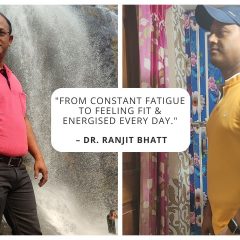
From Burnout to Balance: How Dr. Ranjit Reclaimed His Health

Dr Ranjit Bhatt has spent years tending to others. A practising doctor in Odisha, his days were packed with patients, surgeries, and emergencies. From the outside, it looked like a life lived in service. But on the inside, something wasn’t right. “I had no … [Read More...]

From Shimla’s Slopes to Chandigarh’s Sidewalks: Surinder Kaur Bhalla’s Journey from Chaos to Control

Some journeys start with a plan. Others begin with a stumble literally. Surinder Bhalla, a government professional, born and raised in the scenic hill town of Shimla, had always lived a life of movement. “In Shimla, you walked everywhere,” she reflects. “Walking was never an exercise. It was just life.” But after shifting to Chandigarh, […]

“I’ve Challenged Myself to Live 100 Years” – The Story of Chandubhai Savani’s Second Chance at Life

At 67, most people start slowing down. Not Chandubhai Savani. A resident of Surat, Chandubhai, thought life was on track. “My life was going well till I had my bypass surgery,” he says. That surgery, back in 2021, was a wake-up call.  Medication was routine, but exercise wasn’t. His diet? What he calls ‘normal.’ “I […]

Ananda Mukherjee Health Story

From Terminal Illness To Complete Wellness! Ananda Mukherjee Health Story

As we observe World Cancer Day under the powerful theme ‘United by Unique’ (2025-2027)**, we are reminded that every individual’s journey with cancer is distinct, yet united by shared resilience, hope, and the collective fight against this disease. This theme places people at the centre of care and their stories at the heart of the […]

  • HOME
  • HEALTHY LIVING
  • FITNESS
  • HEALTHY RECIPES
  • USER STORIES
  • KARMA
  • BUY GOQii

Copyright ©2016 GOQii