GOQii

Blog

  • HOME
  • HEALTHY LIVING
  • FITNESS
  • HEALTHY RECIPES
  • USER STORIES
  • KARMA
  • BUY GOQii

October 22, 2026 By Soni Thakur 11 Comments

7 Reasons Why Pulses Are Good For You!

Pulses are one of the healthiest, cheapest and most versatile foods in the Indian kitchen. A daily bowl of dal, chana or rajma adds protein, fibre and key minerals to your diet, and research links regular pulse eating to lower cholesterol and better blood sugar control.

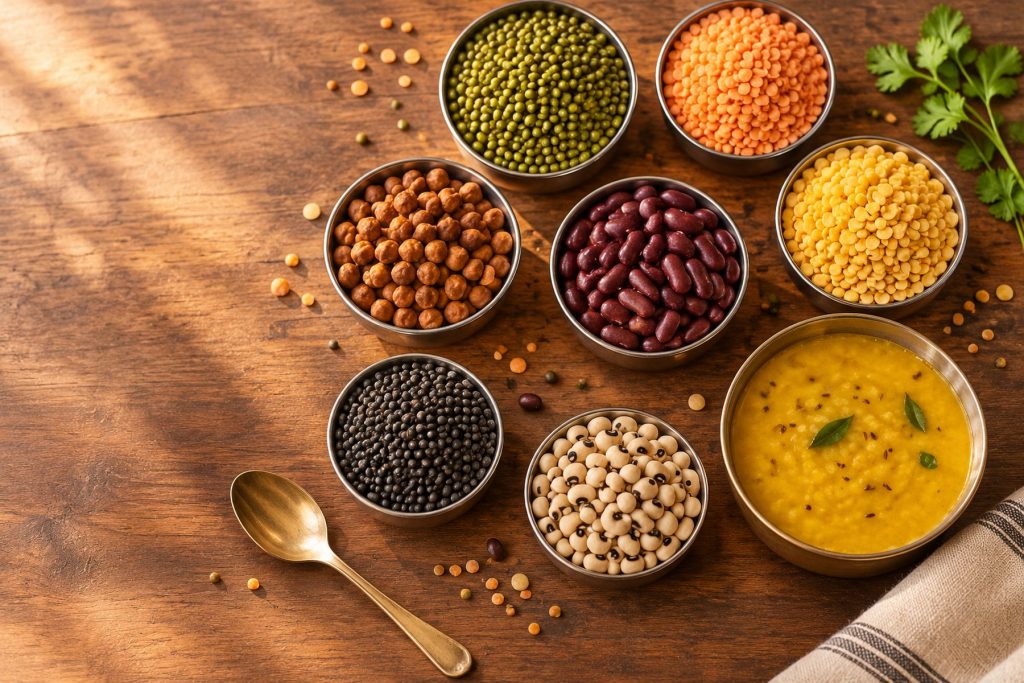
Pulses are the dried, edible seeds of legume plants: lentils (masoor), pigeon peas (toor or arhar), chickpeas (chana), mung beans (moong), black gram (urad), kidney beans (rajma) and cowpeas (lobia), among others. Most Indian homes already eat them every day. Here are seven reasons to keep them on your plate, and to eat a little more.

Pulses at a glance

  • Protein-rich: pulses contain about 20–25% protein, two to three times more than cereals.
  • Good for your heart: about one serving a day lowered LDL (“bad”) cholesterol by around 5% in trials.
  • Steadier blood sugar: in people with diabetes, diets richer in pulses modestly improved long-term blood sugar control.
  • Better together: dal with rice or roti gives better-quality protein than either alone.
  • Cheap, long-lasting and kind to the soil: dried pulses keep for months and need little fertiliser to grow.

7 reasons pulses are good for you

  1. 1. They’re one of the best sources of plant protein

    Pulses contain about 20–25% protein, two to three times more than cereals, according to the UN Food and Agriculture Organization (FAO). For the many Indians who eat little or no meat, dal, chana and rajma are often the main source of protein in the day.

    That makes them useful at every age: for growing children, for women’s higher iron and folate needs, especially in pregnancy, and for older adults who need enough protein to protect their muscles.

    2. They’re packed with fibre and minerals

    Pulses are a good source of fibre and of iron, magnesium, potassium, phosphorus, zinc and B vitamins such as folate. Fibre keeps digestion regular and helps you feel full for longer, which can make it easier to manage your weight.

    For more on how fibre supports digestion and heart health, see our guide to high-fibre foods.

    Tip: eat iron-rich pulses with a source of vitamin C, such as lemon on your chana or tomatoes in your dal, to help your body absorb the iron.

    3. They’re good for your heart

    Pulses are naturally low in fat and contain almost no saturated fat. A review of 26 trials found that eating about one serving of pulses a day (around 130 g) lowered LDL (“bad”) cholesterol by about 5% compared with similar diets without pulses. That’s a modest but meaningful change from a simple food swap.

    To keep the benefit, watch the extras: a heavy tadka of ghee, or cream in dal makhani, adds the saturated fat that pulses themselves don’t have.

    4. They help keep blood sugar steady

    Pulses release their energy slowly. In a review of 41 trials, diets that included more pulses gave a modest improvement in long-term blood sugar control, lowering HbA1c by about 0.5%. In a three-month trial in 121 adults with type 2 diabetes, adding about one cup of legumes a day lowered HbA1c by 0.5% and systolic blood pressure by 4.5 mm Hg more than a wheat-fibre diet.

    Pulses aren’t a treatment for diabetes, but they are a smart swap for some of the refined rice, maida or sweets on your plate. Keep taking any medicines you’ve been prescribed.

    5. They make your grains more nutritious

    Pulses and cereals have different strengths in their protein. Eaten together, as in dal-chawal, rajma-rice, khichdi or idli-sambar, the protein quality of the meal improves. Traditional Indian meals got this right long before nutrition science explained why.

    6. They’re affordable and keep for months

    Pulses are among the cheapest sources of protein you can buy. Because they are dried seeds, they store well for months in an airtight container, so there is little waste. Keep a few different kinds in the kitchen, and you always have a quick, nourishing meal to hand.

    7. They’re good for the planet

    Pulse plants work with soil bacteria to take nitrogen from the air and turn it into a form plants can use. This improves soil fertility and reduces the need for synthetic fertiliser, which takes a lot of energy to make. Choosing pulses more often is a small, practical way to eat more sustainably.

Common Indian pulses and how to use them

Eating a mix of pulses through the week gives you a wider range of nutrients and keeps meals interesting.

Pulse Also called Easy ways to eat it Cooking note
Moong (whole or split) Green gram Moong dal, khichdi, chilla, sprouts Quick to cook and usually the easiest to digest
Masoor Red lentil Masoor dal, soups Split masoor cooks in 15–20 minutes without soaking
Toor Arhar, pigeon pea Everyday dal, sambar A staple dal across much of India
Chana Bengal gram, chickpea Chole, roasted chana, sundal, besan chilla Soak whole chana overnight before cooking
Rajma Kidney beans Rajma-chawal, salads, wraps Soak overnight and boil until fully soft: undercooked kidney beans can make you ill
Urad Black gram Idli, dosa, dal makhani Fermented batters (idli, dosa) are gentle on the stomach
Lobia Cowpea, black-eyed pea Lobia curry, salads Soak for a few hours to cut cooking time

How much should you eat?

The ICMR–National Institute of Nutrition’s My Plate for the Day suggests about 85 g of pulses a day (raw weight) for an adult eating around 2,000 calories, with eggs, fish or meat able to replace part of that. In practice, that is roughly one to two bowls of dal, chana or rajma spread across the day.

Easy ways to eat more pulses

  • Make dal a daily habit at lunch or dinner, and make it a little thicker than usual.
  • Start the day with pulses: moong dal chilla, besan chilla, idli, dosa or a sprouts salad.
  • Snack on them: roasted chana, a bowl of sundal, or other quick, healthy snacks.
  • Pack them for work: rajma or chole bowls and sprouts chaat keep well, as our meal-prep guide
  • Add them to what you already cook: a handful of chana in pulao, moong in upma, or lobia in a vegetable curry.

Gas and bloating: how to make pulses easier to digest

The most common reason people avoid pulses is wind. Pulses contain fermentable carbohydrates (oligosaccharides such as raffinose) that our small intestine can’t break down, so gut bacteria ferment them further along. That is part of why they feed a healthy gut, and also why a large bowl after weeks without them can leave you uncomfortable.

A few simple habits help most people:

  • Soak whole pulses. Soak rajma, chana, lobia and whole urad for 8–12 hours (overnight), then discard the soaking water and cook in fresh water. Soaking draws out some of the gas-forming sugars.
  • Cook them thoroughly. Pressure-cook until soft. Undercooked pulses are harder to digest, and raw or undercooked rajma can make you ill (see the table above).
  • Start small and build up. If you rarely eat pulses, begin with a small katori a day and increase over two to three weeks. Many people find their gut adapts.
  • Begin with the gentler dals. Split, husked dals such as moong and masoor are usually easier on the stomach than whole beans.
  • Use traditional tempering. Hing (asafoetida), jeera, ginger and ajwain are classic additions to dal. Evidence that they reduce gas is limited, but they make pulses tastier and many people find them helpful.
  • Drink enough water as you increase fibre, and spread pulses across meals rather than eating a large amount at once.

Who should take care

Pulses suit most people, but a few groups should check with a doctor or dietitian about how much and which kinds to eat:

  • Chronic kidney disease: pulses contain potassium and phosphorus, which some people with kidney disease need to limit. Your renal team can advise on portions and preparation.
  • Irritable bowel syndrome (IBS): many pulses are high in FODMAPs, which can trigger symptoms. A dietitian can help you find the types and portions you tolerate rather than cutting them out completely.
  • Gout or high uric acid: follow the advice of your doctor about your overall diet. Plant sources of purines appear to be less of a concern than meat and seafood, but individual advice matters.
  • Persistent or severe digestive symptoms: ongoing pain, bloating, changes in bowel habit or weight loss are worth a medical check-up rather than simply avoiding foods.

The bottom line

Pulses are one of the most useful foods in the Indian kitchen: affordable, filling, rich in protein and fibre, and backed by good evidence for heart health and blood sugar control. You don’t need anything exotic. A katori of well-cooked dal, a bowl of rajma or chana, or a handful of roasted chana as a snack, eaten most days alongside vegetables and whole grains, is a simple habit that adds up over time.

Pro Tip: Use the GOQii App to log your meals and see how often pulses actually make it onto your plate across the week. Your GOQii Personalised Health Coach can help you work more dals and beans into meals you already enjoy, and adjust portions to suit your goals.

Frequently asked questions

Are pulses and legumes the same thing?

Not quite. Legumes are all plants in the pea family, including peanuts, soybeans and fresh green peas. Pulses are the dried, edible seeds of legumes, such as lentils, dried beans, chickpeas and dried peas. In India, most dals are pulses.

Are pulses a good source of protein for vegetarians?

Yes. Dried pulses are roughly 20–25% protein by weight, about twice as much as most cereals. Eating them with rice, roti or millets gives a more complete mix of amino acids, which is why dal–chawal and rajma–chawal work so well together.

How much dal should I eat a day?

The ICMR–National Institute of Nutrition suggests about 85 g of pulses a day (raw weight) for an adult eating around 2,000 calories, with eggs, fish or meat able to replace part of that. That is roughly one to two bowls of dal, chana or rajma spread across the day. Your needs may differ depending on your age, activity and health.

Are pulses good for people with diabetes?

Pulses are a sensible choice for most people with diabetes. They are high in fibre, digest slowly and have a low glycaemic index, and studies have linked regular intake with modest improvements in blood sugar control. Watch the portion of rice or roti eaten with them, and talk to your doctor or dietitian about a plan that suits you.

Why do pulses cause gas, and how can I reduce it?

Pulses contain fermentable sugars that gut bacteria break down, producing gas. Soaking whole pulses and discarding the water, cooking them thoroughly, starting with small portions and choosing gentler dals like moong can help.

Which dal is easiest to digest?

Split, husked moong dal is generally considered the easiest to digest, which is why it is often used in khichdi for people who are unwell. Masoor dal is also fairly light. Whole beans such as rajma and chana tend to be heavier.

Can I eat pulses every day?

For most healthy people, yes. Eating pulses daily is an easy way to add protein and fibre. If you have kidney disease, IBS, gout or another condition that affects your diet, ask your doctor or dietitian how much is right for you.

#BeTheForce

Disclaimer: The information provided in this blog is for general awareness and educational purposes only. It is not intended to replace professional medical advice, diagnosis, or treatment. Always consult a qualified healthcare provider for personalised medical guidance or concerns related to your health.

June 18, 2025 By Soni Thakur 2 Comments

Reasons Why You Are Not Losing Weight!

losing weightHas your scale been stuck at the same number? No matter how hard you try, it doesn’t budge? Staying motivated becomes difficult when you’re eating healthy, exercising regularly, and still not seeing results. There may be several hidden factors working against your weight loss journey. Let’s explore them.
Factors That Prevent You From Losing Weight 

  1. You Are Not Eating Enough: Your body needs fuel to function—just like a car. You cannot expect it to work efficiently or burn fat if you’re running on empty. Under-eating, just like overeating, can disrupt metabolism and stall weight loss. Stick to a realistic calorie budget that supports your activity level and health.
  2. Compromised Gut Health: Nutrition isn’t just about what you eat – it’s also about what your body absorbs. A healthy gut is essential for digestion, nutrient uptake, and overall metabolic efficiency. Poor gut health can block your progress despite eating the right foods.
  3. Less Supply Of Fat To The Body: Fats are essential – not enemies. They aid in vitamin absorption and support brain, heart, and cell health. Choose plant-based sources like avocados, olives, almonds, walnuts, and flaxseeds, which provide healthy fatty acids your body needs.
  4. You Are Stressed: Chronic stress increases cortisol, which raises blood sugar and leads to insulin spikes. More insulin means more fat storage. Managing stress through mindfulness, physical activity, or breathing exercises can positively impact weight loss.
  5. You Aren’t Sleeping Enough: Sleep is when the body repairs, detoxifies, and balances hormones. Without adequate rest, the body prioritises fighting inflammation over fat loss. Aim for 7–9 hours of quality sleep per night to support metabolism and recovery.
  6. You Are Overtraining: More isn’t always better. Exercising rigorously for over an hour daily without rest can lead to inflammation and stress, slowing down weight loss. A balanced routine of 45–60 minutes, six days a week with one rest day is optimal.
  7. Vitamin D3 and B12 Deficiencies: Low levels of these vitamins are common, especially during winter. Vitamin D helps reduce fat accumulation, while B12 supports energy and metabolism. Consider checking your levels and supplementing appropriately.
  8. Underactive Thyroid: An underactive thyroid slows down metabolism, making weight loss more difficult. If you’re struggling despite lifestyle changes, a thyroid test may reveal underlying issues.
  9. Food Sensitivities: Many individuals experience sensitivity to dairy or gluten, leading to inflammation that can block weight loss. If you often feel bloated, fatigued, or inflamed after meals, consider speaking to a nutritionist about elimination diets or testing.
  10. Unbalanced Meals: Fad diets may offer short-term weight loss, but cutting out entire food groups can damage your metabolism. A balanced plate with complex carbohydrates, protein, healthy fats, and fibre is key for long-term results and better energy levels.
  11. Unrealistic Expectations:It’s common to want quick results—but healthy, sustainable weight loss takes time. Setting unrealistic deadlines increases stress and often leads to disappointment. If it took months or years to gain the weight, it will take time and consistency to lose it too.

We hope this article helps you uncover the real reasons behind your weight loss plateau.

To read more articles on weight loss, click here. 

#BeTheForce 

Disclaimer: The information provided in this blog is for general awareness and educational purposes only. It is not intended to replace professional medical advice, diagnosis, or treatment. Always consult a qualified healthcare provider for personalised medical guidance or concerns related to your health. Images shown are for representation purposes only and may not depict the exact recommendations or outcomes.

January 24, 2025 By Soni Thakur 5 Comments

Top 10 Foods Which Will Help You Gain Muscles Naturally

too much sugarIf you are looking to build muscles, overtraining is not the way to go! Instead, try foods which will help you gain muscles naturally as well as help you shed excess fat. In order to maximize your results from a workout, you must focus on your diet as both nutrition and physical activities are critical if you want to gain muscles.

Why Do You Need Muscles? 

Muscles are not only important for being in shape but it has other functions and benefits too. For instance: 

  • Muscles increase metabolic rate
  • They make everyday chores easier
  • Muscles reduce the risk of many chronic diseases
  • Muscle gain builds and strengthens your bones and tendons, which can help prevent broken bones, tendon sprain and tears

Top 10 Foods Which Will Help You Gain Muscles Naturally 

These foods will make your fitness journey more adaptable and diverse in terms of choices:

  1. Eggs: High Protein foods are very important for gaining muscles and eggs are grade one quality protein with essential vitamins.
  2. Chicken Breast: The lean protein in chicken is an excellent source of amino acids. Each 3-ounce (85 gram) contains about 26 grams of high quality protein. They are also packed with Vitamin B, which may be particularly important, if you are active.
  3. Salmon and Tuna: are great choices for muscle building and overall health. They provide large amounts of Omega- 3 fatty acids, which support muscle gain.
  4. Soyabean: Numerous studies have demonstrated the effectiveness of Soyabean for promoting fat loss while preserving muscle mass and supporting body mass gain. It is a complete source of protein for vegetarians and a particularly good source of Vitamin K, Iron and Phosphorus. Make sure you buy non-GMO Soyabeans as they are dense in nutrients, have not encountered pesticides and do not contain antibiotics.  
  5. Lentils and Beans: are the secret weapons you need when you want to gain muscles naturally. They are rich in protein and low in fat. They are affordable, widely available and are loaded with Fiber, Vitamin B, Magnesium and Iron – all of which are perfect for muscle gain. Black Lentils, Green Lentils, Split Peas, Navy Beans, Chickpeas, Black Beans, Kidney Beans are some high protein varieties of lentils and beans. You can try soaking and sprouting your lentils and beans as it neutralizes phytic acid and facilitates the bioavailability of nutrients like VitaminB, Vitamin C and the Fiber along with enhancing it’s flavour.
  6. Bengal Gram Flour (Sattu): is the flour of roasted Bengal Gram Dal. It is very rich in protein, dietary fiber and minerals like Calcium, Iron and Manganese. It can be an excellent replacement for market protein powders to fulfil the requirement of protein after an intense workout session. You can mix it in a glass of water, buttermilk, milk and can even blend it with your smoothies.
  7. Nuts: are high in protein and essential fats. They make the perfect snack option for muscle gain. Try a fistful mix trail of Almonds, Walnuts, Cashews, Pistachios and Peanuts for building and maintaining muscles.
  8. Quinoa: Not only is it rich in Protein and Fiber, it is also high in Magnesium and Iron – which helps promote protein synthesis. It contains all nine amino acids essential for building muscle and it is gluten-free as well. It’s the perfect food to rely on during your muscle building program.
  9. Healthy Fats: In general, fats make up 20-35% of our total calories for overall health and muscle gain. We need to focus on healthy sources of fats, including Canola oil, Cold Pressed Extra Virgin Olive oil, Cold Pressed Coconut oil, Avocados, Groundnut oil and oil from nuts and seeds. We know that the very thought of consuming fat makes some of you shudder, but good fats are essential for muscle growth.
  10. A2 Milk and Milk Products: A2 Milk may be a smart choice for those who want to build muscle mass. It contains high quality and easily absorbable Protein, Carbohydrates and Micronutrients (Calcium, Phosphorus and Vitamin B) which are crucial for gaining muscles. You can include products made of A2 milk like Paneer/Curd/Ghee/Butter, but remember that moderation is the key, so don’t over do it.

To reach your goal of gaining muscles, focus on the right sets of exercise and eat more protein-packed foods as listed above. However, it is also important to consume Carbohydrates (Complex) and Fats (Healthy Fats) to provide fuel for exercise and physical activity.

We hope this articles helps you gain muscles naturally with nutrition! Do leave your thoughts in the comments below. For more on fitness and muscle building, check out Healthy Reads or workout with our experts through a live, interactive session on GOQii Pro within the GOQii App. Book a class now! 

#BeTheForce 

August 31, 2024 By Soni Thakur 7 Comments

Why You Should Eat Your Fruits and Juice Your Veggies!

fruits and veggiesHow many times have you drank fruit juices? How often do you eat your vegetables? Although we agree that doing both is quite healthy, as fruits and vegetables are naturally good and contain all the vitamins and minerals needed by the body, we also need to consider that we might be doing it wrong! Why, do you ask? Let’s find out why you should eat your fruits and juice your veggies! 

Benefits of Eating Fruits Instead of Juicing Them

No doubt juices nourish your body with vitamins, minerals, antioxidants and other nutrients. In its liquid form, all the nutrients of whole fruit will be readily available for your body to absorb. However, juicing removes some important nutrients that can be retained by eating the whole fruit.

  1. Eating whole fruits provides your body with fiber, which is eliminated during the juicing process.
  2. A whole fruit protects you from the sensitivities that can be caused due to the heat generated by the juicer, ultimately decreasing the nutritional value of the fruit.
  3. Your blood sugar will not spike as much with whole fruits, making them recommended for people with Diabetes
  4. Fibers present in whole fruits keep you full for longer and provide relief from constipation
  5. As a snack, whole fruits relieve hunger pangs, and the digestion process takes longer compared to gulping down juice in one go. Eventually, this helps in mindful eating and keeps you fuller for longer.

Benefits of Juicing Vegetables

Eating vegetables is good for your health, but there are certain benefits of juicing them that you can incorporate in your daily diet for maximum health benefits.

  1. Juicing vegetables allows you to incorporate more than one vegetable at a time.
  2. Juicing a large volume of vegetables provide more vitamins than eating a green salad with just one or few veggies.
  3. Juices from some vegetables are more effective in lowering blood pressure and relaxing the muscles that line blood vessels.
  4. Vegetable juices may increase the speed of detoxifying your body as they are readily absorbed and digested.
  5. The water content and vitamins of some vegetables are lost during the cooking process, so juicing can help retain these nutrients.

Points to Remember

  • Our digestive system is designed to handle fiber and extract nutrients from a variety of foods, including whole fruits and vegetables.
  • Modifications can be made depending on your need, situation and availability.
  • We need at least 5 servings of vegetables and 2 servings of fruit each day
  • Vegetables and fruits of similar color generally contain similar protective compounds. To gain more benefits, it is best to choose fruits and vegetables of different color and varieties.

We hope this article helps you make a healthy shift. Remember that there is no hard and fast rule to this. Do what works best for you but before following this, do consult your dietician or nutritionist.

For more on nutrition, fruits and veggies, check out Healthy Reads or ask a GOQii Coach by subscribing for Personalised Health Coaching here.

#BeTheForce 

Disclaimer: The information provided in this blog is for general awareness and educational purposes only. It is not intended to replace professional medical advice, diagnosis, or treatment. Always consult a qualified healthcare provider for personalised medical guidance or concerns related to your health.

  • 1
  • 2
  • 3
  • 4
  • Next Page »

Search

Recent Posts

  • 7 Reasons Why Pulses Are Good For You!
  • How Exercise Impacts Mental Health
  • Dussehra 2026: 10 Unhealthy Habits to Leave Behind
  • 5-Minute Healthy Snacks for Work & Home
  • Meal Prepping for Work: Healthy Lunch Ideas That Keep You Energised

Stay Updated

Archives

  • October 2026 (15)
  • September 2026 (5)
  • August 2026 (8)
  • July 2026 (25)
  • June 2026 (22)
  • May 2026 (20)
  • April 2026 (24)
  • March 2026 (18)
  • February 2026 (14)
  • January 2026 (14)
  • December 2025 (19)
  • November 2025 (15)
  • October 2025 (20)
  • September 2025 (6)
  • August 2025 (5)
  • July 2025 (9)
  • June 2025 (18)
  • May 2025 (16)
  • April 2025 (22)
  • March 2025 (25)
  • February 2025 (21)
  • January 2025 (25)
  • December 2024 (22)
  • November 2024 (22)
  • October 2024 (15)
  • September 2024 (22)
  • August 2024 (27)
  • July 2024 (15)
  • June 2024 (23)
  • May 2024 (26)
  • April 2024 (27)
  • March 2024 (27)
  • February 2024 (23)
  • January 2024 (21)
  • December 2023 (14)
  • November 2023 (10)
  • October 2023 (18)
  • September 2023 (20)
  • August 2023 (16)
  • July 2023 (16)
  • June 2023 (21)
  • May 2023 (20)
  • April 2023 (19)
  • March 2023 (23)
  • February 2023 (19)
  • January 2023 (15)
  • December 2022 (11)
  • November 2022 (15)
  • October 2022 (15)
  • September 2022 (12)
  • August 2022 (9)
  • July 2022 (17)
  • June 2022 (11)
  • May 2022 (10)
  • April 2022 (6)
  • March 2022 (6)
  • February 2022 (13)
  • January 2022 (11)
  • December 2021 (7)
  • November 2021 (3)
  • October 2021 (6)
  • September 2021 (3)
  • August 2021 (8)
  • July 2021 (7)
  • June 2021 (15)
  • May 2021 (16)
  • April 2021 (10)
  • March 2021 (7)
  • February 2021 (4)
  • January 2021 (4)
  • December 2020 (3)
  • November 2020 (4)
  • October 2020 (10)
  • September 2020 (3)
  • August 2020 (3)
  • July 2020 (2)
  • June 2020 (4)
  • May 2020 (10)
  • April 2020 (12)
  • March 2020 (10)
  • February 2020 (4)
  • January 2020 (4)
  • December 2019 (3)
  • November 2019 (7)
  • October 2019 (5)
  • September 2019 (4)
  • August 2019 (9)
  • July 2019 (9)
  • June 2019 (11)
  • May 2019 (4)
  • April 2019 (8)
  • March 2019 (8)
  • February 2019 (9)
  • January 2019 (8)
  • December 2018 (9)
  • November 2018 (3)
  • October 2018 (3)
  • September 2018 (5)
  • August 2018 (10)
  • July 2018 (6)
  • June 2018 (13)
  • May 2018 (8)
  • April 2018 (17)
  • March 2018 (9)
  • February 2018 (8)
  • January 2018 (15)
  • December 2017 (12)
  • November 2017 (19)
  • October 2017 (13)
  • September 2017 (15)
  • August 2017 (4)
  • July 2017 (8)
  • June 2017 (7)
  • May 2017 (6)
  • April 2017 (8)
  • March 2017 (6)
  • February 2017 (7)
  • January 2017 (9)
  • December 2016 (10)
  • November 2016 (7)
  • October 2016 (7)
  • September 2016 (7)
  • August 2016 (11)
  • July 2016 (9)
  • June 2016 (9)
  • May 2016 (12)
  • April 2016 (17)
  • March 2016 (17)
  • February 2016 (8)
  • January 2016 (6)
  • December 2015 (2)
  • November 2015 (9)
  • October 2015 (7)
  • September 2015 (9)
  • August 2015 (11)
  • July 2015 (9)
  • June 2015 (11)
  • May 2015 (9)
  • April 2015 (13)
  • March 2015 (8)
  • February 2015 (5)
  • January 2015 (12)
  • December 2014 (14)
  • November 2014 (11)
  • October 2014 (6)
  • September 2014 (13)
  • August 2014 (12)
  • July 2014 (6)
  • June 2014 (2)
  • May 2014 (7)
  • April 2014 (4)

From Burnout to Balance: How Dr. Ranjit Reclaimed His Health

Dr Ranjit Bhatt has spent years tending to others. A practising doctor in Odisha, his days were packed with patients, surgeries, and emergencies. From the outside, it looked like a life lived in service. But on the inside, something wasn’t right. “I had no … [Read More...]

From Shimla’s Slopes to Chandigarh’s Sidewalks: Surinder Kaur Bhalla’s Journey from Chaos to Control

Some journeys start with a plan. Others begin with a stumble literally. Surinder Bhalla, a government professional, born and raised in the scenic hill town of Shimla, had always lived a life of movement. “In Shimla, you walked everywhere,” she reflects. “Walking was never an exercise. It was just life.” But after shifting to Chandigarh, […]

“I’ve Challenged Myself to Live 100 Years” – The Story of Chandubhai Savani’s Second Chance at Life

At 67, most people start slowing down. Not Chandubhai Savani. A resident of Surat, Chandubhai, thought life was on track. “My life was going well till I had my bypass surgery,” he says. That surgery, back in 2021, was a wake-up call.  Medication was routine, but exercise wasn’t. His diet? What he calls ‘normal.’ “I […]

Ananda Mukherjee Health Story

From Terminal Illness To Complete Wellness! Ananda Mukherjee Health Story

As we observe World Cancer Day under the powerful theme ‘United by Unique’ (2025-2027)**, we are reminded that every individual’s journey with cancer is distinct, yet united by shared resilience, hope, and the collective fight against this disease. This theme places people at the centre of care and their stories at the heart of the […]

  • HOME
  • HEALTHY LIVING
  • FITNESS
  • HEALTHY RECIPES
  • USER STORIES
  • KARMA
  • BUY GOQii

Copyright ©2016 GOQii



