GOQii

Blog

  • HOME
  • HEALTHY LIVING
  • FITNESS
  • HEALTHY RECIPES
  • USER STORIES
  • KARMA
  • BUY GOQii

Search Results for: heart health

May 31, 2026 By GOQii Leave a Comment

The Hidden Biological Cost of Vaping

The Big Question: If e-cigarettes don’t have tobacco, how do they accelerate biological ageing?

The World No Tobacco Day 2026 theme, “Unmasking the Appeal,” highlights how vaping and modern nicotine products are marketed to younger audiences through sleek branding and social media. While many believe e-cigarettes are safer than smoking, research shows that vaping exposes the body to severe oxidative stress, heavy metals, and ultrafine chemical particles. This combination damages blood vessels, impairs lung function, and accelerates cellular biological ageing, actively reducing your long-term healthspan.

Observed every year on May 31st, World No Tobacco Day is a global initiative led by the World Health Organization (WHO) to raise awareness about the dangers of tobacco and nicotine addiction.

But nicotine culture today no longer looks the way it once did.

The 2026 campaign theme “Unmasking the Appeal” directly challenges how vaping is being normalised among younger generations. Lured by candy flavours, sleek designs, and influencer-driven marketing, many young adults have bought into the biggest myth surrounding vaping: that it is “just harmless water vapour.”

It is not. Here is the hidden biological cost of the modern vaping epidemic.

Vaping Is Banned in India – But the Problem Remains

India took a massive step for public health by banning e-cigarettes in 2019 under the Prohibition of Electronic Cigarettes Act, which prohibits the manufacture, import, sale, distribution, storage, and advertisement of vape products.

However, despite the strict ban, vaping devices remain accessible through illegal online channels and informal retail networks. The danger here is not just nicotine addiction; it is the growing normalisation of vaping among younger populations who are entirely unaware of the oxidative stress, cardiovascular strain, and long-term cellular damage these devices cause.

Why Vaping Is Not Harmless

Unlike traditional combustible cigarettes, vape devices heat chemical liquids into an aerosol that is inhaled deep into the lungs. This aerosol contains a toxic payload of nicotine salts, ultrafine particles, artificial flavouring chemicals, heavy metals, and inflammatory compounds.

While vaping may expose users to fewer combustion-related toxins (like tar) than traditional cigarettes, it still places massive, unnatural stress on the human body.

3 Ways Vaping Accelerates Biological Ageing

Biological age reflects how efficiently your cells and organs function not simply how many birthdays you have had chronologically. Vaping actively accelerates that cellular ageing process in three distinct ways:

  1. Oxidative Stress and Cellular Damage

The heated chemicals inhaled during vaping increase oxidative stress throughout the body. Oxidative stress introduces free radicals that directly damage your DNA, blood vessels, cell membranes, and mitochondrial function. Over time, this accelerates cellular ageing and increases the risk of cardiovascular disease and metabolic dysfunction. Vaping-related oxidative stress also impairs cellular energy production, affecting how efficiently your body recovers and performs.

  1. Blood Vessel and Lung Damage

Nicotine is a potent vasoconstrictor it causes blood vessels to physically shrink and tighten, reducing healthy circulation and increasing strain on the heart. Simultaneously, repeated exposure to heated aerosol particles inflames the lung tissue and reduces oxygen exchange. Over time, this contributes to:

  • Breathlessness and reduced endurance
  • Elevated resting blood pressure
  • Delayed workout recovery
  • Premature skin ageing (due to reduced oxygen flow to the epidermis)
  1. Dopamine Addiction and Constant Nicotine Exposure

Vaping often becomes highly addictive because of how easily and frequently it can be used. Vapes utilize “nicotine salts,” which absorb rapidly into the bloodstream, creating intense, repeated dopamine spikes that reinforce dependency patterns.

Unlike traditional cigarettes, vape devices allow for continuous micro-dosing, discreet indoor usage, and frequent consumption throughout the day. This strengthens behavioural addiction loops linked to stress, boredom, and anxiety. Supporting stress regulation becomes an essential part of long-term nicotine recovery.

What Happens When You Quit?

The most encouraging news is that the human body is remarkably resilient. It begins repairing itself surprisingly quickly after nicotine exposure stops:

  • Within 20 Minutes: Your elevated heart rate and blood pressure begin returning toward normal levels.
  • Within 24 Hours: Nicotine levels in the bloodstream drop significantly, flushing out the toxin.
  • Within 2–12 Weeks: General circulation and lung function begin to measurably improve, making physical movement easier.
  • Within 1–9 Months: Breathing, cardiovascular endurance, and respiratory recovery continue improving as the cilia in your lungs stabilize and clear out mucus.

The Bigger Picture

Modern vaping culture is relentlessly marketed as cleaner, safer, more advanced, and socially acceptable. But beneath the slick branding, vaping exposes the body to severe addiction, systemic inflammation, oxidative stress, and accelerated biological wear.

Protecting your long-term health is not just about avoiding disease decades later. It is about protecting your daily energy, your cardiovascular endurance, and your healthy ageing right now.

Pro Tip: Breaking the cycle of nicotine addiction requires more than just willpower. Use the GOQii App to track your recovery, movement, sleep quality, and heart rate variability (HRV) trends while reducing nicotine use. Your GOQii Personalised Health Coach can help you build healthier routines to manage cravings and support long-term behavioural change naturally!

Frequently Asked Questions (FAQs)

  1. Is vaping safer than smoking?

While vaping may expose users to fewer combustion-related toxins (like tar and carbon monoxide) than traditional cigarettes, it is not harmless. It still carries significant health risks, including severe oxidative stress, lung inflammation, and cardiovascular strain.

  1. Why are vapes so addictive?

Vapes often contain “nicotine salts” that absorb rapidly into the bloodstream without the harsh throat burn of traditional tobacco. This creates faster dopamine reinforcement and stronger, more frequent dependency patterns.

  1. Does vaping affect fitness and workouts?

Yes. Vaping directly reduces lung efficiency, constricts blood vessels, and limits oxygen delivery to the muscles. This severely impairs cardiovascular endurance and delays post-workout recovery.

  1. Can the body recover after quitting vaping?

Yes. Circulation, lung function, and recovery capacity begin improving within just weeks after quitting nicotine exposure, drastically reducing your long-term disease risk.

#BeTheForce

Disclaimer: This article is intended for educational purposes only. Nicotine addiction is a medical condition. If you are struggling with smoking or vaping cessation, consult a healthcare professional for evidence-based support.
May 27, 2026 By GOQii Leave a Comment

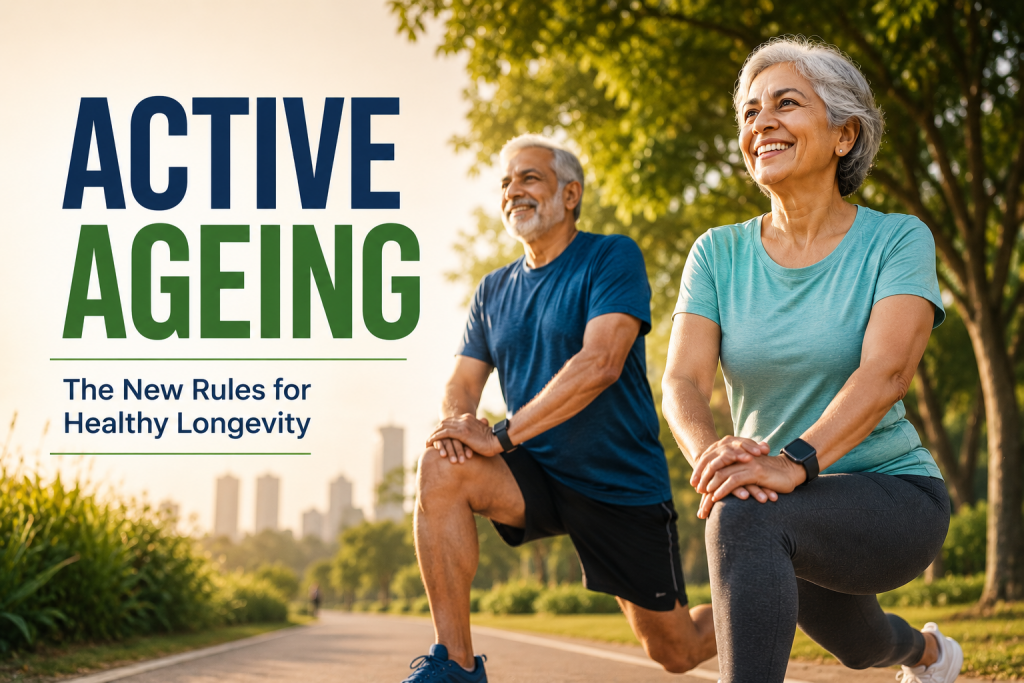
Why Movement Is the Closest Thing We Have to Anti-Ageing Medicine

Quick Answer

National Senior Health & Fitness Day highlights the importance of active ageing and preventive health for older adults. Research shows that regular movement, strength training, balance exercises, and cardiovascular activity can help seniors maintain muscle mass, improve mobility, reduce fall risk, support cognitive function, and increase overall healthspan. Healthy ageing today is no longer just about living longer it is about staying physically independent, mentally sharp, and socially active for as many years as possible.

When most people think about ageing, they think about wrinkles, grey hair, or slower metabolism.

But the real challenge of ageing is often much deeper:
losing strength, mobility, balance, energy, and eventually, independence.

For many older adults, simple everyday activities like climbing stairs, carrying groceries, getting out of a chair, or walking confidently without support gradually become more difficult over time.

Observed on May 27, 2026, National Senior Health & Fitness Day is a reminder that ageing does not automatically mean physical decline. In fact, one of the biggest misconceptions about ageing is that older adults should “slow down” and avoid physical activity.

The opposite is often true.

Modern longevity science increasingly shows that movement is one of the most powerful tools we have to protect mobility, cognition, metabolic health, and long-term independence.

The Real Goal Is Not Lifespan. It Is Healthspan.

Living longer means very little if those additional years are spent struggling with chronic illness, frailty, fatigue, or caregiver dependence.

This is where the idea of healthspan becomes important.

Healthspan refers to the number of years a person remains physically active, mentally sharp, and free from major disability or chronic disease.

The GOQii India Fit Report 2026 revealed a concerning reality: while average life expectancy in India has increased to 70.4 years, Healthy Life Expectancy (HALE) remains only 59 years.

This means many individuals spend over a decade managing preventable chronic conditions that reduce quality of life and independence.

One of the most effective ways to close this gap is through consistent physical activity.

This is also why understanding the difference between lifespan and biological ageing has become increasingly important in preventive healthcare.

Why Movement Becomes More Important With Age

As we grow older, the body naturally experiences:

  • Muscle loss
  • Reduced bone density
  • Slower metabolism
  • Joint stiffness
  • Reduced balance
  • Lower cardiovascular fitness
  • Declining mobility

However, ageing itself is not always the primary problem.

In many cases, prolonged inactivity accelerates physical decline far more aggressively than ageing alone.

Sedentary lifestyles increase the risk of:

  • Sarcopenia (age-related muscle loss)
  • Falls and fractures
  • Insulin resistance
  • Cardiovascular disease
  • Cognitive decline
  • Loss of independence

The body adapts to the demands placed upon it. When movement decreases, strength, stability, and resilience gradually decline alongside it.

Reduced movement and poor lifestyle habits can also impair metabolic flexibility and insulin sensitivity over time.

Sedentary lifestyles also increase visceral fat accumulation, which is strongly linked to chronic inflammation and metabolic disease.

The 4 Pillars of Healthy Ageing Through Fitness

For older adults, fitness is not about aesthetics or extreme performance.

It is about preserving strength, confidence, mobility, cognition, and independence for as long as possible.

  1. Strength Training: Protecting Muscle and Independence

Starting around age 30, adults gradually begin losing muscle mass—a condition known as sarcopenia. This process accelerates significantly after the age of 60.

Loss of muscle is not just about appearance.
It directly affects:

  • balance,
  • mobility,
  • metabolism,
  • joint protection,
  • and the ability to perform daily activities independently.

The Action Step:

Strength training 2–3 times per week using:

  • resistance bands,
  • light dumbbells,
  • bodyweight exercises,
  • or supervised resistance training

can help maintain muscle mass and improve stability.

Protein intake also becomes increasingly important with age, as muscles require adequate amino acids to repair and maintain strength effectively.

  1. Balance & Stability: Preventing Falls Before They Happen

Falls remain one of the leading causes of injury and hospitalisation among older adults.

As we age, the coordination between:

  • muscles,
  • vision,
  • joints,
  • and the inner ear balance system

becomes less efficient.

This increases the risk of instability and falls.

The Action Step:

Simple balance exercises practiced consistently can dramatically improve stability and confidence.

Examples include:

  • standing on one leg,
  • heel-to-toe walking,
  • Tai Chi,
  • gentle yoga,
  • and chair-supported balance drills.

Preventing falls is not just about avoiding injury.
It is about protecting independence.

  1. Cardiovascular Fitness: Protecting the Heart and Brain

Aerobic movement strengthens the cardiovascular system, improves circulation, supports lung capacity, and enhances metabolic health.

Research also shows that regular physical activity may help support:

  • memory,
  • cognitive resilience,
  • brain blood flow,
  • and reduced dementia risk.

Movement is increasingly being recognised as a major protective factor against age-related cognitive decline.

The Action Step:

Aim for at least 150 minutes of moderate physical activity weekly through:

  • brisk walking,
  • swimming,
  • cycling,
  • dancing,
  • or low-impact aerobics.

Consistency matters more than intensity.

  1. Flexibility & Mobility: Maintaining Freedom of Movement

Joint stiffness and reduced mobility can make routine activities increasingly difficult over time.

Maintaining flexibility supports:

  • posture,
  • movement quality,
  • joint comfort,
  • and injury prevention.

The Action Step:

Spend 5–10 minutes daily on:

  • stretching,
  • mobility drills,
  • restorative yoga,
  • or guided flexibility exercises.

Focus especially on:

  • hips,
  • calves,
  • hamstrings,
  • shoulders,
  • and chest mobility.

Why Fitness Also Protects the Brain

One of the most overlooked benefits of physical activity in older adults is its effect on brain health.

Exercise improves:

  • blood circulation to the brain,
  • neuroplasticity,
  • sleep quality,
  • stress regulation,
  • and mitochondrial health.

This is why physically active older adults often experience:

  • better cognitive performance,
  • improved mood,
  • sharper memory,
  • and lower rates of depression and anxiety.

Physical activity also helps regulate stress hormones and supports emotional wellbeing in older adults.

Movement does not just help the body age better.
It helps the brain remain resilient too.

It Is Never Too Late to Start

One of the most dangerous myths about ageing is:
“If I haven’t exercised my whole life, there’s no point starting now.”

But research consistently shows that the human body remains remarkably adaptable even into the 70s, 80s, and beyond.

Muscles still respond to resistance training.
Balance can improve.
Cardiovascular fitness can improve.
Mobility can improve.

The goal is not perfection.
It is progress and consistency.

Even small increases in movement can significantly improve long-term quality of life.

The Bigger Picture: Fitness Is Independence Insurance

For younger adults, exercise is often linked to appearance or performance.

For older adults, fitness becomes something much more valuable:
the ability to continue living independently, confidently, and actively.

Movement supports:

  • physical resilience,
  • mental wellbeing,
  • metabolic health,
  • energy production,
  • bone strength,
  • and cognitive function.

Healthy ageing is deeply connected to mobility, recovery, sleep quality, metabolic health, and even gut health.

Healthy ageing is not about avoiding birthdays.
It is about preserving the ability to fully participate in life as the years pass.

Frequently Asked Questions (FAQs)

  1. Is exercise safe for seniors with arthritis?

Yes. Low-impact exercise can help reduce stiffness, improve joint mobility, and strengthen the muscles supporting the joints. However, individuals with severe arthritis should consult a healthcare provider before beginning a new routine.

  1. What is the best exercise for older adults?

A balanced routine combining strength training, walking, mobility exercises, and balance work is generally considered most effective for healthy ageing.

  1. Can seniors still build muscle after 60?

Absolutely. Muscle tissue remains responsive to resistance training well into older age, especially when combined with adequate protein intake and recovery.

  1. Why is balance training important for seniors?

Balance exercises help reduce fall risk, improve coordination, and maintain confidence during everyday movement and physical activity.

#BeTheForce

Disclaimer: This article is intended for educational purposes only. Older adults with cardiovascular disease, osteoporosis, severe arthritis, or other medical conditions should consult their healthcare provider before beginning a new exercise program.

May 8, 2026 By GOQii Leave a Comment

International Thalassaemia Day 2026: Hidden No More

Fatigue, weakness, and pale skin are often dismissed as simple exhaustion or a busy lifestyle. But for millions of people worldwide, these are the silent, everyday symptoms of an inherited genetic blood disorder: Thalassaemia.
Observed globally on May 8th, International Thalassaemia Day is dedicated to raising awareness about this condition, honoring the resilience of patients, and advocating for equitable access to quality healthcare.

This year, the Thalassaemia International Federation (TIF) has announced a powerful 2026 theme: “Hidden No More: Finding the Undiagnosed. Supporting the Unseen.” Here is what you need to know about the 2026 campaign, the importance of early diagnosis, and how we can collectively support those living with this condition.

What is Thalassaemia?

Thalassaemia is a genetic blood disorder that affects the body’s ability to produce normal hemoglobin, the protein in red blood cells that carries oxygen throughout the body. When the body cannot produce enough healthy hemoglobin, it leads to the destruction of red blood cells, resulting in mild to severe anemia.

The condition is generally categorized into two main types:

  • Thalassaemia Minor (Trait): Individuals carry the genetic trait but often experience no symptoms or only mild anemia.
  • Thalassaemia Major: A severe form where individuals inherit the defective gene from both parents. This requires lifelong medical care, including regular blood transfusions and iron chelation therapy.

Why the 2026 Theme Matters

The 2026 theme, “Hidden No More,” shines a crucial light on the gaps in global healthcare.

  1. Finding the Undiagnosed

Millions of people unknowingly carry the Thalassaemia trait (Thalassaemia Minor). Because the symptoms are either absent or very mild, it remains “hidden.” The danger arises when two individuals with the trait have a child, leading to a 25% chance the child will be born with Thalassaemia Major.

Pre-marital and pre-conceptual genetic screening typically a simple blood test called Hb Electrophoresis is the most effective way to identify carriers and make informed family planning decisions.

  1. Supporting the Unseen

Living with Thalassaemia Major is a full-time commitment. Patients spend countless hours in hospitals receiving blood transfusions, which are essential for survival but can lead to severe iron overload in vital organs like the heart and liver. “Supporting the unseen” means advocating for better, more affordable treatment options, comprehensive mental health support, and robust public healthcare infrastructure for these warriors.

How to Support Your Health with Thalassaemia

While medical treatment is non-negotiable, lifestyle plays a highly supportive role in managing the condition safely and effectively.

  • Strictly Managed Nutrition: Unlike typical anemia, people with Thalassaemia (especially those receiving transfusions) must often actively avoid iron-rich foods and Vitamin C supplements. Vitamin C drastically increases iron absorption, which can lead to toxic iron overload in the heart and liver. Always work with a clinical hematologist and nutritionist to build a safe, customized, low-iron meal plan.
  • Prioritize Mental Health: The emotional toll of managing a lifelong chronic illness, frequent hospital visits, and needle fatigue is immense. Supporting the “unseen” means taking care of the mind just as much as the body. Finding community support, practicing daily meditation, and actively managing stress are critical components of long-term care.
  • Gentle Movement: While heavy exertion may cause extreme fatigue, light, low-impact activity helps maintain bone density (which can weaken due to bone marrow expansion in Thalassaemia) and cardiovascular health. Taking short, gentle walks can boost endorphins without overtaxing the body.

How You Can Help: Become a Lifeline

You do not need to be a doctor to save a life. Blood donation is the absolute lifeline for Thalassaemia Major patients, who typically require transfusions every 2 to 4 weeks. By becoming a regular, voluntary blood donor, you are directly supporting the “unseen” individuals fighting this disorder every single day.

Thalassaemia is a lifelong journey, but with the right awareness, timely diagnosis, and consistent medical care, individuals can lead fulfilling lives. This International Thalassaemia Day, let’s pledge to break the silence. Get screened, encourage your loved ones to do the same, and consider donating blood to support the community.

Need guidance on managing a chronic condition through balanced nutrition and lifestyle changes? Subscribe for Personalised Health Coaching directly from a GOQii Coach in the GOQii App for expert, one-on-one support.

Frequently Asked Questions (FAQs)

  1. What is the theme for International Thalassaemia Day 2026?

The 2026 theme is “Hidden No More: Finding the Undiagnosed. Supporting the Unseen,” which focuses on diagnosing hidden carriers and supporting patients who require lifelong care.

  1. How is Thalassaemia diagnosed?

Thalassaemia is diagnosed through specific blood tests, primarily a Complete Blood Count (CBC) and a Hemoglobin Electrophoresis test, which evaluates the types and amounts of hemoglobin in the blood.

  1. Can Thalassaemia be completely cured?

Currently, the only potential cure for severe Thalassaemia is a bone marrow or stem cell transplant from a compatible donor (usually a sibling). However, this procedure carries significant risks. For most, it is a manageable condition through regular blood transfusions and iron chelation therapy.

#BeTheForce

Disclaimer: This article is intended for educational and informational purposes only and should not be considered a substitute for professional medical advice, diagnosis, or treatment. Always consult with your doctor, hematologist, or a qualified healthcare provider regarding specific medical conditions, genetic testing, and treatment protocols.

May 7, 2026 By Tabassum Parveen 4 Comments

Beat the Heat With Simple Lifestyle Changes!

lifestyle changes for summerIf you are a kid, summer is the most awaited season of the year because it spells the beginning of long vacations. But as an adult, the scorching summer heat brings a completely different set of worries.



Between commuting to work and managing daily chores, the extreme heat puts you at risk for dehydration, heat exhaustion, and sun damage. However, surviving the summer does not mean you have to stay locked indoors all day.

By understanding how the heat impacts your system and making a few strategic lifestyle adjustments, you can stay cool, energized, and healthy all season long.

What Happens to Your Body During Summer?

Your body works overtime in the heat to maintain its core temperature. When the mercury rises, you might experience:

  • Dehydration: Sweating depletes your body of water and essential electrolytes, which can cause headaches, confusion, dry eyes, heart palpitations, and disrupted sleep.
  • Low Blood Pressure: Heat causes your blood vessels to dilate (expand). Your heart has to work much harder to pump blood throughout the body, which can leave you feeling dizzy or lightheaded.
  • Muscle Cramps & Lethargy: Because your body is utilizing so much energy just to keep your core temperature down, you may feel unusually exhausted or experience muscle spasms.
  • Skin Irritation: Trapped sweat under the skin can lead to heat rashes, prickly heat, and severe itchiness.
  • Nausea & Heatstroke: Prolonged exposure to extreme heat can overwhelm your body’s cooling system, putting dangerous pressure on your cardiovascular system and leading to heat exhaustion.

Fortunately, these issues can be easily avoided by adopting a few simple, daily habits.

4 Lifestyle Tweaks to Stay Cool

  1. Upgrade Your Hydration Strategy

Drinking water is the absolute key to summer health, but plain water is not always enough.

  • Drink at least 2 to 3 liters of fluid a day. Keep a bottle handy and ensure you are drinking water the right way by sipping slowly rather than gulping.
  • Replenish lost electrolytes naturally by opting for fresh fruit juices, sugarcane juice, buttermilk, or coconut water.
  • Pro-Tip: Make your own natural ORS (Oral Rehydration Solution) drink by adding a pinch of salt, a piece of jaggery, basil seeds, and a squeeze of lemon to your water bottle.
  1. Dress for the Weather

Choosing the right clothes will significantly help your body regulate its temperature.

  • Stick to light, breathable fabrics like pure cotton, khadi, or linen, which absorb sweat and allow air to circulate.
  • Opt for light colors that reflect the sun’s rays, and avoid dark colors that absorb and trap heat.
  • Avoid synthetic fabrics like silk, nylon, or polyester, which trap heat against your skin and increase the risk of fungal infections.
  1. Adjust Your Face and Skincare Routine

The sun’s harmful UV rays can cause severe tanning, premature aging, and pigmentation if proper care isn’t taken.

  • Avoid direct sun exposure between 10:00 AM and 4:00 PM, as this is when UV radiation is at its strongest.
  • If you must step out, apply a broad-spectrum sunscreen and wear physical protection like a wide-brimmed hat or sunglasses to maintain healthy, glowing skin.
  • The best time to venture outdoors is early in the morning or late in the evening. Safe sun exposure during these times is actually essential for Vitamin D synthesis, bone strength, and mood regulation!
  1. Be Gentle With Your Hair

Your scalp sweats heavily during the summer, leaving your hair frizzy and dry. While washing your hair every single day might feel refreshing, it actually strips the natural oils from your scalp, resulting in dryness, dandruff, and unwanted hair fall. Wash your hair every alternate day with a mild shampoo, and try massaging your scalp with cooling oils to increase blood flow to the roots.

Foods That Help You Beat the Heat

Your diet plays a massive role in your internal body temperature. Load up on these natural coolants:

  • Watermelon: Containing over 90% water and rich in Vitamins A and C, it keeps you hydrated and protects your cardiovascular system.
  • Cucumber: Made up of 95% water, cucumbers act as a natural body coolant while delivering essential minerals like potassium and magnesium.
  • Onion: You may have heard the old myth about carrying an onion in your pocket to prevent heatstroke. While keeping it in your pocket won’t do much, eating raw onions definitely helps! Onions contain quercetin, an antioxidant that helps soothe heat rashes and regulates body temperature.
  • Coconut Water: The ultimate summer drink! It is loaded with essential minerals like potassium, calcium, manganese, and magnesium, making it the perfect natural way to stay hydrated and replenish lost electrolytes.
  • Basil Seeds (Sabja): These tiny seeds have a powerful cooling effect on the digestive tract and boast excellent anti-inflammatory properties.
  • Yoghurt & Curd: A strong gut equals strong immunity. Consuming 2-3 servings of yogurt, lassi, or buttermilk cools the stomach and provides healthy probiotics.
  • Barley Water: A glass of barley water with a drop of lemon is an excellent summer coolant and provides a great amount of dietary fiber.

Foods to Avoid During Summer

The scorching heat drastically slows down your digestive system. Give your gut a break by limiting:

  • Heavy Spices: Spices like nutmeg, excessive chilies, ginger, pepper, and cinnamon are “thermogenic” (heat-generating) and can cause stomach upset in the summer.
  • Junk and Deep-Fried Foods: Heavy, oily foods are difficult to digest and increase the risk of indigestion and lethargy.
  • High-Fat Dairy: Limit heavy cheeses or excessive ghee, which can slow digestion and trigger acne breakouts in sweaty weather.
  • Dehydrating Beverages: Limit excessive tea, coffee, and aerated soft drinks. Caffeine acts as a diuretic, which flushes essential water out of your body when you need it most.

Surviving the summer heat is all about working with your body, not against it. By switching to breathable fabrics, prioritizing electrolyte-rich hydration, and choosing water-dense, cooling foods, you can sail through the season feeling fresh and energetic.

Incorporate these changes and you’re all geared to beat the heat this Summer! Get more summer tips here or speak to a GOQii Coach by subscribing for Personalised Health Coaching here.

Frequently Asked Questions (FAQs)

  1. Why do I feel so tired during the summer?
    Lethargy during summer is very common. Your body uses a massive amount of energy trying to regulate its internal core temperature by sweating and dilating blood vessels. Combined with mild dehydration, this energy drain makes you feel sluggish.
  2. Is it bad to drink ice-cold water when coming in from the heat?
    Yes. Chugging ice-cold water when your body temperature is highly elevated can shock your system, cause a sudden sore throat, and disrupt your digestion by constricting blood vessels in the stomach. It is always better to drink cool or room-temperature water.
  3. Does eating raw onion actually prevent heatstroke?
    While carrying an onion in your pocket is a myth, consuming raw onions in salads or meals is highly beneficial in summer. Onions contain quercetin, which acts as a natural antihistamine, and they help cool the body internally while protecting against heat-induced ailments.

#BeTheForce

Disclaimer: This article is intended for educational and informational purposes only and should not be considered a substitute for professional medical advice. If you experience symptoms of severe heat exhaustion or heatstroke such as a lack of sweating, confusion, vomiting, or a rapid pulse seek emergency medical attention immediately.

  • « Previous Page
  • 1
  • …
  • 58
  • 59
  • 60
  • 61
  • 62
  • …
  • 144
  • Next Page »

Search

Recent Posts

  • Foods to Manage Blood Sugar Naturally: A Complete Guide to Better Blood Sugar Control
  • The Lazy Person’s Guide to Staying Healthy: 5 Micro-Habits That Take Less Than 2 Minutes
  • Healthy Eating: Comforting Chilli Bean Soup Recipe for the Monsoon
  • The Truth About the ‘Beer Belly’: What Alcohol Really Does to Your Metabolism
  • Benefits of Meditation: How One Daily Habit Can Transform Your Mental Wellbeing

Stay Updated

Archives

  • August 2026 (7)
  • July 2026 (25)
  • June 2026 (22)
  • May 2026 (20)
  • April 2026 (24)
  • March 2026 (18)
  • February 2026 (14)
  • January 2026 (14)
  • December 2025 (19)
  • November 2025 (15)
  • October 2025 (20)
  • September 2025 (6)
  • August 2025 (6)
  • July 2025 (9)
  • June 2025 (18)
  • May 2025 (16)
  • April 2025 (22)
  • March 2025 (26)
  • February 2025 (21)
  • January 2025 (25)
  • December 2024 (22)
  • November 2024 (22)
  • October 2024 (20)
  • September 2024 (22)
  • August 2024 (28)
  • July 2024 (15)
  • June 2024 (23)
  • May 2024 (26)
  • April 2024 (27)
  • March 2024 (27)
  • February 2024 (23)
  • January 2024 (21)
  • December 2023 (14)
  • November 2023 (10)
  • October 2023 (19)
  • September 2023 (21)
  • August 2023 (16)
  • July 2023 (16)
  • June 2023 (21)
  • May 2023 (20)
  • April 2023 (19)
  • March 2023 (23)
  • February 2023 (19)
  • January 2023 (15)
  • December 2022 (11)
  • November 2022 (15)
  • October 2022 (15)
  • September 2022 (12)
  • August 2022 (9)
  • July 2022 (17)
  • June 2022 (11)
  • May 2022 (10)
  • April 2022 (6)
  • March 2022 (6)
  • February 2022 (13)
  • January 2022 (11)
  • December 2021 (7)
  • November 2021 (3)
  • October 2021 (6)
  • September 2021 (3)
  • August 2021 (8)
  • July 2021 (7)
  • June 2021 (15)
  • May 2021 (16)
  • April 2021 (10)
  • March 2021 (7)
  • February 2021 (4)
  • January 2021 (4)
  • December 2020 (3)
  • November 2020 (4)
  • October 2020 (10)
  • September 2020 (3)
  • August 2020 (3)
  • July 2020 (2)
  • June 2020 (4)
  • May 2020 (10)
  • April 2020 (12)
  • March 2020 (10)
  • February 2020 (4)
  • January 2020 (4)
  • December 2019 (3)
  • November 2019 (7)
  • October 2019 (5)
  • September 2019 (4)
  • August 2019 (9)
  • July 2019 (9)
  • June 2019 (11)
  • May 2019 (4)
  • April 2019 (8)
  • March 2019 (8)
  • February 2019 (9)
  • January 2019 (8)
  • December 2018 (9)
  • November 2018 (3)
  • October 2018 (3)
  • September 2018 (5)
  • August 2018 (10)
  • July 2018 (6)
  • June 2018 (13)
  • May 2018 (8)
  • April 2018 (18)
  • March 2018 (9)
  • February 2018 (8)
  • January 2018 (15)
  • December 2017 (12)
  • November 2017 (19)
  • October 2017 (13)
  • September 2017 (15)
  • August 2017 (4)
  • July 2017 (8)
  • June 2017 (7)
  • May 2017 (6)
  • April 2017 (8)
  • March 2017 (6)
  • February 2017 (7)
  • January 2017 (9)
  • December 2016 (10)
  • November 2016 (7)
  • October 2016 (7)
  • September 2016 (7)
  • August 2016 (11)
  • July 2016 (9)
  • June 2016 (9)
  • May 2016 (12)
  • April 2016 (17)
  • March 2016 (17)
  • February 2016 (8)
  • January 2016 (6)
  • December 2015 (2)
  • November 2015 (9)
  • October 2015 (7)
  • September 2015 (9)
  • August 2015 (11)
  • July 2015 (9)
  • June 2015 (11)
  • May 2015 (9)
  • April 2015 (13)
  • March 2015 (8)
  • February 2015 (5)
  • January 2015 (12)
  • December 2014 (14)
  • November 2014 (11)
  • October 2014 (6)
  • September 2014 (13)
  • August 2014 (12)
  • July 2014 (6)
  • June 2014 (2)
  • May 2014 (7)
  • April 2014 (4)

From Burnout to Balance: How Dr. Ranjit Reclaimed His Health

Dr Ranjit Bhatt has spent years tending to others. A practising doctor in Odisha, his days were packed with patients, surgeries, and emergencies. From the outside, it looked like a life lived in service. But on the inside, something wasn’t right. “I had no … [Read More...]

From Shimla’s Slopes to Chandigarh’s Sidewalks: Surinder Kaur Bhalla’s Journey from Chaos to Control

Some journeys start with a plan. Others begin with a stumble literally. Surinder Bhalla, a government professional, born and raised in the scenic hill town of Shimla, had always lived a life of movement. “In Shimla, you walked everywhere,” she reflects. “Walking was never an exercise. It was just life.” But after shifting to Chandigarh, […]

“I’ve Challenged Myself to Live 100 Years” – The Story of Chandubhai Savani’s Second Chance at Life

At 67, most people start slowing down. Not Chandubhai Savani. A resident of Surat, Chandubhai, thought life was on track. “My life was going well till I had my bypass surgery,” he says. That surgery, back in 2021, was a wake-up call.  Medication was routine, but exercise wasn’t. His diet? What he calls ‘normal.’ “I […]

Ananda Mukherjee Health Story

From Terminal Illness To Complete Wellness! Ananda Mukherjee Health Story

As we observe World Cancer Day under the powerful theme ‘United by Unique’ (2025-2027)**, we are reminded that every individual’s journey with cancer is distinct, yet united by shared resilience, hope, and the collective fight against this disease. This theme places people at the centre of care and their stories at the heart of the […]

  • HOME
  • HEALTHY LIVING
  • FITNESS
  • HEALTHY RECIPES
  • USER STORIES
  • KARMA
  • BUY GOQii

Copyright ©2016 GOQii