
GOQii

Blog

  • HOME
  • HEALTHY LIVING
  • FITNESS
  • HEALTHY RECIPES
  • USER STORIES
  • KARMA
  • BUY GOQii

Search Results for: hair

October 7, 2026 By Kusum Soni 8 Comments

5 Common Habits That Cause Obesity (And How to Break Them)

obesityThe Big Question

You’ve been trying hard to lose that stubborn weight. You are making sincere efforts to eat healthy, and you sweat it out through regular physical activity. Yet, despite all your hard work, the scale just doesn’t seem to budge. You might be wondering why.

To understand the roadblock, we have to understand what obesity actually is. According to the WHO, obesity is a medical condition where excess body fat accumulates to the point that it negatively impacts health increasing the likelihood of cardiovascular diseases, Type 2 diabetes, and osteoarthritis.

But obesity isn’t just caused by a lack of exercise or an obvious love for junk food. Often, it is slowly fueled by everyday, seemingly harmless lifestyle habits.

Quick Answer: What daily habits cause obesity?

Weight gain is commonly driven by hidden everyday behaviors: eating too quickly, chronic dehydration, sleep deprivation, stocking up on processed kitchen groceries, and remaining completely sedentary for long hours outside of your workout.

5 Common Habits That Secretly Cause Weight Gain

1. Eating Too Quickly

How many times have you practically inhaled your food while on a call, rushing to a meeting, or doing a chore, without even tasting it? This unmindful practice could be making you gain fat.

  • The Science: It takes approximately 20 minutes for satiety signals to reach your brain from your stomach. Eating hurriedly overrides this mechanism, making you overeat before your brain even realizes you are full.
  • The Fix: Be conscious while eating and take smaller bites. Chewing well promotes the release of salivary and digestive enzymes, metabolizing food faster and more efficiently. Eating slowly also enhances the thermogenic effect of food and balances hormones responsible for fat oxidation.

2. Not Drinking Enough Water

It is incredibly common for people to eat healthy and stay active, yet remain overweight simply because they drink less than 1 liter of water a day.

  • The Science: An average adult is 55-60% water, but some obese individuals can be as little as 15% water. Why? Because fat tissue contains only about 10% water, while muscle tissue holds roughly 75%. Proper hydration maintains healthy muscle mass, which is directly responsible for a higher metabolic rate.
  • The Fix: Combined with physical activity, drinking at least 1.5 to 2 liters of water increases fat oxidation and acts as a zero-calorie, natural appetite suppressant. Swap sugary teas, juices, and sodas for plain water (infuse it with lemon or cucumber if you find it boring!).

3. Not Getting Enough Sleep

Sleep deprivation has become a hallmark of modern society, driven by screen time, social media, and long work hours.

  • The Science: Skimping on sleep alters your metabolism and endocrine system. It decreases insulin sensitivity, spikes evening cortisol (stress hormone) levels, and deranges your hunger hormones (ghrelin and leptin). Plus, the longer you are awake, the more you are exposed to late-night food stimuli.
  • The Fix: Prioritize 7-8 hours of quality sleep. Good rest keeps hormone levels in check, helping you eat better, exercise better, and maintain a healthy waist circumference.

4. Stocking Processed “Kitchen Grocery”

Take a look inside your kitchen cabinets. If they are filled with colorful packets of biscuits, sugary cereals, cookies, and packaged juices, you are setting yourself up for failure.

  • The Science: Processed foods cause massive spikes in blood sugar, followed by an inevitable crash. This “blood sugar roller coaster” triggers intense cravings for more high-carb foods. These items are filled with added white sugars and “empty calories” devoid of essential nutrients.
  • The Fix: Remember: A low-fat cookie is still a cookie! Aim to stock your pantry with whole foods—whole grains, healthy fats, lean proteins, fruits, and vegetables. This naturally balances your diet and lowers your daily calorie intake.

5. Long Sitting Hours (The Active Couch Potato)

More than 50% of the world’s population lives in urban areas where jobs revolve around screens and prolonged sitting.

  • The Science: Researchers have found a startling truth: one hour of intense physical exercise does not make up for the negative effects of inactivity if you spend the remaining 10-12 hours of your day sitting.
  • The Fix: Don’t throw away your morning gym session by hitting the office chair or couch for the rest of the day.
    • Stand up and move for 3-5 minutes every hour.
    • Walk while talking on your mobile phone.
    • Use the stairs instead of the elevator.
    • Keep your water bottle away from your desk so you have to get up to drink.

Pro Tip: You don’t have to overhaul all your habits at once. Use the GOQii App to track your daily water intake, sleep patterns, and step count. For the right guidance on how to lose weight and sustain it in a healthy way, speak to a certified expert by subscribing to GOQii’s Personalised Health Coaching!

Frequently Asked Questions (FAQs)

  1. Why does eating fast cause weight gain?

It takes your stomach about 20 minutes to send “I’m full” signals to your brain. When you eat too quickly, you consume far more calories than your body needs before your brain has a chance to tell you to stop.

  1. Can drinking water really help with weight loss?

Yes. Water acts as a natural, zero-calorie appetite suppressant. It also helps maintain healthy muscle mass (which boosts metabolism) and increases fat oxidation when combined with physical activity.

  1. How does sleep affect my weight?

Lack of sleep disrupts hunger hormones (increasing ghrelin, which makes you hungry, and decreasing leptin, which makes you feel full). It also decreases insulin sensitivity and raises cortisol levels, promoting fat storage.

  1. What is the problem with “low-fat” processed foods?

Many low-fat processed foods compensate for the lack of fat by adding massive amounts of refined sugar and artificial additives. These cause blood sugar spikes and crashes, leading to intense cravings and empty calorie consumption.

  1. Is a 1-hour workout enough if I sit at a desk all day?

Unfortunately, no. While a 1-hour workout is great for cardiovascular health, sitting for the remaining hours of the day slows down your metabolism significantly. You need frequent micro-movements (like standing or walking for 5 minutes every hour) to stay metabolically active.

#BeTheForce

Disclaimer: The information provided in this blog is for general awareness and educational purposes only. It is not intended to replace professional medical advice, diagnosis, or treatment. Always consult a qualified healthcare provider for personalised medical guidance or concerns related to your health.

October 1, 2026 By Navnee Garg 2 Comments

9 Hidden Benefits of Coffee You May Not Know

hidden benefits of coffeeWhat makes your morning better? Is it the bright morning sun, ushering in a new day with its warm rays? Or the melodious chirping of birds? Is it the fresh aromas of flowers or morning dew? If you thought of a freshly brewed cup of coffee, a newspaper and sitting under a blue sky, then we have a lot in common!

Yes, I orchestrate my mornings with Coffee! If coffee is considered bad and me being a nutritionist, you might wonder why I am starting my day with it? Well, today I am writing to make you believe that, “A bad day with coffee is better than a good day without it!”

Surprisingly, coffee has some amazing hidden benefits which we don’t often address. Apart from the warmth, the energy boost, and freshness, there are a lot more benefits that coffee beans offer.

Let’s Brew the Hidden Benefits of Coffee 

  1. Keeps the Body Cells Healthy: Sipping coffee every morning is like flooding our body with antioxidants that help eliminate free radicals. Not every antioxidant has this power. Only Coffee antioxidants are blessed with the ability to fight and delay the death of cells, so keep sipping!
  2. Digestion of Carbs Gets Easier: Coffee and carbohydrates work really well together. A few chemicals in coffee beans help the body turn those wonderful bread nutrients into energy. Antioxidants such as chlorogenic acid, quinic acid found in coffee help the body process and utilize carbs effectively. Isn’t that wonderful! Now we know why coffee and sandwiches makes the best pair! It’s all scientific.
  3. Sip to Kick Stress & Depression Away: Caffeine impacts neurotransmitters in the brain, including the “feel good” hormones serotonin and dopamine. The mental boost we get after the first sip of coffee isn’t all due to caffeine.
  4. Aids Hair Growth: Growth-promoting effects of caffeine on human hair follicles encourage hair growth in both men and women. Caffeine helps to block the effects of DHT, the chemical hormone responsible for hair loss.
  5. Improves Performance on Tracks: Sipping coffee as a pre-workout allows muscles to better convert fat to fuel, making you more energized. Try this amazing bulletproof coffee recipe, made popular by our Founder and CEO Vishal Gondal! Trust me, it does wonders!
  6. Coffee-licious Daily Scrub: What else to ask for? Coffee does wonders as an exfoliant! Mix fresh or ground coffee beans with olive oil or coconut oil, and scrub to get clean, softer skin.
  7. Good for the Liver: A cup of coffee a day, keeps cirrhosis away. Yes! That is true! Researchers say that coffee protects the liver and reduces the chances for cirrhosis by 80%.
  8. Green Coffee is a Multitasker: Green coffee is unroasted coffee beans that grow on the coffee plant, called Coffea Arabica. It is rich in antioxidant, increases metabolic rate by 3% to 11%, encouraging weight loss. It is also a natural detox, controls unnecessary food cravings and stops us from overeating.
  9. White Coffee is NEW in Town: White Coffee comes from the same hard green coffee beans as regular coffee. Not to be confused with the creamy coffee we get in coffee shops, this one is different.  The main differences between the two are in the roasting process, roasting time, and the resulting flavor. White Coffee has up to 50% more caffeine, but is less acidic making it easy on the stomach and retaining more antioxidants.

Do these awesome hidden benefits of coffee make you feel like brewing a cup? Just remember that having anything in excess is bad for your health. Drinking too much coffee may do more harm than good. So, limit your coffee intake to only 2 cups a day and avoid sipping on coffee after 7 PM, or it may end up hampering your sleep.

We wish you all a Happy International Coffee Day! How do you enjoy your coffee? Tell us in the comments below.

To know more hidden benefits like this, speak to your GOQii Coach by subscribing for Personalised Health Coaching here.

#BeTheForce  

September 28, 2026 By Gitanjali Bahl 2 Comments

Prevent Workplace Injuries: Simple Tips to Stay Pain-Free at Work

Prevent Workplace Injuries: Simple Tips to Stay Pain-Free at WorkThe Big Question – Spending long hours at your desk? You’re not alone.
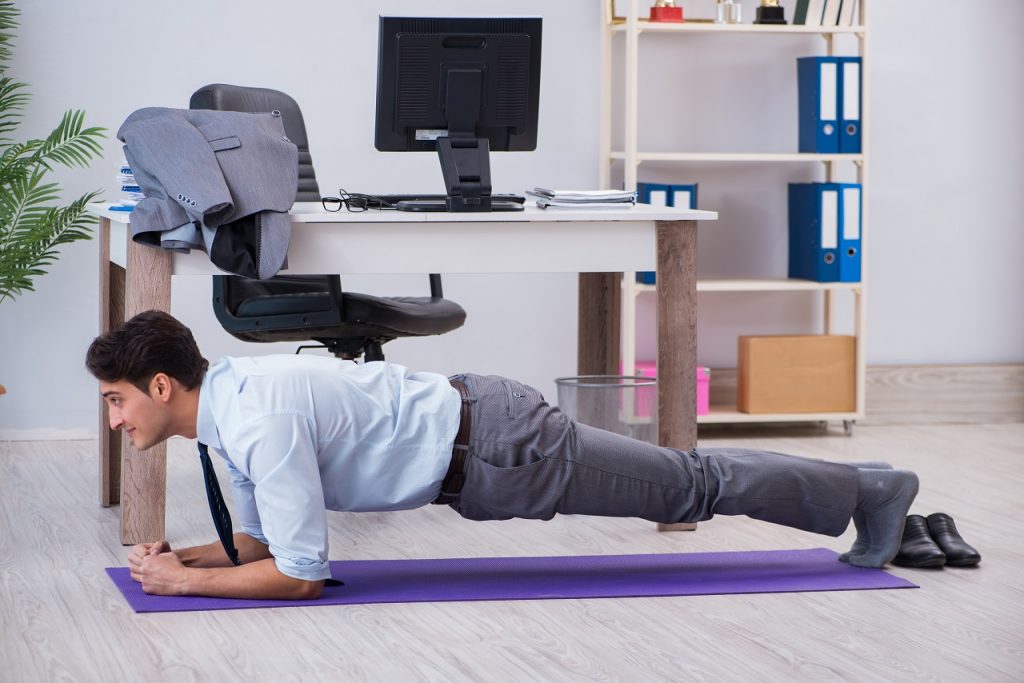
Many office workers accept neck aches, lower back stiffness, and wrist pain as simply the cost of doing business. We sit in unsupportive chairs, hunch over laptops, and remain entirely static for hours on end while managing emails and deadlines.

But your desk job shouldn’t hurt.

The human body is designed for movement, not for holding a rigid, forward-leaning posture for eight hours a day. The good news is that preventing workplace discomfort doesn’t require a complete career change. With a few simple ergonomic adjustments and deliberate movement breaks, you can protect your physical well-being and stay injury-free.

Quick Answer: How can you prevent injuries at your desk?

Adjust your workstation so your screen is at eye level and your spine is supported, take movement breaks every 30-45 minutes, use hands-free devices to protect your neck, and stay hydrated to keep your muscles and joints resilient.

Why Does Desk Work Cause So Much Pain?

Static posture is surprisingly hard on the body. When you sit in one position for prolonged periods especially a poor one certain muscles become overstretched and weak, while others become tight and overworked.

If your monitor is too low, the weight of your head places immense strain on your neck and upper back. If your chair doesn’t support your lumbar spine, your lower back bears the brunt of your upper body’s weight. Over time, these micro-stresses compound, leading to tension headaches, repetitive strain injuries (RSIs) in the wrists, and chronic back pain.

Fortunately, small, proactive changes can drastically reduce this load.

4 Ways to Avoid Injuries at Work

  1. Adjust Your Workstation for Better Posture

Your physical setup dictates your posture. Make the environment work for you, rather than twisting yourself to fit the environment.

  • Screen Position: Your laptop or desktop screen should be at eye level to prevent slouching. If needed, use a stand or place your laptop on a sturdy stack of books.
  • Chair Support: Your seat should align with the natural curve of your spine. If your chair lacks built-in support, consider adding a lumbar cushion or rolled-up towel.
  • Arm & Shoulder Alignment: Arms should be fully supported and parallel to the desk. If your elbows sit higher or lower than your desk, it forces your shoulders to shrug and your wrists to bend unnaturally.
  • Foot Positioning: Keep your feet flat on the floor or on a footrest to maintain alignment and reduce pressure on your lower back.
  1. Give Your Body Regular Movement Breaks

Even with perfect posture, staying perfectly still for hours is detrimental. You need to introduce movement back into your day.

  • Set a Reminder: Every 30-45 minutes, stand up, stretch, or take a short walk.
  • Move Around: Walk to get water, use the printer, or take a quick lap around the office or your home.
  • Stretch Your Muscles: Simple neck rolls, wrist rotations, and seated back stretches help release built-up tension and improve circulation.
  1. Reduce Strain on Your Neck & Wrists

Repetitive movements and awkward angles are the primary drivers of office injuries.

  • Use a Hands-Free Device: If you take a lot of calls, a Bluetooth headset or speakerphone will stop you from cradling your phone between your ear and shoulder—a major cause of neck spasms.
  • Keyboard & Mouse Placement: Your keyboard and mouse should be within easy reach so you aren’t constantly overreaching or extending your arms.
  • Hand & Wrist Maintenance: Roll your wrists 10 times in each direction and stretch your fingers wide every few hours to prevent stiffness.
  1. Manage Workplace Fatigue

Physical pain is often exacerbated by general fatigue and stress.

  • Stay Hydrated: Dehydrated muscles and joints are less elastic and more prone to injury. Keep a water bottle at your desk and sip regularly.
  • Improve Air & Lighting: Ensure your workspace has good ventilation and natural light to reduce overall fatigue and eye strain, which often leads to leaning closer to the screen.
  • Manage Stress: We tend to tense our shoulders and clench our jaws under stress. Take deep breaths, do a quick desk meditation, or listen to calming music to keep your muscles relaxed.

Bonus: The 5-Minute Pain Relief Protocol

If you start feeling aches and pains halfway through the day, try this quick intervention to relieve discomfort before it worsens:

  • Minute 1: Step away from the workstation to break the static posture.
  • Minute 2: Stretch the opposing muscles (e.g., if you’ve been hunched forward, stretch your chest open and pull your shoulders back).
  • Minute 3: Apply an ice pack to any acute areas of inflammation, like a sore wrist.
  • Minute 4: Readjust your chair and lumbar support so you aren’t sinking into bad habits.
  • Minute 5: Drink a glass of water and take several slow, deep breaths.

Ergonomics is Also an Employer Issue

There is a broader point here for organizations. Corporate wellness cannot just rely on employees remembering to sit up straight. Workplaces must actively design safe environments:

  • Are employees provided with highly adjustable chairs and monitor stands?
  • Is there a culture that accepts walking meetings or standing up during video calls?
  • Are teams encouraged to take micro-breaks without being penalized for appearing “away”?

Preventing injuries is a shared responsibility between the employee’s habits and the employer’s infrastructure.

Your workstation setup and daily habits dictate how your body feels at 5:00 PM. By making small ergonomic adjustments and refusing to remain static all day, you can protect yourself from chronic discomfort. Work shouldn’t be a pain in the neck—literally.

Pro Tip: Your work habits can influence much more than productivity. Use the GOQii App to track your daily steps, hydration, and sleep. A GOQii Personalised Health Coach can help you build practical stretching routines and stress management habits that fit seamlessly into your working day.

Frequently Asked Questions (FAQs)

  1. What is the correct height for my computer monitor?

The top third of your computer screen should be at or slightly below eye level. You should be able to view the center of the screen without tilting your head down or up.

  1. Is a standing desk better for preventing injuries?

Standing desks are great for breaking up static sitting, but standing all day can cause its own issues (like foot and lower back pain). The best approach is to alternate between sitting and standing throughout the day.

  1. What should I do if my wrists hurt while typing?

Ensure your wrists are in a neutral, straight position—not bent up or down. Use a wrist rest only for resting between typing, not while actively typing. If pain persists, consult a healthcare provider.

  1. How often should I take a break from my desk?

Ergonomic experts generally recommend taking a micro-break (standing up, stretching, or looking away) every 30 to 45 minutes to prevent muscle fatigue and stiffness.

  1. Can stress really cause physical pain at work?

Yes. Psychological stress often manifests physically as muscle tension, particularly in the neck, shoulders, and jaw. Managing workplace stress can directly reduce your physical aches and pains.

#BeTheForce

Disclaimer: This article is intended for educational and informational purposes only and should not replace professional medical advice. Persistent fatigue, severe musculoskeletal pain, numbness, or tingling should be discussed with an appropriate healthcare professional or physical therapist.

July 15, 2026 By Asmita Maredia 4 Comments

Sitting for Hours? Try These Simple Office Workouts to Stay Active!

office workoutHow many hours do you spend sitting each day? If you work a desk job, the answer is probably too many! The average office worker sits for 6-10 hours daily, which can lead to back pain, fatigue, poor posture, and increased health risks such as obesity and heart disease. But don’t worry—staying active at your desk is easier than you think!


Even if you go to the gym, prolonged sitting can still take a toll on your body. These simple office workouts will help you keep your body moving and your mind refreshed without leaving your desk.

Office Workouts You Can Do at Your Desk

1.Walk & Move More

  • Set an alarm every 45 minutes to stand up and move. Aim for at least 1-2 minutes of movement during each break.
  • Walk to fill your water bottle, use the printer, or take a quick break.
  • Take the stairs instead of the lift – two at a time for extra burn!
  • If possible, pace around while on phone calls.

2. Neck & Shoulder Stretches

  • Neck Stretch: Tilt your head to one side and hold for 5 seconds. Repeat 5 times on each side.
  • Head Rotation: Slowly roll your head clockwise and anti-clockwise 5 times.
  • Shoulder Shrug: Raise your shoulders as high as possible, hold for 5 seconds, then relax.

3. Arm & Wrist Exercises

  • Arm Stretch: Cross one arm over your body and pull it towards you with the other hand.
  • Triceps Stretch: Place one hand behind your neck and pull your elbow with the other hand.
  • Wrist Rotations: Roll your wrists 10 times clockwise and anti-clockwise.
  • Finger Stretch: Extend fingers as far as possible, hold for 5 seconds, then make a tight fist and hold for another 5 seconds. Repeat 5 times.

4. Back & Posture Fixers

  • Seated Back Stretch: Place your hands on the edge of your desk and push your chair back until your head is between your arms, looking at the floor. Hold for 10 seconds and repeat 5 times.
  • Overhead Stretch: Interlock your fingers, stretch your arms towards the ceiling, and hold for 5 seconds. Repeat 5 times.

5.  Leg & Lower Body Movements

  • Seated Leg Raises: Straighten one leg, hold for 5 seconds, lower halfway and hold again, then relax. Repeat with the other leg 5 times each.
  • Thigh Stretch: Stand, grab your ankle and pull it towards your buttocks. Keep your back straight and hold for 10 seconds. Repeat 5 times on each leg.
  • Calf Stretch: Place one foot on a chair and bend forward until you feel the stretch. Hold for 5 seconds and switch legs.

More Office Workout Tips To Keep You Active! 

  • Use a standing desk if available to reduce prolonged sitting.
  • Maintain good posture—sit with your back straight and feet flat on the floor.
  • Consider an exercise ball instead of a chair for better core engagement.
  • Park further away from the office entrance to increase your walking time.
  • When you can—stand rather than sit, and walk rather than stand!

These simple office workouts help reduce muscular stress, improve posture, and keep you active throughout the day. Even small movements can make a big difference to your health and productivity.

💡 Try to avoid long sitting hours by taking short breaks and staying active! If you experience any pain, here’s what you can do to prevent further injuries.

💬 How do you stay active at work? Share your tips in the comments!

#BeTheForce 

Disclaimer: The information provided in this blog is for general awareness and educational purposes only. It is not intended to replace professional medical advice, diagnosis, or treatment. Always consult a qualified healthcare provider for personalised medical guidance or concerns related to your health. Images shown are for representation purposes only and may not depict the exact recommendations or outcomes.

  • « Previous Page
  • 1
  • 2
  • 3
  • 4
  • 5
  • …
  • 42
  • Next Page »

Search

Recent Posts

  • How Stress Triggers Unhealthy Eating Habits & How to Stop It
  • The Link Between Sleep & Weight Gain
  • Understanding the Silent Killer: Hypertension Explained
  • World Mental Health Day: Simple Daily Habits to Protect Your Peace of Mind
  • World Egg Day 2026: The Protein That Powers and Protects

Stay Updated

Archives

  • October 2026 (8)
  • September 2026 (5)
  • August 2026 (8)
  • July 2026 (25)
  • June 2026 (22)
  • May 2026 (20)
  • April 2026 (24)
  • March 2026 (18)
  • February 2026 (14)
  • January 2026 (14)
  • December 2025 (19)
  • November 2025 (15)
  • October 2025 (20)
  • September 2025 (6)
  • August 2025 (5)
  • July 2025 (9)
  • June 2025 (18)
  • May 2025 (16)
  • April 2025 (22)
  • March 2025 (25)
  • February 2025 (21)
  • January 2025 (25)
  • December 2024 (22)
  • November 2024 (22)
  • October 2024 (16)
  • September 2024 (22)
  • August 2024 (27)
  • July 2024 (15)
  • June 2024 (23)
  • May 2024 (26)
  • April 2024 (27)
  • March 2024 (27)
  • February 2024 (23)
  • January 2024 (21)
  • December 2023 (14)
  • November 2023 (10)
  • October 2023 (18)
  • September 2023 (20)
  • August 2023 (16)
  • July 2023 (16)
  • June 2023 (21)
  • May 2023 (20)
  • April 2023 (19)
  • March 2023 (23)
  • February 2023 (19)
  • January 2023 (15)
  • December 2022 (11)
  • November 2022 (15)
  • October 2022 (15)
  • September 2022 (12)
  • August 2022 (9)
  • July 2022 (17)
  • June 2022 (11)
  • May 2022 (10)
  • April 2022 (6)
  • March 2022 (6)
  • February 2022 (13)
  • January 2022 (11)
  • December 2021 (7)
  • November 2021 (3)
  • October 2021 (6)
  • September 2021 (3)
  • August 2021 (8)
  • July 2021 (7)
  • June 2021 (15)
  • May 2021 (16)
  • April 2021 (10)
  • March 2021 (7)
  • February 2021 (4)
  • January 2021 (4)
  • December 2020 (3)
  • November 2020 (4)
  • October 2020 (10)
  • September 2020 (3)
  • August 2020 (3)
  • July 2020 (2)
  • June 2020 (4)
  • May 2020 (10)
  • April 2020 (12)
  • March 2020 (10)
  • February 2020 (4)
  • January 2020 (4)
  • December 2019 (3)
  • November 2019 (7)
  • October 2019 (5)
  • September 2019 (4)
  • August 2019 (9)
  • July 2019 (9)
  • June 2019 (11)
  • May 2019 (4)
  • April 2019 (8)
  • March 2019 (8)
  • February 2019 (9)
  • January 2019 (8)
  • December 2018 (9)
  • November 2018 (3)
  • October 2018 (3)
  • September 2018 (5)
  • August 2018 (10)
  • July 2018 (6)
  • June 2018 (13)
  • May 2018 (8)
  • April 2018 (17)
  • March 2018 (9)
  • February 2018 (8)
  • January 2018 (15)
  • December 2017 (12)
  • November 2017 (19)
  • October 2017 (13)
  • September 2017 (15)
  • August 2017 (4)
  • July 2017 (8)
  • June 2017 (7)
  • May 2017 (6)
  • April 2017 (8)
  • March 2017 (6)
  • February 2017 (7)
  • January 2017 (9)
  • December 2016 (10)
  • November 2016 (7)
  • October 2016 (7)
  • September 2016 (7)
  • August 2016 (11)
  • July 2016 (9)
  • June 2016 (9)
  • May 2016 (12)
  • April 2016 (17)
  • March 2016 (17)
  • February 2016 (8)
  • January 2016 (6)
  • December 2015 (2)
  • November 2015 (9)
  • October 2015 (7)
  • September 2015 (9)
  • August 2015 (11)
  • July 2015 (9)
  • June 2015 (11)
  • May 2015 (9)
  • April 2015 (13)
  • March 2015 (8)
  • February 2015 (5)
  • January 2015 (12)
  • December 2014 (14)
  • November 2014 (11)
  • October 2014 (6)
  • September 2014 (13)
  • August 2014 (12)
  • July 2014 (6)
  • June 2014 (2)
  • May 2014 (7)
  • April 2014 (4)

From Burnout to Balance: How Dr. Ranjit Reclaimed His Health

Dr Ranjit Bhatt has spent years tending to others. A practising doctor in Odisha, his days were packed with patients, surgeries, and emergencies. From the outside, it looked like a life lived in service. But on the inside, something wasn’t right. “I had no … [Read More...]

From Shimla’s Slopes to Chandigarh’s Sidewalks: Surinder Kaur Bhalla’s Journey from Chaos to Control

Some journeys start with a plan. Others begin with a stumble literally. Surinder Bhalla, a government professional, born and raised in the scenic hill town of Shimla, had always lived a life of movement. “In Shimla, you walked everywhere,” she reflects. “Walking was never an exercise. It was just life.” But after shifting to Chandigarh, […]

“I’ve Challenged Myself to Live 100 Years” – The Story of Chandubhai Savani’s Second Chance at Life

At 67, most people start slowing down. Not Chandubhai Savani. A resident of Surat, Chandubhai, thought life was on track. “My life was going well till I had my bypass surgery,” he says. That surgery, back in 2021, was a wake-up call.  Medication was routine, but exercise wasn’t. His diet? What he calls ‘normal.’ “I […]

Ananda Mukherjee Health Story

From Terminal Illness To Complete Wellness! Ananda Mukherjee Health Story

As we observe World Cancer Day under the powerful theme ‘United by Unique’ (2025-2027)**, we are reminded that every individual’s journey with cancer is distinct, yet united by shared resilience, hope, and the collective fight against this disease. This theme places people at the centre of care and their stories at the heart of the […]

  • HOME
  • HEALTHY LIVING
  • FITNESS
  • HEALTHY RECIPES
  • USER STORIES
  • KARMA
  • BUY GOQii

Copyright ©2016 GOQii

