GOQii

Blog

  • HOME
  • HEALTHY LIVING
  • FITNESS
  • HEALTHY RECIPES
  • USER STORIES
  • KARMA
  • BUY GOQii

Search Results for: hair

January 23, 2018 By Dr. Viral Thakkar 74 Comments

Hair loss: Causes and Prevention

Everyone loves a beautiful mane, be it, men or women. You could be having hair fall due to androgenic or non-androgenic causes. Androgenic causes are genetic in nature. Take Andre Agassi for instance, who starts losing his hair as early as when he was 19 and soon after, endorsed the ‘baldness’ proudly! If the causes of your hair fall are androgenic, it is best to accept your hair as they are! In case if your hair fall is due to a disease, it might continue with the disease or even after the disease is cured. A lot depends on the way you have treated the disease and the capacity of your body to jump back to a healthy state. Some of the diseases which lead to hair loss are Lupus, thyroid problems, cancer, muscular dystrophy or any severe chronic illness.
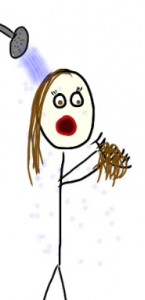
hairfall image 1

Prevent Hair Loss

  1. Nothing beats the intake of nutritious foods & regular exercise– Make sure you are consuming enough proteins in your diet as these are the building blocks of tissues and hair. You can include milk, egg whites, pulses and fish; use Omega-3 fatty acids—such as salmon and mackerel— or sprinkle a tablespoon or two of freshly ground flaxseed on to salads or cereal each day.

     2. Vitamin A is crucial for healthy hair because it works with the fat synthesis. Food products rich in vitamin A include leafy greens, carrots, eggs and cow’s ghee.

      3. Vitamin B12 creates red blood cells, which ultimately provides more oxygen to your body! Eggs, milk, cheese, milk products, meat, fish, shellfish and poultry. Some soy and rice beverages, as well as soy-based meat substitutes, are fortified with vitamin B12.

      4. Vitamin C and Iron are good for your hair. Lemon a top source of Vitamin C goes great with iron-rich foods such as spinach, quinoa, chia seeds, lentils, oatmeal, spirulina, soybeans and tomato paste. Oranges, strawberries, sweet potatoes, blueberries, raspberries, blackberries, almost all leafy greens, apples, limes, broccoli, papaya, pineapple, gooseberries, and kiwi are also all great sources of Vitamin C.

       5. Vitamin E also encourages circulation in the body and helps grow new blood vessels, which helps hair to grow. Almonds, sweet potatoes, spinach, peanuts amongst others.

Some of the most important minerals for hair health are — calcium, copper, iron, magnesium and zinc which are found in vegetables and fruits.

  1. Regular exercise allows sweat to clean out and unclog your hair pores. The exercise will also make you healthier overall which will help you grow longer, stronger locks.
  1. Stay hydrated. The hair shaft itself is largely made up of water. Drink 8-10 glasses of water every day, along with fruits and juices.
  1. Check if you have a hormonal imbalance. If you do, look into natural supplements for hormone regulation and foods that promote healthy hormone levels.
  1. Health conditions which might lead to hair loss include stress, thyroid disease, anaemia, and medications for heart disease. Read the article on basic tests which you must consider.
  1. Break your habit of smoking. Apart from a number of diseases, it reduces circulation, and this includes blood flow to the scalp. Drinking alcohol and caffeine hampers the immune system and cause further hair fallout.
  1. Oil Scalp Massages stimulate the hair follicles to increase hair growth! Take any natural oil – olive, coconut, almond and massage gently into your scalp. Leave it for ½ hr to 1 hour and wash.
  1. Home remedies: Unless sure, avoid the use of chemical treatments on your hair. Use shikakai soap at least once a week instead of shampoo with aloe vera pulp/curd. Instead of hair gels- use a pinch of brihangraj or coconut oil to settle your hair.

If you have dandruff/ itchy scalp, massage neem oil to your scalp, keep it for 1 hour before rinsing with shikakai soap. Repeat every week till you see an improvement. (if your scalp is sensitive, then neem oil may be diluted with an equal amount of coconut oil to prevent irritation). Neem is antibacterial and antifungal and works wonders for your scalp. Above all, listen to what your hair is telling you. All the treatments, even though natural might not suit your skin type. So try and find what suits you best and use it.

Use henna, to colour your hair if it suits your skin. In case if you use hair colours ensure to hydrate your skin post the treatment. The above remedies would suffice.

  1. Yoga and Pranayam: Lazy bums out there should never give up on yoga and pranayamas they promote an overall wellbeing. While the below-given asanas aid hair growth, these are also beneficial numerous other body functions.

                                                                  Adho Mukha Savasana (downward dog pose)
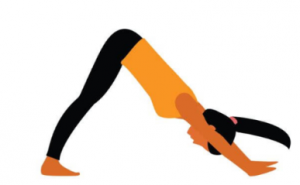
 

downward dog pose


Uttahanasana (standing forward pose)


standing fowardd pose


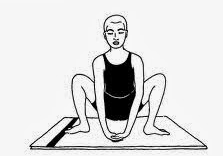
Pavanmukthasana ( Wind-relieving pose)
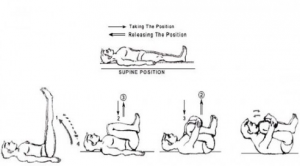
wind releaving pose


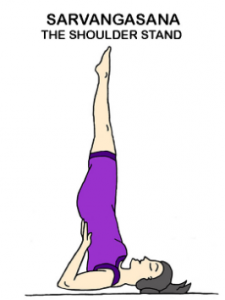
Sarvangasana  Shoulder Stand)

shoulder stand


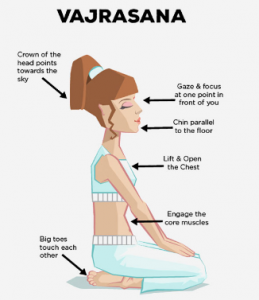
Vajrasana (Adamantine Pose)

vajrasana


April 11, 2016 By Anusha Subramanian Leave a Comment

GOQii supports International Wheelchair Fencer Vibhas Sen

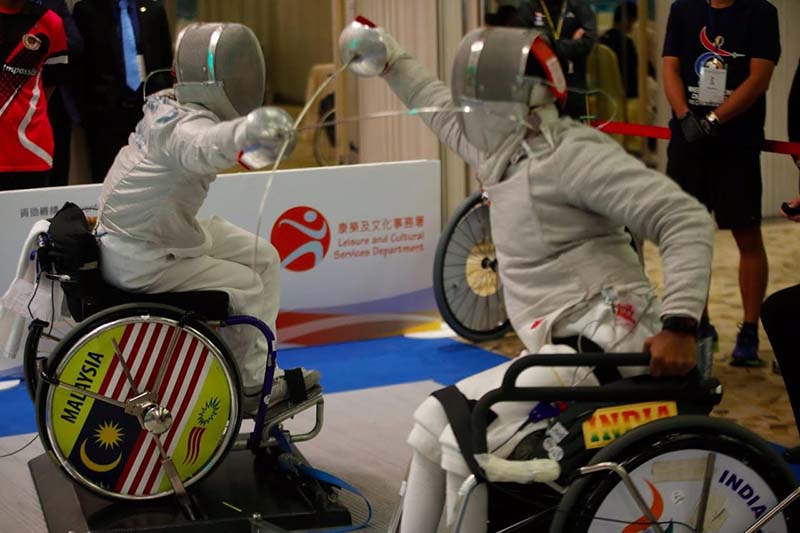
Vibhas Sen seen here wearing the GOQii band and competing with the Malaysian wheelchair Fencer at the Asian Championship in Hong Kong

Vibhas Sen seen here wearing the GOQii band and competing with the Malaysian wheelchair Fencer at the Asian Championship in Hong Kong

Living with a disability is not always easy – there are physical constraints, sometimes even in performing day to day chores. And our country does not provide for all those facilities that can make the life of a differently abled easy. It is often a challenge to find something to do, leave alone performing well in it. However, the human spirit is known to overcome physical and mental barriers to achieve their dreams. Vibhas Sen is a fine example of the above and has excelled both as a Paralympic swimmer and an International Wheelchair Fencer.

GOQii, the Health and Lifestyle company are proud to support Vibhas with coaching and nutrition guidelines to help him get fitter in his run up to the 2016 Paralympics in Brazil.

Vibhas, who is now in his early 30s and works with a digital advertising firm has a very tough daily routine. He goes to work in the morning and after work heads straight for his practice and finishes his day by 10.30 pm. He says, “I was looking for a fitness tracker to measure my fitness and also get some guidance on nutrition. Fencing is a tough and tiring sport and requires a great deal of physical strength”. GOQii has provided Vibhas with the wearable and personalized coaching who will track his fitness and advise him on his nutrition and other aspects. Luke Coutinho, the Master Coach at GOQii will be personally overlooking his progress.

“I am glad I have a coach who will monitor my progress daily and advise me on what to eat and what not to, how much to work out etc. Technology will bridge the gap for me,” says Vibhas.

Vibhas was born normal to his parents. But, at the age of 3 he was detected with Polio and since then he has been wheelchair bound. He was always interested in sports and wanted to play a sport. When he was in class 6, he aimed to learn swimming but, he only faced rejection from all the pools and coaches who refrained from taking me him on board. They told him he cannot learn swimming. So he dropped the idea and continued with his studies and led an extremely monotonous life. Although nothing deterred him from dreaming big.

It was at the age of 26 that he came across an article on swimming and he says, “After reading that article about a paraplegic swimming, I said to myself there is certainly light and the end of the tunnel. All is not so grim and dark.” He found a coach for swimming in Rajaram Garg who is the first paraplegic to swim the English Channel. “Under his guidance, I started swimming. Initially, it was more for recreation and the best part I liked was that the others in the pool were also differently abled. So I wasn’t alone.”

Vibhas was a regular at swimming for the sheer joy of it. Then one day his coach asked him to participate in a swimming competition in Pune and he won a Silver medal. That was the beginning of Vibhas taking up swimming seriously and at a professional level. He participated in many competitions and won two national level para-swimming events and several other state and district level awards within a year of taking up professional swimming.

“After swimming for a year, I wanted to try out another sport which was more challenging and something that I could pursue for a longer time. A sport where age factor will not be a constraint. And I found fencing interesting,” says Vibhas.

There are only 3 coaches in entire Mumbai for Fencing. Vibhas found a coach in Santosh Shejwal who is a National Institute of Sports Certified coach and was only coaching able-bodied persons. When Vibhas approached him he was not sure if he could coach him. Nevertheless, Shejwal said let’s give it a try. Within a year, Vibhas was quickly spotted by the National selectors of Wheelchair Fencing Federation of India to represent India. He then went on to get selected for the Wheelchair Fencing world Cup in Hungary in November 2014 and the grand Prix in Dec 2014 in Hong Kong.

Wheelchair fencing is a version of fencing for athletes with a disability. The sport is governed by the International Wheelchair and Amputee Sports Federation that is a federation of the International Paralympic Committee. Currently, Vibhas is in Hong Kong competing in the Asian Wheelchair Fencing championship. This is in a run up to qualify for the 2016 Paralympics in Brazil.

Vibhas needs to participate in at least five international wheelchair fencing events in order to be eligible for the 2016 Rio Paralympics. Due to lack of support from the National federation, Vibhas, has been funding his international competition participation through some corporate sponsorships and through crowd funding. He says, “It’s been difficult to raise funds. Last international competition I raised funds through crowd funding. If I am able to raise funds I will go for these events”. His current Asian championship has been sponsored by Essar Foundation.

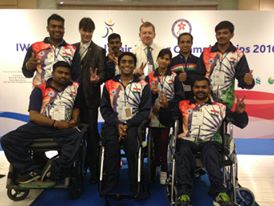
Vibhas Sen seated in the Centre with his India team

Vibhas Sen seated in the Centre with his India team

Despite so many constraints, Vibhas is confident of making it to the Paralympics. In his own words, “When someone says you can’t do it, you have got to secretly thank them. Let’s face it, proving them wrong is a huge motivator”. Vibhas’ larger goal is to win a gold in the Olympics.

‘Want to get featured here? Click Here to tell us your story.’

November 4, 2014 By CHARMI GOGRI 4 Comments

CAN FOODs HELP PREVENT PREMATURE GREYING OF HAIR??


grey-hair

“Grey hair” – I am sure is one of the most distressing night mares for all of us!

Greying of the hair is an ultimate and irreversible reality of life and is often associated with growing old. Black turns into white when our hair lacks the pigment called “melanin”. Melanin is produced by pigment cells of hair follicles which surrounds the root of each hair strand. With the increasing age of the person, there is gradual reduction in melanin pigment of the hairs and this is what causes greying of hair.

A number of medical conditions as well as lifestyle choices have been related to premature greying of hair. Some of them include Thyroid, Vitamin B12 deficiency, Vitiligo, Smoking, Stress, Faulty diet, Excessive use of electric dryers and hair irons. Of all the factors responsible, lack of proper diet and genetic factors are the major contributors.

Diet plays a very important role and if a person’s diet is faulty then he is likely to face premature greying of hair. Though one cannot prevent the natural cycle of whitening of hair, but one can always prevent their hair from premature greying by choosing right kind of foods.

Few hair-friendly foods which help delay whitening of hair include:

  • Curry leaves: Curry leaves are beneficial in not only preventing premature greying of hair but also in providing strength to hair roots. Apart from adding curry leaves to the diet, these leaves can also be boiled in coconut oil. This is a popular home remedy, an excellent hair tonic to stimulate hair growth and increase hair pigmentation.


  • Amla: Also known as Gooseberries, they are the best remedy for premature greying. Gooseberries are known to be beneficial in the prevention and treatment of grey hair. This is a valuable hair tonic for enriching hair growth and hair pigmentation.


  • Fresh Veggies: Simply incorporate green vegetables into your diet for two or three of your daily meals. They are naturally rich in Vitamins B6 and B12, which keep hair healthy.


  • Chocolate: Chocolate is naturally rich in copper, a nutrient which is vital for melanin production. Choose dark chocolate, which contains fewer calories than milk chocolate, and enjoy it in moderation.


  • Berries: Berries like strawberries, raspberries and cranberries have abundant amount of Vitamin C. They promote healthy hair as well as prevent premature greying.


  • Salmon: Salmon is a great food for fighting grey hair. Salmon is a natural source of selenium, which regulates hormone production that keeps your hair colourful.


  • Almonds: Get rid of grey hair and have a healthy flowing hair with almonds
    Almonds are rich in both Vitamin E and copper. Try incorporating almonds into your meals and start loading up on hair-healthy nutrients.


  • Sunflower seeds: Sunflower seeds have high amount of mineral content which helps in producing and retaining the melanin content thus playing an important role in maintaining healthy hair.

Lastly, when you’re eating hair-friendly foods, ensure water intake is optimal because   nutrients need water to flow through your body. Thus, If you’re not well-hydrated, you won’t get the maximum benefits from all those special, grey hair colour-fighting foods!

So all these foods and information will help you prevent grey hair and will make you look much younger even when you grow old..


October 23, 2026 By GOQii Leave a Comment

The Science of Power Naps: How Long is Too Long?

It’s 3 pm, lunch is settling, and your eyelids feel heavy. A short nap can be one of the simplest ways to get through that slump. But anyone who has “just closed their eyes for a bit” and woken up an hour later, foggy and grumpy, knows that naps can backfire.


The difference comes down mostly to length and timing. Here’s what the research says about how long to nap, when to do it, and when frequent long naps may be a sign of something worth checking.

At a glance

  • Aim for 10–20 minutes. Short naps boost alertness with little grogginess afterwards. In one lab study, a 10-minute nap gave the quickest benefit.
  • Nap in the early afternoon. Napping after about 3 pm can make it harder to sleep at night.
  • Longer isn’t better. Naps of 30 minutes or more are more likely to leave you groggy (“sleep inertia”) for a while after waking.
  • Regular naps over an hour are linked with health risks. Large reviews link them with higher rates of heart disease, metabolic problems and early death, although they don’t prove that the naps are the cause.
  • Naps don’t replace night-time sleep. If you need a nap every day, look at your night-time sleep first.
  • Feeling very sleepy despite a full night’s sleep? Speak to a doctor. It can be a sign of a sleep disorder such as sleep apnoea.

What happens in your brain when you nap

Why you feel sleepy in the afternoon

That early-afternoon slump isn’t only about a heavy lunch. Your body clock has a natural dip in alertness around 1–3 pm, and it’s stronger if you slept badly the night before. A very large lunch may add to the drowsiness, and many people find a lighter, balanced lunch keeps them more alert.

Sleep happens in stages

When you fall asleep, your brain moves through different stages of sleep:

  • Light sleep (N1 and N2): the first few minutes are very light sleep, followed by stage 2, which typically lasts 10–25 minutes. Waking from these stages is fairly easy.
  • Deep sleep (N3): this follows, and it’s much harder to wake from.
  • REM sleep: the dreaming stage, which usually comes later.

A full cycle through these stages takes about 90 minutes on average.

Why length matters: sleep inertia

Wake up during deep sleep and you’re likely to feel groggy, slow and disoriented for a while. This is called sleep inertia. According to the Mayo Clinic, it usually wears off within about 35 minutes, but that’s long enough to spoil the point of a nap if you have a meeting or need to drive.

That’s the whole logic of the power nap: sleep long enough to get the benefit of light sleep, but wake up before you sink into deep sleep.

How long should a power nap be?

One of the best-known studies on nap length comes from Flinders University in Australia. Researchers restricted 24 healthy young adults to about five hours’ sleep, then compared afternoon naps of 5, 10, 20 and 30 minutes. As one summary of the study reports:

  • 5 minutes gave few benefits compared with no nap.
  • 10 minutes gave immediate improvements in alertness and performance, with some benefits lasting up to about 155 minutes.
  • 20 minutes also helped, but the improvements only showed up about 35 minutes after waking.
  • 30 minutes caused a period of grogginess and poorer performance straight after waking, before the benefits kicked in.

The researchers concluded that the 10-minute nap was the most effective of the lengths they tested. Most health organisations suggest a similar window: the Mayo Clinic describes 20–30 minutes as ideal, noting that longer naps are more likely to leave you groggy.

Nap lengths compared

Nap length What to expect Best for
10–20 minutes Mostly light sleep; quick boost in alertness with little or no grogginess A workday slump, before driving (after pulling over safely), studying
30–60 minutes More likely to reach deep sleep; often groggy for a while after waking Rarely ideal; leave time to wake up properly before anything demanding
About 90 minutes Roughly one full sleep cycle, so you may wake from lighter sleep; more likely to affect night-time sleep Occasionally, when you’re seriously short of sleep, such as before a night shift
Regularly over 60 minutes Linked in studies with higher health risks (see below) Worth discussing with a doctor if it’s a daily need

These are general guides. Some people wake refreshed after 30 minutes; others feel foggy after 15. Notice what works for you, and keep it short if you’re unsure.

The benefits of a short nap

A well-timed short nap won’t make up for weeks of poor sleep, but it can help in the moment. According to the Mayo Clinic, naps can:

  • reduce tiredness and improve alertness
  • lift your mood and help you relax
  • support performance, including reaction time and memory

What the research shows

  • Alertness on the job: in a well-known NASA study in the 1990s, long-haul pilots who were allowed a planned nap in the cockpit while colleagues flew showed up to 54% better alertness and up to 34% better job performance than pilots who didn’t nap. The pilots had a 40-minute rest opportunity, and the naps behind these results lasted about 26 minutes. These are best-case figures from a specific setting, but they show why some workplaces build in planned rest.
  • Sleepy driving: in a driving-simulator study at Loughborough University in the UK, sleepy drivers who had caffeine followed by a 15-minute nap had far fewer sleep-related incidents than with caffeine alone, even when they didn’t fully fall asleep. If you feel drowsy while driving, the safest choice is always to stop somewhere safe and rest.
  • Brain health: a 2023 UK Biobank study from University College London found that people genetically more likely to nap habitually had slightly larger total brain volume. The effect was modest and needs confirming, and the study didn’t look at nap length, so it isn’t a reason to start napping if you don’t need to.

What about a “coffee nap”?

Caffeine takes a little while to kick in, so some people drink a cup of coffee or tea and then nap for 15–20 minutes, aiming to wake just as it starts working. The driving study above suggests the combination can work well for sleepy people. If you try it, keep it to the early afternoon so the caffeine doesn’t disturb your night-time sleep, and skip it if caffeine makes you jittery or you’ve been advised to limit it.

How long is too long? When naps may be a warning sign

Short naps appear harmless for most people. Long, regular naps are a different story.

  • A 2020 analysis presented at the European Society of Cardiology Congress pooled more than 20 studies with over 313,000 people. Naps longer than 60 minutes were linked with a 30% higher risk of death from any cause and a 34% higher risk of cardiovascular disease compared with not napping. Naps under an hour weren’t linked with heart disease.
  • An earlier analysis of 21 studies and over 307,000 people from Asia and the West found a J-shaped link between nap length and metabolic syndrome: no increased risk below about 40 minutes, but rising risk with longer naps.

These studies show associations, not cause and effect. Long daytime naps may simply be a marker of something else going on, such as poor night-time sleep, an undiagnosed sleep disorder, depression or another health condition. That’s exactly why they’re worth paying attention to.

Naps and night-time sleep

Short naps rarely affect night-time sleep. But long or late naps can make it harder to fall asleep at night, especially if you already have insomnia. The NHS advises people with insomnia to avoid napping during the day. If you struggle to sleep at night, try cutting out daytime naps for a couple of weeks and see whether your night-time sleep improves.

When to see a doctor

Speak to your doctor if:

  • you need to nap more than usual, or feel sleepy during the day even after a full night’s sleep
  • you snore loudly, or someone has noticed your breathing stop and start or you gasp or choke during sleep. These are signs of sleep apnoea, which also causes daytime tiredness, poor concentration and morning headaches
  • you fall asleep at unexpected times, such as during conversations or at the wheel
  • daytime sleepiness started after beginning a new medicine

Untreated sleep apnoea and excessive sleepiness increase the risk of accidents, including on the road, so it’s worth getting checked rather than relying on naps to cope.

How to take a better power nap

  1. Time it right. Aim for early afternoon, roughly between 1 pm and 3 pm, when your natural dip in alertness happens. The Mayo Clinic notes that napping after 3 pm can get in the way of night-time sleep.
  2. Set an alarm. Most people take a few minutes to drop off, so set an alarm for about 20 minutes to get 10–20 minutes of actual sleep.
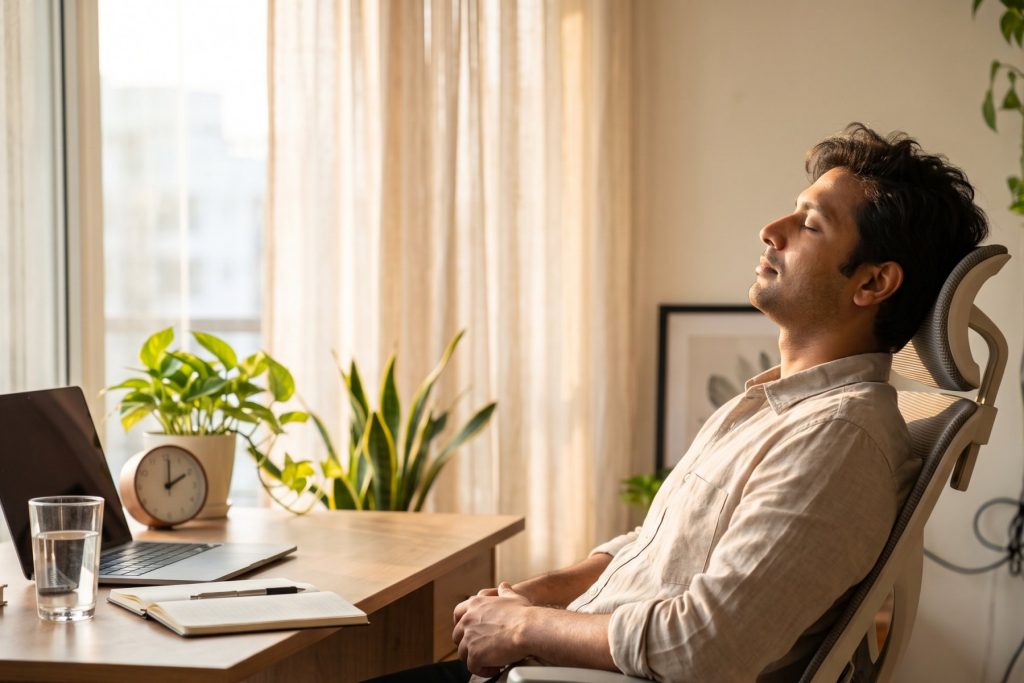
  3. Make it easy to switch off. A quiet, dark, comfortably cool spot helps. At work, an eye mask, earplugs or noise-cancelling headphones can turn a reclined chair into a nap spot.
  4. Don’t worry if you don’t fall asleep. Simply lying still with your eyes closed for 10–15 minutes can still feel restful.
  5. Wake up properly before anything demanding. Give yourself a few minutes to get moving: stand up, splash water on your face, step into daylight or take a short walk. Avoid driving or any task needing quick reactions until you feel fully alert.
  6. Watch the caffeine clock. If you have tea or coffee with your nap, keep it to the early afternoon. The NHS advises avoiding tea and coffee for at least six hours before bed.
  7. Mind your lunch. A balanced, not-too-heavy lunch can make the afternoon slump easier to manage. Our meal-prep guide has lunch ideas that keep you going through the afternoon.

If you work shifts

Shift work disrupts your body clock, and planned naps can help. A nap before a night shift, or a short nap during a break if your workplace allows it, can improve alertness. If you’re very sleepy after a night shift, consider a short nap or other transport before driving home.

If you don’t nap at all

That’s fine. Napping isn’t essential if you sleep well at night and feel alert during the day, and the studies above give no reason for non-nappers to start. Some people simply can’t sleep during the day, and that’s normal too.

The bottom line

For most people, the best power nap is short and early: 10–20 minutes, sometime between lunch and 3 pm. That’s enough to sharpen your focus and lift your mood without leaving you groggy or stealing your night-time sleep. Long naps are a different matter. If you regularly need an hour or more in the day, treat it as a signal to look at your night-time sleep, and to talk to a doctor if the tiredness doesn’t add up.

Pro Tip: Use the GOQii App to track your sleep and see how naps, caffeine and bedtimes affect your nights. Your GOQii Personalised Health Coach can help you build a sleep routine that keeps you alert through the day, with or without a nap.

Frequently asked questions

How long should a power nap be?

For most adults, 10–20 minutes of sleep is ideal. In one study, a 10-minute nap gave immediate improvements in alertness that lasted up to about two and a half hours. Longer naps are more likely to leave you feeling groggy.

Is a 1-hour nap too long?

Occasionally, it’s fine if you’re very short of sleep, but expect to feel groggy for a while afterwards. Regular naps of an hour or more have been linked in studies with higher risks of heart disease and metabolic problems, so if you need long naps often, check your night-time sleep and speak to a doctor.

What is the best time to take a nap?

Early afternoon, roughly between 1 pm and 3 pm, when alertness naturally dips. Napping after 3 pm can make it harder to fall asleep at night.

Why do I feel worse after a nap?

You probably woke from deep sleep, which causes “sleep inertia”: grogginess that usually passes within about 35 minutes. Keeping naps under 20 minutes helps you wake from lighter sleep.

Do naps make up for lost sleep at night?

Only partly. A short nap can improve alertness for a few hours, but it doesn’t replace a full night’s sleep. Most adults need 7 or more hours of sleep a night.

Does a coffee nap work?

It can. In a driving-simulator study, sleepy drivers who had caffeine followed by a 15-minute nap had far fewer sleep-related incidents than with caffeine alone. Keep it to the early afternoon so the caffeine doesn’t affect your night-time sleep.

Is it bad to need a nap every day?

Not necessarily. Many people enjoy a short daily nap. But if you feel very sleepy every day despite sleeping 7–9 hours, snore loudly or fall asleep at unexpected times, speak to a doctor, as this can be a sign of a sleep disorder such as sleep apnoea.

#BeTheForce

Disclaimer: The information provided in this blog is for general awareness and educational purposes only. It is not intended to replace professional medical advice, diagnosis, or treatment. Always consult a qualified healthcare provider for personalised medical guidance or concerns related to your health.

  • « Previous Page
  • 1
  • 2
  • 3
  • 4
  • …
  • 42
  • Next Page »

Search

Recent Posts

  • Healthy Eating: Vegetable and Paneer Kathi Roll
  • The Science of Power Naps: How Long is Too Long?
  • 7 Reasons Why Pulses Are Good For You!
  • How Exercise Impacts Mental Health
  • Dussehra 2026: 10 Unhealthy Habits to Leave Behind

Stay Updated

Archives

  • October 2026 (17)
  • September 2026 (5)
  • August 2026 (8)
  • July 2026 (25)
  • June 2026 (22)
  • May 2026 (20)
  • April 2026 (24)
  • March 2026 (18)
  • February 2026 (14)
  • January 2026 (14)
  • December 2025 (19)
  • November 2025 (15)
  • October 2025 (20)
  • September 2025 (6)
  • August 2025 (5)
  • July 2025 (9)
  • June 2025 (18)
  • May 2025 (16)
  • April 2025 (22)
  • March 2025 (25)
  • February 2025 (21)
  • January 2025 (25)
  • December 2024 (21)
  • November 2024 (21)
  • October 2024 (15)
  • September 2024 (22)
  • August 2024 (27)
  • July 2024 (15)
  • June 2024 (23)
  • May 2024 (26)
  • April 2024 (27)
  • March 2024 (27)
  • February 2024 (23)
  • January 2024 (21)
  • December 2023 (14)
  • November 2023 (10)
  • October 2023 (18)
  • September 2023 (20)
  • August 2023 (16)
  • July 2023 (16)
  • June 2023 (21)
  • May 2023 (20)
  • April 2023 (19)
  • March 2023 (23)
  • February 2023 (19)
  • January 2023 (15)
  • December 2022 (11)
  • November 2022 (15)
  • October 2022 (15)
  • September 2022 (12)
  • August 2022 (9)
  • July 2022 (17)
  • June 2022 (11)
  • May 2022 (10)
  • April 2022 (6)
  • March 2022 (6)
  • February 2022 (13)
  • January 2022 (11)
  • December 2021 (7)
  • November 2021 (3)
  • October 2021 (6)
  • September 2021 (3)
  • August 2021 (8)
  • July 2021 (7)
  • June 2021 (15)
  • May 2021 (16)
  • April 2021 (10)
  • March 2021 (7)
  • February 2021 (4)
  • January 2021 (4)
  • December 2020 (3)
  • November 2020 (4)
  • October 2020 (10)
  • September 2020 (3)
  • August 2020 (3)
  • July 2020 (2)
  • June 2020 (4)
  • May 2020 (10)
  • April 2020 (12)
  • March 2020 (10)
  • February 2020 (4)
  • January 2020 (4)
  • December 2019 (3)
  • November 2019 (7)
  • October 2019 (5)
  • September 2019 (4)
  • August 2019 (9)
  • July 2019 (9)
  • June 2019 (11)
  • May 2019 (4)
  • April 2019 (8)
  • March 2019 (8)
  • February 2019 (9)
  • January 2019 (8)
  • December 2018 (9)
  • November 2018 (3)
  • October 2018 (3)
  • September 2018 (5)
  • August 2018 (10)
  • July 2018 (6)
  • June 2018 (13)
  • May 2018 (8)
  • April 2018 (17)
  • March 2018 (9)
  • February 2018 (8)
  • January 2018 (15)
  • December 2017 (12)
  • November 2017 (19)
  • October 2017 (13)
  • September 2017 (15)
  • August 2017 (4)
  • July 2017 (8)
  • June 2017 (7)
  • May 2017 (6)
  • April 2017 (8)
  • March 2017 (6)
  • February 2017 (7)
  • January 2017 (9)
  • December 2016 (10)
  • November 2016 (7)
  • October 2016 (7)
  • September 2016 (7)
  • August 2016 (11)
  • July 2016 (9)
  • June 2016 (9)
  • May 2016 (12)
  • April 2016 (17)
  • March 2016 (17)
  • February 2016 (8)
  • January 2016 (6)
  • December 2015 (2)
  • November 2015 (9)
  • October 2015 (7)
  • September 2015 (9)
  • August 2015 (11)
  • July 2015 (9)
  • June 2015 (11)
  • May 2015 (9)
  • April 2015 (13)
  • March 2015 (8)
  • February 2015 (5)
  • January 2015 (12)
  • December 2014 (14)
  • November 2014 (11)
  • October 2014 (6)
  • September 2014 (13)
  • August 2014 (12)
  • July 2014 (6)
  • June 2014 (2)
  • May 2014 (7)
  • April 2014 (4)

From Burnout to Balance: How Dr. Ranjit Reclaimed His Health

Dr Ranjit Bhatt has spent years tending to others. A practising doctor in Odisha, his days were packed with patients, surgeries, and emergencies. From the outside, it looked like a life lived in service. But on the inside, something wasn’t right. “I had no … [Read More...]

From Shimla’s Slopes to Chandigarh’s Sidewalks: Surinder Kaur Bhalla’s Journey from Chaos to Control

Some journeys start with a plan. Others begin with a stumble literally. Surinder Bhalla, a government professional, born and raised in the scenic hill town of Shimla, had always lived a life of movement. “In Shimla, you walked everywhere,” she reflects. “Walking was never an exercise. It was just life.” But after shifting to Chandigarh, […]

“I’ve Challenged Myself to Live 100 Years” – The Story of Chandubhai Savani’s Second Chance at Life

At 67, most people start slowing down. Not Chandubhai Savani. A resident of Surat, Chandubhai, thought life was on track. “My life was going well till I had my bypass surgery,” he says. That surgery, back in 2021, was a wake-up call.  Medication was routine, but exercise wasn’t. His diet? What he calls ‘normal.’ “I […]

Ananda Mukherjee Health Story

From Terminal Illness To Complete Wellness! Ananda Mukherjee Health Story

As we observe World Cancer Day under the powerful theme ‘United by Unique’ (2025-2027)**, we are reminded that every individual’s journey with cancer is distinct, yet united by shared resilience, hope, and the collective fight against this disease. This theme places people at the centre of care and their stories at the heart of the […]

  • HOME
  • HEALTHY LIVING
  • FITNESS
  • HEALTHY RECIPES
  • USER STORIES
  • KARMA
  • BUY GOQii

Copyright ©2016 GOQii