 The Big Question
Following healthy habits and maintaining discipline in your diet is a wonderful way to care for your body. But what happens when the desire to be healthy morphs into an unhealthy obsession?
We all know that anything in excess can be harmful, and the same applies to dieting. When the pursuit of weight loss crosses the line from a healthy lifestyle choice into a rigid, fear-driven obsession, it can cause severe physical and psychological damage. One of the most serious manifestations of this is an eating disorder known as Anorexia Nervosa.
Quick Answer: When does a diet become a disease? A diet becomes an eating disorder when it is no longer about health, but driven by an intense, obsessive fear of gaining weight. Anorexia Nervosa is a severe psychological condition where individuals starve themselves or use extreme measures to lose weight, equating their physical thinness directly to their self-worth.
Beyond Calorie Counting: The Reality of Anorexia
To understand Anorexia, we must recognize that it is not simply a diet gone wrong. It is a complex psychological condition.
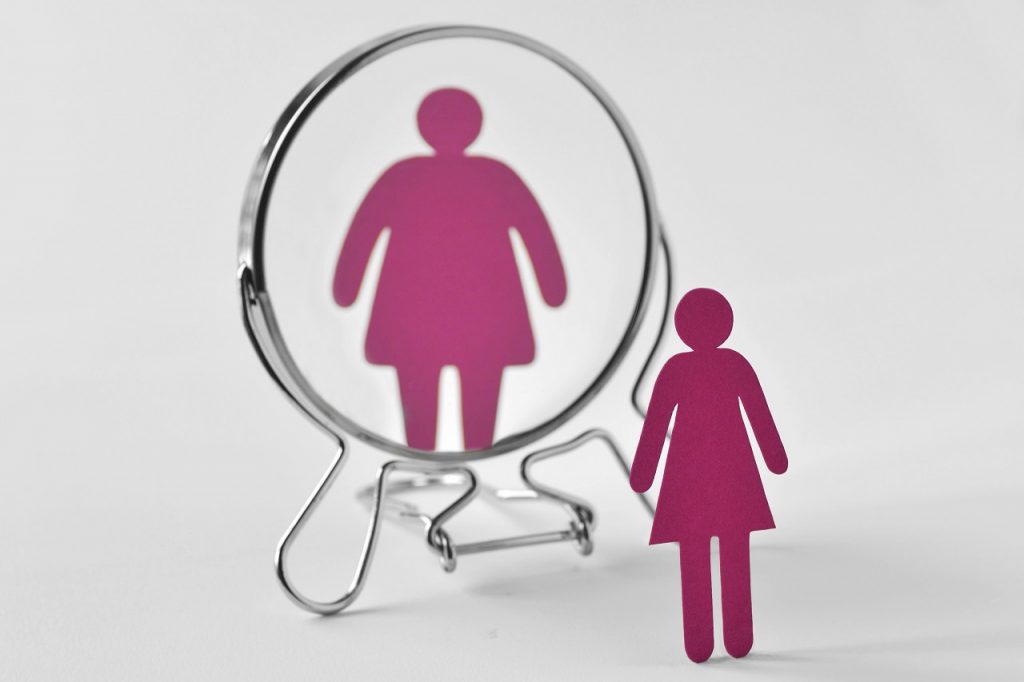
People suffering from Anorexia have a distorted perception of their weight. Despite being at a normal or even dangerously low body weight, they look in the mirror and genuinely perceive themselves as overweight. The thought of eating even a single extra bite fills them with intense anxiety about sudden weight gain.
To cope, they resort to extreme measures:
- Severely restricting calories and limiting the types of foods they will eat.
- Focusing obsessively on portion sizes.
- Attempting to purge food after eating by vomiting, or misusing laxatives, diuretics, and enemas.
- Exercising excessively, often immediately after consuming meals.
At its core, Anorexia is not about food or calorie counting; it is an unhealthy way to try to cope with emotional distress. The individual often tends to equate their physical thinness directly with their personal self-worth.
Warning Signs and Symptoms
The most evident physical symptom of Anorexia is starvation—and we must not confuse this with conscious, healthy eating. Because people with eating disorders often hide their behaviors, it can be difficult for loved ones to notice the signs early on.
Look out for these alarming physical and emotional red flags:
Physical Symptoms:
- Noticeably low body weight or thin appearance
- Chronic fatigue, dizziness, or fainting spells
- Insomnia
- Thinning hair that breaks or falls out easily
- Bluish discoloration of the fingers
- Irregular bowel movements and severe dehydration
- Abnormal blood counts and irregular heart rhythms
Emotional and Behavioural Symptoms:
- Frequently skipping meals or refusing to eat.
- Making constant excuses to avoid food (e.g., claiming they already ate, aren’t hungry, or feel unwell).
- Refusing to eat in public or around others.
- Social withdrawal and avoiding friends and family.
- Uncharacteristic irritability and mood swings.
How is it Diagnosed?
Because individuals with Anorexia often refuse to accept that they have a problem, diagnosing it early is challenging. Medical professionals generally refer to the criteria set by the American Psychiatric Association (APA) to diagnose the condition. These include:
- Restricted calorie intake: Consuming far less than what the body requires for its age, height, gender, and physical health.
- Intense fear: An overwhelming fear of gaining weight or becoming fat.
- Distorted body image: A severe misconception of being overweight, despite actually being underweight.
A thorough medical history and physical examination will help doctors reach a definitive diagnosis and assess any internal damage.
The Path to Treatment and Recovery
Treatment for Anorexia requires a comprehensive, multi-disciplinary approach. It typically involves psychotherapy, nutritional counseling, family counseling, and sometimes medication.
Because the disorder is heavily rooted in psychology, a proper counseling environment is vital for helping the individual recognize the issue and begin the healing process. Long-term, untreated Anorexia Nervosa can lead to catastrophic medical issues, including severe anemia, gastrointestinal failure, and dangerously low bone density (osteoporosis).
There is absolutely no harm in being mindful about what you put in your body. Choosing the healthiest options and practicing portion control are great habits! But the body is a machine, and it needs fuel to function. The correct way to lose weight is by eating wholesome, nutritious foods and exercising regularly—not by starving yourself.
Pro Tip: Healthy weight management should never come at the cost of your mental or physical health. If you are struggling to find a balanced approach to eating, use the GOQii App. You can subscribe to a GOQii Personalised Health Coach who will help you build a sustainable, nourishing, and healthy relationship with food without extreme dieting.
Frequently Asked Questions (FAQs)
- What is the difference between Anorexia Nervosa and a strict diet?
A strict diet is a conscious choice made to improve health or lose weight within safe boundaries. Anorexia Nervosa is a mental health disorder driven by an obsessive fear of weight gain, distorted body image, and extreme, dangerous methods of starvation that compromise the person’s life.
- Can someone have Anorexia even if they don’t look severely underweight?
Yes. While severe weight loss is a hallmark of the disease, eating disorders affect individuals of all sizes. “Atypical Anorexia” involves all the psychological symptoms and severe restrictive behaviors of Anorexia, even if the person’s weight is currently within or above the “normal” range.
- What should I do if I suspect a friend or family member has Anorexia?
Approach them with extreme empathy and without judgment. Avoid talking strictly about their weight or appearance; instead, express concern for their overall health and happiness. Encourage them to speak to a medical professional, therapist, or counselor.
- Why do people with Anorexia exercise so much?
Excessive or compulsive exercise is often used as a “compensatory behavior” to burn off the calories they have consumed. It is driven by the intense anxiety of gaining weight and a compulsion to exert control over their body.
- Is recovery from Anorexia possible?
Absolutely. With the right combination of psychological therapy, nutritional support, and medical care, individuals can and do recover fully, developing a healthy relationship with food and their bodies.
#BeTheForce
Disclaimer: This article is intended for general awareness and educational purposes only. It is not intended to replace professional medical advice, diagnosis, or treatment. Eating disorders are serious medical conditions. If you or someone you know is struggling with an eating disorder, please seek help immediately from a qualified healthcare provider or mental health professional.




Anorexia can be pretty devastating, Thank you for raising the awareness about anorexia as it is on the rise in recent years. The treatment offers really good results nowadays also.
It is really nice post. thank for sharing with us. it is very helpful for all people.
This article is a testament to the author’s profound knowledge and expertise in the subject matter. It offers valuable insights that are thought-provoking and enlightening.