 The Big Question – Spending long hours at your desk? You’re not alone.
Many office workers accept neck aches, lower back stiffness, and wrist pain as simply the cost of doing business. We sit in unsupportive chairs, hunch over laptops, and remain entirely static for hours on end while managing emails and deadlines.
But your desk job shouldn’t hurt.
The human body is designed for movement, not for holding a rigid, forward-leaning posture for eight hours a day. The good news is that preventing workplace discomfort doesn’t require a complete career change. With a few simple ergonomic adjustments and deliberate movement breaks, you can protect your physical well-being and stay injury-free.
Quick Answer: How can you prevent injuries at your desk?
Adjust your workstation so your screen is at eye level and your spine is supported, take movement breaks every 30-45 minutes, use hands-free devices to protect your neck, and stay hydrated to keep your muscles and joints resilient.
Why Does Desk Work Cause So Much Pain?
Static posture is surprisingly hard on the body. When you sit in one position for prolonged periods especially a poor one certain muscles become overstretched and weak, while others become tight and overworked.
If your monitor is too low, the weight of your head places immense strain on your neck and upper back. If your chair doesn’t support your lumbar spine, your lower back bears the brunt of your upper body’s weight. Over time, these micro-stresses compound, leading to tension headaches, repetitive strain injuries (RSIs) in the wrists, and chronic back pain.
Fortunately, small, proactive changes can drastically reduce this load.
4 Ways to Avoid Injuries at Work
-
Adjust Your Workstation for Better Posture
Your physical setup dictates your posture. Make the environment work for you, rather than twisting yourself to fit the environment.
- Screen Position: Your laptop or desktop screen should be at eye level to prevent slouching. If needed, use a stand or place your laptop on a sturdy stack of books.
- Chair Support: Your seat should align with the natural curve of your spine. If your chair lacks built-in support, consider adding a lumbar cushion or rolled-up towel.
- Arm & Shoulder Alignment: Arms should be fully supported and parallel to the desk. If your elbows sit higher or lower than your desk, it forces your shoulders to shrug and your wrists to bend unnaturally.
- Foot Positioning: Keep your feet flat on the floor or on a footrest to maintain alignment and reduce pressure on your lower back.
-
Give Your Body Regular Movement Breaks
Even with perfect posture, staying perfectly still for hours is detrimental. You need to introduce movement back into your day.
- Set a Reminder: Every 30-45 minutes, stand up, stretch, or take a short walk.
- Move Around: Walk to get water, use the printer, or take a quick lap around the office or your home.
- Stretch Your Muscles: Simple neck rolls, wrist rotations, and seated back stretches help release built-up tension and improve circulation.
-
Reduce Strain on Your Neck & Wrists
Repetitive movements and awkward angles are the primary drivers of office injuries.
- Use a Hands-Free Device: If you take a lot of calls, a Bluetooth headset or speakerphone will stop you from cradling your phone between your ear and shoulder—a major cause of neck spasms.
- Keyboard & Mouse Placement: Your keyboard and mouse should be within easy reach so you aren’t constantly overreaching or extending your arms.
- Hand & Wrist Maintenance: Roll your wrists 10 times in each direction and stretch your fingers wide every few hours to prevent stiffness.
-
Manage Workplace Fatigue
Physical pain is often exacerbated by general fatigue and stress.
- Stay Hydrated: Dehydrated muscles and joints are less elastic and more prone to injury. Keep a water bottle at your desk and sip regularly.
- Improve Air & Lighting: Ensure your workspace has good ventilation and natural light to reduce overall fatigue and eye strain, which often leads to leaning closer to the screen.
- Manage Stress: We tend to tense our shoulders and clench our jaws under stress. Take deep breaths, do a quick desk meditation, or listen to calming music to keep your muscles relaxed.
Bonus: The 5-Minute Pain Relief Protocol
If you start feeling aches and pains halfway through the day, try this quick intervention to relieve discomfort before it worsens:
- Minute 1: Step away from the workstation to break the static posture.
- Minute 2: Stretch the opposing muscles (e.g., if you’ve been hunched forward, stretch your chest open and pull your shoulders back).
- Minute 3: Apply an ice pack to any acute areas of inflammation, like a sore wrist.
- Minute 4: Readjust your chair and lumbar support so you aren’t sinking into bad habits.
- Minute 5: Drink a glass of water and take several slow, deep breaths.
Ergonomics is Also an Employer Issue
There is a broader point here for organizations. Corporate wellness cannot just rely on employees remembering to sit up straight. Workplaces must actively design safe environments:
- Are employees provided with highly adjustable chairs and monitor stands?
- Is there a culture that accepts walking meetings or standing up during video calls?
- Are teams encouraged to take micro-breaks without being penalized for appearing “away”?
Preventing injuries is a shared responsibility between the employee’s habits and the employer’s infrastructure.
Your workstation setup and daily habits dictate how your body feels at 5:00 PM. By making small ergonomic adjustments and refusing to remain static all day, you can protect yourself from chronic discomfort. Work shouldn’t be a pain in the neck—literally.
Pro Tip: Your work habits can influence much more than productivity. Use the GOQii App to track your daily steps, hydration, and sleep. A GOQii Personalised Health Coach can help you build practical stretching routines and stress management habits that fit seamlessly into your working day.
Frequently Asked Questions (FAQs)
- What is the correct height for my computer monitor?
The top third of your computer screen should be at or slightly below eye level. You should be able to view the center of the screen without tilting your head down or up.
- Is a standing desk better for preventing injuries?
Standing desks are great for breaking up static sitting, but standing all day can cause its own issues (like foot and lower back pain). The best approach is to alternate between sitting and standing throughout the day.
- What should I do if my wrists hurt while typing?
Ensure your wrists are in a neutral, straight position—not bent up or down. Use a wrist rest only for resting between typing, not while actively typing. If pain persists, consult a healthcare provider.
- How often should I take a break from my desk?
Ergonomic experts generally recommend taking a micro-break (standing up, stretching, or looking away) every 30 to 45 minutes to prevent muscle fatigue and stiffness.
- Can stress really cause physical pain at work?
Yes. Psychological stress often manifests physically as muscle tension, particularly in the neck, shoulders, and jaw. Managing workplace stress can directly reduce your physical aches and pains.
#BeTheForce
Disclaimer: This article is intended for educational and informational purposes only and should not replace professional medical advice. Persistent fatigue, severe musculoskeletal pain, numbness, or tingling should be discussed with an appropriate healthcare professional or physical therapist.
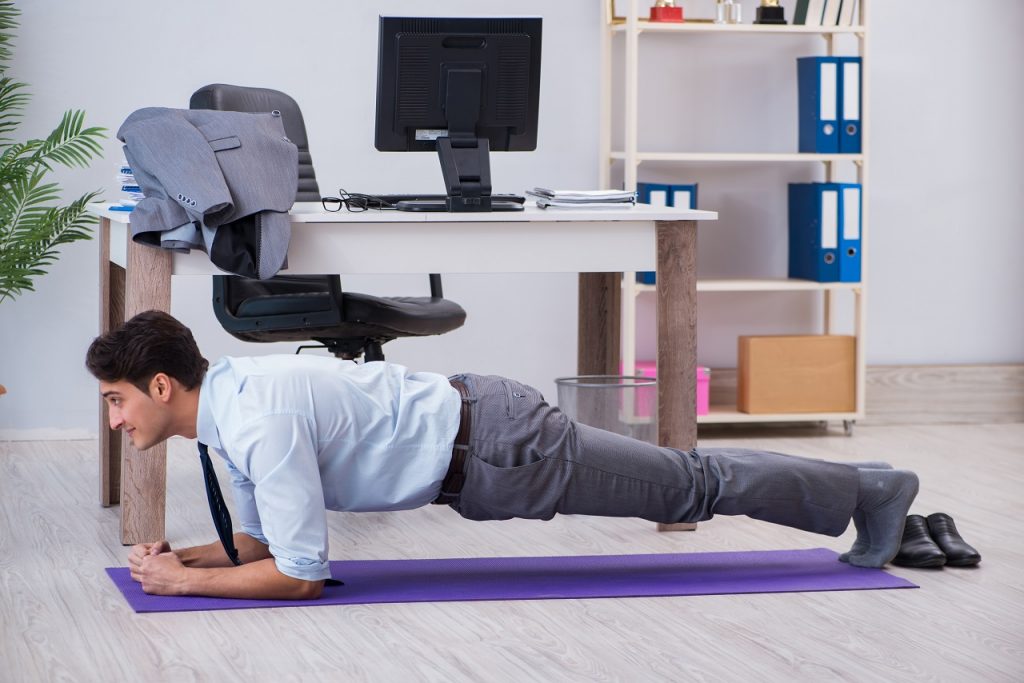 How many hours do you spend sitting each day? If you work a desk job, the answer is probably too many! The average office worker sits for 6-10 hours daily, which can lead to back pain, fatigue, poor posture, and increased health risks such as obesity and heart disease. But don’t worry—staying active at your desk is easier than you think!
 Every year, people around the world celebrate the International Day of Yoga, highlighting the many ways yoga supports physical, mental, and emotional wellbeing. This year’s theme, “Yoga for Healthy Ageing,” is especially relevant as more people focus not just on living longer, but on living healthier.



 The Big Question: In an era of artificial intelligence and organ transplants, why can’t scientists manufacture a single drop of human blood?


